






Earthly Delights
As society’s increasing dependence on technology strains the earth’s natural resources, Neha Kale talks to contemporary artists using minerals to explore questions of interdependence. Save to My OculaMinerals have long been revered, across cultures, for their aesthetic properties and alchemical powers. But we live in a world in which rare earth elements are inextricable from technological acceleration: there is lithium in our smartphones and cobalt in our laptops and nickel and copper are central to the data centres used for artificial intelligence. According to April 2026 research from United Nations University, the quest to mine critical minerals to create AI, driverless cars and renewable energy has also worsened economic inequality, threatening water supply in the Global South and leaving communities and landscapes around the world newly vulnerable.
If minerals have been charged, through history, with symbolism (jade for wisdom, gold for the divine), today they are inseparable from these systems of extraction shaping the planet. For a new wave of contemporary artists, minerals are a way of exploring these questions of interdependence.
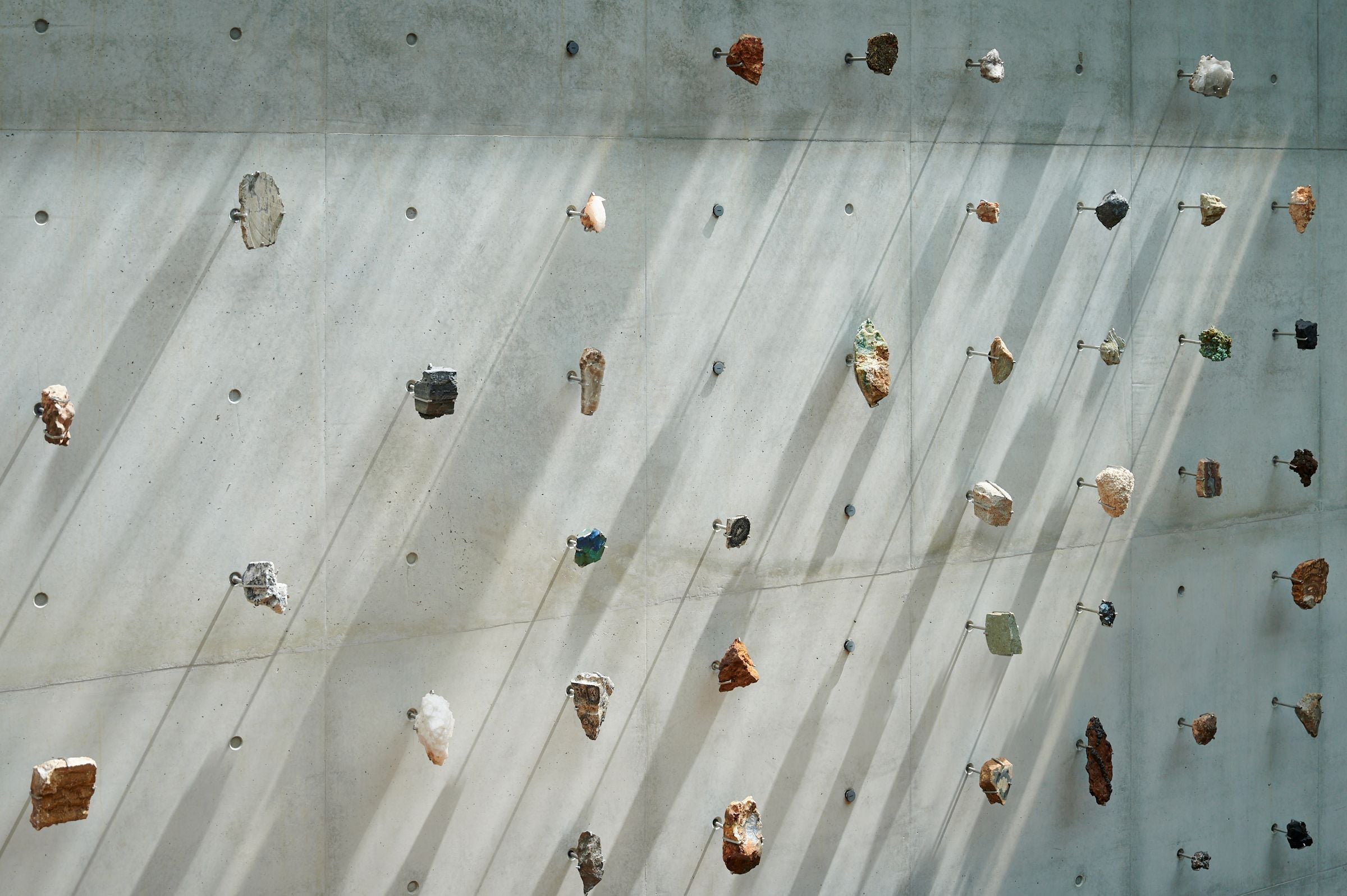
Alix Boillot is interested in the poetry of how changes in natural materials reflect a changing world. The French artist’s sculptures, installations and photographs, some of which are on show in Arles this summer, are made from snow and water, ice and vapour, making them deeply ephemeral reflections on time. Swiss artist Julian Charrière, whose work is on show as part of Hard Core, at the Museum of Old and New Art (Mona) in Tasmania, works with rocks as a way of exploring of deep time. Taiwanese-born Su Yu-Xin has used cowrie shells and red tourmaline to create paint underpinned by histories of migration and colonial trade. And, since the 1990s, Australian artist Janet Laurence has conceived installations that engage minerals and their properties. Her 2022 work Cliff saw a wall in Perth’s Curtin University adorned with 150 specimens of geological material from Western Australia, a part of the country known for its history of mining, which is partly comprised of rocks formed more than three billion years ago.
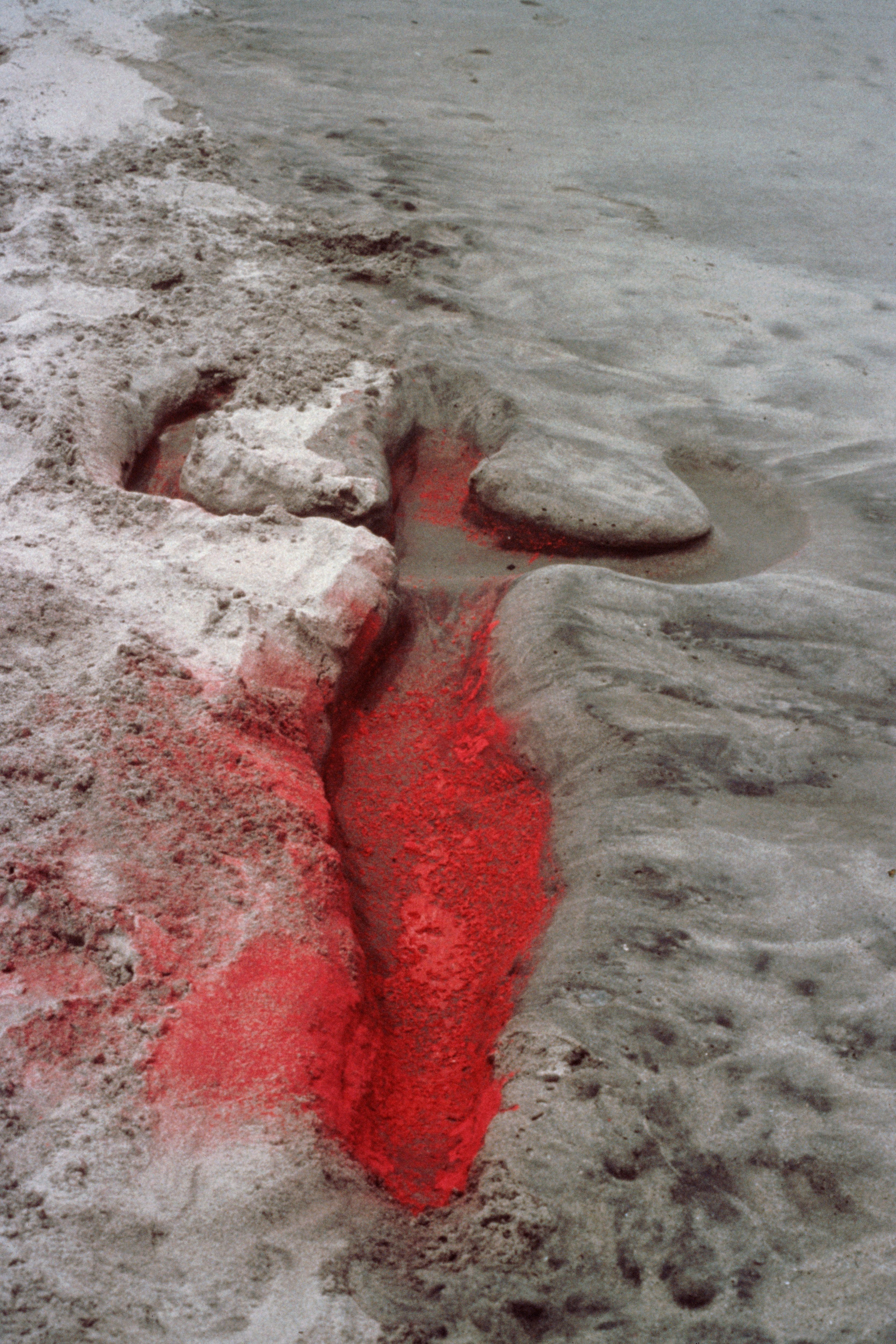
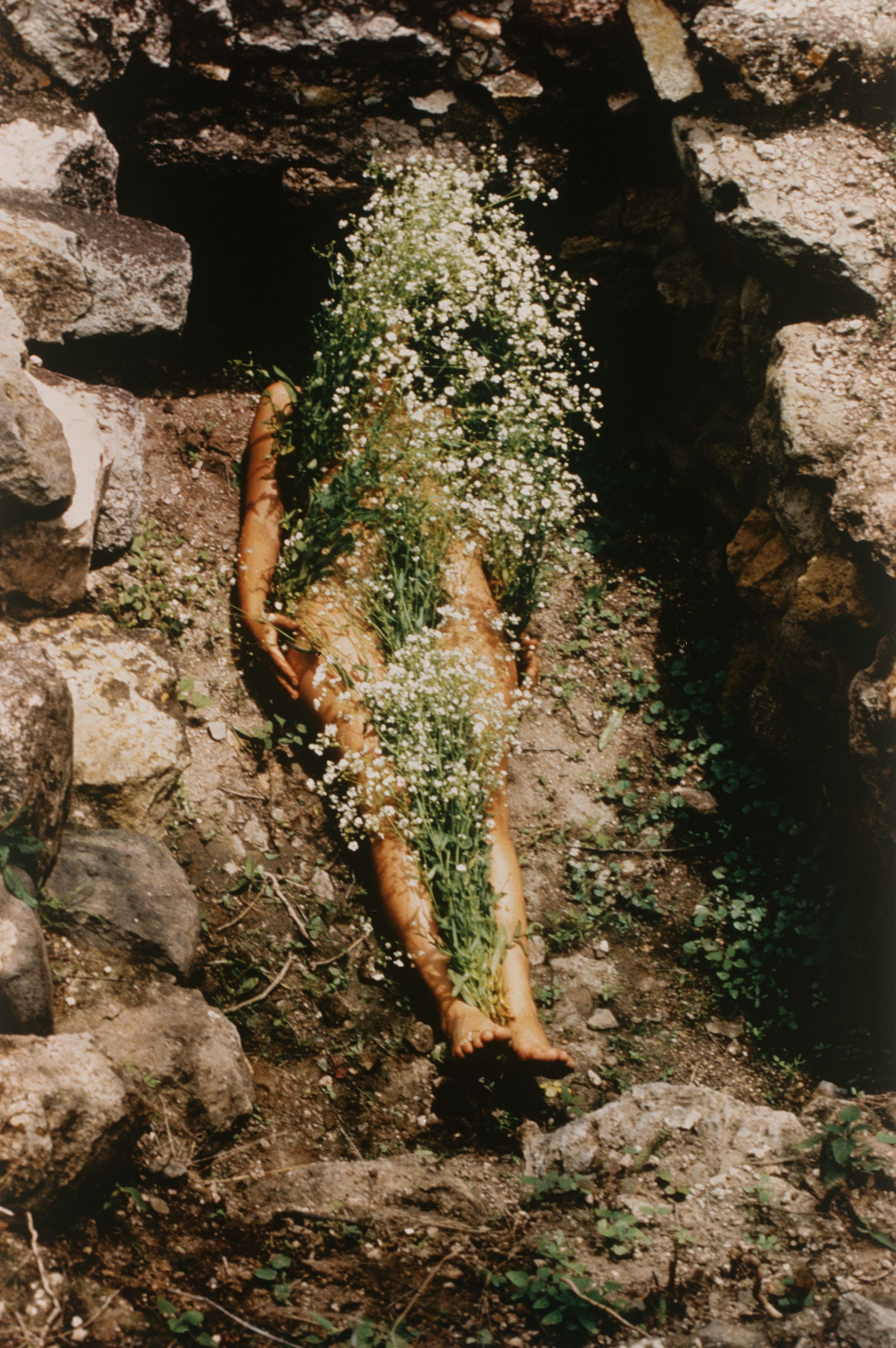
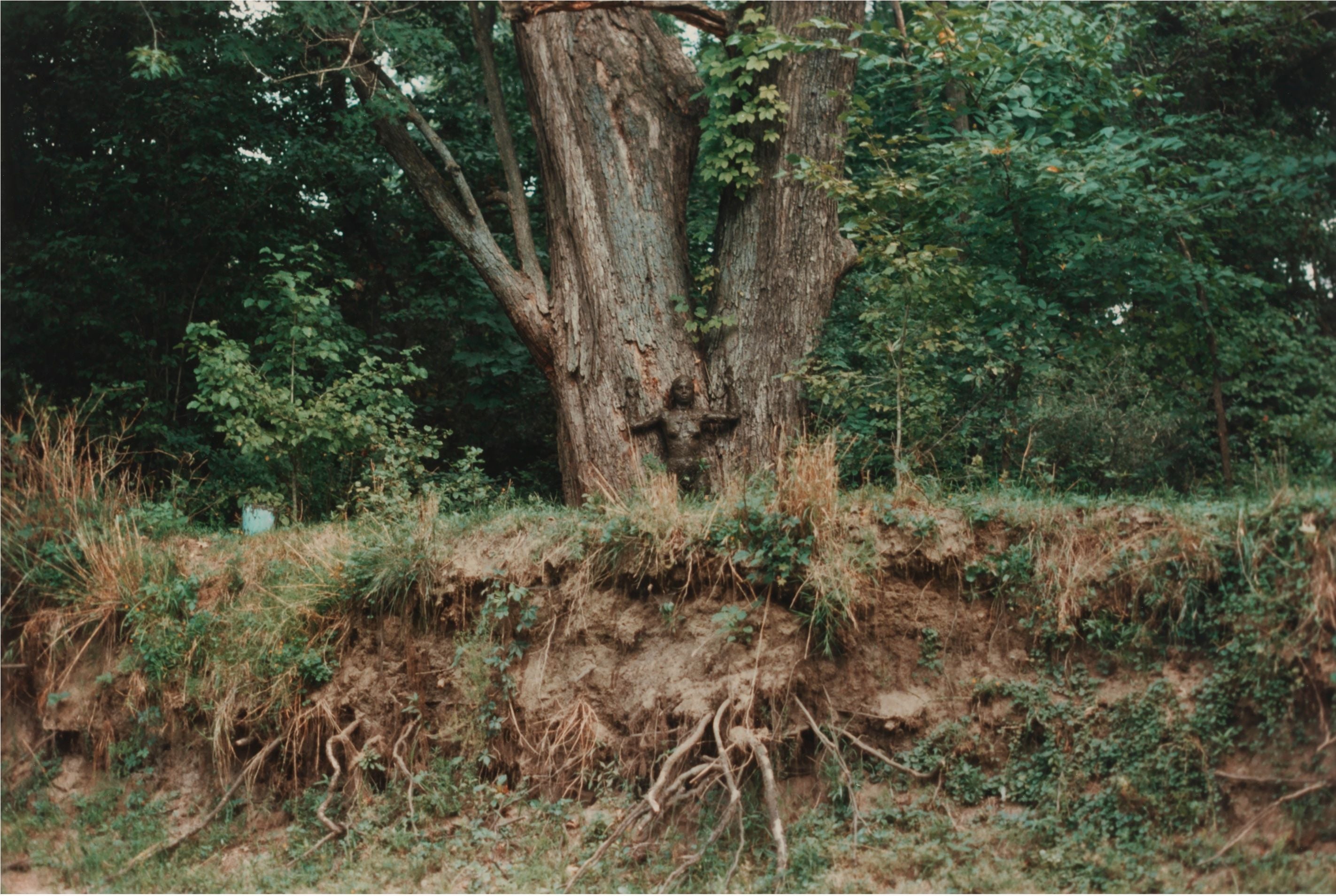
There is a long lineage of contemporary artists who have used minerals to explore questions of both human and non-human transience. Many of these artists are interested in the ways in which our bodies are bound up with the body of the earth. Cuban American artist Ana Mendieta, whose work is currently on display in a career survey at Tate Modern in London, created her Silueta series from 1973–1980 using geological material such as rocks and sand, while in other works she introduced fire and gunpowder.

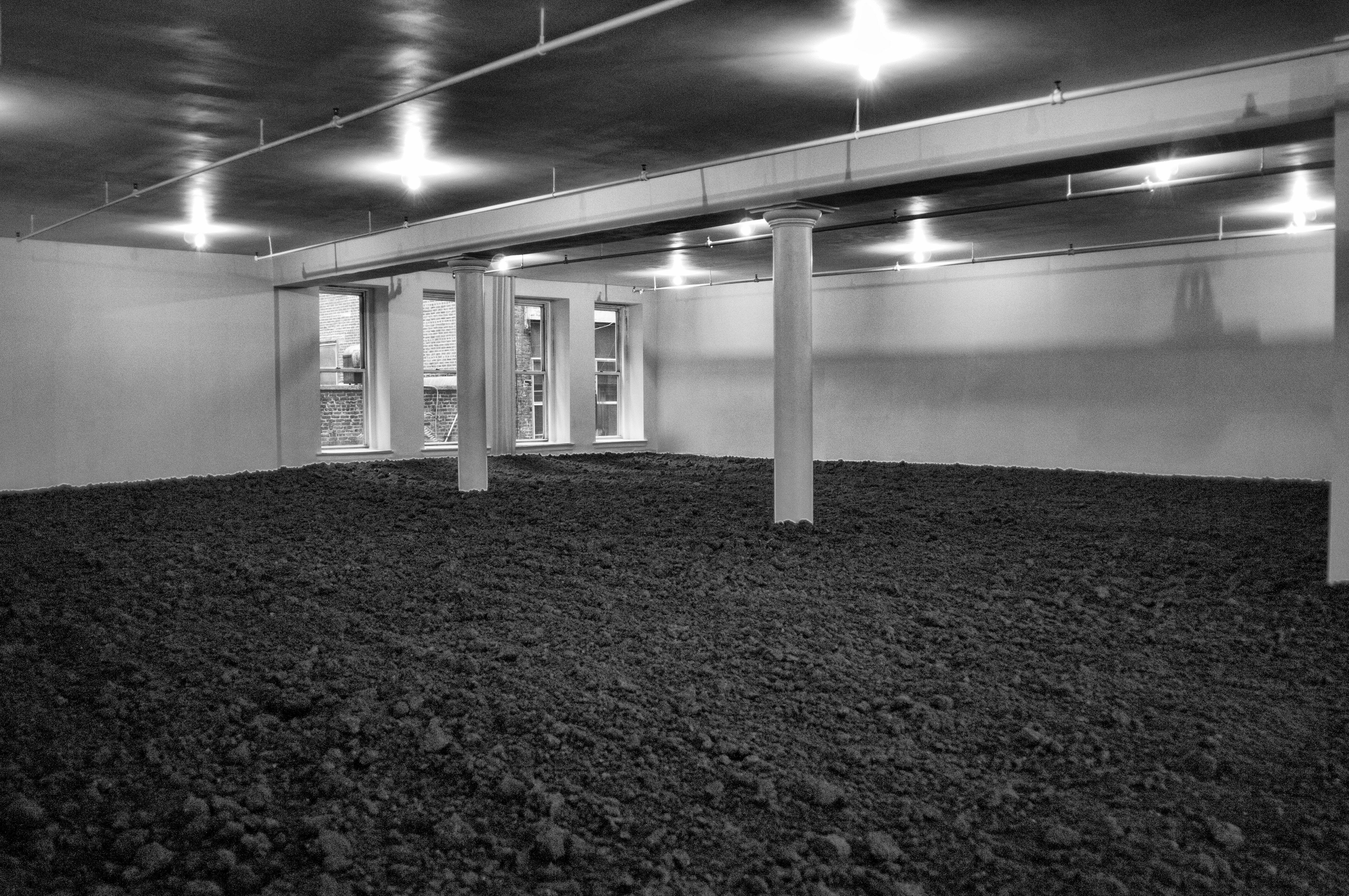
For American artist Walter De Maria’s 1977 work The New York Earth Room, he filled a loft in downtown New York City with soil. Almost 50 years later, the earth remains in the room. It has become a statement on the endurance of nature within a city shaped by capital.
If the likes of Mendieta and de Maria reflect a mode of working that assumes a possible future, artists working today are addressing the conditions of our era: a planet on the brink of climate catastrophe, where the acceleration of technology takes a far higher toll on the earth.
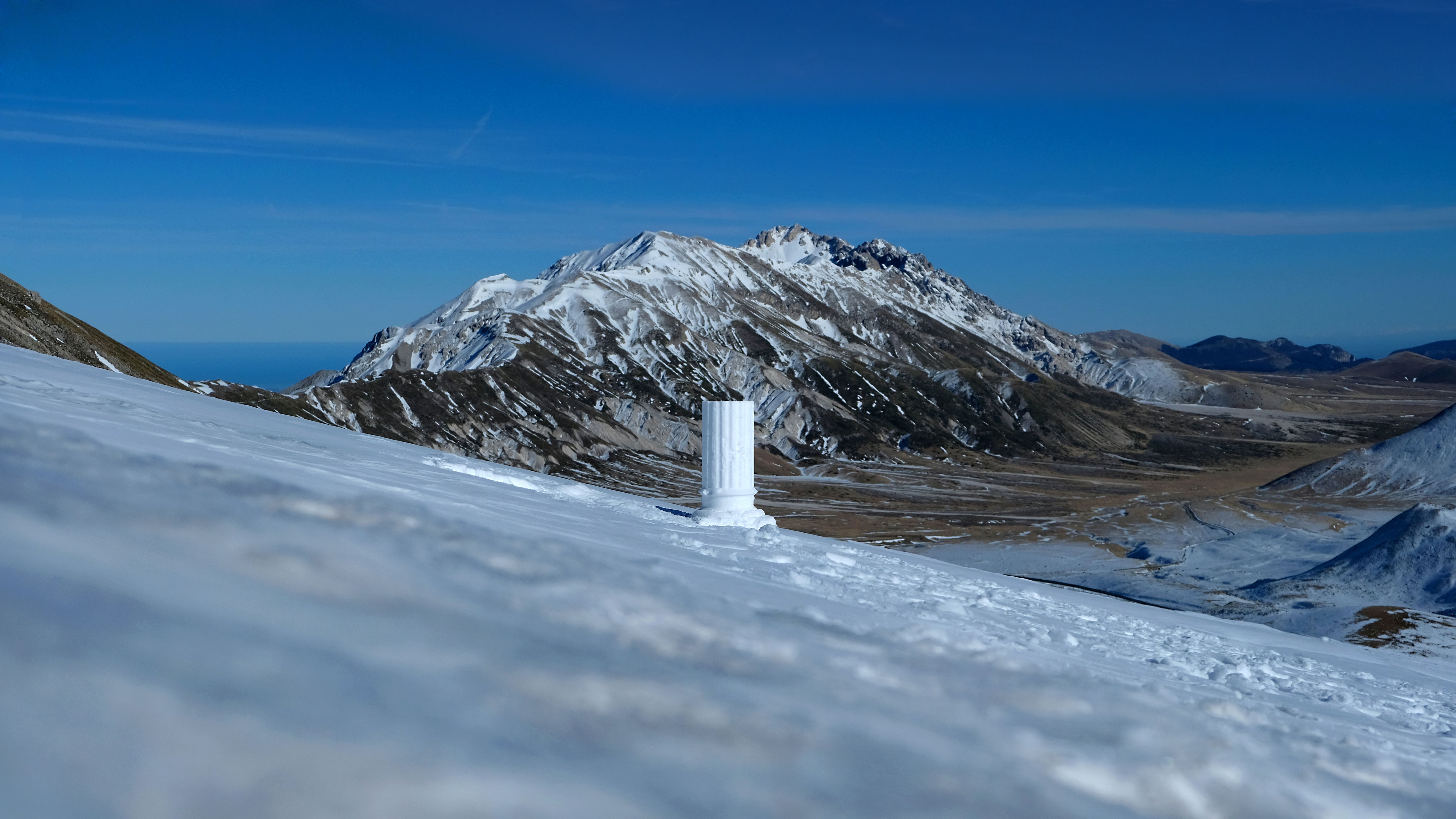
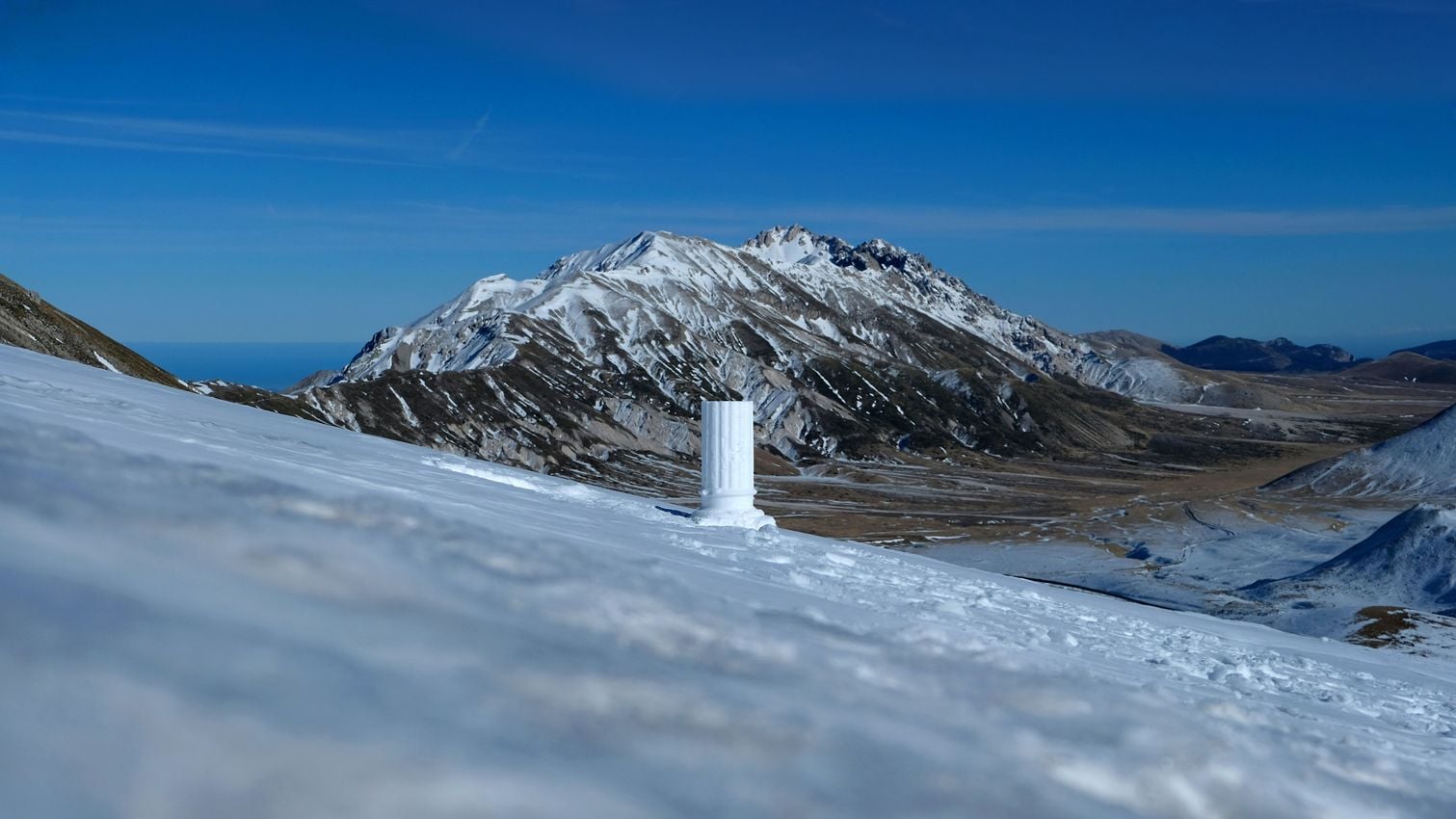
To make Farewell Beauty (2021), a series of photographs showing at Rencontres d’Arles this summer, Boillot travelled to the Abruzzo mountains near Rome. There, she waited for the snow to fall, before sculpting ancient Doric columns from the compacted flakes. She left the site briefly. “When I came back, the sun had already worked on the sculpture and I wanted to [reflect] that in the title, that it’s a goodbye,” she says. The resulting photographs are the only remaining record of her intervention. “We have to say goodbye to the snow. The snow existed before us, but because of us it won’t last forever.”
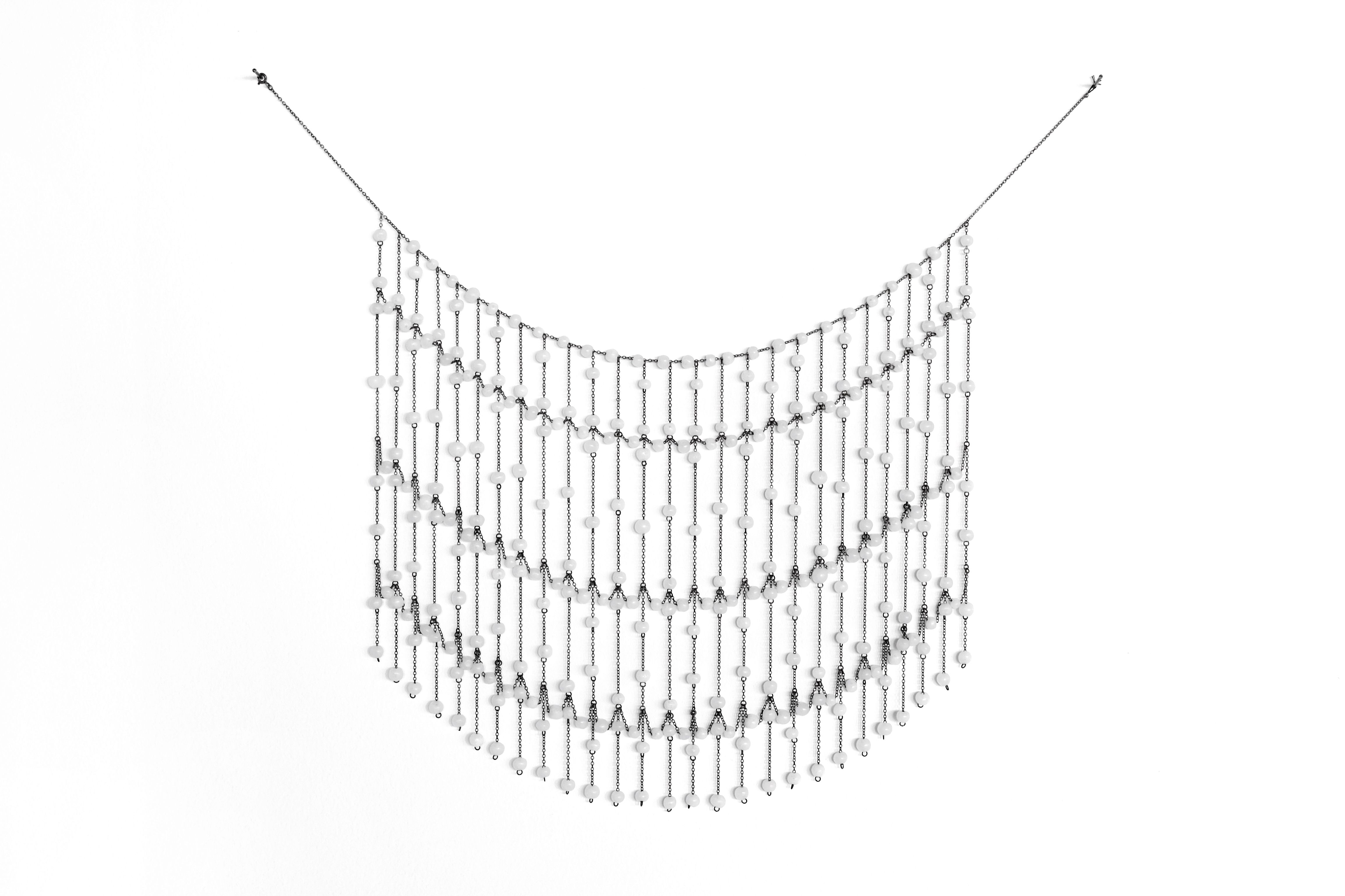
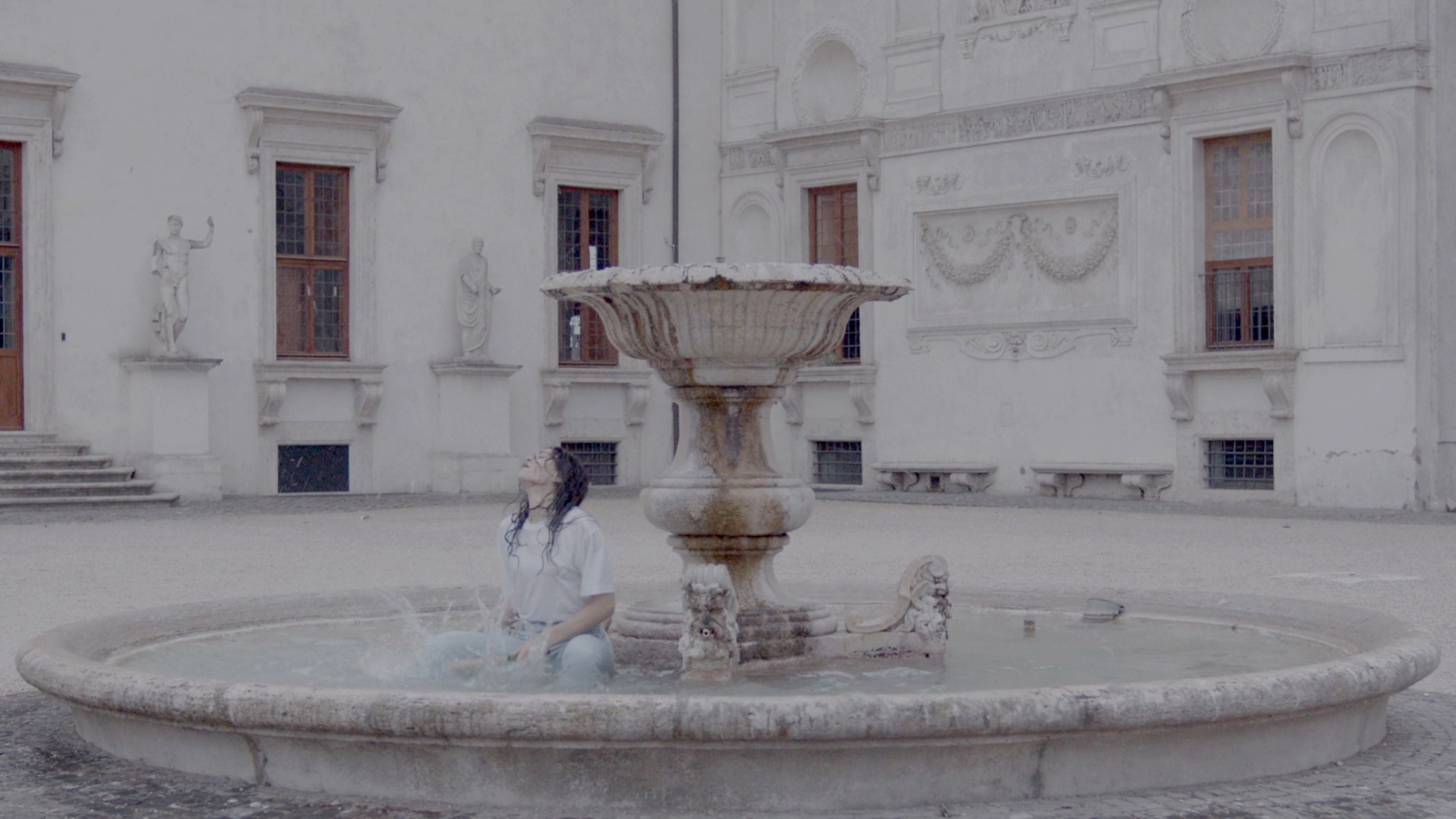
At Arles, Boillot is also showing L’Éternité (adornement) (2024), a necklace composed of the salt pearls that washed up on the shores of Lake Assal in Djibouti, one of the most saline places on earth. The work, she says, was originally worn by the singer Maria Piera Fusi in The Eternity (1) (2024), a performance staged as part of the 17th Lyon Biennale in which the Italian singer, dressed in black, begins to cry, referencing Italy’s communities of professional mourners. L’Éternité (adornment) speaks to the way we can inhale salt molecules from the sea that rise into the atmosphere. “The salt in the tears are a good clue because you feel like you are connected to the oceans,” Boillot says.
“A world where seas were rich in dissolved iron and the atmosphere contained almost no free oxygen”
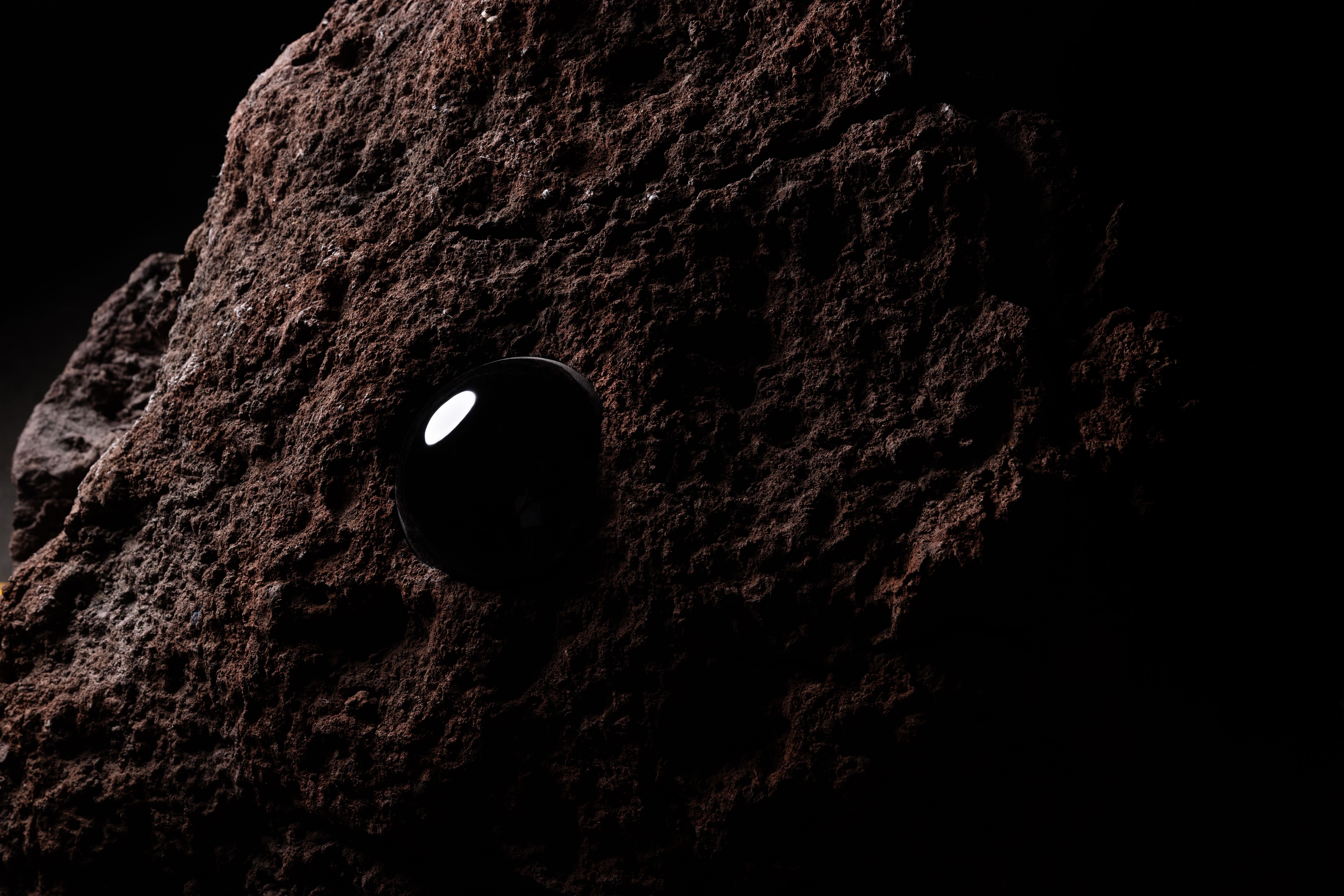
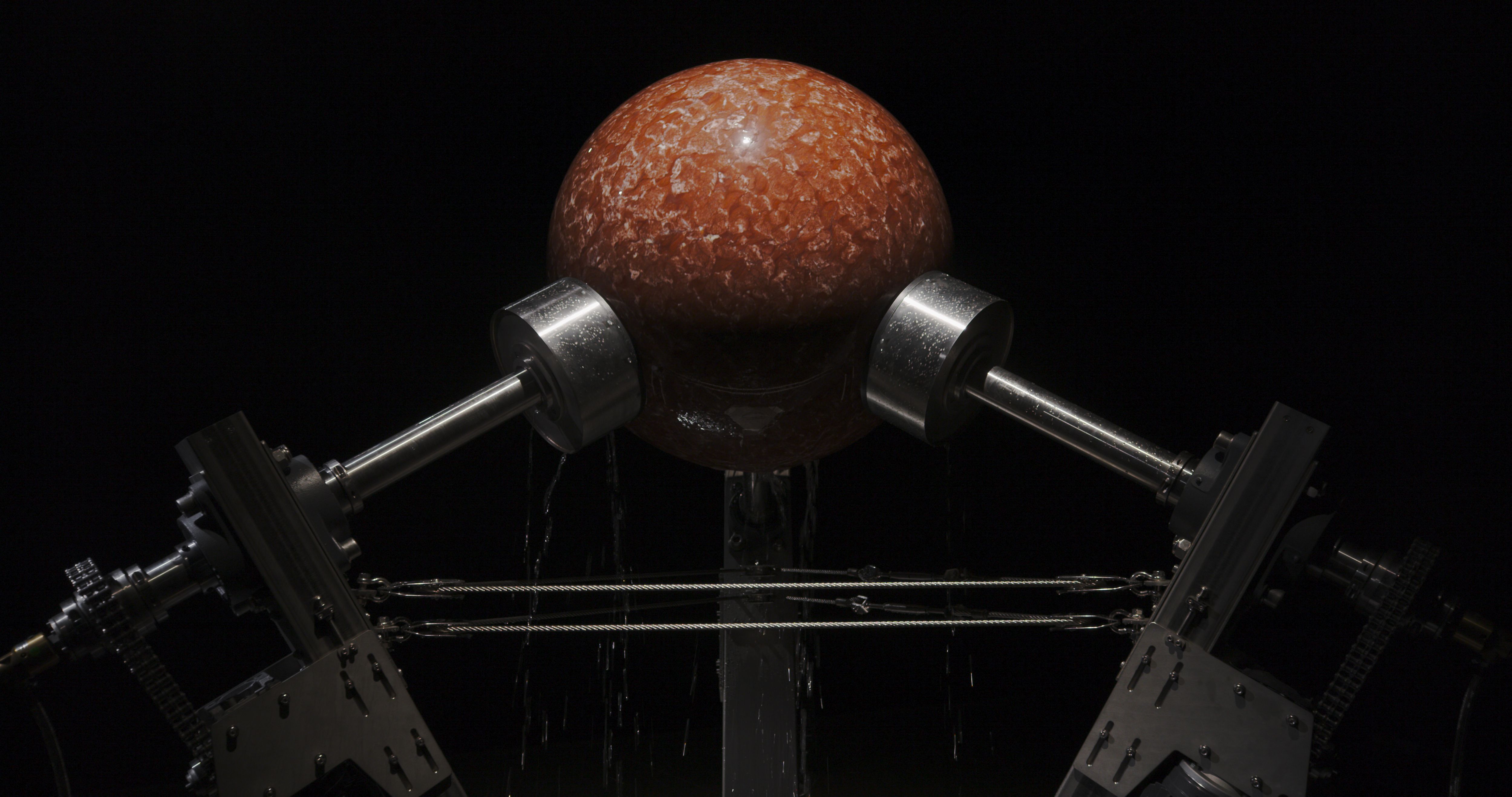
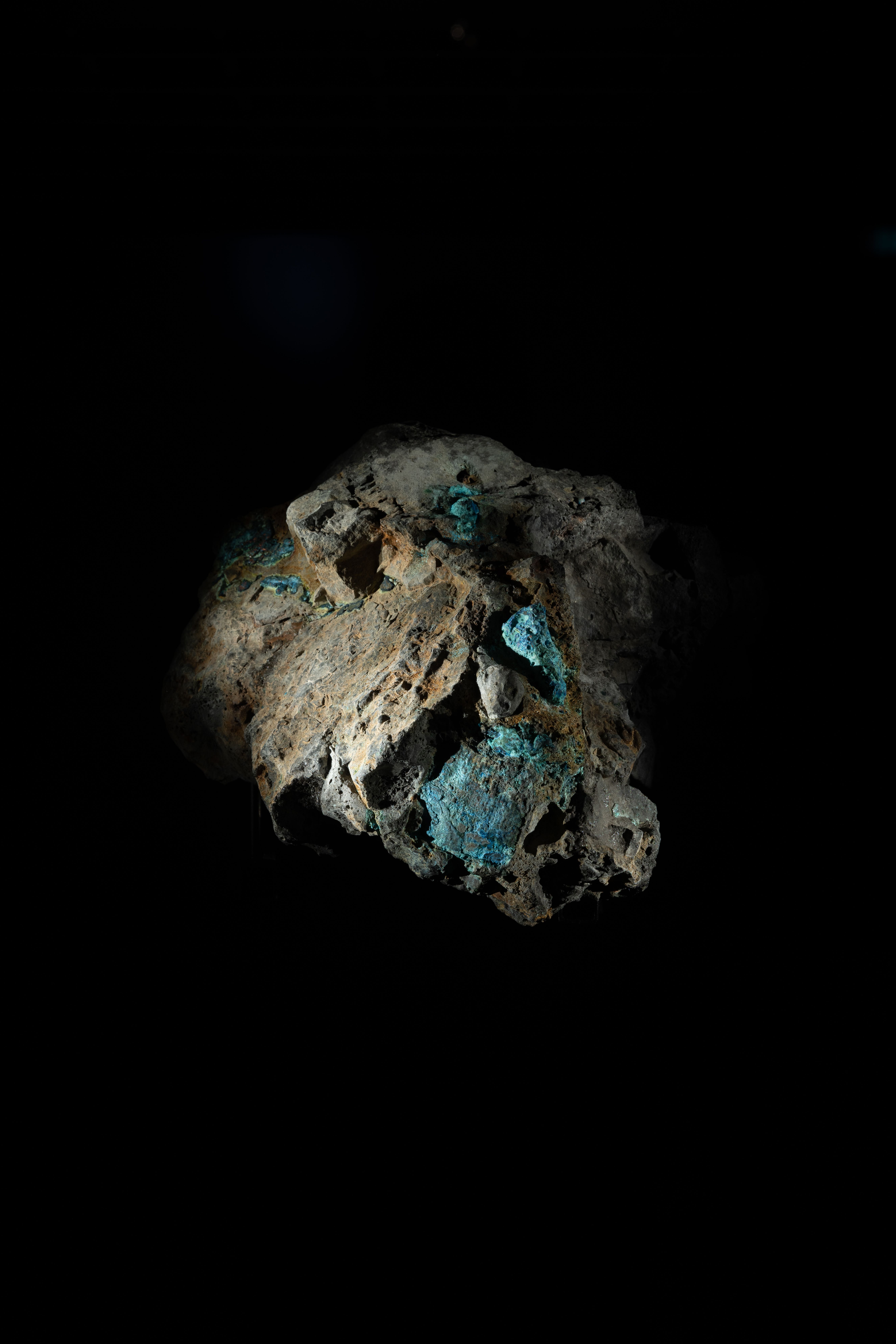
In an era in which it’s easy to surrender to inaction and despair, artists are inviting us into a different relationship with time. They are offering moments of agency. Charrière’s work Breathe (2026), a new permanent installation at Mona, draws on the ancient rocks of the Pilbara in Western Australia, which formed 2.4 billion years ago during the Great Oxidation Event, when microbes first started releasing oxygen into the atmosphere. “These rocks began as sediments on the floor of ancient oceans, in a world almost unimaginable to us, when the seas were rich in dissolved iron and the atmosphere contained almost no free oxygen,” Charrière says.
In Breathe, Charrière invites visitors to descend into a vast chamber carved into sandstone from the Triassic era. Here, they can inhale oxygen that the artist, using custom apparatus, has extracted from the ancient rock. “The work becomes a kind of breath delayed by geological time, an inhalation that brings the body into contact with a planetary transformation that began more than two billion years ago,” he says. “What was important to me was to bring deep time into the realm of an intimate and human experience.”
New York-based artist Mika Tajima has long been fascinated with what she describes as the technologies of the earth: “Compression, heat pressure, the transformation of one material into another.” This sits in contrast, she says, to our contemporary, accelerationist relationship to time. “Technological time is fast—it’s instantaneous, it is nano and milli and micro.” Tajima, whose new show 37 Dimensions opened in June at Pace Gallery in Los Angeles, is interested in ideas of freedom and control, and how we exercise our agency when surveillance has remade our perception of ourselves and data governs our understanding of the world.
To make the work Sense Object (2024), Tajima compressed texts based on Twitter posts from American users on 1 January 2023 on to a memory crystal, a piece of nanotechnology that encodes data. It was then balanced on a rose quartz, a stone known in New Age circles for its healing energy. Her new series 24 Hour Cosmos translates the global news cycle, collected over the course of a single day, into shimmering portraits, with holographic surfaces, that respond to the viewer’s position.
![Mika Tajima, Sense Object, (January 1st, 2023, United States) (detail), (2024) 5D memory crystal encoded with sentiment data (24 hours’ worth [2023/01/01] of Twitter data from United States), rose quartz.](https://files.ocula.com/rf/99/99f7dd14-4340-40da-ba41-c91c0556df60/88229tajimavdet-high-resolution-300-dpi-2.jpg)
Narratives of industrial progress often tell us that human existence is separate from the earth and its resources. If technological advancement, with its pressure to grow and optimise, convinces us to shape the world in our own image, these artists present another kind of narrative: one in which material and mineral reality is intertwined with the fate of humans. Tajima, in Negentropica, a 2025 series of black marble vases, adorned with flowers that have been biologically altered by chemical preservation, moved from mechanically carving crystal to marble. “I love the density and opacity of a stone that’s formed over millions of years in the earth. I just pushed a button and there’s a hole in this dense, heavy thing.” As she reflects: “I wanted to play with the notion of the earth’s power and the power of man—these two kinds of powers at play.” —[O]
Main image: Alix Boillot, Farewell Beauty, (2024). Courtesythe Artist.








A respected voice in contemporary art discourse.
Focusing on ambitious storytelling and insightful art-world commentary. Ocula Magazine publishes in-depth interviews, critical essays and timely analysis on the artists, exhibitions and ideas driving the global art world.
Learn more about Ocula Magazine
Showcasing the best of the art world.
Ocula partners with galleries from around the world to highlight their artists, artworks and exhibitions. Gallery membership is by application and invitation, with each member vetted by an independent panel.
Learn more about Ocula Membership
Specialises in the sale of major artworks.
Led by a team with deep ties to the world’s leading auction houses, galleries and collectors. Ocula’s advisory team offers bespoke services to high-net-worth clients from around the world who are looking to acquire the best of contemporary and modern art.
Learn more about our team and services