





What Does AI Creep Mean for Hollywood?
Film studios and technology companies are becoming more entwined. Does this mean the tech bros can decide which movies are made? Save to My OculaIn June 2026, Amazon made an unexpected decision relating to one of its most high-profile upcoming films. The company announced that it would no longer be releasing Luca Guadagnino’s Artificial, even after investing $40 million in the project. The Call Me By Your Name auteur’s latest is a biopic starring Andrew Garfield as OpenAI boss Sam Altman, dramatising the week of his controversial firing and rehiring in 2023. Originally slated for release in early 2027, Amazon MGM Studios abruptly changed its mind when the film was almost complete, giving no explanation other than that the film would “be better served if it were released by a different studio”.
The timing seemed odd. A few months earlier, Amazon had invested $50 billion in OpenAI, giving it a roughly five percent stake in the company behind ChatGPT. Viewers at preview screenings reported that the film doesn’t portray Altman in a sympathetic light, but rather casts Ilya Sutskever, an OpenAI board member involved in Altman’s ousting, as its hero. Could it be that Amazon decided to drop the film so as not to jeopardise their relationship with OpenAI? Artificial was later picked up by distributor Neon and will still be released later this year, but Guadagnino was shocked by Amazon’s decision. According to The Hollywood Reporter, on Italian TV, Guadagnino expressed concern about the power of Big Tech, citing the “rise of this small oligarchy that wields truly radical control”.
After years spent worrying that AI is creeping into Hollywood from the bottom, in the form of automated tools that could replace individual workers, here is a glimpse of a threat of a different magnitude. As movie studios become increasingly financially entangled with technology companies, a new risk arises: we slip into an era where tech companies have the final say over which movies are greenlit in the first place. So, what does AI creep actually mean for the future of cinema? And is there anybody that will stand up to it?
“The more Hollywood is dependent on these tools, the more powerful the tech corporations become”
In late June, another Hollywood-AI deal came to light. This time it wasn’t a tech giant, but instead boutique movie studio A24, known for taste-making films including Marty Supreme (2025), Moonlight (2016) and Everything Everywhere All at Once (2022). It announced a $75 million deal with Google’s AI arm DeepMind, intended to develop new AI filmmaking technologies. Though it was stated that Google would not gain access to A24’s library for training its AI models, the announcement elicited a huge wave of criticism from fans. Some accused the company of hypocrisy: the deal came on the heels of the studio’s hit horror film Backrooms, which is set in a maze of uncannily empty rooms, interpreted by some as a critique of AI (“the feedback loop of all your greatest and worst desires, thoughts and feelings reflected back at you,” read one comment on X).
Lionsgate recently expanded its partnership with AI firm Runway to make videos trained on the studio’s output. Netflix purchased Ben Affleck’s AI startup InterPositive, which plans to develop AI filmmaking tools. Disney struck a $1 billion deal in December 2025 to license its characters to OpenAI, which fell apart three months later.
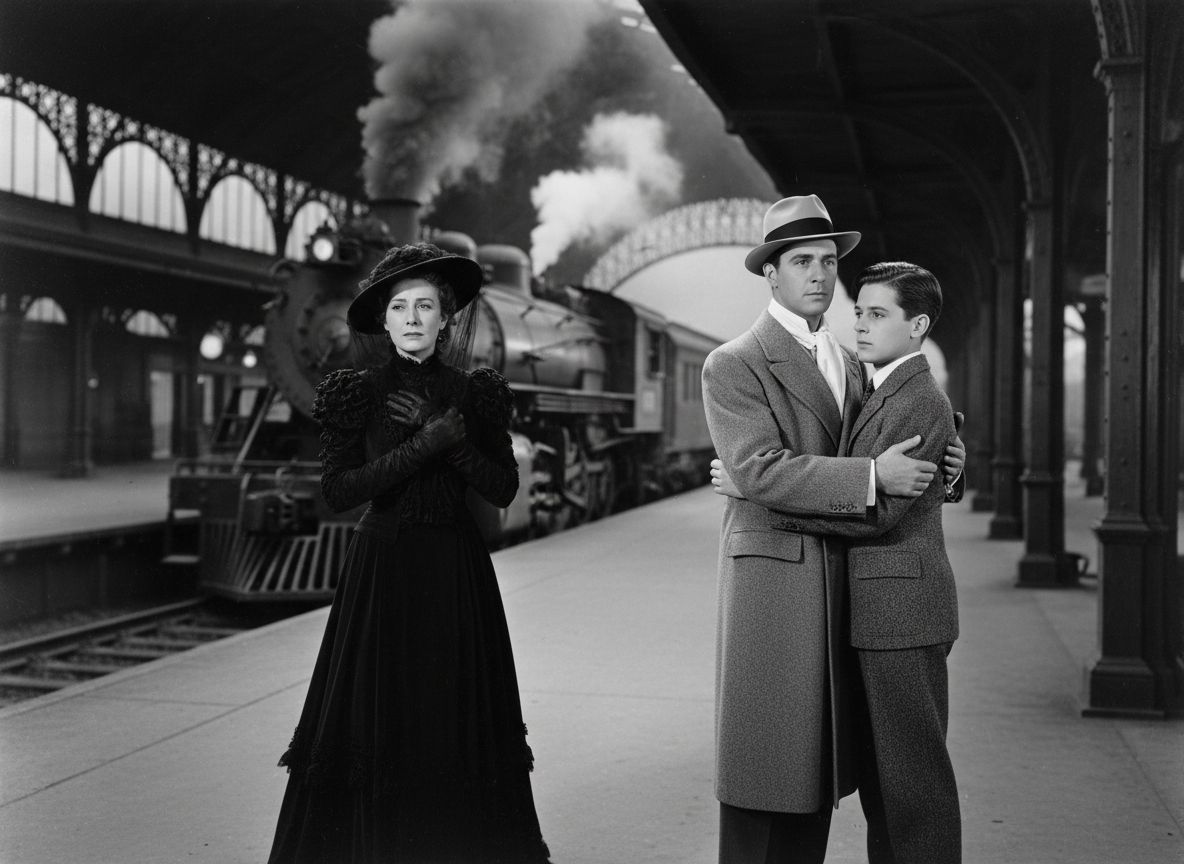
It’s not surprising, therefore, that Hollywood’s embrace of AI in film production is increasingly visible. Netflix recently revealed that around 300 recent titles had used generative AI, largely in post-production on crowd scenes and historical battles. AI was used to enhance The Wizard of Oz to fit the huge screens of The Sphere in Las Vegas, to alter Adrien Brody’s Hungarian accent in his Oscar-winning performance in The Brutalist, and on entirely AI-generated scenes in the synthetic short films making a splash in China’s $14 billion vertical microdrama market. There is now a project under way to use AI to recreate 43 minutes of missing footage from Orson Welles’ lost 1942 work The Magnificent Ambersons. The project is still ongoing, but in a statement reported in The New Yorker, Welles’ estate, run by his daughter Beatrice, said that the project seemed like a “disappointing” attempt to piggyback on Welles’ reputation for publicity (although she has subsequently softened her stance).
The more Hollywood is dependent on these tools, the more powerful the tech corporations become. This is concerning because it is not hypothetical to suggest movie studios might censor their output to appease the people who hold the keys, perhaps sliding us closer to a Hollywood that can no longer tell critical stories about Big Tech. Already under Trump we have seen repeated, troubling instances of media censorship, as criticism from the president contributed to the deplatforming of comedians Jimmy Kimmel and Stephen Colbert, as well as an embattled promotional campaign for the 2024 Trump biopic The Apprentice. Amazon boss Jeff Bezos has already demonstrated how his media empire can be reshaped for political expediency: he has reorganised the Washington Post, which he owns, so that it toes the Republican line, as well as funding a lavish, utterly hollow documentary about the First Lady. In this context, Amazon dropping Artificial from their slate doesn’t seem remotely far-fetched. It’s just good business: Bezos wins, as do his shareholders. The ones who lose are artists and audiences.
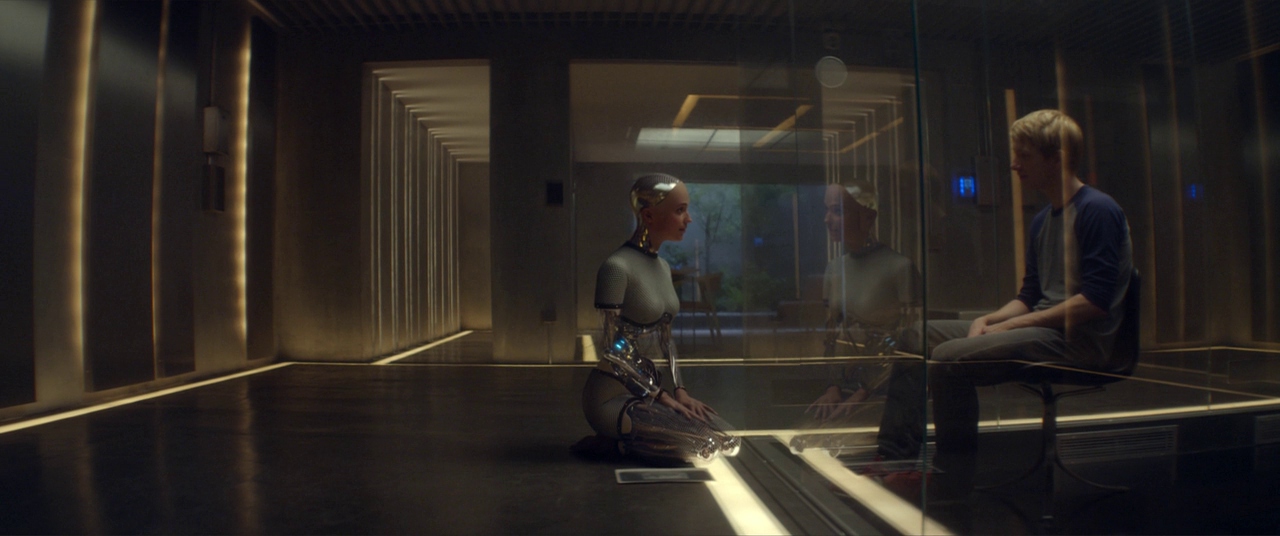
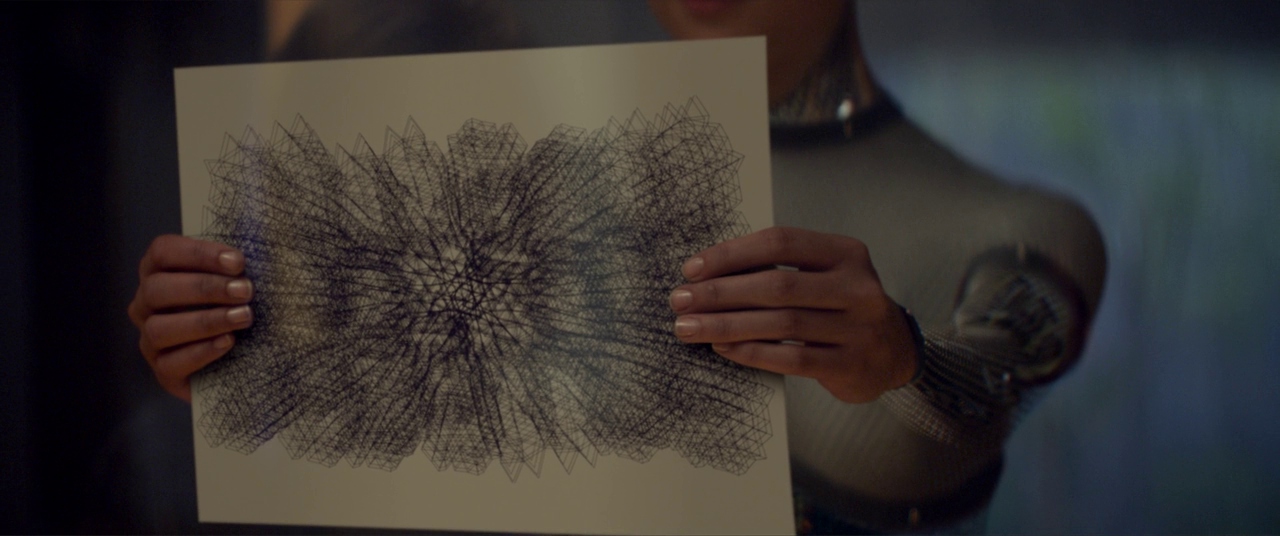
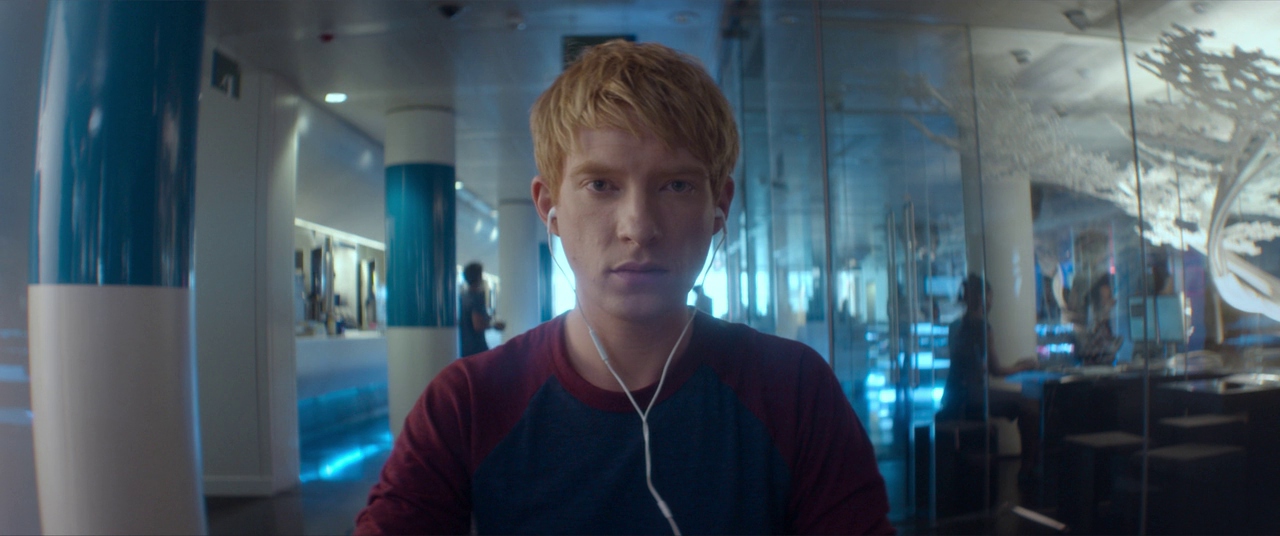
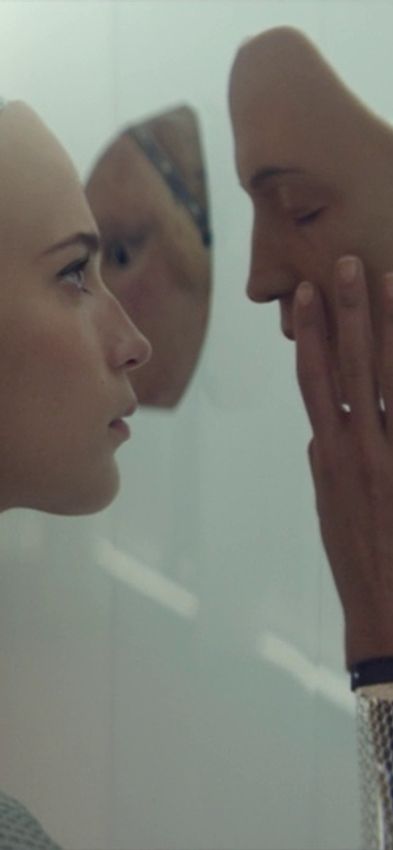
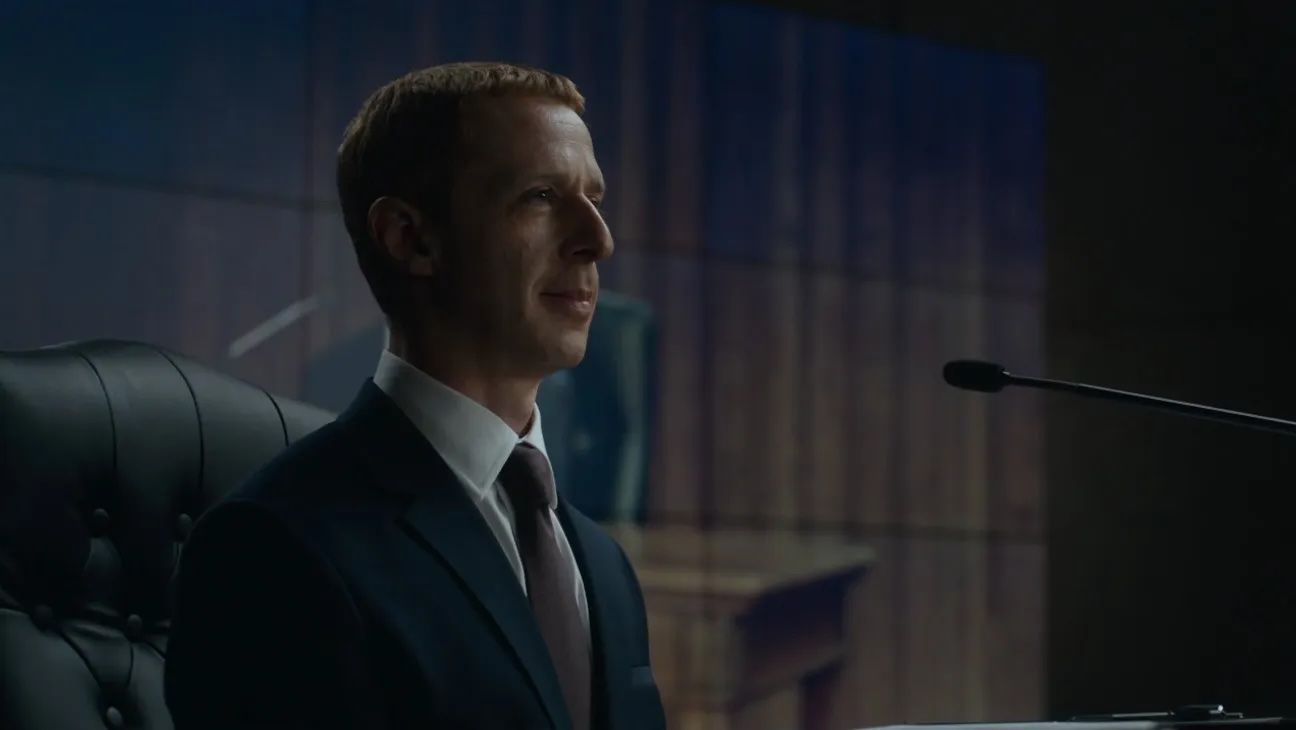
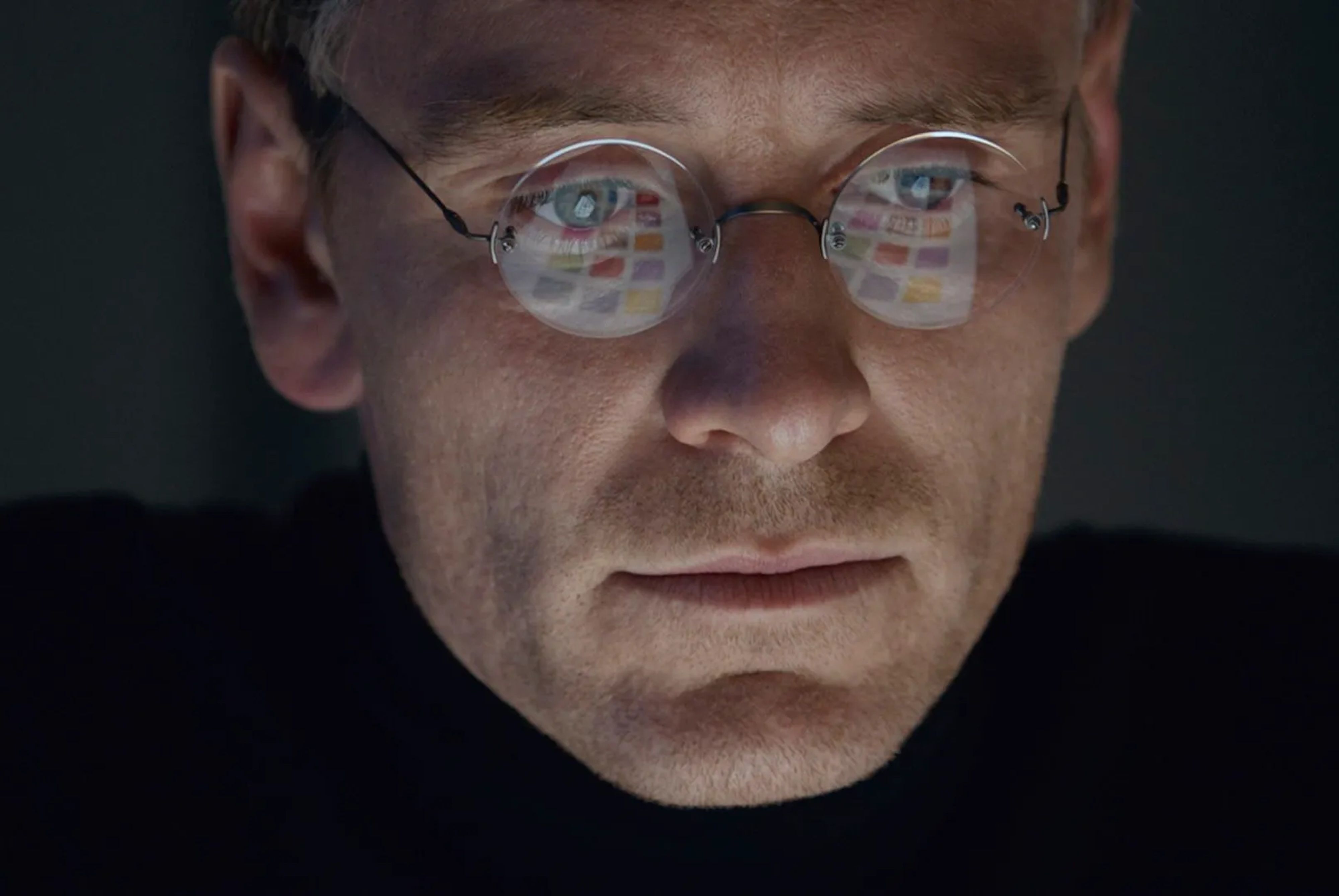
Perhaps films that explicitly scrutinise the arrogance and dangerous ambition of tech founders, such as Steve Jobs (2015) or Ex Machina (2014) would struggle to be made in the new Hollywood system. Already several biopics based on main characters from today’s tech world seem to have stalled for unknown reasons, including Darren Aronofsky’s planned feature on Elon Musk, based on the 2023 biography by Walter Isaacson, and Ben Affleck and Matt Damon’s planned film about Peter Thiel, which was based on Ryan Holiday’s 2018 book Conspiracy: Peter Thiel, Hulk Hogan, Gawker and the Anatomy of Intrigue. One release that is going ahead undeterred is Aaron Sorkin’s Mark Zuckerberg follow-up The Social Reckoning, due for release in October.
Hollywood has always been a business, and filmmakers historically had to negotiate the limits of their expression with stakeholders ranging from governments to wealthy businessmen: newspaper tycoon William Randolph Hearst tried to suppress Citizen Kane, a thinly veiled satire of his life, by banning his papers from mentioning the film. What’s different today is that the tech companies influencing movie studios also have a stake in the new tools of filmmaking.
For their part, the studios frame the AI revolution as an inevitability. This is the message of A24, which said in a statement: “We’d rather have a seat at the table than on the sidelines.” The stars on the red carpet, too, are beginning to come around to the technology. In 2023, Hollywood ground to a halt as actors and writers went on strike to demand job protections from the encroachment of AI. Today, many of their views have softened. Demi Moore, James Cameron, Steven Soderbergh, Ben Affleck and Darren Aronofsky have all expressed nuanced interest in AI filmmaking. Martin Scorsese recently threw his name behind an AI start-up that specialises in image generation for storyboarding. He said in a statement that the ability to create instant visuals for storyboards would allow his team to “move faster” and that it was “creatively freeing”.
It’s true that the AI genie cannot be put back in the bottle, and film studios would do well to attempt to direct how the technology develops. But A24 will be well aware of the many unsettled ethical questions around AI use, from the environmental impact of data centres to legal questions over copyrighted training data and the threat of labour replacement. If Hollywood stands firm, it could demand these questions are meaningfully addressed before letting the tech in.
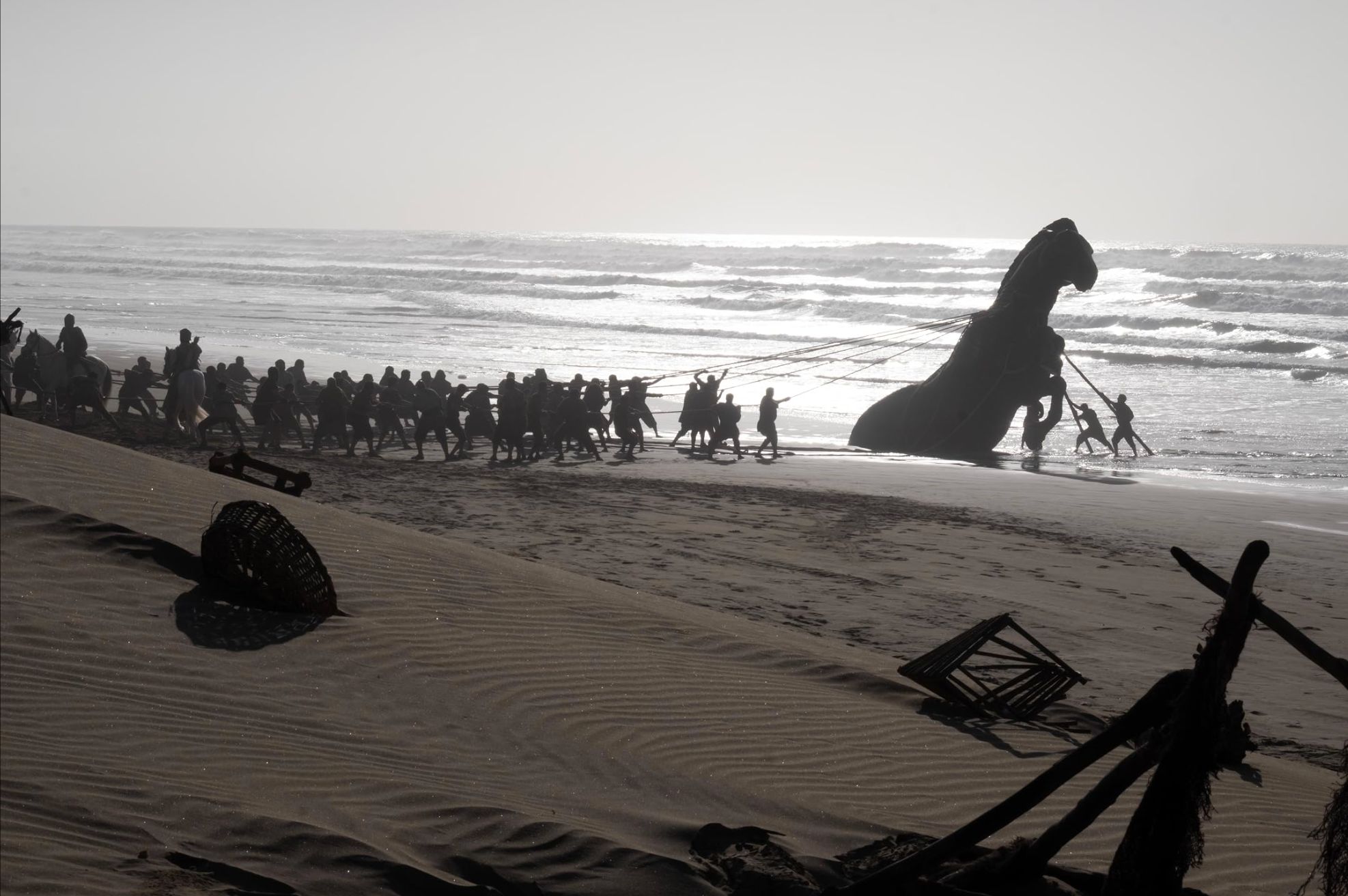
Gothic horror maestro Guillermo Del Toro has said he would “rather die” than use AI on his films, while Cannes opened this year with festival director Thierry Frémaux giving a dire warning about the technology’s deleterious effects on the industry. Perhaps the most relevant voice right now is Christopher Nolan, whose new release The Odyssey is set to be one of the year’s biggest box-office smash. Nolan is no Luddite: he embraces new technology, and this film is the first to ever be shot entirely using IMAX film on newly developed camera equipment. Nolan knows that cinema is inextricable from technological progress, but understands this doesn’t mean that filmmakers and studios have to blindly accept every new development out of fear that they won’t have “a seat at the table”.
Hollywood is the modern maker of myths. So where does AI sit within its cosmology? In a recent interview, Nolan had an answer. He called AI “a Trojan horse that everybody knows the Greeks are inside.”
AI is not just a beautiful gift hiding a terrible threat within. It’s a danger that everyone can see coming. Yet they’re still going to open the gates and let it in. —[O]
Main image: Michael Fassbender in Steve Jobs (2013).





A respected voice in contemporary art discourse.
Focusing on ambitious storytelling and insightful art-world commentary. Ocula Magazine publishes in-depth interviews, critical essays and timely analysis on the artists, exhibitions and ideas driving the global art world.
Learn more about Ocula Magazine
Showcasing the best of the art world.
Ocula partners with galleries from around the world to highlight their artists, artworks and exhibitions. Gallery membership is by application and invitation, with each member vetted by an independent panel.
Learn more about Ocula Membership
Specialises in the sale of major artworks.
Led by a team with deep ties to the world’s leading auction houses, galleries and collectors. Ocula’s advisory team offers bespoke services to high-net-worth clients from around the world who are looking to acquire the best of contemporary and modern art.
Learn more about our team and services