





Stop Motion: Sid Motion’s London Gallery to Shutter This Autumn

“We are stopping while we are ahead,” Sid Motion said in a statement. Phot
Risk-taking south-east London gallery Sid Motion is closing down after nearly a decade in operation. In an announcement first reported yesterday by The Art Newspaper, founder Sid Motion said the gallery will shutter in the autumn.
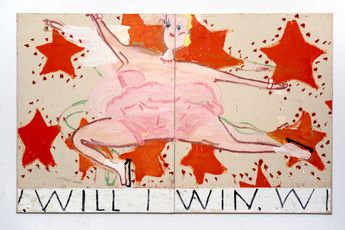
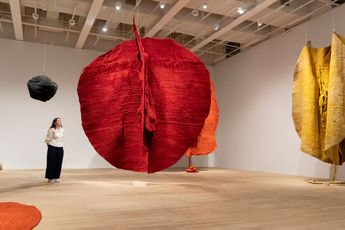
Since it opened in 2016, the space has become known for a deliberately mixed, cross-media programme of emerging and mid-career artists. It occasionally placed this lesser-known cohort in ambitious group shows alongside major international names including Magdalena Abakanowicz and Rose Wylie.
In her statement, Motion called the decision to close a “conscientious” one. “As I look to the future, I can see that the gallery is not in the financial position to fully honour the extraordinary potential of each of my artists,” she explained.
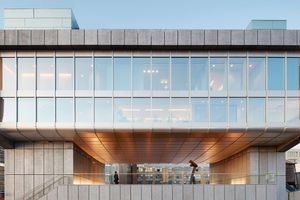
After several years in the more central King’s Cross, Motion took the bold decision in 2019 to move the gallery to South Bermondsey, a historically underserved—though now increasingly redeveloped—neighbourhood dominated by railway viaducts and industrial estates. She took a space in the Penarth Centre, the lone commercial gallery in an artist studio complex.
Although she ran a lean operation, intentionally keeping her roster to just five artists, public accounts filed with Companies House tell a story of growing financial strain. After a strong 2021, the gallery experienced a sustained decline.
Against a backdrop of softening market conditions, it swung from a slightly positive financial position at the end of 2023 to a negative net asset position of £26,000 by the end of the following year, the most recent for which data is available.
“We are stopping while we are ahead, while my artists are properly serviced and the quality of the programme remains high,” Motion said. The gallerist declined Ocula’s request to provide further details at this stage.
Motion’s announcement came just hours before similar news from east London’s BEERS gallery, as first reported by Artnet, which also confirmed its closure in an Instagram post. The space—which opened in 2012, represents 12 artists and recently launched a 40-day residency programme—will shutter at the end of August.
The post read: “Over the past decade and a half, the art world has changed dramatically. Economic pressures, market shifts, and the rise of new digital platforms have transformed how art is discovered, shared, and collected.
“As the landscape continues to evolve, we feel this is the right moment for BEERS to embrace new opportunities and challenges as we turn our attention to the future.”
One or both galleries may have learned from London’s recent art market casualties. Stephen Friedman closed in February following an overly rapid expansion described by the gallerist as putting “the cart before the horse”. After entering administration, Friedman owed roughly £7.8 million to creditors.
In May, Tiwani Contemporary folded, with owner Maria Varnava attributing the closure to “rising operational costs and wider market uncertainties”.
Large-scale galleries have also shrunk their London operations this year, with Gagosian closing its shop and exhibition space in the Burlington Arcade in July. The previous month, Pace Gallery announced it was seeking a smaller London space amid plans to lay off around 50 staff and shrink its artist stable.
There are signs market conditions are improving, however. According to a mid-year report by ArtTactic, total sales at London’s auction houses rose 131 percent year over year to $1.42 billion, with the report’s author, Anders Petterson, telling Ocula “the market is still very much alive”. A recent report from Art Basel showed positivity on the gallery side, too, counting some two dozen spaces that have either opened or expanded since early 2025.
Motion’s farewell statement indicates that she did not want to leave ambiguity on this front. “The London art world, as I have experienced it, remains vibrant, internationally significant and full to the brim with brilliant, deeply passionate and genuine people,” she said.
The gallery’s final exhibition, a group show titled That Which Appears, opens on 17 September.





A respected voice in contemporary art discourse.
Focusing on ambitious storytelling and insightful art-world commentary. Ocula Magazine publishes in-depth interviews, critical essays and timely analysis on the artists, exhibitions and ideas driving the global art world.
Learn more about Ocula Magazine
Showcasing the best of the art world.
Ocula partners with galleries from around the world to highlight their artists, artworks and exhibitions. Gallery membership is by application and invitation, with each member vetted by an independent panel.
Learn more about Ocula Membership
Specialises in the sale of major artworks.
Led by a team with deep ties to the world’s leading auction houses, galleries and collectors. Ocula’s advisory team offers bespoke services to high-net-worth clients from around the world who are looking to acquire the best of contemporary and modern art.
Learn more about our team and services