





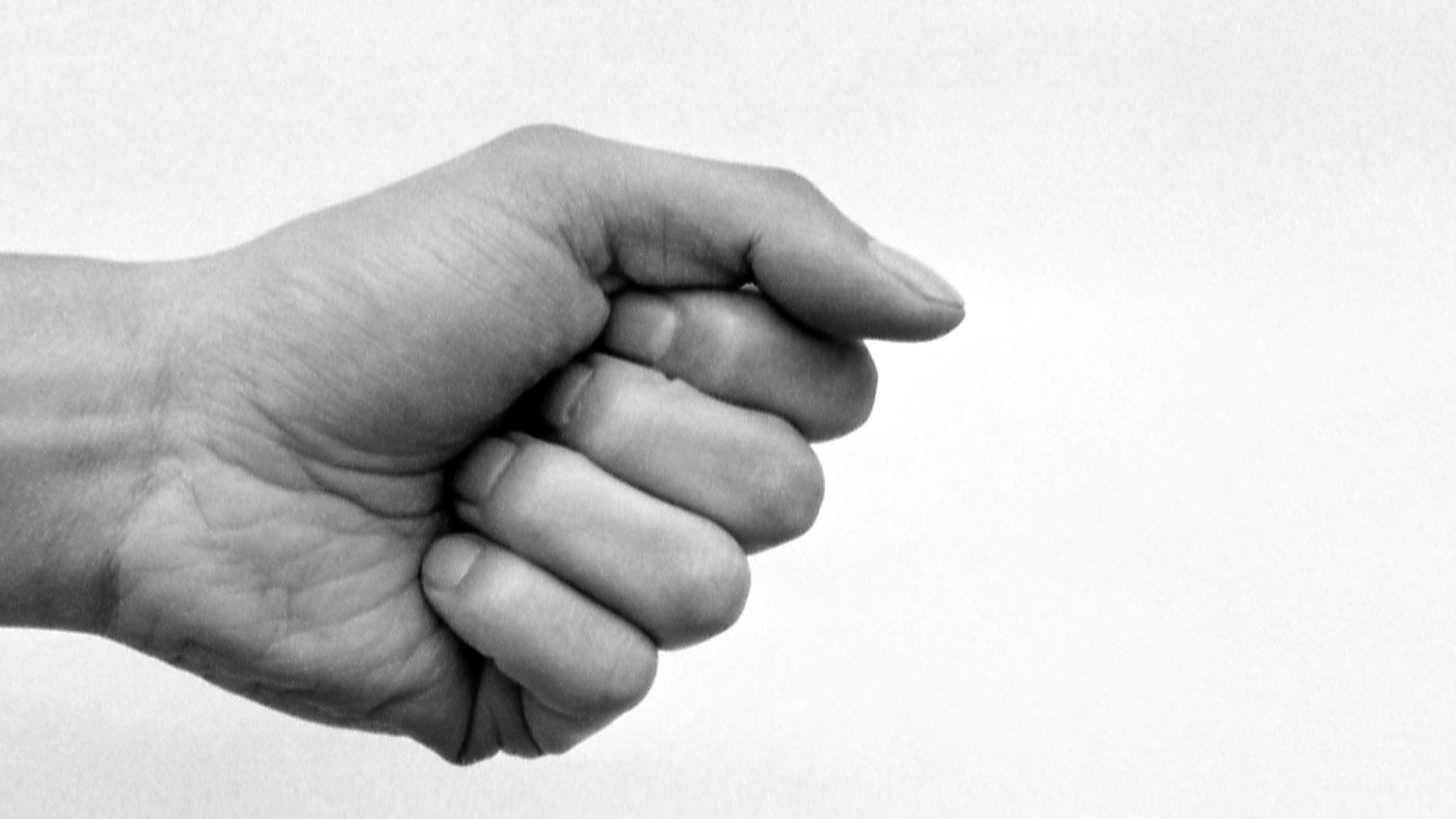
Sung Neung Kyung
b. 1944, South KoreaSung Neung Kyung works across non-traditional media, including performance, photography, and archival practices, to examine constructions of knowledge and power. Working at the intersection of representation and the real, Sung’s oeuvre intervenes in the processes of communication, dissemination, and transmission.
Through his resistance to traditional discourse, he seeks to challenge and dismantle various authorities, including political and artistic canonical systems. His practice is intrinsically process-oriented and deals in ephemera, frequently involving one-off events or performances; his work is often archived as photographs or contact prints and exhibited as a variety of photographic installations.
Sung is known for his involvement in the avant-garde Korean art group Space and Time (ST), an art and study collective active throughout the 70s and 80s that responded to both Western art and theory and a period of political turmoil in South Korea. Throughout his work, Sung engages hallmarks of Conceptualism; exploring dematerialisation, text-based practice, and informational aesthetics, and he reformulates Conceptual tactics for a climate of urgency and unrest. In his seminal _Newspapers: After the 1st of June _(1974), Sung carefully removed blocks of text from Korean newspapers with scissors, displaying the removed text alongside the cut pieces of newspaper. In his subsequent performance Reading Newspapers (1976), Sung carefully “reads” the mangled remains of the periodicals. By performatively removing discursive context from the newspapers and rearranging text to suggest potential new meanings, Sung critiques government censorship of media. As he intercepts modes of dissemination, Sung thwarts long-held notions of language and power, and he cultivates alternative channels for knowledge production.
A pioneer of the South Korean avant-garde, Sung has played a key role in expanding the hybrid performance genre in the global art historical discipline throughout his decades-long career. In his ongoing performance work, Sung engages his own body as an artistic medium—often as a direct conduit for fine arts tools like drawing utensils or a paintbrush. Self-exaggeration, excessive noise, and disorder are often key elements of these performances, highlighting the disconnect between the chaotic and messy creative process and the polished final product. Disrupting and denaturalising the white cube space, Sung’s oeuvre often operates in the realm of institutional critique. In one such “drawing performance,” titled Ma-vi-gue-worl (1998), the artist rubs planar surfaces with shaving cream—creating a series of works from everyday material—while chanting an ancestral prayer. In his more recent performance Aluminum Foil Man (2001), Sung wraps his body in swaths of aluminium foil and has portraits taken while holding various martial arts poses. The portraits were displayed at life-size scale, along with the installation of a table made from aluminium foil, seamlessly merging art and life across material and conceptual registers. In doing so, the artist continues to challenge the boundaries of traditional media, advancing contemporary thought regarding Korean art through his trans-genre practice.
Sung received his B.F.A. from Hongik University in Seoul, South Korea, in 1967. Solo exhibitions of his work have been organized by Gallery Hyundai, Seoul, South Korea (forthcoming); Baik Art, Seoul, South Korea (forthcoming); Arko Art Center, Seoul, South Korea (2001); Samduk Gallery, Daegu, South Korea (1991); Cheongpa Theater, Seoul, South Korea (1998); and Kwanhoon Gallery, Seoul, South Korea (1985).
Courtesy Lehmann Maupin

Recently Exhibited

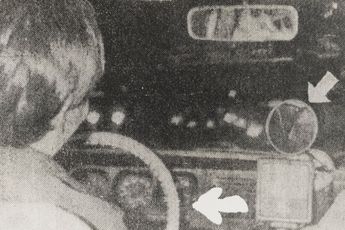
Works Elsewhere









Explore and Follow Artists Shaping Contemporary Art
A respected voice in contemporary art discourse.
Focusing on ambitious storytelling and insightful art-world commentary. Ocula Magazine publishes in-depth interviews, critical essays and timely analysis on the artists, exhibitions and ideas driving the global art world.
Learn more about Ocula Magazine
Showcasing the best of the art world.
Ocula partners with galleries from around the world to highlight their artists, artworks and exhibitions. Gallery membership is by application and invitation, with each member vetted by an independent panel.
Learn more about Ocula Membership
Specialises in the sale of major artworks.
Led by a team with deep ties to the world’s leading auction houses, galleries and collectors. Ocula’s advisory team offers bespoke services to high-net-worth clients from around the world who are looking to acquire the best of contemporary and modern art.
Learn more about our team and services