



The art world in focus
Subscribe to our newsletter for news and insights on artists, galleries and exhibitions.

The novelist Colm Tóibín once told a class that “you have to be a terrible monster to write. Someone might have told you something that they shouldn’t have told you, and you have to be prepared to use it […] If you can’t do it, then writing isn’t for you.” I sometimes quote this line to my own creative writing students, mostly to stop them from writing about vampires. But I leave out the monster bit. I don’t know if it’s true, or helpful for them to hear. When Julian Barnes was working on his first novel, he said to himself: “Write it as if all your family were dead.” That does sound monstrous, but it also risks taking some of the heat out of the relationship, on both sides: some of the guilt on the writer’s side, which gives the writing its flavour, and some of the force of the family’s point of view. The novel itself can be part of an ongoing argument within a family that’s still live.
Saul Bellow offered a more affectionate self-defence, when responding to an angry letter from a friend, whose experience he had turned into an episode in Humboldt’s Gift (1975). “These aren’t questions of property, are they? [...] And I should think that it would touch you that I was moved to put a hand on your shoulder and wanted to remember you as I took off for the moon. For what you think is so major is really quite minor, a small feel taken by your goofy friend to reassure him as he got going.” Later he offered this stirring rallying cry to all young writers: “The name of the game is Give All.” Which I partly even believe. But I also wonder if writers, like other people, need to hold something back, have something they are not willing to sacrifice, if we’re going to trust them. Without that, they become, as Lord Byron once put it, “all author”—people to whom you have nothing to say, once you’ve praised their latest book.
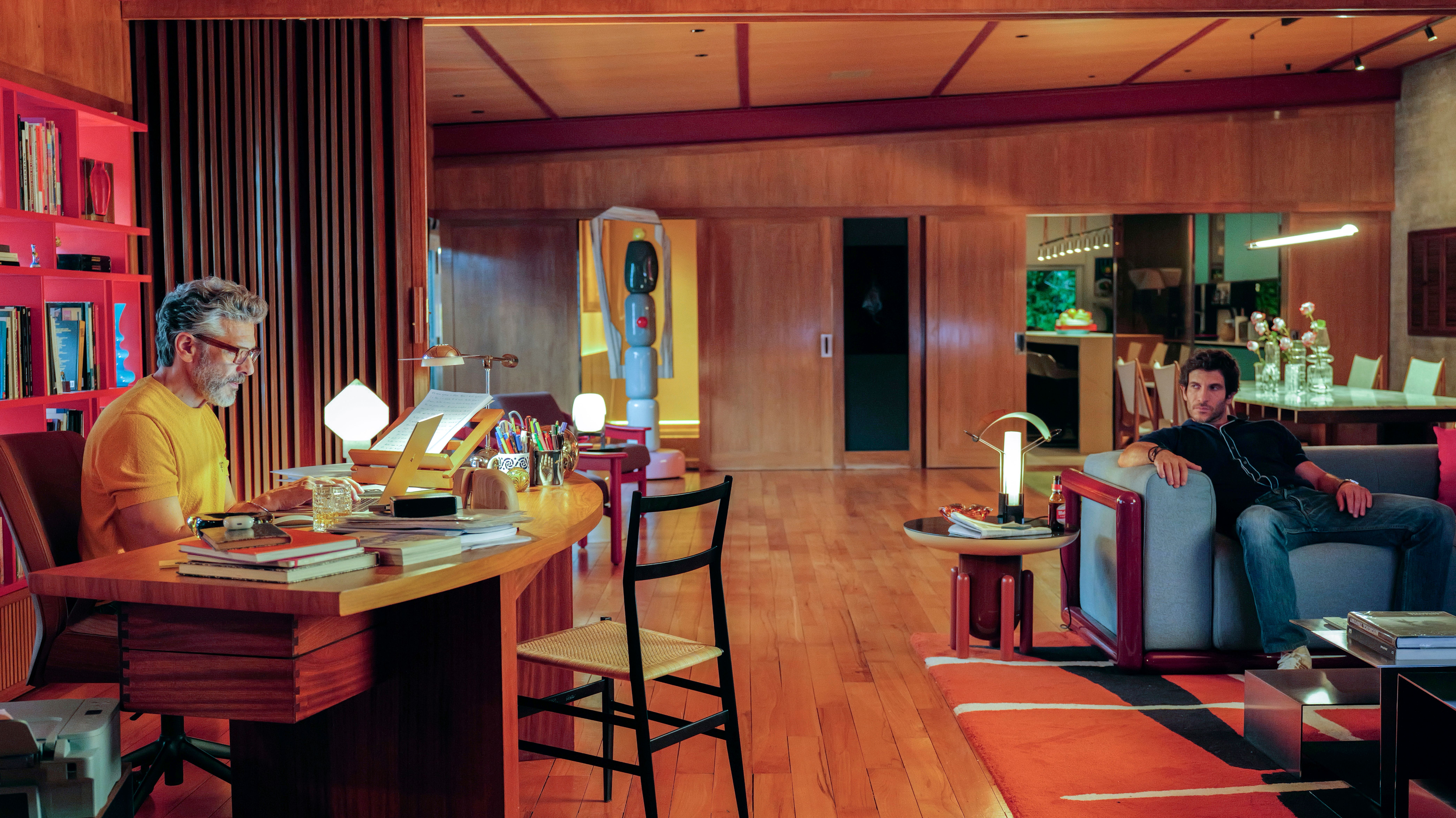

“Moral dilemmas of writers” sounds like a fairly niche sub-category of ethics, even if it tends to get a lot of play, at least in novels, for obvious reasons. But there’s a more general way of framing such worries, which applies to people who have no interest in writing—after all, everyone tells stories, especially in the age of social media. What kind of thoughts is it OK to think about those we love? What kind of facts are we allowed to reveal about them? Three recent movies, Fatherland (2026) by Pawel Pawlikowski, Bitter Christmas (2026) by Pedro Almodóvar and Sentimental Value (2025) by Joachim Trier, have tackled these questions in different ways.
In Bitter Christmas, a famous director is writing a screenplay about a director writing a screenplay. We’re in movie-within-a-movie territory, and it’s sometimes hard to trace the line between them, especially since their plotlines mirror each other: a director wants to use a story heard from a friend, whose child has recently died. In both cases, the friend finds out only when she reads the script. There is no moment of consent, just a feeling of betrayal, followed by bitter arguments.
“We are more likely to forgive people if we feel they have understood us”
Does the making of art justify such a borrowing? If the name of the game is Give All, the answer should be yes. But... I don’t know; in Bitter Christmas the screenplays don’t seem good enough—in each narrative, the child’s death is passed over too quickly, and we don’t know enough about the parent whose confidence was betrayed. It’s hard to feel much grief about the tragedy or anger about the violation of trust. All of which seems, strangely, like evidence for Bellow’s motto: you need more intrusion into other people’s lives (give all), not less, to justify yourself. We are more likely to forgive people if we feel they have understood us.
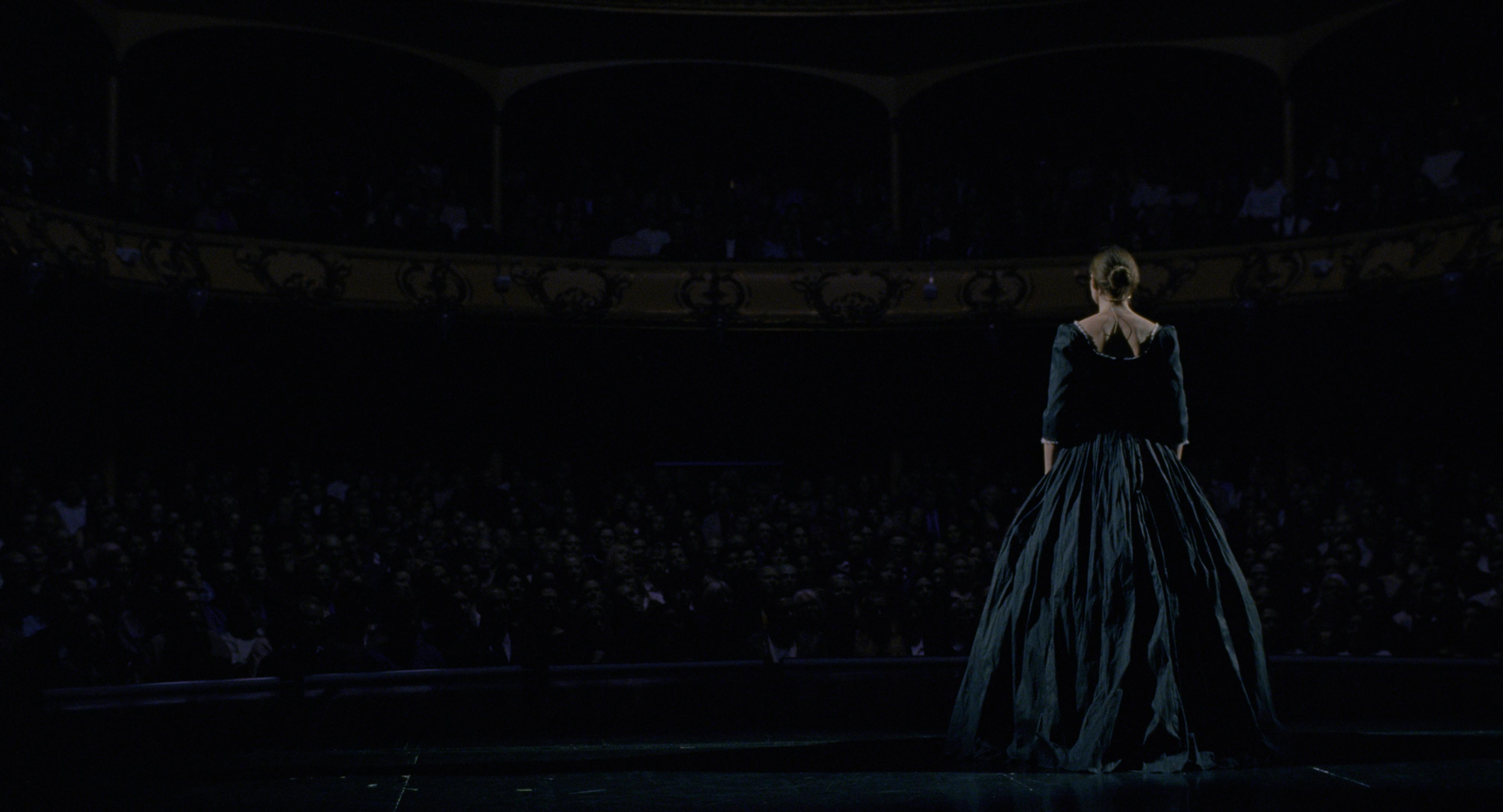
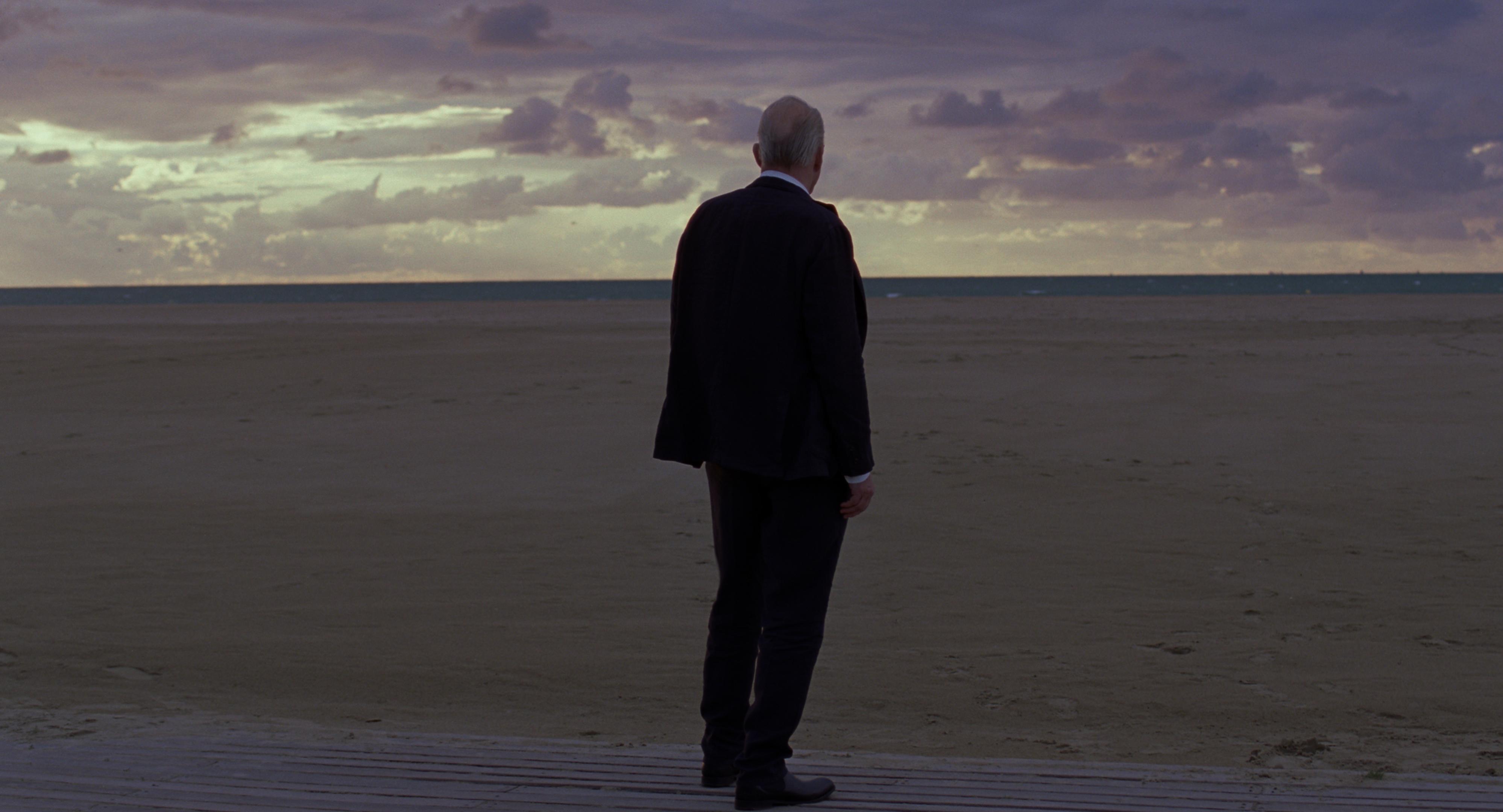
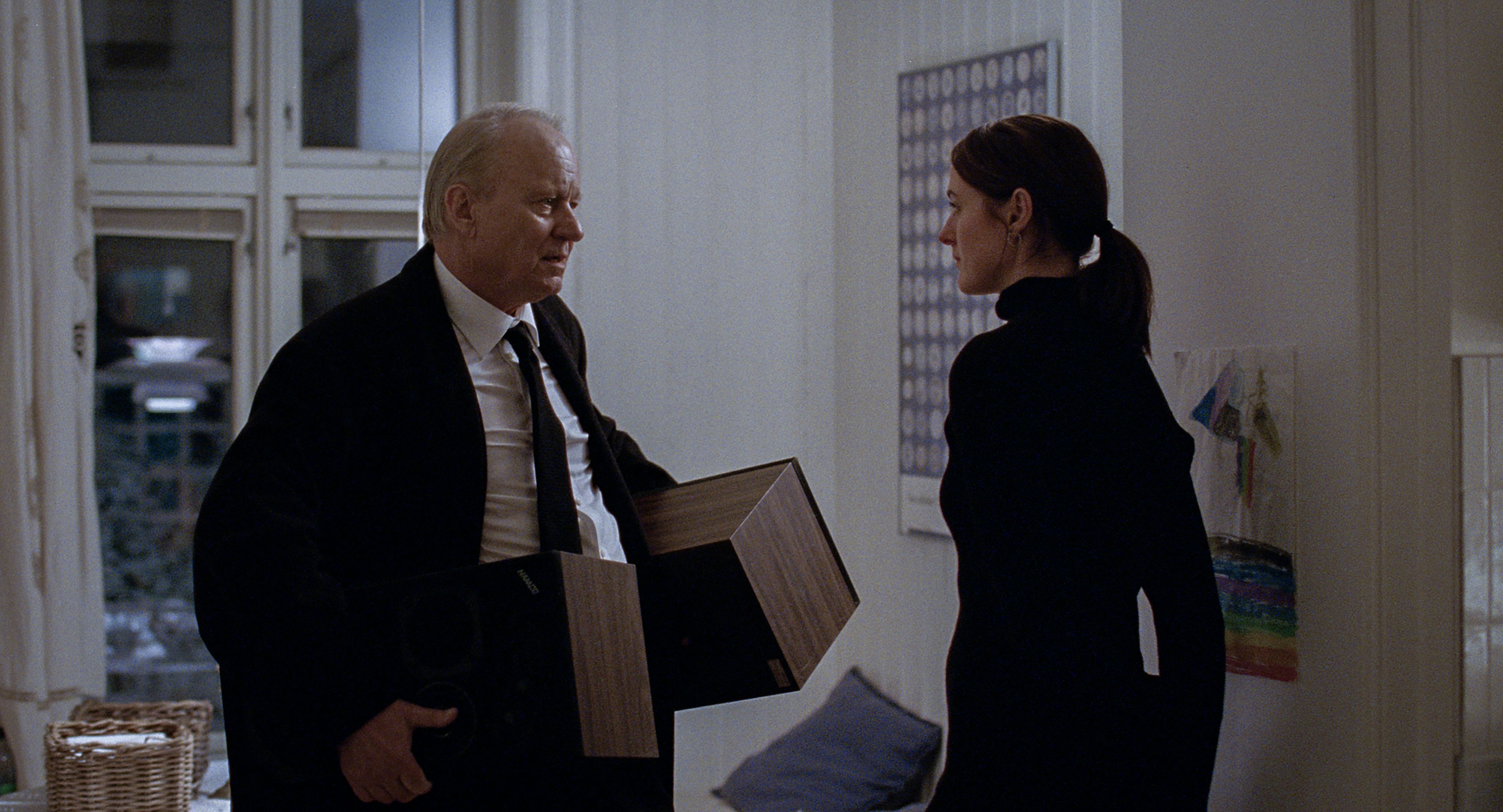
Maybe, though, I’m mixing up different ethical codes. You have one kind of duty toward your art, to make it as good as you can, and another toward the people you love, not to expose or exploit them. But the two duties have a funny relationship to each other, and sometimes overlap. This is really the subject of Joachim Trier’s excellent movie Sentimental Value. Gustav Borg, a once-famous Danish director who can’t get his films made any more, tries to enlist his daughter Nora to take on the main role in his new script, based loosely on the life of his mother, who killed herself. I wrote it for you, he says. Nora is now a successful actor; her participation might help attract financing. But the two are estranged—he walked out of his marriage, and his children’s lives, when they were young—and she angrily turns him down.
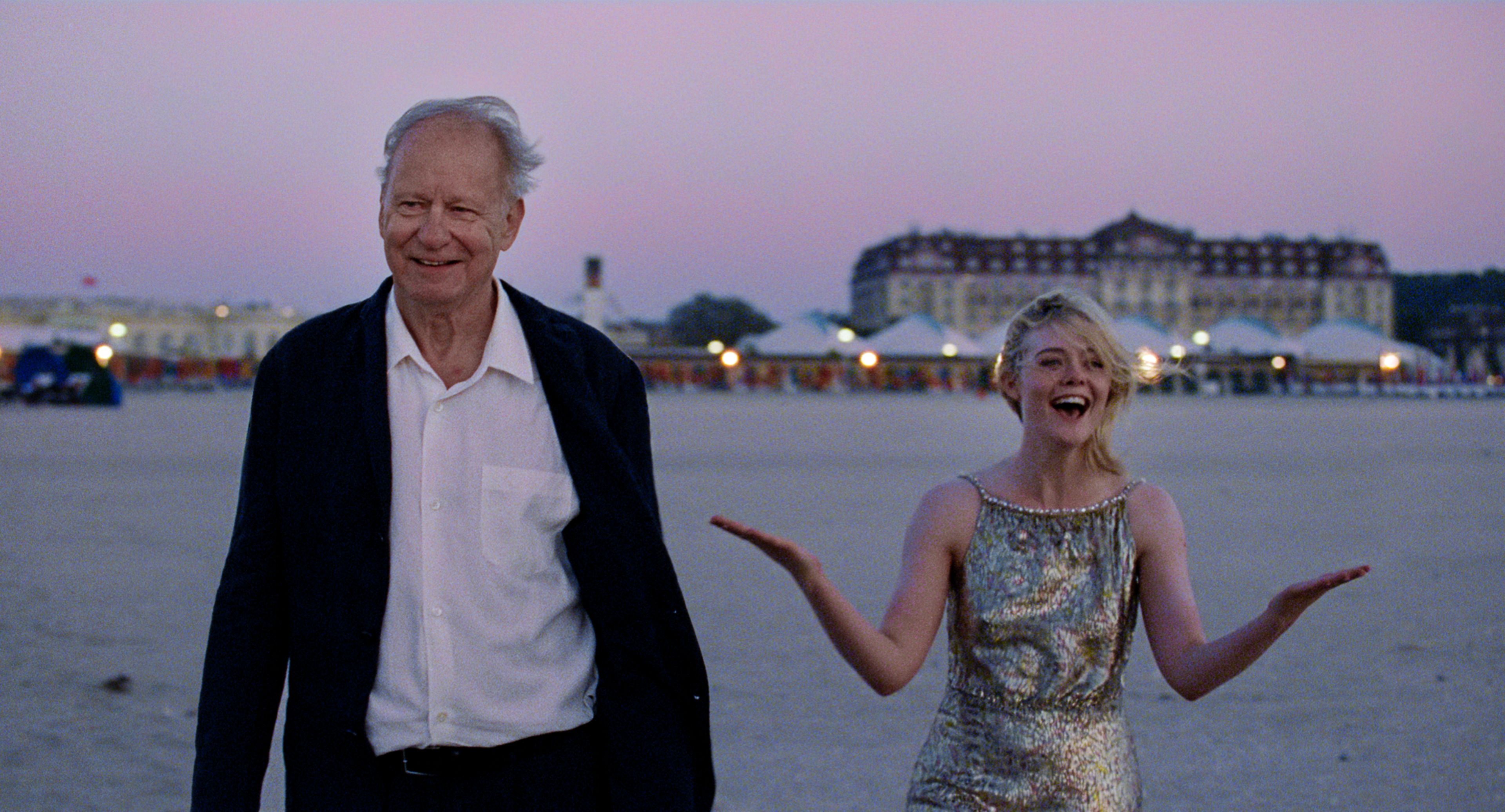
Later, he persuades an American movie star (Rachel Kemp, played by Elle Fanning), whom he meets at a retrospective of his work, to take on the part. As in Bitter Christmas, we see scenes from the movie being made alongside scenes from the lives that inspired it, but in this case the meta-line is always accounted for: the camera shows the actors coming off set afterwards, returning to reality. At one point Kemp has to feel her way into a particularly emotional monologue, in which her character hits rock bottom, while Gustav watches. They are sitting in the house he grew up in, which is also house in which his mother killed herself. Kemp starts out theatrically, a little too actor-y, but gets there in the end and delivers the lines with real power and genuine emotion—she’s in tears and needs comforting afterwards. But what does genuine mean? The movie shows us Gustav’s face, but it’s hard to know what he’s thinking: that she’s hamming it up, or is he unsettled by the strength of her unearned grief?
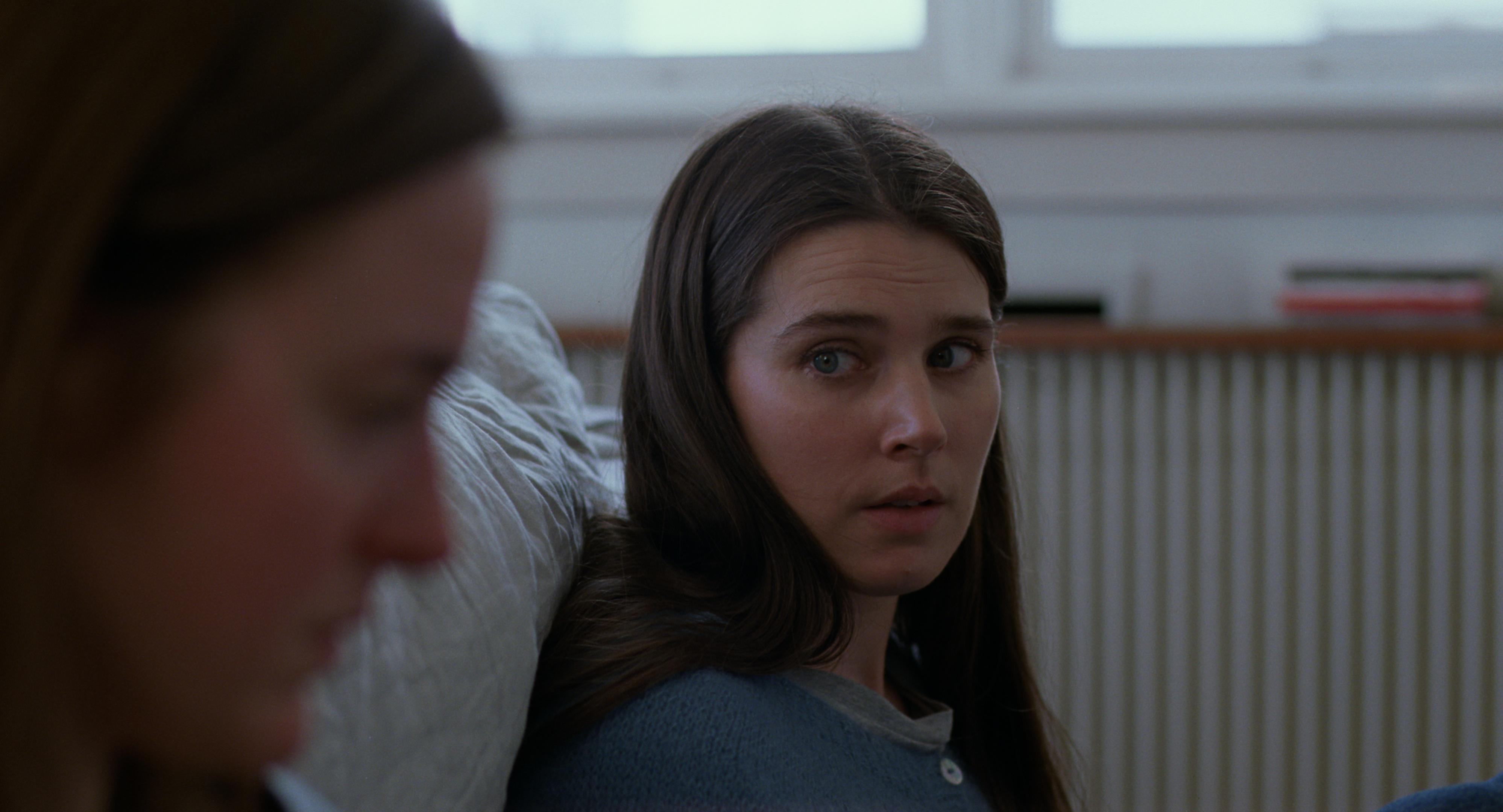
Nora, meanwhile, is going through a breakdown. Her sister stops by her flat to check up on her and tries to persuade her to accept the role after all. It’s really about you, she says, not our grandmother, knowing that Nora, too, once tried to take her own life. She gives Nora the same monologue to read, this time in Danish, and Nora reluctantly agrees. Her performance, at first perfunctory (they’re sitting in her own kitchen), gathers more and more weight and feeling as she realises that her father, on some level, must have known what she was going through, and sympathised. She’s crying now, not as an actor, but as a daughter. Isn’t she? In any case, she agrees to do the movie.
It’s an interesting test for the audience, too—not just of our sympathies, but of our taste. Tóibín’s and Bellow’s advice is driven by the idea that great art needs, like a witch’s brew, some real blood in it for the spell to work. If that’s the case, Nora’s performance should be better than the actor’s, right? On balance I think it is, but it’s close. (Of course, in reality, they’re both just actors acting.) The movie also brings home the fact that there’s something loving about great art. It shows us, among other things, the kind of understanding we want from the people we love, who love us... so that, for a moment at least, the selfish director, who has sacrificed his children for the sake of his career, becomes the doting father, who understands them. If the scene had been less well written, the daughter’s sense of grievance might have been greater, even if, in fact, her sense of violation would have been less.
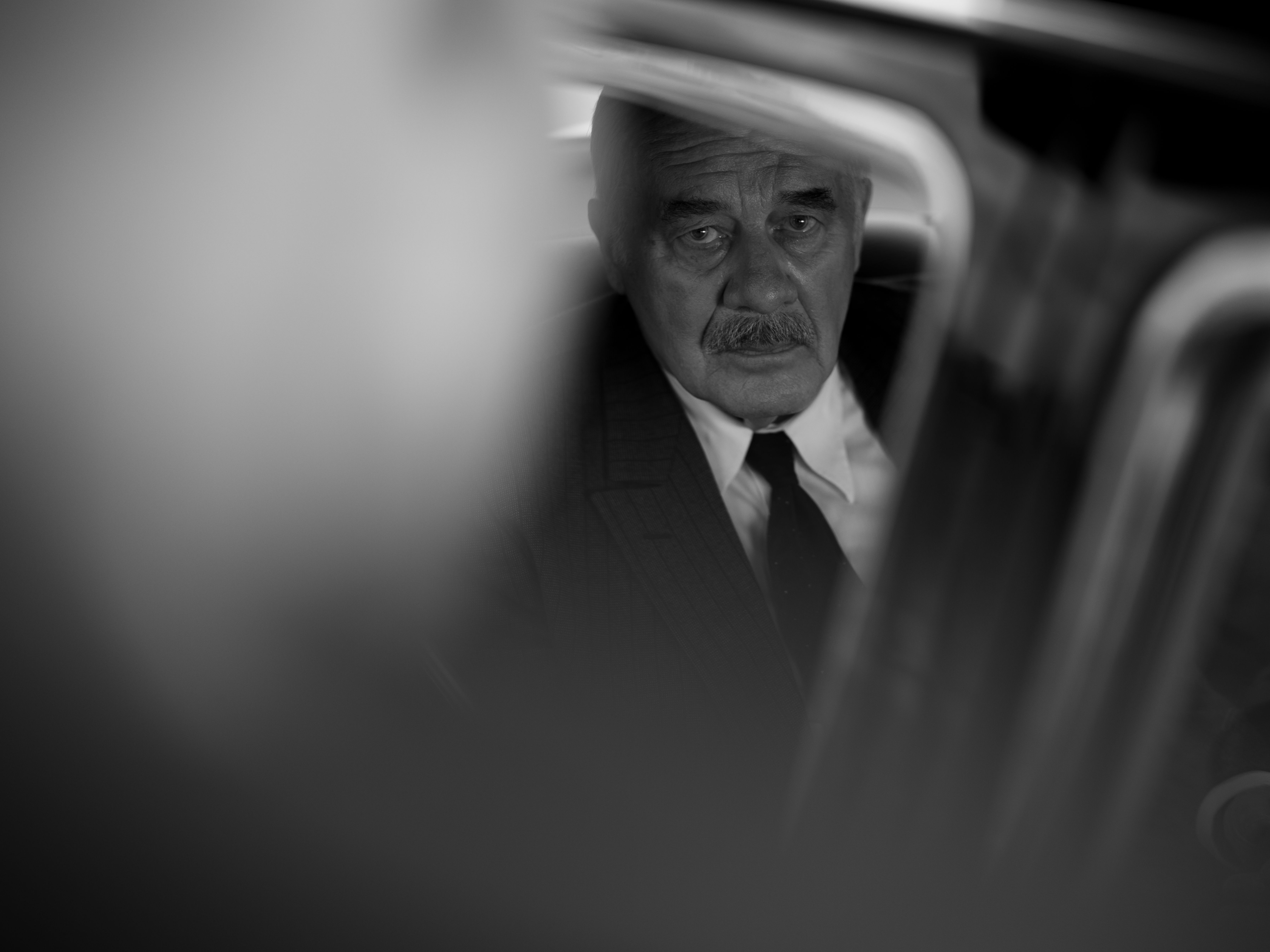
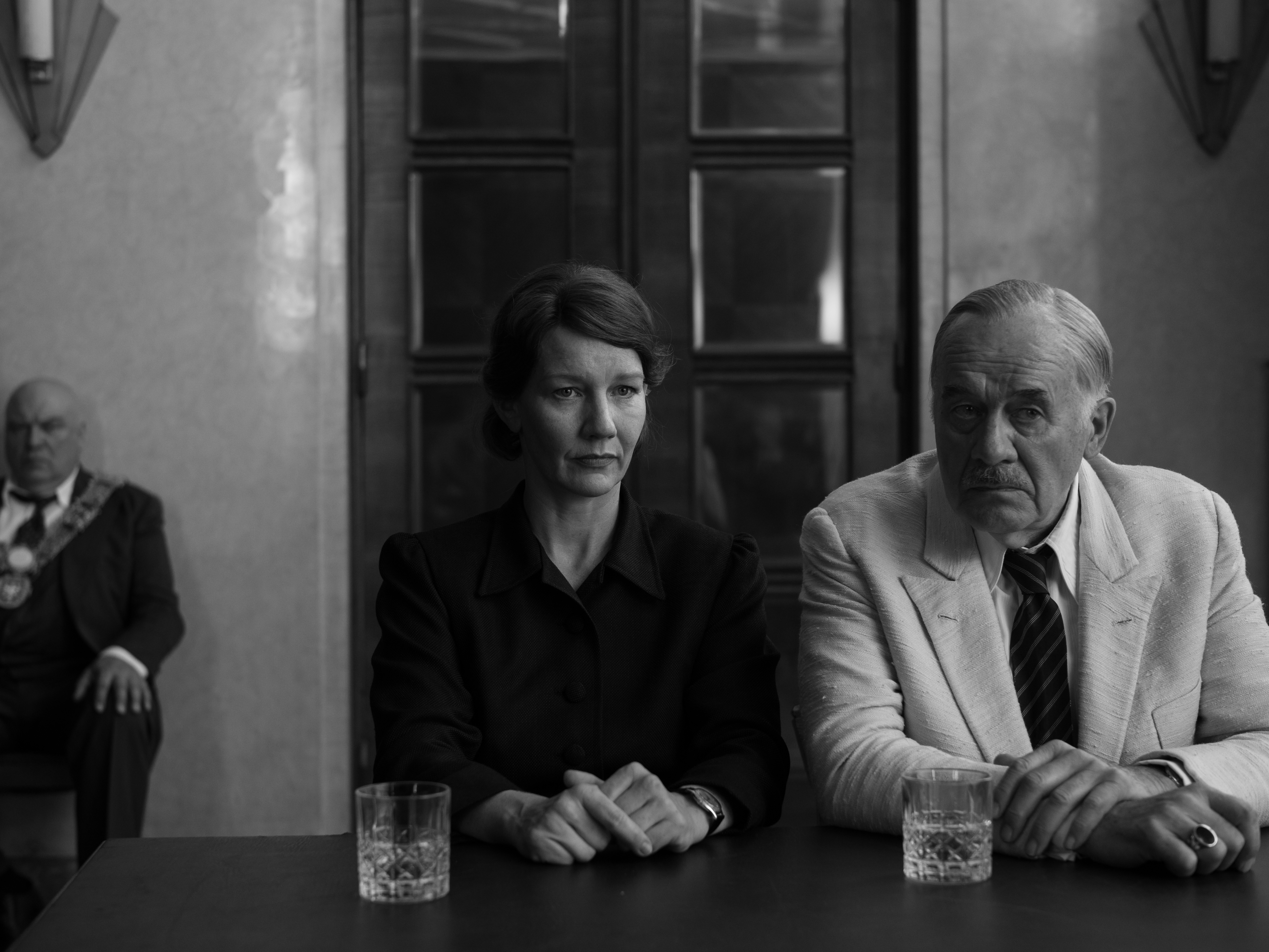
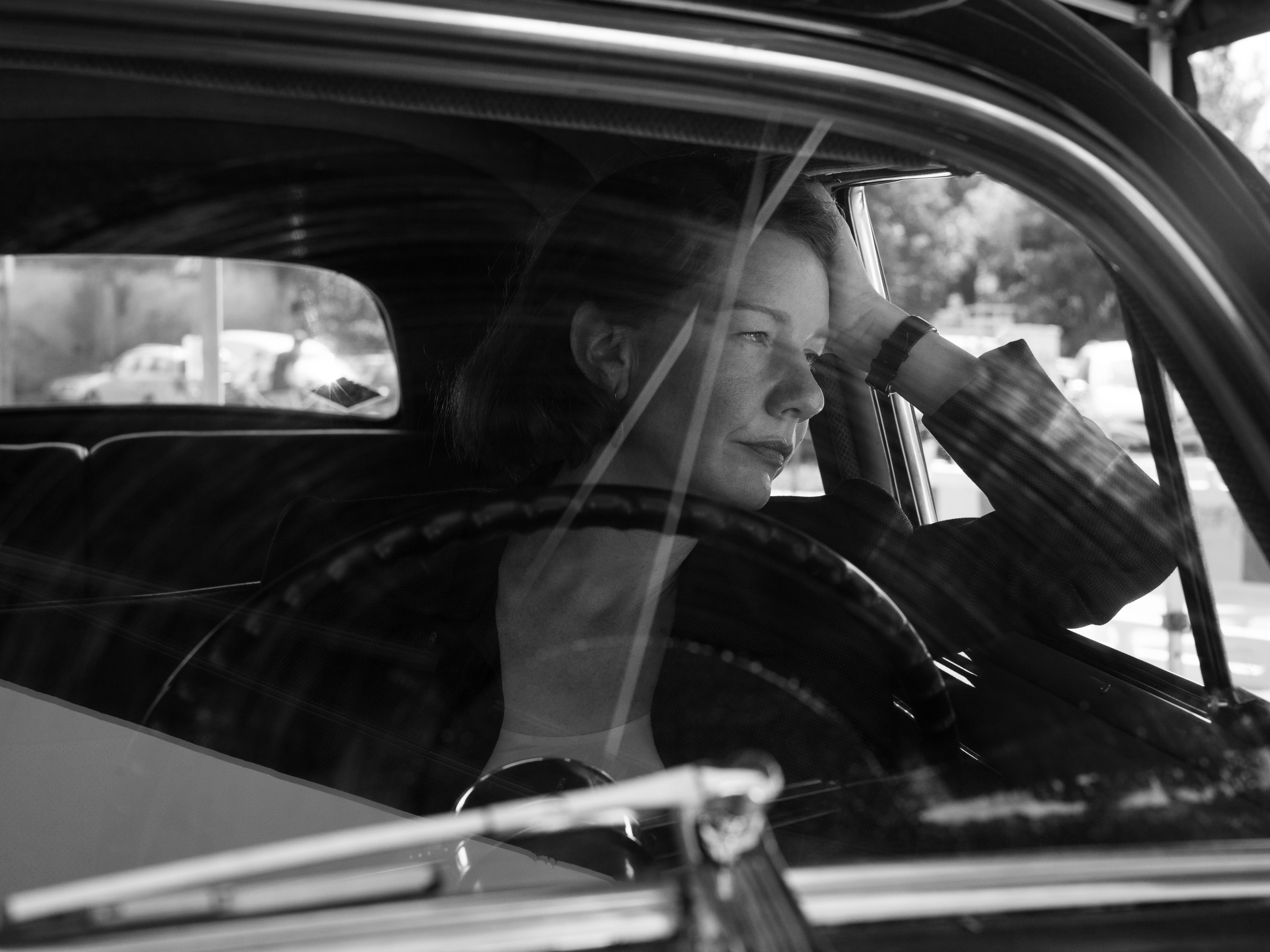
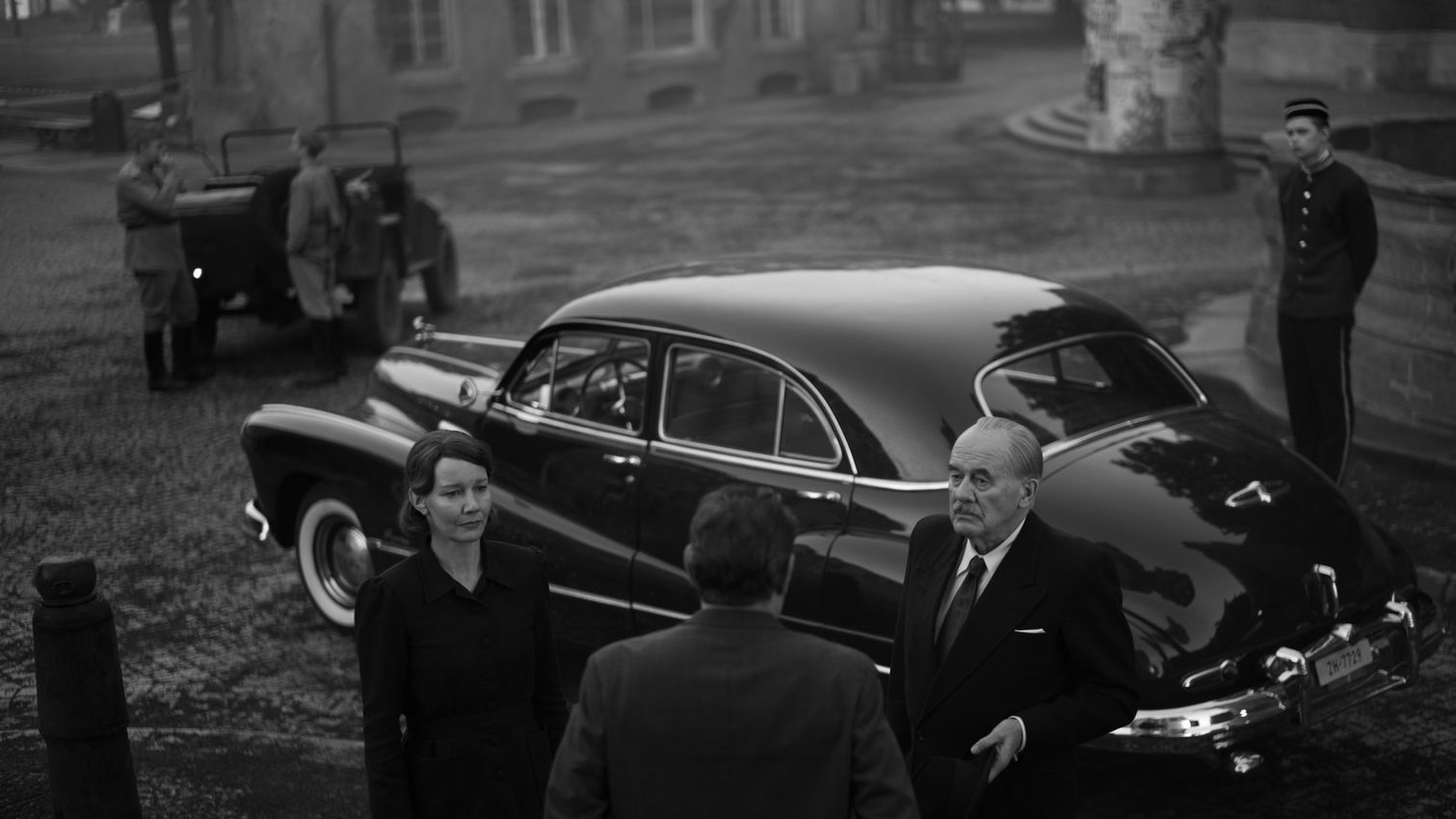
There are other ways, though, that writers disappoint their children, which brings us to Fatherland by Pawel Pawlikowski, another masterpiece. It’s about the writer Thomas Mann’s return to Germany in 1949 to accept the Goethe Prize; his daughter Erika, played by the amazing Sandra Hüller, acts as his assistant. I’m not a great Mann fan; I never liked Buddenbrooks (1901), his epic about the changing fortunes of a bourgeois family, as much as you’re supposed to. It presents family life as a kind of thin gruel: sustaining enough, but flavourless. And this in fact is in keeping with the picture Pawlikowski paints of Mann as a father: he’s a writer/bureaucrat, a stuffed shirt, making speeches in front of large assemblies about the meaning of life, while failing to react to what has happened to his son. Klaus, Erika’s beloved brother, has just killed himself.
The movie is also about the wider political role of art, as Germany tries to negotiate a way back toward civilisation after the Second World War. Mann keeps giving speeches about Goethe, who believed, quotes Mann, that “we should love the living and mourn the dead, but leave them behind”. Erika, meanwhile, watches him practising these speeches until she finally snaps. You build yourself these castles of words to hide in, but you’re not alone in the world, for God’s sake, she shouts. One of the side effects of being a writer is that the most terrible things that can happen to you or your family start to seem interesting, and so there’s a danger of becoming a little detached. Yet it’s art in the end, even if a different kind of art, that reconciles them. They stop for a moment to look at a bombed-out church, which is in the process of being rebuilt, and listen to a man testing the organ; he plays Bach—Klaus’s favourite composer—and they both break down. Is music better, purer, than fiction, because it doesn’t feed in the same way on human facts and lives? Because it involves no betrayal?
“One of the side effects of being a writer is that the most terrible things start to seem interesting”
I want to say, as someone who tries to make a living out of fiction, that the act of writing seems more loving than thieving. I mean, when you sit down alone on a rainy Tuesday morning and try to think and feel your way into what various characters would think and feel. But publication itself... not so much. This is the cry of Miss Bordereau in Henry James’s The Aspern Papers (1988), to the editor who tries to steal her old love letters: ah, you publishing scoundrel! On the other hand, it’s easy for writers to get self-important about their transgressions, both in self-defence and self-accusation. Most jobs contain an element of moral hazard, cause some annoyance to the people around them, and can even inflict damage on the character of the people who do them. Lawyers work all the time, and tend to look at things, even in their private lives, as arguments to be won. Teachers get into the habit of giving instruction; they learn to fill silences. Athletes always have to beat you at everything... and so on. I mention only the jobs with which I have some first-hand acquaintance. Writers, at least, are usually at home; it’s their job, after all, to pay attention to family life.—[O]

A respected voice in contemporary art discourse.
Focusing on ambitious storytelling and insightful art-world commentary. Ocula Magazine publishes in-depth interviews, critical essays and timely analysis on the artists, exhibitions and ideas driving the global art world.
Learn more about Ocula Magazine
Showcasing the best of the art world.
Ocula partners with galleries from around the world to highlight their artists, artworks and exhibitions. Gallery membership is by application and invitation, with each member vetted by an independent panel.
Learn more about Ocula Membership
Specialises in the sale of major artworks.
Led by a team with deep ties to the world’s leading auction houses, galleries and collectors. Ocula’s advisory team offers bespoke services to high-net-worth clients from around the world who are looking to acquire the best of contemporary and modern art.
Learn more about our team and services