

The art world in focus
Subscribe to our newsletter for news and insights on artists, galleries and exhibitions.
Shortly after the port explosion in Beirut in 2020, which killed more than 200 people, injured around 7,000, and left 300,000 without homes, I spoke to photographer Myriam Boulos, who was born in the Lebanese capital in 1992. After reflecting on the violence and devastation of the blast, I asked how the city’s young people had reacted. I’ll always remember her response: “We were horny.”
It wasn’t what I had expected but it made sense: a close confrontation with death is known to shock and wake up the senses. Boulos’ answer encapsulates the visceral, confronting nature of her photographic practice, which involves an ongoing and personal exploration of sex and war, including the violence inflicted on both a single and collective body. She faces violence with intimacy, producing photographs that burst with humanity.
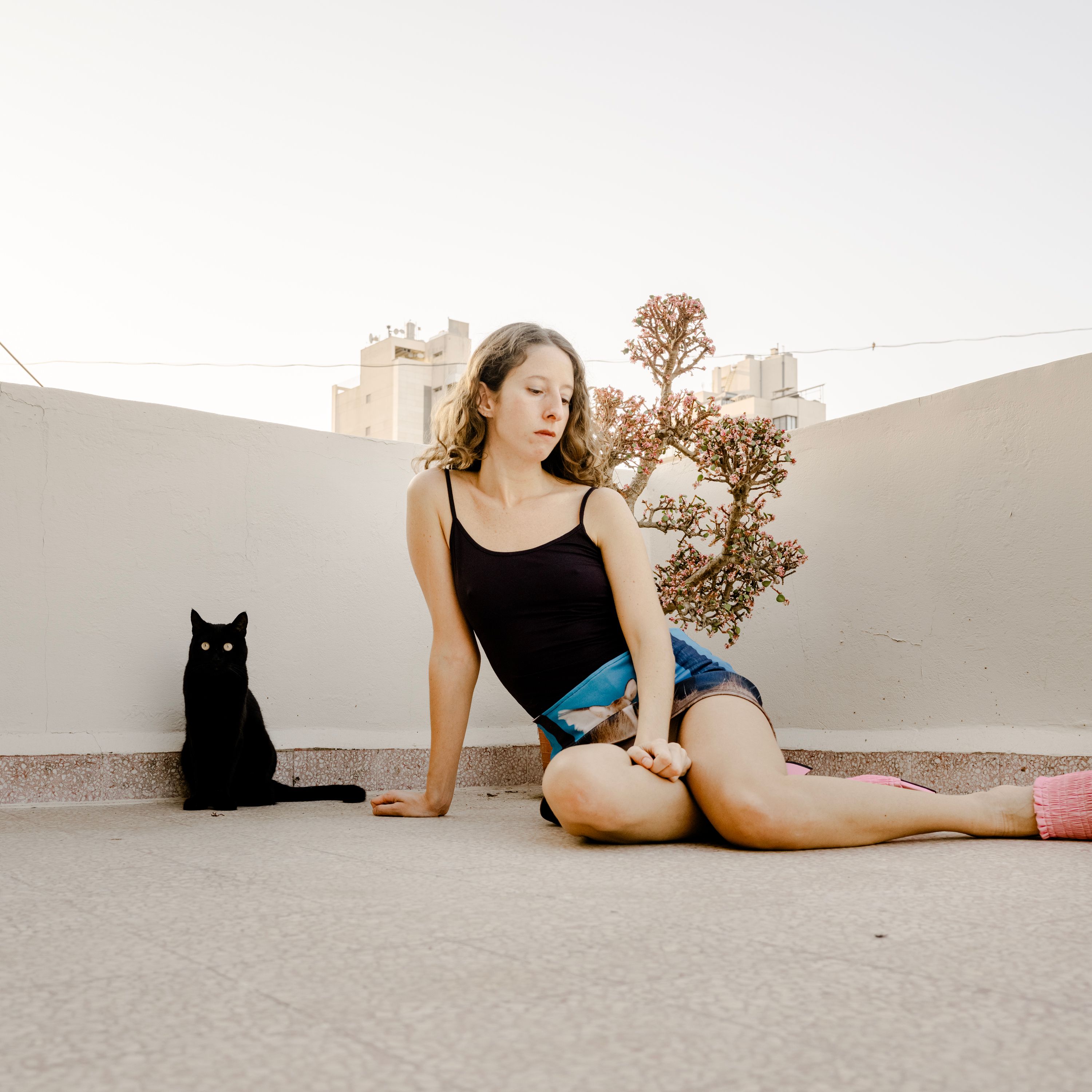
Boulos is perhaps best known for her staged portraits documenting the results of open calls in which she invited women to share their sexual fantasies anonymously. She became globally renowned after reporting on the 17 October Revolution in Lebanon in 2019 (which led to the resignation of the country’s prime minister) and her portraits of the city’s inhabitants in the aftermath of the Beirut explosion the following year for Time magazine. She became a member of Magnum Photos in 2021, and her photographs have since appeared in Vogue, Granta and Vanity Fair.
As her first museum solo exhibition, A Collective Diary: Sexual Fantasies, opens at Foam in Amsterdam, she reflects on being an “image hoarder” and the parallels between the 2019 Lebanese revolution and an abusive relationship she was in.
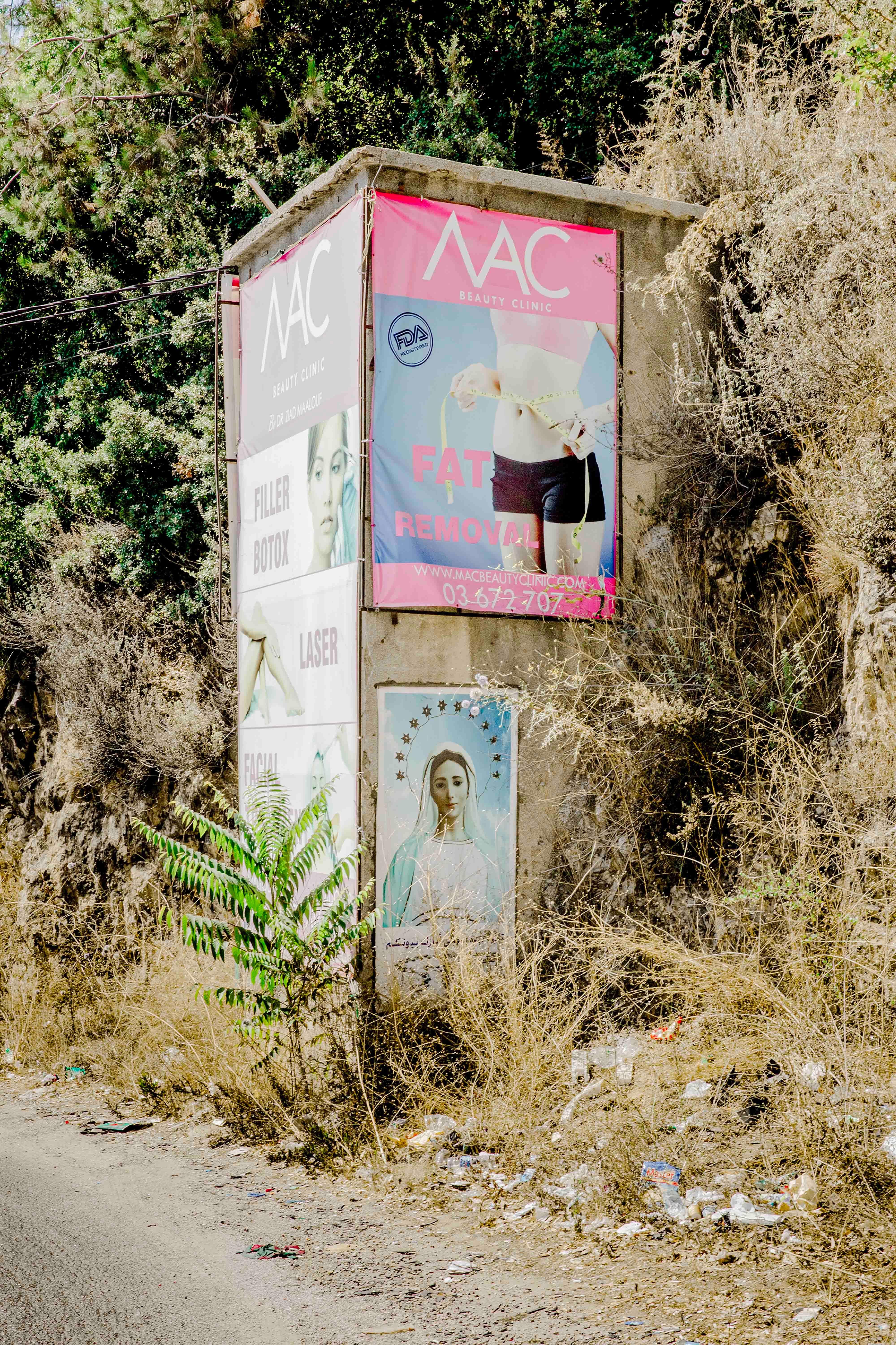
Myriam Boulos: My mum is an illustrator and a comic book artist, so I was always into drawing. Then I met a girl at school, who is still one of my closest friends, and she had a big camera. We used to take pictures non-stop. That was how I fell in love with the medium. I told my parents I wanted the same camera. My mum laughed: “Of course not! First, you have to learn how to look at things: at life, at yourself, at people. You have to train your eye and your gaze. Then you can get a real camera.”
I went to the Lebanese Academy of Fine Arts in Beirut to study photography and I worked as an event photographer while studying. Then I started winning photography prizes in Lebanon and working more. Photography became a way of being. It was a way of connecting with other people and myself. The world in my head is more real for me than the real world. Photography enabled me to connect my interior world with the physical one. It’s a portal from the soul to the world.
MB: One of my first times I used the internet was to visit the website of Magnum Photos. My mum would buy me photo books for Christmas and my birthday. Nan Goldin was one of the first photographers who really spoke to me. Sarah Moon and Shirin Aliabadi, too. I’m mainly inspired by photographers or artists who have their own visual language, people who use aesthetics from here [she points to her heart], rather than a formula, or something that they apply every time.
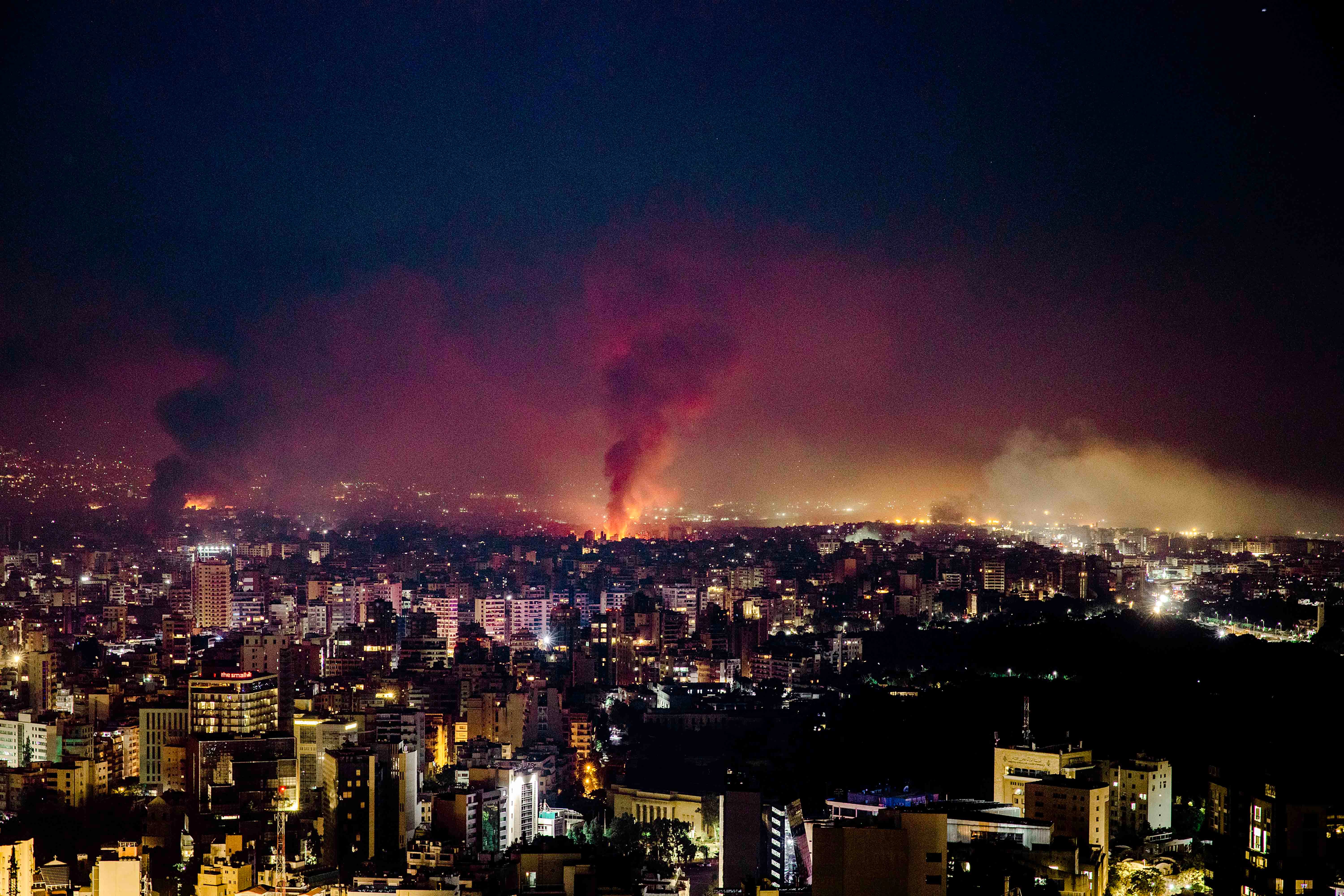
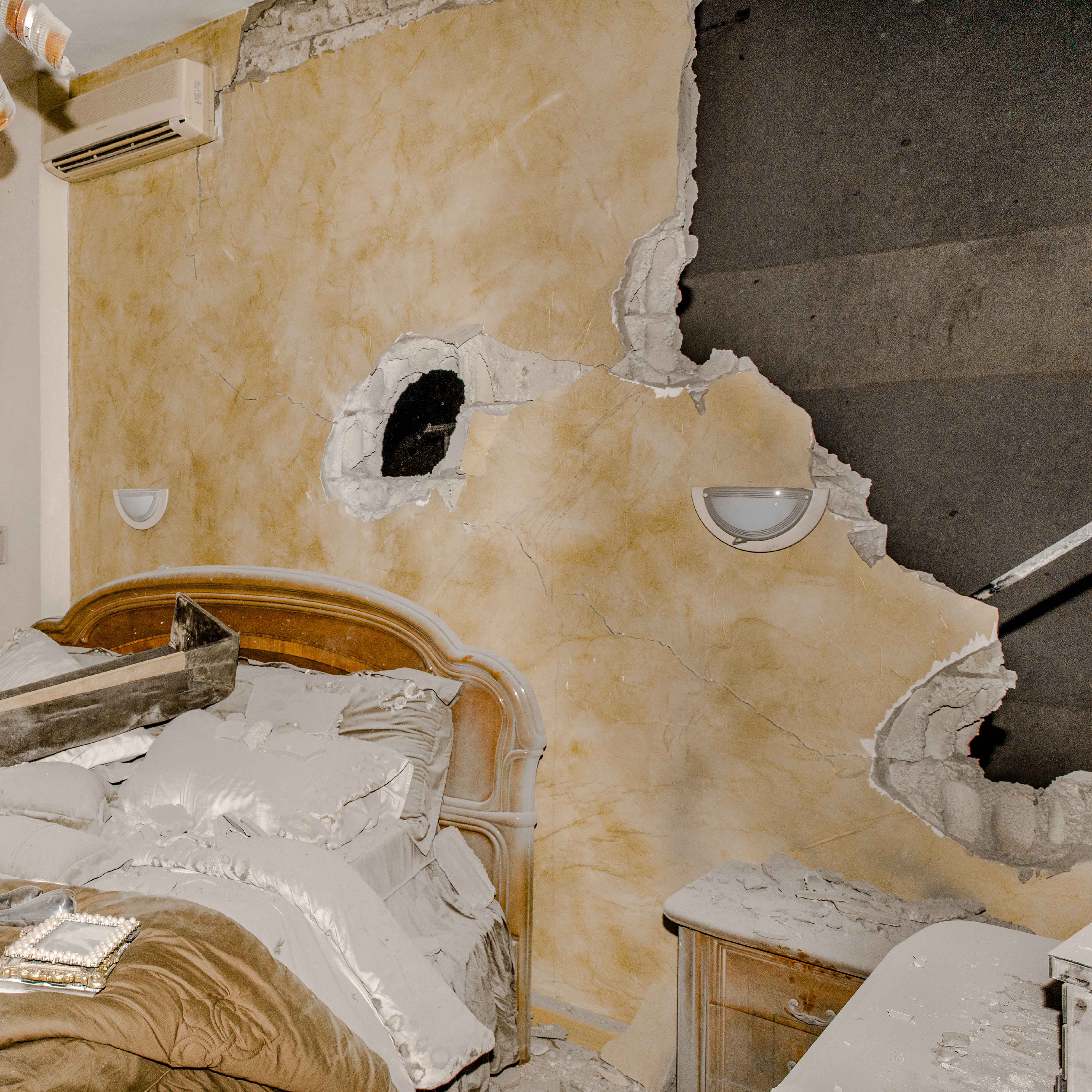
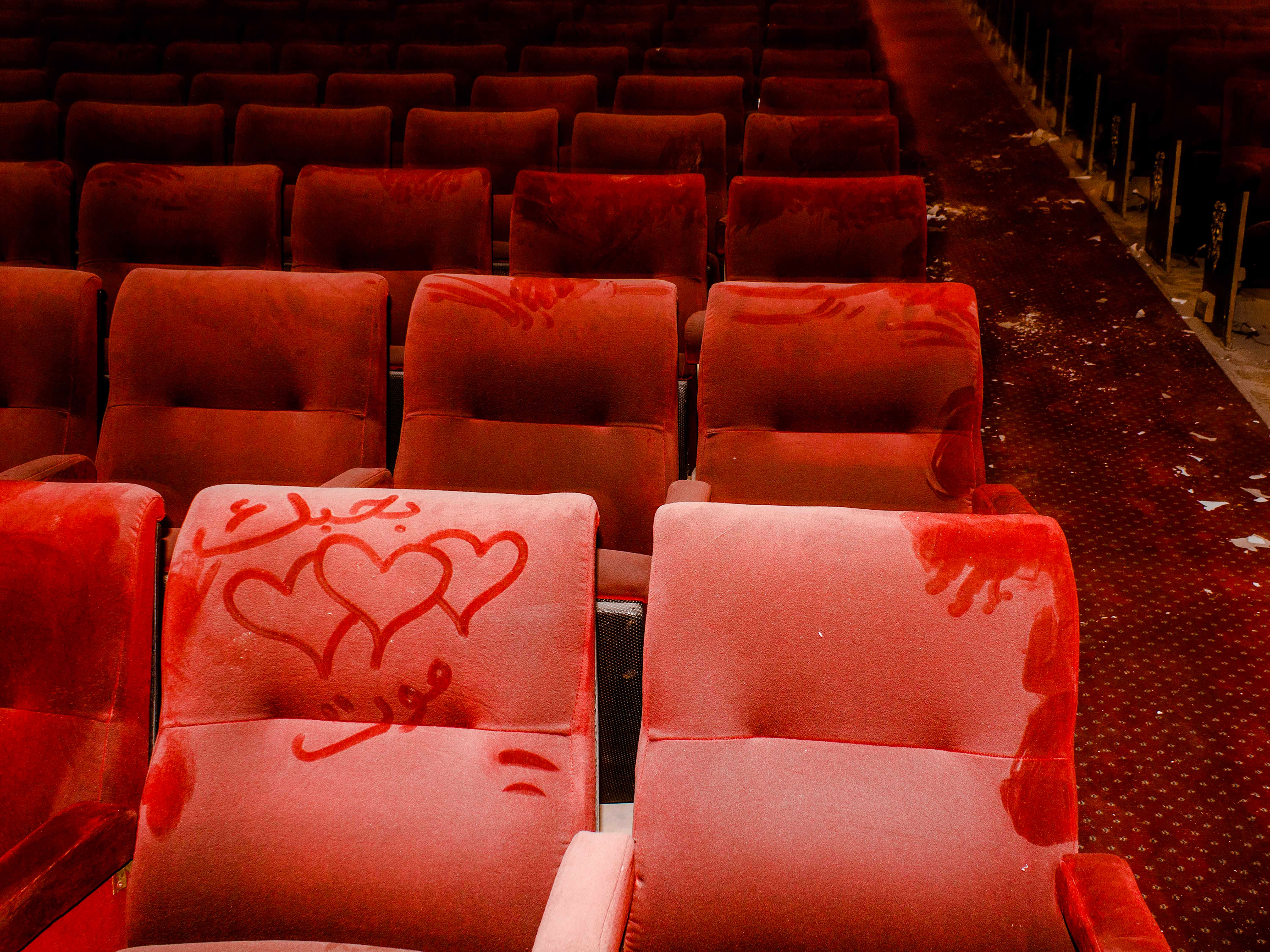
MB: At first, I wanted to exhibit all of my work and take the viewer by the hand through every series. I wanted them to see how everything is connected for me. Then, the night before the deadline, I changed everything. The work in my book [What’s Ours, Aperture, 2023] is the work that has been seen the most, and it’s my best work and the most finished. But it’s not the body of work that feels most relevant now.
The exhibition starts in the hallway with a text I wrote about Israel’s violence in Palestine and Lebanon, and how it affected me as a photographer, and how it’s been affecting us collectively in the Arab world. But I focus specifically on what I know: Lebanon, Beirut, my generation. The exhibition opens with very recent images from the current war in Lebanon, exploring how violence invades intimacy. There are photographs of migrant workers sandwiched between the abuse of their employers in Lebanon and the war, amid photographs of my sister and her partner doing their hormonal shots for egg-freezing.
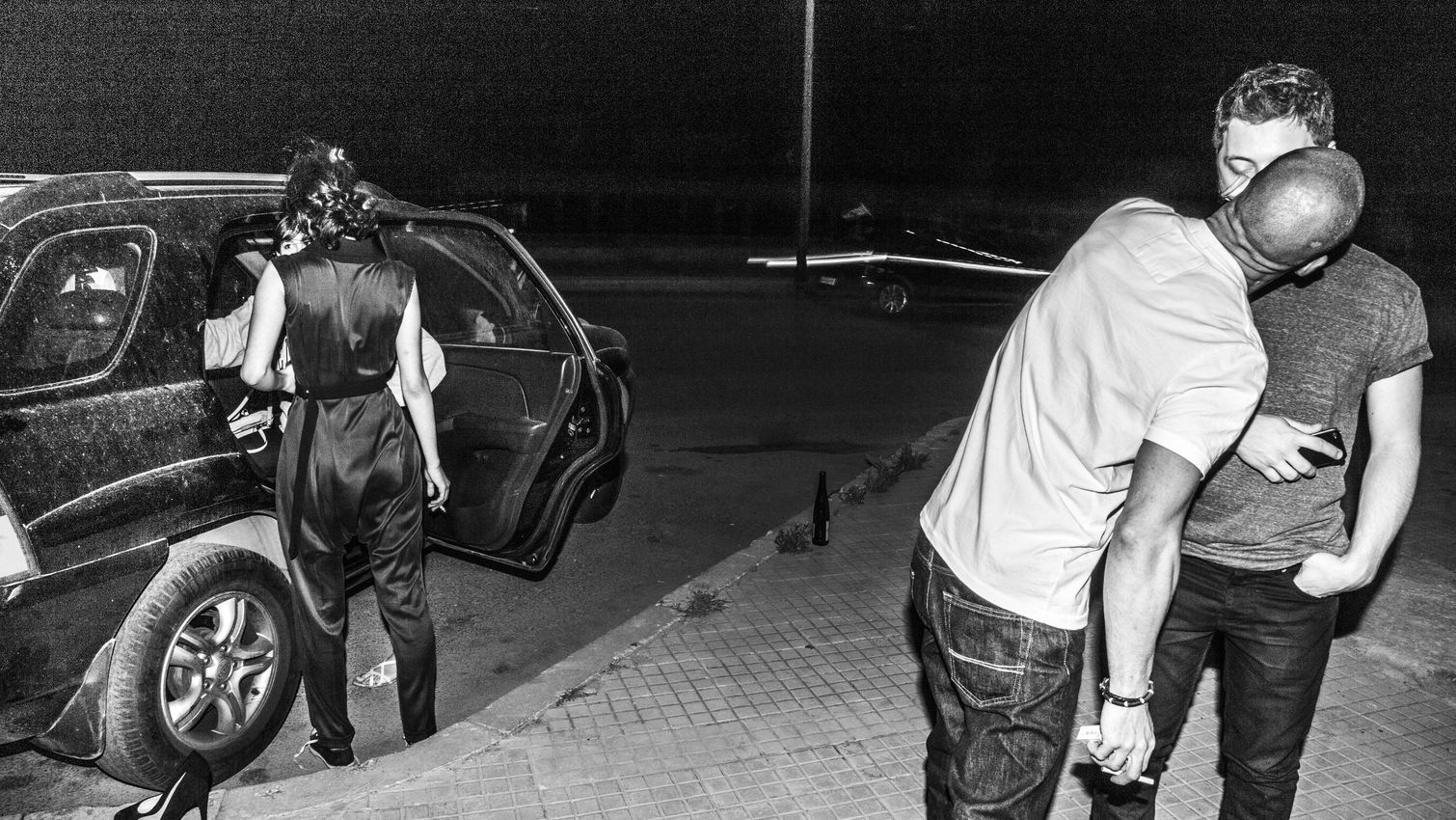
When the visitor walks into the first room, they are immediately met with my first series, shot in black-and-white at night, from 2011–2014. At night, the social life of Beirut suddenly appears. At night, we can choose the mask that we want to wear and what we want to show or hide. Nightlife in Beirut is similar to revolutions: moments where we collectively externalise everything we’re taught to bottle up inside of us. That is also what I do in my work; I shine light on things that are normalised and oppressed when they they’re not supposed to be.
Throughout the exhibition there are images taken in places where we’re exposed to emotional and physical violence, from intimate spaces to public spaces. I was in an abusive relationship for six years, and there’s a picture in the exhibition of the guy. I burned his image and wrote “narcissistic pervert” beside his head, which felt good.
MB: The revolution started a few months after I told him to get out of my life. At the beginning of the revolution, it was like we were collectively coming out of an abusive relationship. The rest of the exhibition is mainly my sexual fantasies series.
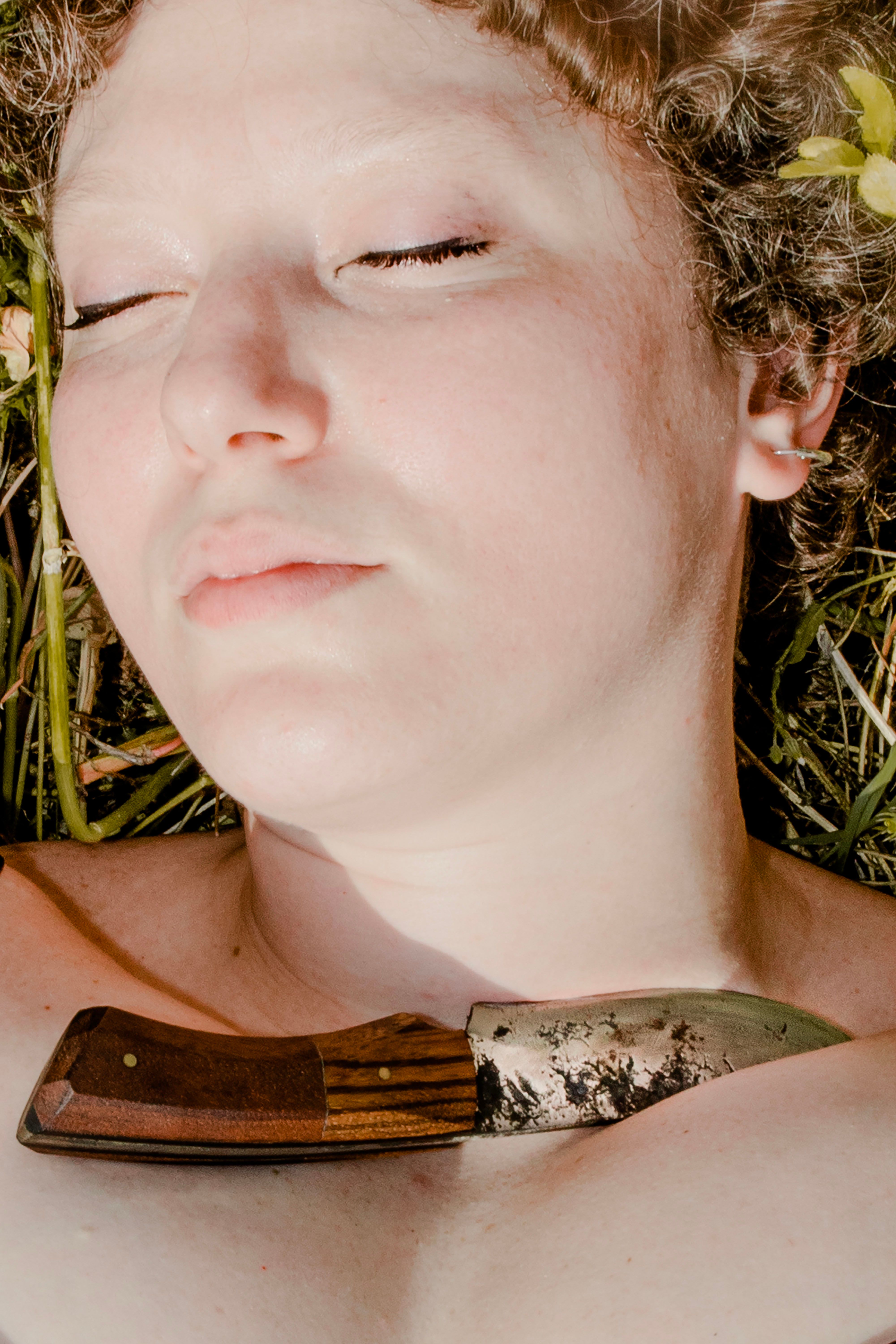
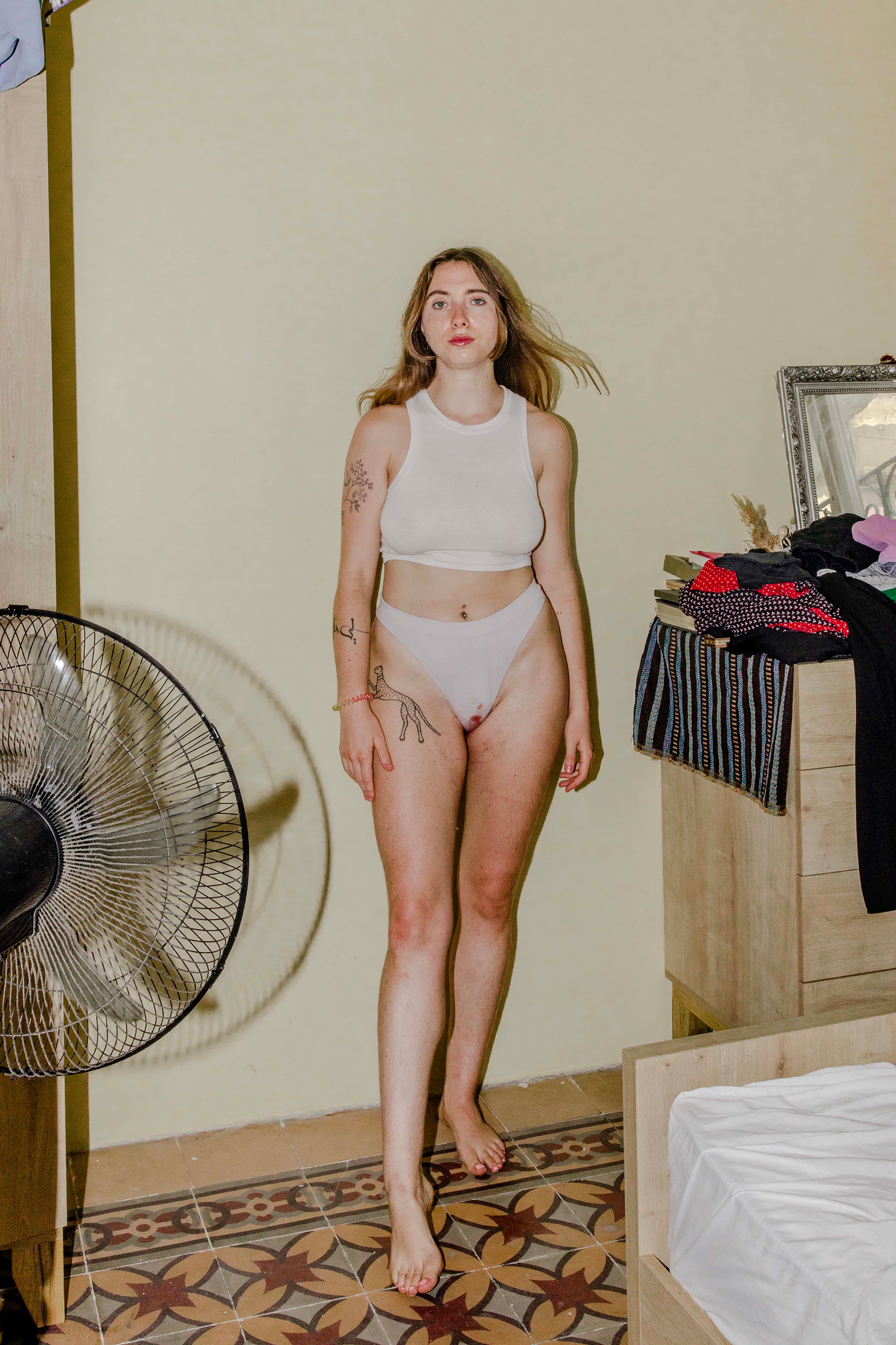
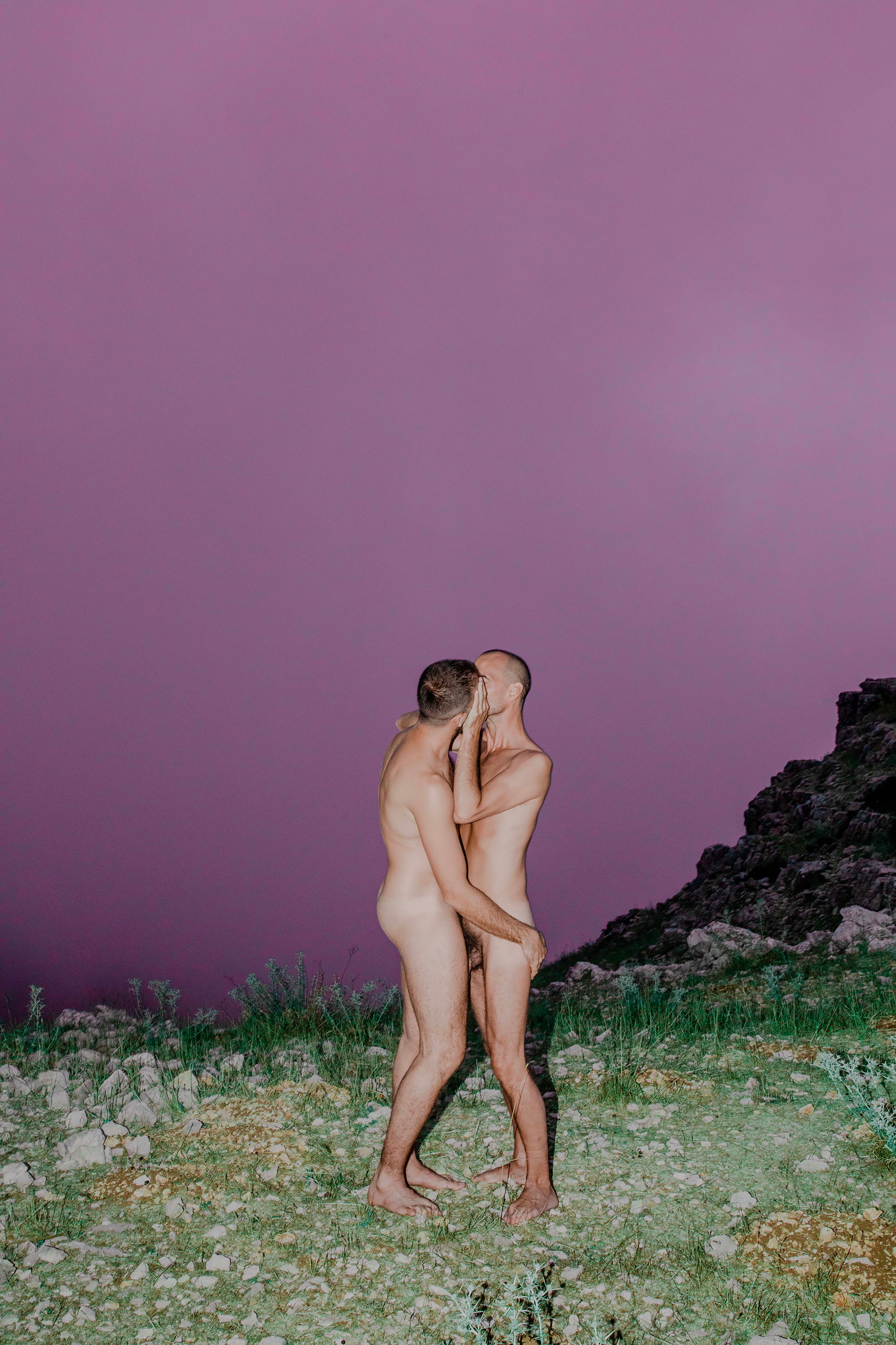
MB: It’s all very connected. I live in conditions of normalised violence, and I’m always searching for tenderness. I want to make a space for my desires, but also collective desires, in different contexts. In my sexual fantasies series, for example, the context is the body. Whenever I do interviews, Western art critics love to say that I make these images because in Beirut they’re taboo, but that’s reductive. I’m interested in how desire is experienced throughout the whole world.
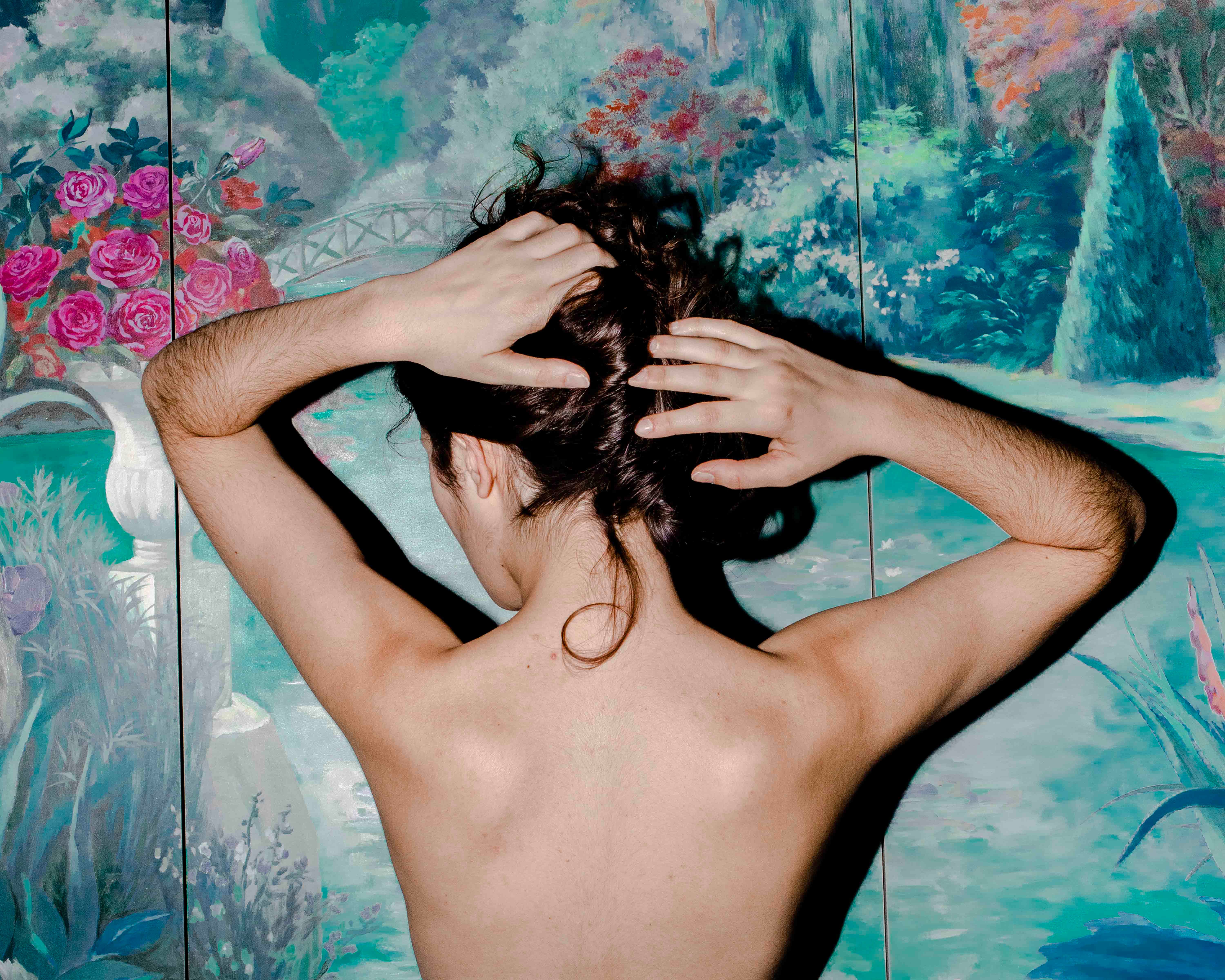
For a few years, every time I travelled, I would do an open call [on Instagram]. I would say, if you’re a woman and you want to share your sexual fantasies, DM your email address. I met different women in different parts of the world. We’re all trying to give space to the worlds inside of us, our sexual fantasies. There’s so much shame linked to this, especially when our sexual fantasies are violent. That is one of the first things that made me want to explore sexual fantasies because my own are so violent. I was like, “Am I normal? What about other people?”
Ten years ago, I used to go out and ask people: “What are your sexual fantasies?” Not in a creepy way but in a genuine way. Eventually I focused on people who were not cis men, because their answers were always body parts. They would be like “I’m an ass person”, and I would reply, “I couldn’t care less about which body parts you objectify, that is not the point.” Whereas other people, who were not cis men, would answer with entire worlds.
“I live in conditions of normalised violence, and I’m always searching for tenderness”
MB: I’m not a photographer who goes up to someone like, “Hey, can I take a picture of you? I’m going to photograph you like this; this is what I’m trying to express.” No, I throw out my interests in the open calls, and people who share the same interests and actually want to be in front of the camera reach out and say they want to make pictures with me. Each person tells me how they want to be represented, what they want to show or hide, where they want to be photographed, what they want to wear or not. It’s not me imposing my gaze on them.
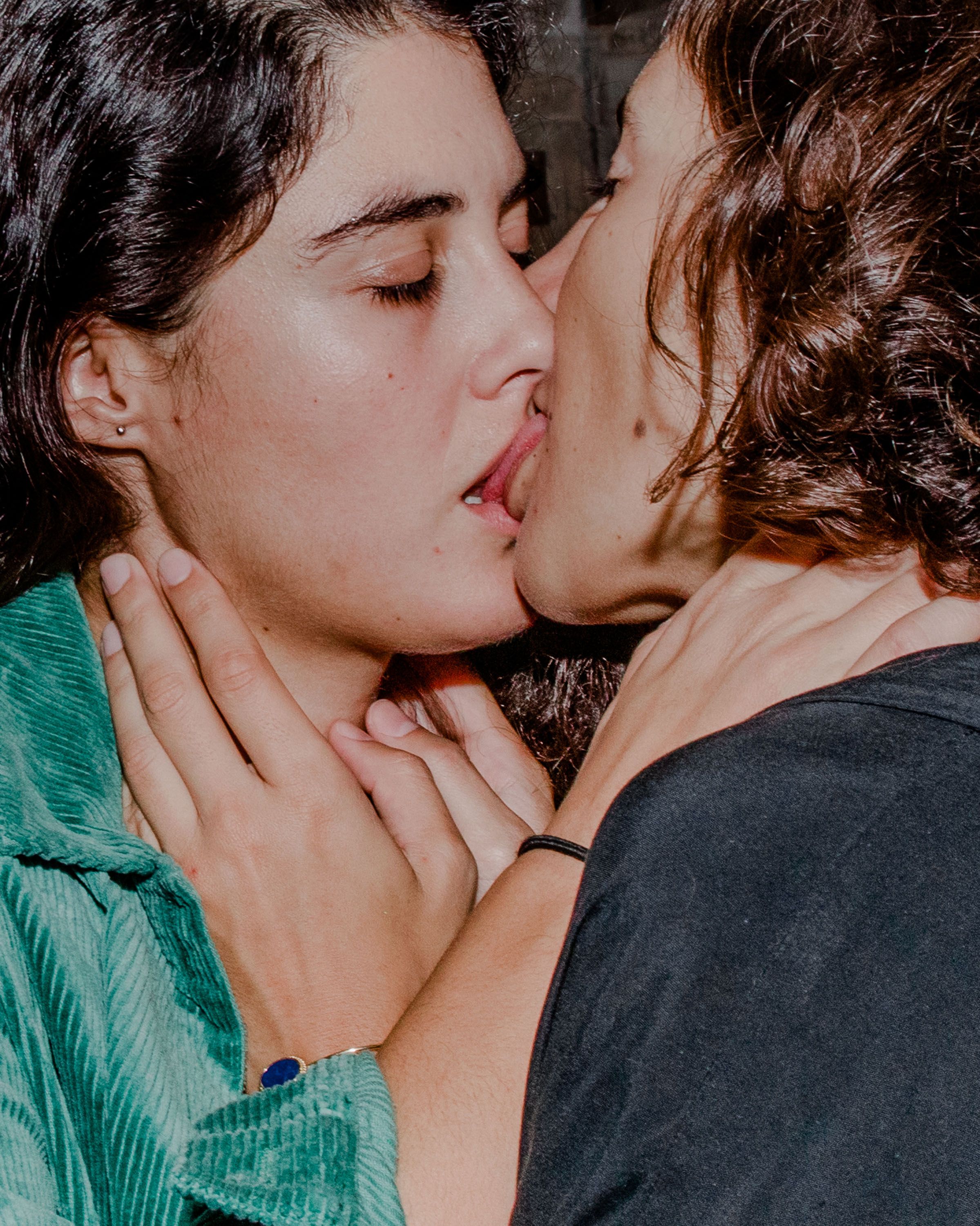
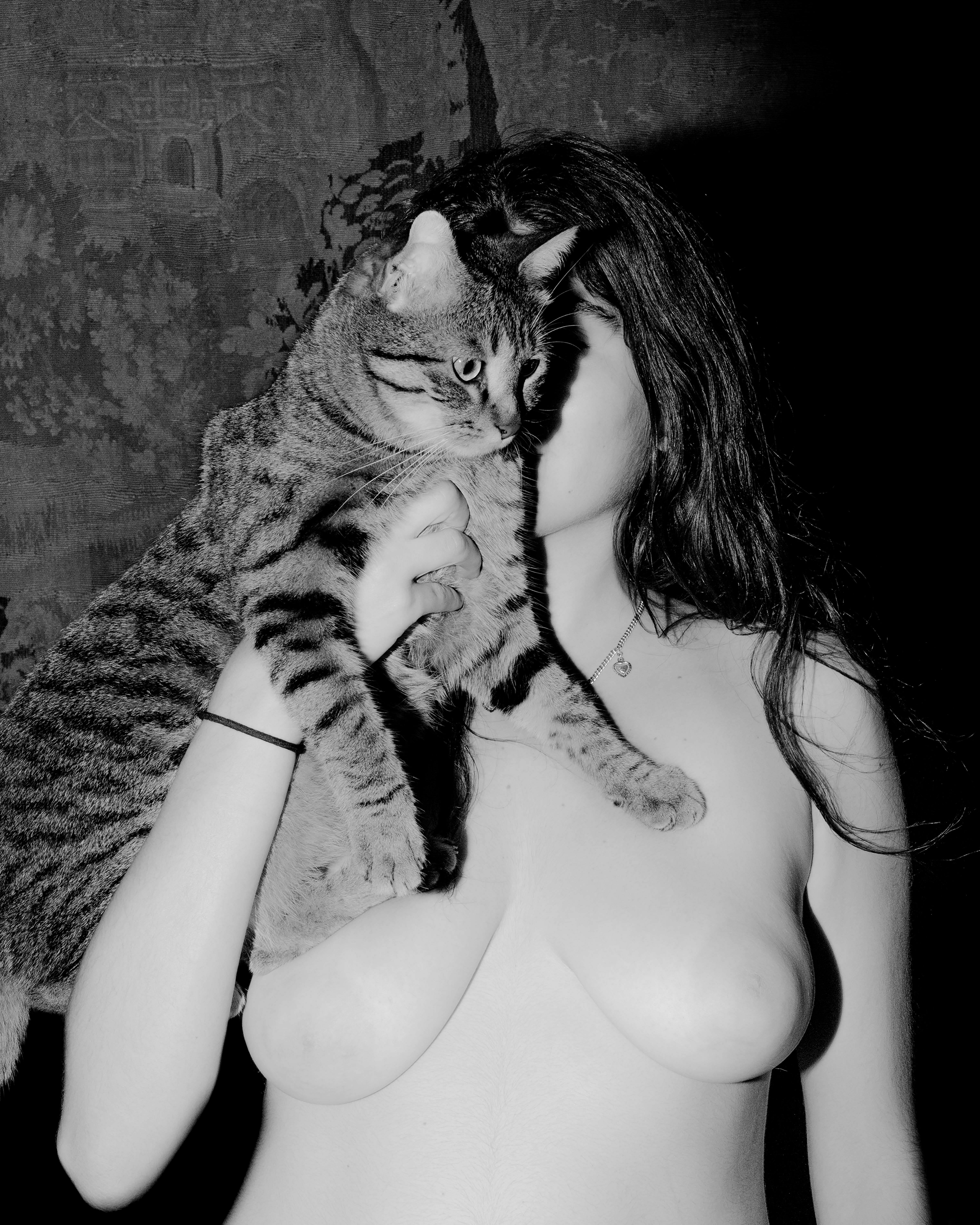
MB: Photography is my only means of communicating loudly. I can reach people with images. I can’t reach people through words or physical presence. Existing through images, fighting through images, and exploring reality through images is where I have the most hope. But at the same time, in the last volatile moment of the war, I barely took pictures. I lost hope in images for a while.
The overdose of images that we [are experiencing] show the truth, but I feel like when it comes to oppressed people, and to Arabs in general, our images lose the notion of indexicality. Even if we have proof, it’s going to be reframed and used for someone else’s narrative and agenda. But I still have hope in the latent power of these images. This is going to sound cheesy, but when the empires fall, our images will stay. But, yeah, during our most recent violent moment in Beirut, I just tried to be there for people and to physically help.
MB: During the revolution in 2019, I became conscious of the power of images, and how images can be harmful too. Both when it comes to intimacy and our bodies, and when it comes to bigger political issues and situations. My book is still not distributed in Lebanon because the images could be used against people. Especially when it comes to queerness, when it comes to political stuff, like people who participated in the revolution. I fight with each news platform I work with because the same images we take to tell the truth and document what’s happening can be used to harm us. This is what Beirut taught me.
MB: I take pictures non-stop with my phone and I take a lot of screenshots. When I was a kid, I used to be a hoarder. My mum is the opposite because my grandma was a hoarder. Her house was amazing and filled with stuff. We would go to a restaurant and she would keep the dirty napkin. My mum killed this part of me. I’m an image hoarder instead. It’s very grounding for me to have images of what I saw or felt or lived. Everything in the present moment is so overwhelming, and taking pictures is a way of taking a piece of the moment to process later at home in my own space and time. It’s a way of reorganising reality and my own narrative.
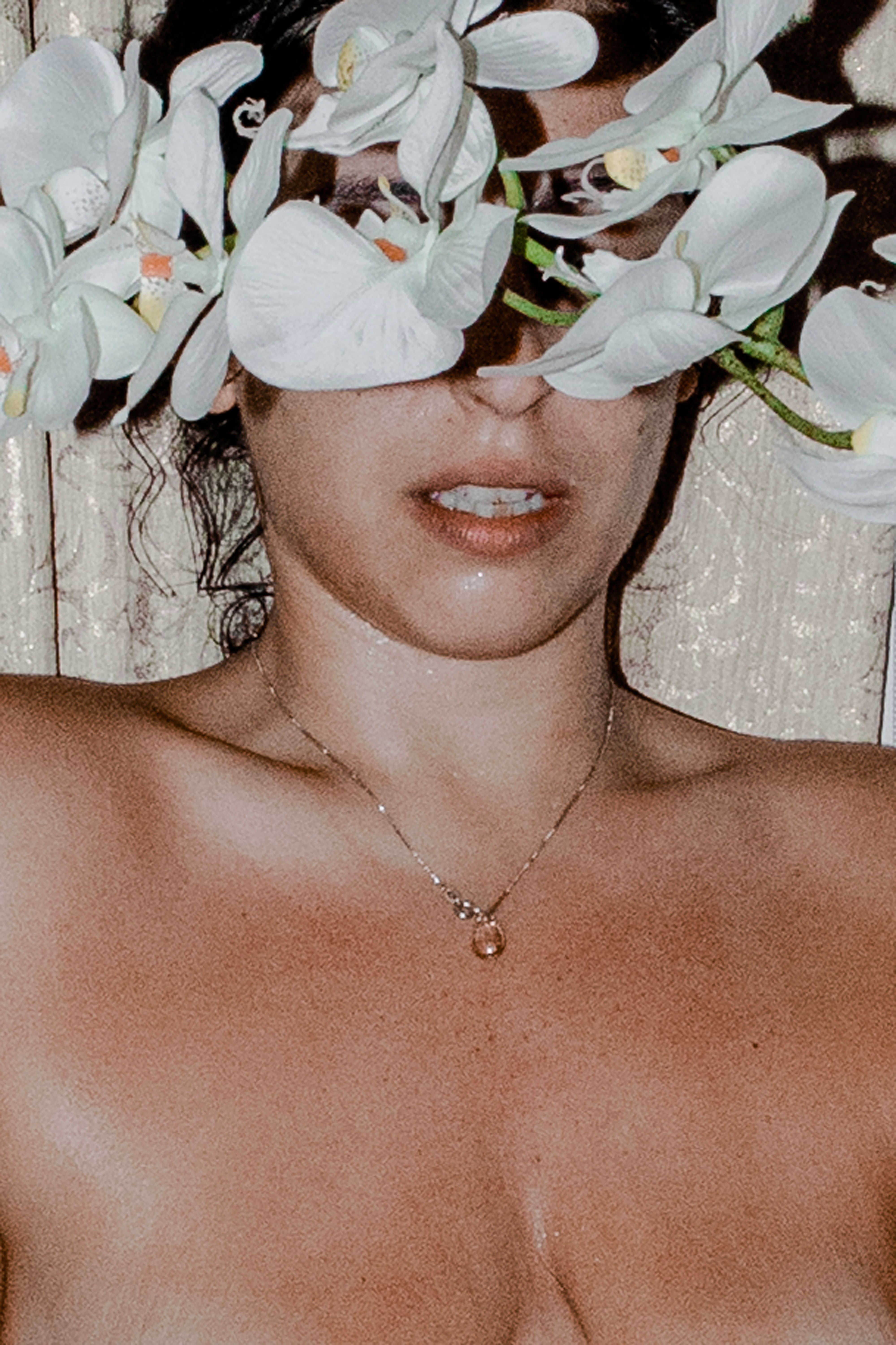
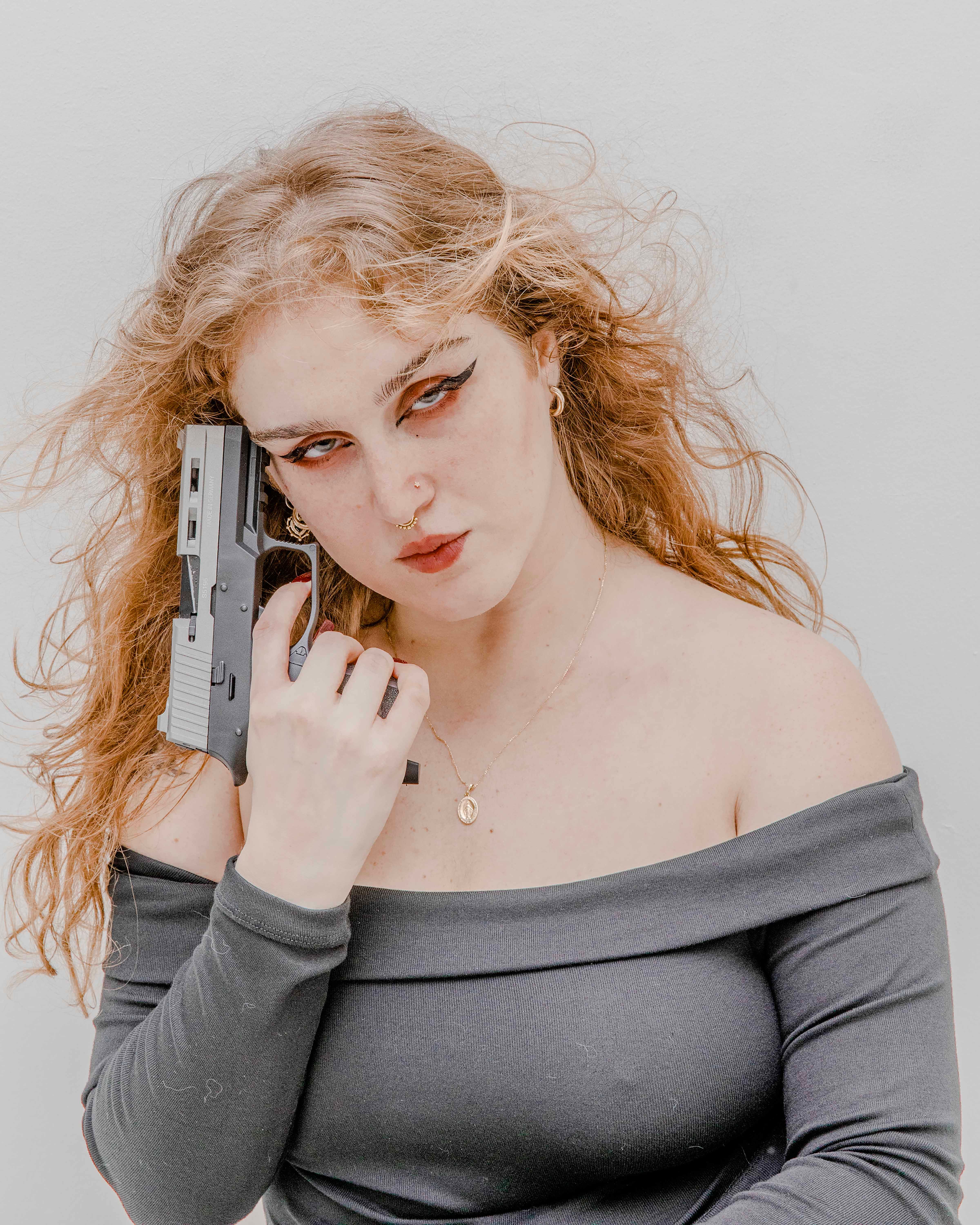
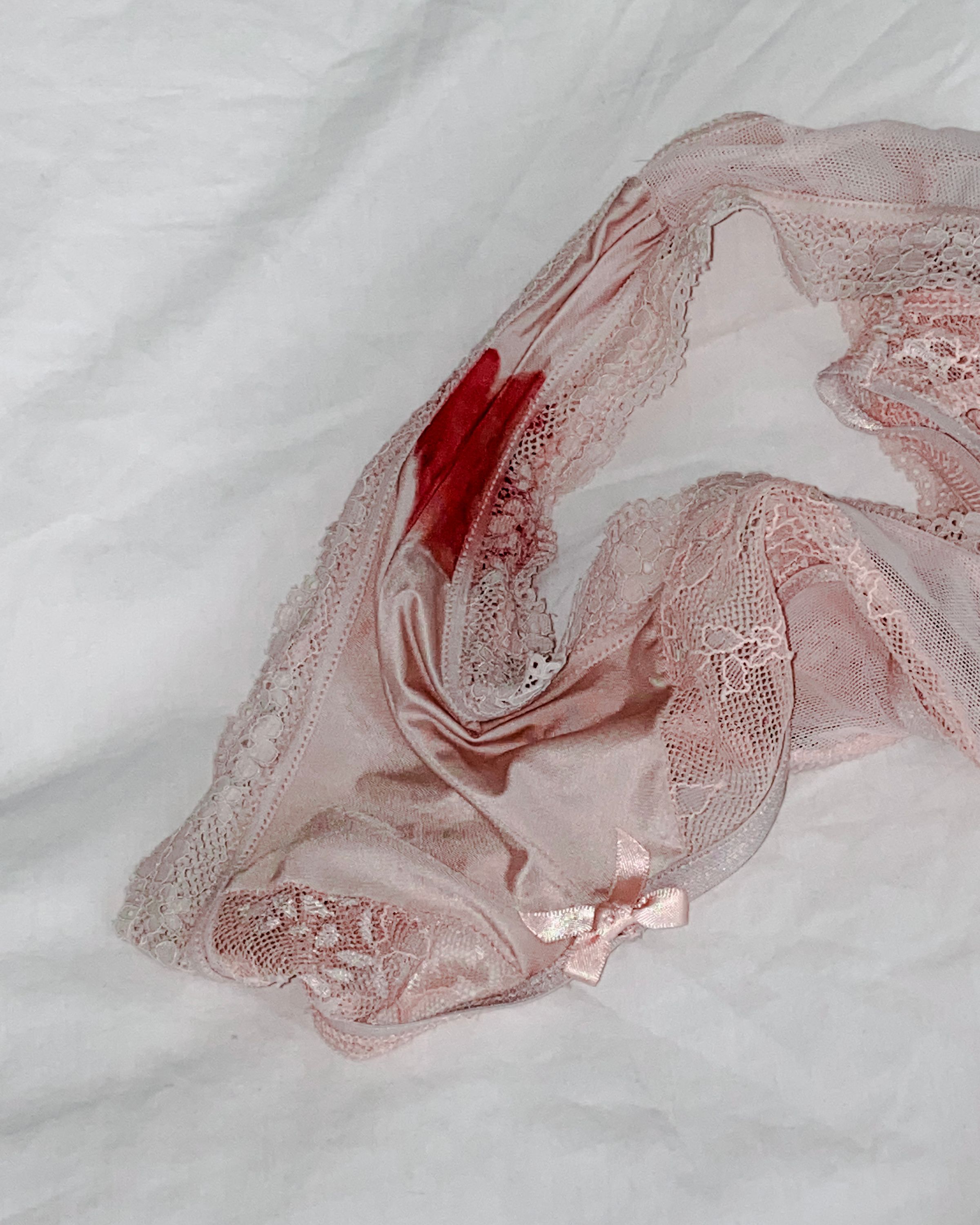
MB: One of the things I love about photography is the fact that it can exist in so many different forms. My ultimate fantasy would be to showcase big images of my work in the streets of Beirut. This upcoming exhibition is so important because I made all the decisions. I think my dissatisfaction with previous exhibitions was my inability to do this, and the physical aspect of them. I read a few weeks ago that after being in an abusive relationship, it’s very difficult to decorate your home and to make choices based on your desires.
I feel this about myself and my physical presence. Everything I do when I present myself physically is to erase myself and attract as little attention as possible. I always wear black. But I’m working on this! Making exhibitions is a part of it. Exhibitions involve making choices in a physical space. I also read something recently about autistic people, how we don’t perceive ourselves in 3D. You won’t relate to that. You are a person who exists very physically.
“It’s a way of reorganising reality and my own narrative”
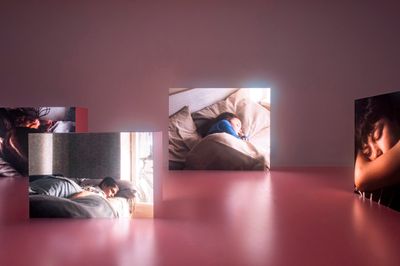
MB: I want to continue connecting to myself through images and connecting to other people through images. It’s difficult to produce work that does justice to what we’re living and witnessing, and I want to find ways to do this. And I want to continue making exhibitions that are the result of my own decisions and choices. I’m very excited about the pink carpet in the exhibition. Pink is my favourite colour; it’s very stimulating for me.
MB: I’m obsessed with open relationships and finding ways to be happy without feeling isolated.

A respected voice in contemporary art discourse.
Focusing on ambitious storytelling and insightful art-world commentary. Ocula Magazine publishes in-depth interviews, critical essays and timely analysis on the artists, exhibitions and ideas driving the global art world.
Learn more about Ocula Magazine
Showcasing the best of the art world.
Ocula partners with galleries from around the world to highlight their artists, artworks and exhibitions. Gallery membership is by application and invitation, with each member vetted by an independent panel.
Learn more about Ocula Membership
Specialises in the sale of major artworks.
Led by a team with deep ties to the world’s leading auction houses, galleries and collectors. Ocula’s advisory team offers bespoke services to high-net-worth clients from around the world who are looking to acquire the best of contemporary and modern art.
Learn more about our team and services