

The art world in focus
Subscribe to our newsletter for news and insights on artists, galleries and exhibitions.
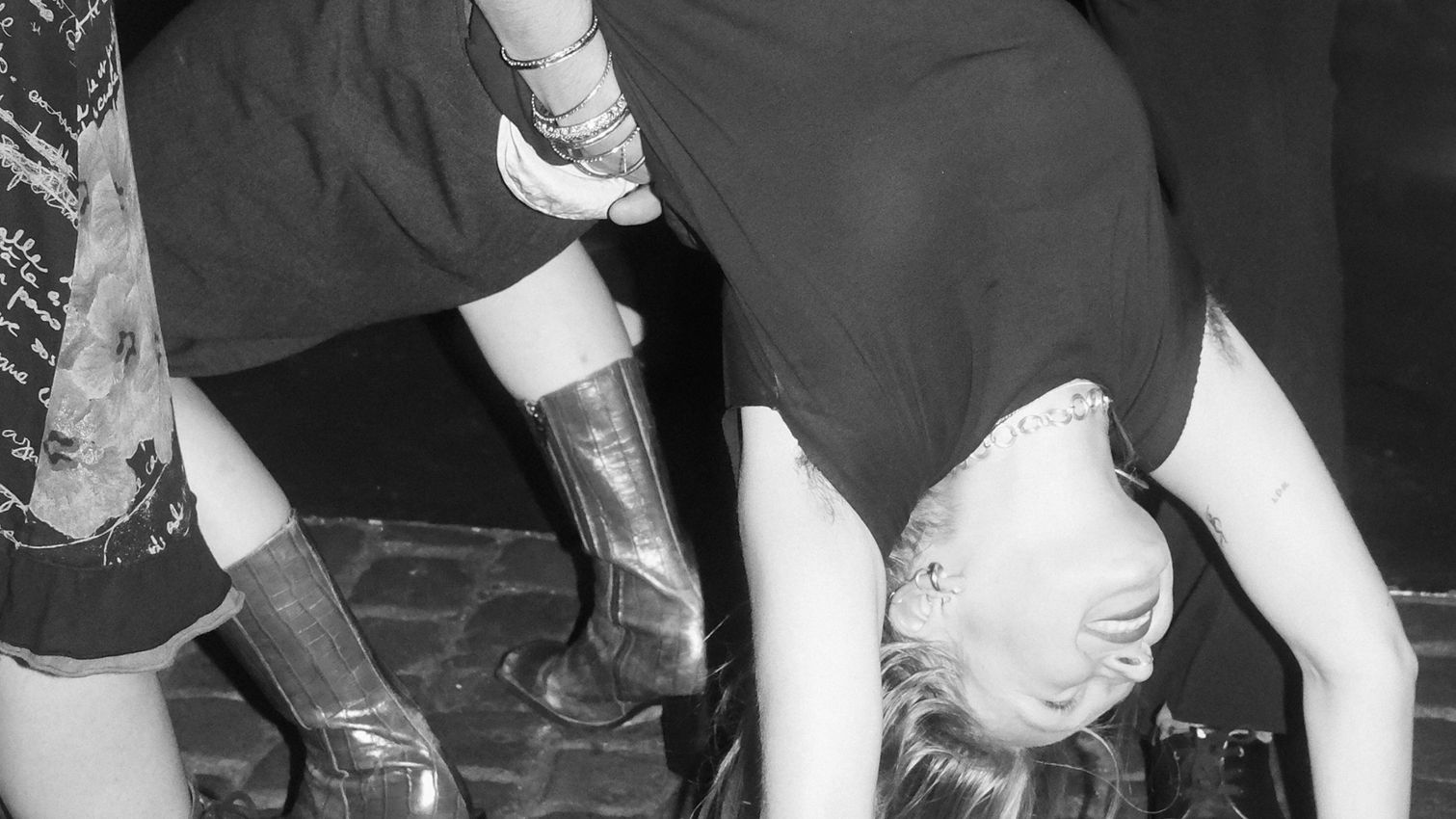
By the time Frieze London opened its doors to VIPs on Wednesday, I had seen enough to hope that the art world had recovered its bad habits. My calendar had been pleasingly disreputable. I’d slipped through the “Magic Mike” entrance at the Hippodrome Casino for a Modern Art soirée, caught Jay Jopling fiddling with Gabriel Orozco’s broom at White Cube’s tequila party, and drunk lethal Georgian chacha in a dimly lit basement with Bukia Vakhania’s gallerists. Was this the noughties? The fair had yet to open; the shenanigans were already under way.
For years, the story has been that Frieze London is waning: Brexit headaches, Art Basel Paris the following week. Why buy now? One gallerist in a banker’s fleece, cradling a blueberry Collins, supplied a corrective: Britsback. The phrase was unpromising, but confidence was the week’s preoccupation.
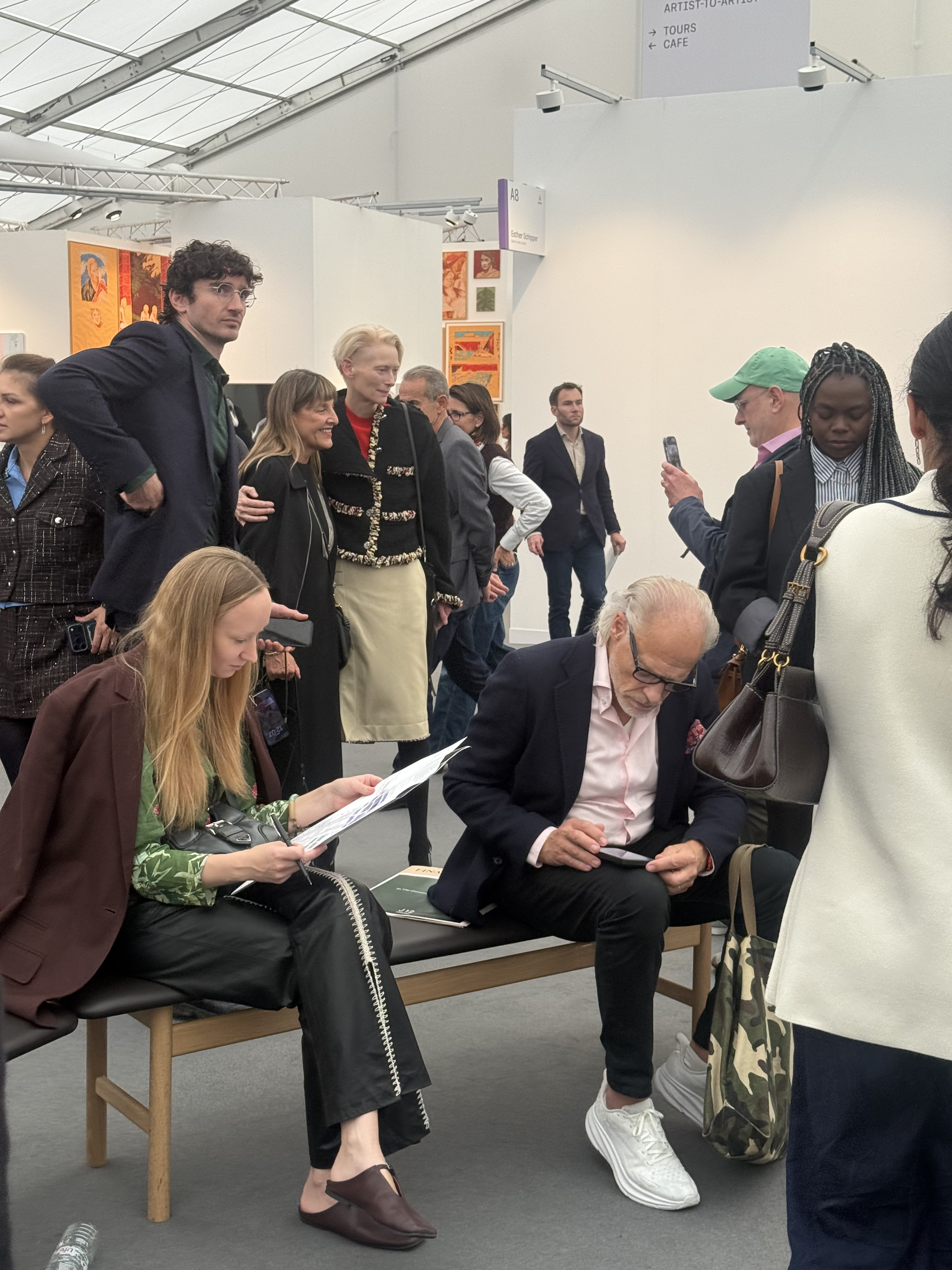
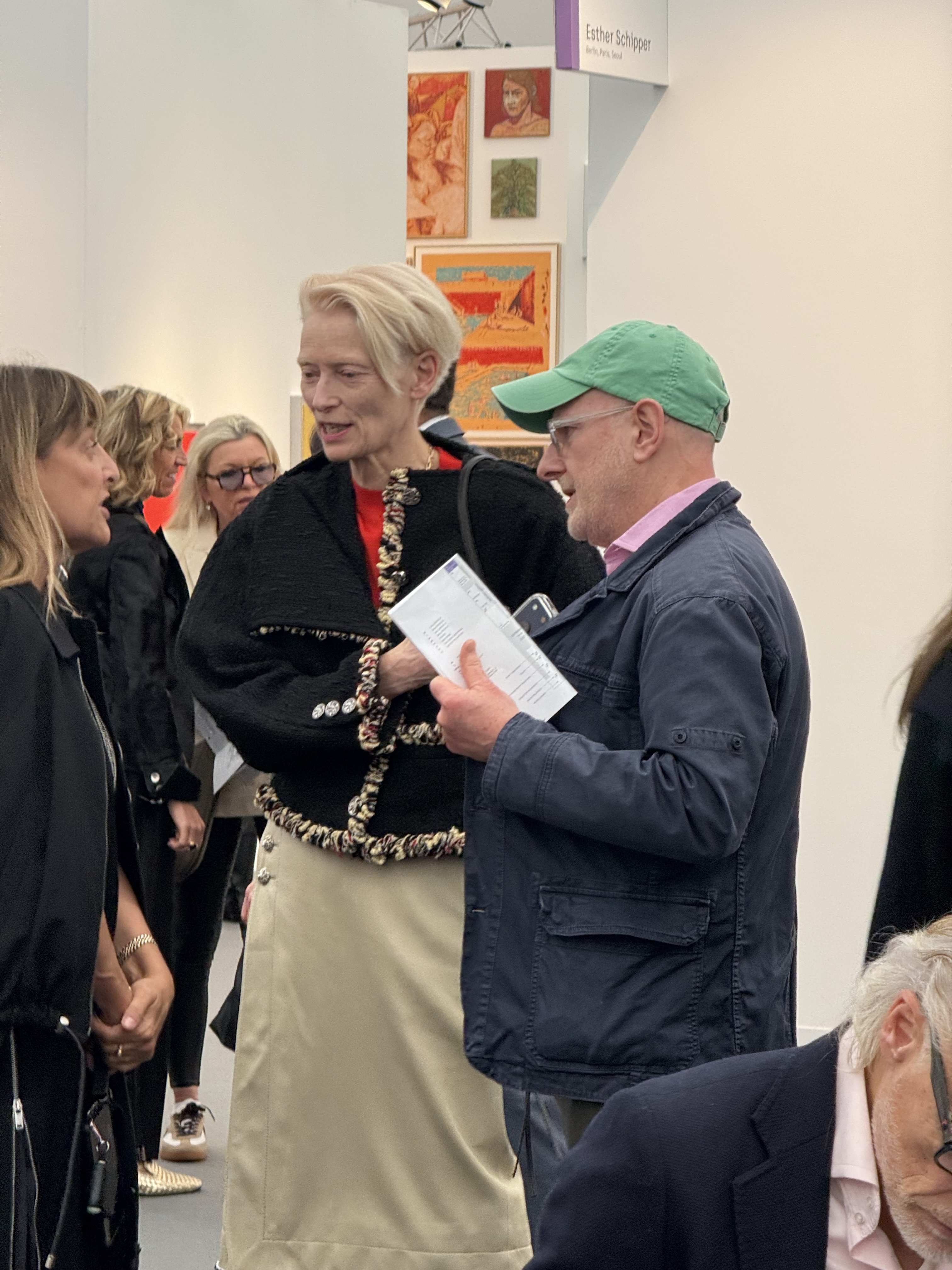
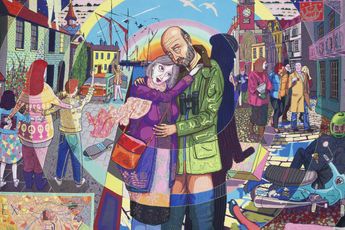
As the tent flaps opened, I watched the glitterati strut up the ramp. This year, Brits favoured bedclothes: Grayson Perry sailed by in what looked like a coordinated set of pyjamas and yellow Nikes, while Helena Bonham Carter cycled between tents in a tartan dressing-gown. (Straight from the afterparty, I hoped.) Tilda Swinton bucked the trend, decked out in Chanel (an SS26 tweed jacket and demure black heels).
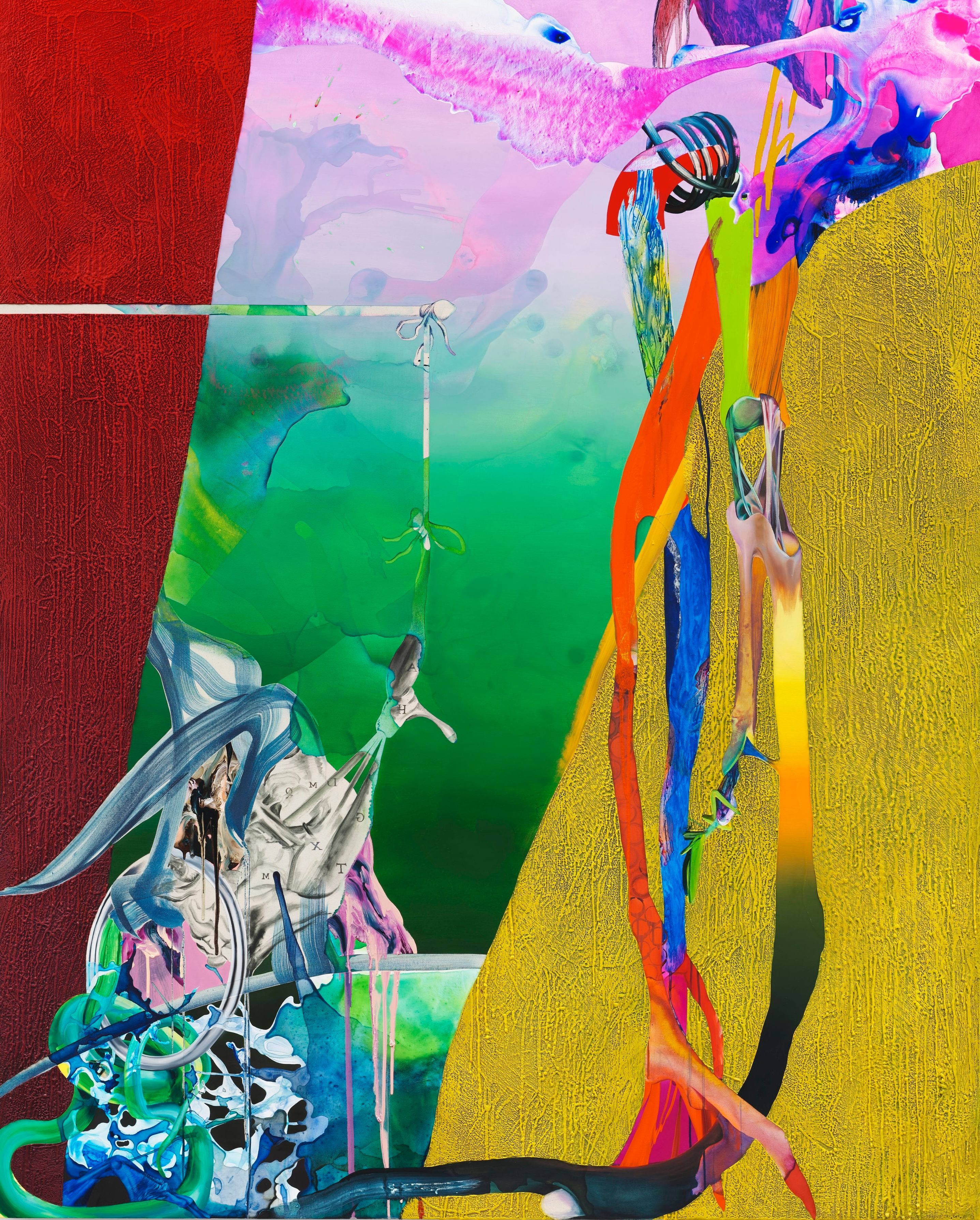
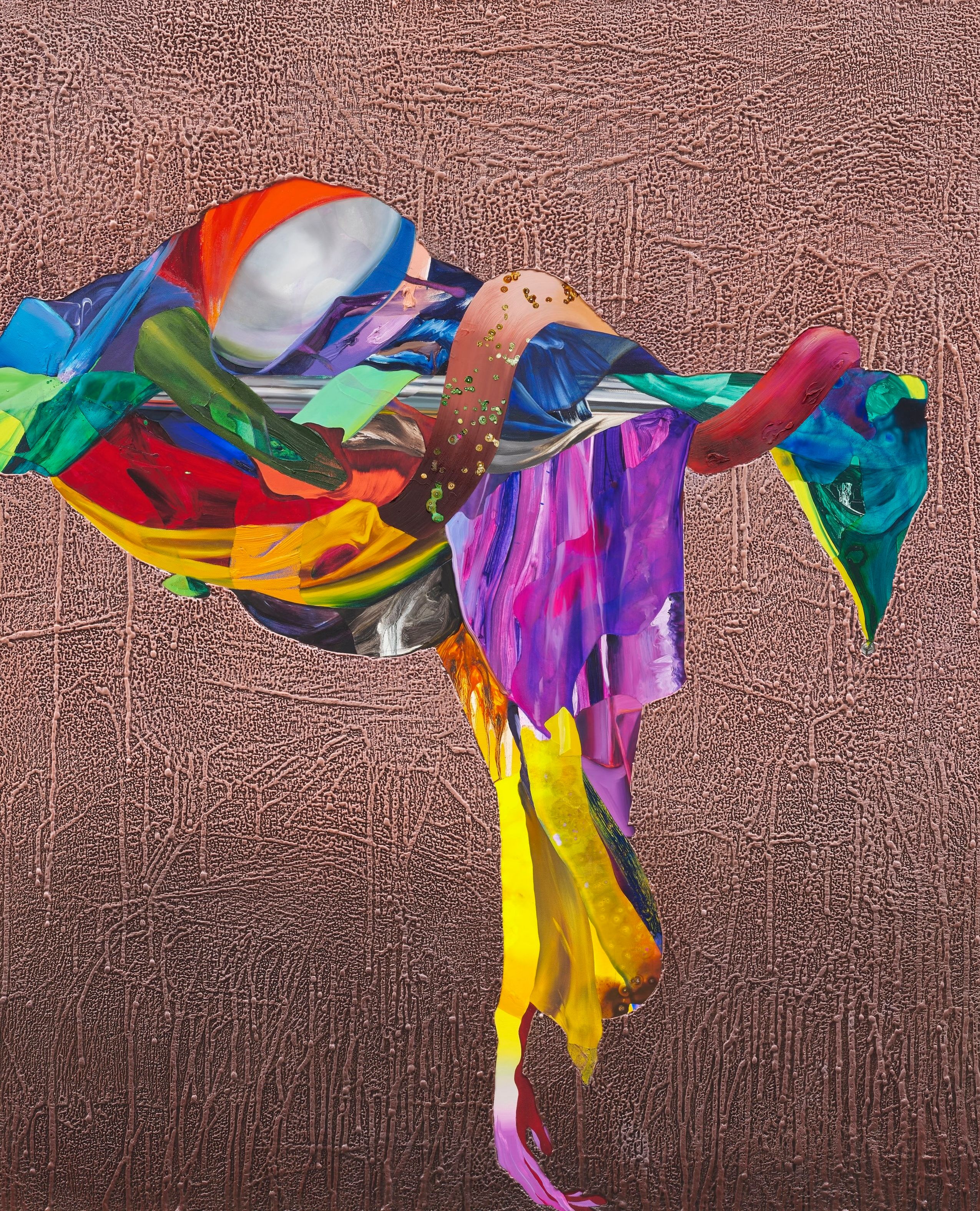
For all the talk of recovery, the blue-chip booths were taking few chances. At Pace, Marina Perez Simão’s muted seascapes were selling out at up to $250,000 apiece; White Cube peddled five of Ilana Savdie’s sickly beeswax acrylics for up to $325,000 each. Meanwhile, Gagosian sold out all six Albert Oehlen oil regurgitations at around $1m each.
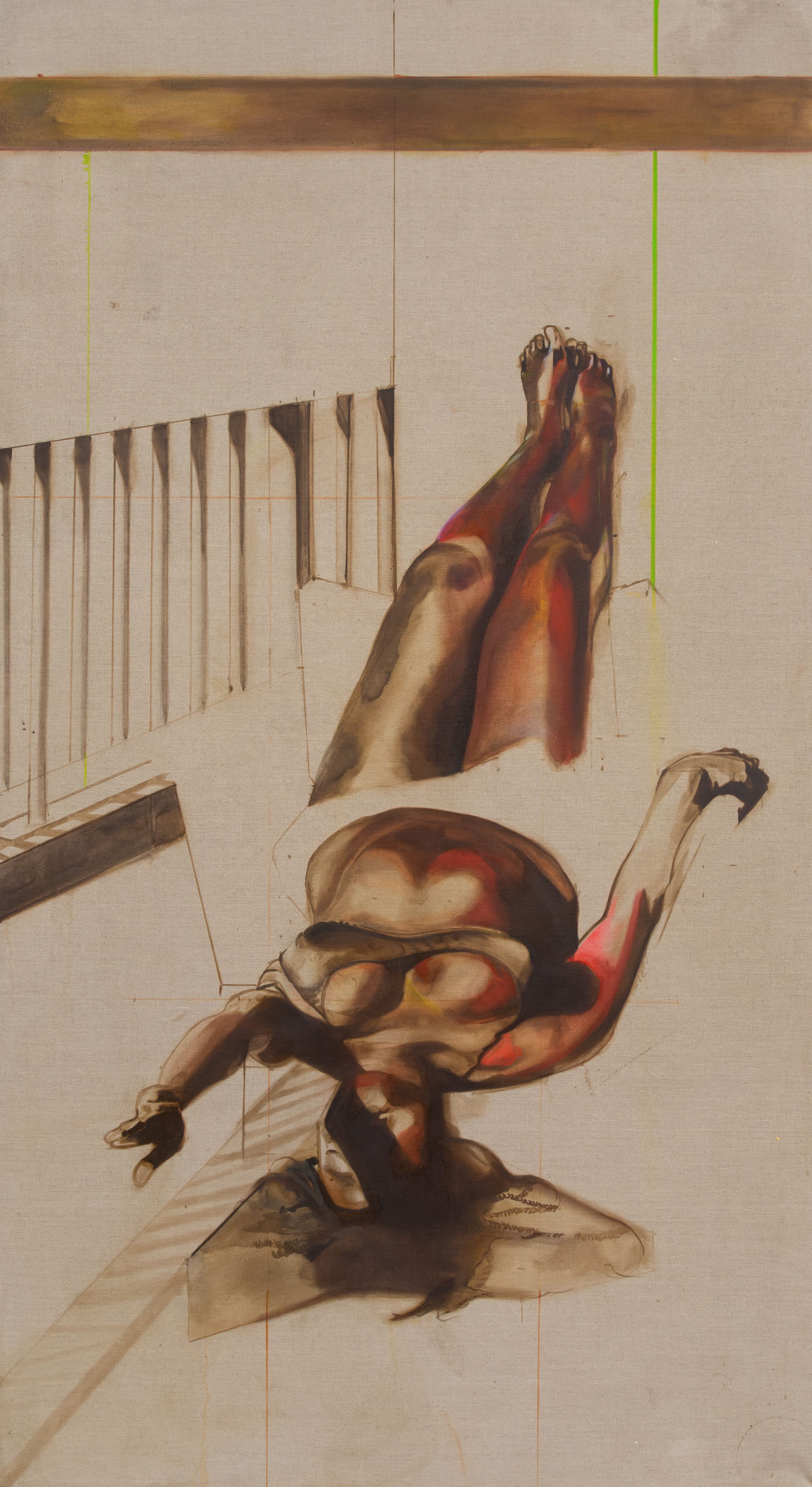
Yet at Timothy Taylor, Sean Landers made a case for sticking to abstract painting. His canvases flaunted a menagerie of sloppy pandas and wide-eyed grizzlies; behind them, poetry appeared on book spines, while his private thoughts were carved into trees. Buttoned into a periscope-blue cashmere cardi, he explained with painful sincerity the animals were his “surrogates”. Several had already sold at $180,000.
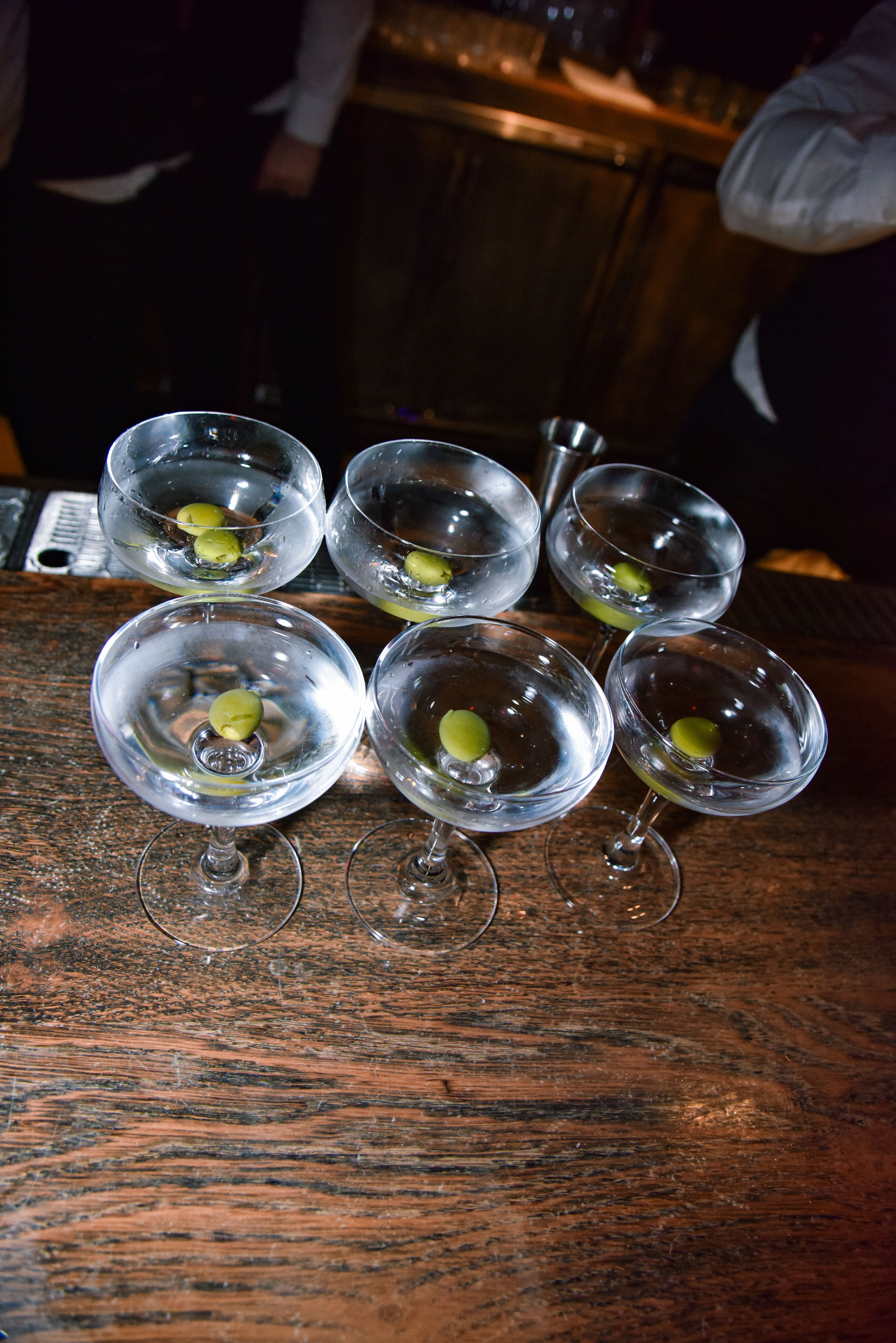
In Focus, many played it safe, too. I detected a distinct farmyard tendency—a riot of floating goats, ecstatic moles and vain pigs. Not all the buyers wanted livestock; early sales included Okiki Akinfe’s stripped-down self-portrait Fame is a Gun (2026) (Ginny on Frederick) and Hannah Quinlan and Rosie Hastings’ dissonant urban fresco, Night (2026) (Arcadia Missa). The two galleries celebrated that evening at the Edition Hotel over oak moss and Earl Grey sours.
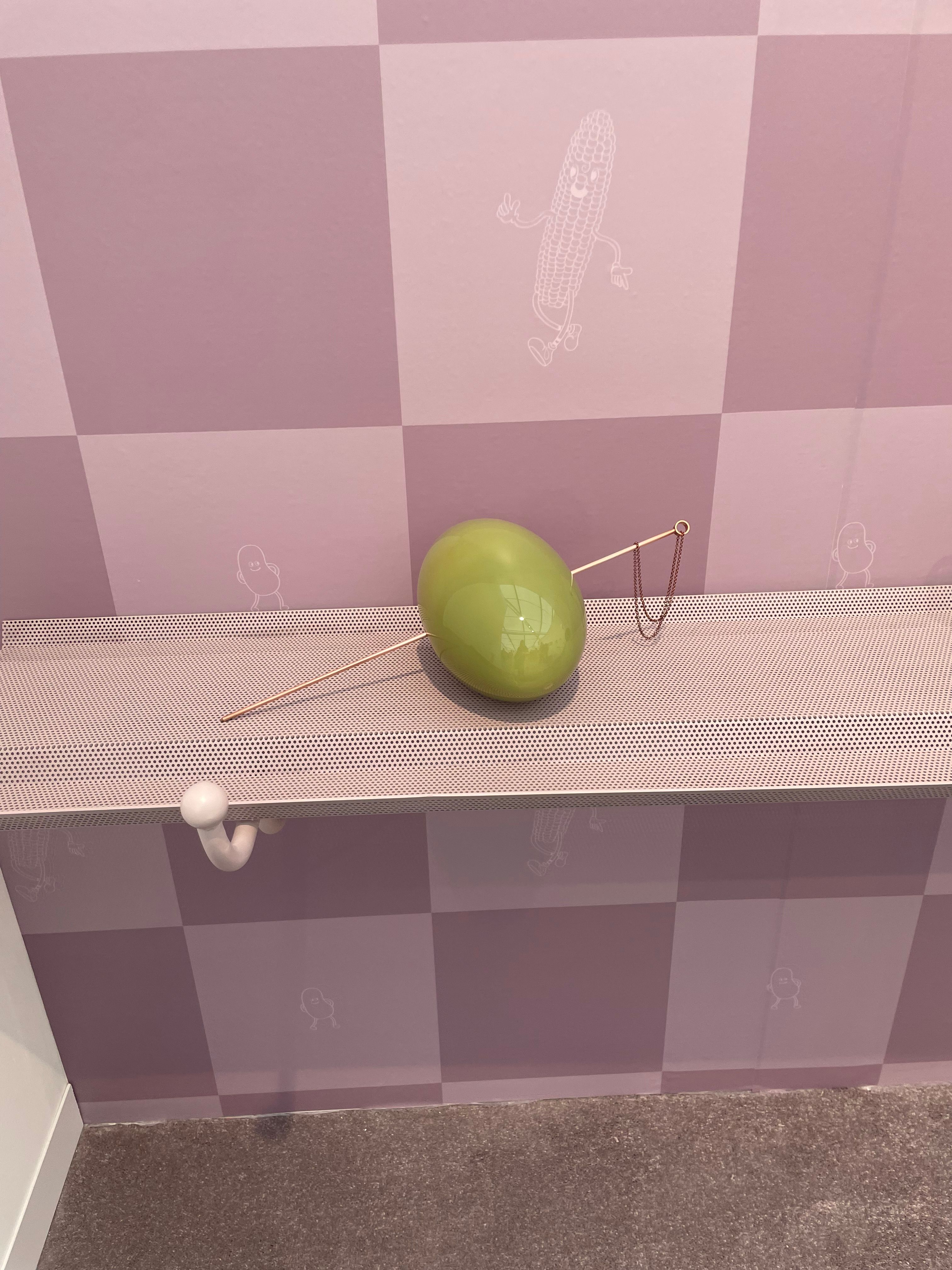
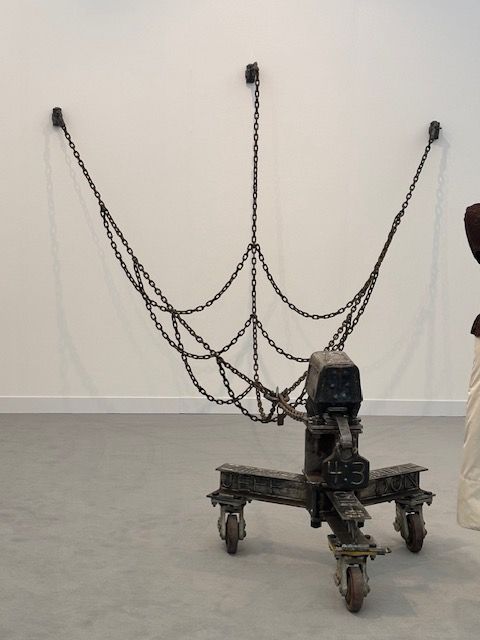
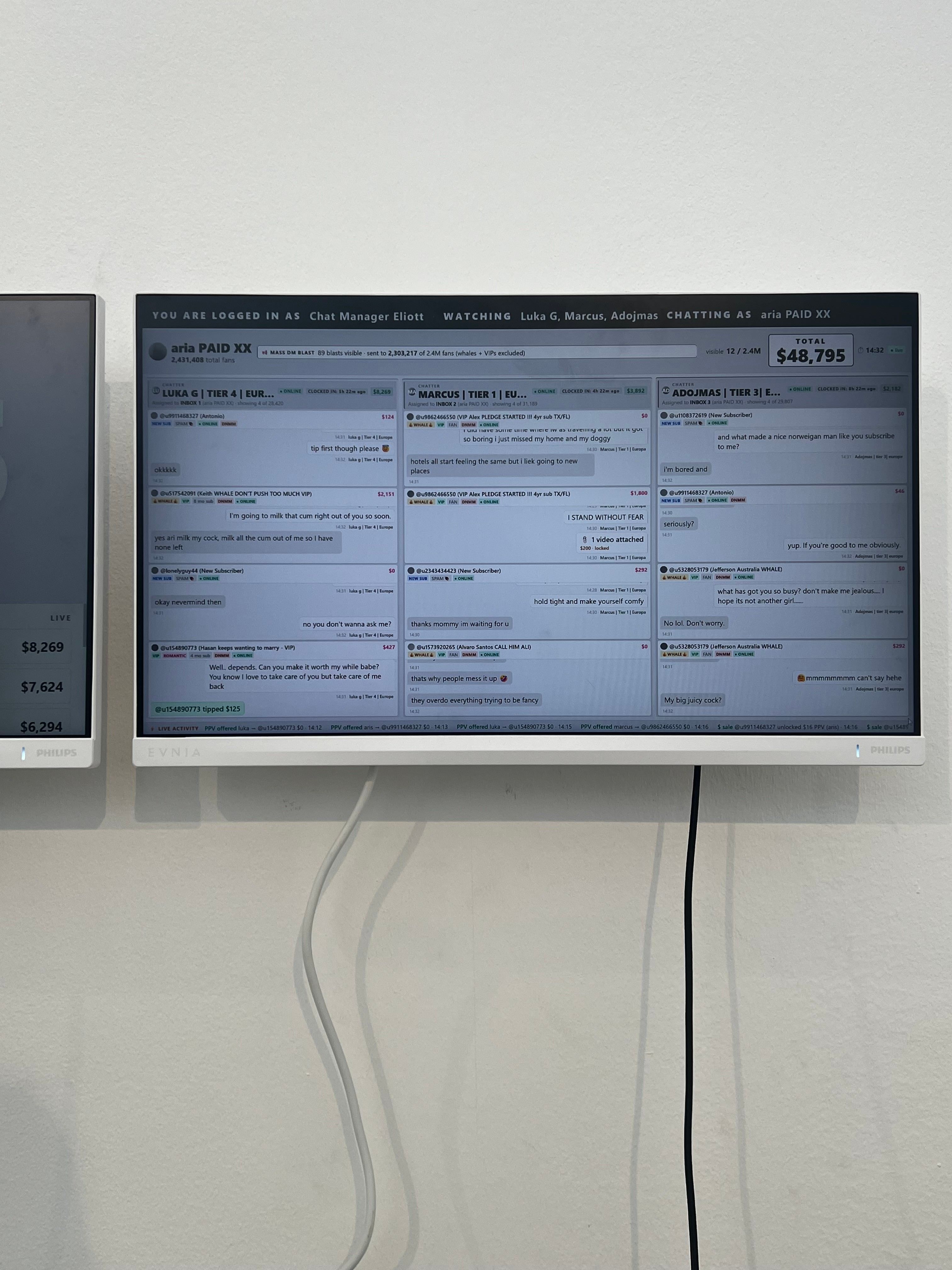
Some solo booths resisted the showroom effect: Steph Huang’s impaled glass olives at Public Gallery, Isaiah Davis’ steel cages evoking both kink and incarceration at King’s Leap, and Ella Fleck’s cacophonous OnlyFans installation at Ehrlich Steinberg where dirty talk seeped from a tiled floor. There was much pre-fair hype about the “Gen Z collector”, a promising new breed of cash cow, but I saw only ageing millennials and the odd celebrity—sometimes both in one, as with Spider-Man Andrew Garfield, who cruised by in an indigo bomber jacket and camel-toned cap.
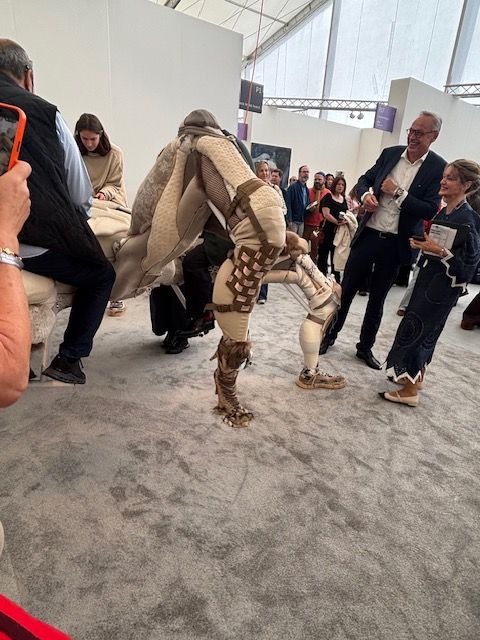
After a glass of Ruinart courtesy of Vadehra Gallery, where Sunil Gupta was signing a book of queer love letters, I mounted a beige spider’s leg in Theo Triantafyllidis’ Feral Metaverse (Spider) (2026), winner of the Frieze Artist Award. The limb was corseted like lingerie or medical braces. Saddled up for a multiplayer video game, my neighbour and I tore each other apart on screen. Beside me, she smiled serenely, claws gleaming at her throat.
This year, even the toilets doubled as exhibition space. Jewellery-like urinal cakes by Gray Wielebinski promised the scent of an artist’s studio. They were almost too pretty to piss on. Back in the fair, Richard Saltoun offered Helen Chadwick’s Piss Flowers (1991–1992), casts of hollows left by warm urine in snow. One V-VIP had brought a giant oatmeal poodle to the fair, which sniffed at the sculpture with professional interest.
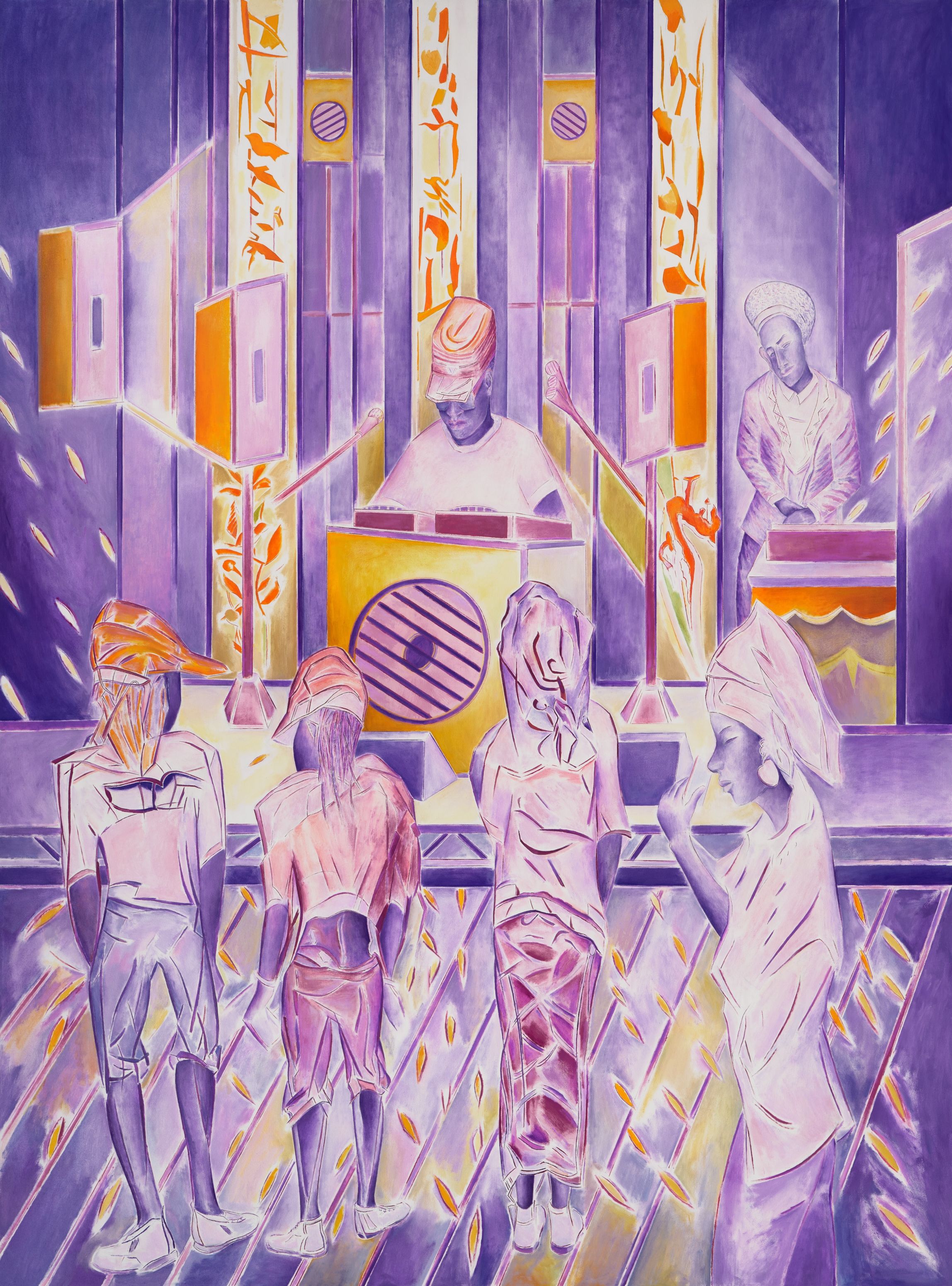
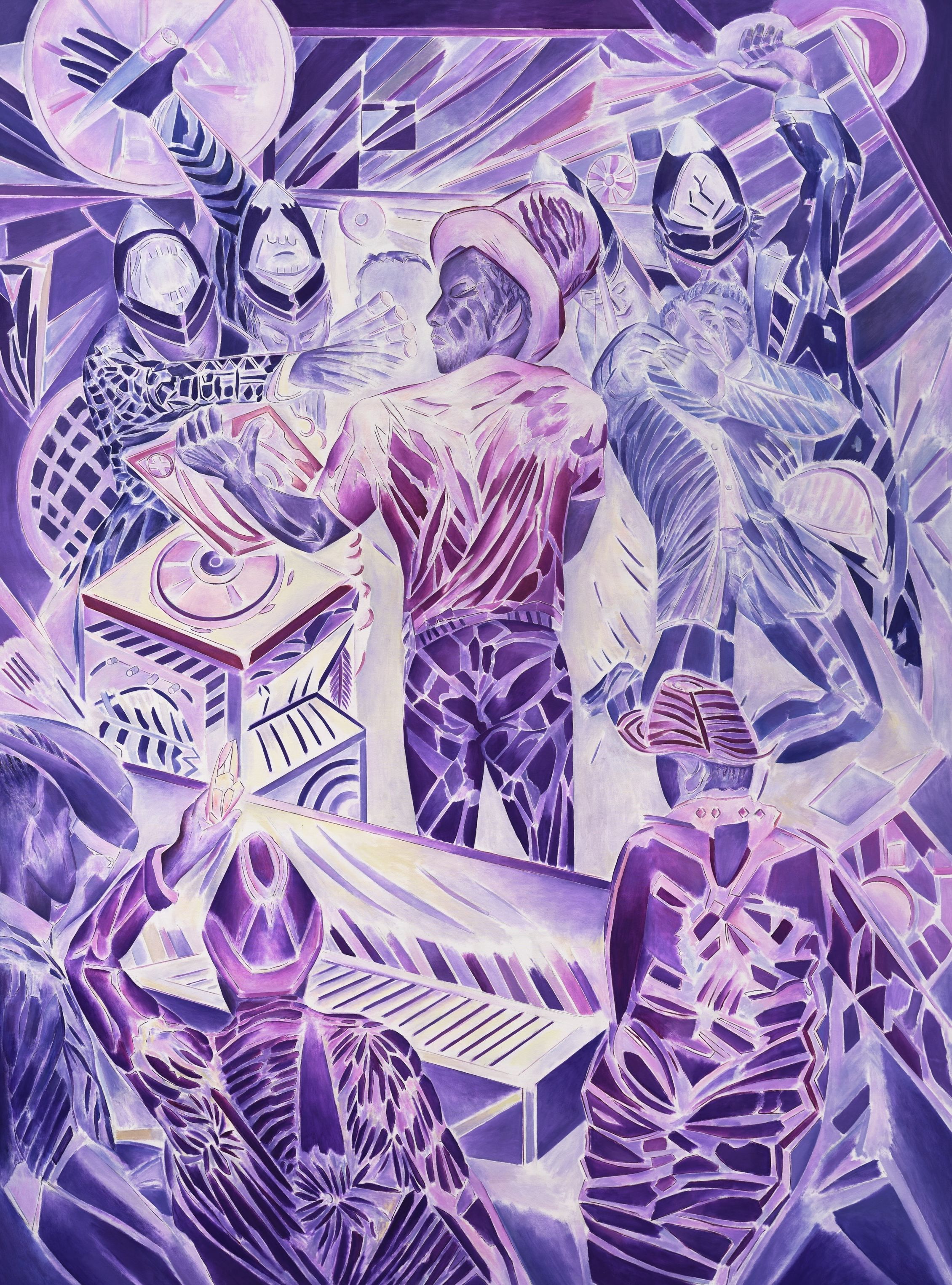
Chronicler of London’s dub scene, Denzil Forrester, has found a new home at Thaddaeus Ropac after his former dealer, Stephen Friedman Gallery, collapsed earlier this year. In Yard (2025), a DJ spins records as police advance with raised batons, the dance floor fractured into kaleidoscopic purples. It sold for £175,000 within the first hour. Forrester, now 70, was suave in studded Dolce & Gabbana loafers inherited from a friend, who had become “too demure” for them. At last, someone who knew how to dress.
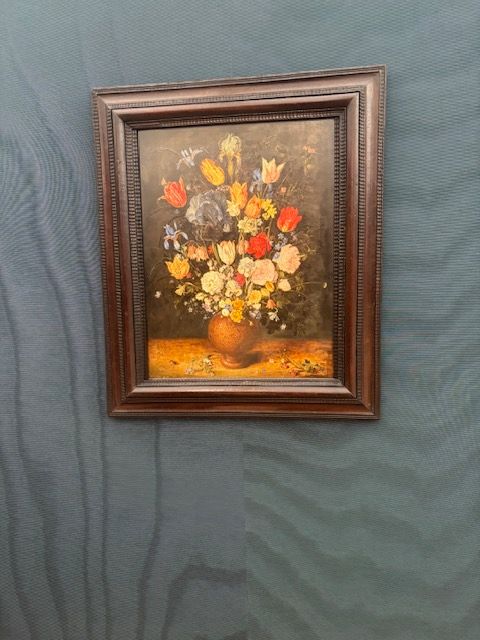
Frieze Masters offered its usual, astonishing range of purchasable wares: a 68-million-year-old triceratops skull dug up in Montana (David Aaron); a princely set of Milanese armour, the like of which caught Caravaggio’s eye (Peter Finer); Kisses and Crosses etchings (2000) by British minimalist Bob Law (Ben Hunter). All the talk, however, was of Hauser & Wirth’s record-breaking opening-day £5 million sale of Jan Brueghel the Elder’s Still Life of Flowers in a Stoneware Vase (1607–1608), a luminous bouquet with beetles nosing among the irises. The literal British farmyard was also finding buyers. At Vagabond Antiques, a set of 18th-century West Country staddle stones had sold to an American sculpture park for £65,000. These limestone mushrooms once had the humbler task of keeping grain stores out of vermin’s reach.
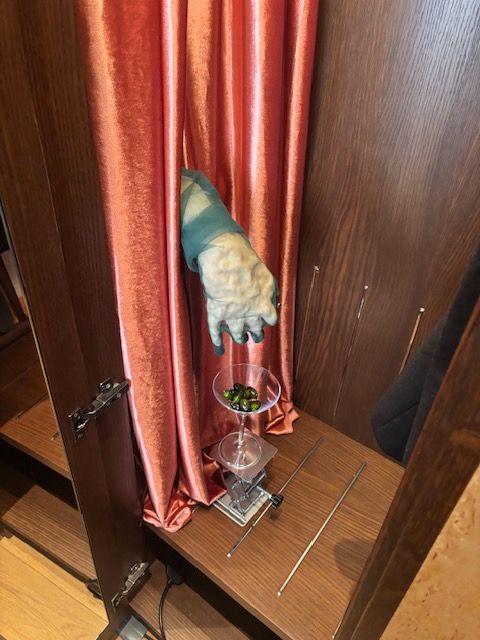
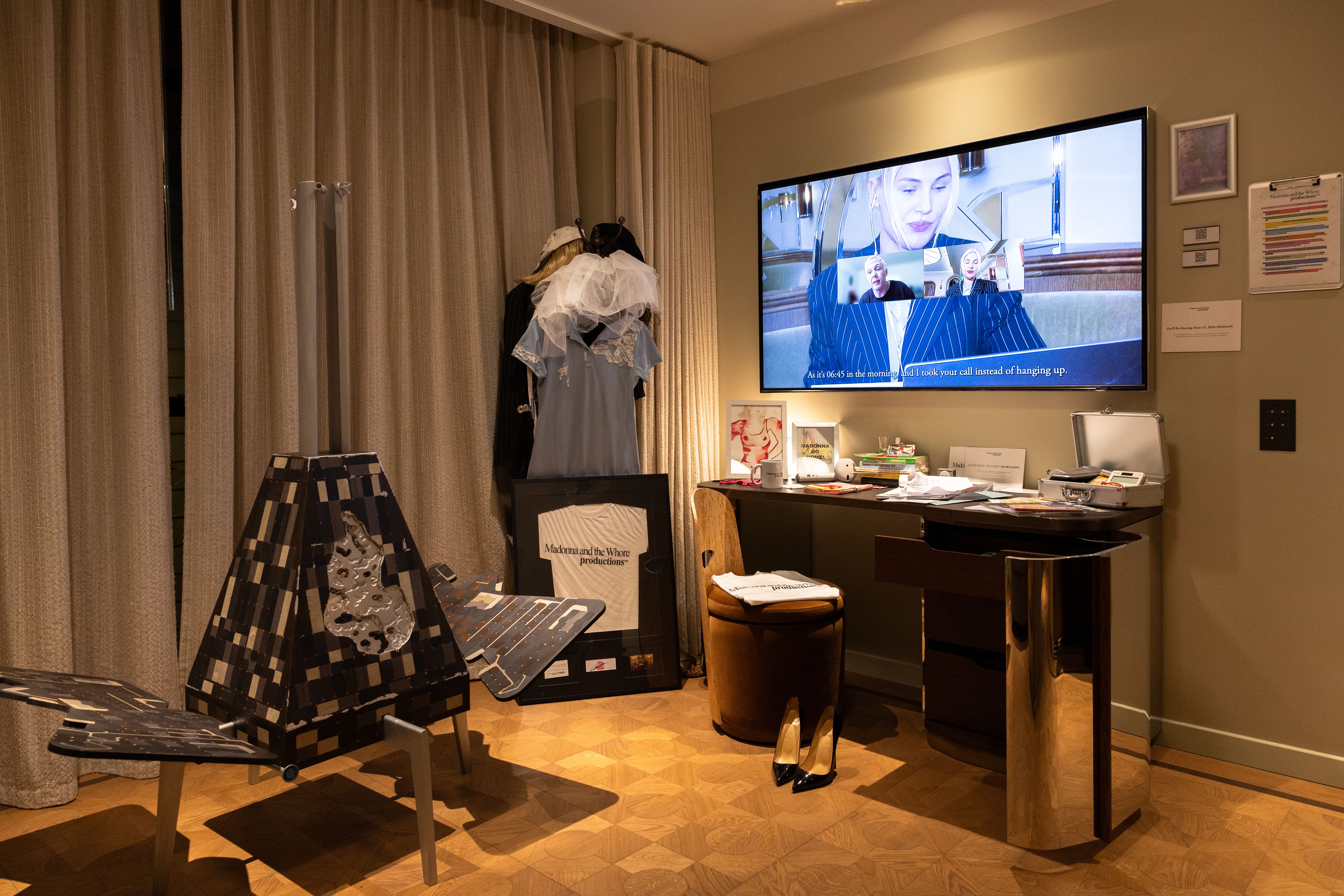
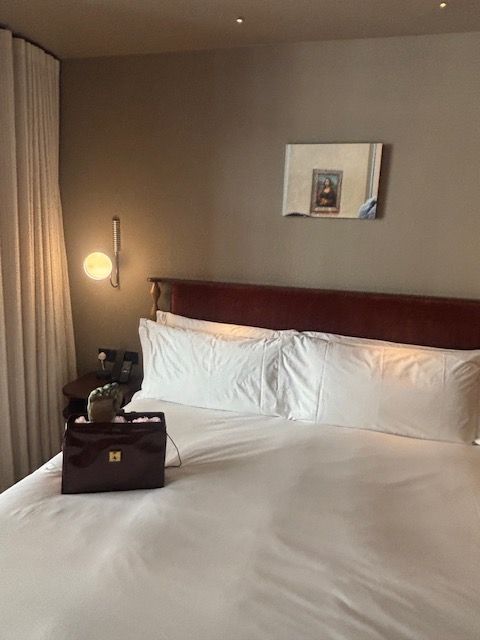
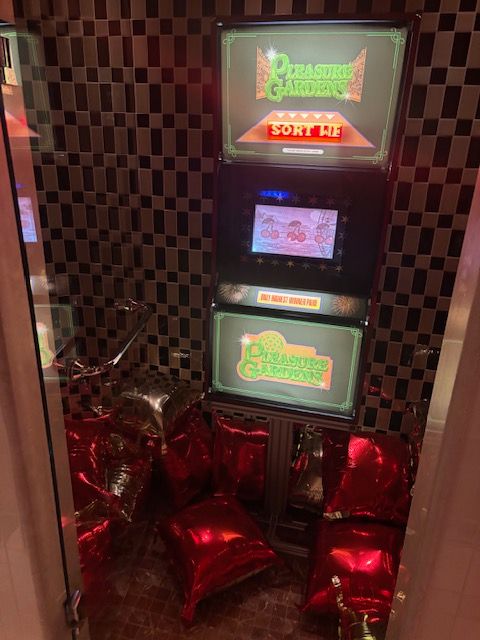
Beyond the tents, Minor Attractions, a “transgressive” satellite fair, occupied the gleaming Newman Hotel in Fitzrovia. I drifted through bohemian suites with bedposts modelled on Nancy Cunard’s bangles, to view works nestled among slick furniture: Léa Porré’s weapon-pierced jellies (Tache) and Max King’s ominously altered slot machines (Plicnik), and Moses Tan’s mechanical paws (Starch).
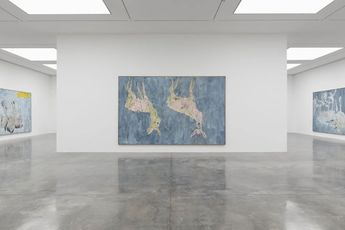
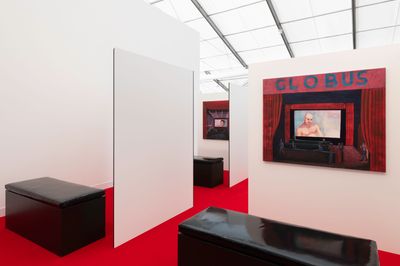
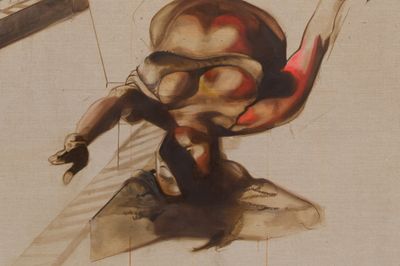
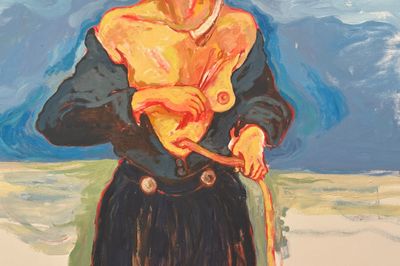
I ended the week at Thaddaeus Ropac in Mayfair, where the intense, suffering pieces in Georg Baselitz’s exhibition The Heroes (1965–1966) stood barefoot and in tatters, a succession of shepherds, poets and Christ-like figures stranded in ravaged landscapes. Beside me, a viewer in sap-green breeches spotted the artist’s prominently painted initials, “GB”, and excitedly elbowed his friend: Great Britain. This week we were taking what we could get. Britsback.—[O]



A respected voice in contemporary art discourse.
Focusing on ambitious storytelling and insightful art-world commentary. Ocula Magazine publishes in-depth interviews, critical essays and timely analysis on the artists, exhibitions and ideas driving the global art world.
Learn more about Ocula Magazine
Showcasing the best of the art world.
Ocula partners with galleries from around the world to highlight their artists, artworks and exhibitions. Gallery membership is by application and invitation, with each member vetted by an independent panel.
Learn more about Ocula Membership
Specialises in the sale of major artworks.
Led by a team with deep ties to the world’s leading auction houses, galleries and collectors. Ocula’s advisory team offers bespoke services to high-net-worth clients from around the world who are looking to acquire the best of contemporary and modern art.
Learn more about our team and services