




MAURICE DE VLAMINCK
1876-1958, FranceMaurice de Vlaminck was a French painter whose bold use of colour and expressive brushwork played a key role in the development of Fauvism in the early 20th century. Alongside artists like André Derain and Henri Matisse, with intensely saturated palettes and energetic compositions, Vlaminck helped push modern painting in a new direction,
Where did Maurice de Vlaminck grow up and start his career?
Born on 4 April 1876 in Paris to musician parents, Vlaminck was immersed in a creative environment from a young age. Initially pursuing a career as a professional cyclist, a bout of typhoid fever in 1896 ended this path.
In 1900, a chance meeting with André Derain led to a pivotal friendship; the two artists shared a studio in Chatou, fostering each other’s artistic development. Vlaminck was largely self-taught, drawing inspiration from the vibrant colours of Vincent van Gogh and the expressive potential of paint.
What are Maurice de Vlaminck’s most important works?
Vlaminck’s early works feature lively colours and emotive landscapes. His participation in the 1905 Salon d’Automne, alongside artists like Matisse and Derain, led to the group being dubbed ‘les Fauves’ or ‘the wild beasts’ due to their radical use of colour.
- Houses at Chatou (1905–06): A vivid depiction of suburban life depicted in vibrant primary colours and thick, bold, yet flowing brushwork. This work now resides in the collection of the Art Institute of Chicago.
- Banks of the Seine at Bougival (1906): Showcases his fascination with the interplay of light, water, and atmosphere, rendered in quick short, almost pointillist brushstrokes. Compared to other work from a similar period, such as The Fishermen (1907), or Houses at Chatou, these works showcase Vlaminck’s experimental approach to painting.
Around 1908, Vlaminck’s palette darkened under the influence of Paul Cézanne, leading to more structured and sculptural compositions. Despite this shift, his commitment to expressing raw emotion through colour remained evident.
Where has Maurice de Vlaminck’s work been exhibited?
Throughout his career, Vlaminck’s work was featured in numerous exhibitions. In 1920, his pieces were showcased in the Exposición de Arte francés de Vanguardia at Galeries Dalmau in Barcelona, highlighting his international acclaim.
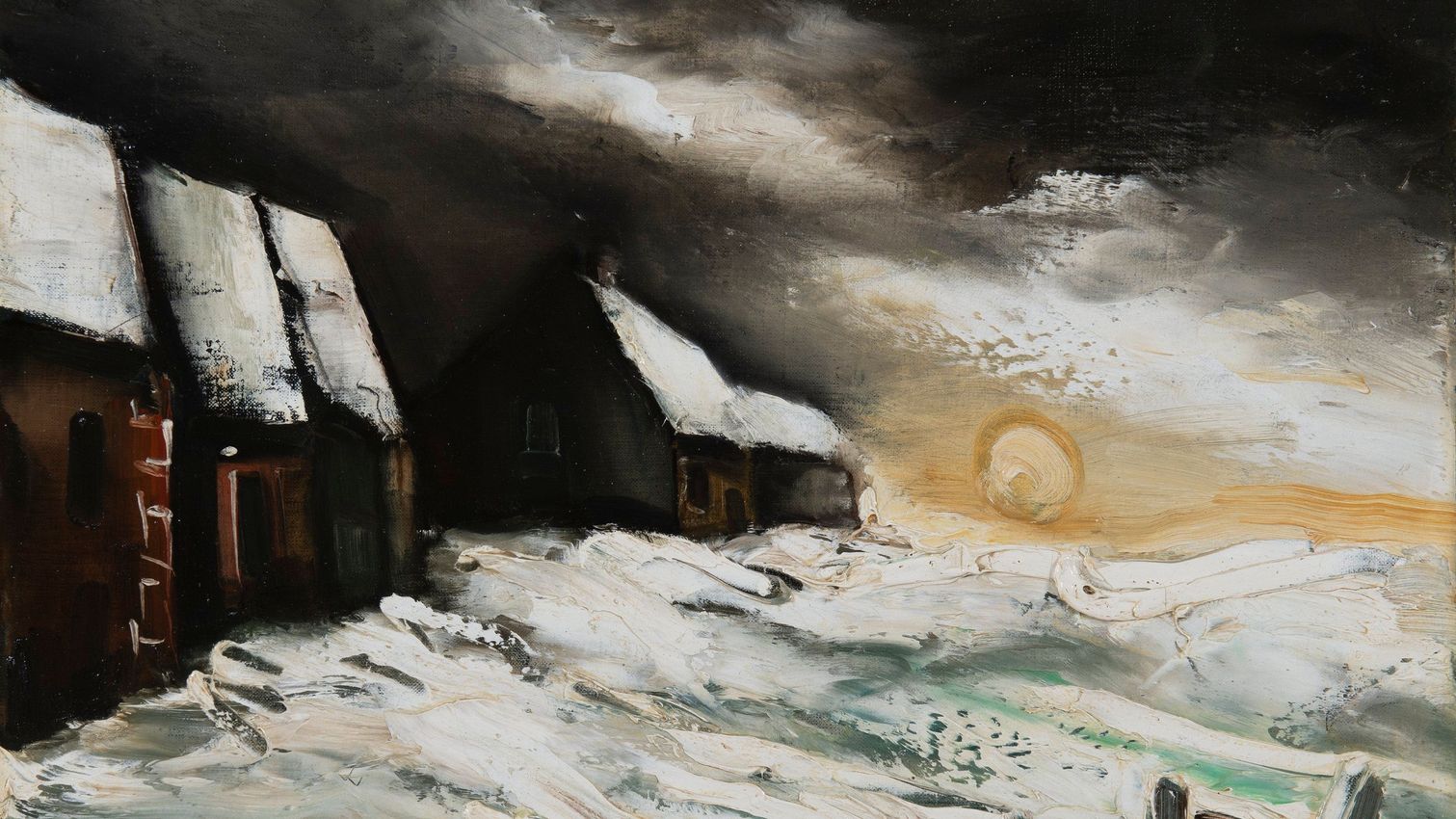
Vlaminck continued to paint prolifically, focusing on more subdued rural landscapes with a sense of isolation and introspection. He passed away on 11 October 1958 in Rueil-la-Gadelière.
In 2024 the Museum Barberini in Potsdam Germany hosted, Maurice de Vlaminck: Modern Art Rebel, the first posthumous solo exhibition of the artist’s work in Germany (14 September 2024–12 January 2025).
The artist’s work appears in major global collections including, the Tate Modern in London, the Dallas Museum of Art and the Museo nacional Thyssen-Bornemisza in Madrid.
How do Maurice de Vlaminck’s works perform on the art market?
Vlaminck’s artworks often fetch high sums at auction. In 2011 Vlaminck’s Pausage de banlieue (1905) doubled the previous auction record for the artist, selling for USD $22.5 million.
Hazel Ellis | Ocula | 2025



Explore Maurice De Vlaminck's Exhibitions


Explore and Follow Artists Shaping Contemporary Art
A respected voice in contemporary art discourse.
Focusing on ambitious storytelling and insightful art-world commentary. Ocula Magazine publishes in-depth interviews, critical essays and timely analysis on the artists, exhibitions and ideas driving the global art world.
Learn more about Ocula Magazine
Showcasing the best of the art world.
Ocula partners with galleries from around the world to highlight their artists, artworks and exhibitions. Gallery membership is by application and invitation, with each member vetted by an independent panel.
Learn more about Ocula Membership
Specialises in the sale of major artworks.
Led by a team with deep ties to the world’s leading auction houses, galleries and collectors. Ocula’s advisory team offers bespoke services to high-net-worth clients from around the world who are looking to acquire the best of contemporary and modern art.
Learn more about our team and services