The art world in focus
Subscribe to our newsletter for news and insights on artists, galleries and exhibitions.

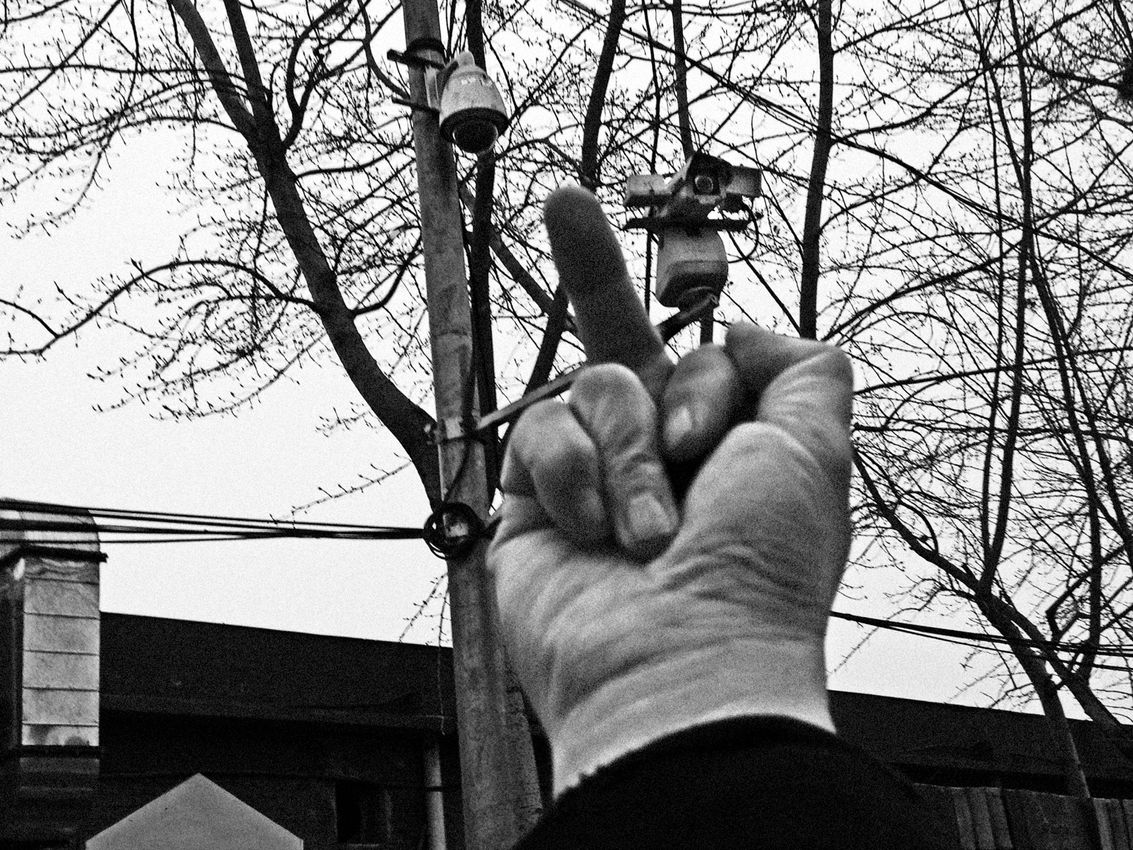
In an era in which governments strip citizens of their rights for “unacceptable” speech and tech barons are free to bar individuals from their platforms for speaking out of turn, the topic of censorship requires rigorous treatment. However, Ai Weiwei’s contribution, a book titled On Censorship, remains analytically light.
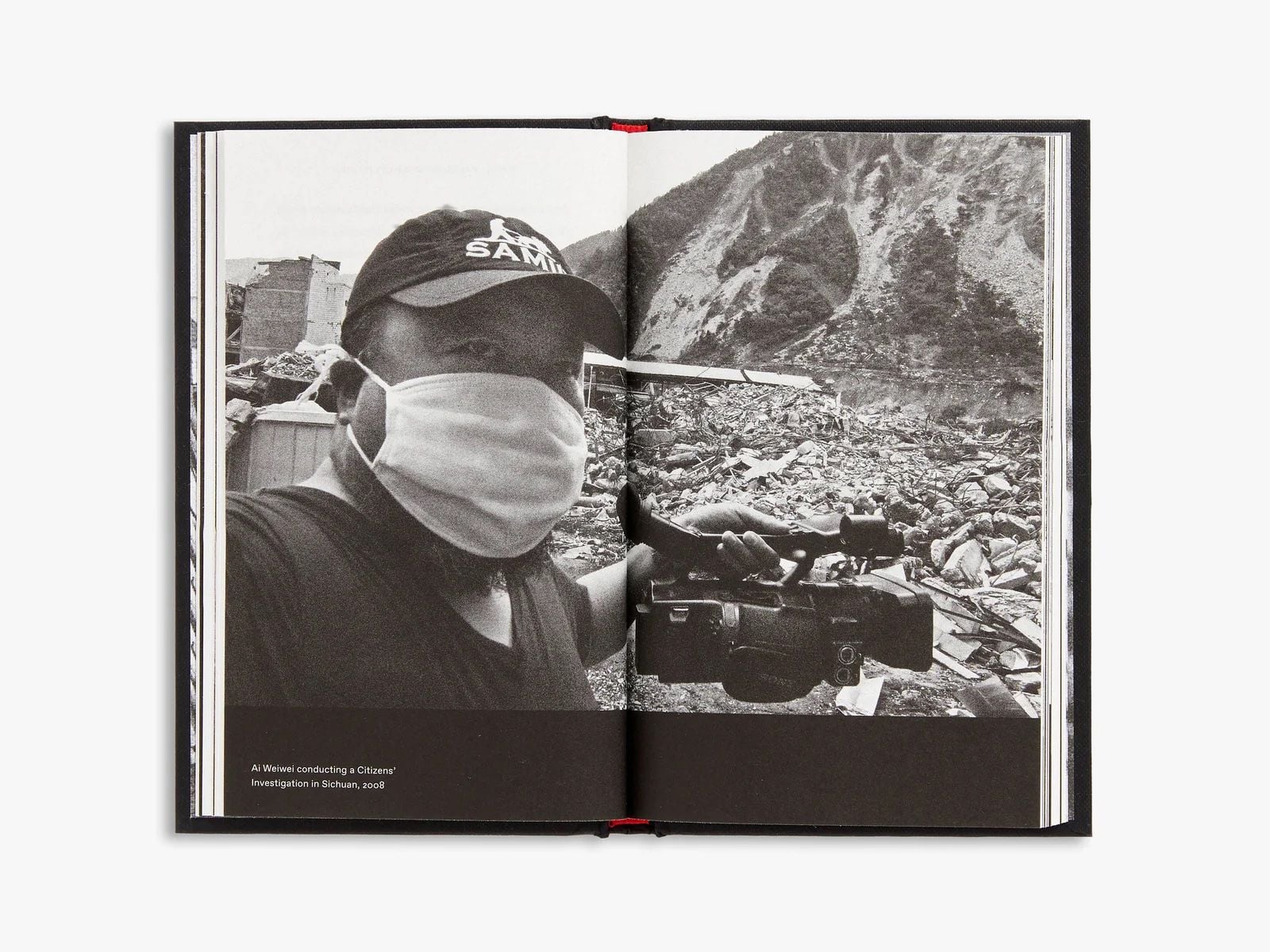
Across its pages, the artist, who has been outspoken on social justice since Remembering (2009), his massive work reporting on the 2008 Sichuan earthquake, recounts his early encounters with authoritarian control in China, as well as more subtle forms of censorship following his relocation to the West in 2015, surrounding his public support for Palestine.
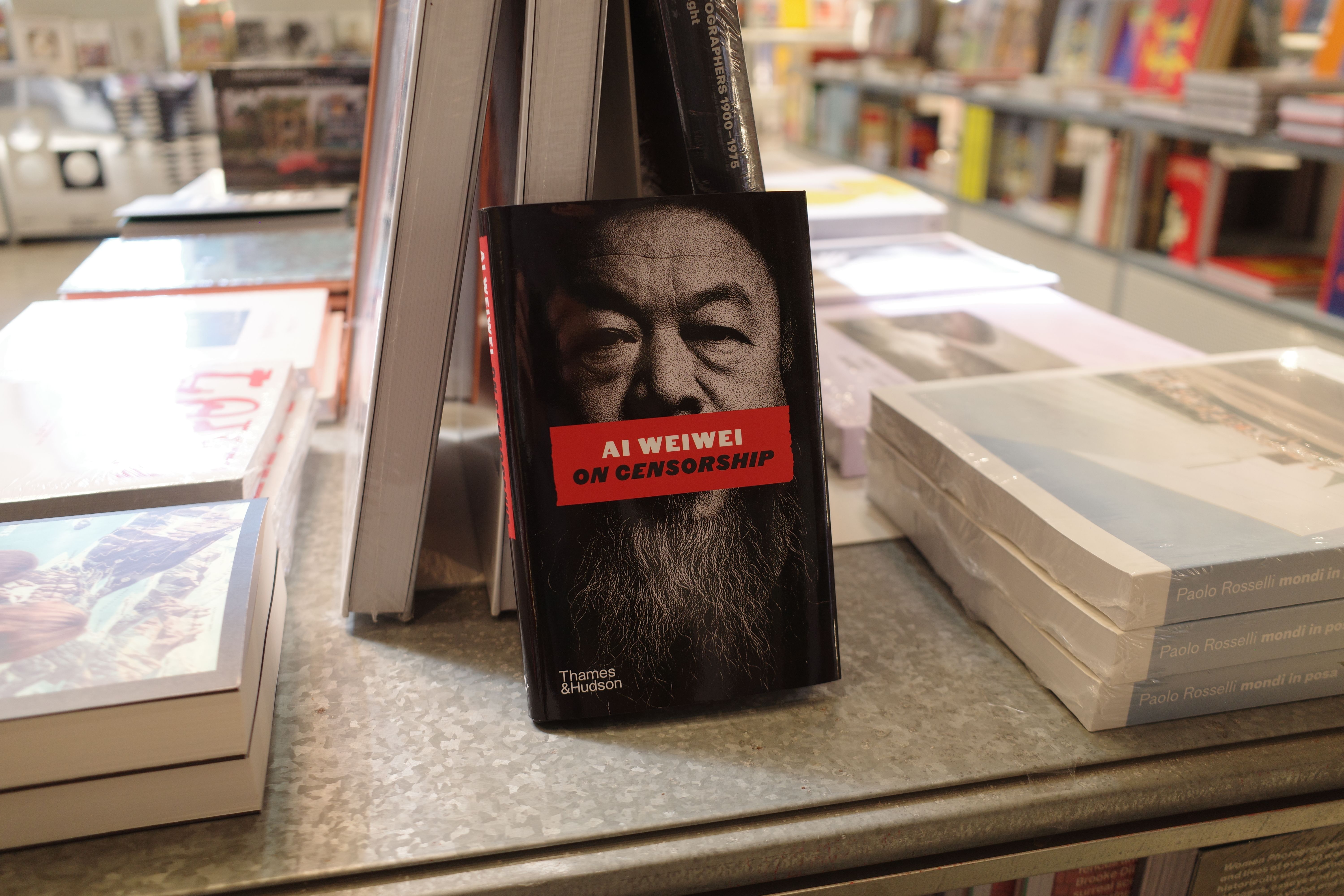
The book appears at a curious juncture. Having returned to his homeland after a decade in Europe, Ai has used interviews around its release to critique Western “hypocrisy” and selective tolerance, while speculating that China may be entering an “upward phase”, signalled by shifting attitudes toward his personal freedom. Even as such remarks have led some Western commentators to wonder whether the once emblematic dissident is repositioning himself as increasingly sympathetic to the regime he once denounced, he continues to stage work abroad, including a planned 24-hour performance in Manchester this July, where he will inhabit a reconstruction of the padded Beijing prison cell in which he was kept for 81 days in 2011.
One of the more notable moments in the book is Ai’s attempt to historicise censorship by framing it as a secularised extension of ancient state-orchestrated ritual practice. In the Shang dynasty, which ruled part of China between 1600–1046BCE and was known for its oracle-bone inscriptions, Ai writes that governance operated through a dual mandate: “the great affairs of the state are worship and warfare”, with ritual functioning as an instrument of control. If written language in China seemingly emerged under such top-down conditions, it is not a stretch for Ai to link early ritual governance to modern information control. Both operate through state-sanctioned channels of communication, such that “[w]idespread propaganda, brainwashing and media manipulation can be seen as contemporary forms of ‘worship’.” His reading is typical of a Chinese longue-durée approach to analysis, which tends to trace contemporary or modern phenomena back to historical precedents in China as a way of explaining them.
“A recurring moralising, almost heroic romanticism… produces a tone that oscillates between liberal affirmation and carefully staged authorial aura”
Elsewhere, when discussing his father, Ai Qing, a prominent figure in left-wing literary circles and known for a speech he gave in 1942 in defence of free speech, Ai suggests that strict informational control was already firmly in place during the early years of the Chinese Communist Party, when it still operated as a beleaguered enclave. In doing so, Ai appears to advance a dual claim: first, that his liberal human-rights politics can be traced back to his father’s democratic commitments as a Party cadre; second, that censorship—understood as inherently anti-democratic—was already operative within the Leninist party, even in its guerrilla phase. Yet in his telling, we also come to understand that what appears as a form of authoritarian overreach might be more convincingly understood as internal regime of discipline, originating in the militant tactics of revolutionary formation itself. But Ai doesn’t seem to recognise this.
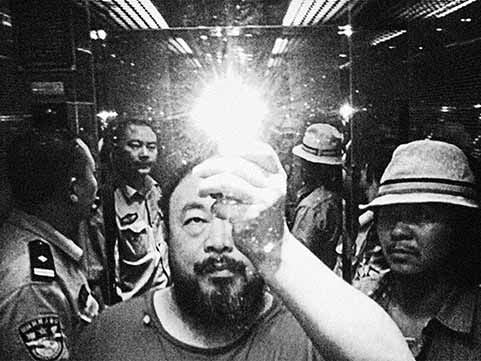
The sections on Ai’s experience under interrogation and the mechanics of censorship (often, in practice, simply pressuring those around you, which can be far more efficient) are notably more grounded, and among the strongest parts of the book. He recounts how, in China, censorship targets reach beyond individuals, instead “exert[s] influence through your organisation, landlord, relatives or colleagues”, extending a menacing pressure across one’s entire environment. Yet a recurring moralising, almost heroic romanticism also surfaces alongside those personal accounts, producing a tone that oscillates between liberal affirmation and carefully staged authorial aura.
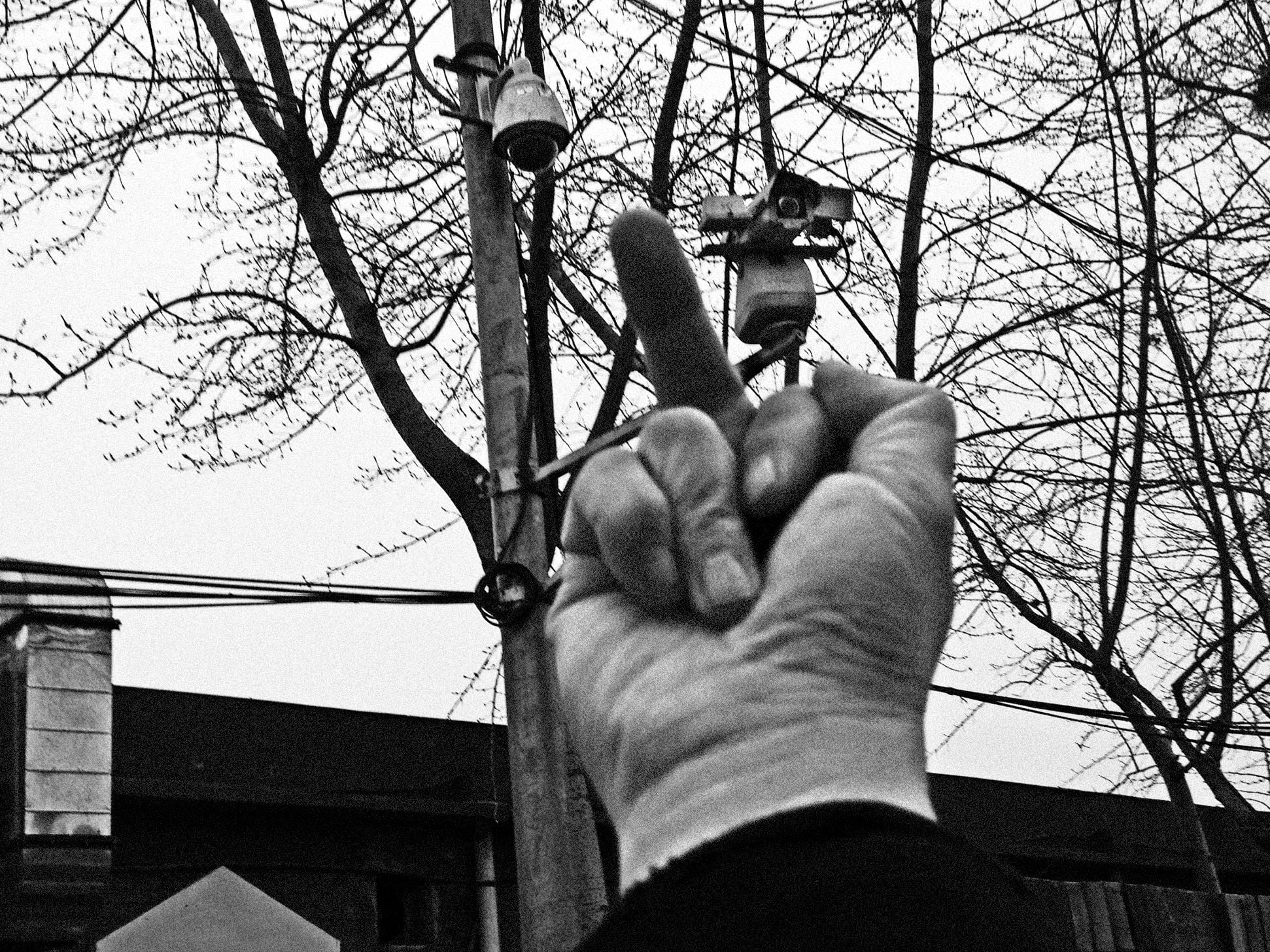
This moralising tone narrows the field of what can be recognised as censorship. By focusing on top-down models of prohibition, from state to citizen, the book overlooks more diffuse forms of regulation, from platform governance to informal sanctions circulating through peers, institutions and publics. It also fails to engage with the contested terrain of participatory accountability, where the rhetoric of free expression can also be mobilised in critiques of cancel culture. Above all, censorship remains, for Ai, primarily an issue between the state and the martyrs, which conveniently elides some of censorship’s more complex and multivalent applications.
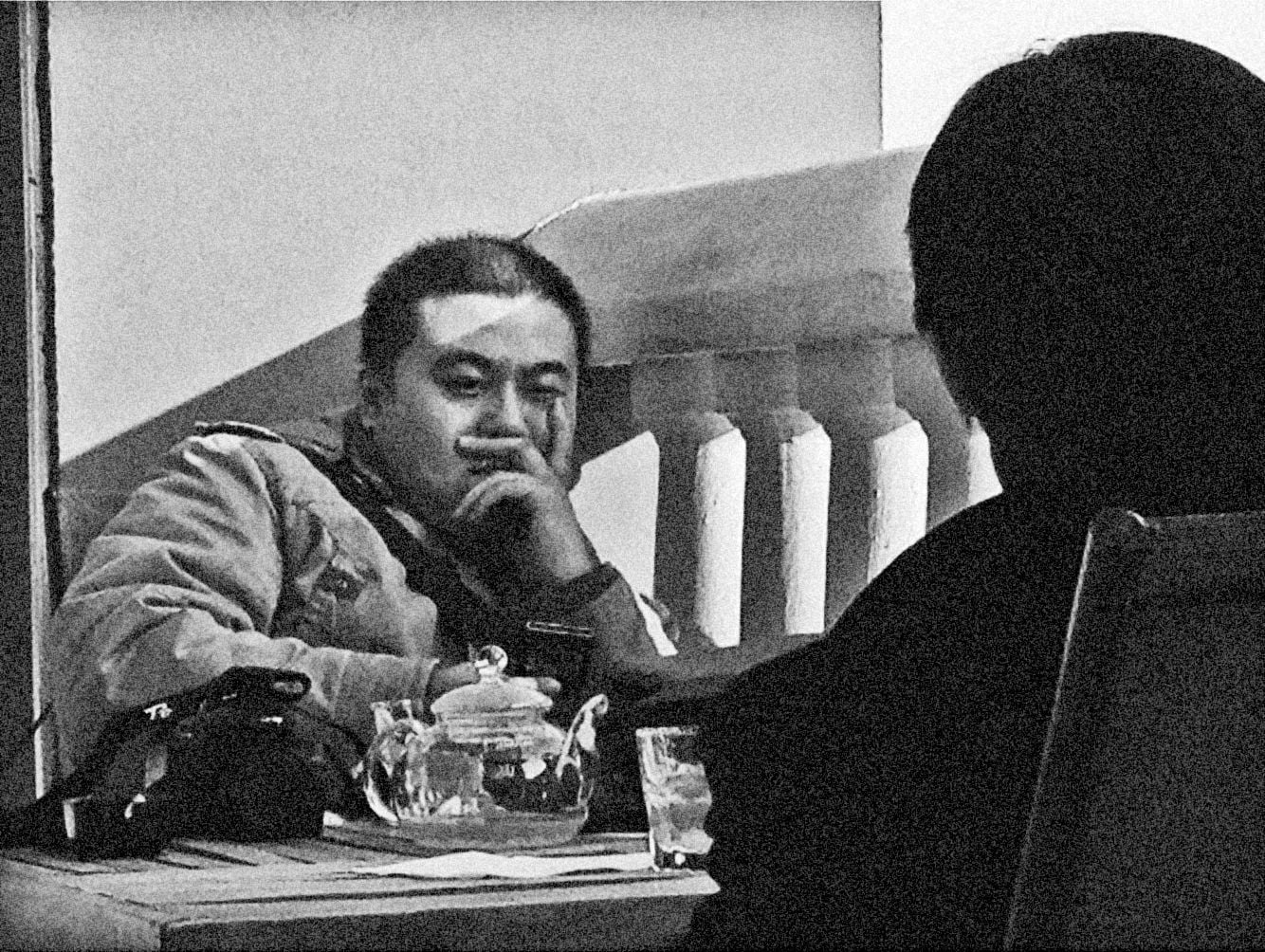
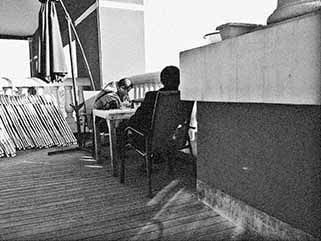
This limitation, ironically, undermines elements of Ai’s own artistic practice. Take, for example, his 2014 response to exclusion from a group show at UCCA Beijing, where his name was quietly removed from the publicity for a survey exhibition commemorating the curator and dealer Hans van Dijk. The incident prompted not only his withdrawal from the show, but also his decision to film a series of interviews with participating peers. In his interview with fellow participating artist Wang Xingwei, published on Ai’s own YouTube account and later reprinted on Artforum’s Chinese website, what begins as reminiscence—shared histories, old anecdotes—gradually tightens into something closer to an interrogation. The tone shifts from conversational to procedural, as friendship and prior support are exposed as transactional: Ai attempted to invoke a debt of solidarity based on the support he had provided throughout Wang’s career. At one point, Ai tells him bluntly: “Like the underworld—I’ve done things for you, now you do one for me.”
“Censorship remains, for Ai, primarily an issue between the state and the martyrs”
If this episode already sits uneasily with an image of dissent in which resistance, too, can acquire its own disciplinary logic—then a more recent encounter brings into sharper relief further moral compromises. Ai’s Law of the Journey (2017), staged in the ballroom of Singapore’s Capella Hotel during this year’s Singapore Art Week, takes the form of monumental inflatable refugee figures reclining within a space of luxury hospitality. Ai, we are told, specifically requested the setting to foreground global inequality.
In a moment when Western cultural institutions are being haunted by populist politics, as seen in federal diversity, equity and inclusion rollbacks and controversies such as Amy Sherald’s withdrawal from her Smithsonian solo after she learnt that her painting of a transgender woman might be removed, the book risks flattening distinct political conditions into a single, undifferentiated critique. This tendency is especially clear when Ai collapses “dictatorship, extreme capitalism [and] consumerism’s monopolised version of the ‘free world’” into one shared condition of social numbness, eliding the very differences that might demand more careful analysis. Nonetheless, it has received a range of positive reviews, including Slavoj Žižek’s praise of Ai Weiwei as a Victor Kravchenko figure: a Third World dissident willing to turn critique back on to the West.
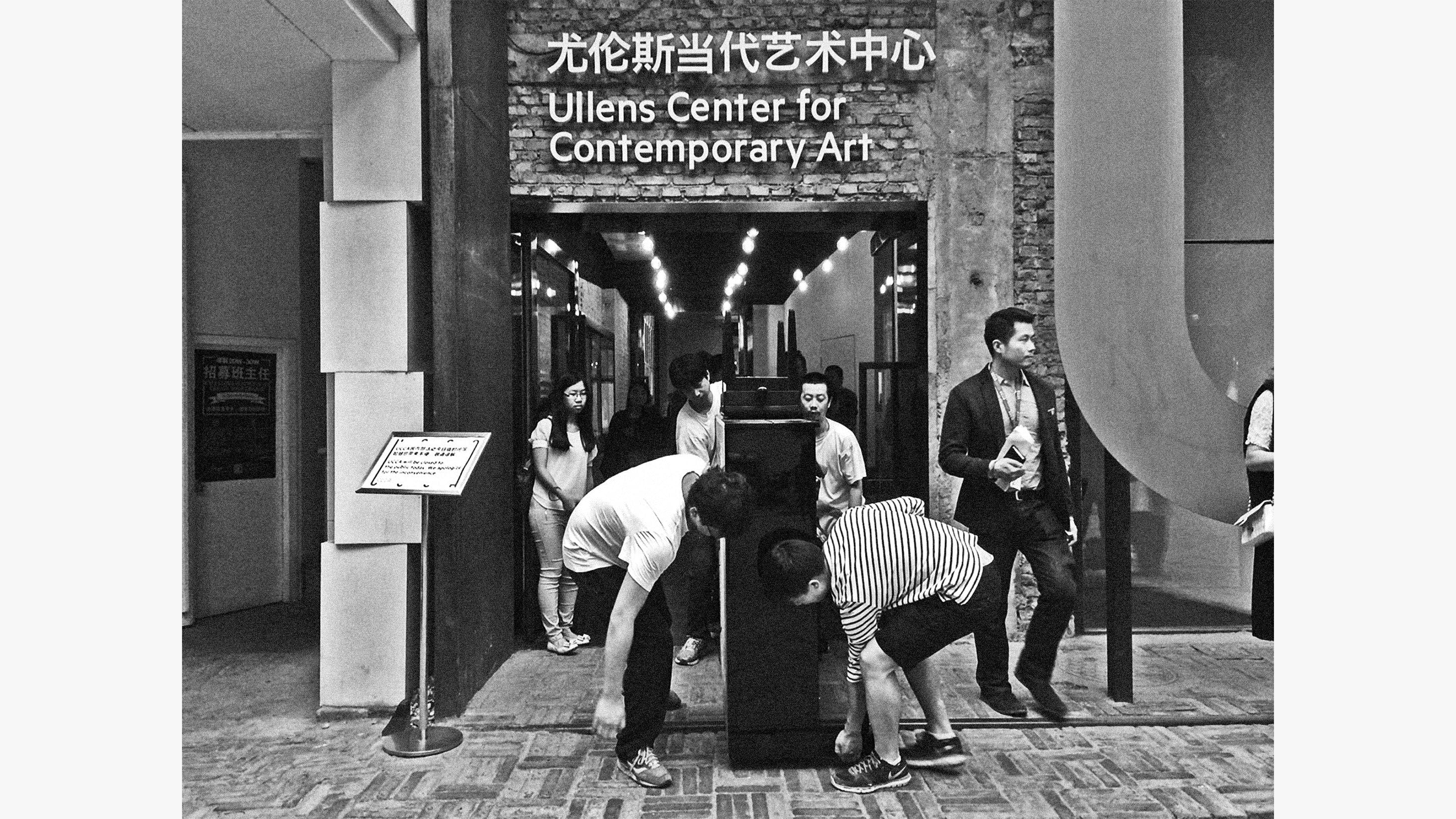
This tendency to universalise “censorship” as a shared reference point recalls something I’ve heard a few times from friends visiting Shanghai from the United States: a recurring note of surprise at what appears, at first glance, to be publicly displayable in China. Black radical thought, for instance, such as that explored in an exhibition at the Rockbund Museum of Art in Shanghai recently, might, they suggest, struggle to secure comparable institutional space in the United States. Another visiting artist was similarly taken aback that work engaging the Cultural Revolution could appear in an institutional setting at all. What tends to go unmentioned is that such works are gently distorted, so as to remain only partially visible, circulating more as image or sanctioned gesture than as sustained public address. And yet, what such comparisons obscure is a uneasier point: how easily “censorship” becomes a flattening device to describe encounters that may, in fact, be structured by very different expectations of what visibility, critique and permission even mean. —[O]




A respected voice in contemporary art discourse.
Focusing on ambitious storytelling and insightful art-world commentary. Ocula Magazine publishes in-depth interviews, critical essays and timely analysis on the artists, exhibitions and ideas driving the global art world.
Learn more about Ocula Magazine
Showcasing the best of the art world.
Ocula partners with galleries from around the world to highlight their artists, artworks and exhibitions. Gallery membership is by application and invitation, with each member vetted by an independent panel.
Learn more about Ocula Membership
Specialises in the sale of major artworks.
Led by a team with deep ties to the world’s leading auction houses, galleries and collectors. Ocula’s advisory team offers bespoke services to high-net-worth clients from around the world who are looking to acquire the best of contemporary and modern art.
Learn more about our team and services