Köln, February 27, 2020
Dear Andrea Cashman,
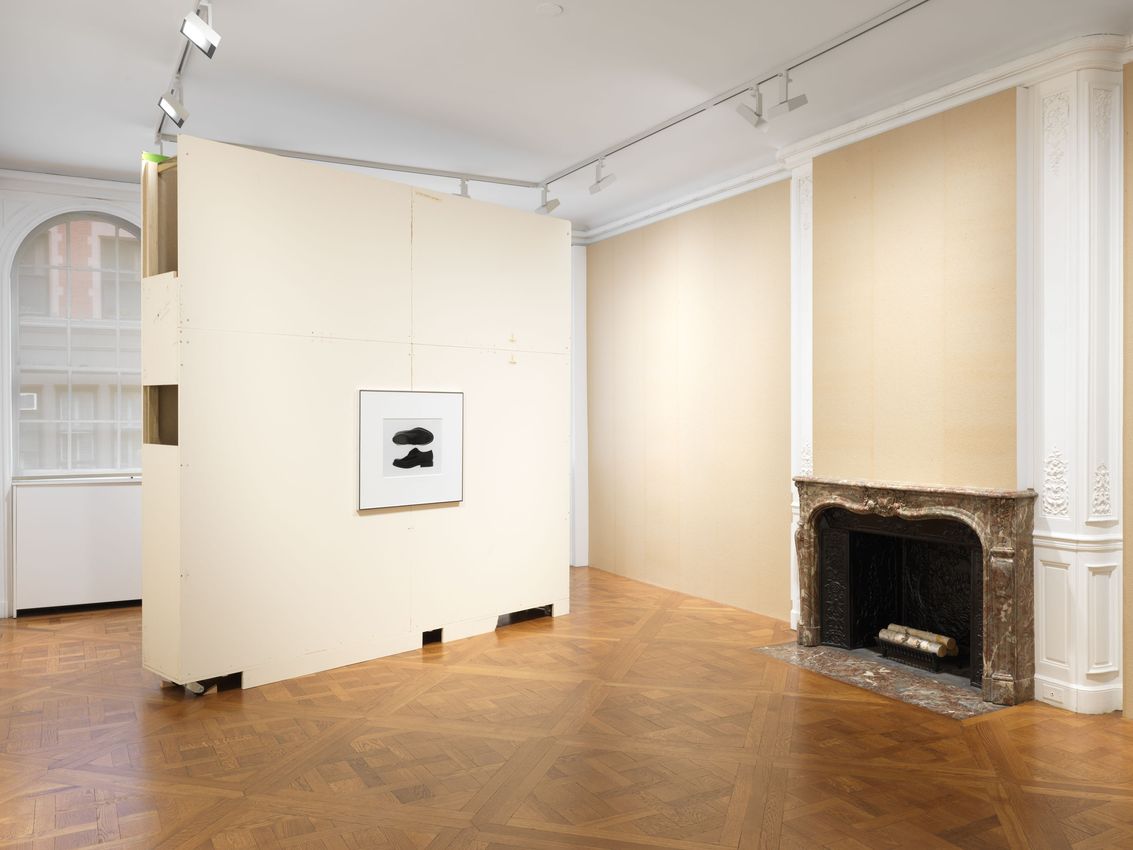
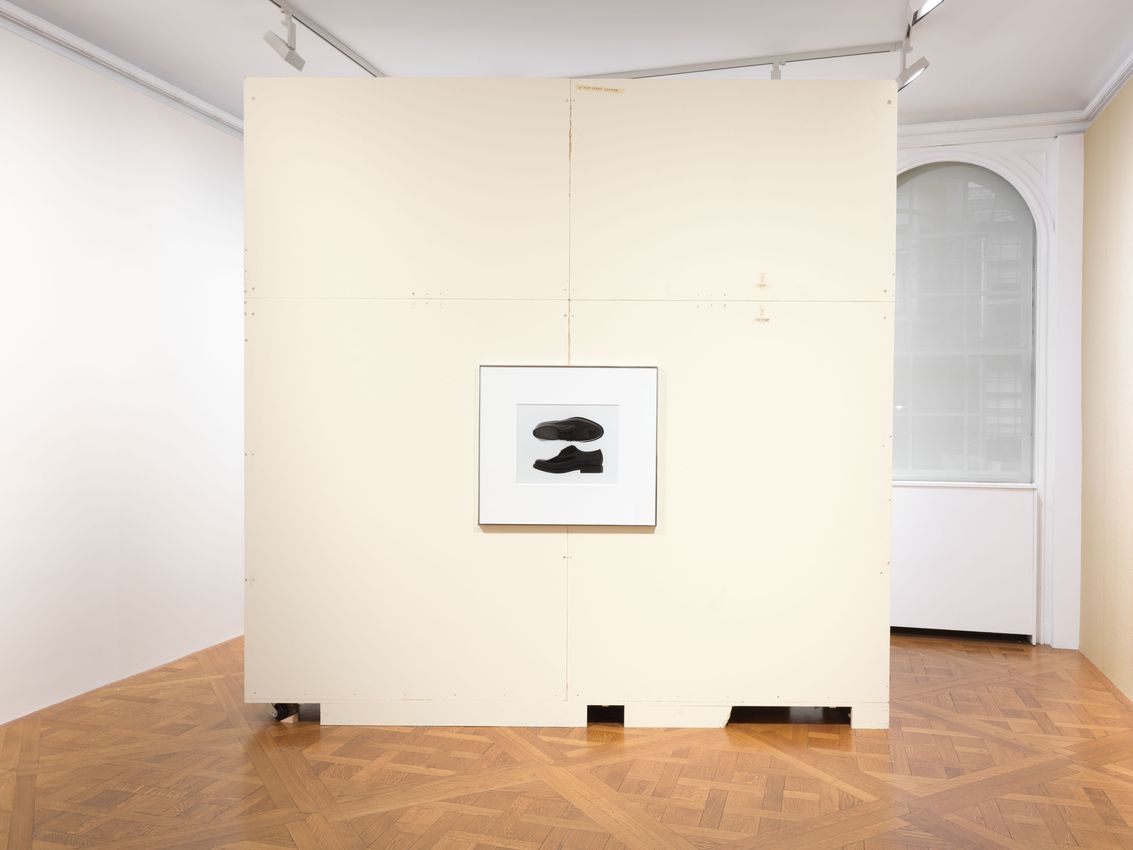
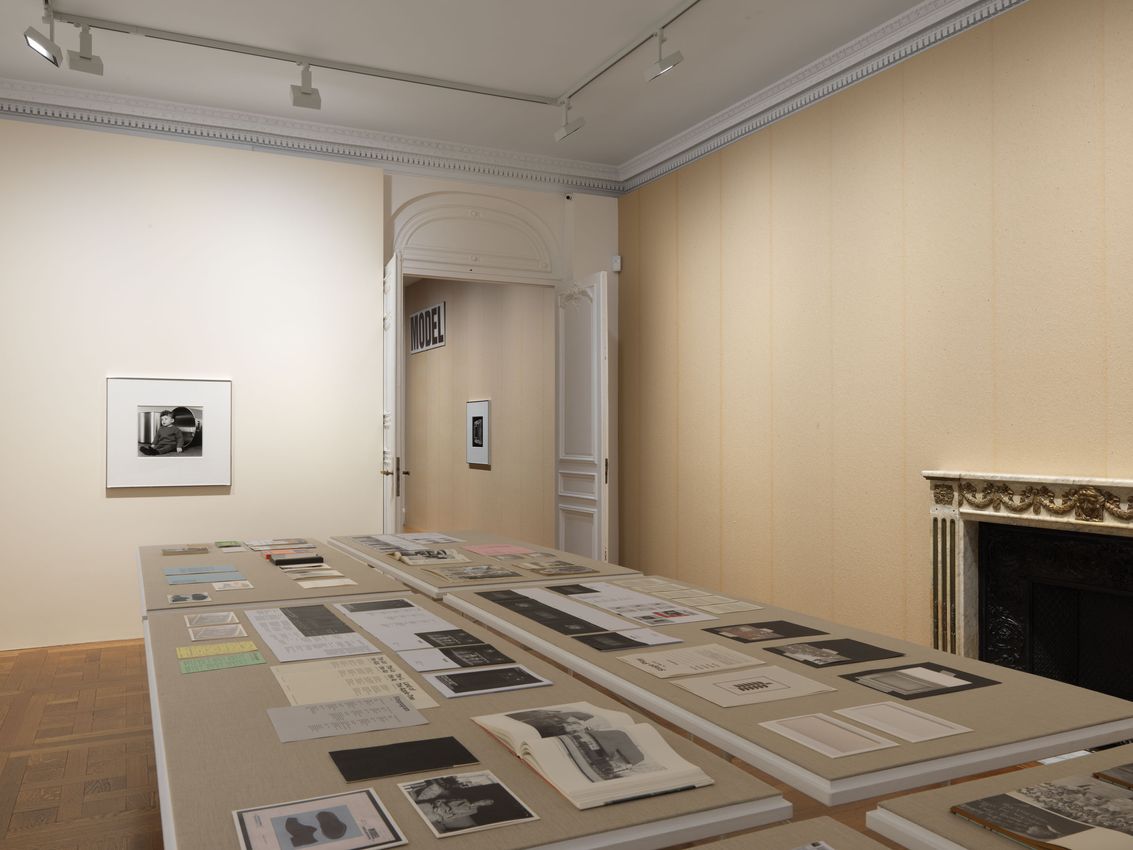
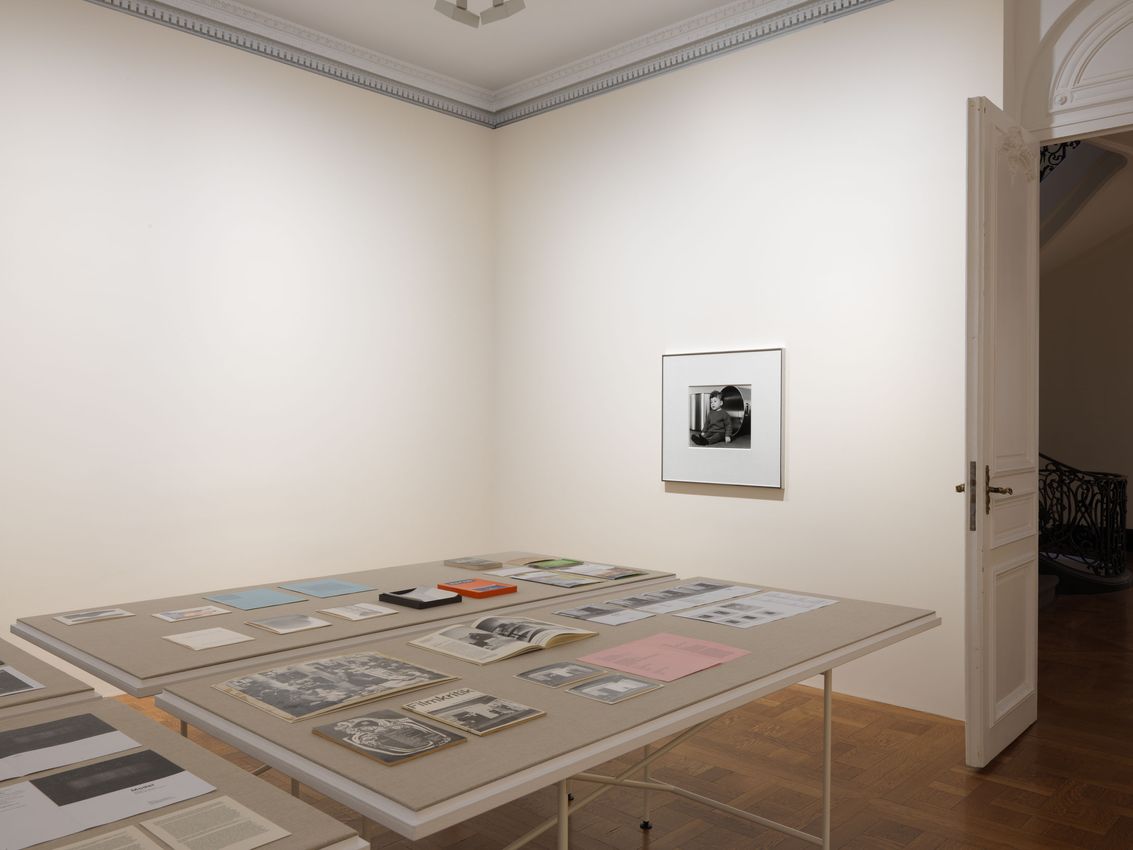
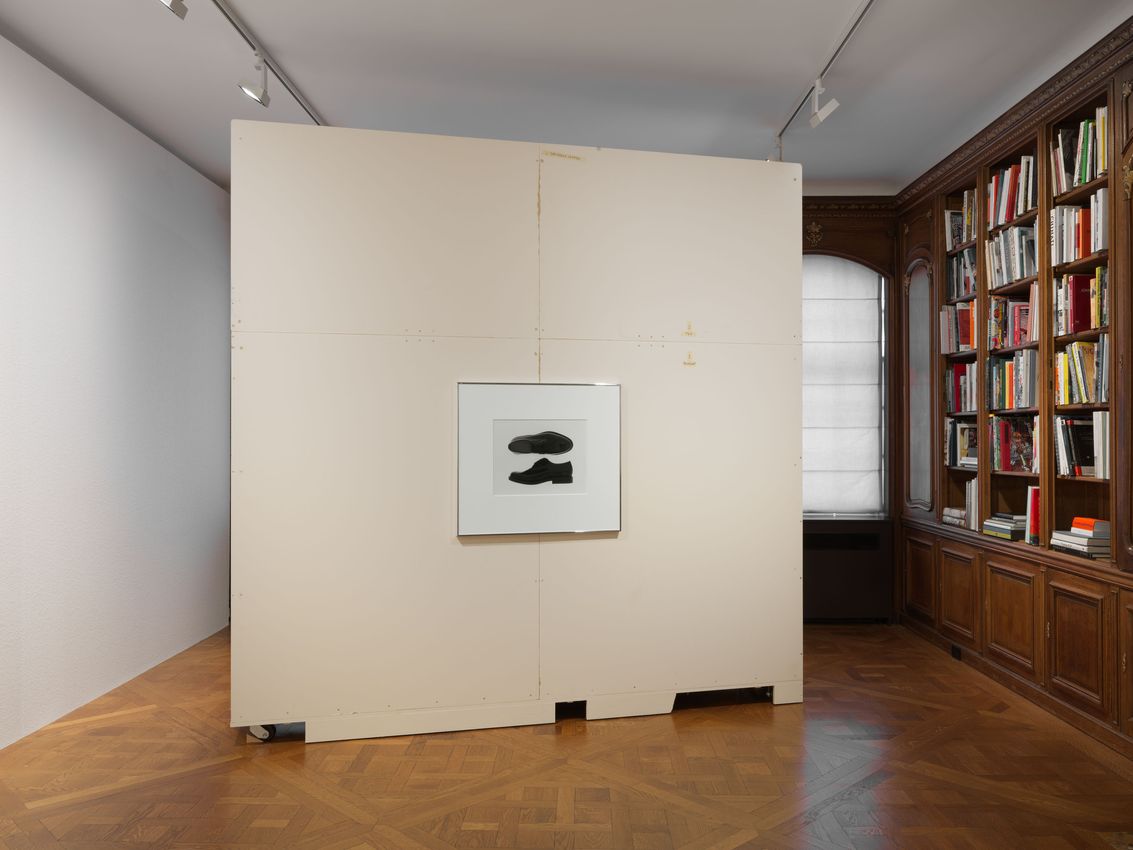
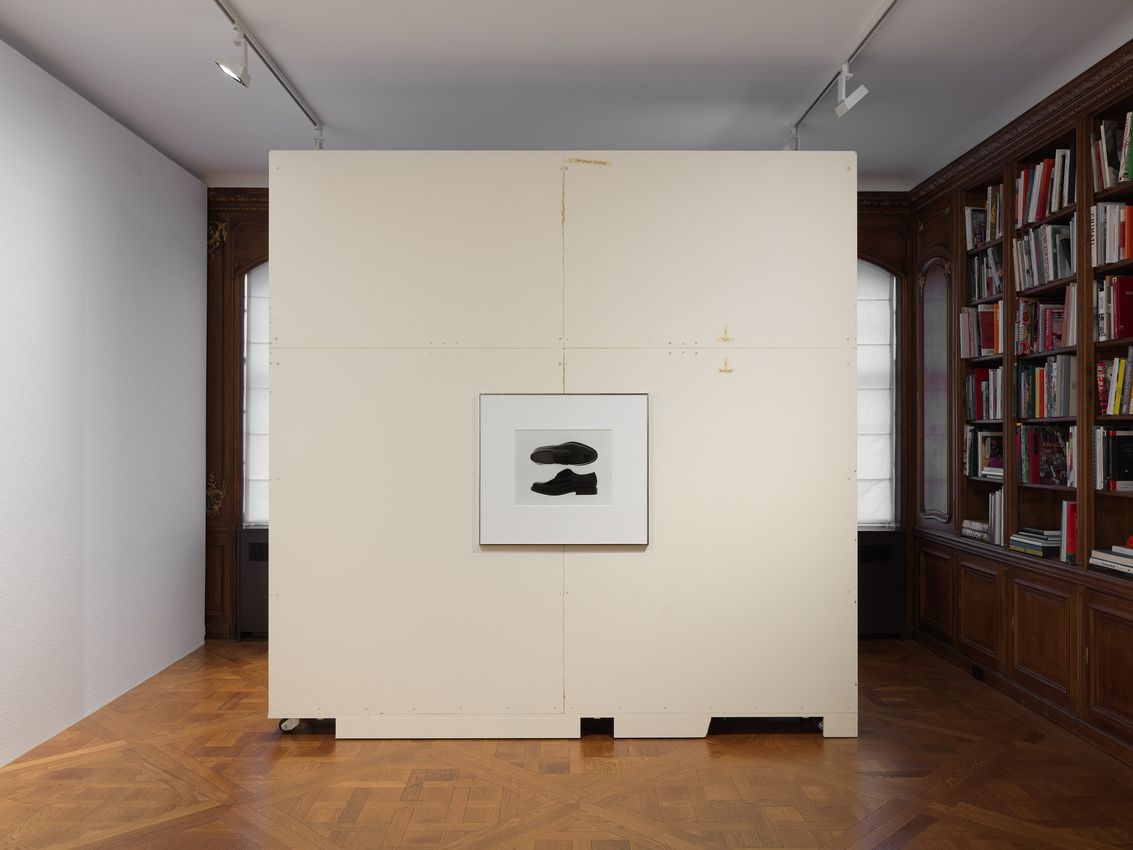
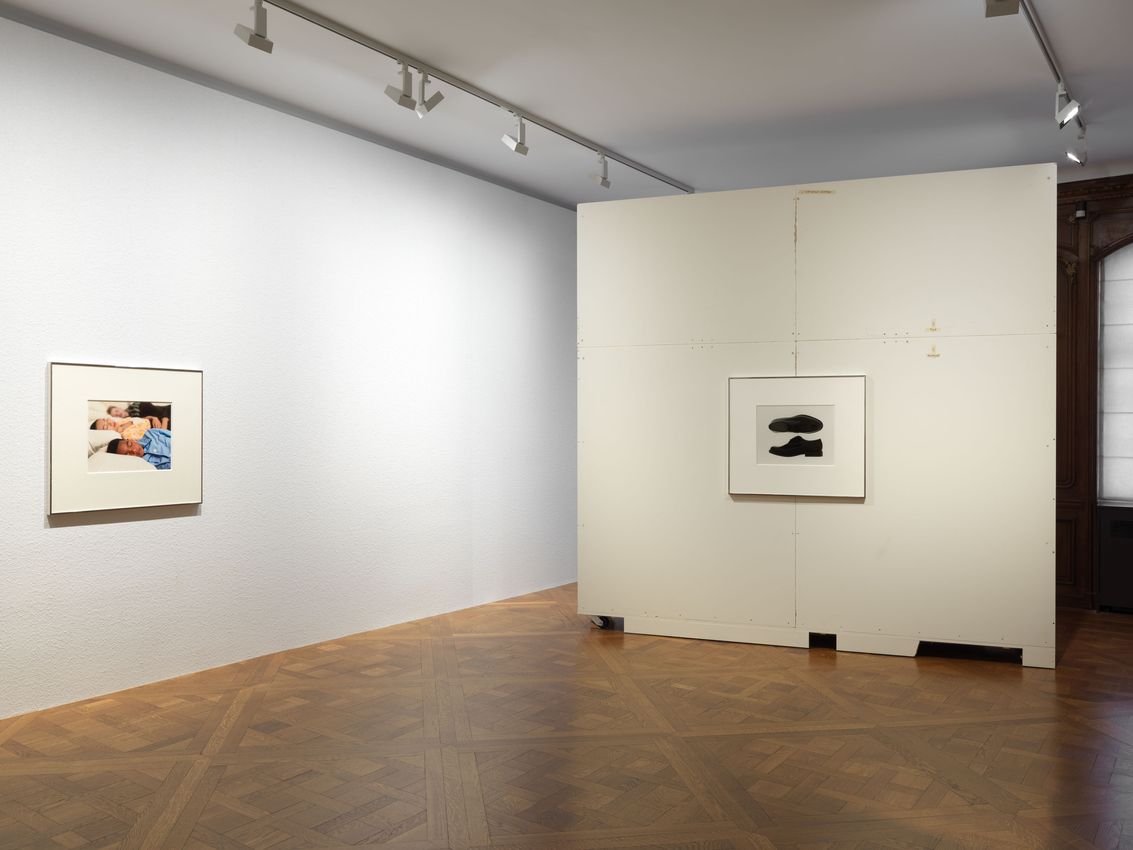
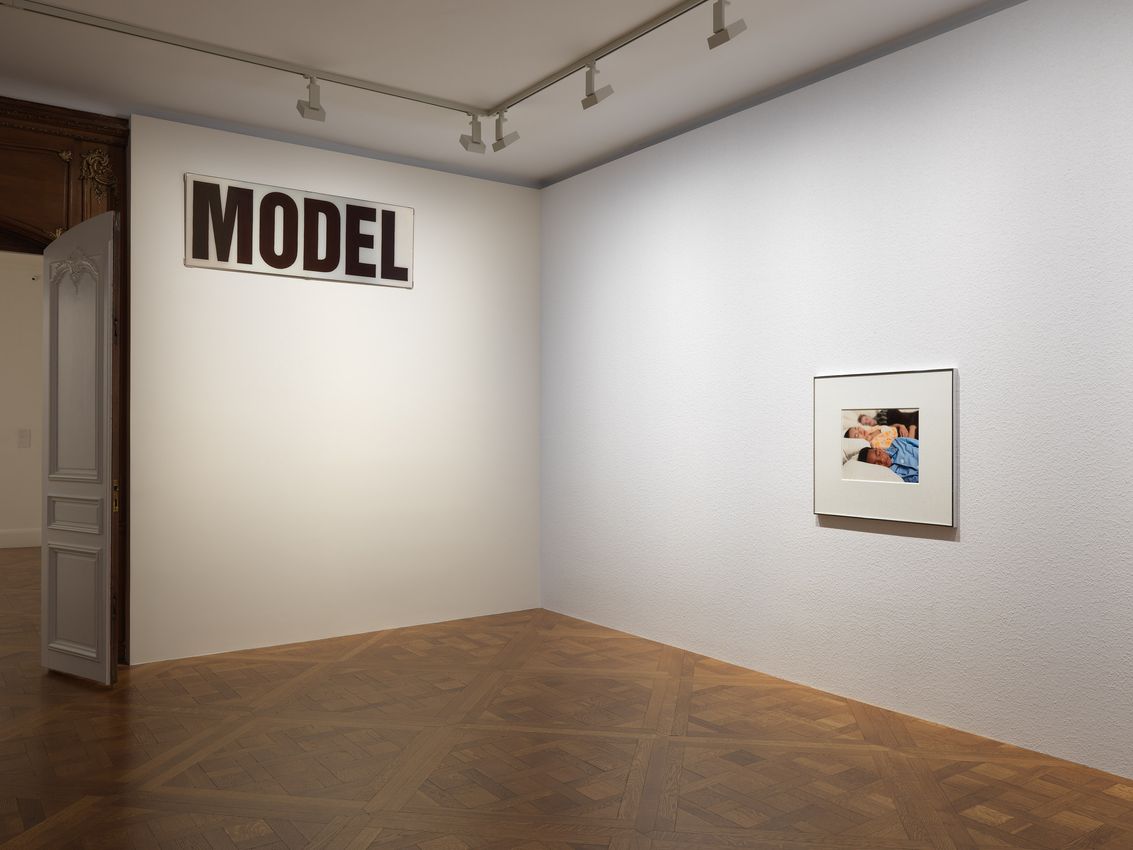
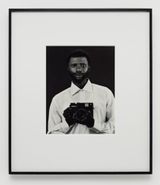
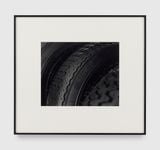
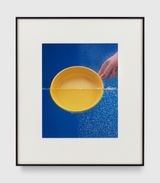
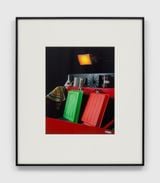
The official title of this exhibition is Footwear (Adapted for Use). Three additional titles-How German Is It, One American Photograph, and Standard Men’s Insoles (Adapted for Use)-can be introduced as ‘mistakes’ into the system of information distribution regarding the exhibi-tion.
Production notes for Models 2745, 1542, and 1316:6 pillows, 552.00€ (BRD); 6 linen pillowcases, 192.00€ (DDR); 3 linen sheets, 432.00€ (DDR); 3 duvets, 567.00€ (BRD); 2 linen duvet co-vers, 492.00€ (DDR); 2 yak-hair blankets, 772.00€ (BRD); 3 sets of pyjamas, 247.16€ (DDR); Model No. 2745 (Son) 3 days/9 hours,11,232.84€; Model No. 1542 (Mother), 3 days/24 hours, 3,852.62€; Model No. 1316 (Father), 3 days/24 hours, 3,852.62€.
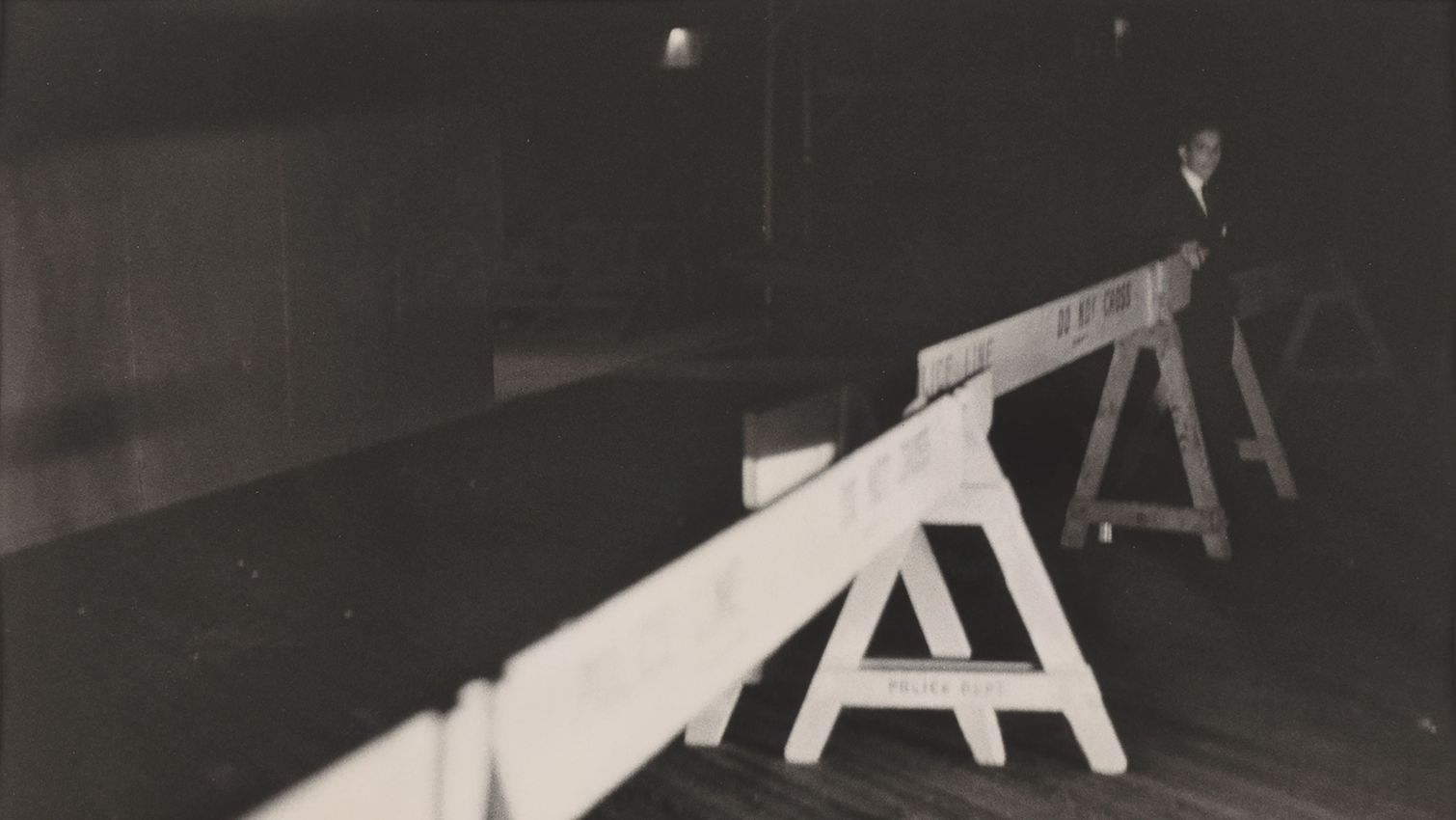
The family picture is organised around three focal planes. This is a family of professionals, lifestyle models skilled in the art of producing the appearance of sleep. Each model is calibrating their performance to correspond to their specific position as it relates to the three planes of focus. To feign the visible conditions of sleep for hours, remaining motionless, with eyes closed, while a team of technicians calibrate lighting, adjust camera settings, maintain hair and makeup, and arrange set and wardrobe details for continuity and blocking, requires a great deal of discipline. In this ‘production play,’ in this Cold War drama, the cloak of labour provides cover for dreaming. The son, Model No. 2745, is positioned 105.5 cm away from the lens, and, unlike the mother and father, 2 is in sharp focus. Although he is a model, producing an image of sleep for the camera, and although his sleepwear has been pressed and prepared for this production, his garment appears to be several sizes larger than necessary. While this is readily apparent to anyone looking at the photograph, what is not so obvious is a detail that becomes clear upon the examination of the garment label: HANOI TOCONTAP VIETNAM 48. The sleepwear was rented from Adlershofer Fundus Kostüm- & Requisitenverleih in Berlin, a prop house specialising in props and costumes for period film and theatre productions set in former East Ger-many. But what about the mother and father? To focus is to assert a preference for one surface over another. What value or significance is as-signed to this focus and why is it privileged? What are the ideological implications of depth of field? What does the son’s isolation mean? To speak of one thing, it is necessary to remain silent in regard to another. A model is a representation of a system.
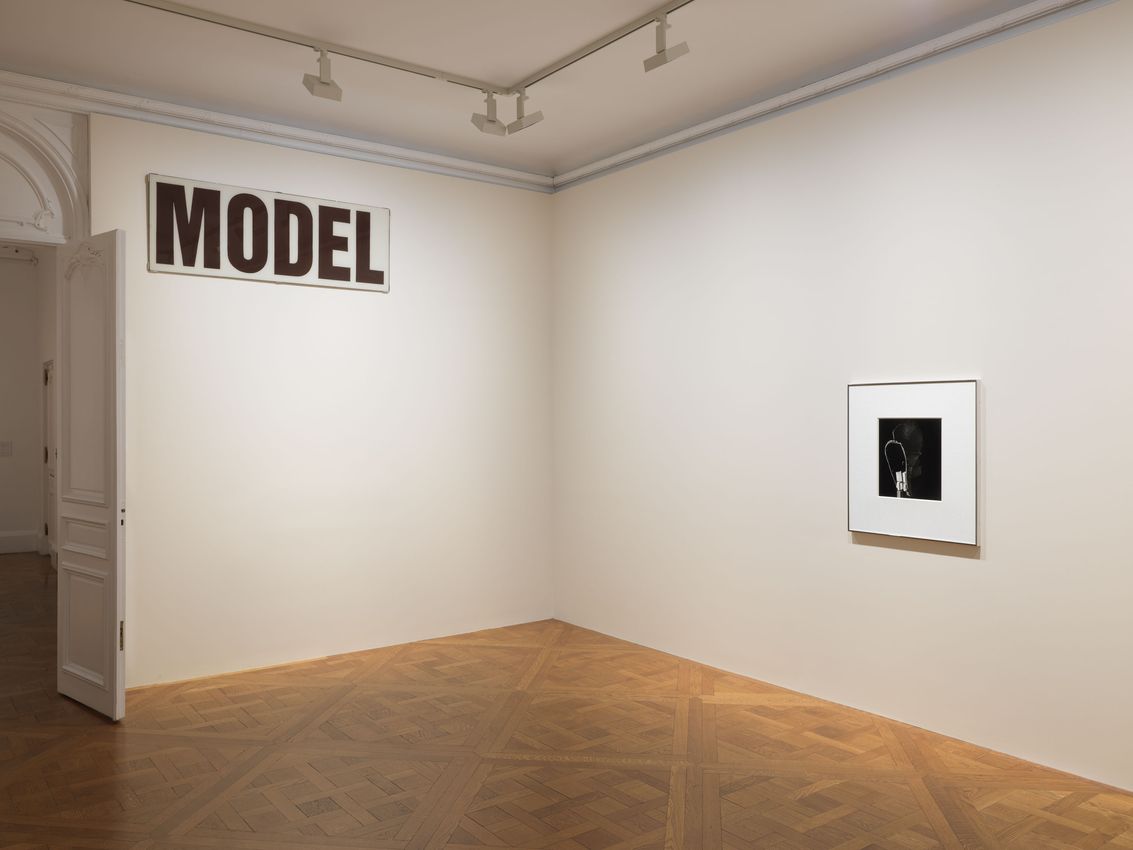
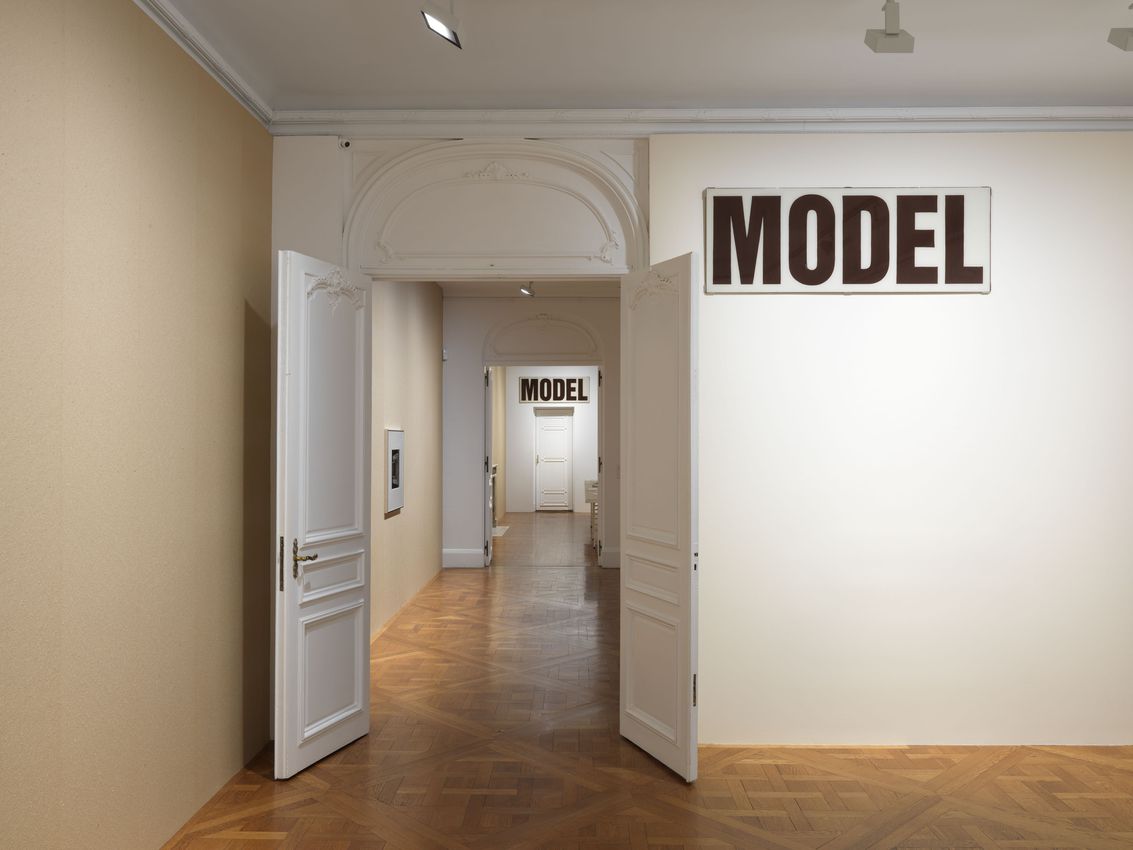
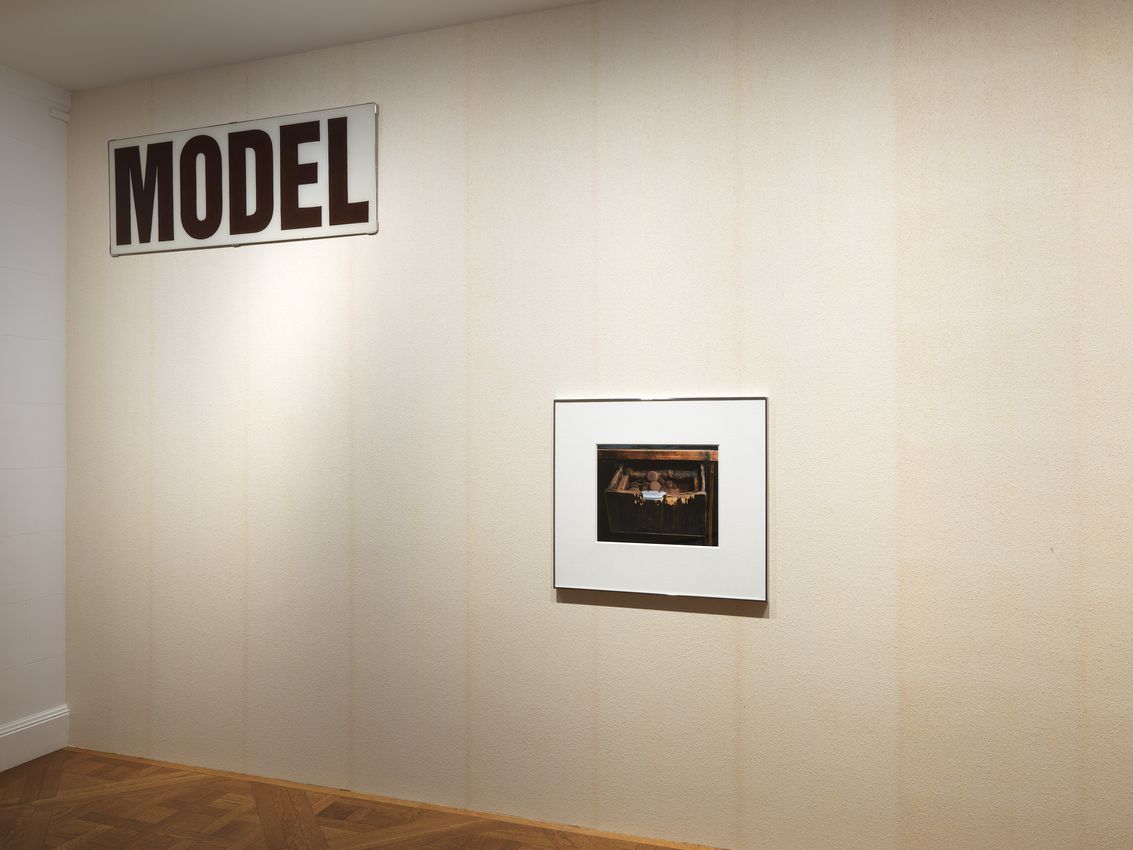
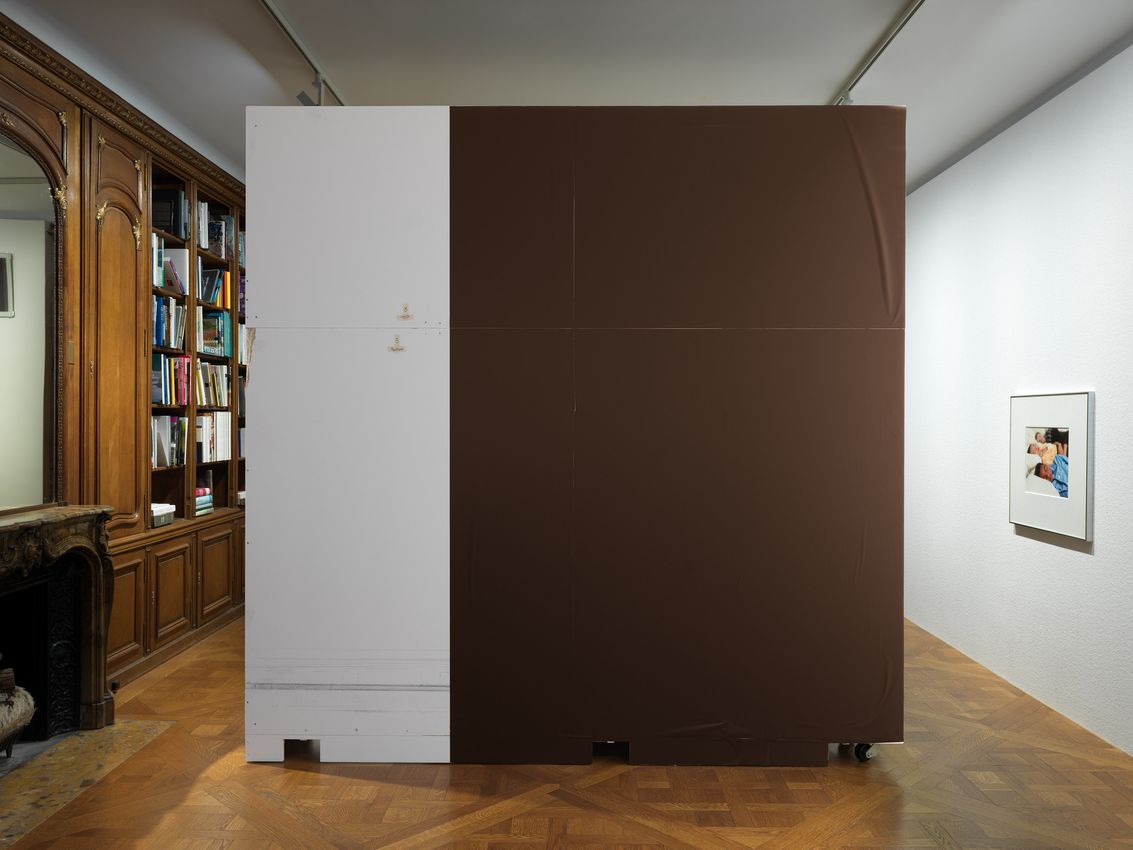
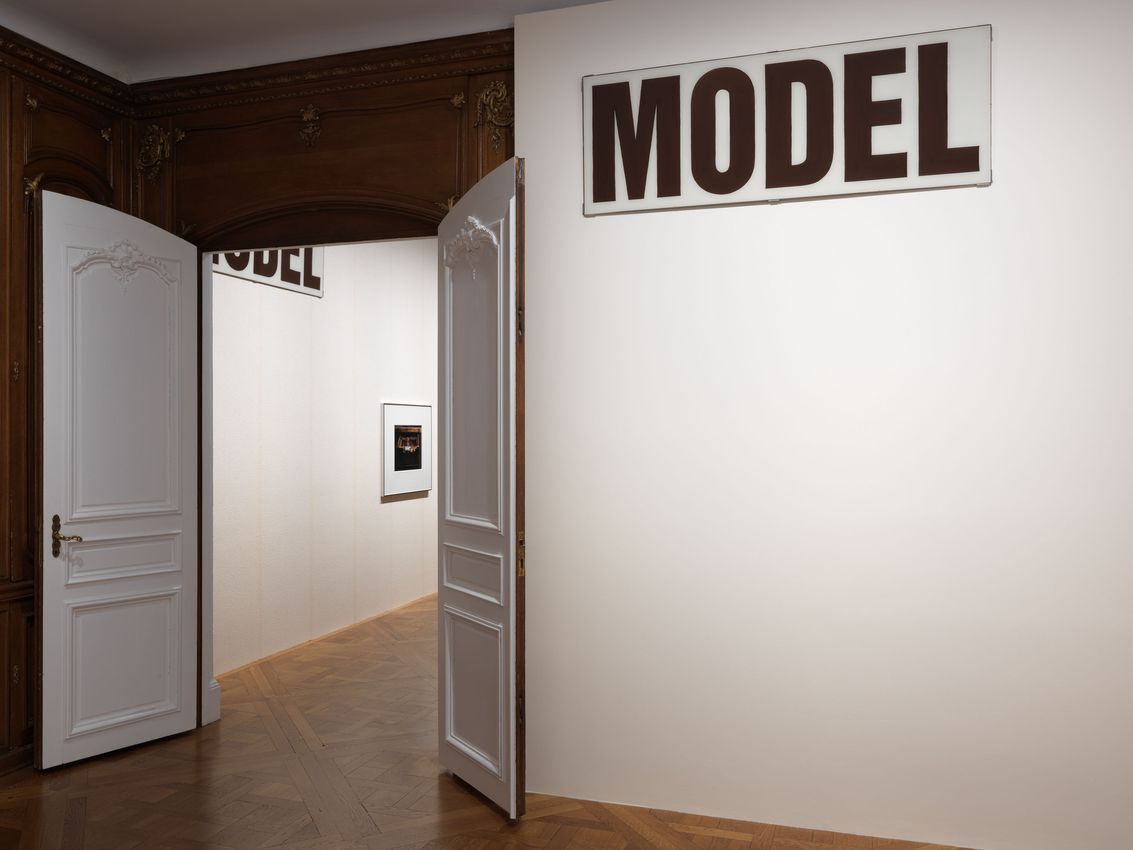
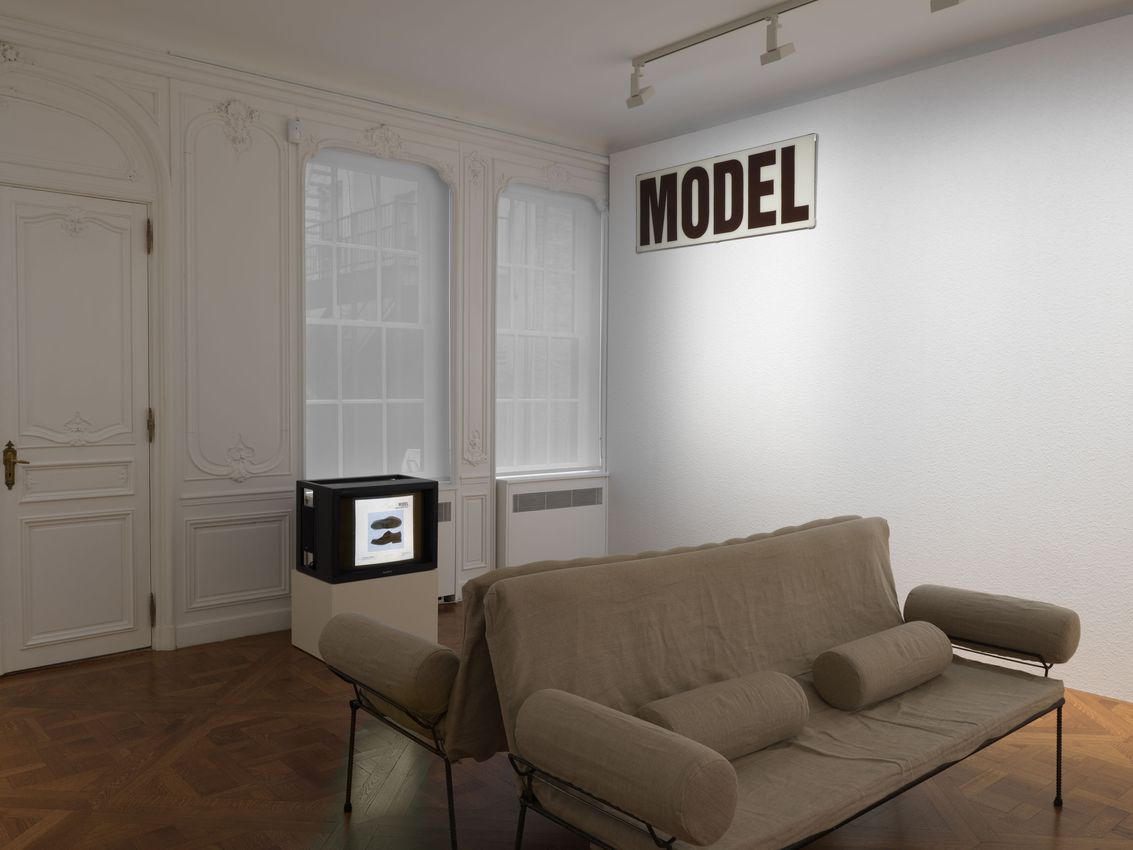
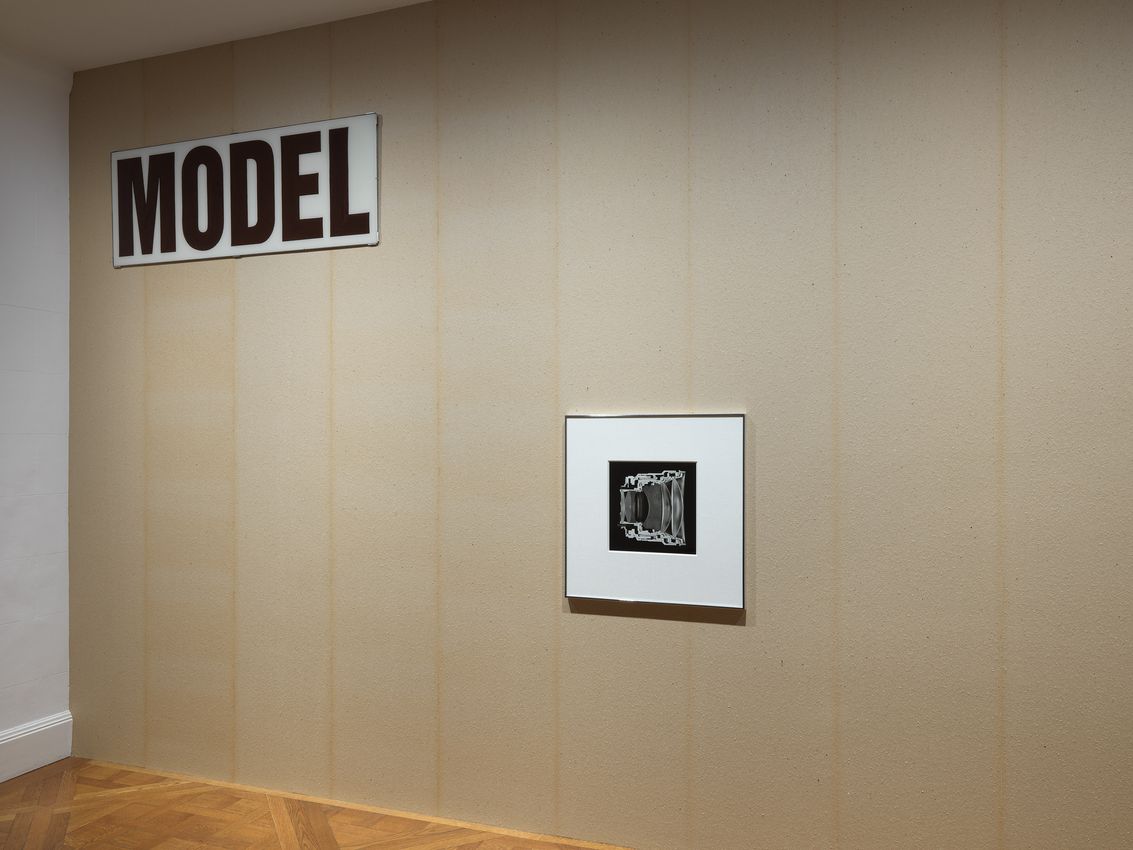
Please note that the text ‘Is every sentence containing the word ‘worker’ a socialist sentence? Is every picture in which a worker is depicted a socialist picture?’ should instead read: ‘Vietnam as Subject. Vietnam as Form. Vietnam as Genre.’ There are 54 characters in this quote, 4,721 characters in this letter, and 6 to 8 framed photographs, 6 hand-painted signs, 6 vitrines with archival materials, 2 digital videos, 2 mon-itors, 2 constructed walls, 2 Franz West sofas, 1 poster, 1 publication, 1,017.37 sq. ft. yards of East German wallpaper,3 507.3 sq. ft. of West German wallpaper, and 997.63 sq. ft. of seed pearl paint in this exhibition.
Amicably,
Christopher Williams
1 According to the Jugendarbeitsschutz (Youth Employment Protection) permit #56.4-J-23/19-Ht, filed by Rotznasen Kinder Modelagentur with Bezirksregierung Düsseldorf on September 25, 2019, legal exemption for the employment of children at advertising events (fashion show, fair) and advertising recordings (photo, film) limits labor of children six years and above to a maximum of three hours per day, between 8 a.m. and 10 p.m. These restrictions, while carefully observed during our production, work directly against the time and labour necessitated by the optical conditions of a large-format analogue photographic production.
2 The positions of each of the models in relation to the focal plane were as follows: Father: 231 cm from lens. Mother: 159 cm from lens. Son: 105.5 cm from lens. The image was photographed using an Arca Swiss M-series 8x10 camera with a Schneider-Kreuznach Symmar-S 6,8/360 lens. The aperture was set at f16 1/3.
3 Rauhfaser is a wall covering which consists of several layers of paper, in which texture-forming wood fibres are incorporated. Its omnipresence in Germany during the Cold War period, and its intersection with politics in a divided nation, is apparent in anything from installation photographs of exhibitions at Berlin’s Neue National-galerie and Kölner Kunstmarkt to production stills shot by Holger Meins on the set of Günter Peter Straschek’s 1968 film Ein Western für den SDS.


In the 1970s, Christopher Williams studied at the California Institute of the Arts under the first wave of West Coast conceptual artists, including John Baldessari and Douglas Huebler, only to become one of his generation’s leading conceptualists. Williams’s work is a critical investigation of the medium of photography and more broadly the vicissitudes of industrial culture, in particular its structures of representation and classification. Using the process of reproduction as a point of entry, the artist manipulates the conventions of advertising, the superficiality of surface, and ultimately the history of Modernism. Deeply political, historical, and sometimes personal, the photographs are meant to evoke a subtle shift in our perception by questioning the communication mechanisms and aesthetic conventions that influence our understanding of reality.


A respected voice in contemporary art discourse.
Focusing on ambitious storytelling and insightful art-world commentary. Ocula Magazine publishes in-depth interviews, critical essays and timely analysis on the artists, exhibitions and ideas driving the global art world.
Learn more about Ocula Magazine
Showcasing the best of the art world.
Ocula partners with galleries from around the world to highlight their artists, artworks and exhibitions. Gallery membership is by application and invitation, with each member vetted by an independent panel.
Learn more about Ocula Membership

Specialises in the sale of major artworks.
Led by a team with deep ties to the world’s leading auction houses, galleries and collectors. Ocula’s advisory team offers bespoke services to high-net-worth clients from around the world who are looking to acquire the best of contemporary and modern art.
Learn more about our team and services