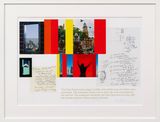
Quantum Tango in the International Year of Quantum Science and Technology
Curated in collaboration with Francesca Franco
Gazelli Art House presents Networked, a solo exhibition by pioneering artist and researcher Ernest Edmonds (b. 1942), marking a significant point in his six-decade investigation into systems, interaction, and machine-based aesthetics. Curated in collaboration with art historian Francesca Franco, the exhibition brings together two landmark works that trace Edmonds’ practice from his early experiments in pre-Internet communication to his most recent globally networked installation.
Timed to coincide with SIGGRAPH 2025 in Vancouver (10—14 August) and the International Year of Quantum Science and Technology, the exhibition positions Edmonds’ work at the intersection of generative systems, communication theory, and audience-driven interaction. At once playful and profound, Networked explores how Edmonds has consistently harnessed emerging technologies not only as tools, but as collaborators in shaping new kinds of aesthetic experience.
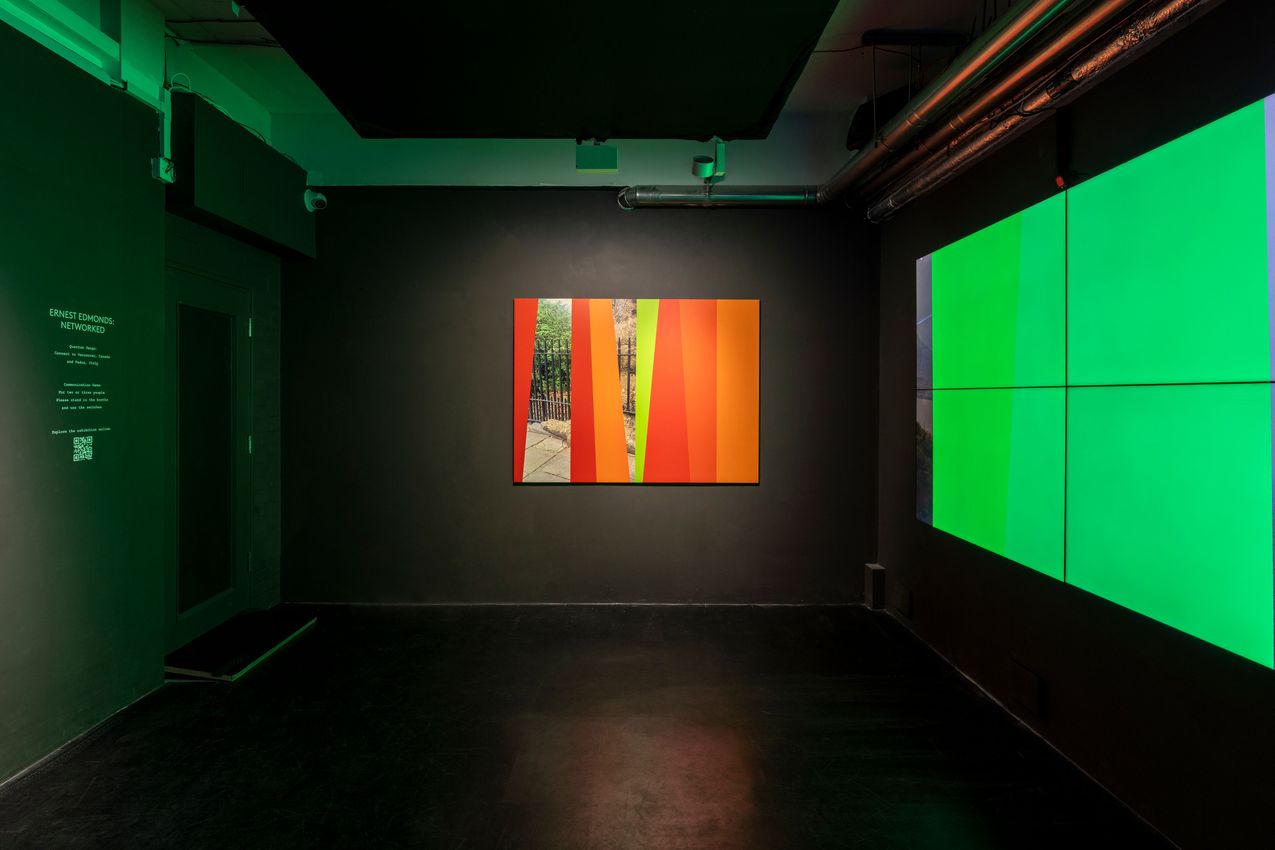
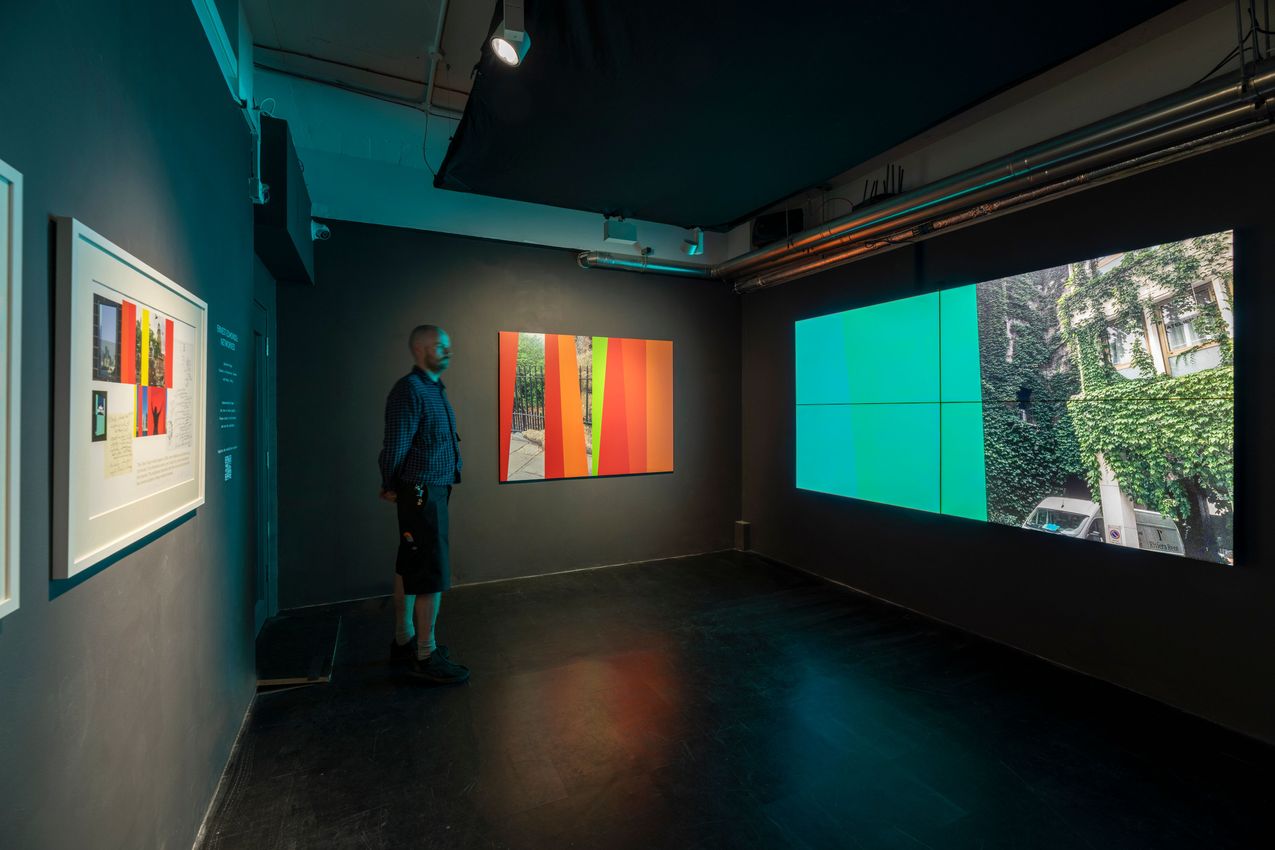
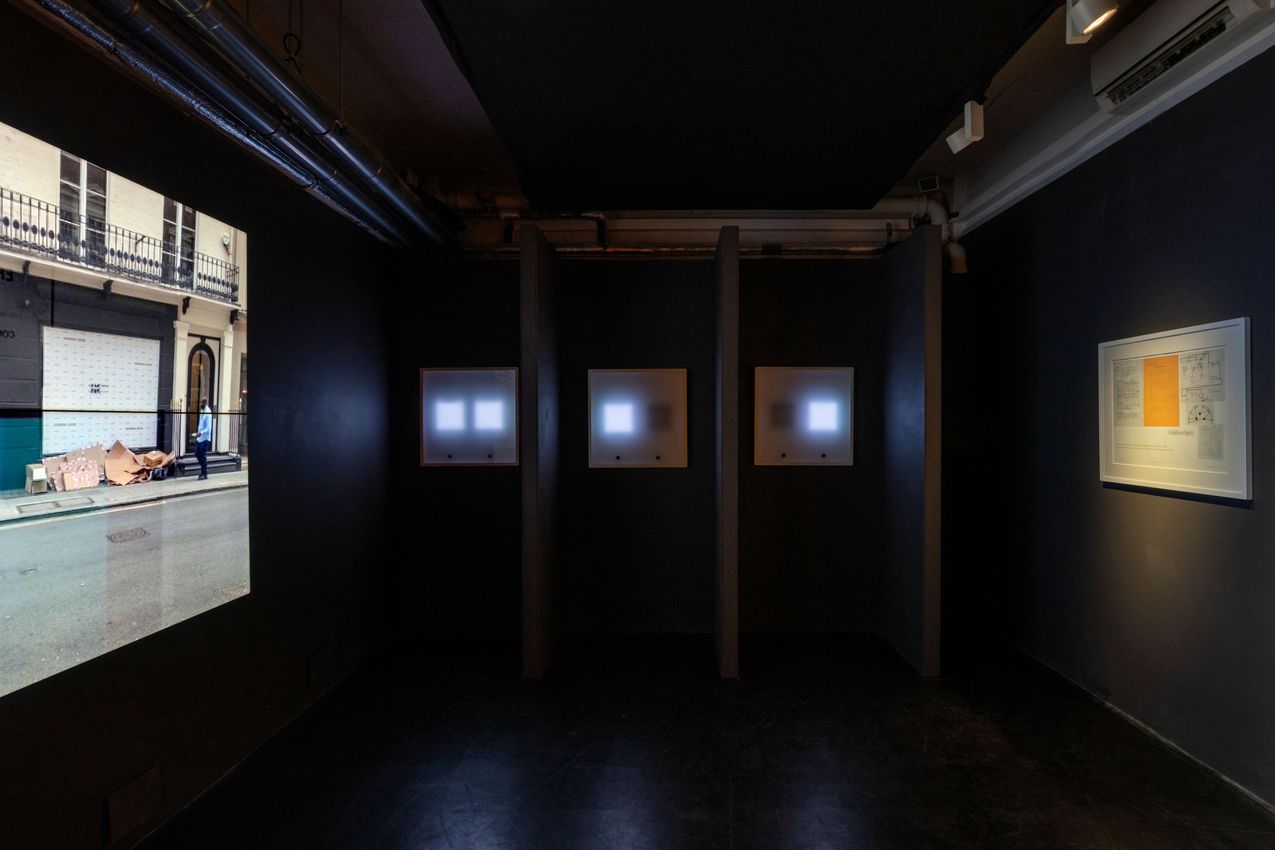
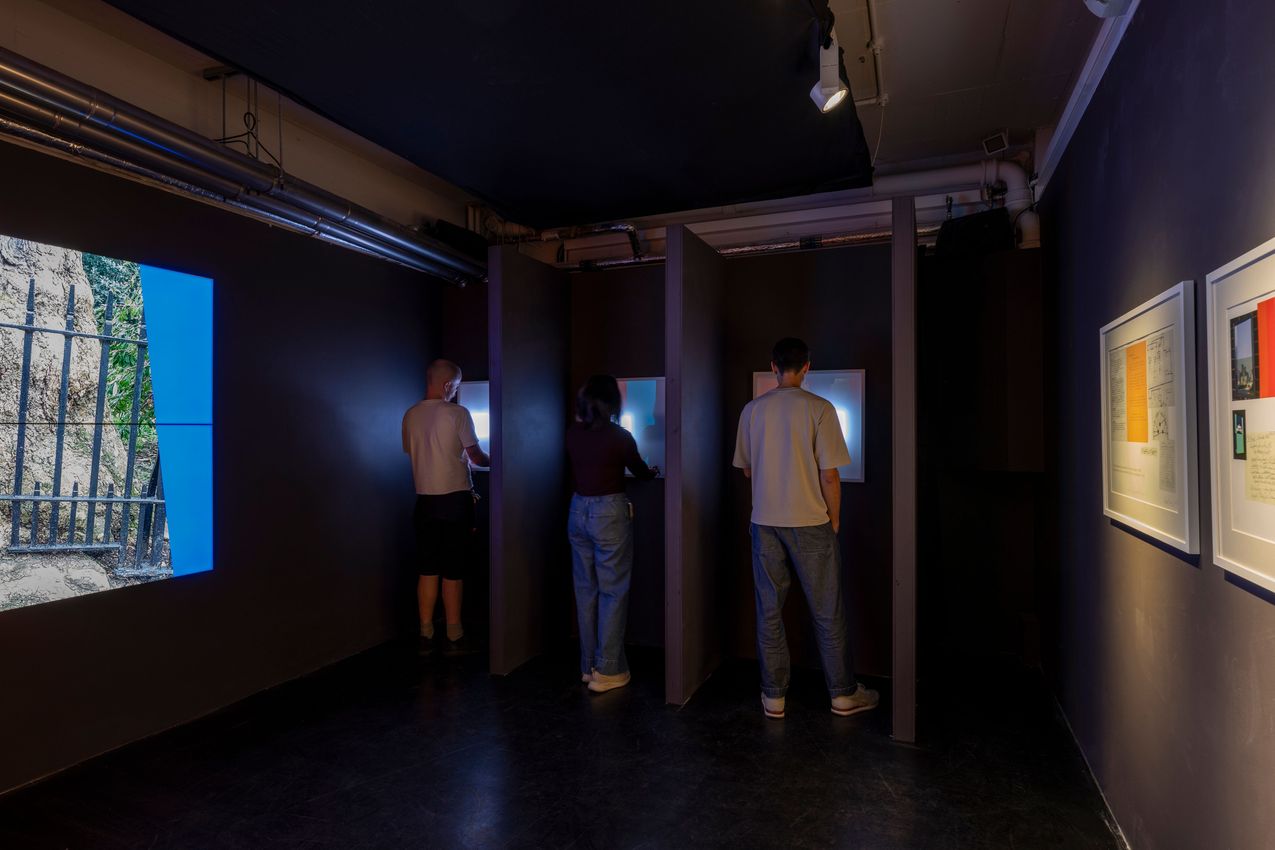
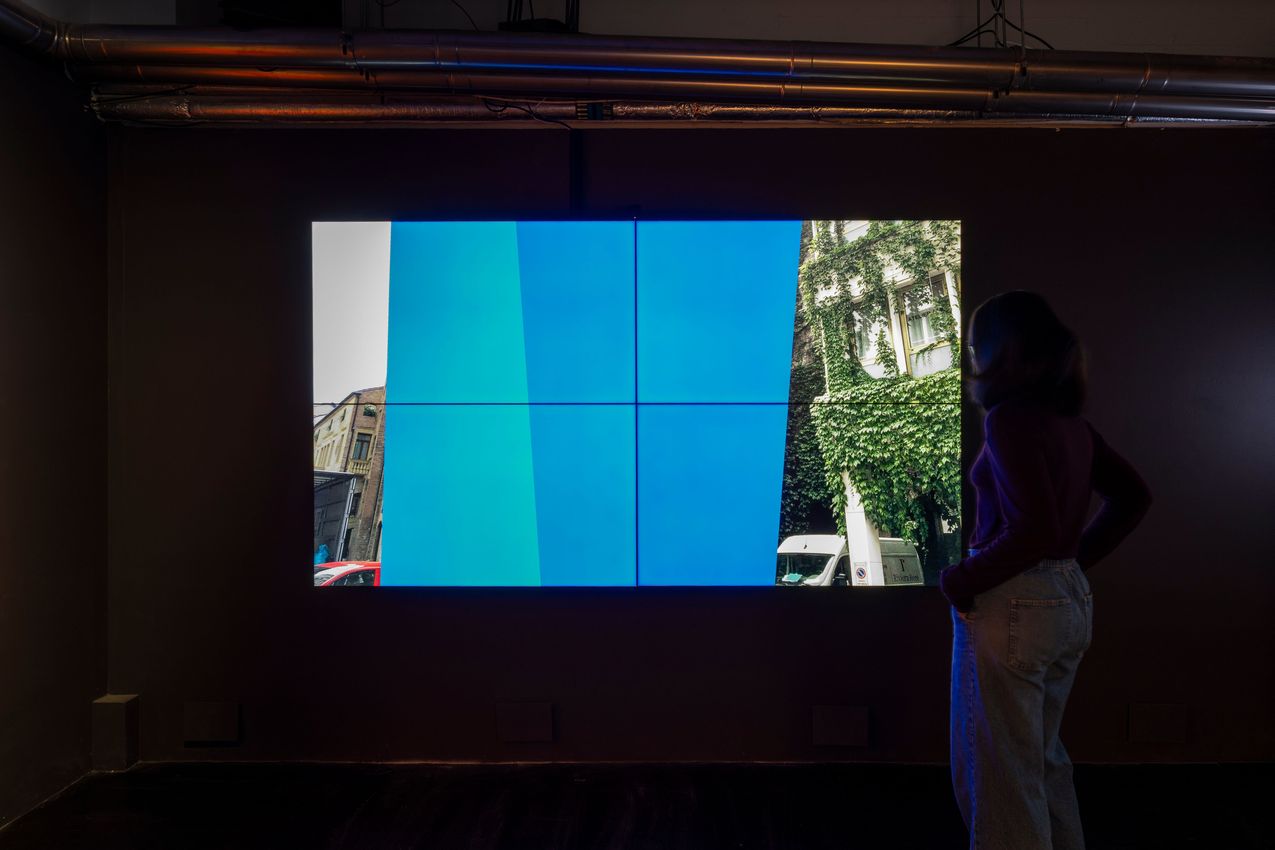
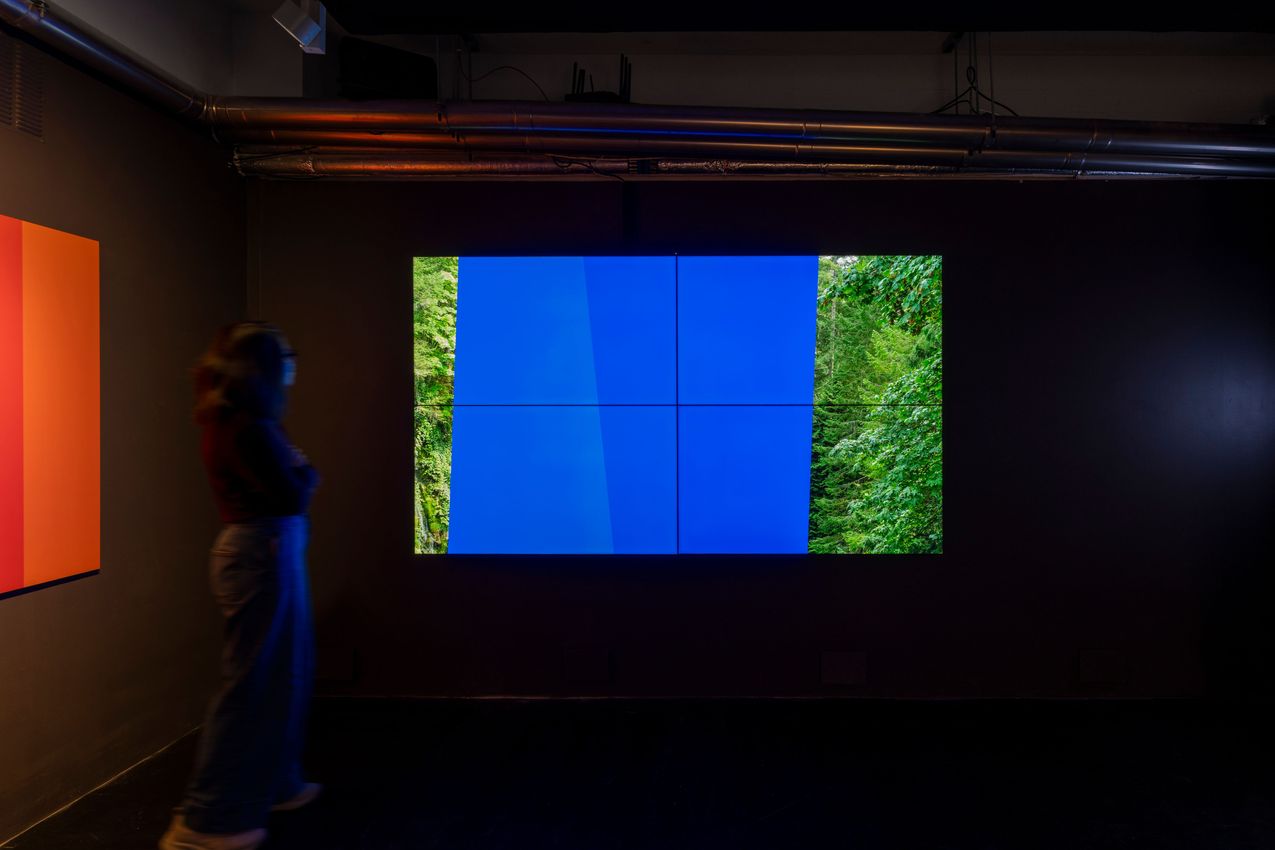
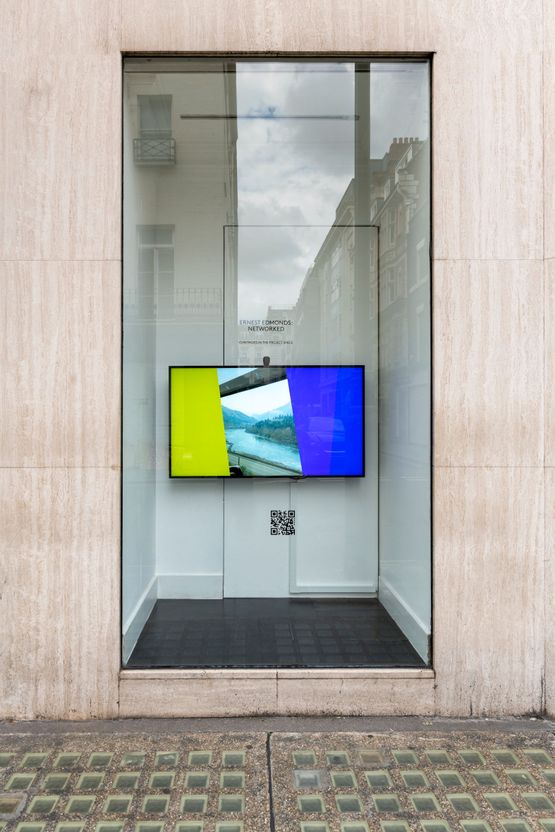
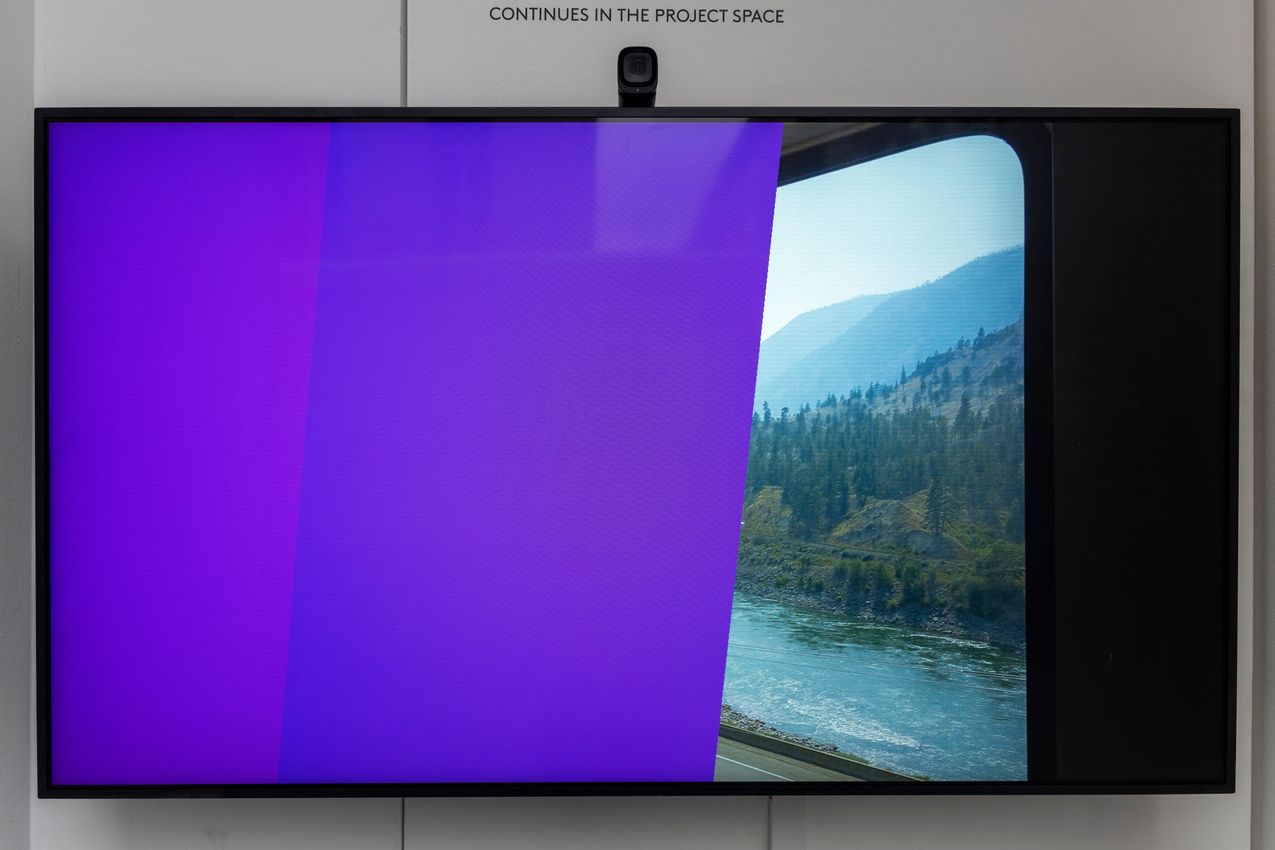
At the heart of the exhibition is the premiere of Quantum Tango (2025), Edmonds’ most ambitious networked artwork to date. The piece is structured as a real-time, interactive triptych, with each panel located in a different city: London (Gazelli Art House), Vancouver (SIGGRAPH), and Padua (San Gaetano Cultural Centre). The three locations are connected via live data and video streams, enabling participants in each city to shape — and be shaped by — the evolving composition across the network. Shifting colour bands, patterns, and photographic fragments taken by Edmonds in each city, blend algorithmic logic with live feedback from audience movement. Departing from the classical binary logic of earlier computational art, Quantum Tango draws on the uncertain, probabilistic principles of quantum logic, introducing a poetic openness to how the work unfolds.
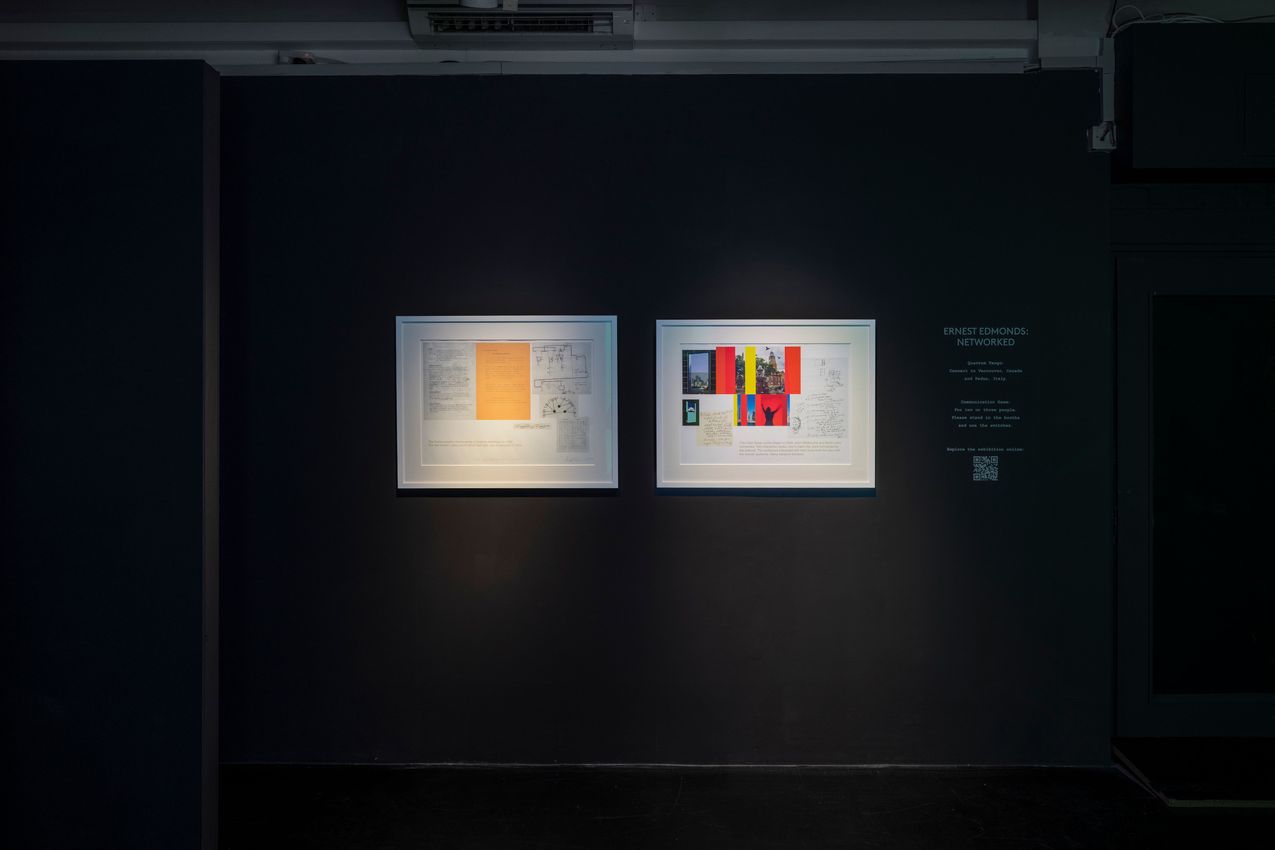
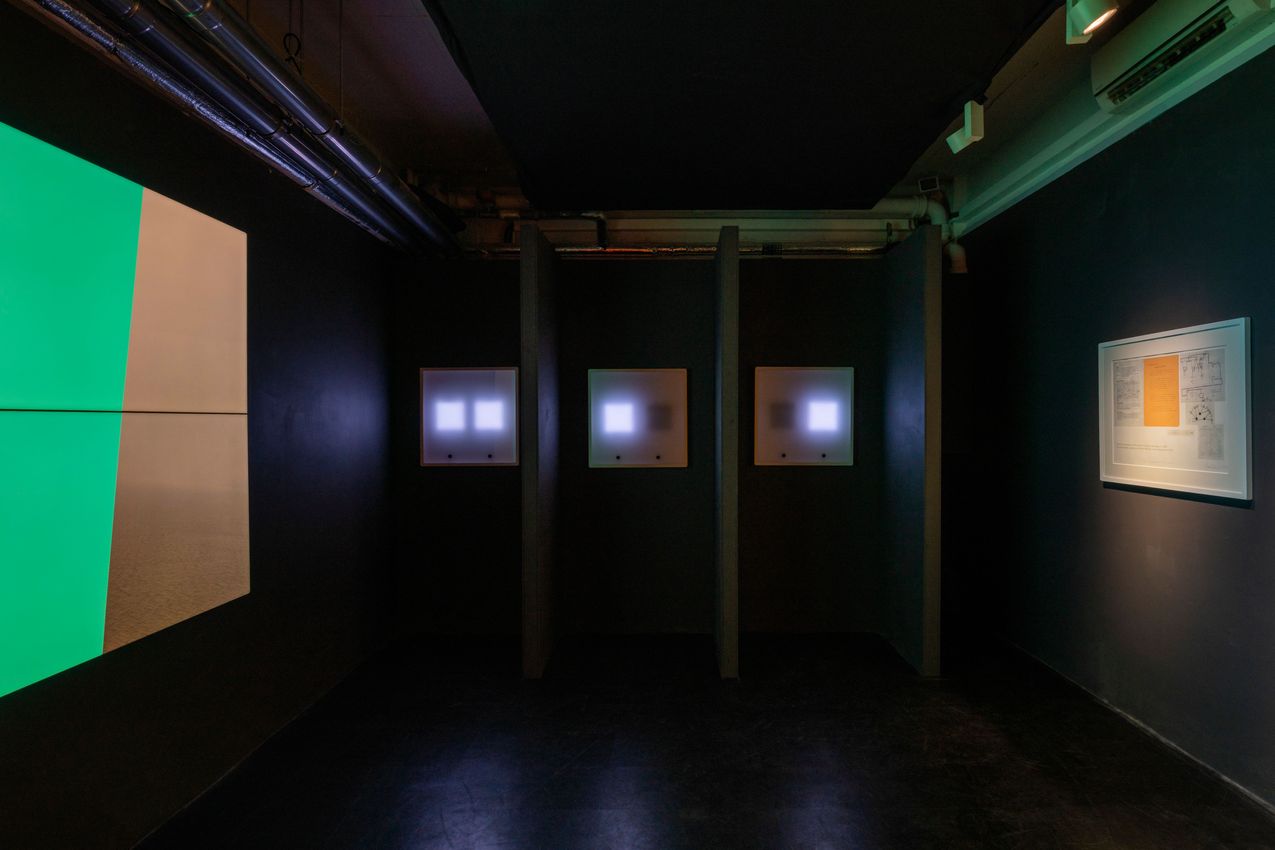
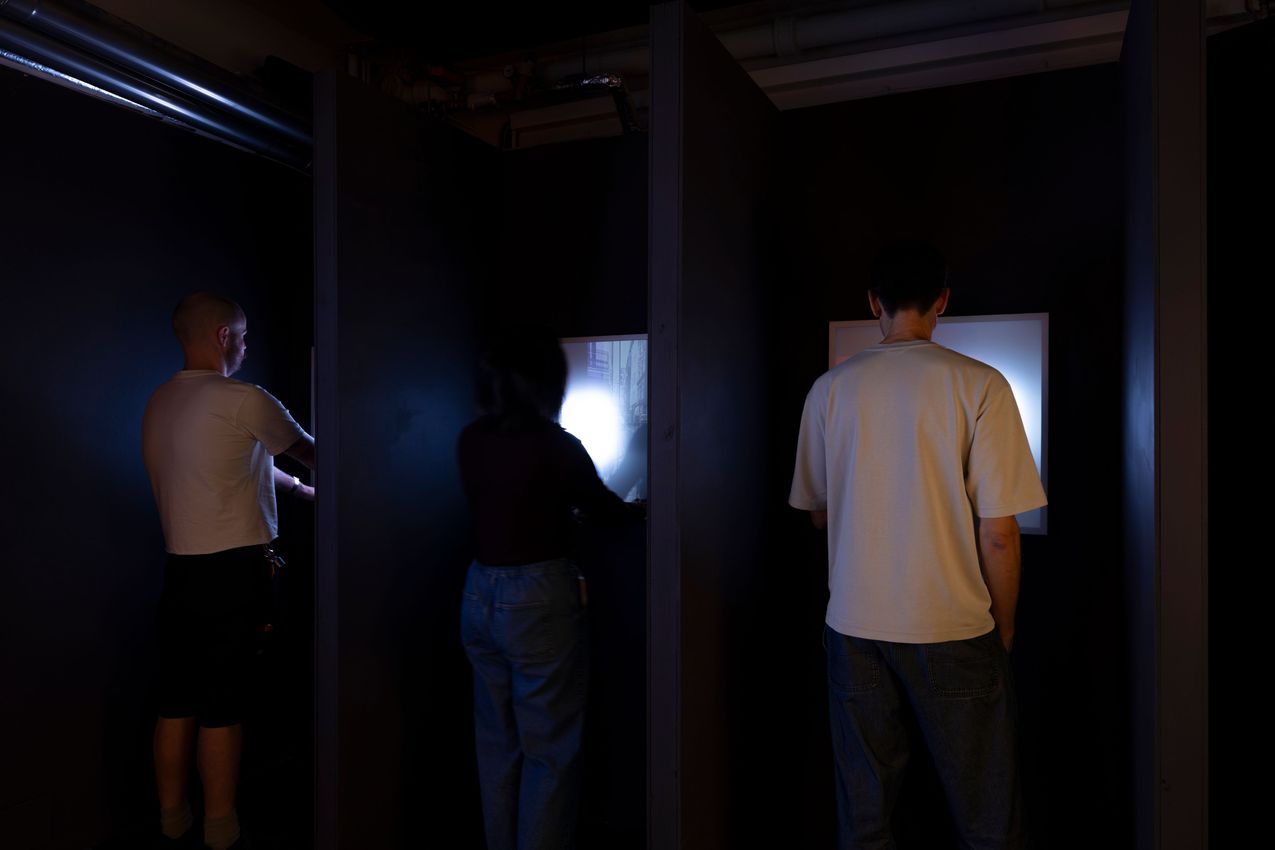
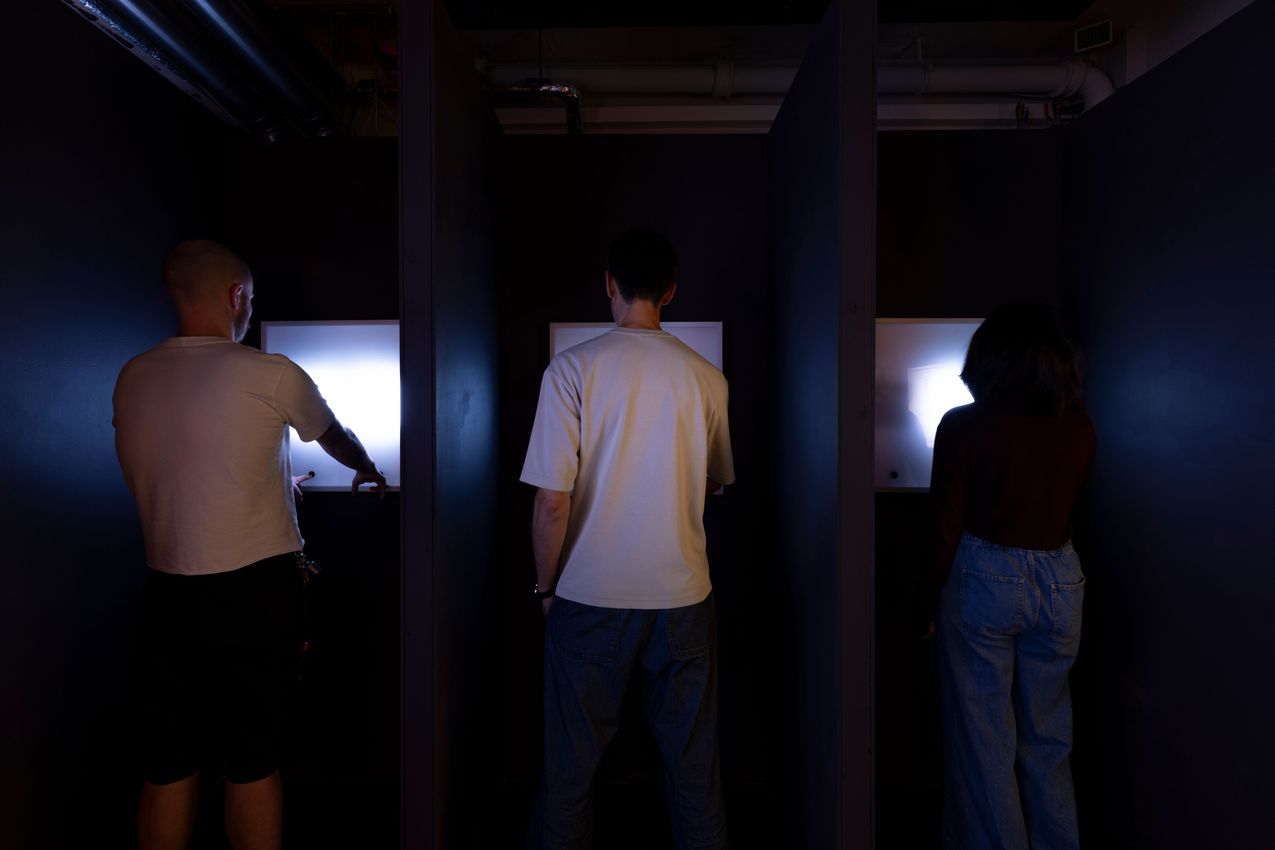
Displayed alongside this new commission is a freshly reconstructed version of Edmonds’ Communication Game, first devised in 1969, before the advent of the Internet. Described by the artist as a “communication machine,” the original Communication Game used simple light signals to create interaction between participants who could not see one another. Its core function was not to deliver information, but to generate an experience of shared attention and responsive engagement — a radical rethinking of what both communication and art could be.
Unlike a conventional artwork tied to a single object, Communication Game was conceived as a modular, conceptual system that could be realised in many forms. Over the years it has been reinterpreted with changing technologies — from hand-built circuits in the 1970s to software-based versions in the 1990s and, most recently, Arduino-powered reconstructions for exhibitions in Brazil and the UK. The current iteration at Gazelli Art House faithfully restores the original structure using contemporary tools, allowing visitors to engage directly with a work that anticipated today’s interest in participatory and networked media art.
Together, Quantum Tango and Communication Game reveal Edmonds’ enduring fascination with the aesthetics of interaction — not as spectacle, but as experience, unfolding through behaviour, attention, and contingency. His approach reflects a lifelong inquiry into the role of systems in creativity, and how technology can serve not to replace the artist, but to expand the space of aesthetic possibility.
—
A pioneer in the development of computational art, Ernest Edmonds’ work represents a prominent milestone in the fields of generative and interactive art. Underpinned by concrete, constructivist, and colour field artistic traditions, a focus on structures and interactions are vital to Edmonds’ practice. Specialising in creative computing, the artist’s research into human perception has shaped elementary computer-generated forms in arresting colours. Born in London, Edmonds studied Mathematics and Philosophy, and garnered a PhD in Logic. In his art-making Edmonds moved from oils and acrylics to his first use of a computer in 1968, going on to show his first computer-based interactive work with Stroud Cornock in 1970, his first networked piece in 1971, and his first generative time-based video, Fragment, in 1985. In 2017, Edmonds was awarded the ACM SIGGRAPH Distinguished Artist Award for Lifetime Achievement in Digital Art. He has exhibited across the world, from Moscow to London, Berlin, Washington DC, Rotterdam, Beijing and Sydney. In Rio de Janeiro, 2015, he exhibited with other pioneers, Harold Cohen, Frieder Nake and Paul Brown and in Venice, 2017, he was part of another major exhibition of pioneer computer artists with Manfred Mohr, Vera Molnar, Frieder Nake and Roman Verotkso. Edmonds’ retrospective exhibitions include ones at Microsoft Research Asia, Beijing, De Montfort University, Leicester and Mosman Art Gallery, Sydney. He has written many publications on computer art, human-computer interaction, and creativity.


A respected voice in contemporary art discourse.
Focusing on ambitious storytelling and insightful art-world commentary. Ocula Magazine publishes in-depth interviews, critical essays and timely analysis on the artists, exhibitions and ideas driving the global art world.
Learn more about Ocula Magazine
Showcasing the best of the art world.
Ocula partners with galleries from around the world to highlight their artists, artworks and exhibitions. Gallery membership is by application and invitation, with each member vetted by an independent panel.
Learn more about Ocula Membership

Specialises in the sale of major artworks.
Led by a team with deep ties to the world’s leading auction houses, galleries and collectors. Ocula’s advisory team offers bespoke services to high-net-worth clients from around the world who are looking to acquire the best of contemporary and modern art.
Learn more about our team and services