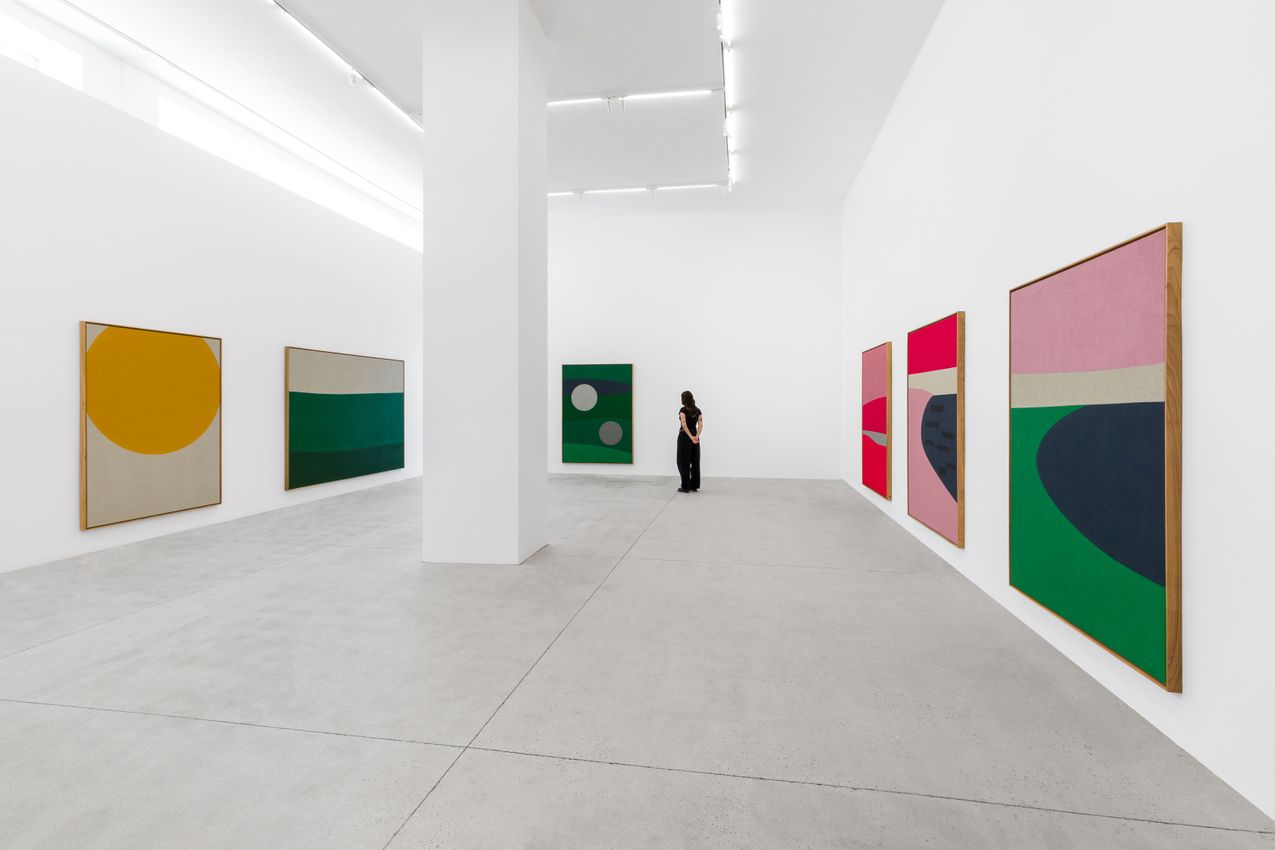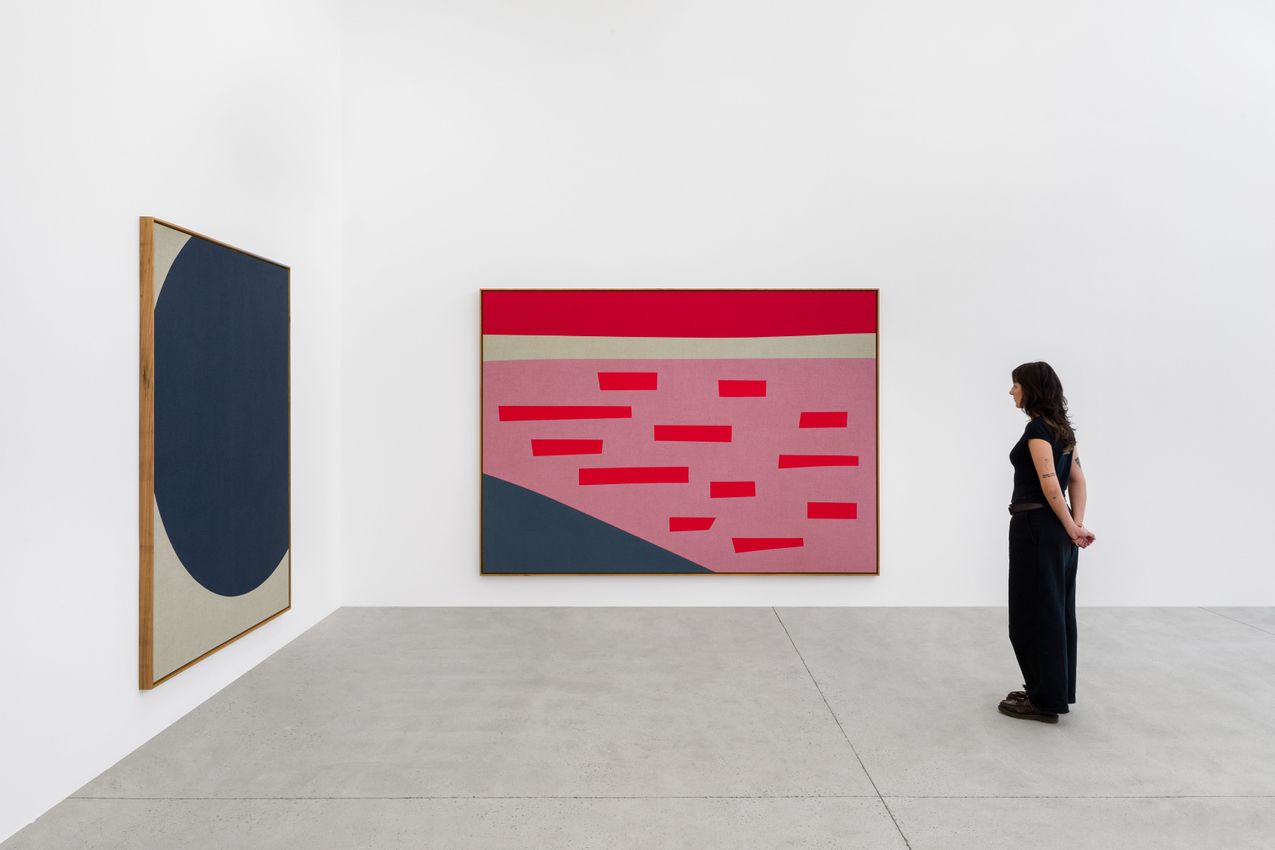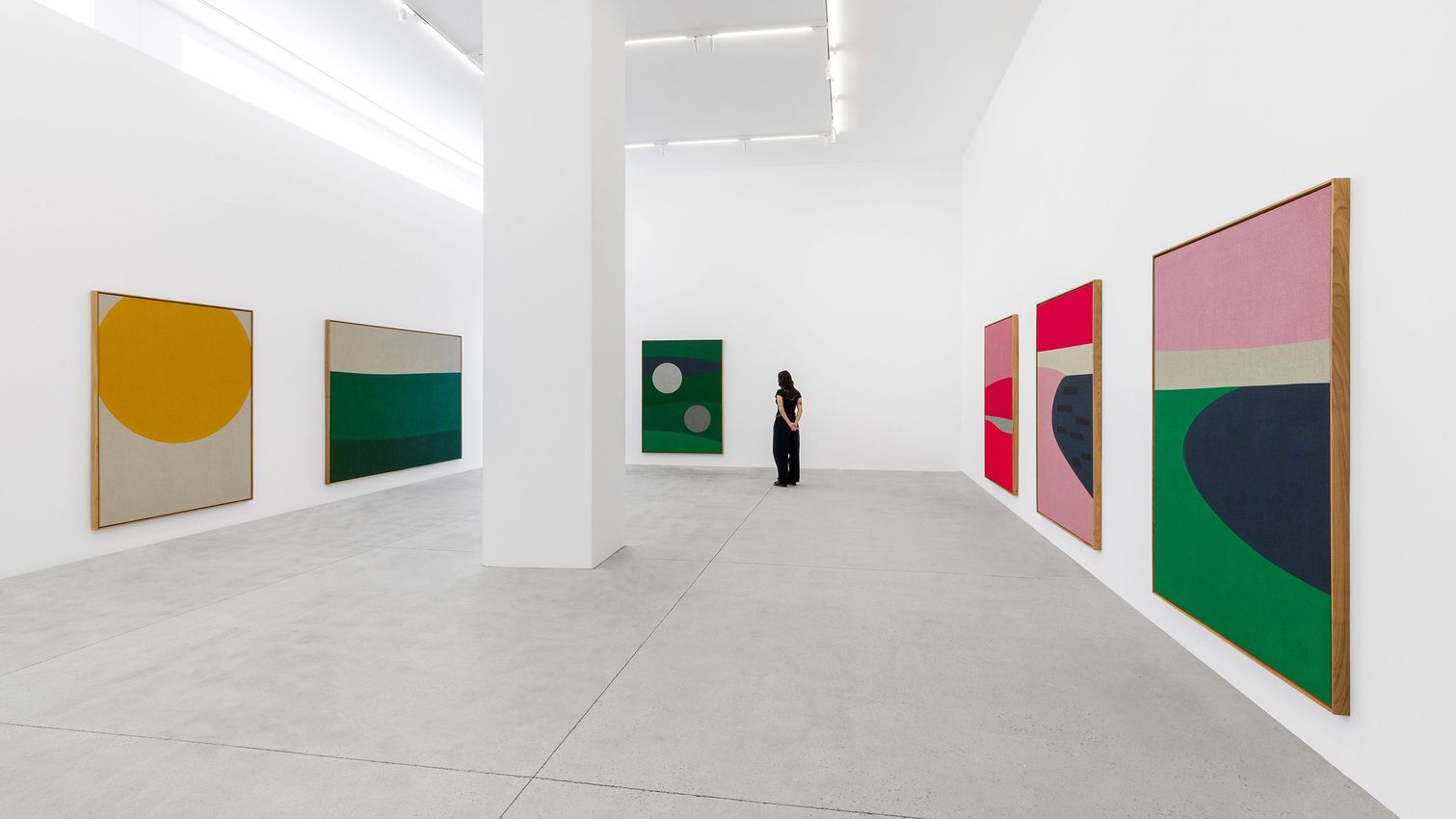
Gomide&Co is pleased to present Água (verde), an exhibition by Antonio Ballester Moreno (Spain, 1977), which opens at the gallery on November 13th (Wednesday) at 6pm. This is the artist’s first solo show in Brazil, as well as the second presentation of his works in the country since his participation as an artist and member of the curatorial team at the 33rd Bienal de São Paulo: Affective Affinities (2018), curated by Gabriel Pérez-Barreiro. The exhibition’s critical text is signed by curator and art critic Taisa Palhares.
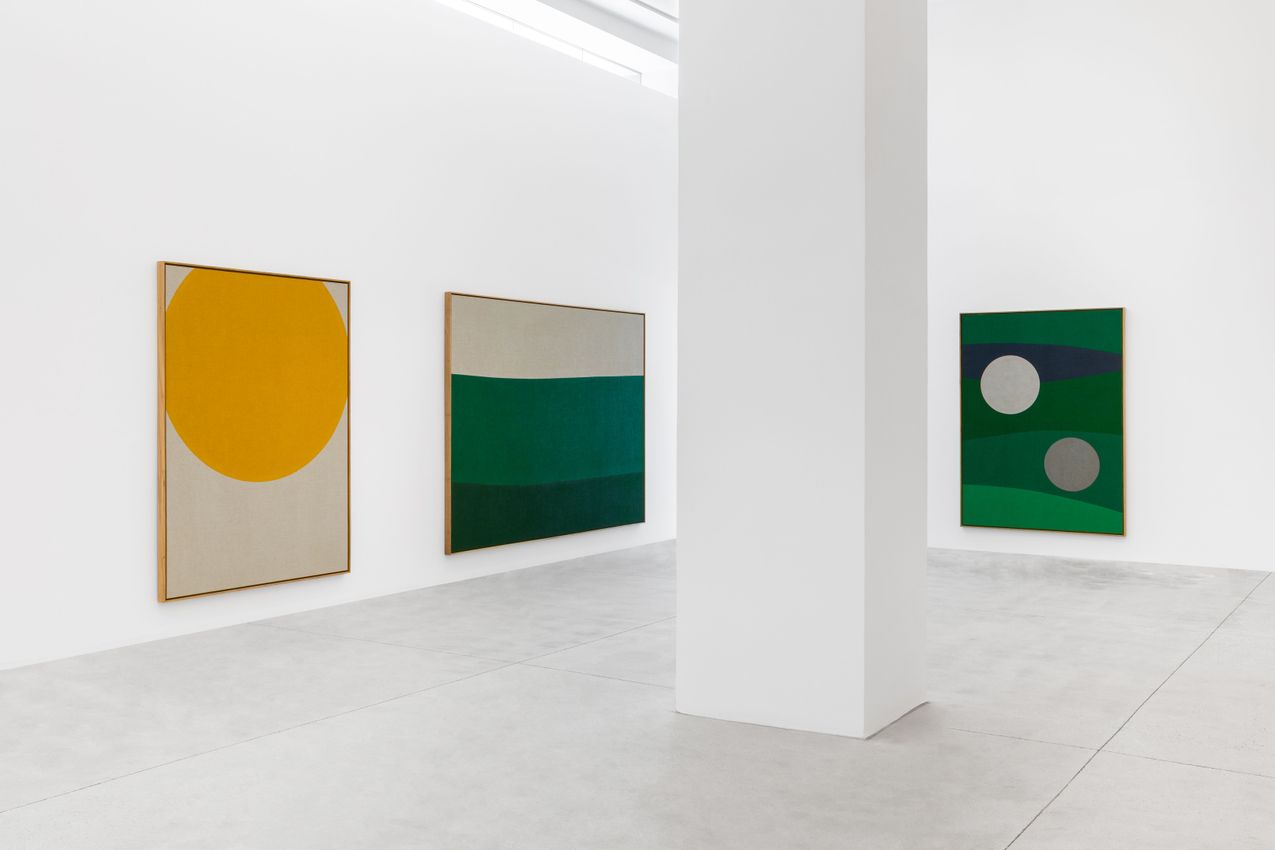
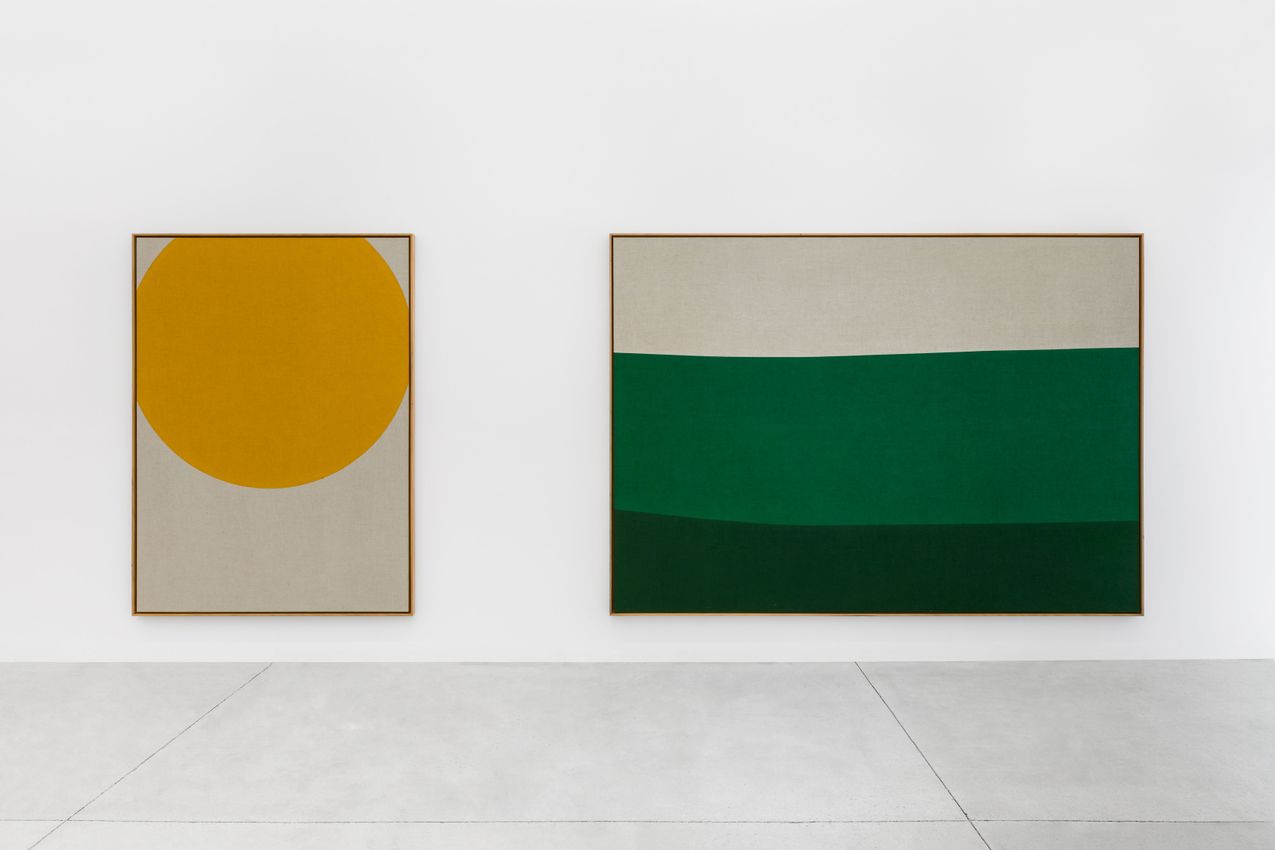
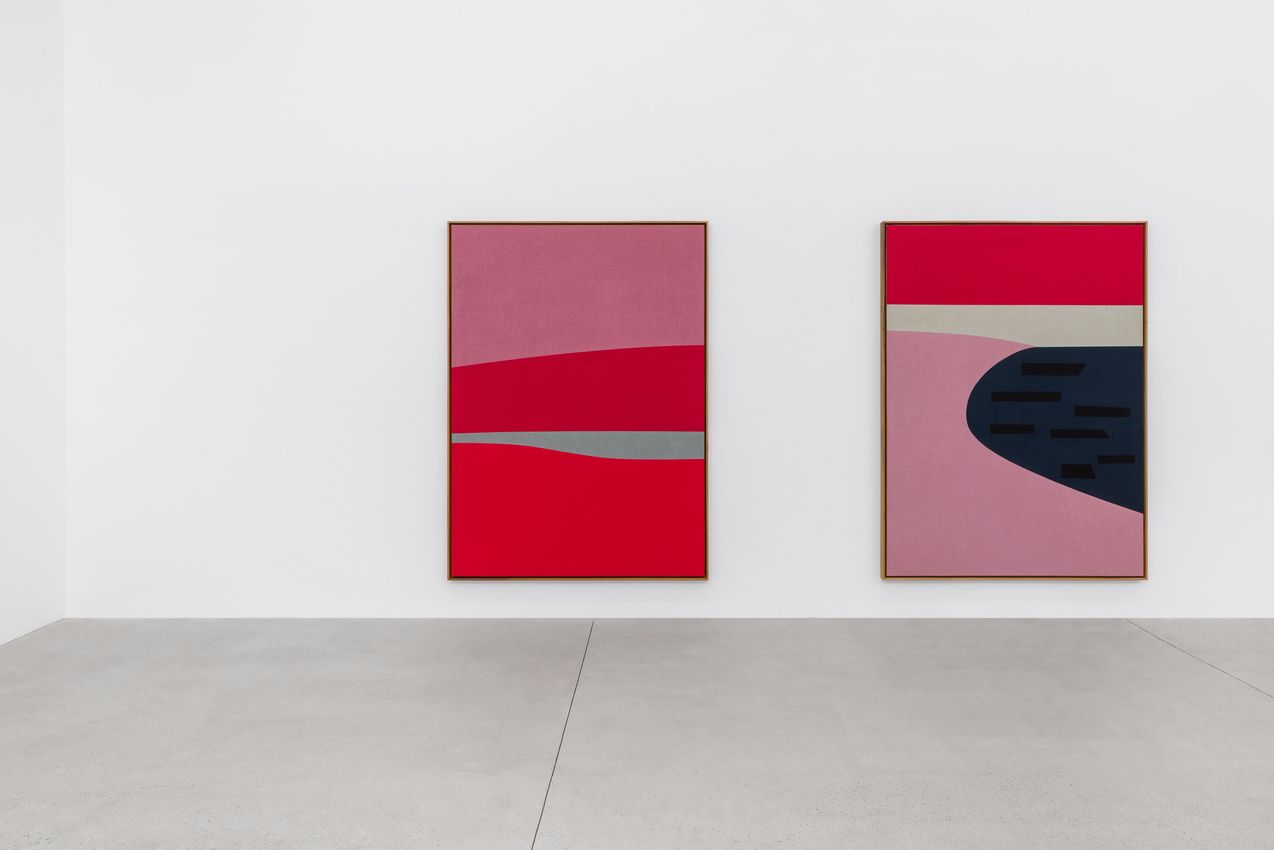
The title of the exhibition refers to the origin of life, around three and a half billion years ago, when the combination of water and light under certain atmospheric conditions resulted in the emergence of green algae, considered to be the first living organism on the planet. For Água (verde), Ballester Moreno starts from the notion of landscape understood as a system in which all the elements have a relationship with each other. The exhibition consists of a new set of large canvases made in acrylic on jute, which function as a setting in which the artist seeks to create an environment through the relationship between each of the paintings and their respective combinations of shapes and colours. According to Palhares: “If, on the one hand, the compositions are reminiscent of the 20th century abstract painting tradition, on the other, they refer directly to the symbolic figuration of nature, providing a poetic game that activates the viewer’s perception.” In his work, Ballester mobilises a series of symbologies related to shapes and colours that are common knowledge. For example, the circle usually indicates a sun or a moon; the triangle can be a tree or a mountain; yellow represents light; blue, water; the combination of both, which is green, corresponds to vegetation and therefore life.
The canvases, although individual works, are exhibited as a kind of panorama made up of a sequence of shots, in which the landscape is captured through the recombination of parts, a characteristic procedure in Ballester’s production. The artist begins his creative process using the handmade technique of paper collage, which serves as a tool for a series of small landscape essays with synthetic shapes and colour combinations. The operation results in compositions marked by the play between opposites that establish a relationship of complementarity (light and shadow, negative and positive, night and day, hot and cold, high and low, and others), which reinforces a sense of ensemble and unity. Palhares adds: “In his artistic practice, Ballester Moreno understands painting as a means of resisting the crisis caused by contemporary individualism and the fragmentation of experience inherent in the technological administration of life, which is why he bets on the potent character of the sensitive world and human perception as a way of reconnecting with nature as a shared space and recognising collective meaning.”
Antonio Ballester Moreno began his practice with video, exhibited his first works in group shows and festivals focused on audiovisual production in the early 2000s. His videos at the time explored elements of the landscape in its broader visuality, with long takes that opened paths to his landscapes in motion. In 2008, Ballester Moreno obtained a research grant to take part in a laboratory at the Museo de Arte Contemporáneo de Castilla y León (MUSAC), and in this workshop he made his first paintings, already pointing to a repertoire that would generate some of his main characteristics: primary colors, an economy of forms, and the exploration of the landscape in its unique elements. During this period, his practices began to converge with motifs oriented towards the manual process, and subsequently his language extended to ceramics and collages.
Although his approach has references in abstraction, Antonio Ballester Moreno’s work evokes compositional aspects, which are evident to the extent that the artist understands his work as relational: hardly any of his canvases (or jute) are painted in a singular way, unrelated to other works. The artist understands them as dialogic, compositional, and panoramic. His work process also investigates art’s ability to transcend boundaries, both those of the artistic environment itself and those of the educational environment, in the direction of what he has described as a practice of “art in small letters”, in which all strata can be received and understood as common ground, reaffirming aspects of his work related to education.
—
Antonio Ballester Moreno was born in 1977 in Madrid (Spain), where he lives and works. He studied visual arts at the Universidad Complutense de Madrid and later at the Universität der Künste Berlin. ****His main solo exhibitions include: THE MOUNTAIN, THE SKY, THE WIND, THE SKY., Tanya Leighton (Berlin, 2024); Nubes (verde), Maisterravalbuena (Madrid, 2023); ANOTHER DAY, Tanya Leighton (Los Angeles, 2022); 10h, Galeria Pedro Cera (Lisboa, 2022); Sin intención, proposito o finalidad, Museo de Arte de Zapopan – MAZ (Guadalajara, 2017); ¡Vivan los campos libres de España!, La Casa Encendida (Madrid, 2017); One Day After Another, Christopher Grimes Gallery (Santa Monica, 2016), and others. His work has taken part in group exhibitions such as: ANIMAL SPIRIT, Marianne Boesky Gallery (Nova York, 2024); Epílogo, Museo de Arte Contemporáneo de Castilla y León – MUSAC (León, 2024); Seeds of Resistence, MSU Broad Museum (Michigan, 2021); Fabula Rasa, Tanya Leighton Gallery (Berlin, 2019); 33rd Bienal de São Paulo: Affective Affinities, in which he was an artist-curator in the nucleus sense/common (São Paulo, 2018); and others. His works are part of collections of museums and institutions such as: Museo de Arte Contemporáneo de Castilla y León – MUSAC (León, Spain); Colección Ella Fontanals Cisneros – CIFO (Miami, USA); Thyssen-Bornemisza Art Contemporary (Barcelona, Spain); Centro de Arte Dos de Mayo – CA2M (Móstoles, Spain); Museo Nacional Centro de Arte Reina Sofía – MNCARS (Madrid, Spain); Olbricht Collection (Berlin, Germany); and others.__
Working with painting, collage, ceramics and installation, Ballester Moreno draws on manual procedures and contemporary pedagogical references to develop his visual vocabulary.

A respected voice in contemporary art discourse.
Focusing on ambitious storytelling and insightful art-world commentary. Ocula Magazine publishes in-depth interviews, critical essays and timely analysis on the artists, exhibitions and ideas driving the global art world.
Learn more about Ocula Magazine
Showcasing the best of the art world.
Ocula partners with galleries from around the world to highlight their artists, artworks and exhibitions. Gallery membership is by application and invitation, with each member vetted by an independent panel.
Learn more about Ocula Membership

Specialises in the sale of major artworks.
Led by a team with deep ties to the world’s leading auction houses, galleries and collectors. Ocula’s advisory team offers bespoke services to high-net-worth clients from around the world who are looking to acquire the best of contemporary and modern art.
Learn more about our team and services