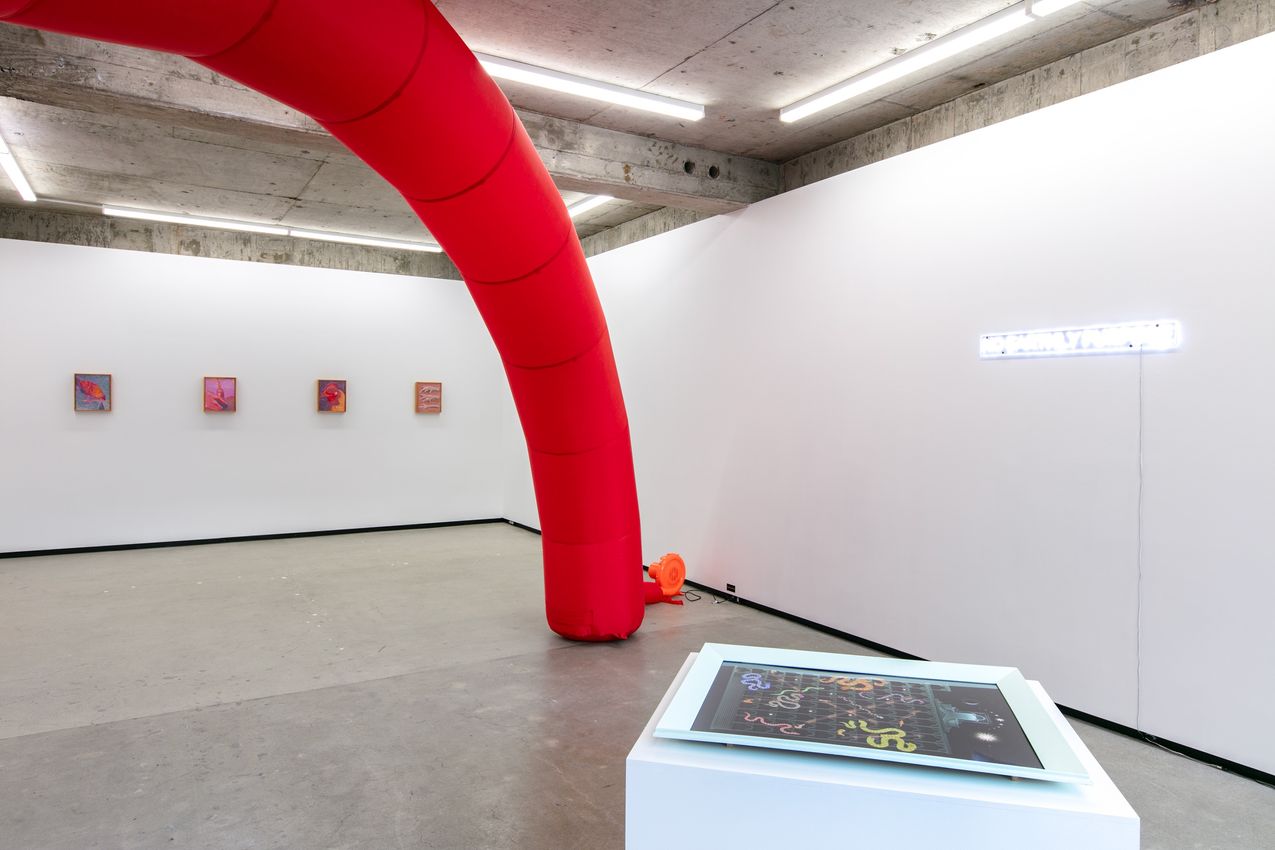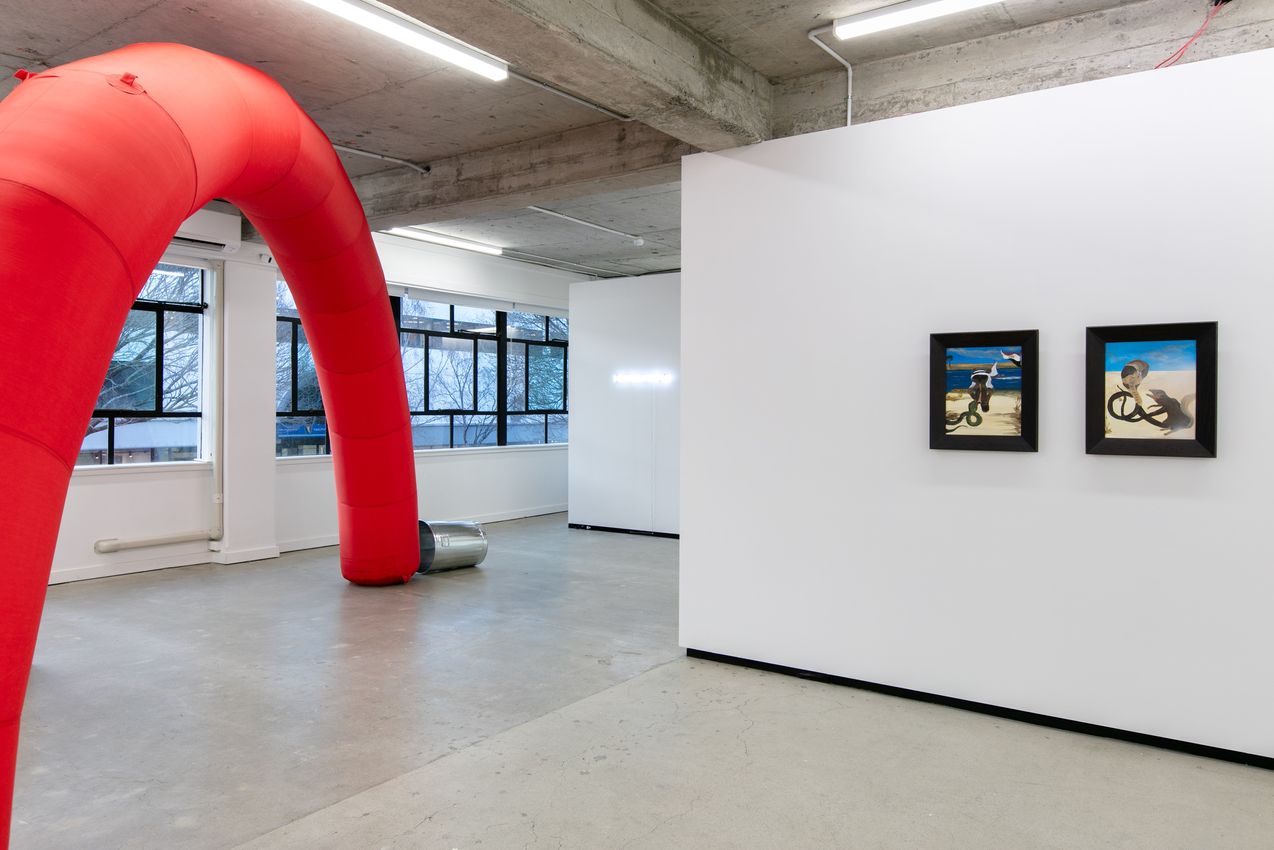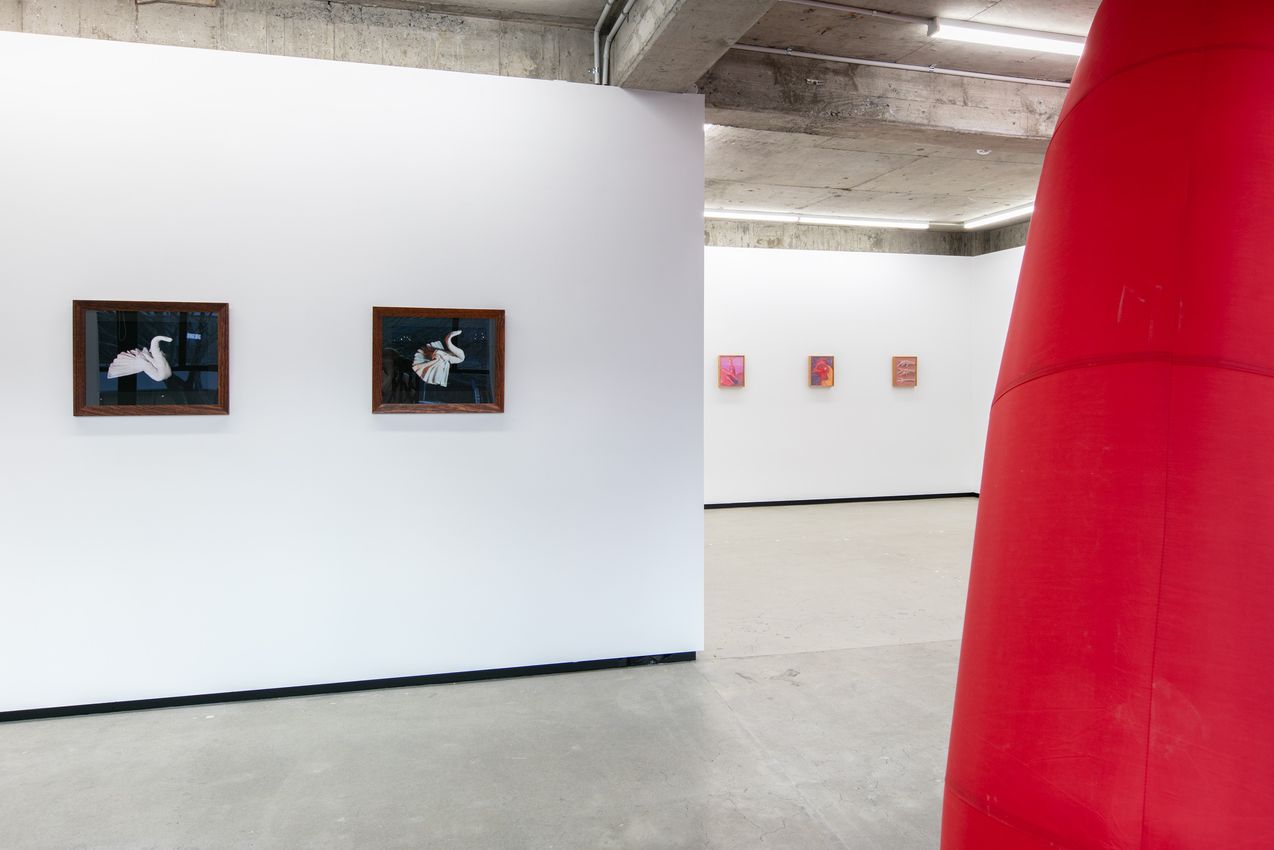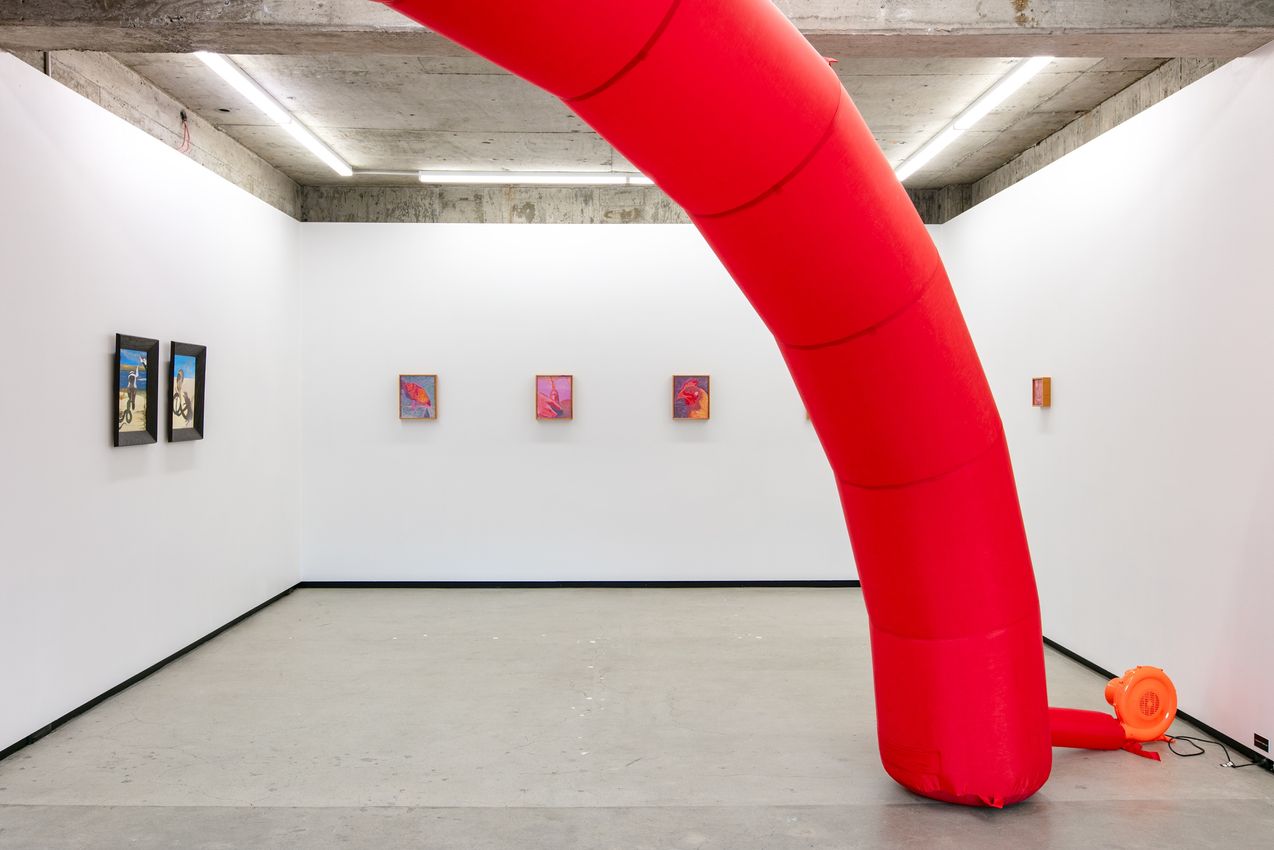
There is a small creature called a mongoose whose nature it is to fight snakes. Whenever they meet, they fight, and when the poison of the snake enters the body of the mongoose through a bite, the mongoose runs away from the fight and goes to smell a certain type of herb. By smelling this particular herb, the poison of the snake is neutralised and the mongoose is restored to health. He then returns to the fight, and this process can go on as long as the fight continues. It is always the snake that is killed.
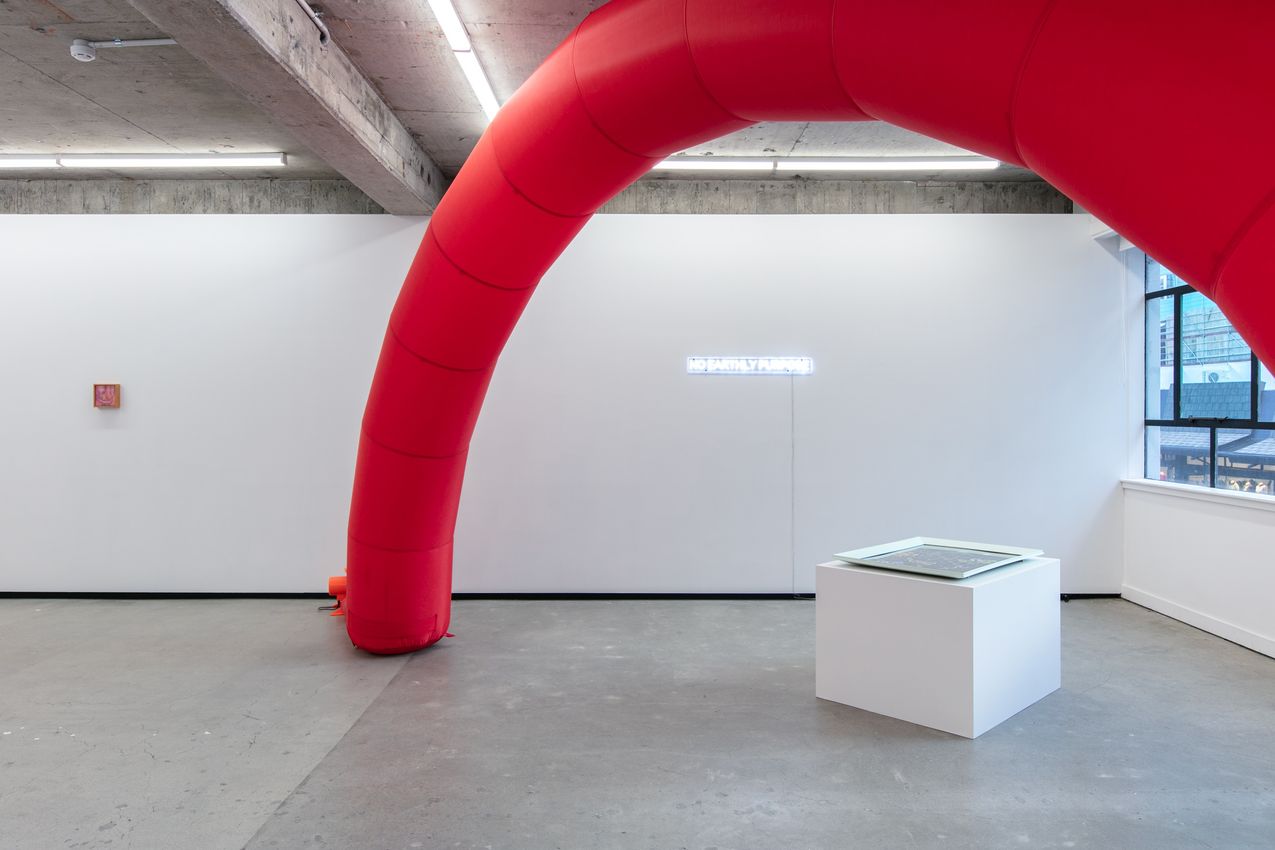
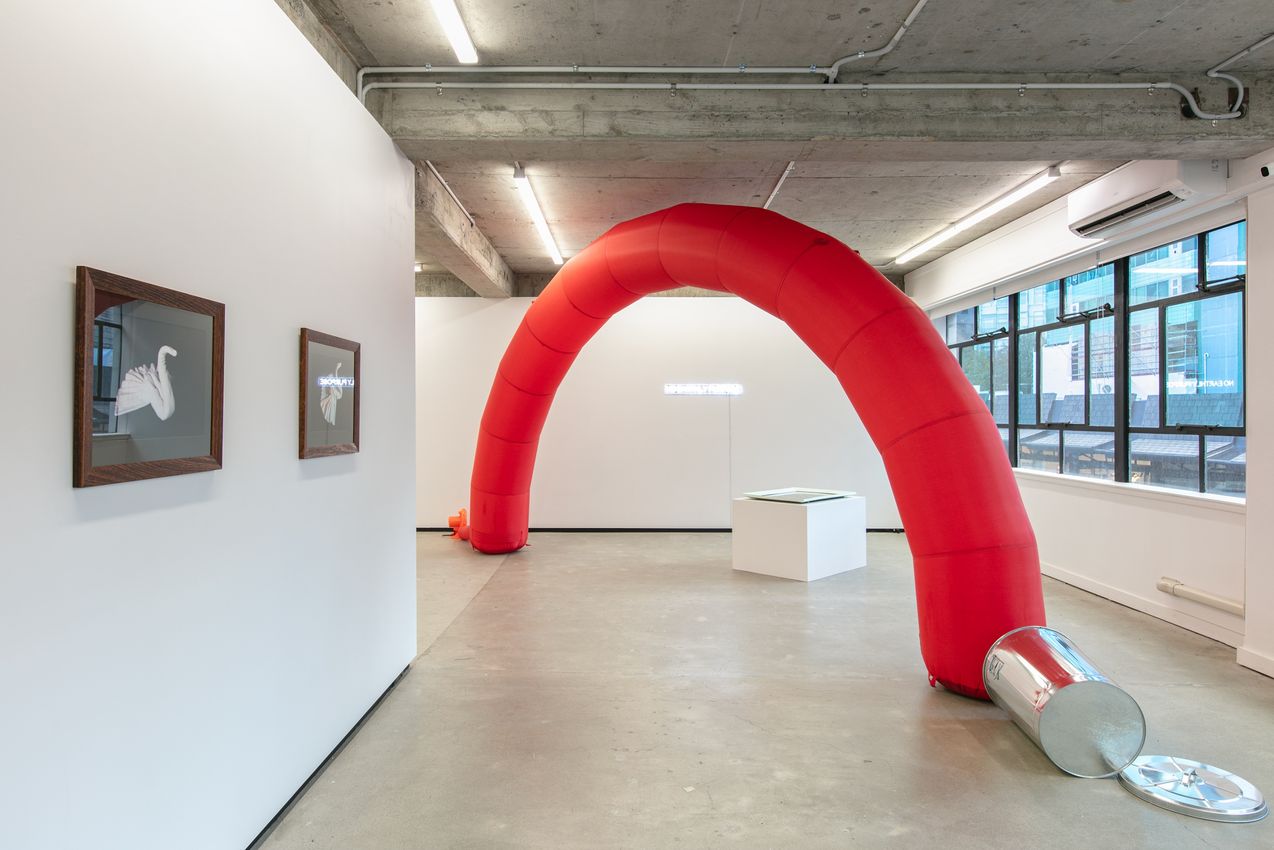
The Mongoose and the Snake takes its departure from a story first seen in the Panchatantra, an ancient Indian collection of interrelated animal fables in Sanskrit verse and prose, arranged within a frame story. This narrative of perpetual struggle highlights the dynamic interplay between opposing forces that define and sustain one another—each cannot exist in its totality without the other.
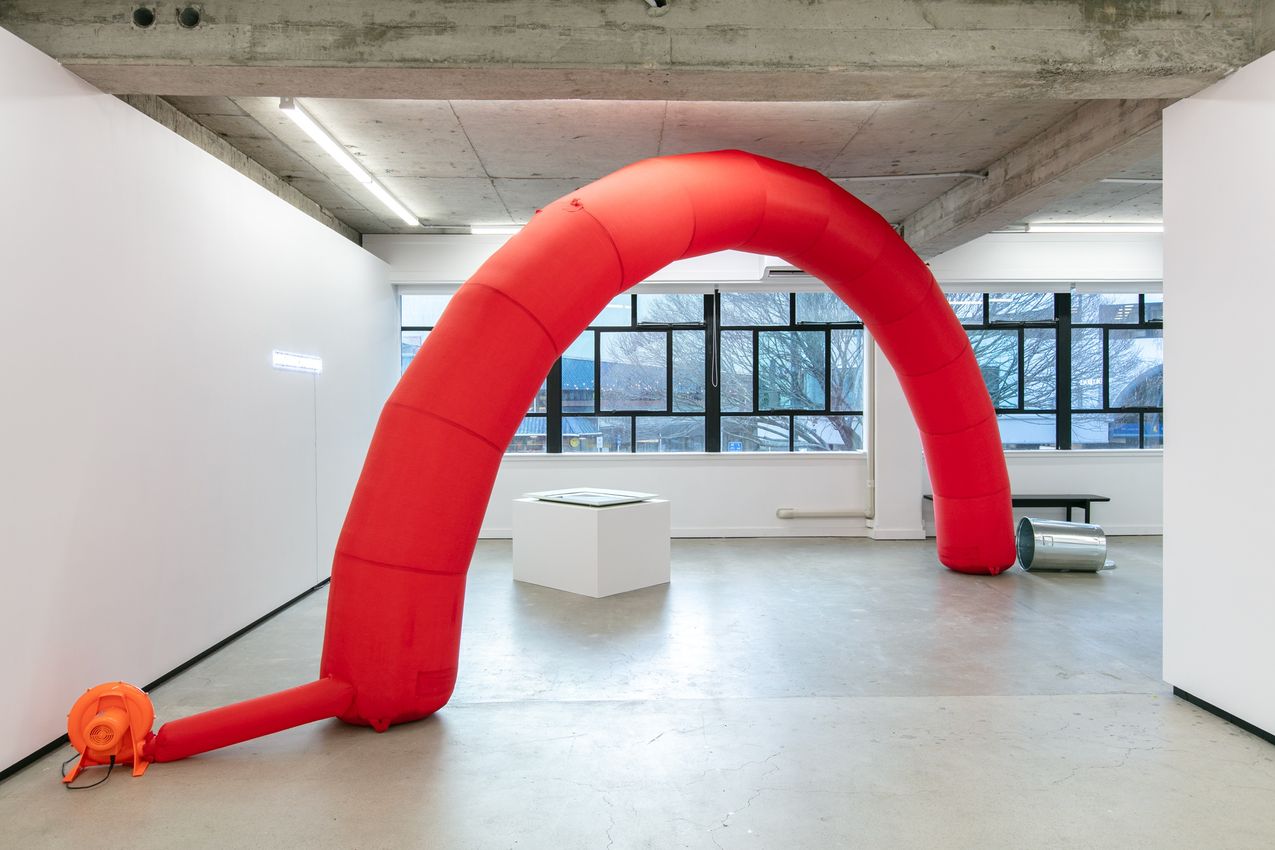
Curated by Elisabeth Pointon, this exhibition features work by Dr. Gwyn Easterbrook-Smith, Robbie Handcock, Kane Laing with support from Dani Terrizzi and Allan Clayton, Elisabeth Pointon, and John Sturgess, who at different stages in their careers and practices challenge power relations, pose alternative meanings, and at times evoke comfort and hope.
Pointon’s practice is founded on institutional critique, and as such has used this exhibition as an opportunity to highlight the potential for collective understanding and action. Like many of her works, there are multiple references to her experiences as a queer, Indo-Fijian and Pakeha artist living, working, and making in Aotearoa.
In this exhibition, Pointon uses text that looks into this idea of cosmic balance. Dr. Gwyn Easterbrook-Smith, a sex worker and academic, examines how various forms of labour are perceived and represented. Robbie Handcock returns to the studio revisiting mediums, approaches, and what they might do differently now. Drawing on his diverse experience as a visual artist and curator. Kane Laing introduces a nuanced reinterpretation of a traditional game, reconsidering its historical and cultural layers. John Sturgess adds a touch of whimsy and personal history, weaving his vivid imagination and unique flair into works that nod to the exhibition’s central conflict.
Elisabeth Pointon is a contemporary artist. Born in 1992, she lives in Te Whanganui-a-Tara, Wellington.
Jhana Millers Art Gallery was established in 2018 in Te Whanganui-a-Tara, Wellington to showcase compelling and innovative contemporary art and promote emerging local talents. Housed in the listed Mibar Building, fitted with large windows and a concrete ceiling, the gallery provides space for solo and curated group exhibitions.

A respected voice in contemporary art discourse.
Focusing on ambitious storytelling and insightful art-world commentary. Ocula Magazine publishes in-depth interviews, critical essays and timely analysis on the artists, exhibitions and ideas driving the global art world.
Learn more about Ocula Magazine
Showcasing the best of the art world.
Ocula partners with galleries from around the world to highlight their artists, artworks and exhibitions. Gallery membership is by application and invitation, with each member vetted by an independent panel.
Learn more about Ocula Membership

Specialises in the sale of major artworks.
Led by a team with deep ties to the world’s leading auction houses, galleries and collectors. Ocula’s advisory team offers bespoke services to high-net-worth clients from around the world who are looking to acquire the best of contemporary and modern art.
Learn more about our team and services