

The art world in focus
Subscribe to our newsletter for news and insights on artists, galleries and exhibitions.
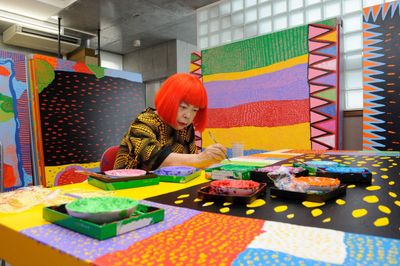
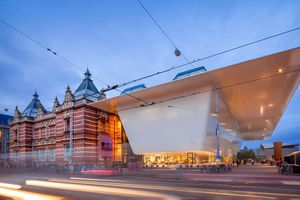
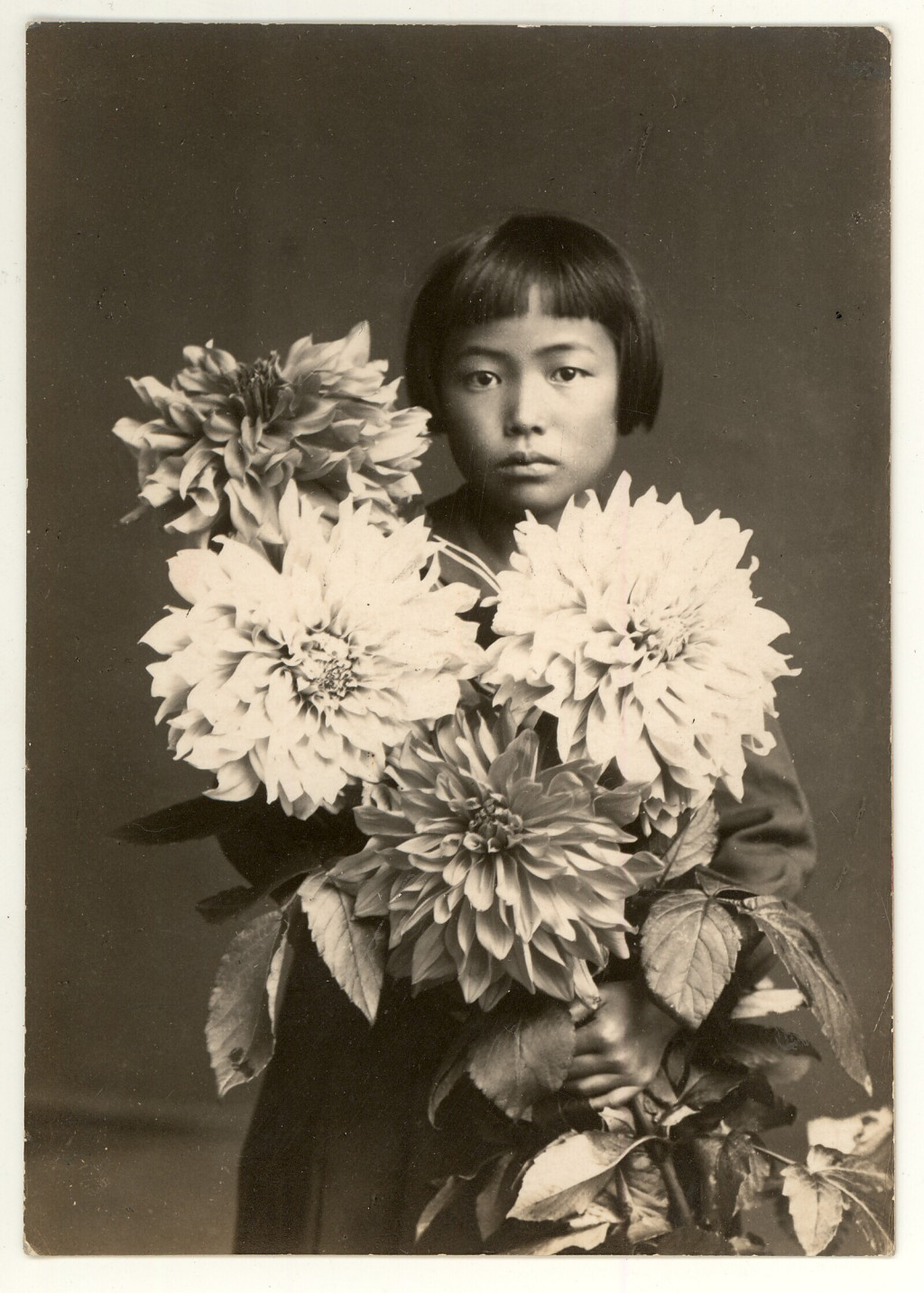
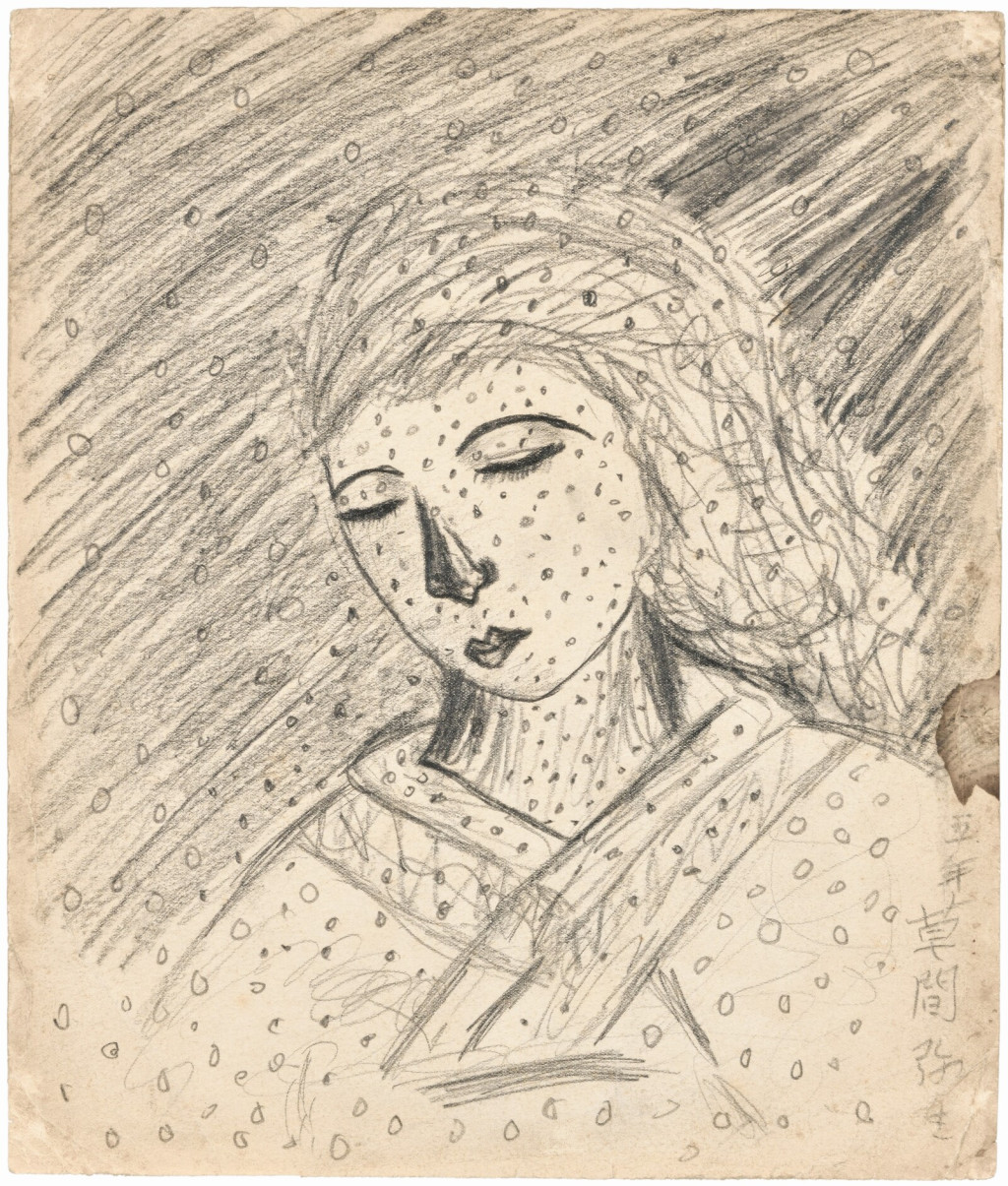
To at once assert the self and to obliterate it was the central aim of Yayoi Kusama’s work. The Stedelijk Museum in Amsterdam has mounted a major retrospective of the artist’s practice, from drawings made when she was five years old to her final series of paintings, completed well into her nineties. In those early drawings, we can see Kusama asserting the boundaries of her body, of her subjectivity and, in the same moment, dissolving those boundaries. A portrait of a young mother sketched in graphite shows a woman in a moment of stillness and contemplation, her skin and clothing covered in polka dots, which extend into the dark background.
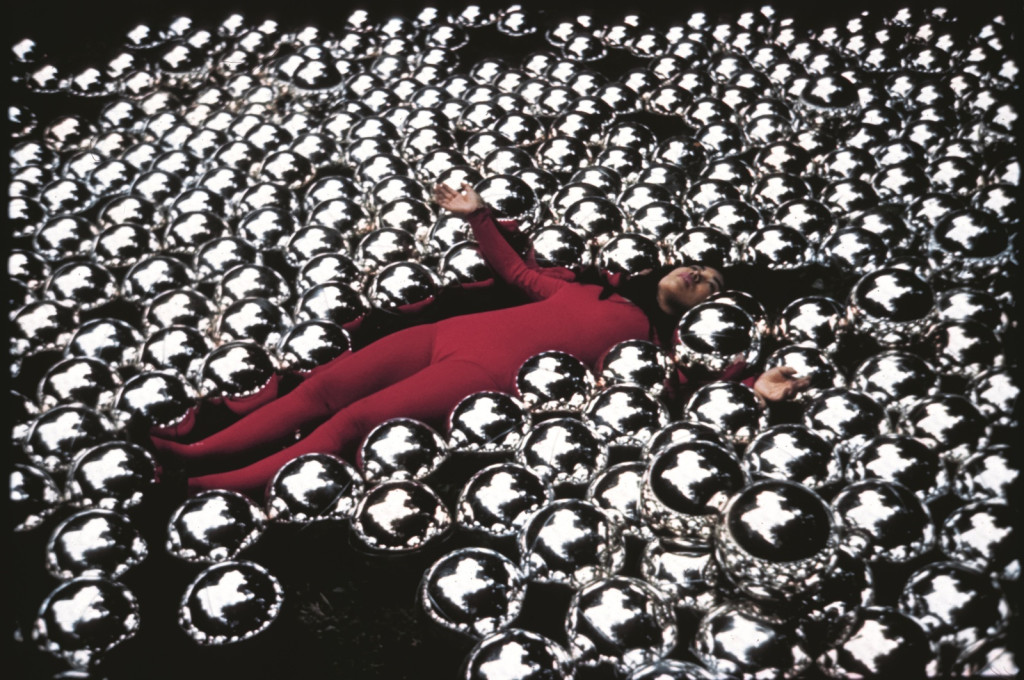
Much has been made of Kusama’s long years of mental health issues, including auditory and visual hallucinations, and her decades hospitalised in Japan during the 1970s after she left the United States . She saw the world as covered with polka dots, or with infinity nets, and she worked through those altered perceptions in paint and in sculpture, with mirrors and lights and clothes. It is rare, perhaps, and certainly moving, to witness an artist so unrelenting in her central question, posed again and again across decades of work: where does the self end, and the world begin?
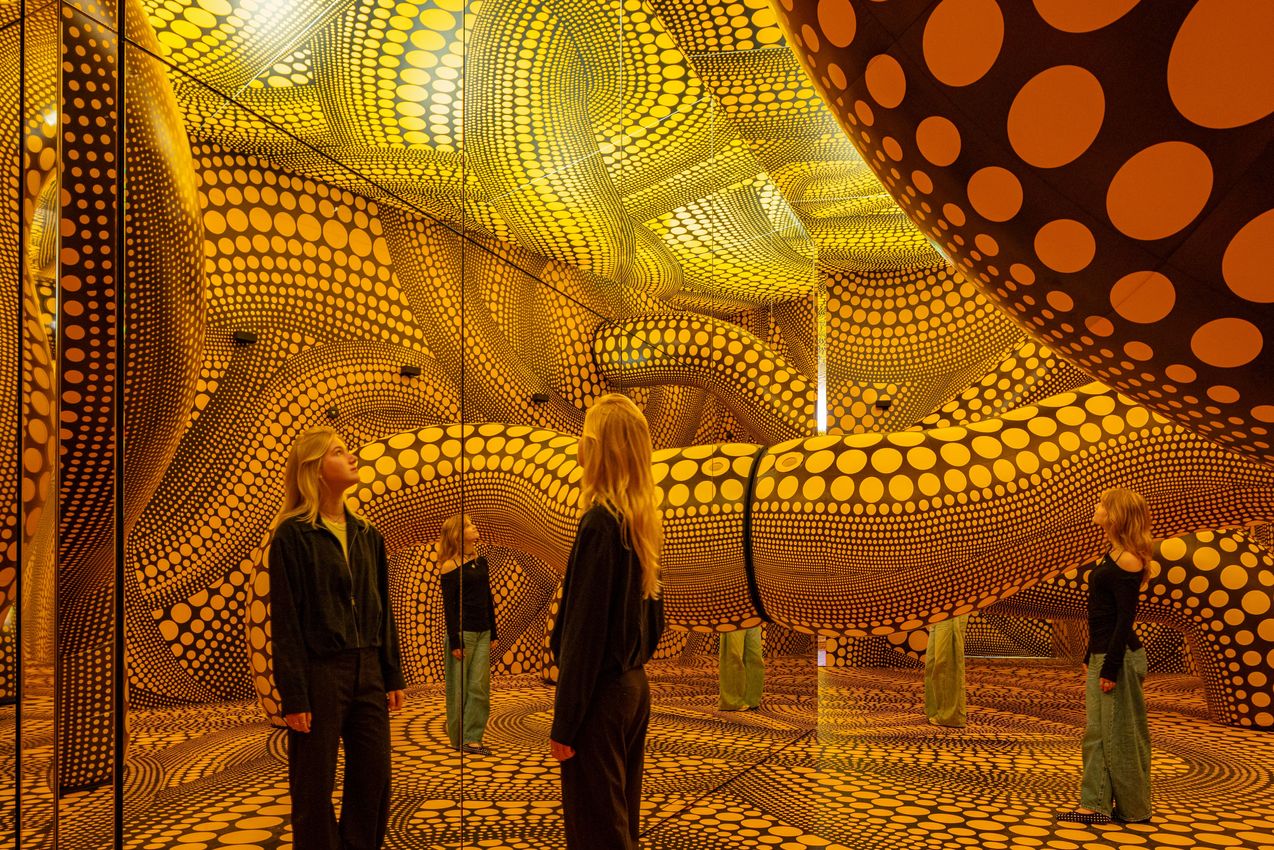
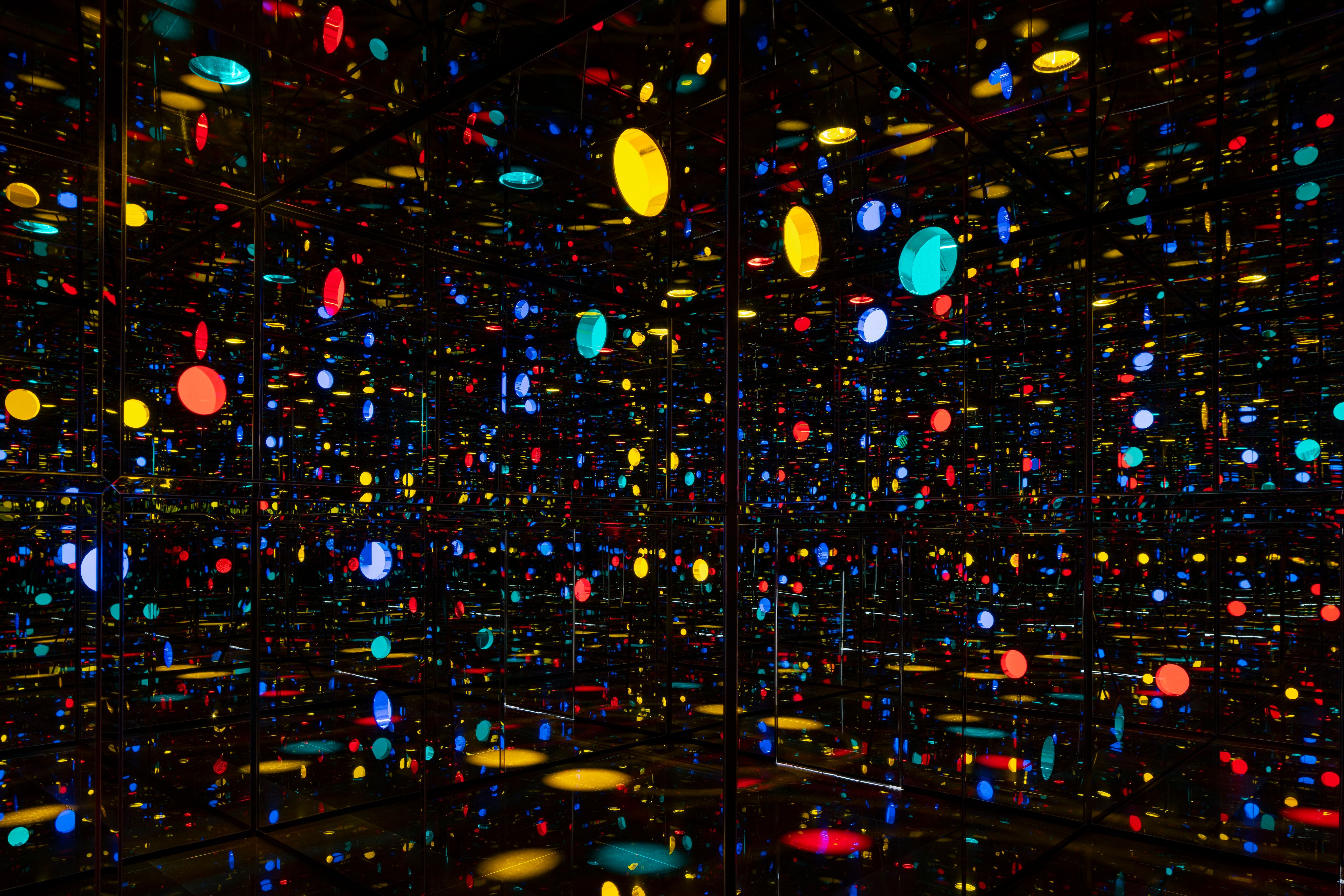
Through large-scale immersive installations of mirrored boxes (some of her best-known works), Kusama choreographs this effect of dissolution upon the body of the viewer. And museum audiences cannot get enough of it. The lines at the Stedelijk to step into her Infinity Mirrored Room—Illusion Inside the Heart (2025) are long; we are allowed around 20 seconds each, alone, inside. Just long enough to take a selfie, I suppose, is the cynical view.
In the photo I snapped inside, the coloured lights illuminate my clothes and skin; they refract into the mirrors behind, creating an illusion of endless space. I must stoop down to enter the installation—“be modest, and humble”—in order to experience the boundlessness of what Kusama has called her “subtle planetarium”, says the accompanying exhibition catalogue. I watched people bump their heads on the way in.
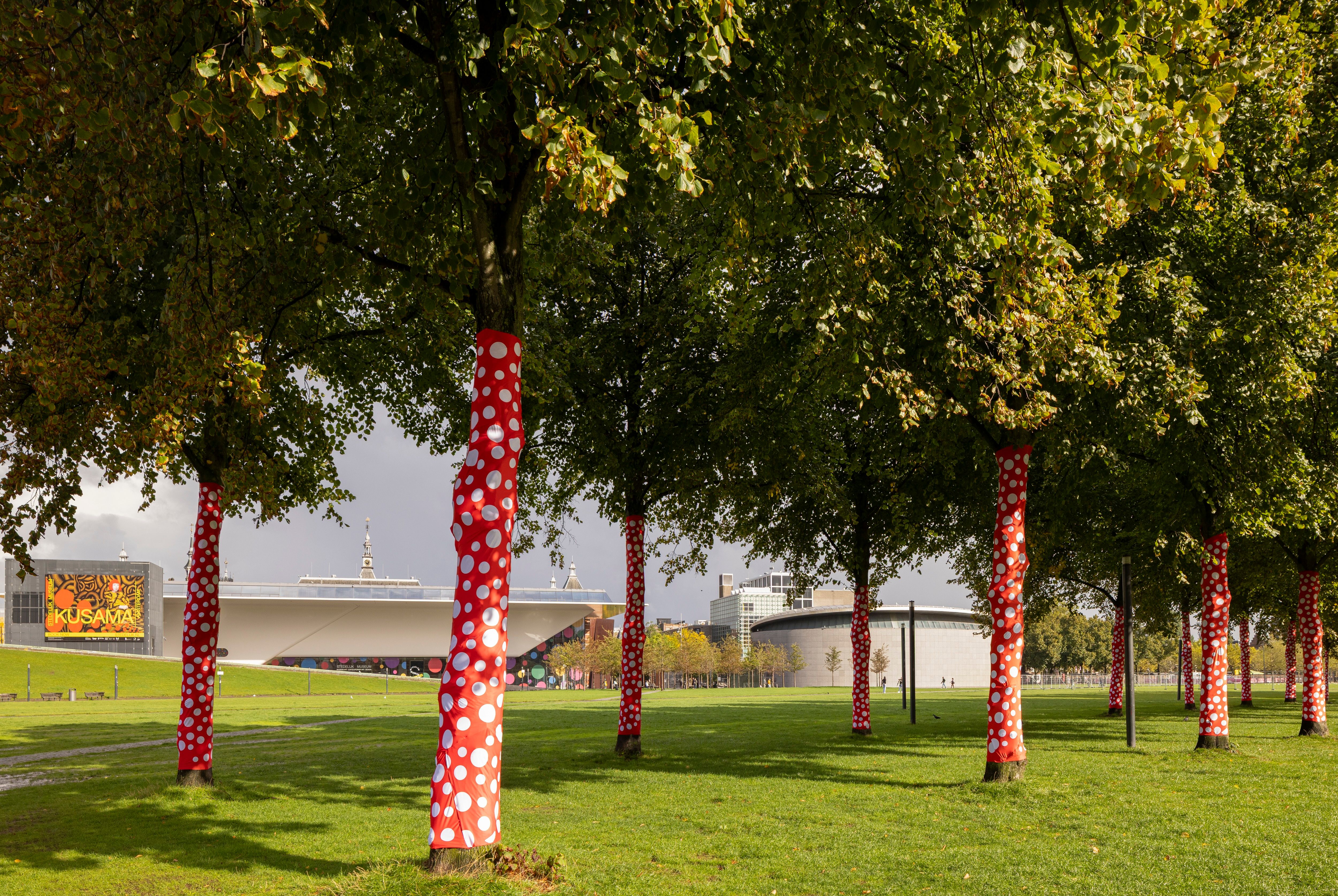
There is something ironic about taking a selfie in an installation meant to make us question our own individuality, just how separate we are from our environment. But it was hard to maintain that cynicism in the queue, as I watched people waiting patiently in polka-dotted shirts and dresses for the occasion—and this exhibition is an occasion. These spotty clothes, worn out of devotion or to deepen the effect of the installations, are in keeping with Kusama’s own dedication to fashion and bodily immersion into her work.
At the Stedelijk I found myself drawn to the artist’s textiles and soft sculptural works, which followed on from her Infinity Net painting series. These paintings are a highlight of the show: epic in scale, but intricate in texture, obsessive abstractions of mesh; the series made her reputation among the Minimalist painters of New York City’s avant-garde art scene during the late 1950s).
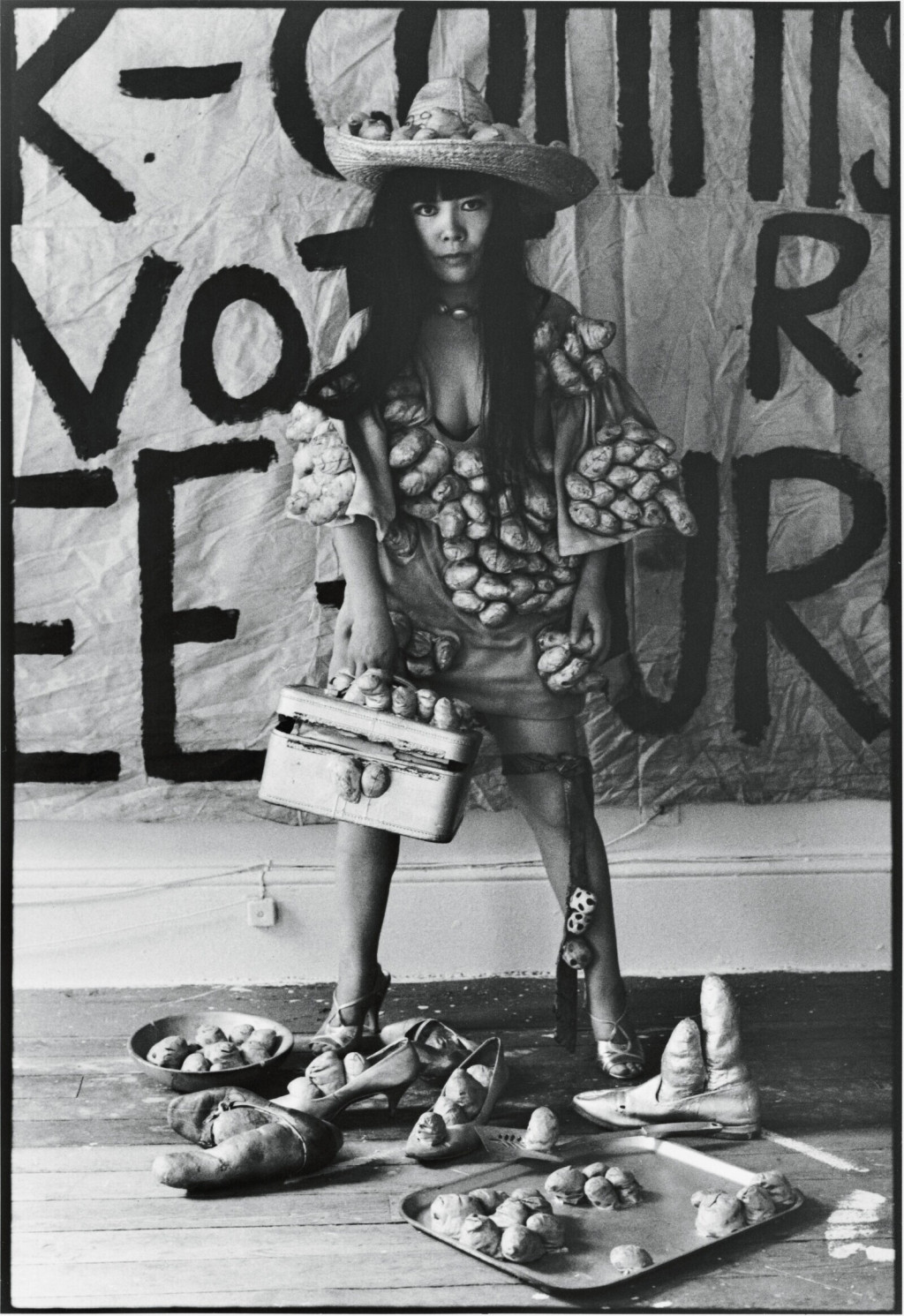
Soon after, Kusama turned to sculpting forms in fabric with a repeating phallic motif, her Accumulation sculptures from the early 1960s. These are gorgeous, witty and strange: a chair densely covered with soft phallic forms, painted a dirty white; pairs of high-heeled shoes sprouting them; a mannequin seemingly growing bulbous reproductive organs; erupting dresses, spray-painted with a dull metallic silver. Kusama has described her fear of male sexuality, a consequence of her mother sending her to spy on her father’s extramarital affairs. “I had a fear of sex as something dirty,” she wrote in her 2012 autobiography Infinity Net: “I make the objects because they horrify me.”
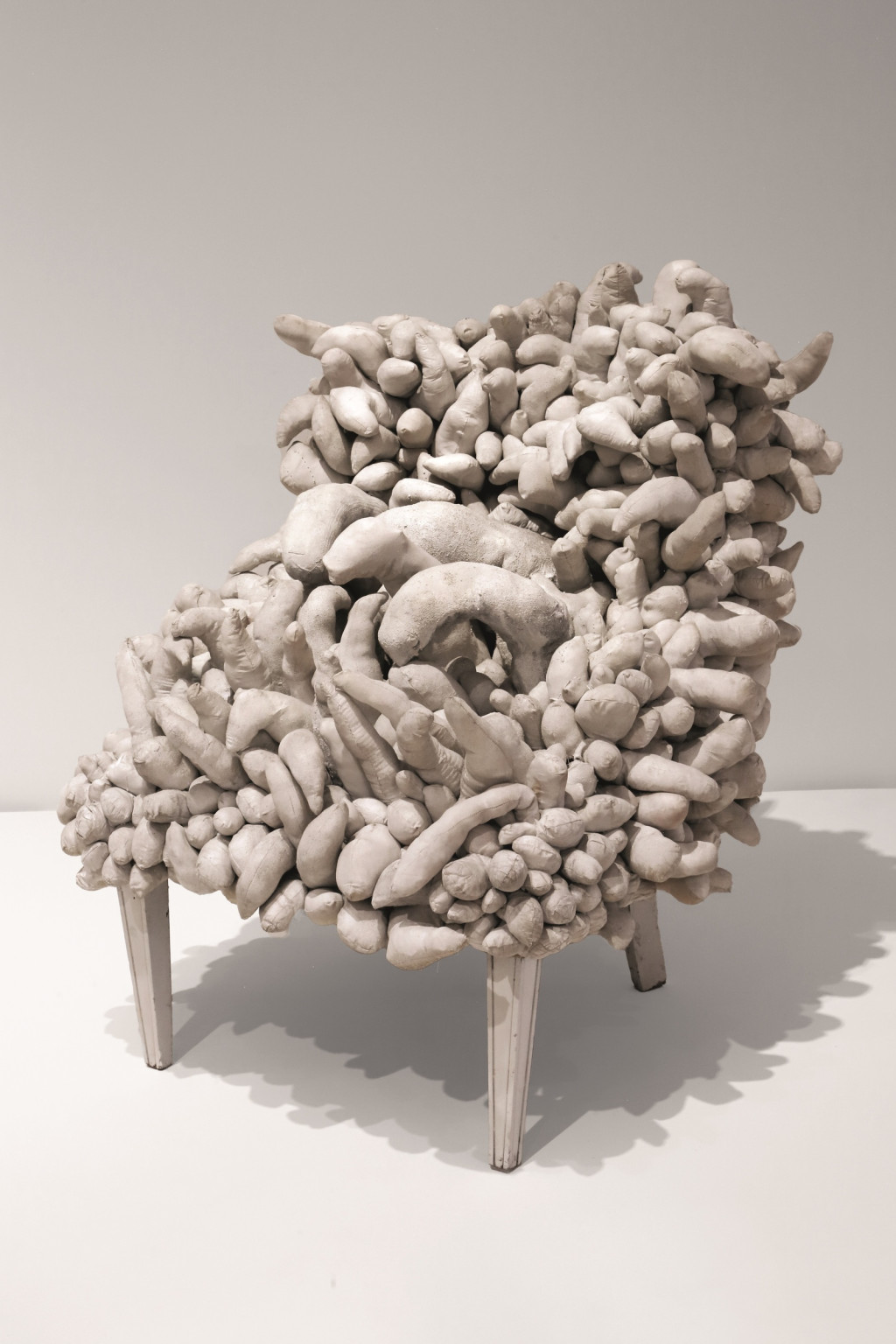
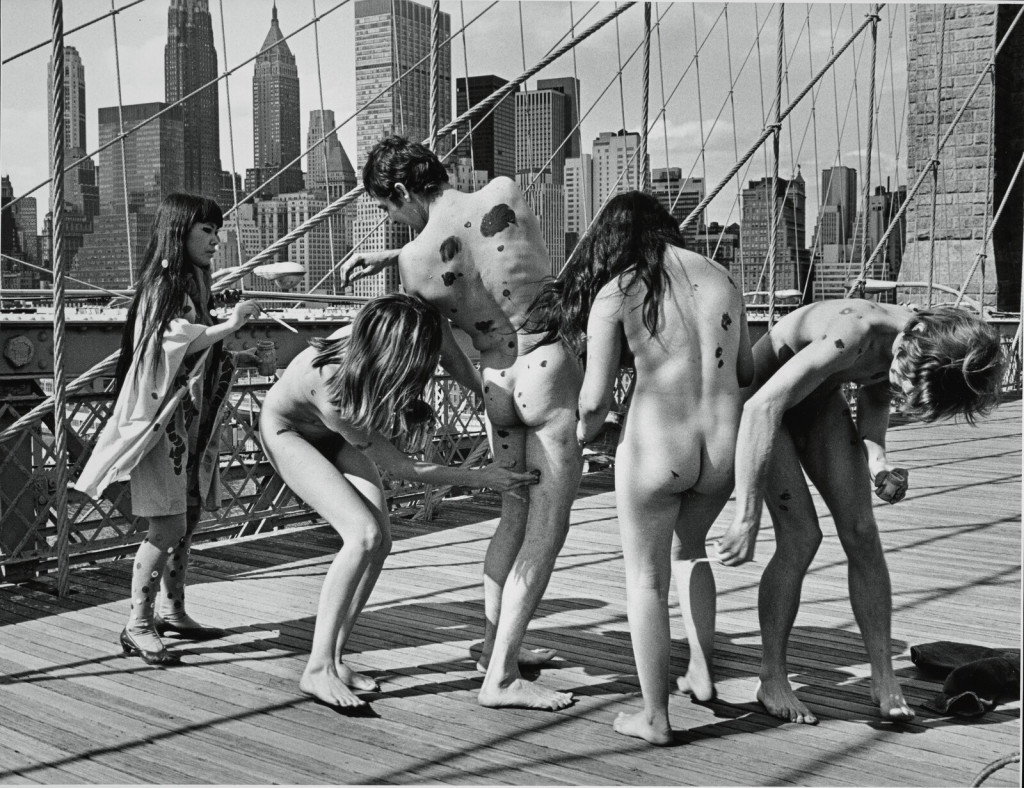
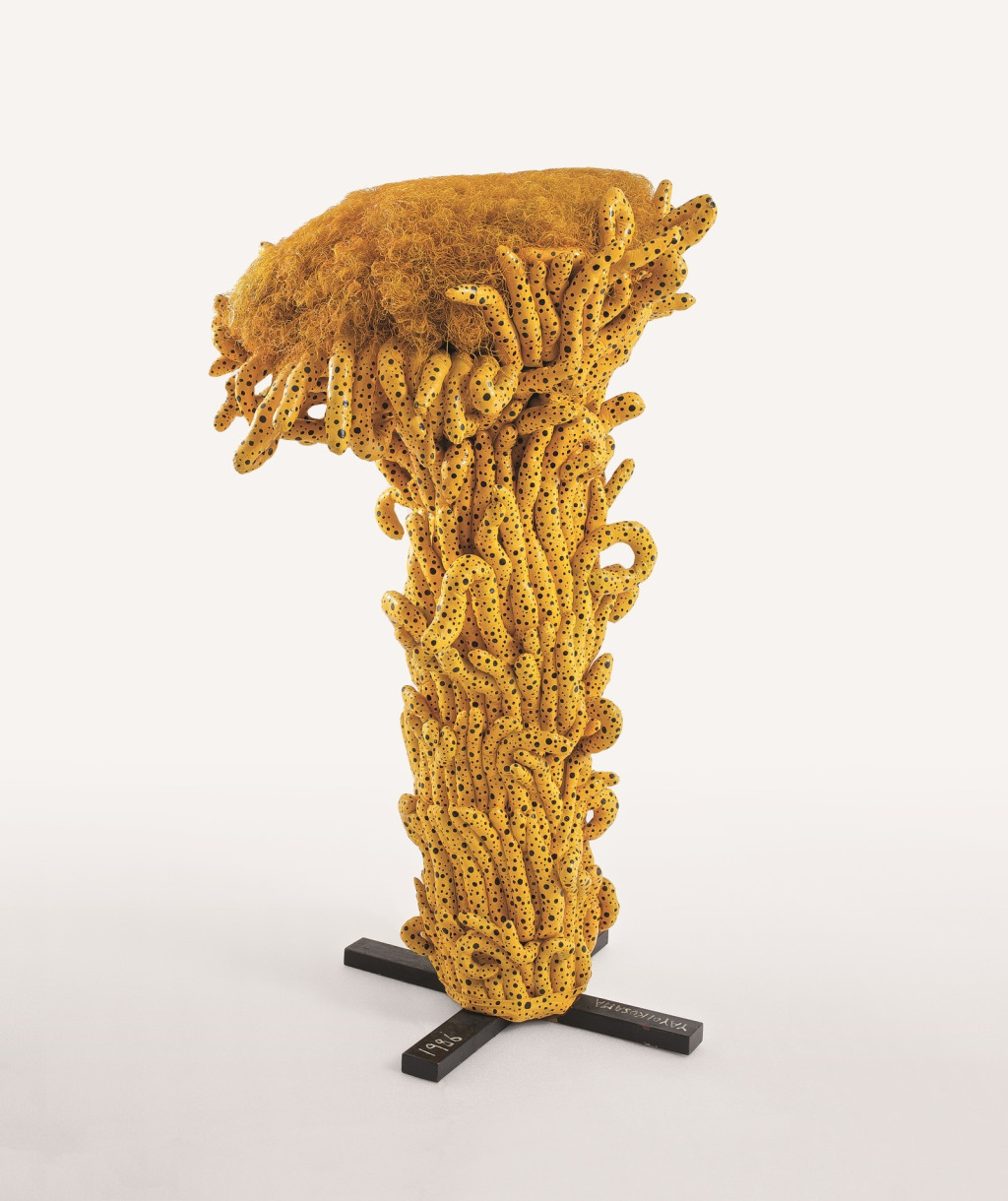
Through repetition, the Accumulation sculptures have the effect of neutralising the power of male sexuality, making this symbol of male potency essentially comic. Kusama’s soft, sprouting forms create a feeling of absurdity, stripping away the dominance of the individual. There is vulnerability, too, in the juxtaposition between the softness of the fabric forms, sometimes only loosely stuffed, and their covering with metallic spray paint: how thin the sheen of masculinity turns out to be.
Kusama has written of her compulsion to make more and more soft sculptures: “I make them and make them and then keep on making them, until I bury myself in the process. I call this ‘obliteration’.” She obliterates her own body and the bodies of others, their uniqueness and individuality—an individuality she associates with horror—through repetition, patterning, extensiveness.
I wondered why so many people seek out a sliver of that experience of self-obliteration, stepping into Kusama’s mirrored rooms or gazing for long enough at her Infinity Net paintings that we begin to feel “dizzy, empty, hypnotic,” as she writes. We seem to want to experience destabilising changes in perception—perhaps we are offered a moment of relief from ourselves.
In the collage Accumulation of Letters (1961), Kusama glued together hundreds of cut-outs of her own name printed on exhibition invitations. This Accumulation is a self-portrait with no self at its core; repeated so many times, the specificity of her name collapses, the link between self and its representation severed. It is a burden to be yourself, she seems to say, especially to be yourself as an artist in the public eye.
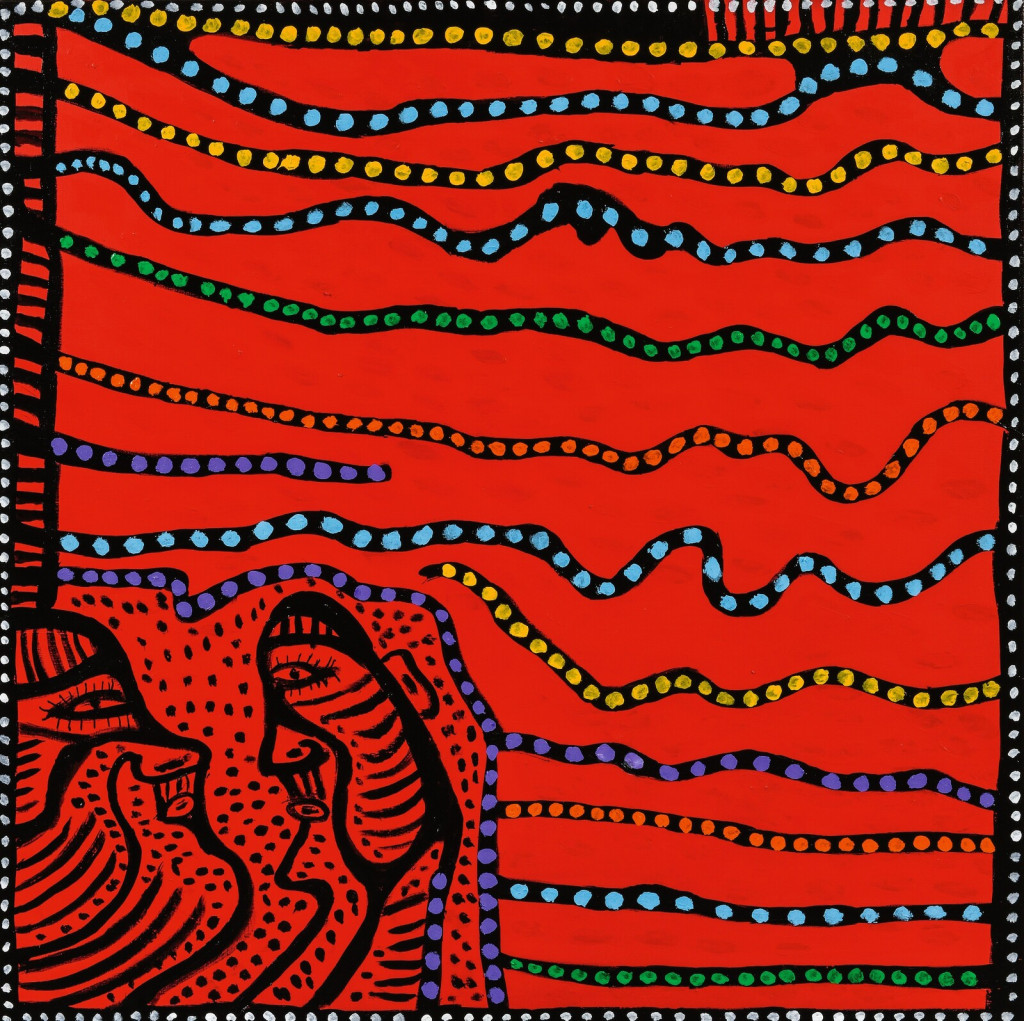
Kusama’s final major series of paintings, which she worked on until her death, is titled Every Day I Pray for Love (2021–2026). She wrote again and again about a universal idea of love that underpinned much of her practice: love without an other, without selfhood, eternal. In its visual incarnation it is beautiful: a series of square canvases, covered in nets, faces and texts. I was drawn to Kusama’s works that put this universal philosophy into dialogue with intimacy, as in her I’m Here, but Nothing installation (2000), an ordinary living space where the floor and walls and ceilings and household objects are covered with stickers that glow bright under a black light. Viewing this piece, I understood that Kusama sought to replicate the vastness of a starry sky on the scale of the human body: a kind of vastness we could walk into, or that we might bump our heads on.
My favourite work at the Stedelijk was Kusama’s altogether humbler Leftover Snow in the Dream (1982), a series of 14 open-topped boxes, each one stuffed with squishy, bulbous textile sculptures, their forms locked in weird vegetal embraces. I felt like I had lifted up a rock and was peering into the slimy sex lives of some prehistoric creatures. I was probably meant to feel like a voyeur—like Kusama felt, perhaps, sent as a child sent to spy on her father, but I found these organic forms represented a less exalted kind of love, on a scale that I could comprehend, unlike the remoteness of those cold, mirrored surfaces and their scattered lights like stars.
At its best, Kusama’s work allows us to peer into the altogether more embodied, more difficult, more compromised forms of intimacy that bind us here on earth.
A respected voice in contemporary art discourse.
Focusing on ambitious storytelling and insightful art-world commentary. Ocula Magazine publishes in-depth interviews, critical essays and timely analysis on the artists, exhibitions and ideas driving the global art world.
Learn more about Ocula Magazine
Showcasing the best of the art world.
Ocula partners with galleries from around the world to highlight their artists, artworks and exhibitions. Gallery membership is by application and invitation, with each member vetted by an independent panel.
Learn more about Ocula Membership
Specialises in the sale of major artworks.
Led by a team with deep ties to the world’s leading auction houses, galleries and collectors. Ocula’s advisory team offers bespoke services to high-net-worth clients from around the world who are looking to acquire the best of contemporary and modern art.
Learn more about our team and services