

The art world in focus
Subscribe to our newsletter for news and insights on artists, galleries and exhibitions.
Art people, myself included, love to complain. Personally, at the start of last week, I was exhausted after booth-girling for 243 Luz & Co at Frieze London’s Focus section, where the gallery presented works by London-born artist IW Payne. I was disappointed by a succession of sub-par soirées; overwhelmed, frankly, by the scrums of influencer-adjacent teenagers at oversubscribed art-week afterparties, and sufficiently poisoned by batch-made, vermouth-heavy vodka martinis left sitting out all night in unchilled coupes. Instead, I retreated most evenings to slurp on blushing cosmos in more discreet company. Still, I threw all my unworn outfits into my carry-on, convinced, somehow, that Paris would be different.
The same weekend the art people quit London for Paris, the wave of student protests—initially mobilised last month around poor conditions in schools and the rising cost of living across France—surged into a night of violence. Social media was littered with neatly framed shots of torched vehicles and Marianne (the figure atop the central Monument à la République, an allegory of the Republic, inaugurated in 1883) donning an oversized gilet jaune, together with all manner of takes, from declarations of presence and proximity to moments of genuine solidarity.
“We are the descendants of the Algerians you couldn’t drown” was the translation offered by several accounts that re-shared an image of cursive graffiti on the side of a building. The inscription referred to the brutal suppression of a peaceful demonstration against the Algerian War, when the police beat and killed scores of protesters, some of whom were thrown into the Seine, exactly 65 years to the day, on 17 October 1961.
People were also very unserious. French girls tweeted their bewilderment as strangers handed out looted sanitary products from Carrefour—“the best ones”, at that. Meanwhile, on Instagram, a notorious art-world troll and figurative painter mused over the operations of the Parisian boosters (shoplifters): “So can someone please let me know if the ppl of France loot the miu miu or Prada store? I’m still looking for a fall jacket and would love to have the opportunity to get one for free.. thx!”
When an independently wealthy dealer posted “eat the rich” graffiti to his public story without a trace of irony, I took a screenshot and sent it to a friend. “He realises he’s ‘the rich’, right?” It was all very on the nose, and I hadn’t even seen any art yet.
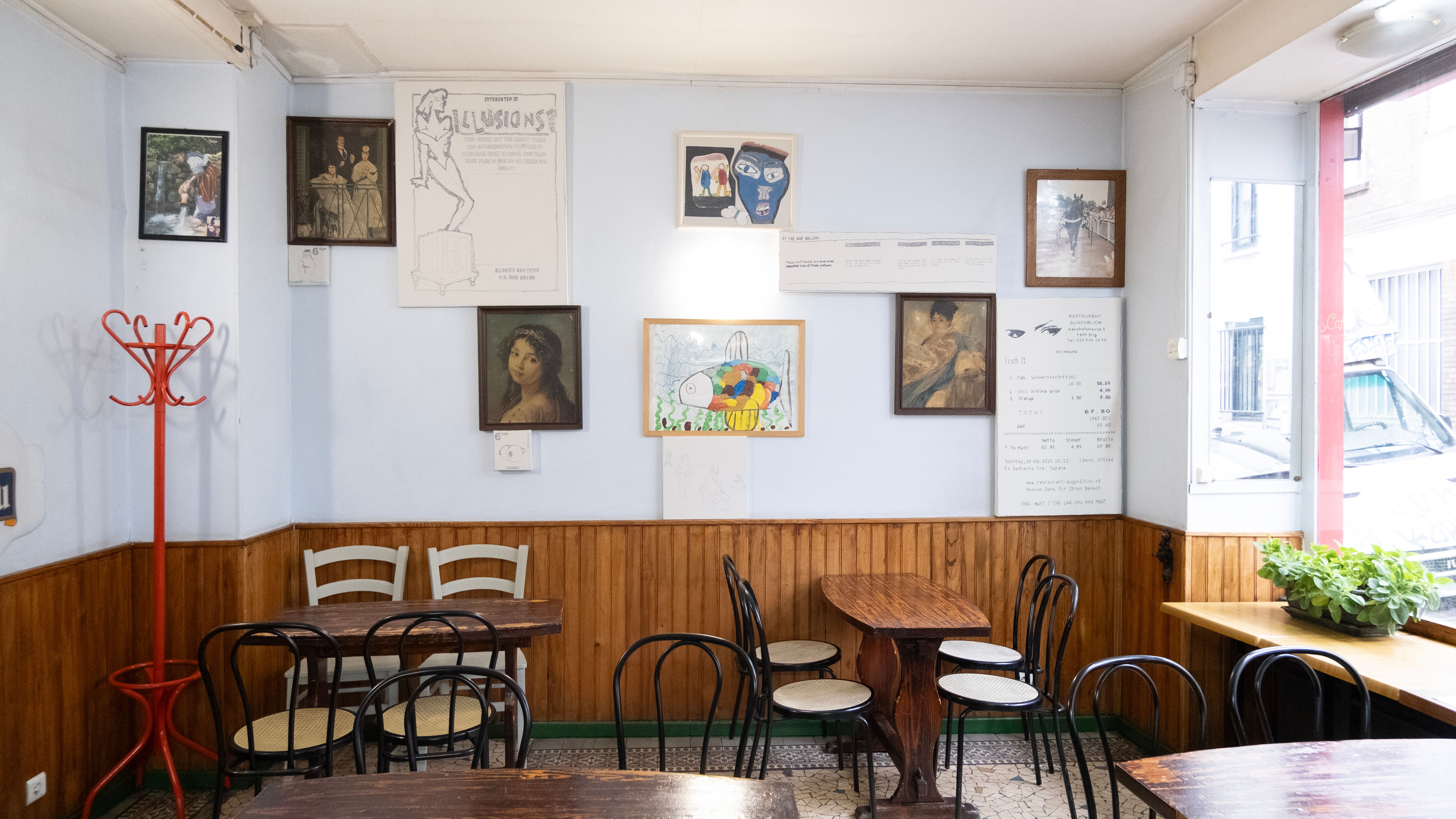
Things appeared to have calmed down by the time I landed in Paris on Tuesday evening. I dropped my bags at the sixth-floor Belleville pied-à-terre of Belgian graphic designer Sophie Keij, and we strolled over to Mizrana Bar, an unassuming local boozer where the Cavalli Basel girls Alma Libera and Livia Rasku, in collaboration with Milan’s Martina Simeti gallery, had organised L’arcano, a presentation of monochromatic works combining fragments of printed ephemera and marker drawings on cotton by Italian-born, Paris-based artist Costanza Candeloro. I wanted, but couldn’t get, a pastis because I didn’t have any cash—no one did.
“It was all very on the nose, and I hadn’t even seen any art yet”
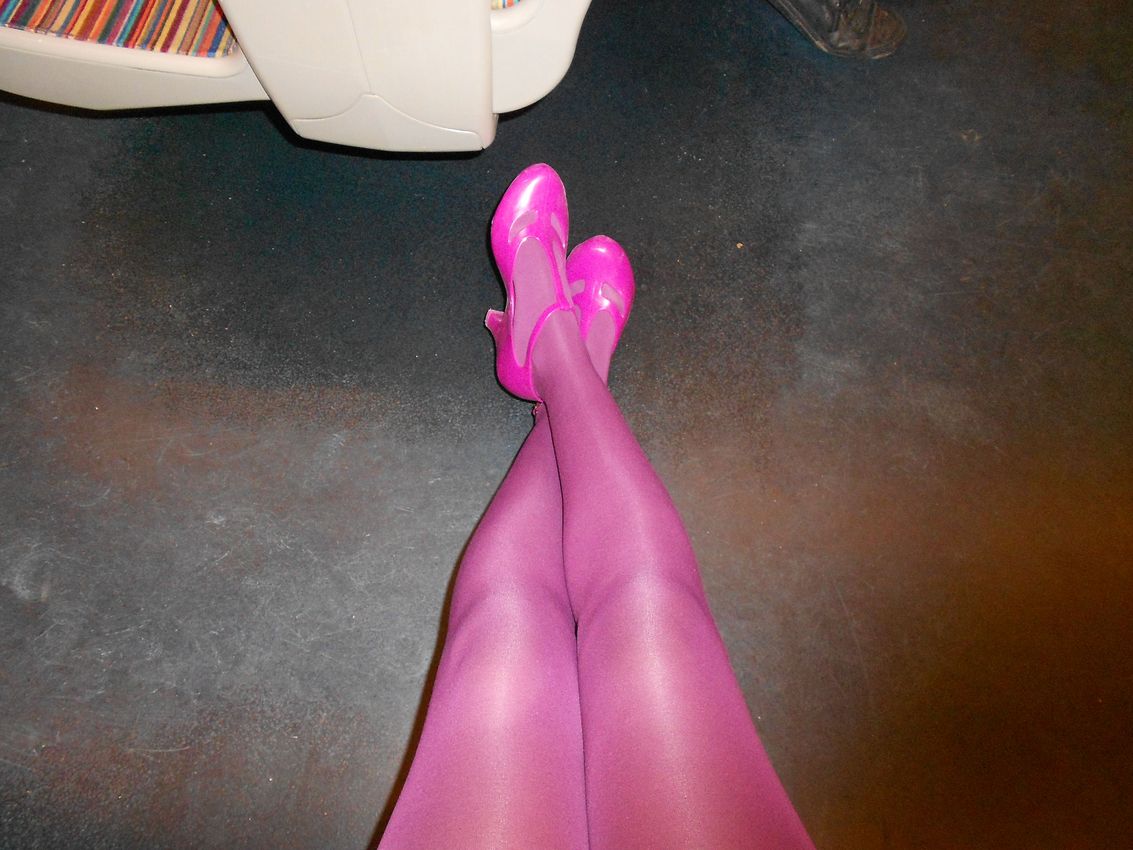
On the way to the Art Basel Paris welcome breakfast at Bacha Coffee on the Champs-Élysées the following morning, I saw that most of the shops that had been boarded up were still open for business. After breakfast, I dashed back to Belleville (now laden with an enormous gilded gift bag from the event) to change into an aubergine silk Georges Rech blazer and my fuchsia Vivienne Westwood x Melissa jelly heels, hoping they would be more comfortable than the lilac suede court shoes I’d worn that morning.
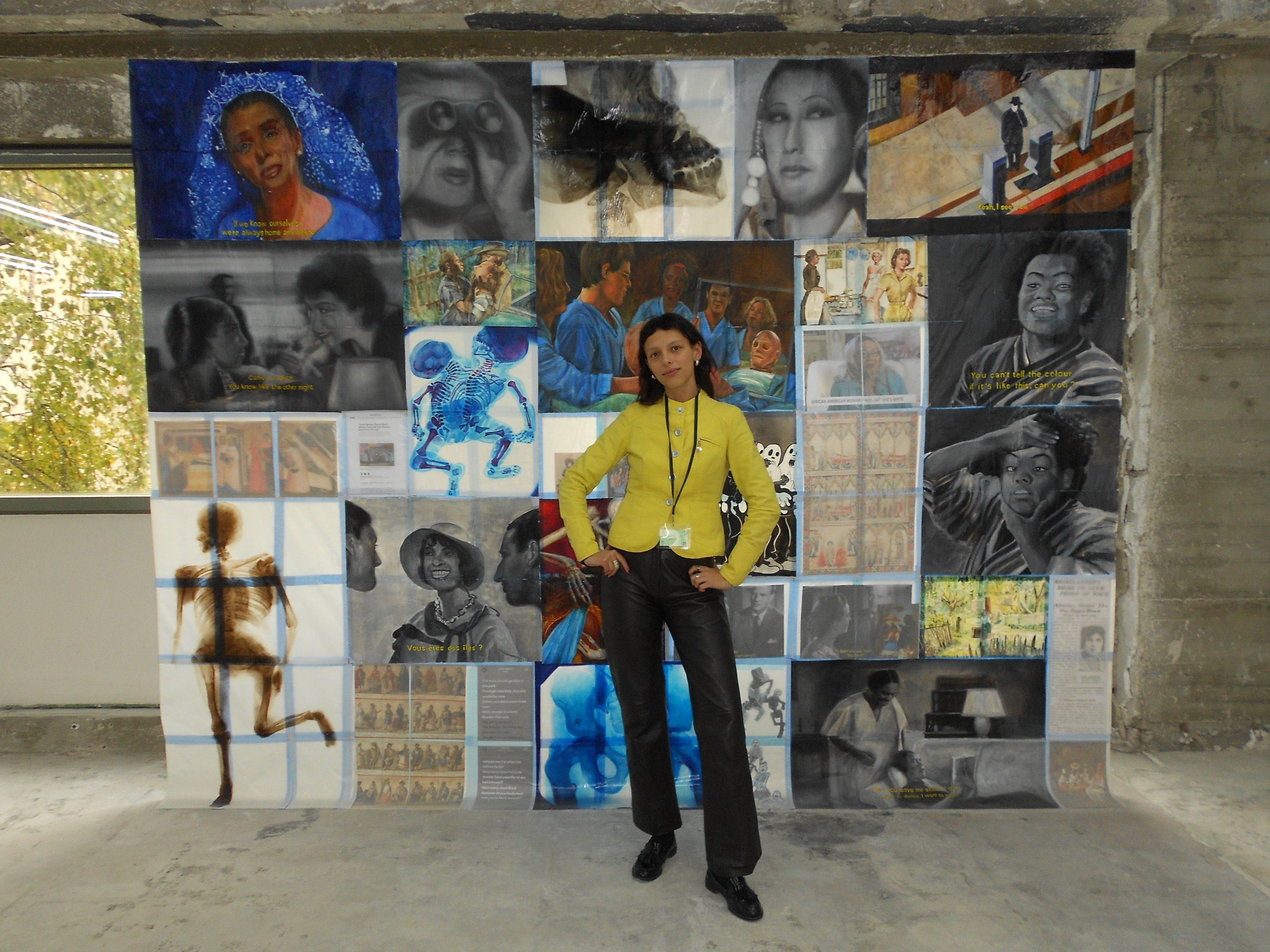
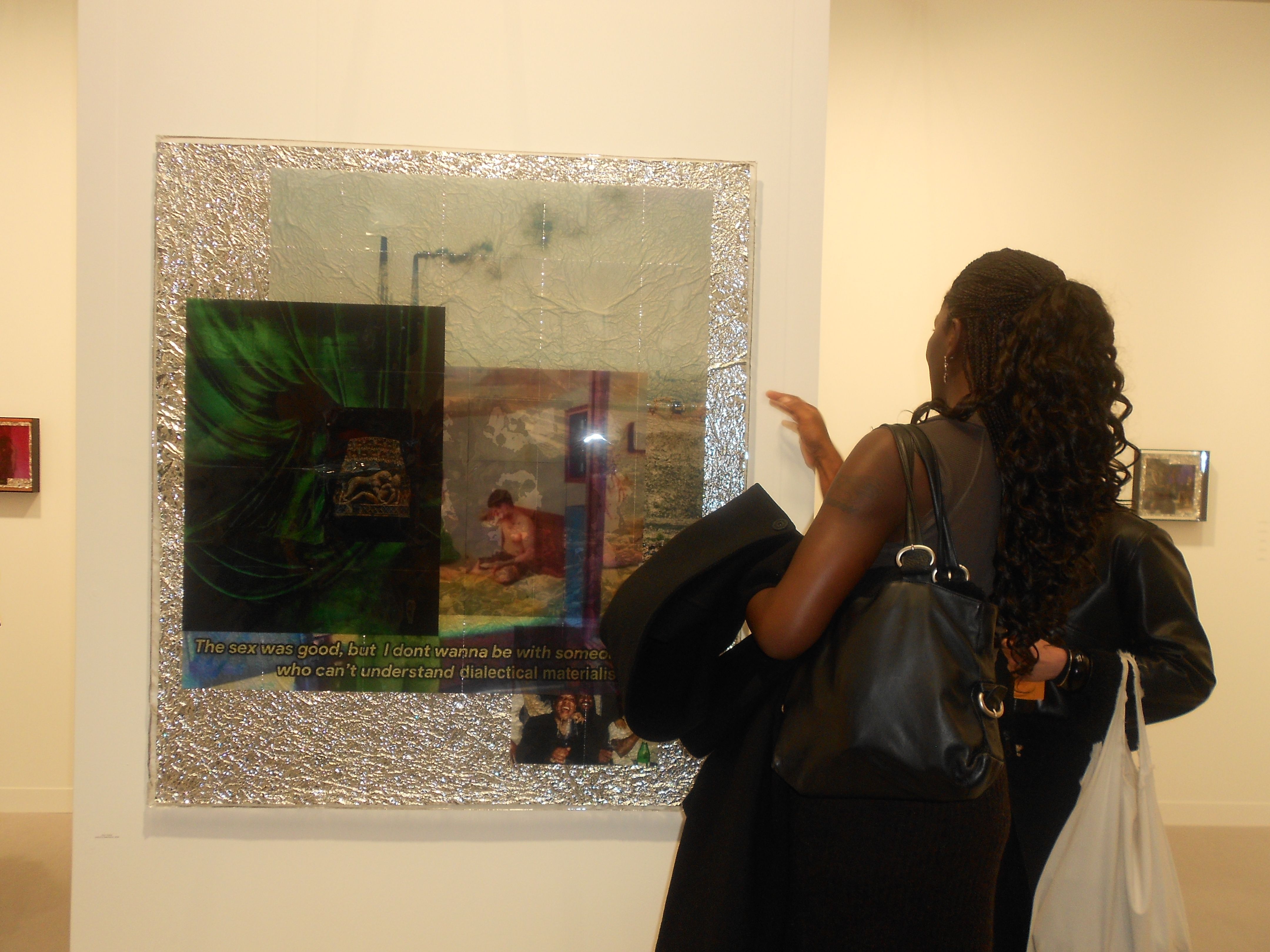
After lunch with Sophie at Le Bar Fleuri, best known for its €7 poulets-frites, I trotted down the hill to the 12th edition of Paris Internationale, this year occupying a dusty building right on the Canal Saint Martin. At the blank projects booth, I stopped to admire I won’t dance, don’t ask me (2023–2026) by French-Beninese artist Anna Agbo Godeau. A wall-sized quilt of tracing-paper pouches was painted with images taken from B-movies, film noir and avant-garde cinema—particularly films featuring racially ambiguous female protagonists—alongside references to colonial histories and contemporary Black popular culture.
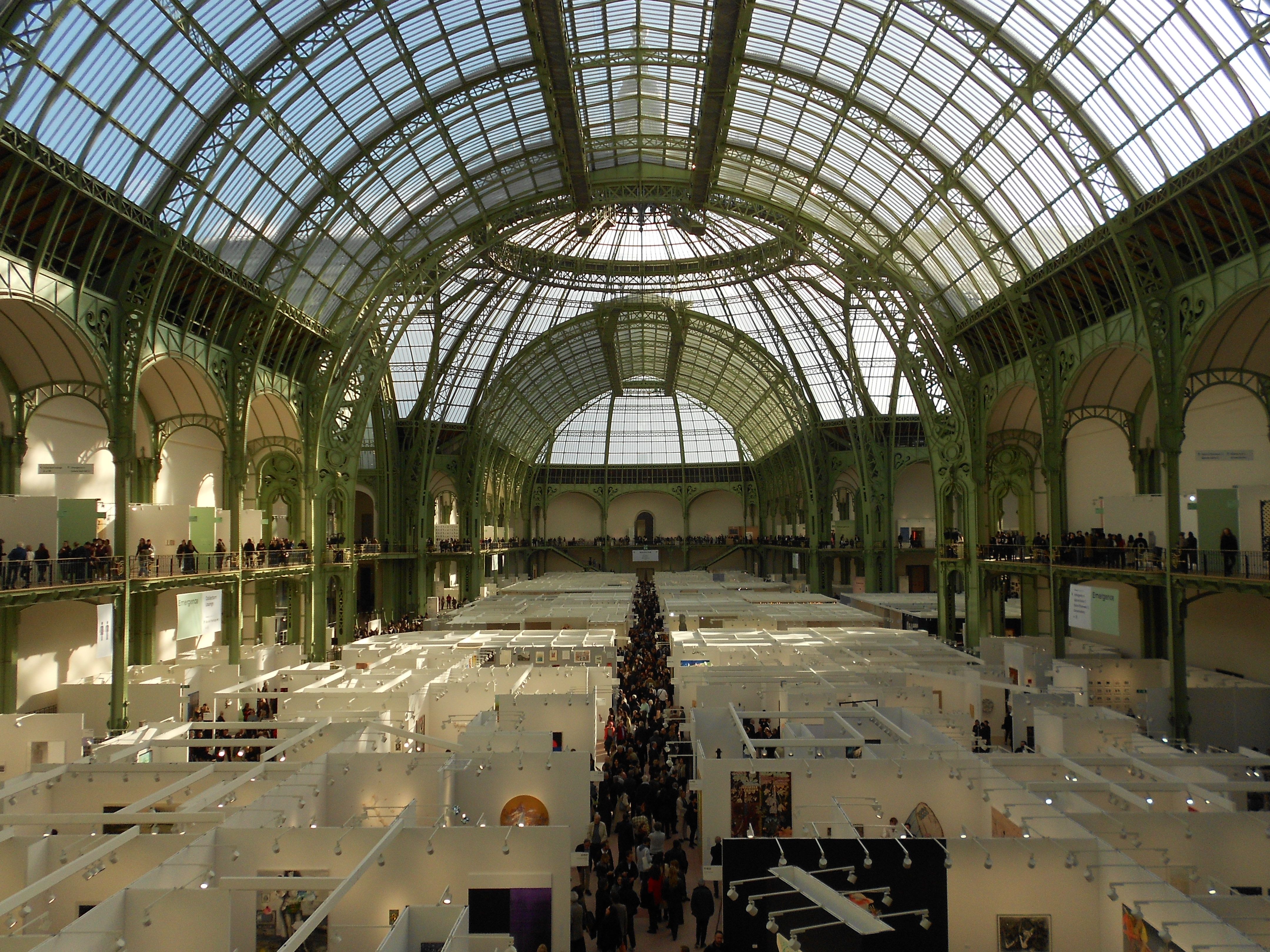
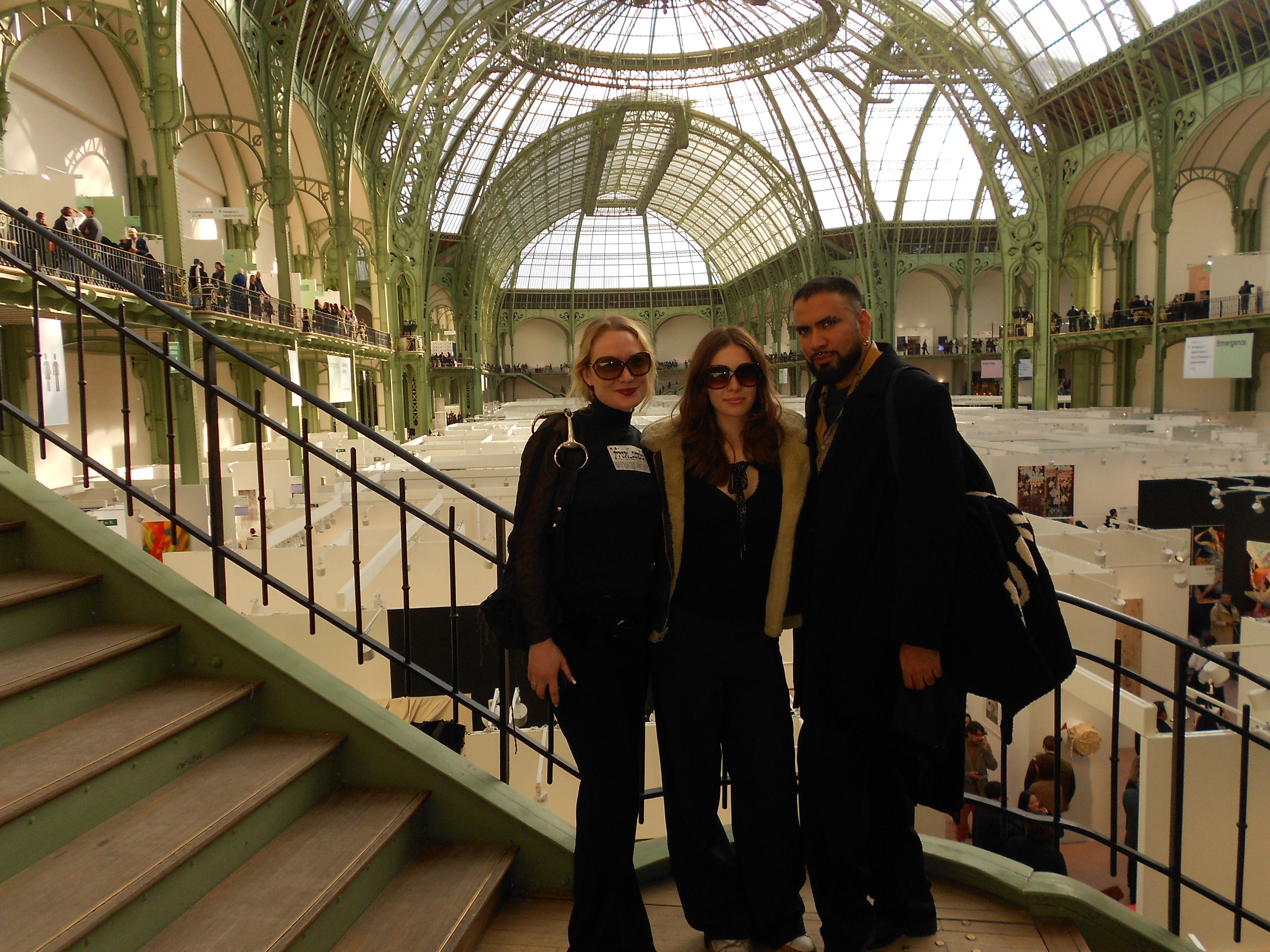
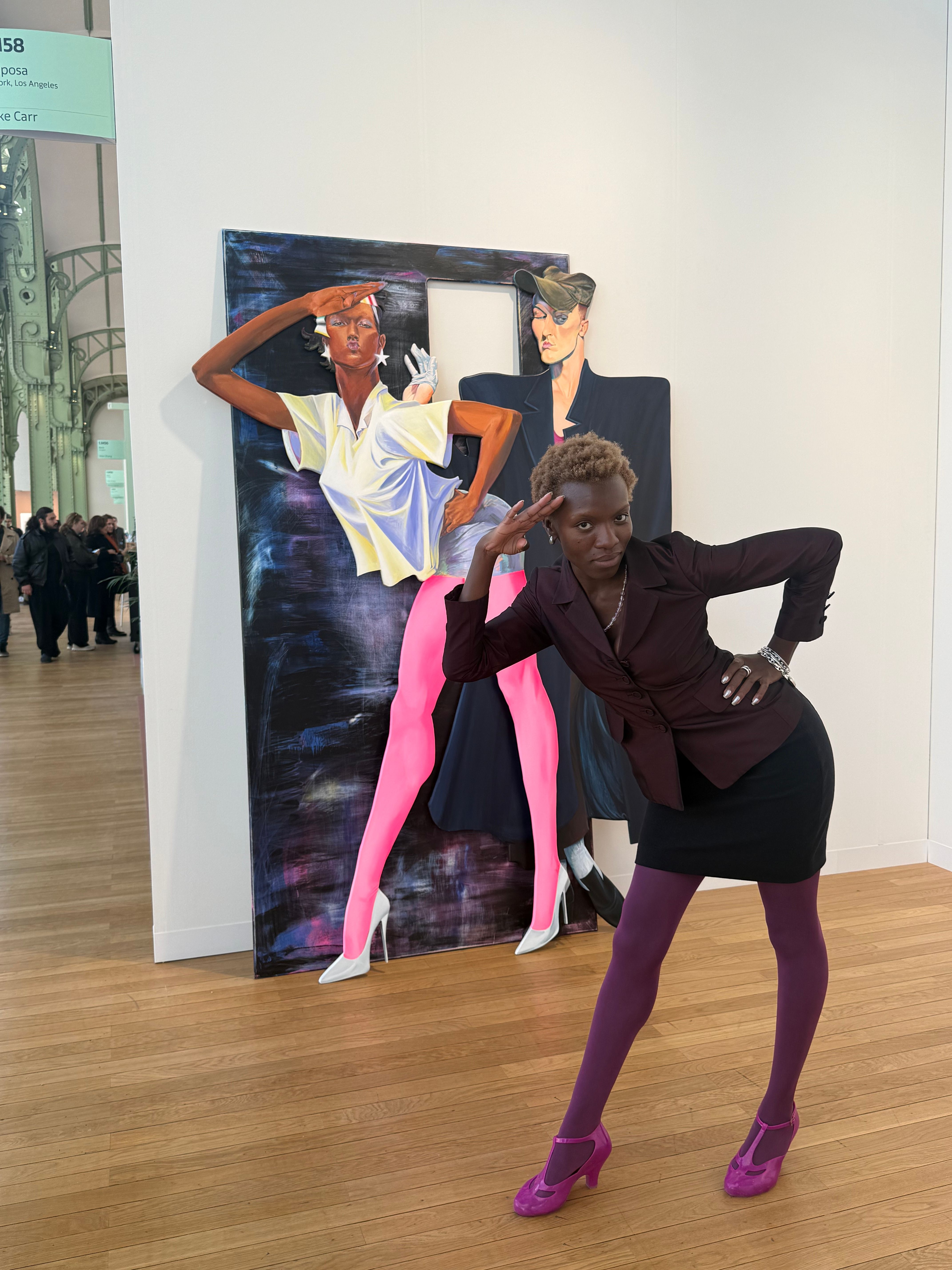
I jumped on the metro to Champs-Élysées Clemenceau and slipped right into the main fair. I had been upstairs at the Grand Palais barely five minutes when Mariposa Gallery director Alec Smyth implored me to pose with one of artist Drake Carr’s lifesize cutouts on account of our matching berry-toned tights (“Drake will love this,” said Smyth). I gravitated towards another cutout figure, Norwegian artist Frida Orupabo’s The bee (2026) at Stevenson’s booth, a collage of pigment-printed body parts joined by split pins, its limbs splayed awkwardly within a deep shadow-box frame.
When my camera suddenly died, I reluctantly commuted back to Belleville and lay down. I left the apartment again a few hours later, wearing an extra layer beneath my blazer and the impression of my pillow on my cheek. I arrived fashionably late at a private champagne dînatoire where the kind hostess clutched my hands to warm them and immediately furnished me with a crystal goblet.
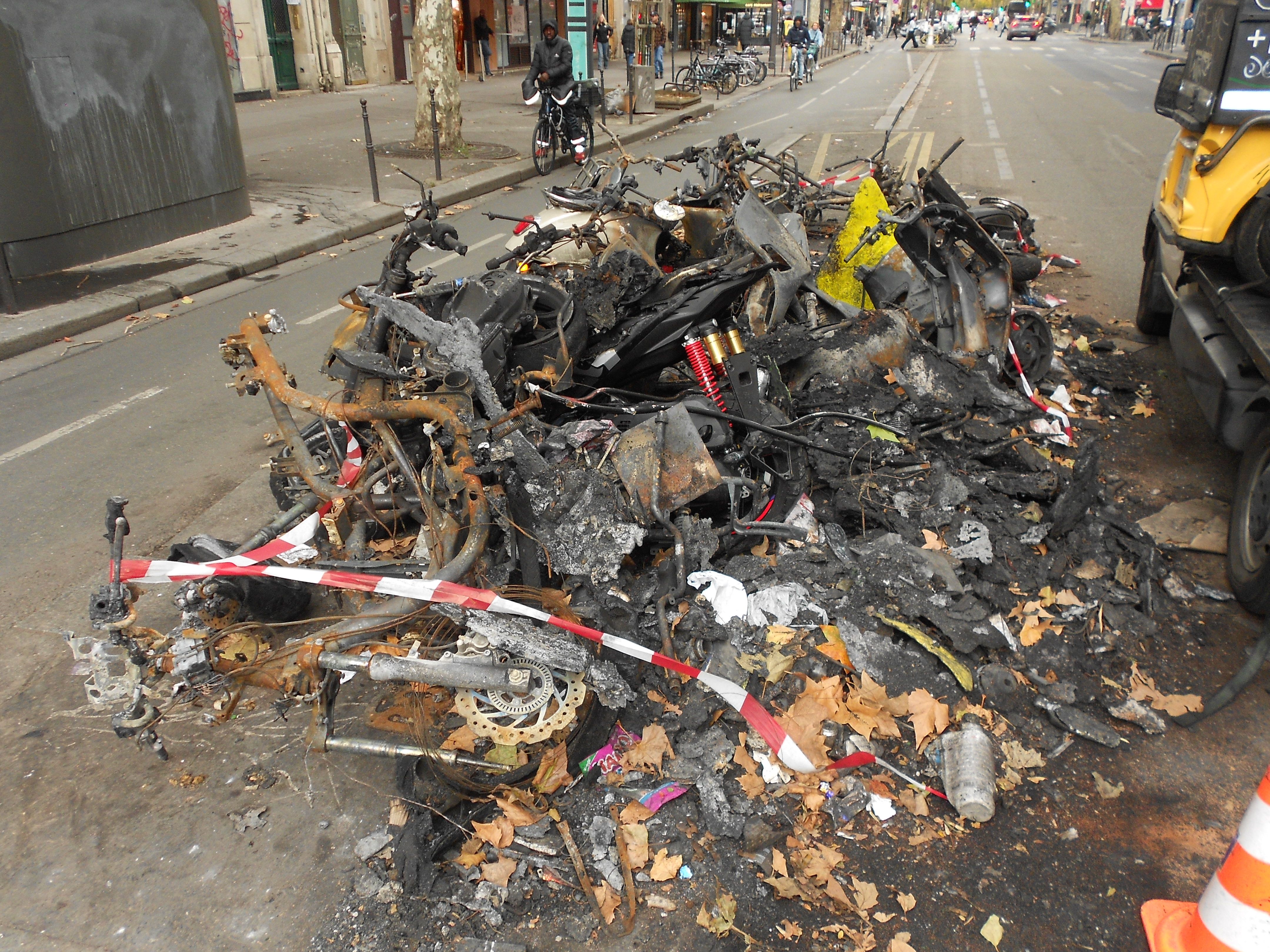
By the time I left, rumours of the fair being forced to close owing to further protests and unrest over the coming weekend had begun to swirl. Stepping off the Metro at Strasbourg–Saint-Denis, I saw evidence of the previous weekend. Skeletons of scorched Lime bikes lay piled up in corners, their ruptured batteries staining the streets. The streets glittered with aquamarine crumbs of car glass.
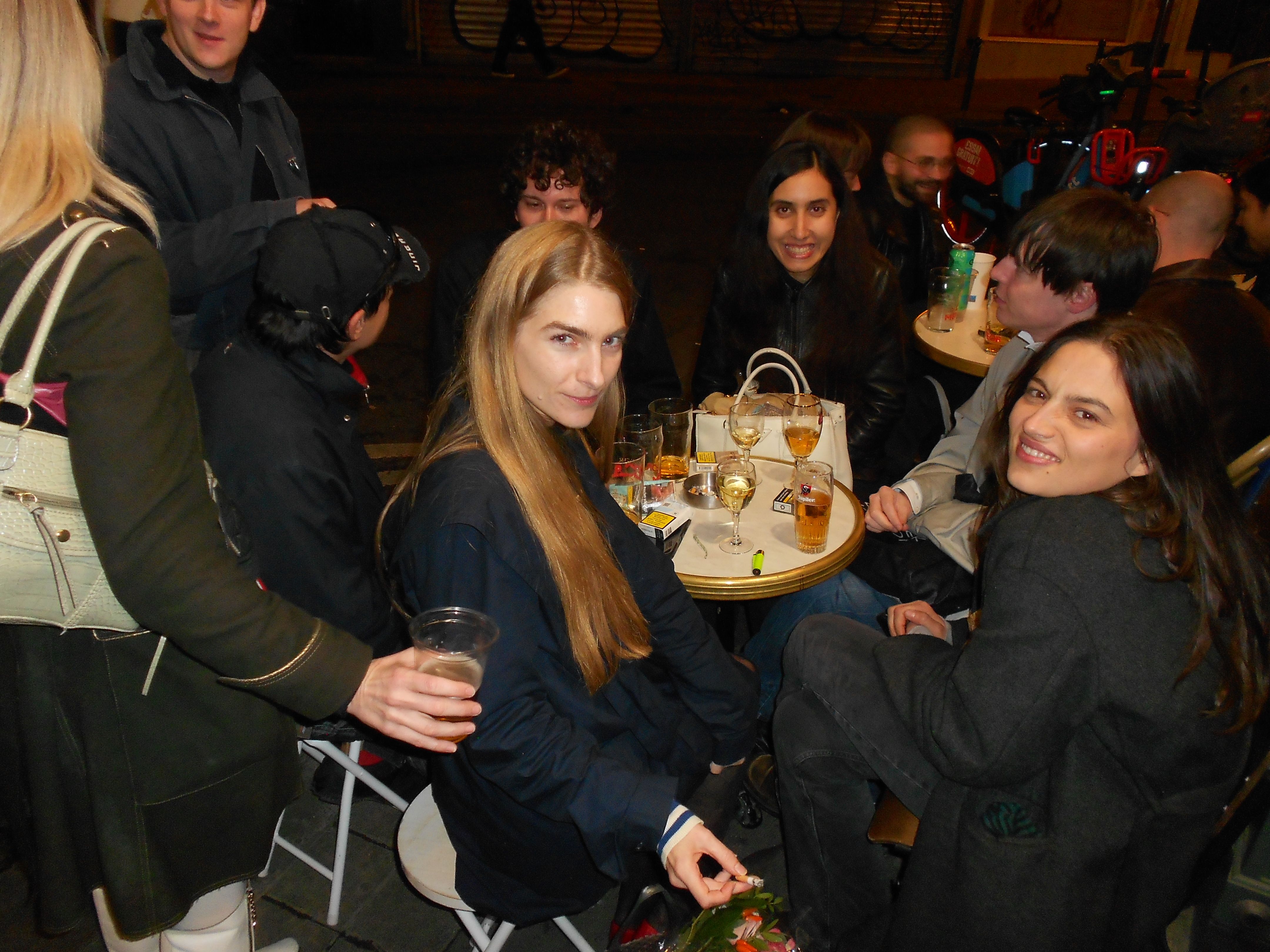
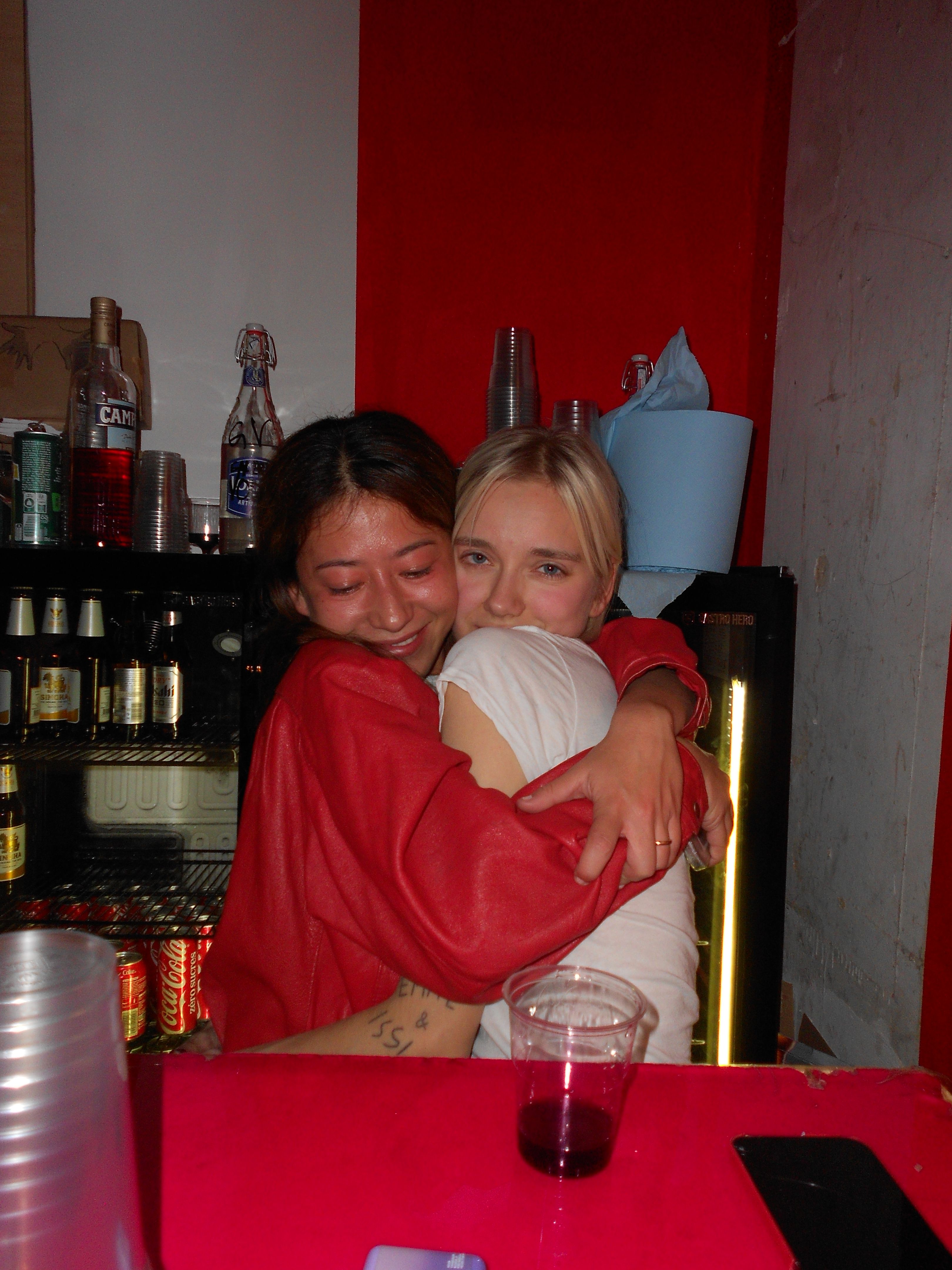
I climbed over the mess toward Princesse Studio, where City Galerie Wien curator Antonia Lia Orsi had organised a buzzy group show, Classique, with works by artists including Sem Lala, Richard Parry and Gina Folly. Most of the guests, including artists Coco Young, Lisa Jäger and Mickael Marman, appeared to be steaming drunk.
I took a triple-strength vodka-cola to go in a paper cup and hurried up the Rue du Faubourg Saint-Denis towards Bar Jarry, where Welsh artist Angharad Williams was due to give a reading, but the bar was too packed to hear her. Around half-past midnight, when some guests at the hotel across the street resorted to tossing water over the revellers and the police showed up, I Irish-goodbyed in favour of another party at La Rotonde, where I struck up a conversation with storied Parisian film director Gaspar Noé but was too shy to ask him for a picture.
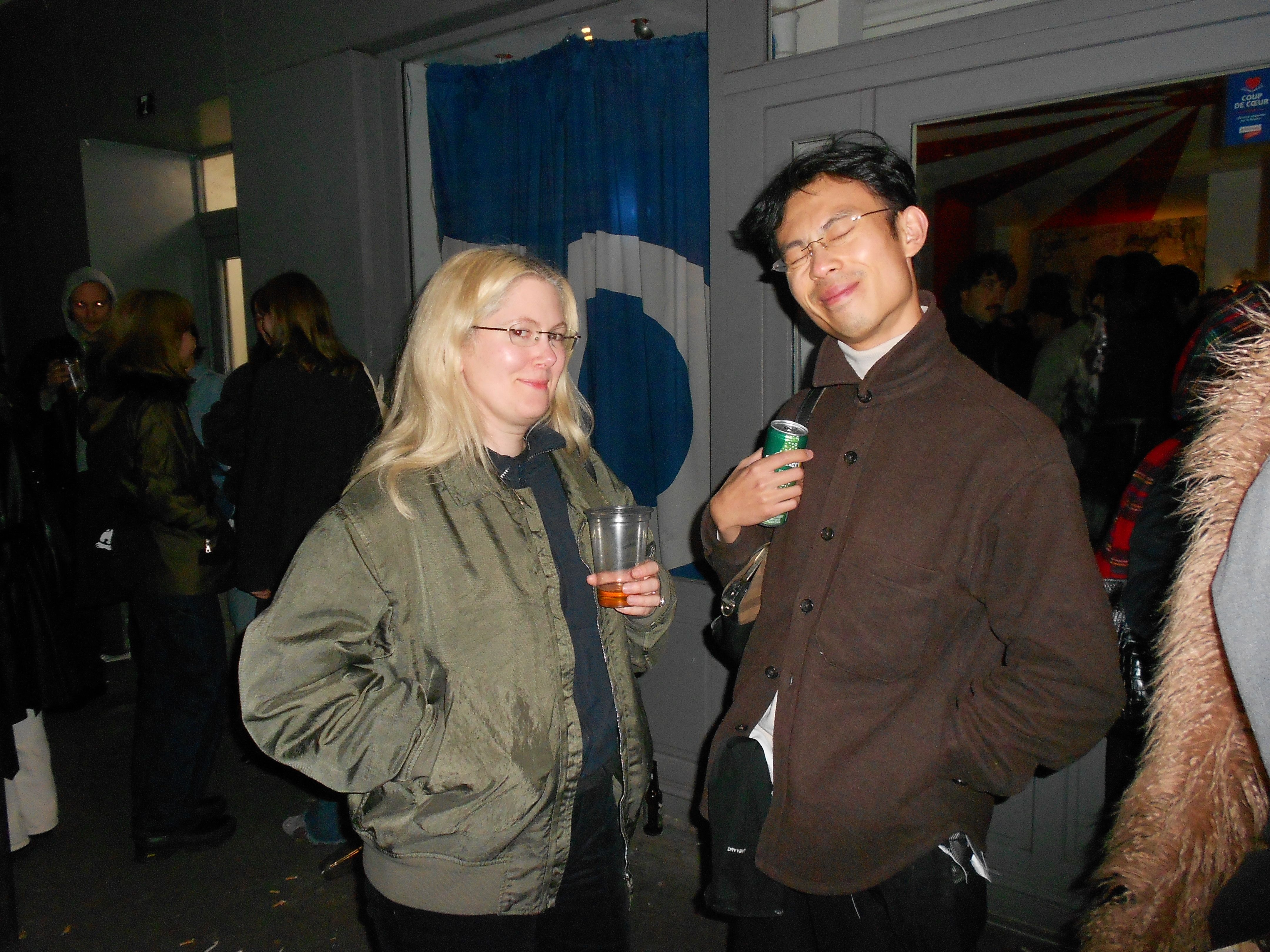
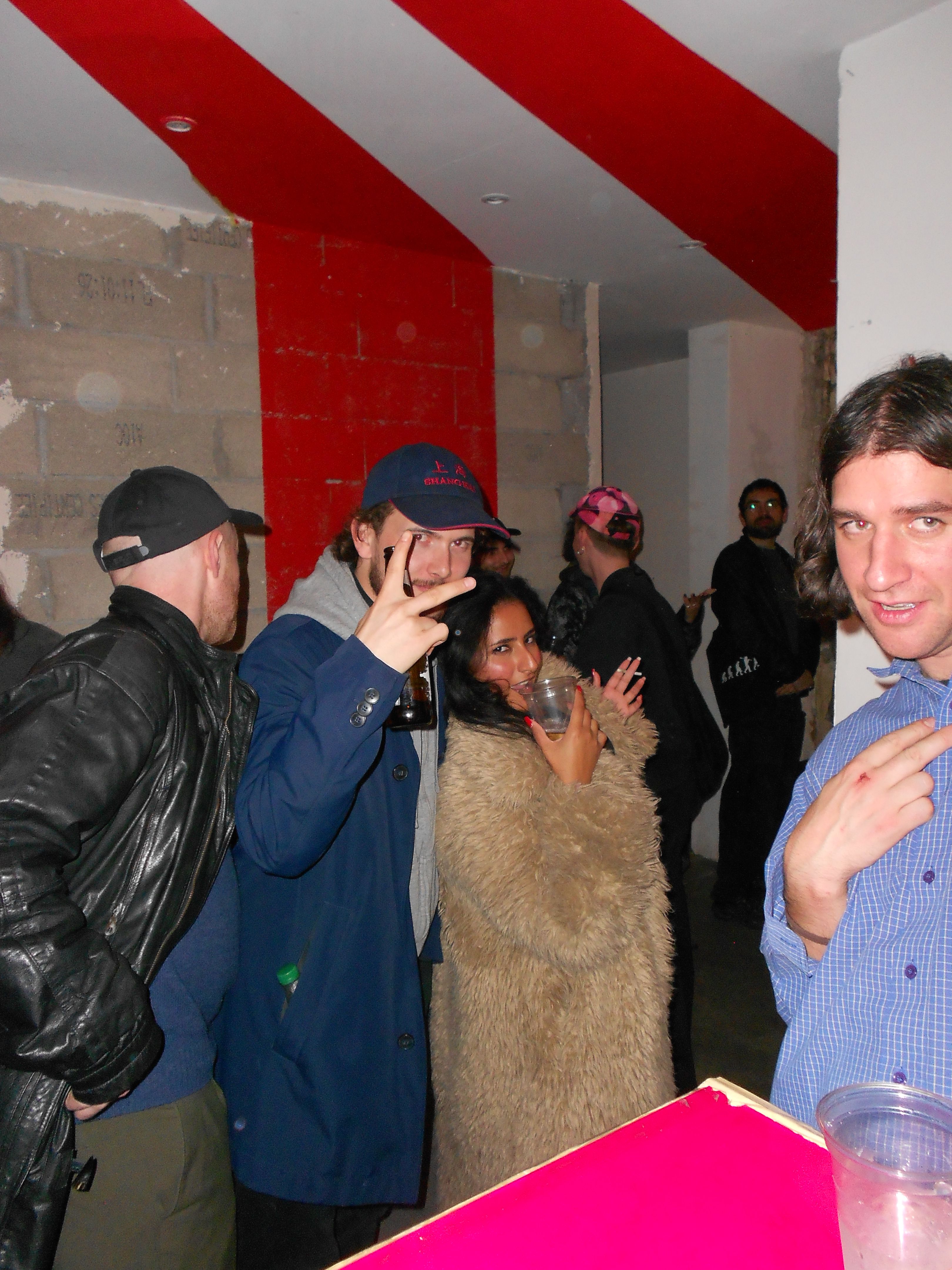
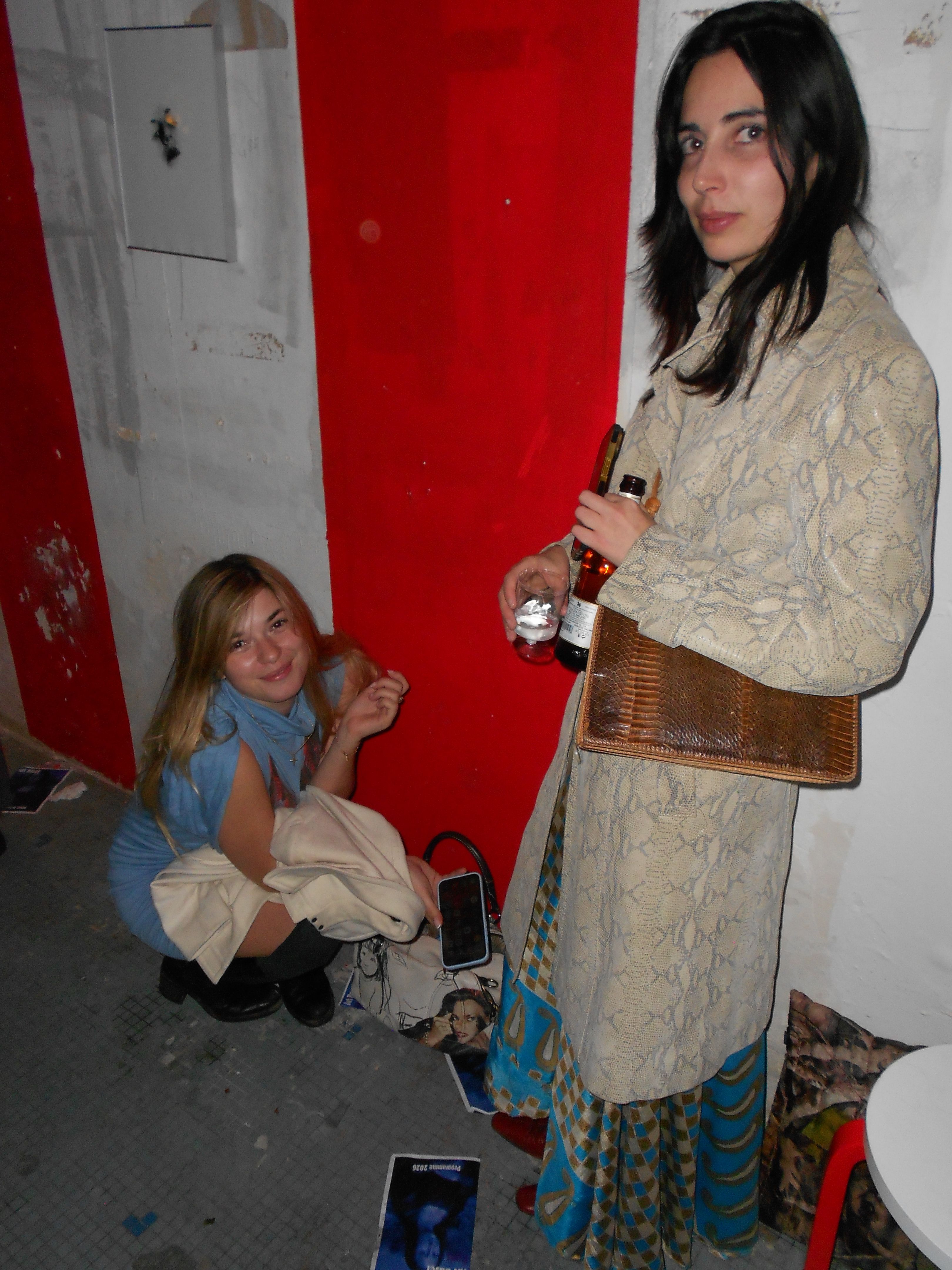
I woke up a few hours later with a splitting headache and the air mattress collapsing around me. I did what I could to prepare myself physically. I paired my new lamb’s leather skirt with a black sweater and stockings and shuffled through the rain in my beat-up Carel Mary Janes to brunch at Anna Frera’s apartment, where she runs the project space “spare room” out of her spare room with fellow curator Justine Do Espirito Santo.
“The streets glittered with aquamarine crumbs of car glass”
I then rushed down to Saint-Germain to meet artist Duncan Blackmore aka Arrant Industries, with whom I planned to see as many exhibitions as we could manage. We hustled to visit shows by Daisuke Fukunaga at Crèvecœur, Nino Kapanadze at Michel Rein, Nick Maus and Jutta Koether at Galerie Chantal Crousel, Nick Jensen at Tara Downs’ pop-up on Rue des Tournelles, and the group exhibition Court of Public Opinion at Galerie Hussenot. Of the fizzy, washy and chalky paintings we saw that day, Nino Kapanadze’s unconventional installation offered the most intriguing exercise in spatial composition.
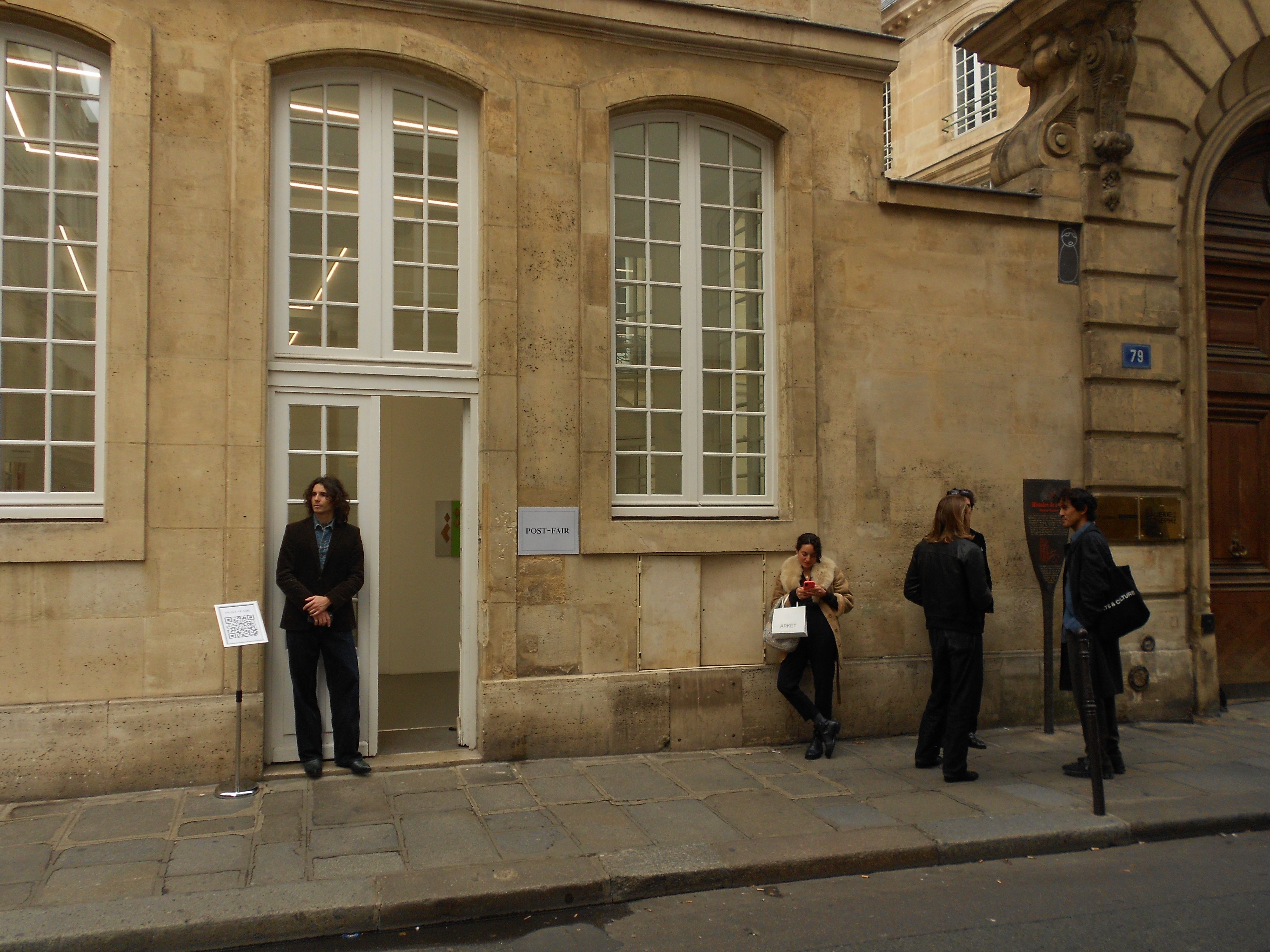
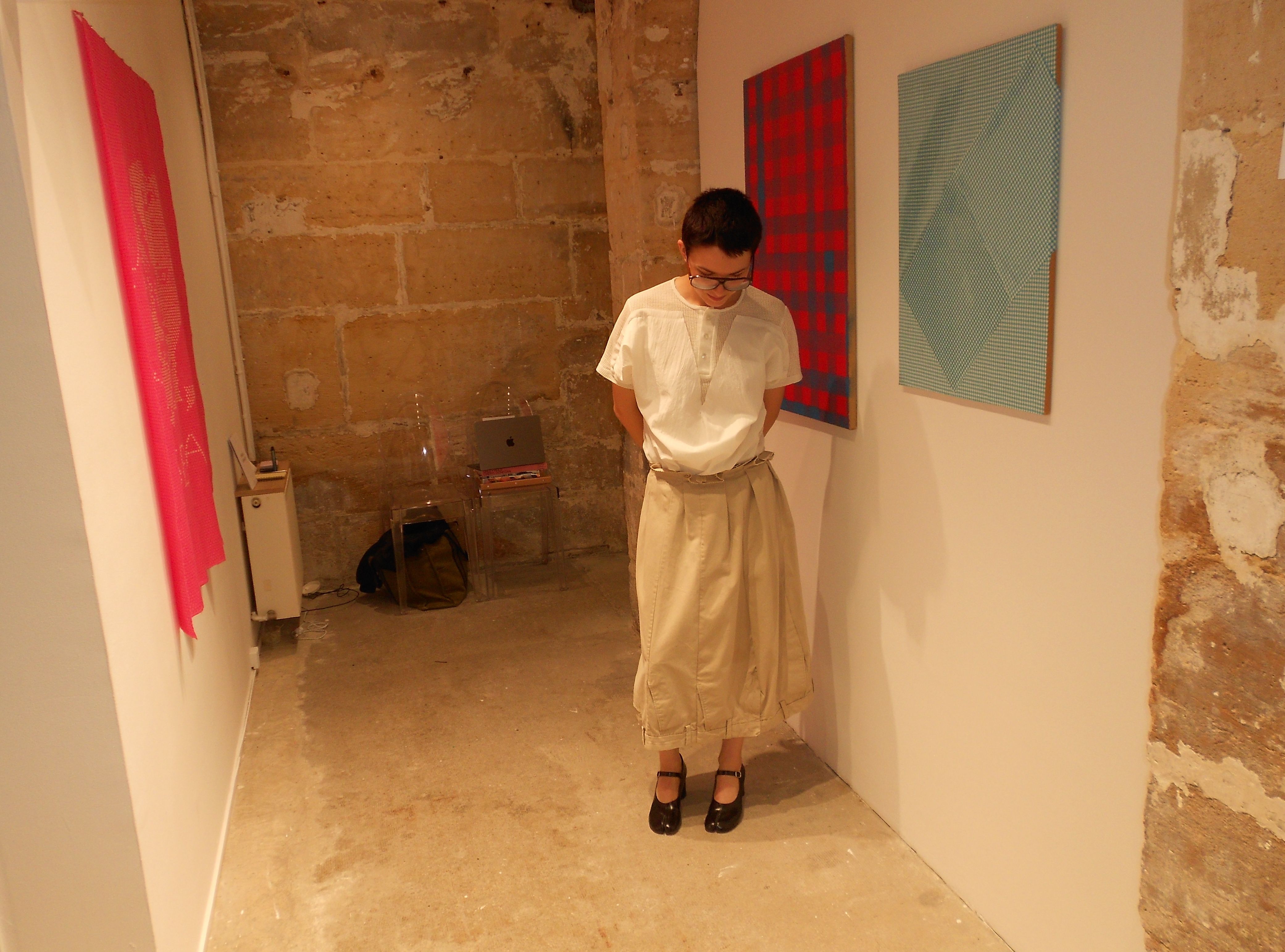
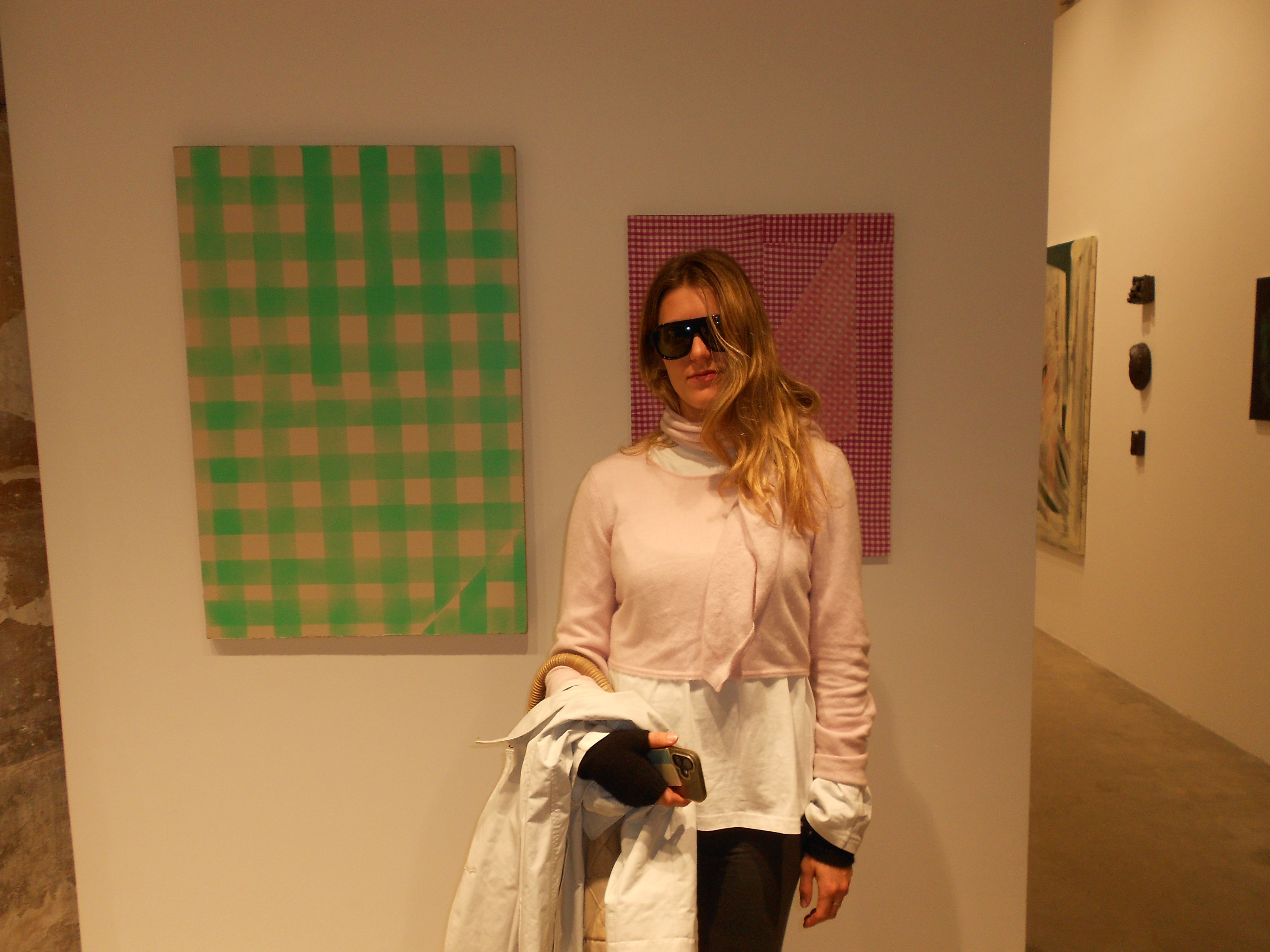
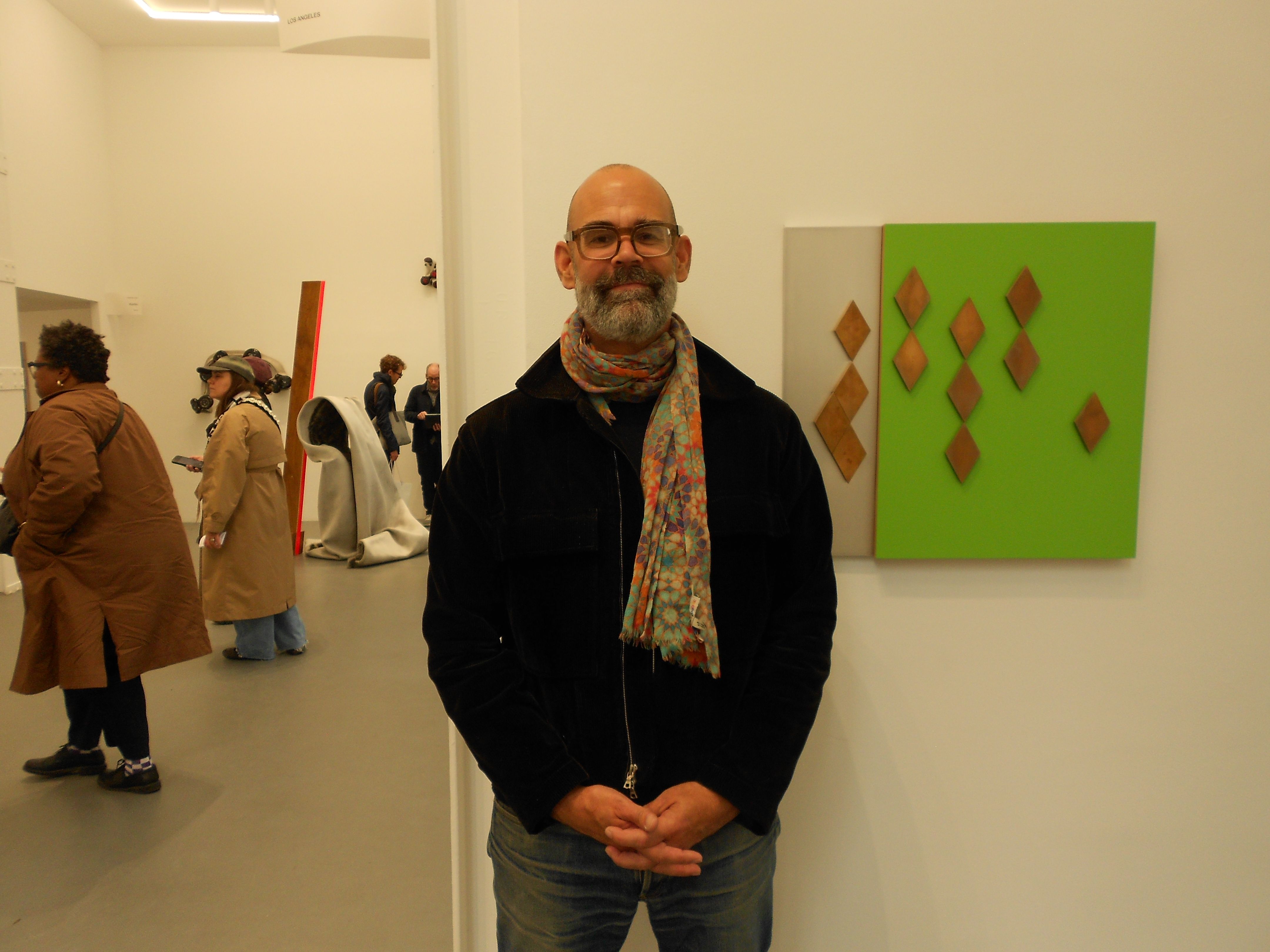
The news arrived that the main fair would indeed close for the weekend, lighting up my phone with a fresh round of hot takes. I was still busy looking at art at Post-Fair, founded by gallerist Chris Sharp and occupying two premises on the Rue du Temple, where I became besotted with Cheryl Donegan’s gingham paintings at Hans Goodrich and was beguiled by Andrea Eooi’s iridescent contortionist nude in egg tempera, Hands on Foot (2026), presented by Essais. By sunset, my wicker bag was stuffed full of bits of paper, exhibition texts and lists of works.
We sat down at Le Progrès in the Marais with the intention of having one, but somehow ended up staying until midnight, gradually growing our table from two to six before heading to the CURA. magazine function at Soho House (where my point-and-shoot once again died), Bus Palladium and a few shitty dive bars, finally closing out the night at Le Poisson Volant. Madonna, we later learned, had been out on a similar beat that night; alas, our paths never crossed.
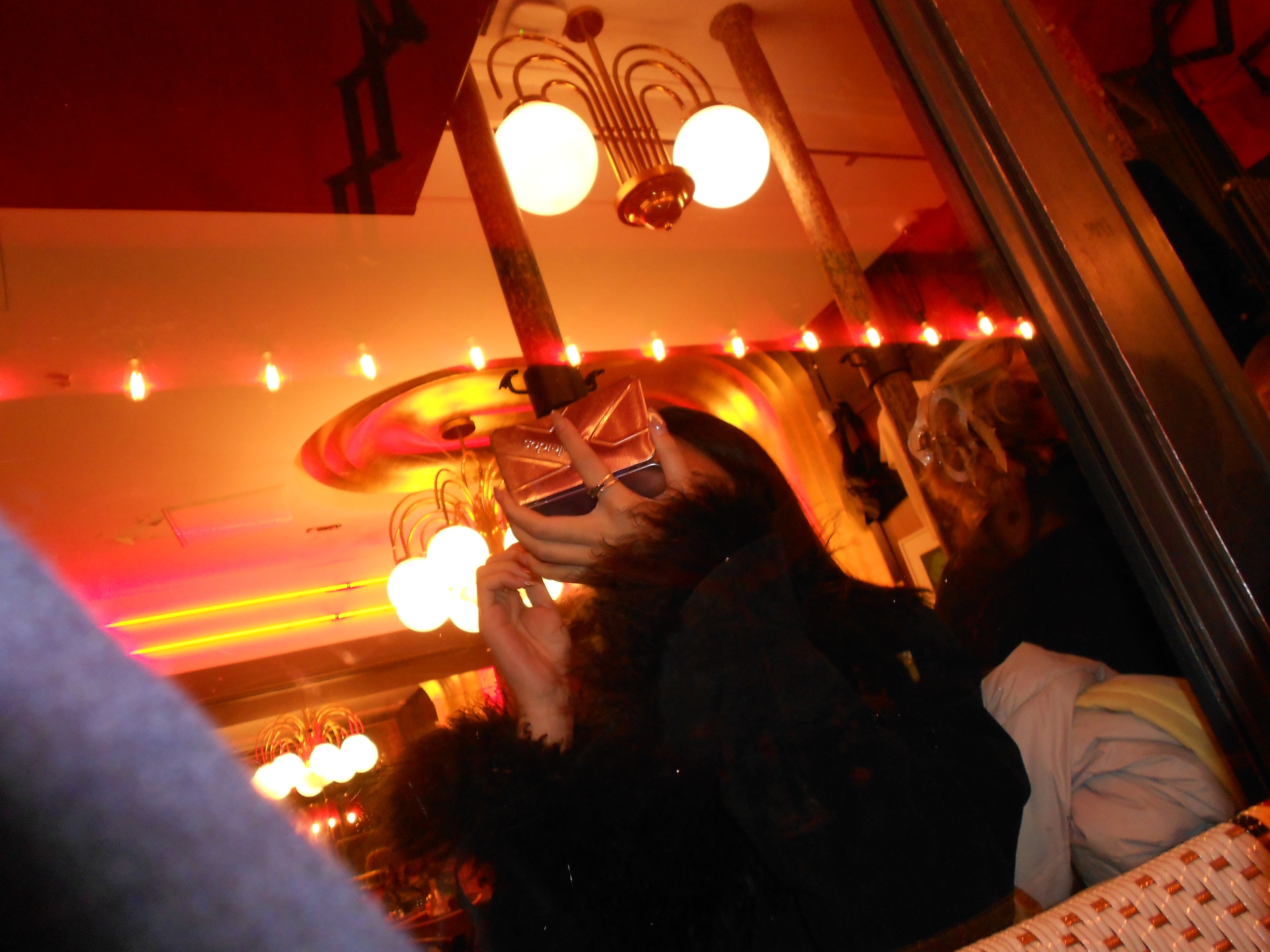
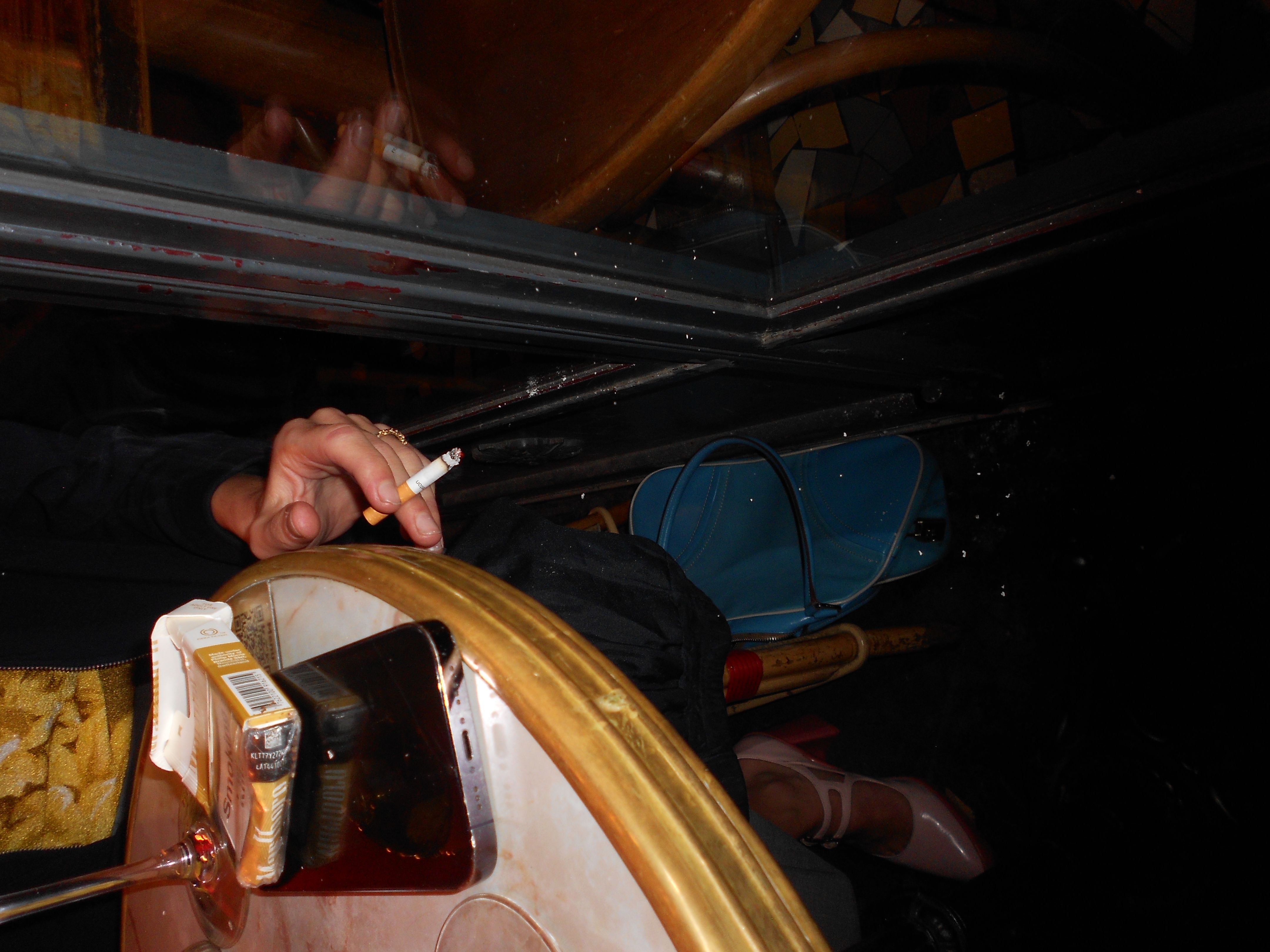
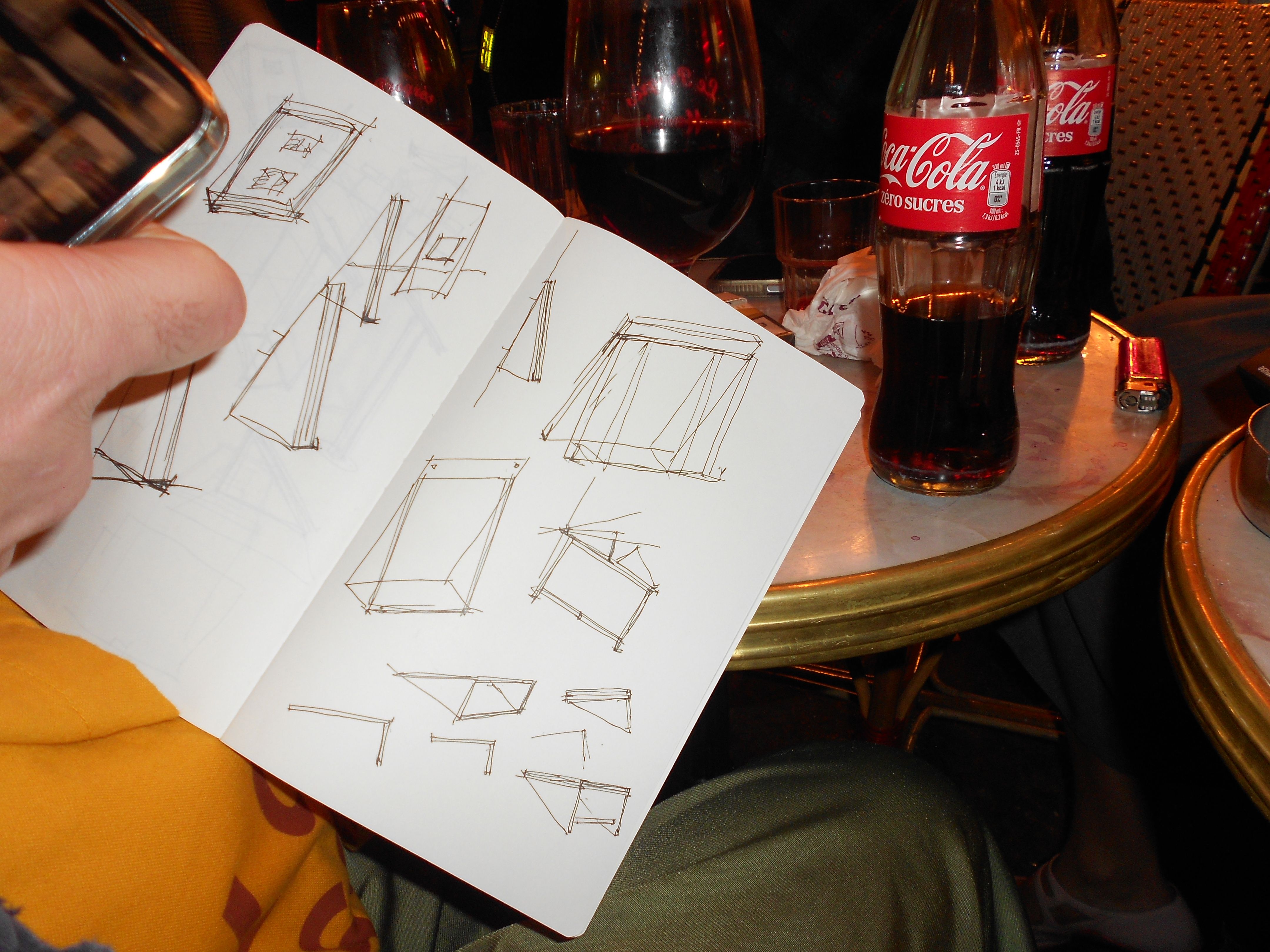
Gales blow the days fast. The mood at the main fair on Friday was fractured, to say the least. “It’s fucking cold, it’s windy, it’s raining. It sucks,” moaned a beleaguered dealer, slouching over the ornate Art Nouveau balustrade of the Grand Palais, phone pressed to his ear. Predictably, the galleries in the Emergence section were taking the news the hardest. “Us losing the weekend is like you losing Tuesday or Wednesday,” one dealer told me, gesturing down towards the established and blue-chip galleries on the main floor.
Gallerists whose artists had waiting lists or whose booths had sold out during or even before the VIP preview cared a little less: “I’m of two minds. We had a good fair, so I don’t mind going home early.” A somewhat more senior dealer was openly apathetic: “I don’t care; it makes sense to close, rather than continue with these one-percent shenanigans.” Another was relieved, flashing me a big, tired smile as she told me she felt “great”.
Others were glib: “Are you leaving tomorrow?” one suit pointedly asked another—frenemies, it seemed. “I was always leaving tomorrow,” the second suit replied defensively. But it was the art adviser Philip Hoffman, speaking to the New York Times, who offered the most oblivious assessment of events: “The only impact the closure will have will be on tourists.”
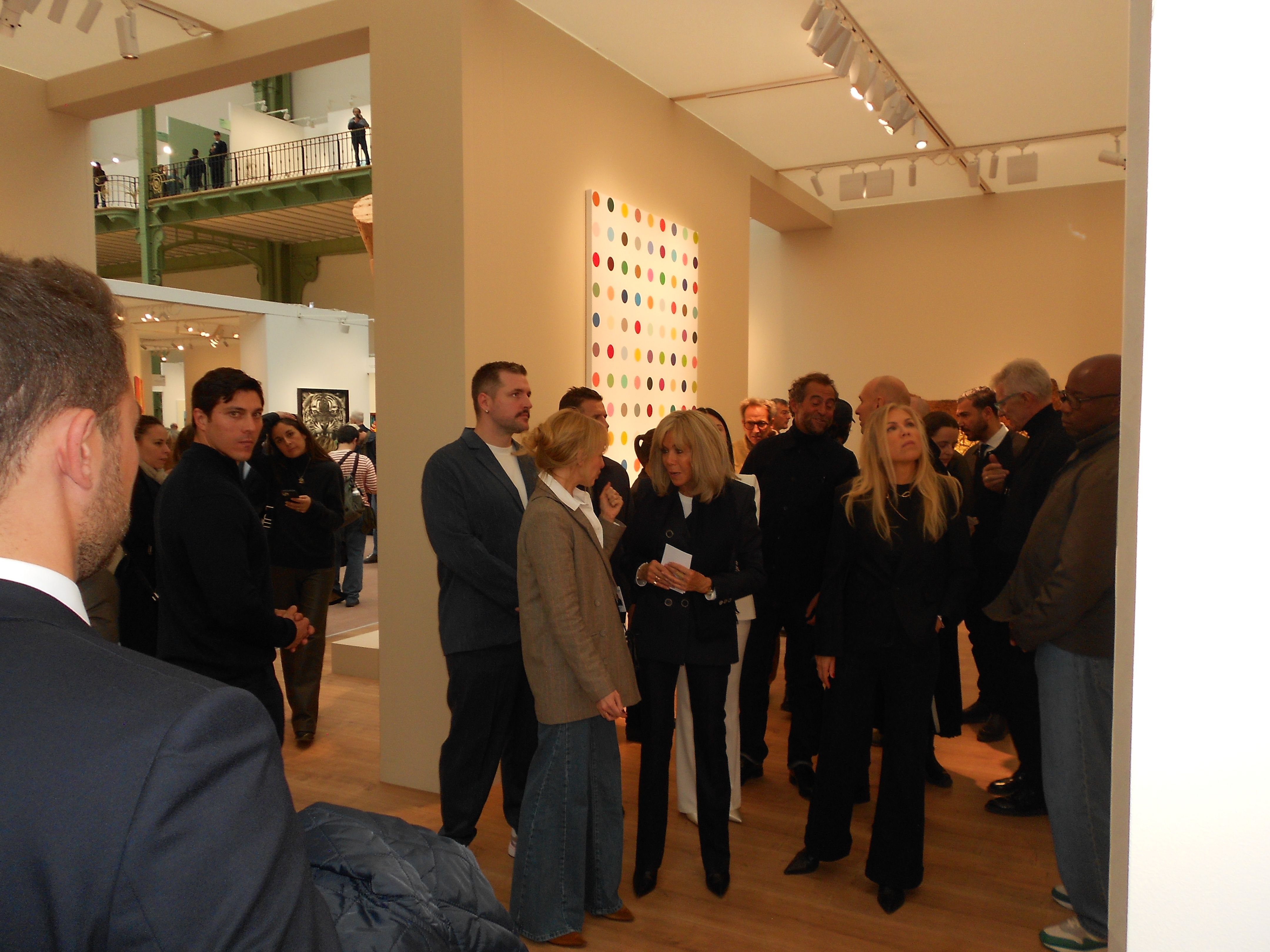
I spotted the First Lady, Brigitte Macron, looking très mince at the Gagosian booth. Also très mince, the latest presentation over at Hauser & Wirth. “We just rehung,” a gallery representative explained of the three lonely-looking paintings on display. “Hauser & Wirth already emptied its booth… !!! What kind paranoïa and lack of trust in the French state is this?” tweeted the art world’s very own Gossip Girl, Alain Servais, tagging Brigitte’s husband.
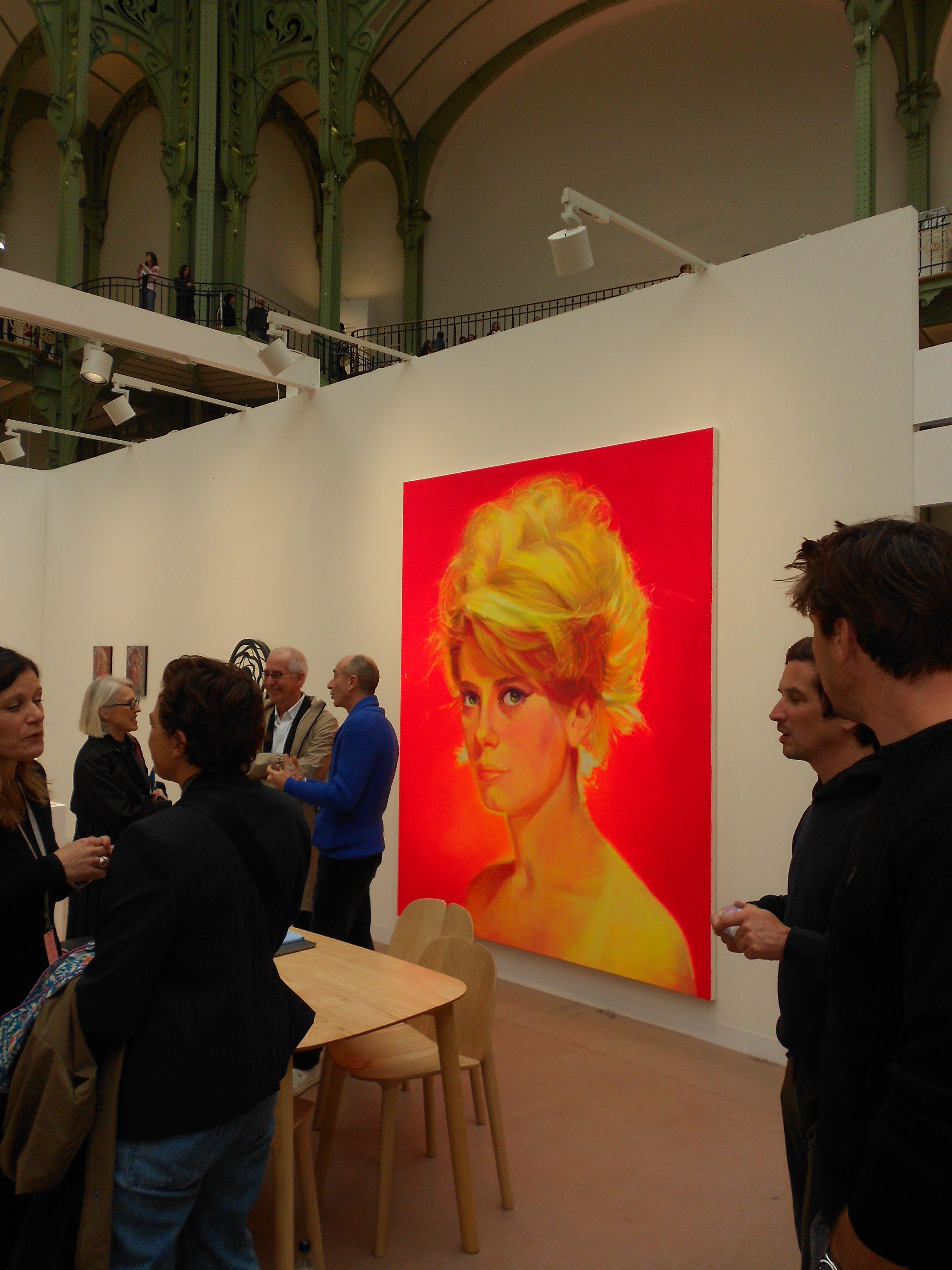
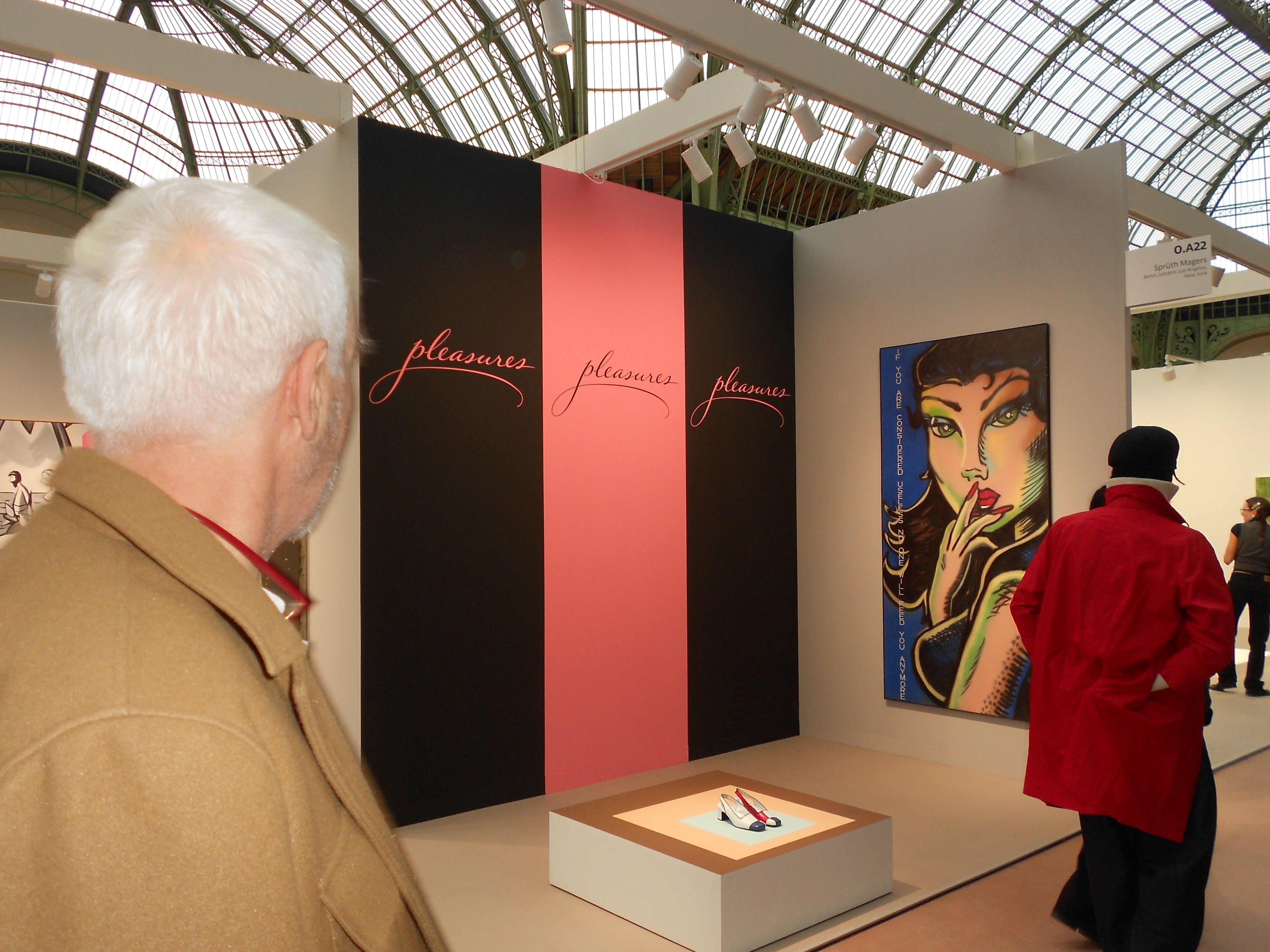
I schlepped along the Rive Droite to see Tracey Emin’s reclining bronzes at Trocadéro, then to the Palais de Tokyo, where I whizzed through Photoromance, Ivorian photographer Paul Kodjo’s first monographic exhibition in France. Then, I lay down on the pillowy leather futon in the atrium outside Toi et ta bande, a group exhibition highlighting works by artists from communities outside France’s major cultural centres, including Corsica, Guadeloupe and the Basque Country.
“I half-expected to walk out into chaos but it was only raining”
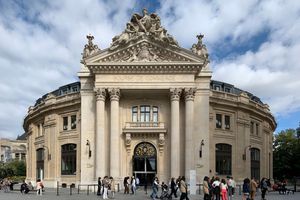
I forced myself to get up and go to the Bourse de Commerce, but it had closed early. Curfew, apparently. Oh well. I waited with a glass of Brouilly on a nearby terrasse amid boarded-up shops until it was time to go to dinner at Maison de Chengdu, hosted by Post-Fair’s Chris Sharp and LA gallery Sea View. There were nine of us around a big circular table taking turns spooning slippery wontons and mapo tofu and other Szechuan dishes into each other’s bowls.
On Saturday morning, the main fair remained closed as promised but its smaller satellites, Post-Fair and Paris Internationale, opened their doors, albeit with adjusted hours. “We had a great turnout,” Sharp told me. “There was a bit of trepidation at the beginning, since no one really knew what to expect, but once it got going many visitors thanked us for staying open.”
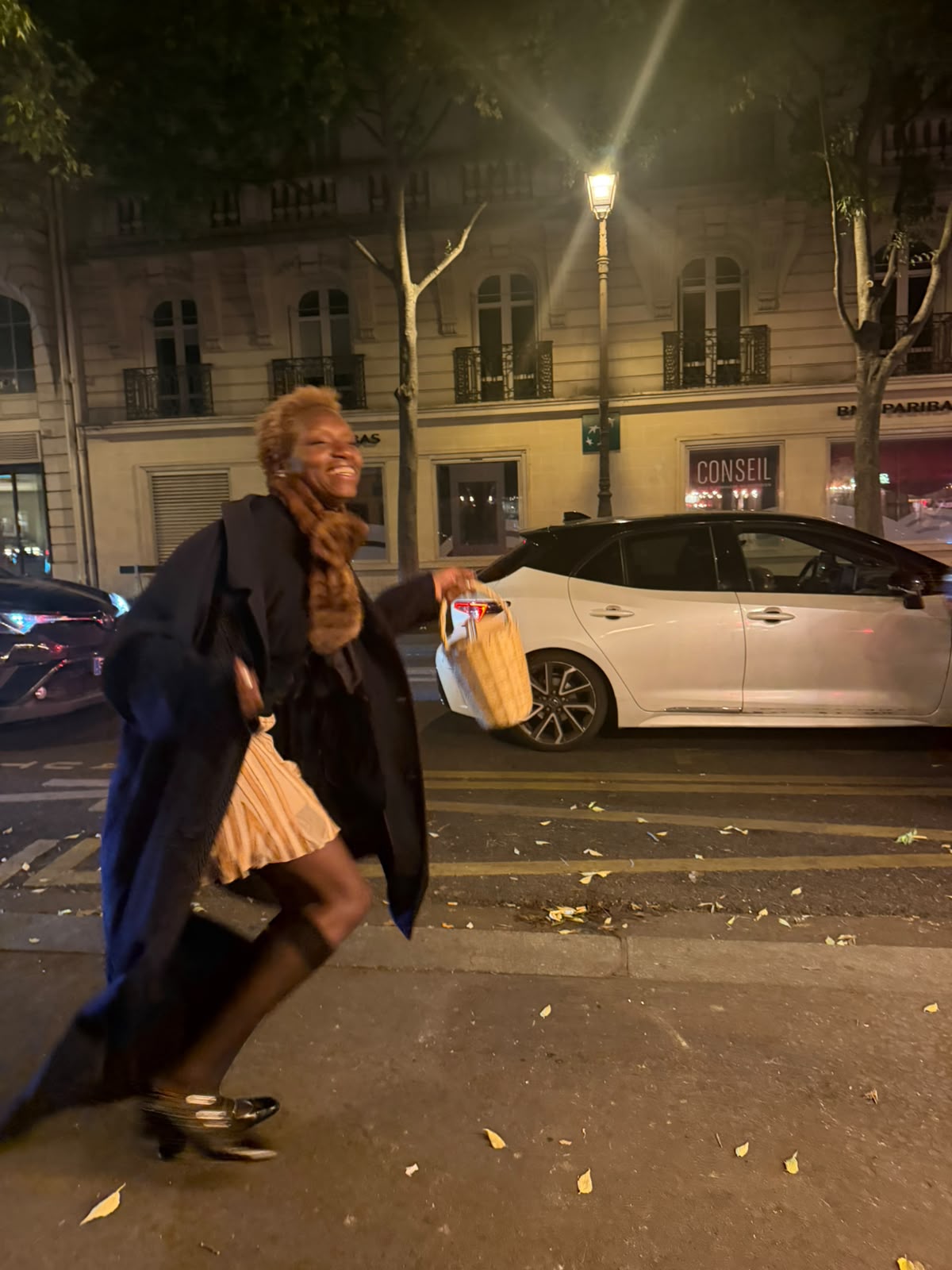
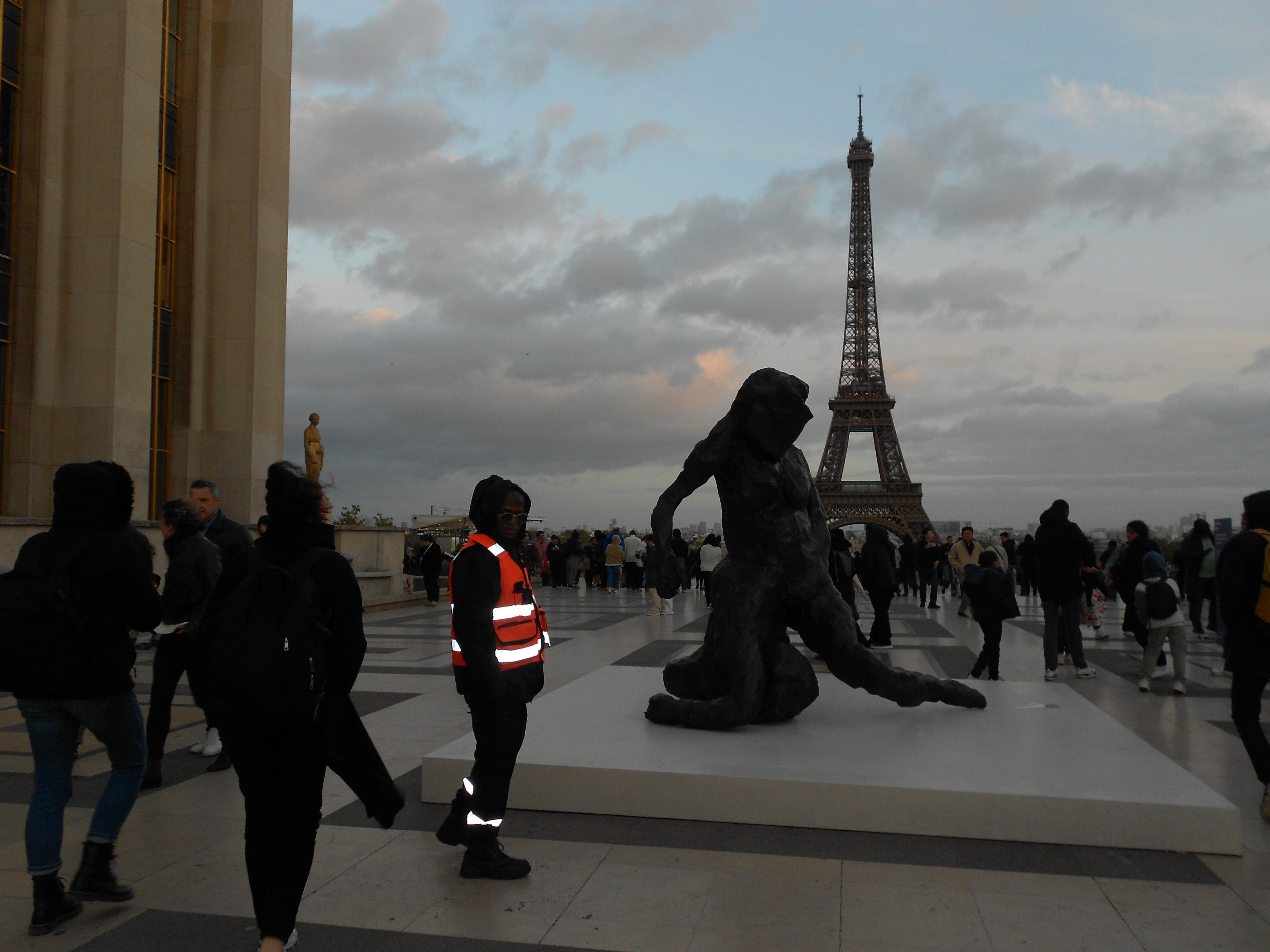
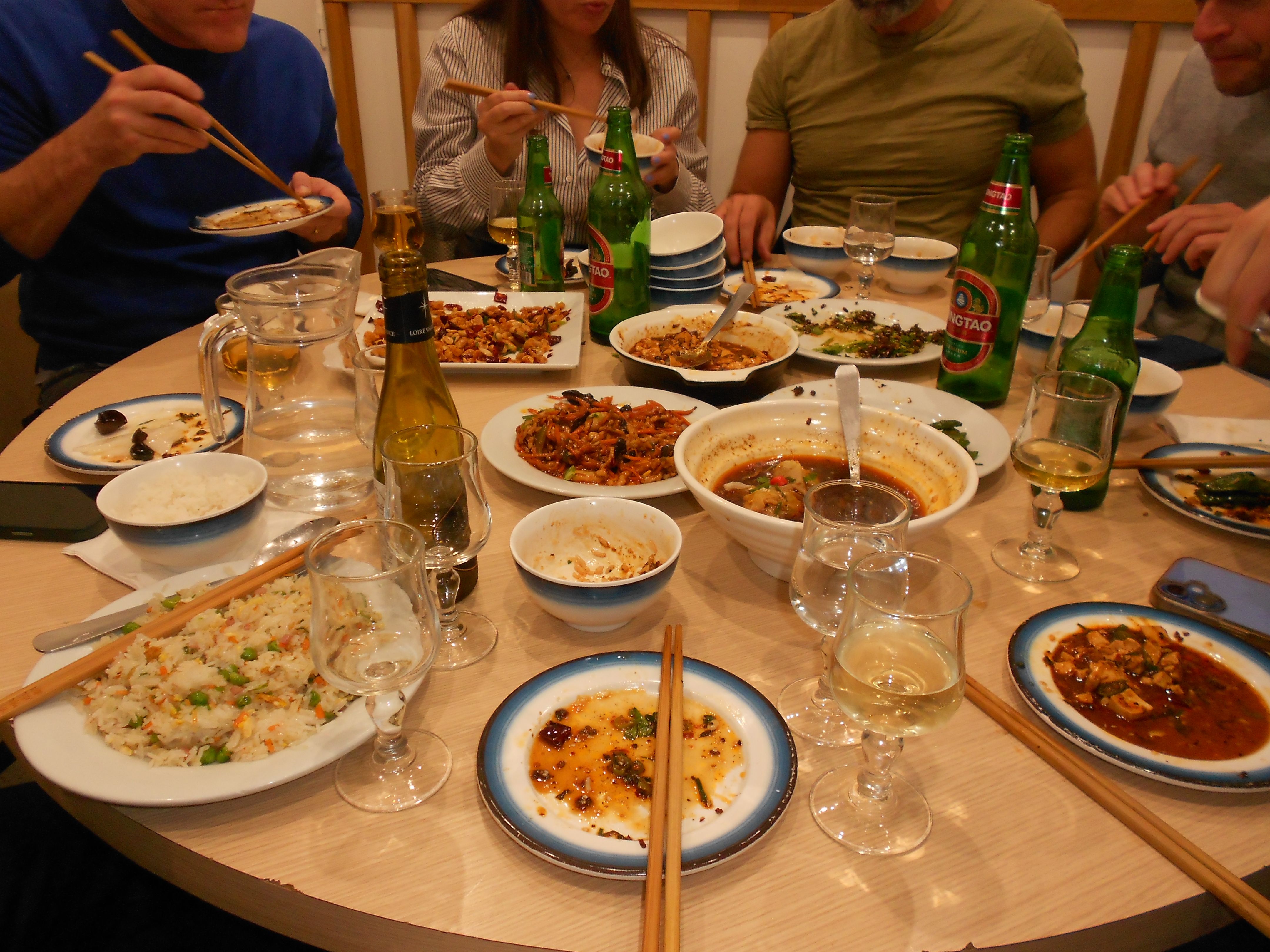
I spent my final afternoon in Paris alone, rewatching Alejandro González Iñárritu’s future classic, the black comedy Digger (2026), practically lip-syncing to Tom Cruise’s Oscar-baiting monologue in which (spoiler alert) his self-centred character chastises the very people whose futures his expansionist actions have destroyed for themselves wanting “the freedom to bask in the comfort of [their] unsustainable lives”. I half-expected to walk out of the cinema into chaos but it was only raining.
The protest had gone ahead, largely peacefully, with a notable contingent of artists, art students and cultural workers. All those AI-generated videos of the Grand Palais in flames, circulated online with almost masochistic enthusiasm by anonymous art-world meme accounts, seemed rather silly now. —[O]




A respected voice in contemporary art discourse.
Focusing on ambitious storytelling and insightful art-world commentary. Ocula Magazine publishes in-depth interviews, critical essays and timely analysis on the artists, exhibitions and ideas driving the global art world.
Learn more about Ocula Magazine
Showcasing the best of the art world.
Ocula partners with galleries from around the world to highlight their artists, artworks and exhibitions. Gallery membership is by application and invitation, with each member vetted by an independent panel.
Learn more about Ocula Membership
Specialises in the sale of major artworks.
Led by a team with deep ties to the world’s leading auction houses, galleries and collectors. Ocula’s advisory team offers bespoke services to high-net-worth clients from around the world who are looking to acquire the best of contemporary and modern art.
Learn more about our team and services