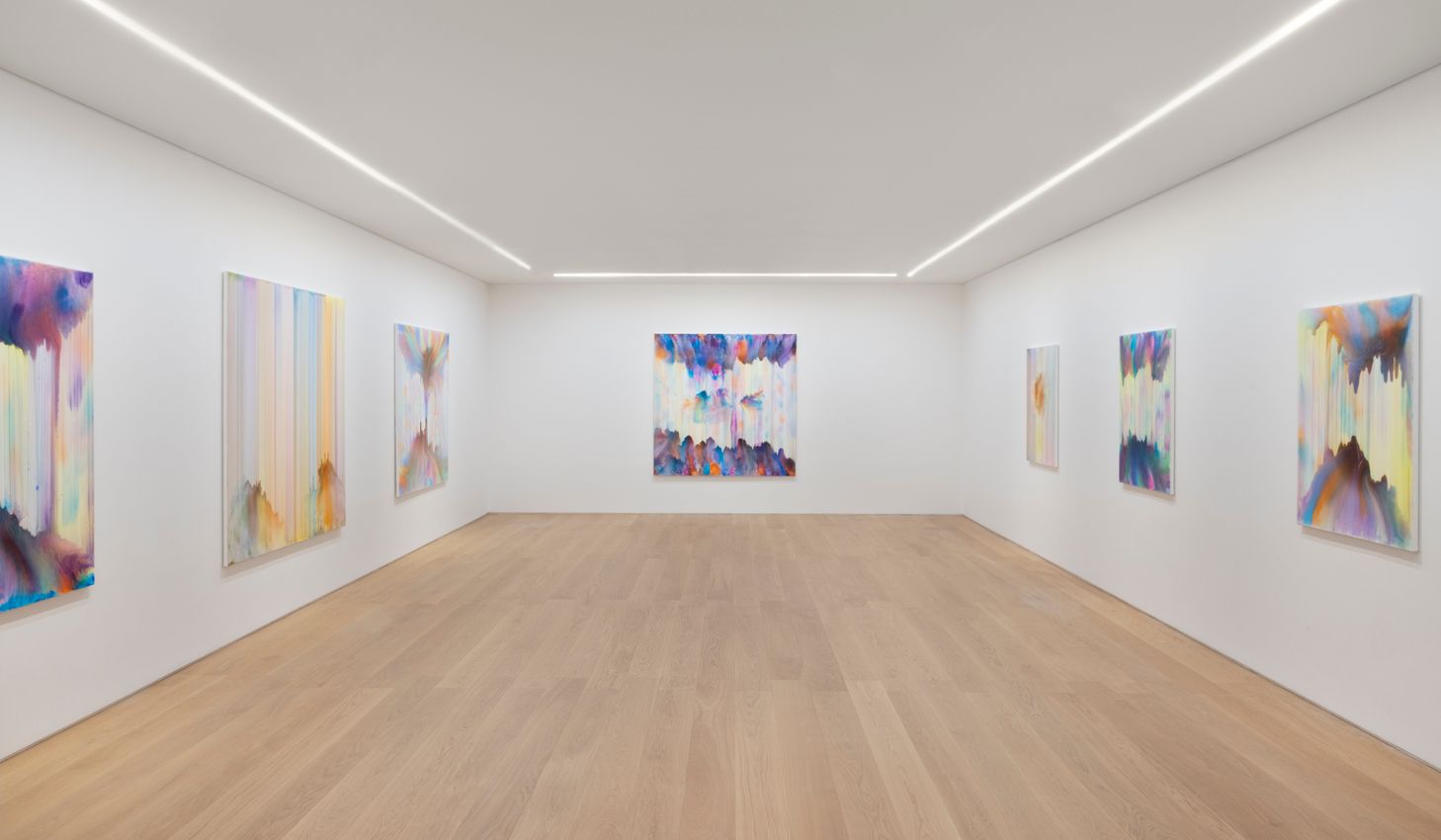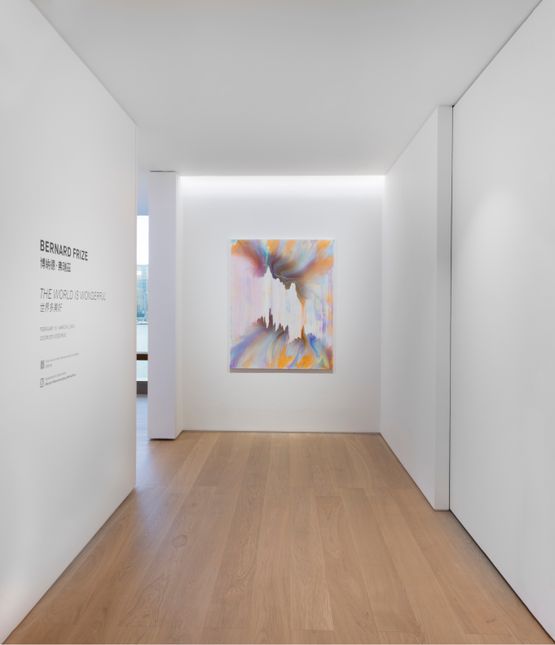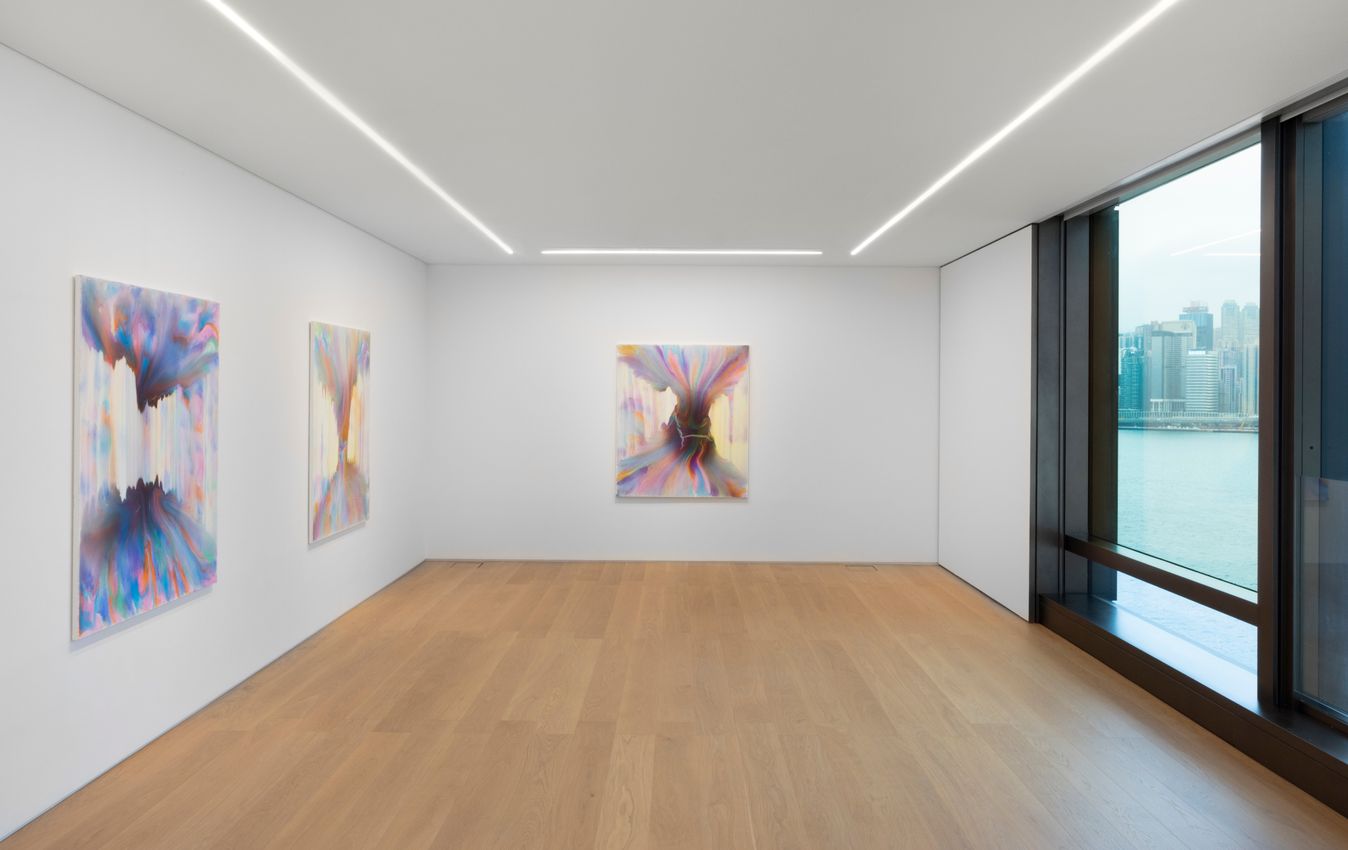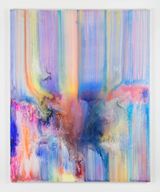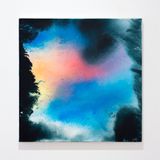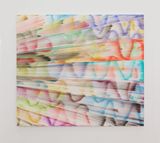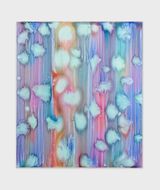
Perrotin Hong Kong is pleased to present The World Is Wonderful, an exhibition of the latest series of paintings by French artist Bernard Frize, marking his second solo exhibition at Perrotin’s Hong Kong space.
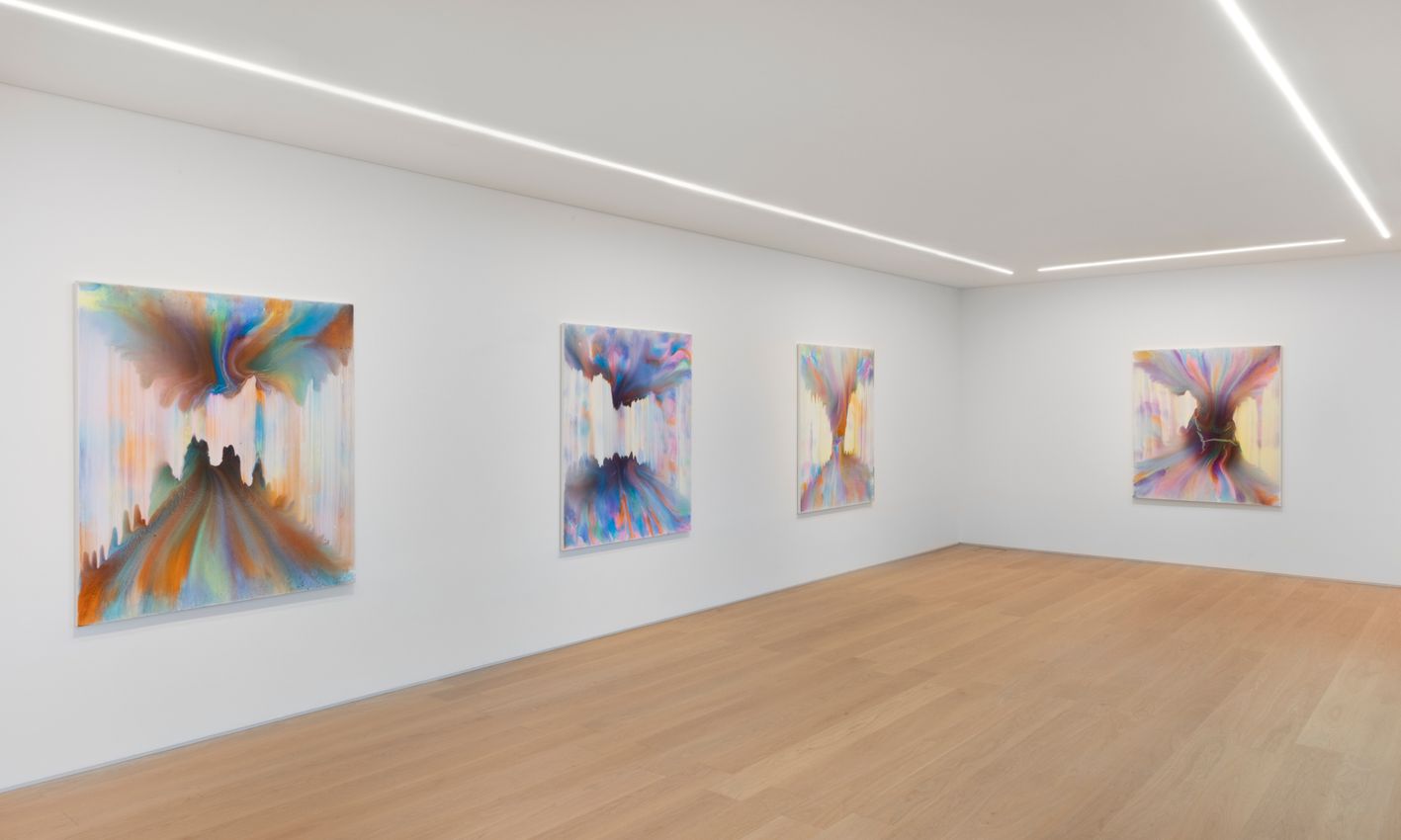
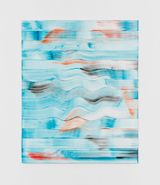
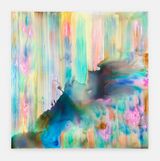
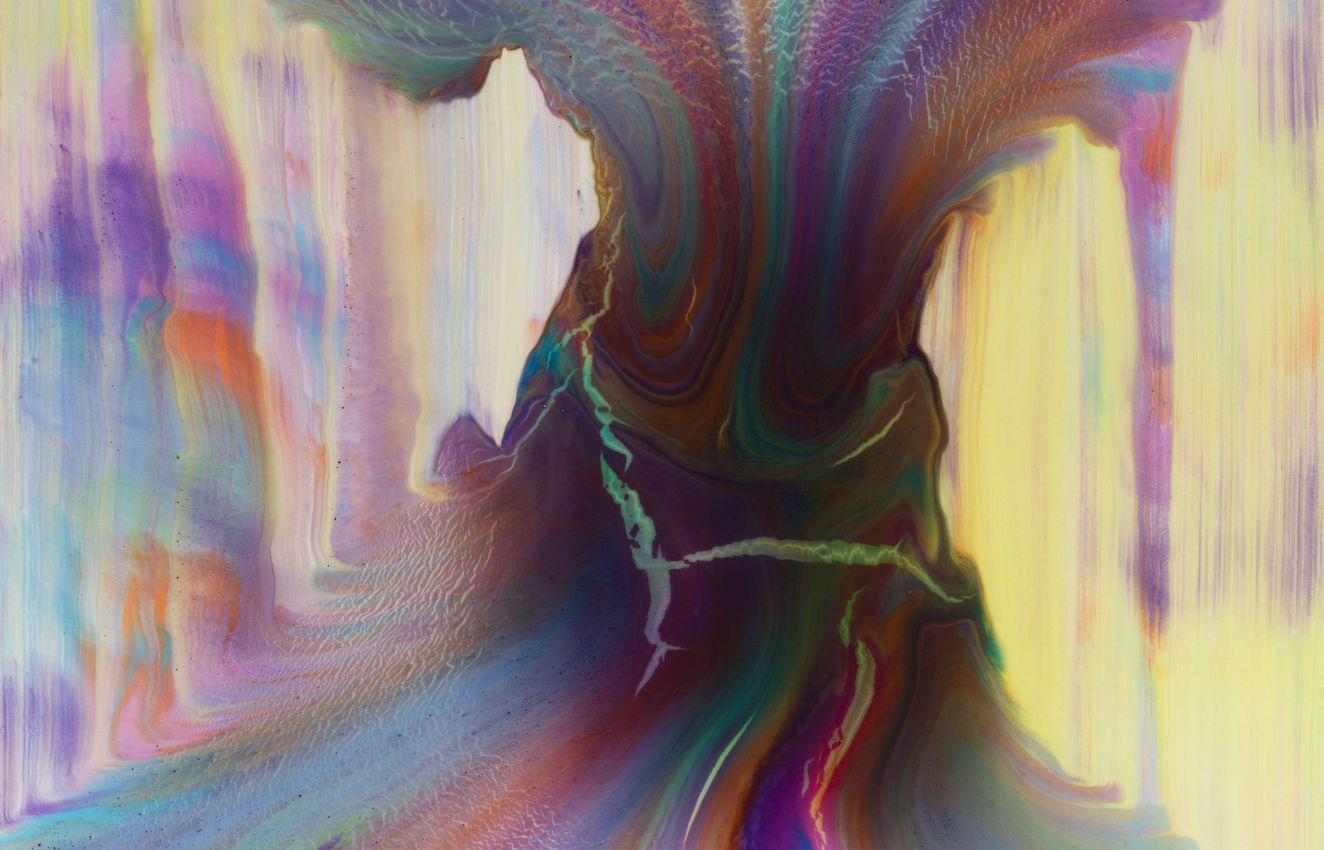
There is a vast art-historical gulf between painting of destruction and destruction of painting. On one side we can count such harrowing representational works as Théodore Géricault’s Raft of the Medusa (1819); on the other, physically distressed canvases like Lucio Fontana’s “cuts” (1958–68). Offering an unexpected bridge between these two metaphorical shores, Bernard Frize’s latest paintings are mesmerizing evocations—both pictorially and physically speaking—of destruction. The paintings presented in The World Is Wonderful are neither narrative nor mutilated, but they owe their creation, in large part, to a kind of sanctioned degeneration. Unruly paint has been allowed to bleed over the artist’s own brushwork, complicating systematic strokes with smudges, swathes and stains whose amorphous hazy forms that suggest various celestial bodies. Managing to appear simultaneously vibrant and on the brink of ruin, the series of new paintings presented at Perrotin’s Hong Kong gallery reflect Frize’s complex and ever-evolving relationship to paint, the act of painting and what it means to be a painter.
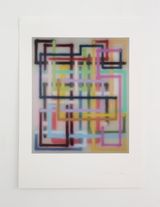
For more than forty years, Frize has worked in series, producing suites of large, colorful canvases under strict predetermined conditions designed to exclude self-expression from his painting practice. The specific nature of Frize’s protocols change from one series to the next, but the underlying concept is always the same. Previous examples of self-imposed modus operandi include making a painting without reloading the brush and following someone else’s instructions for how to move the paintbrush. Each series represents a new attempt by Frize to undermine the artist’s traditional role as a decision-maker (to this end, even the titles of his works are automatically generated and assigned) and a virtuoso. Put off by notions of mastery, Frize has made a career out of inventing ways to enlist paint, brush and canvas as his collaborators. The result is a diverse oeuvre of systematically produced series in which happy accidents—drips, pools, swirls and wrinkles of paint, for example—sanctify each painting. In The World Is Wonderful, the effects of allowing paint to do what it will are both more explicit and more exquisite than ever before.
In Frize’s previous works, scenarios wherein paint acts (or reacts) on its own terms have yielded relatively subtle results: an errant dark streak made by two overlapping colors, a few drips left behind by a watery stroke, or some added texture on the surface caused by a slightly over-loaded brush, for example. In the current exhibition, by contrast, these types of unpredictable and uncontrollable paint “happenings” take center stage. As with the previous series, the artist began his latest paintings with a thick brush dipped into his signature blend of acrylic paint and resin. Putting brush to canvas he filled each composition with abutting strokes that establish an all-over rainbow of lucent jewel tones. In each final painting, this standard backdrop is interrupted—in many cases effectively erased—by forms that are not “painted” per se, but, rather, borne from meandrous pools, drips, seepages and absorptions of paint.
Like an automated self-referential version of Robert Rauschenberg’s Erased de Kooning Drawing (1953), the works in The World Is Wonderful invoke destruction as a key creative gesture. But whereas Rauschenberg did the erasing of de Kooning’s work himself, Frize lets paint wipe away his own strokes. The proverbial “artist’s touch” has been replaced with unanticipated amorphous forms, which register simultaneously as stains or smudges, but also as evocations of cosmic activity. In addition to providing a poetic visual reference, the comparison of Frize’s latest paintings to celestial implosions and explosions relates to the very process by which these works came to be. Embodying a precarious intersection of creation and destruction, The World Is Wonderful confirms an inextricable link between two ostensibly opposing forces.
Mara Hoberman


Bernard Frize’s abstract painting is decisively process-oriented. Working in series, he explores all the possible visual outcomes of precise protocols, which he conceives beforehand. These pre-established conditions and constraints usually pertain to the use of very conventional tools and materials, the almost mechanical execution of seemingly simple gestures, and sometimes the simultaneous assistance of other painters. While they each record the peculiar dynamics of a predetermined technique, his vibrant abstractions are also arenas for chance to operate. By outsourcing some of his creative power to contingency (starting with his highly distinctive yet random colour palette), he allows for painterly events or disruptions to unfold on his canvases. At once calculated and random, conceptual and organic, his aesthetics portends an automatic ideal of painting. With much humour, Bernard Frize actually describes his most successful works as the ones that required minimal intervention from him and thus realised themselves to some extent autonomously.


A respected voice in contemporary art discourse.
Focusing on ambitious storytelling and insightful art-world commentary. Ocula Magazine publishes in-depth interviews, critical essays and timely analysis on the artists, exhibitions and ideas driving the global art world.
Learn more about Ocula Magazine
Showcasing the best of the art world.
Ocula partners with galleries from around the world to highlight their artists, artworks and exhibitions. Gallery membership is by application and invitation, with each member vetted by an independent panel.
Learn more about Ocula Membership

Specialises in the sale of major artworks.
Led by a team with deep ties to the world’s leading auction houses, galleries and collectors. Ocula’s advisory team offers bespoke services to high-net-worth clients from around the world who are looking to acquire the best of contemporary and modern art.
Learn more about our team and services