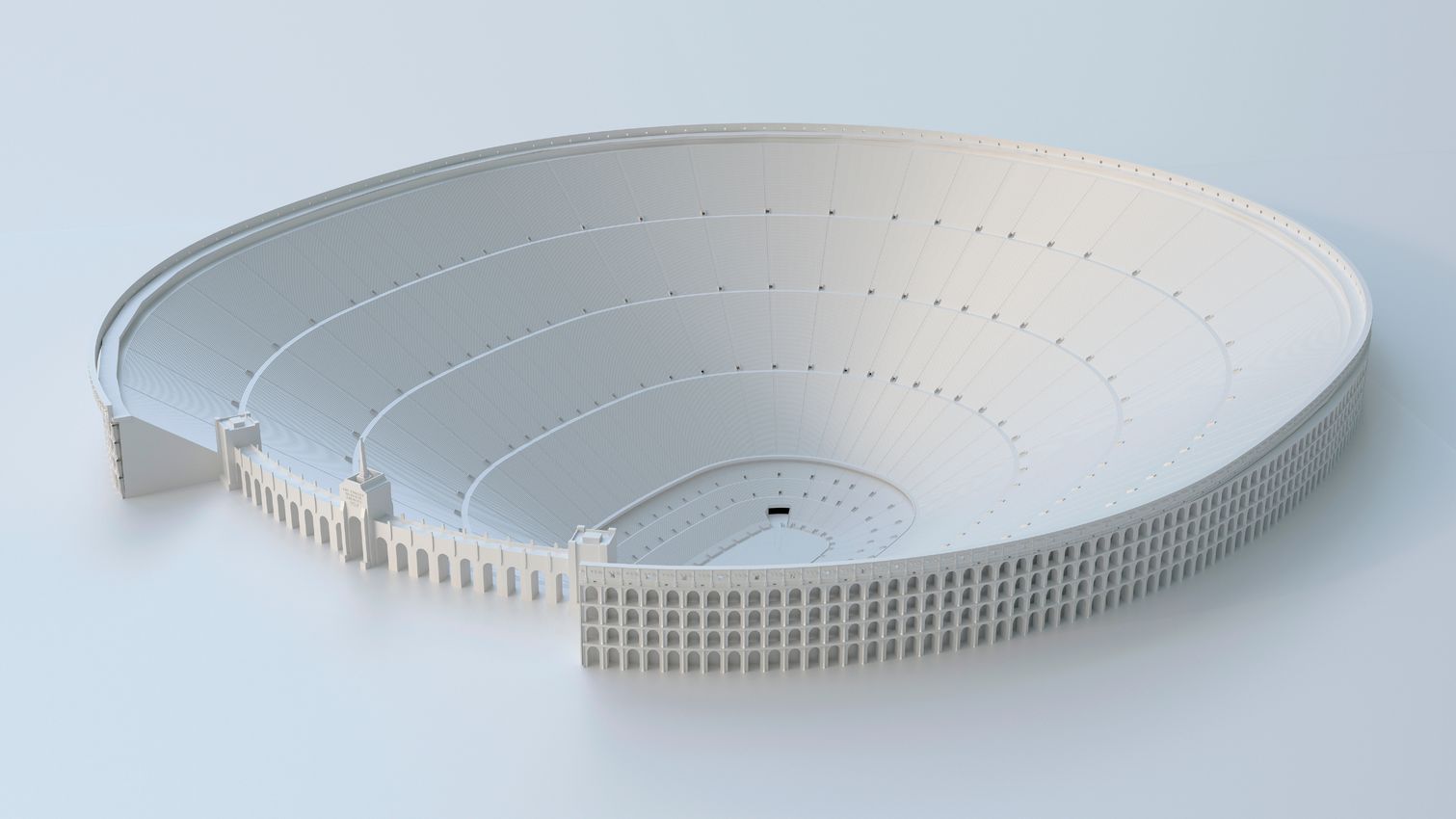
JR’s fifth exhibition at Perrotin coincides with the artist’s audaciousunveiling of his monumental La Caverne du Pont Neuf in Paris(June 6–28, 2026). Strikingly original and destined to becomelegendary, this public art project temporarily transforms the PontNeuf, Paris’s oldest bridge, into a walkway reimagined as a caveof printed fabric: 120 meters long, 20 meters wide, and 18 metershigh. For nearly a month, the immersive installation invites thepublic to experience it at all hours, day or night.
Forty-one years after Christo and Jeanne-Claude’s The Pont-NeufWrapped (1985), La Caverne du Pont Neuf continues JR’s traditionof large-scale trompe-l’oeil projects, which in recent years haveadorned the Louvre, the Paris Opera, and the facades of Italianpalaces. Inspired by Plato’s allegory of the cave and debates onperception (What does it mean to see? Does seeing evoke a senseof truth or imagination?), these works explore the nature of illusion,deception, and art’s extraordinary power to reshape the world. Theycarry consciousness into unprecedented, uncharted universeswhile their public dimension fosters collective experience and asense of shared living. With La Caverne du Pont Neuf, JR onceagain transforms the urban landscape of Paris. Through the magicof art, a still-in-use historic landmark of the City of Light becomesa passage resembling a mountain tunnel, brought to life by a score from Thomas Bangalter, formerly of Daft Punk, and an interactiveprogram to heighten the senses. “It’s a step into the unknown,”says the artist, “a journey. I designed the crossing of the Cave asan experience where fullness and emptiness exist in balance.” Aguaranteed break from everyday life.
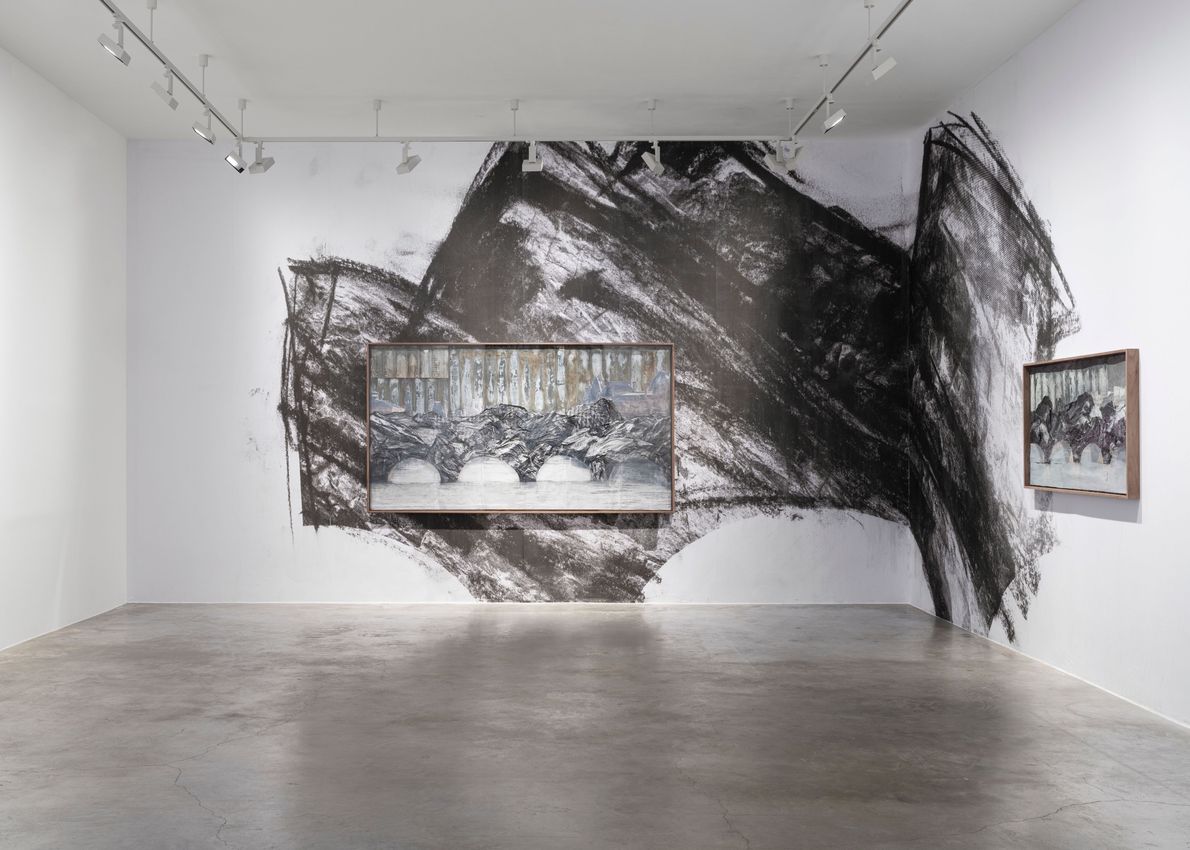
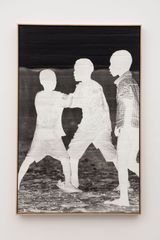
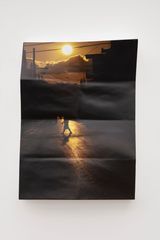
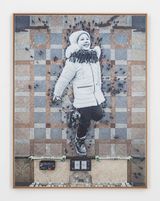
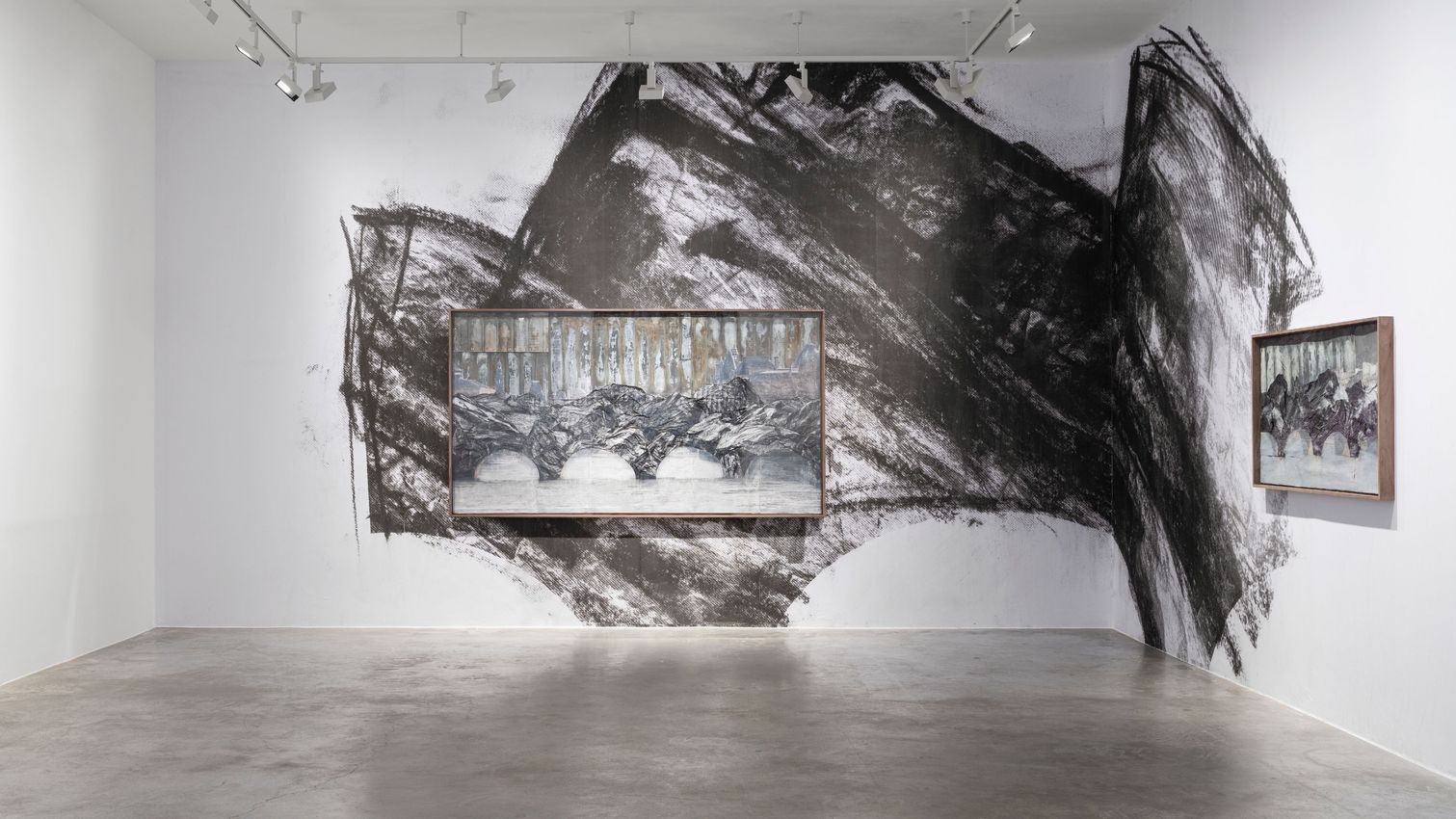
The plastic works in the gallery, displayed concurrently with thetransformed Pont-Neuf, are deliberate thematic extensions of theproject, much like the preparatory drawings Christo and Jeanne Claude created in anticipation of their own installations. Forward looking and descriptive, they form the very foundation of the project:a documented history of its step-by-step development, reflectingboth a mental blueprint and the meticulous labor of design andarrangement.
These preparatory sketches, works of art in their own right, arecrafted through a consistent technique that weaves together multiplemedia. The process begins with photography: JR “shoots” thePont-Neuf from various angles and selects his images. It thenmoves into drawing: in his studio, the artist sketches and cuts outthe mineral-like shapes for the actual La Caverne du Pont Neuf,drawing inspiration from landscapes observed in mountainous orunderwater sites, prefiguring its final form. Another medium, zincsheets, serves as the substrate onto which the photographs anddrawings are assembled through collage. Salvaged from fragmentsof Parisian rooftops still bearing the marks and traces of time,they lend a contextual dimension to these works, giving them anunmistakably ‘Parisian’ character. To this process of collage andassembly, reminiscent of Robert Rauschenberg’s Combine Paintingtechnique in its accumulation and juxtaposition of disparate elements,JR adds a final gesture: deliberate crumpling. The aim is to puffthem up and give them volume. Photography, drawing, collage, andmanual manipulation converge to create a seamless blend of two- andthree-dimensional forms, once each element has been ‘mounted’on the zinc base. The result is a construction plan conceived notso much as a technical diagram but as a reverie of the finishedwork, the completed La Caverne du Pont Neuf as it will appear tothe visitor-viewer.
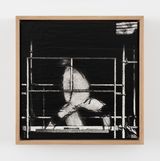
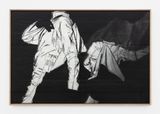
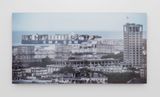
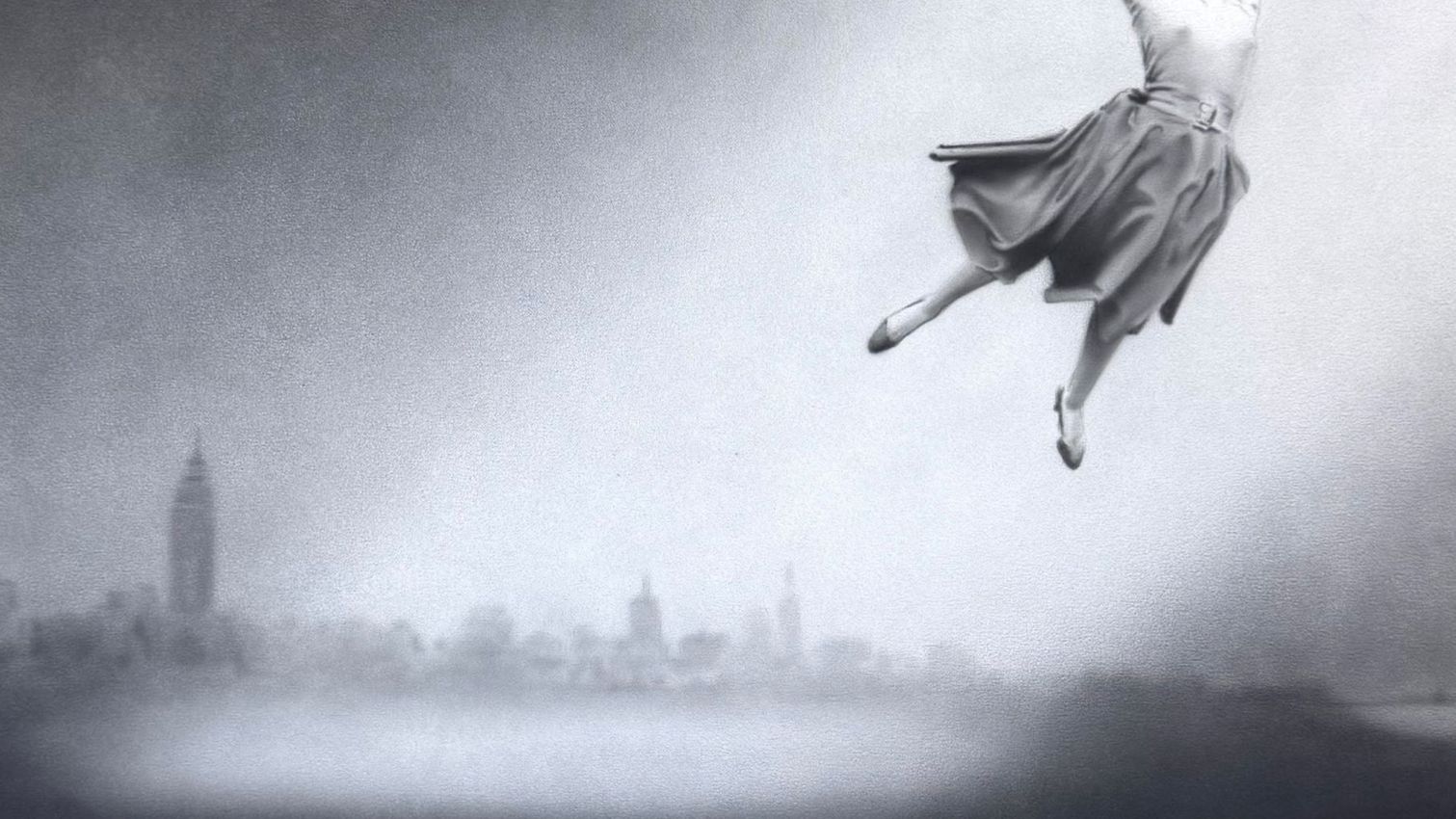
For the past quarter of a century, JR has accompanied his publicartworks with a lighter aesthetic approach, such as his collagesor what he himself calls Dé-compositions. Intended for privatecontemplation, these photographs or lithographs are unified bytheir focus on montage and the juxtaposition of visual fragments. InJR’s symbolic vision, the raw world is a jumble of distinct, separate,isolated forms. It falls to the artist to recompose what reality pullsapart: to gather these fragments together in a spirit of reconciliation,reunification, and harmony. It is as though he were orchestratingour universe, so full of discord and solitude, for our own well-being,aiming for harmony and the elation of the unexpected.
Perrotin
Born in 1983 in France, JR works between Paris and New York. After finding a camera in the Paris metro in 2001, he traveled Europe to meet those who express themselves on walls and facades, and pasted their portraits in the streets, undergrounds and rooftops of Paris. The artist creates ‘Pervasive Art’ that spreads uninvited on the buildings of the slums around Paris, on the walls in the Middle-East, on the broken bridges in Africa or the favelas in Brazil. People who often live with the bare minimum discover something absolutely unnecessary. In that Art scene, there is no stage to separate the actors from the spectators. JR exhibits freely in the streets of the world, catching the attention of people who are not typical museum visitors.


Emmanuel Perrotin founded his first gallery in 1989 at the age of 21. He has opened since then over 17 different spaces, with the aim of continuing to offer increasingly vibrant and creative environments to experience artists work. He has worked closely with his roster of artists, some since more than 25 years, to help fulfil their ambitious dreams and projects.

A respected voice in contemporary art discourse.
Focusing on ambitious storytelling and insightful art-world commentary. Ocula Magazine publishes in-depth interviews, critical essays and timely analysis on the artists, exhibitions and ideas driving the global art world.
Learn more about Ocula Magazine
Showcasing the best of the art world.
Ocula partners with galleries from around the world to highlight their artists, artworks and exhibitions. Gallery membership is by application and invitation, with each member vetted by an independent panel.
Learn more about Ocula Membership

Specialises in the sale of major artworks.
Led by a team with deep ties to the world’s leading auction houses, galleries and collectors. Ocula’s advisory team offers bespoke services to high-net-worth clients from around the world who are looking to acquire the best of contemporary and modern art.
Learn more about our team and services