Press Release
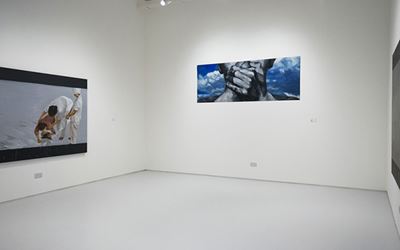
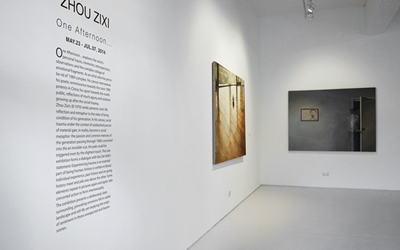
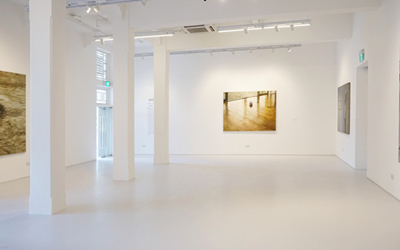
ShanghART Singapore is pleased to invite you to One Afternoon...| ZHOU Zixi Solo Exhibition from 24 May to 7 July 2014.

‘After a long time has passed, when we look back down the road weʼve travelled, our suffering, no matter how great, becomes blurry and distant. Like ink spilled over a book, a sudden disaster gradually transforms into a permeating sadness.’ – Zhou Zixi quotes a friend who has passed away.

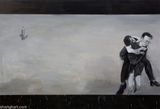
One Afternoon... explores the artistʼs personal traces, memories, introspections, observations and the complex collage of emotional fragments. As an artist who has yet to be rid of ʻ1989 complexʼ, ZHOU Zixiʼs works interweaves his poetic reminiscence towards the June 1989 protests in China; his upset towards the numb public, reflections of much agony and isolation growing up after the social trauma.

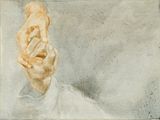
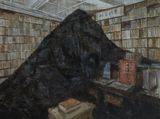
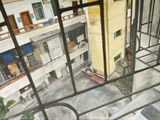
Zhou Zixiʼs work presents oneʼs life reflection and metaphor to the state of living condition of his generation. In his canvas, social trauma under the context of unabashed pursuit of material gain, in reality, become a social metaphor, the passion and common memory of the generation passing through 1980s converted into the an invisible scar, the pain could be triggered even by the slightest touch. This solo exhibition forms a dialogue with Van Der Kolkʼs statement: Experiencing trauma is an essential part of being human; history is written in blood. Individual experience, past history and on-going history meet and pile one above the other. Some elements repeat in pictures again and again, take concerted action to form intertextuality. The exhibition presents a deliberately static surrounding, provoking emotions felt in subtle landscape and still life yet implying the origin of sentiment in those unexpected and bizarre scenes.

In Jeffrey C. Alexanderʼs classic publication Trauma: A Social Theory, he argues that traumas are not merely psychological but collective experiences. It is apparent in Zhou Zixiʼs painting that the relationship between the individual and society is constantly probed, permeating the Chinese reality, politics and history of China, ZHOU Zixiʼs works feature the complexity of an individual, living life with much emotion, caught between the evolvement of a developing country. Exploring the macro and micro narratives in degree of breadth and depth, he endowed the paintings with profound and enduring power which endeavors to summon up hidden and ignored historical relations beyond isolated time.

As Milan Kundera said, ‘The struggle of man against power is the struggle of memory against forgetting’, this afternoon, let the mind wander...

ZHOU Zixi was born in Jiangxi province in 1970. He currently lives and works in Shanghai. Recent solo exhibitions include Late Spring and Early Summer, ShanghART Beijing (2011); China 1946–1949, ShanghART H-Space, Shanghai (2008); Interiors, BüroFriedrich, Berlin, Germany (2006); Happy Life, ZHOU Zixi Solo exhibition, Bizart, Shanghai (2005). Recent exhibitions include First Kyiv International Biennial of Contemporary Art, Kyiv (Kiev), Ukraine (2012); China Power Station - part 4, Pinacoteca Agnelli, Torino, Italy (2010); China Power Station: Part II, Astrup Fearnley Museum of Modern Art, Oslo, Norway (2007); Under the Blue Sky, Grace Li Gallery, Zürich (2006) and Under the Skin, Universal Studios, Beijing (2006). His works were collected by White Rabbit (New South Wales, Australia) and Astrup Fearnley Museum (Oslo, Norway).

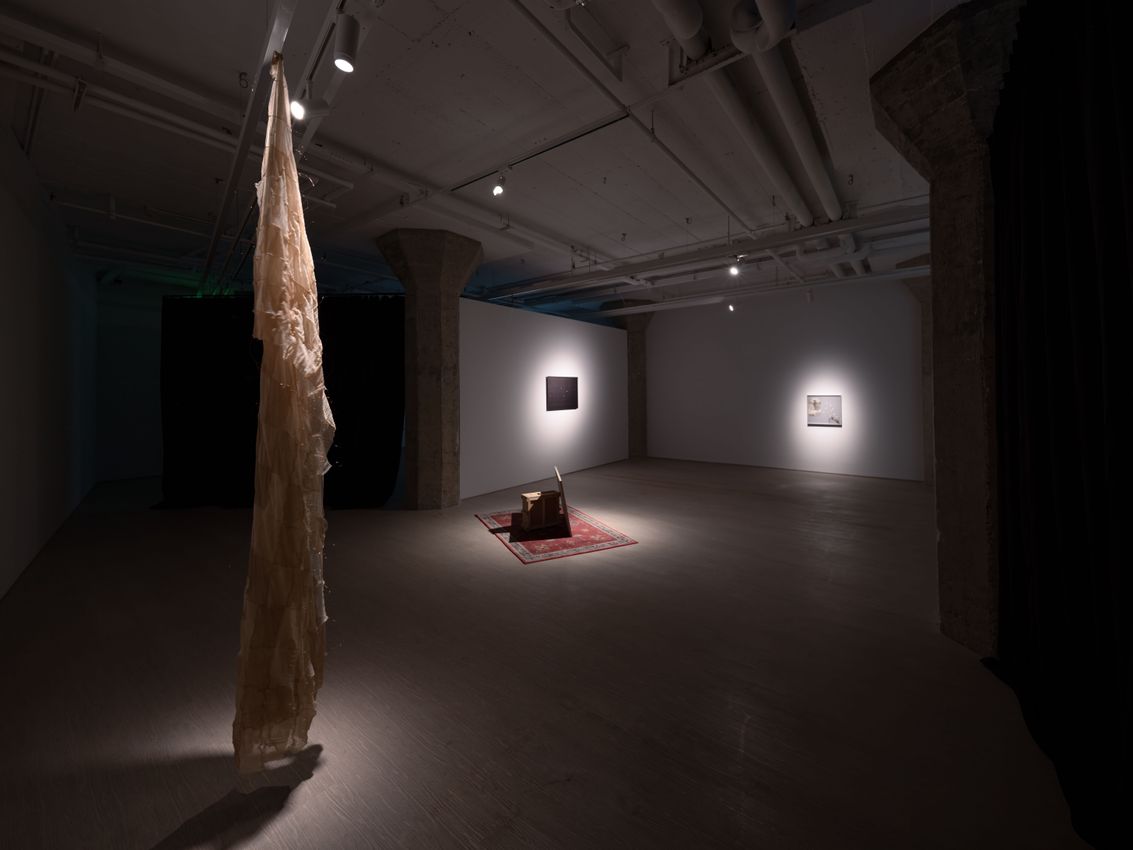
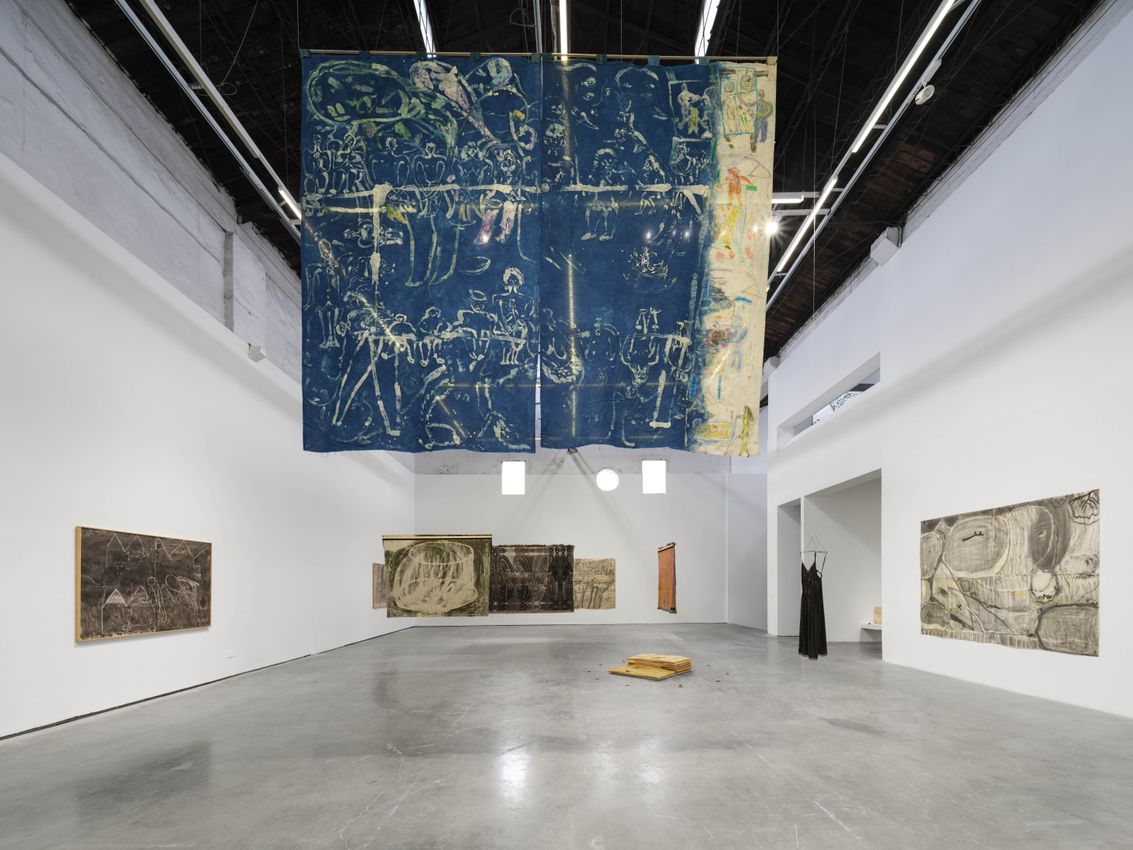
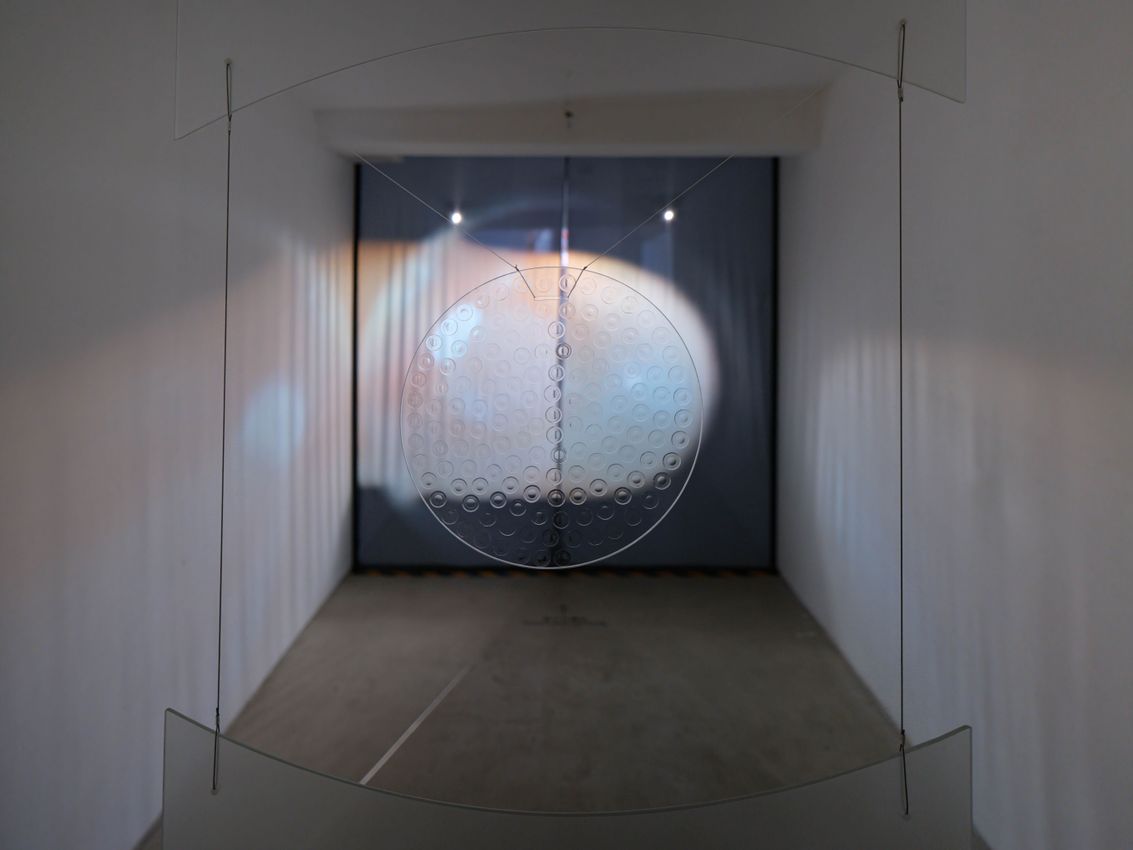
Installation Views

About the Artist

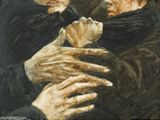
What is clear from all of Zhou Zixi’s work is the degree to which he understands the profound power of place and its capacity to transcend the prosaic and evoke complex metaphors of history, memory and nostalgia. Zhou Zixi, both in his photographic work as well as in his paintings, regularly exploits the power of place to create images of uninhabited landscapes and estranged interiors that nonetheless generate a multitude of narratives. His work moves with startling ease between modern rooms decorated in bright primary colors to dark scenes that allude to the menacing weight of history. The common strand that runs through these two extremes is a powerful ideology that imposes itself on space. In a documentary series entitled Sorry, I don’t Know, Zhou Zixi takes a blown up photograph of a portrait of a man covering his face with his hands and posits it in random topographical spaces. His aim is to insert a contextless image into non-descript urban landscapes to trigger an unframed, unexpected visual encounter. The effect is not imposed on the spectator; on the contrary, the work offers a willfully ambivalent approach, open to a variety of interpretations.

View Artist Profile

Also Exhibiting at ShanghART

About the Gallery

When ShanghArt Gallery opened its doors in Shanghai in 1996, it was one of the first contemporary art galleries in China. Today, the gallery operates from two spaces in the city (West Bund and Putuo District), with additional locations in Beijing and Singapore.

View Gallery Profile
Address
9 Lock Road, 02–22
Gillman Barracks
Singapore
Singapore
Opening Hours
Wednesday – Sunday
11am – 7pm
Closed on Monday, Tuesday and Public Holidays
(1)
Singapore 9 Lock Road, 02–22, Gillman Barracks
ShanghART
9 Lock Road, 02–22, Gillman Barracks, Singapore, Singapore

Opening hours
Wednesday – Sunday
11am – 7pm
Closed on Monday, Tuesday and Public Holidays
The art world in focus