





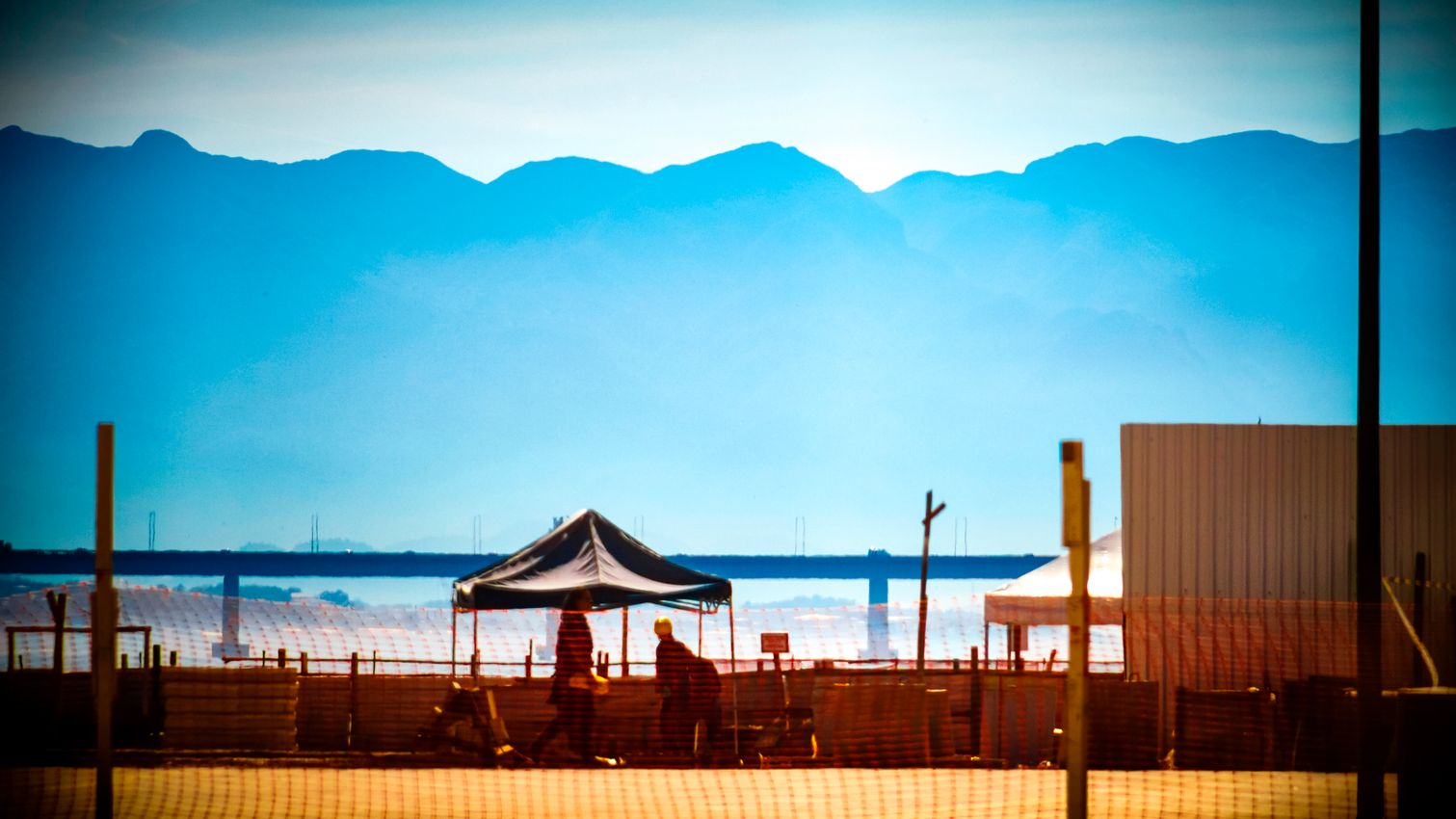
ALICE MICELI
b. 1980, BrazilAccording to the curator Agnaldo Farias, Alice Miceli is interested in the idea that ‘the collapse of representation is responsible for the collapse of reality’. The artist’s work initiates with investigative trips and historical researches through which the artist retraces cultural and physical vestiges of past traumas inflicted on social and natural landscapes.
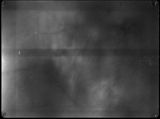
Most notably, Alice Miceli has explored places such as the Prison S21 in Cambodia and Chernobyl’s Exclusion Zone where she developed new techniques rooted in the specificity of each place. For example, using a photographic film specifically sensitive to radiation in Chernobyl, Miceli extended her analysis of traumatic events of the past beyond their recognition as memories, also visually capturing the chemical residue of History.
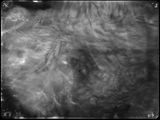
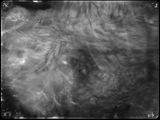
Her most recent work focuses on land mines left in post-conflict countries and on examining the contradiction between the invisibility and the brutality of the military devices. Here, Alice Miceli’s focus revolves around the endeavour to visually communicate the consequences of past wars or tragedies in different places accounting for their physical impact and cultural context. In this series, Miceli calls attention to the fact that a change of perspective is able to modify everything, both figuratively and literally.
Alice Miceli was born in Rio de Janeiro, in 1980, where she still lives and works. Recent solo shows include: Projeto Chernobyl, at The Americas Society / Council of the Americas (AS/COA) (2019), in New York, USA; Em profundidade (campos-minados), at Instituto PIPA, Villa Aymoré (2019), in Rio de Janeiro, Brazil; 88 from 14,000, at Max Protetch Gallery (2011), in New York, USA. She featured in the 5th Moscow International Biennale for Young Art–Deep Inside, Russia (2016). Recent group shows include: A intenção e o gesto, 6th CNI SESI SENAI Marcantonio Vilaça Prize, at Museu de Arte Contemporânea de Goiás (MAC-Goiás), in Goiânia; at Museu da Indústria, in Fortaleza; at Museu Histórico Nacional (MHN), in Rio de Janeiro; at Santander Cultural, in Porto Alegre, Brazil (2018); The Materiality of the Invisible, at Jan van Eyck Academieplein (2017), in Maastricht, The Netherlands; Diante do desconhecido: O Outro, at Galeria de Arte Solar (2017), in Rio de Janeiro, Brazil; and Memory Leak: Views from Between Archiving and Memory, at La Capella (2015), in Barcelona, Spain. Her works are included in important institutional collections, such as: Associação Cultural Videobrasil, São Paulo, Brazil; Cisneros Fontanals Art Foundation (CIFO), Miami, USA; Moscow Biennale Art Foundation, Moscow, Russia; Museu de Arte Moderna do Rio de Janeiro (MAM Rio), Rio de Janeiro, Brazil.
Text courtesy Galeria Nara Roesler.



















Explore and Follow Artists Shaping Contemporary Art
A respected voice in contemporary art discourse.
Focusing on ambitious storytelling and insightful art-world commentary. Ocula Magazine publishes in-depth interviews, critical essays and timely analysis on the artists, exhibitions and ideas driving the global art world.
Learn more about Ocula Magazine
Showcasing the best of the art world.
Ocula partners with galleries from around the world to highlight their artists, artworks and exhibitions. Gallery membership is by application and invitation, with each member vetted by an independent panel.
Learn more about Ocula Membership
Specialises in the sale of major artworks.
Led by a team with deep ties to the world’s leading auction houses, galleries and collectors. Ocula’s advisory team offers bespoke services to high-net-worth clients from around the world who are looking to acquire the best of contemporary and modern art.
Learn more about our team and services