





Will Modern Politics Erase Art as a Form of Resistance?
The year in censorship: As global politics drifts to the right, artists face hostility while museums reappraise curatorial decisions. Save to My Ocula‘I’m risk-averse, fundamentally. And more so now,’ U.S. photographer Sally Mann said in an interview with NPR this September. During the first week of 2025, four of Mann’s photographs on display at the Modern Art Museum of Fort Worth were seized and ‘secured as potential evidence’ by Texas police. The artist’s work has long been at the centre of the American culture wars for exhibiting nude portraits of her young children in the rural South. She has been accused since their first public exhibition in the late 1980s and 90s of showing ‘child pornography’, despite the artist’s emphasis on consent and context. But this time felt different. The intervention came after an open letter from the Danbury Institute, a conservative Christian advocacy group, backed by local government, including a county judge who called for a criminal investigation (all charges were later dropped). ‘We’re entering a new era of culture wars,’ Mann said. ‘And I think the people who are pursuing this are much more sophisticated and have many more tools at hand.’
Instances of censorship across the art world globally have risen significantly over the past 12 months, driven in part by an increasingly polarised and rightward leaning political landscape in the face of ongoing military offensives, everywhere from Gaza to Ukraine to Sudan. Around the world, artists are faced with increasingly hostile environments directed towards them. In turn, this has reshaped how museums and institutions approach programming, public engagement, and curatorial decision-making. Art as a form of resistance has historically provided space for artists to challenge power and reveal harm. This year it has become clear how quickly that space can be curtailed, and how deeply such restrictions reverberate.
A report published this April by Freemuse (an independent international non-governmental organisation advocating for freedom of artistic expression) reveals a year marked by a sharp escalation in repression toward artists and exhibitions of art worldwide. Shortly before Mann’s works were being removed in Texas, national gallery officials in Jakarta attempted to censor five paintings by Yogyakarta-based artist Yos Suprapto because they criticised state violence against farmers and referenced a former president. The exhibition was cancelled ten minutes before it was due to open. Yet the images were not graphic or obscene; they were politically uncomfortable, which is often the real trigger for institutional censorship. The report also documents countries including Egypt, Iran and China where exhibitions were cancelled, artworks removed, or entire shows shut down—especially when artists addressed war, human rights abuses, or marginalised communities.
Even otherwise straightforward paintings or photographs were treated as threats when they challenged narratives institutions felt pressured to uphold. A 2025 PEN America survey found that 90 percent of museum directors in the U.S. do not have a written censorship policy and yet 65 percent have felt pressure not to show specific artworks. Together, these incidents reveal how political anxiety and risk management increasingly shape what the public is allowed to see.
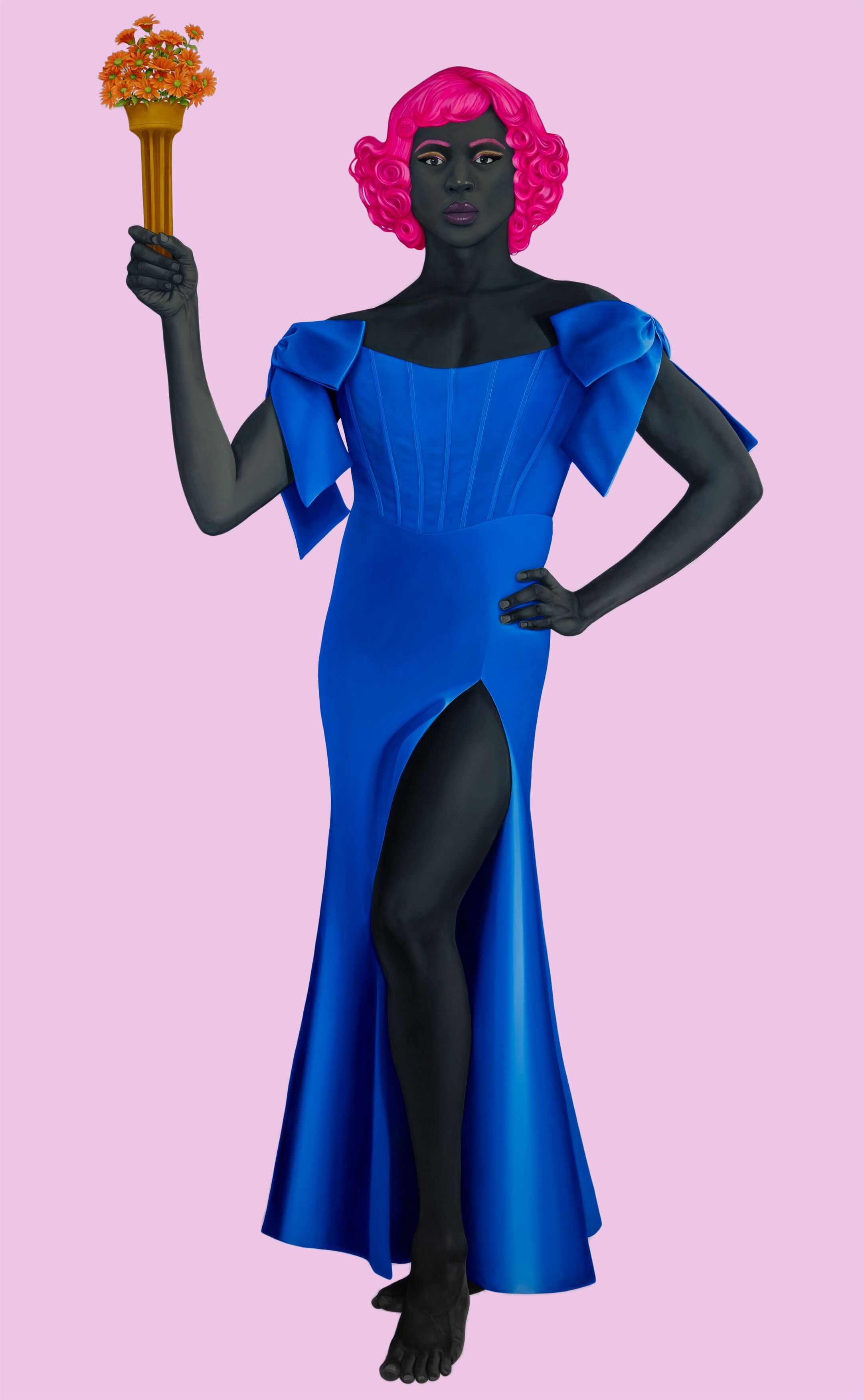
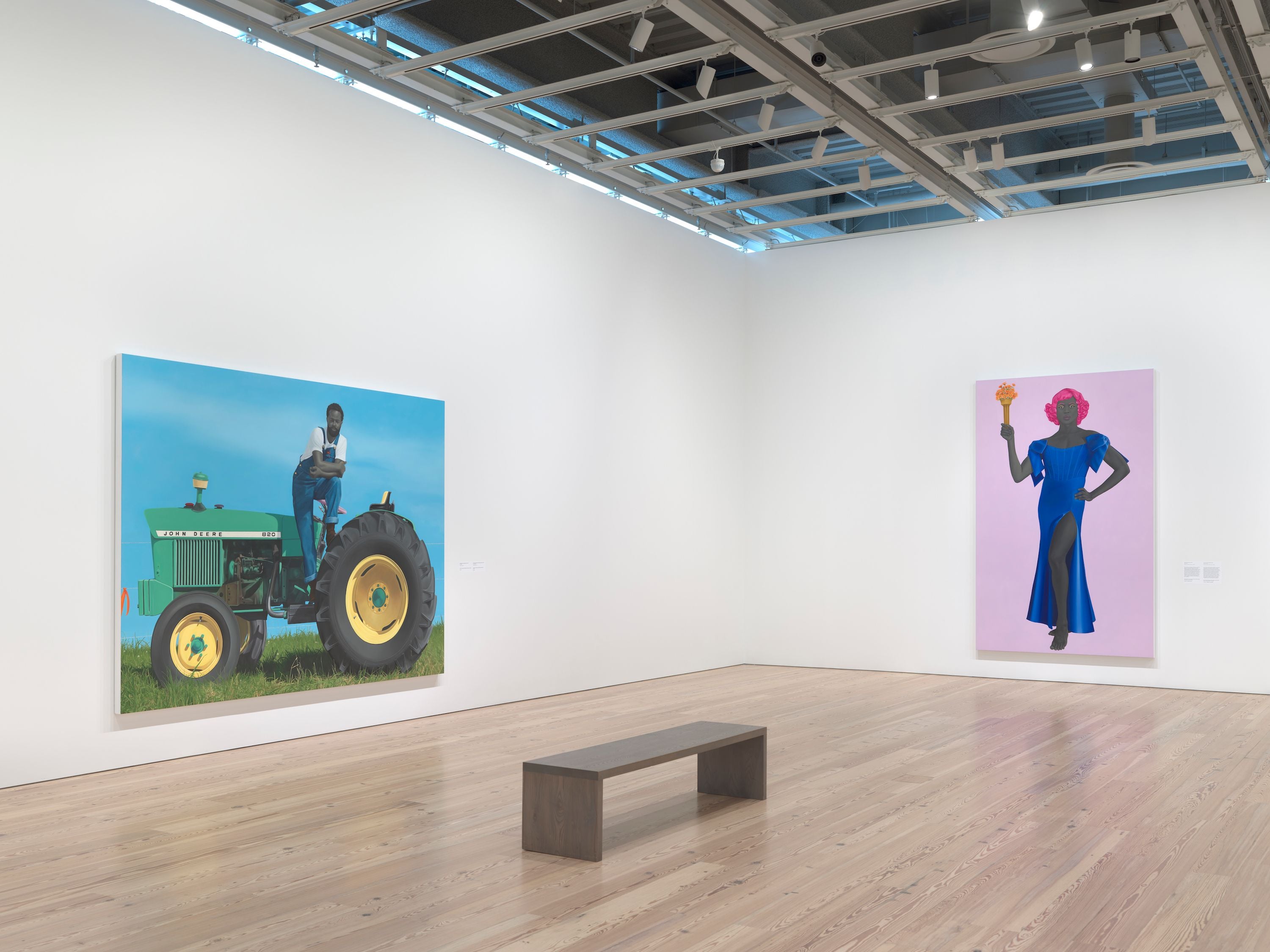
Another major turning point came with painter Amy Sherald’s travelling retrospective Amercian Sublime. The exhibition opened at SFMOMA to wide acclaim, but tensions escalated as it prepared to travel to the Smithsonian this July. Museum officials proposed the removal from the exhibition of Trans Forming Liberty (2024), which they framed as a ‘programming concern’. The painting depicts trans model and performance artist Arewà Basit reimagined as the Statue of Liberty in a pointed critique of who is allowed to embody American ideals. Their concerns signalled an act of political erasure that aligns with broader attacks on trans rights across the U.S. Under these terms, Sherald refused to show the work and cancelled her exhibition, making clear in an op-ed published in the New York Times that she would not allow her painting to be used as a bargaining chip in a moment when trans people are facing legislative violence, book bans, and increasingly hostile public rhetoric around the world. Her decision exposed how quickly institutions retreat from their stated commitments to inclusion when faced with political pressure and reminded audiences that censorship often targets the communities already fighting for basic visibility. The following month, Lindsey Halligan, a special assistant to Donald Trump, released a statement claiming that the painting was a reinterpretation of ‘one of our nation’s most sacred symbols through a divisive and ideological lens’.
Internationally, similar battles unfolded. Censorship intensified most dramatically around the war in Gaza, where universities, museums and governments punished artists, students and writers for expressing even minimal solidarity with Palestinians. This included suspensions of student protesters and the quiet removal of pro-Palestinian programming across Europe. Institutions began framing dissent as instability, forcing artists to choose between speaking openly and risking professional erasure.
Germany has become one of the most extreme examples. Throughout 2025, cultural institutions in Berlin and other cities around the country cancelled talks, withdrew exhibitions, and severed ties with more than 180 artists, writers and scholars, many of them Palestinians, Arabs, or Jewish critics of Israeli policy. Institutions have described an unspoken expectation that publicly funded spaces must appear aligned with the state’s pro-Israel stance. This has produced an atmosphere of intimidation and pre-emptive self-censorship.
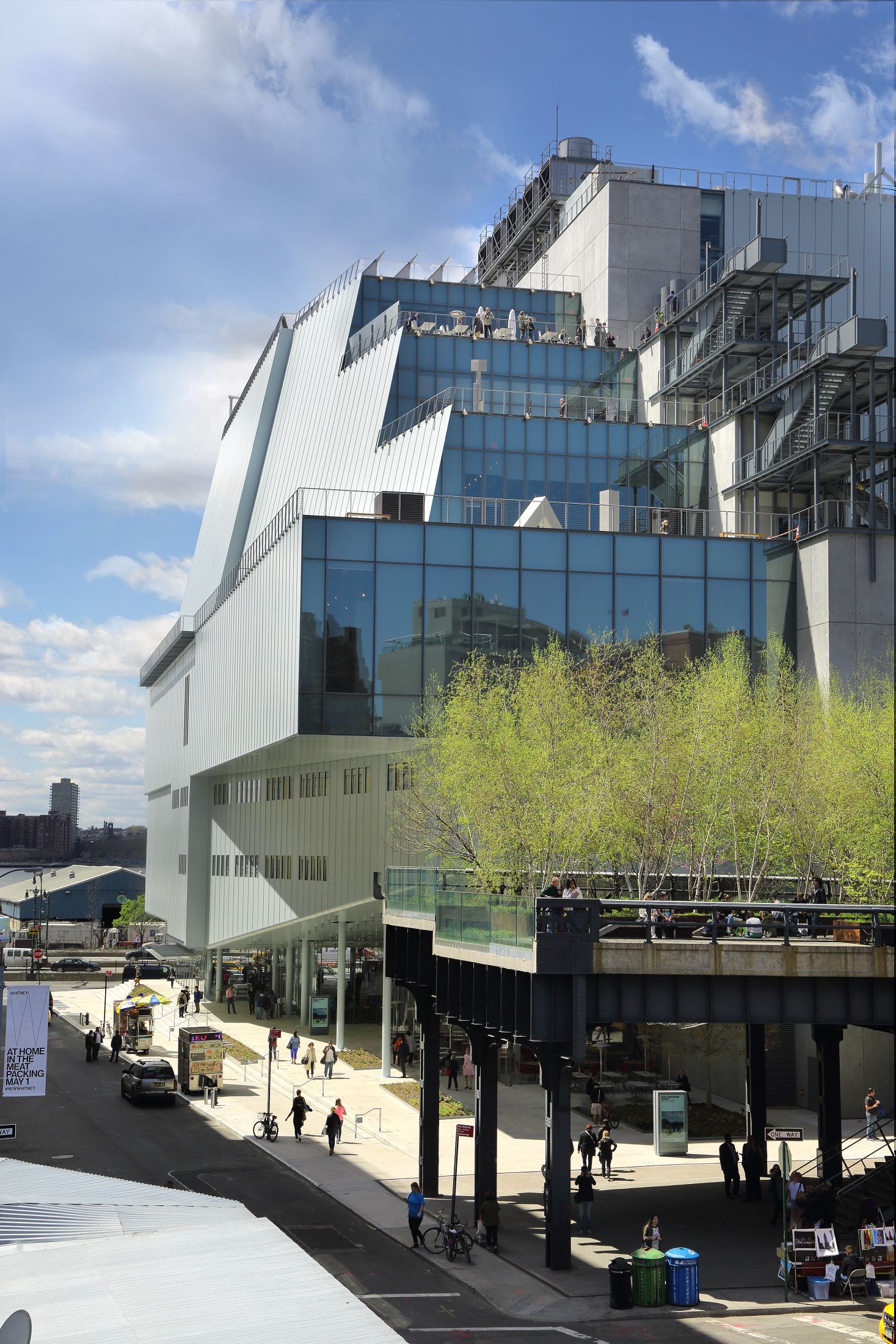
In the U.S., perhaps the year’s most visible rupture occurred at the Whitney Museum of American Art. The Whitney Independent Study Program (WISP), long regarded as a bellwether for experimental cultural practice and progressive pedagogy, came under fire in May when the museum attempted to cancel a planned performance by artists Fadl Fakhouri, Noel Maghathe and Fargo Tbakhi grounded in the struggle for Palestinian liberation. Faculty described the cancellation attempt as the suppression of political expression at a moment of global emergency. Public pressure and an open letter forced a partial reversal, yet the breach between WISP and the museum grew deeper. In June, the Whitney announced it would suspend the programme for the 2025–26 year and eliminate the associate director position held by Sara Nadal-Melsió. The decision underscores how institutional image management increasingly outweighs the critical work that WISP has historically supported.
This pattern extends into Asia. In July, the Bangkok Arts and Cultural Centre removed artworks that criticised the Chinese government after pressure from the Chinese embassy. The pieces addressed repression in Xinjiang as well as state control in Hong Kong and Tibet, but were stripped of captions, artist names and contextual materials. What remained was a sanitised display designed to appease Beijing and erase the artists’ political intent.
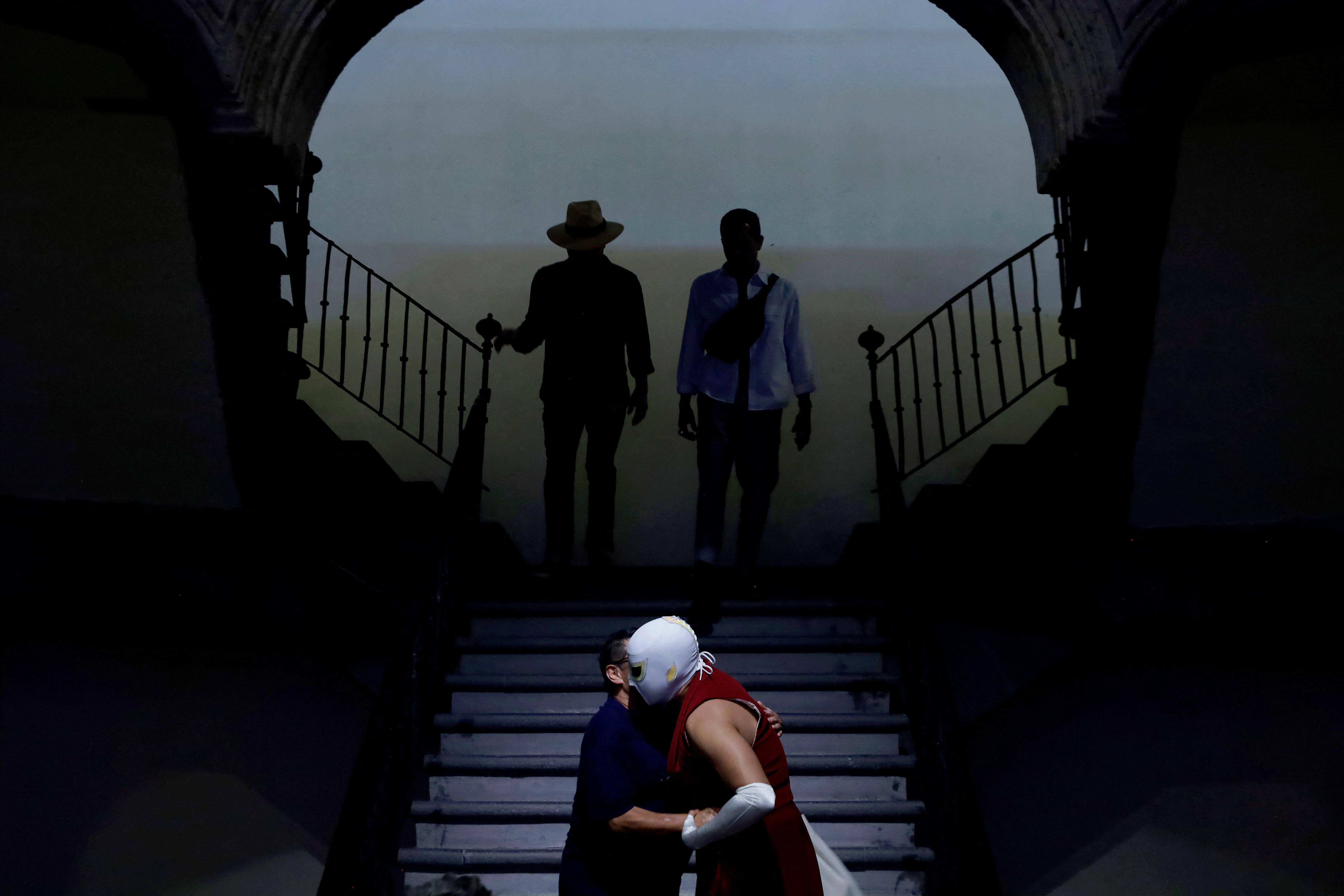
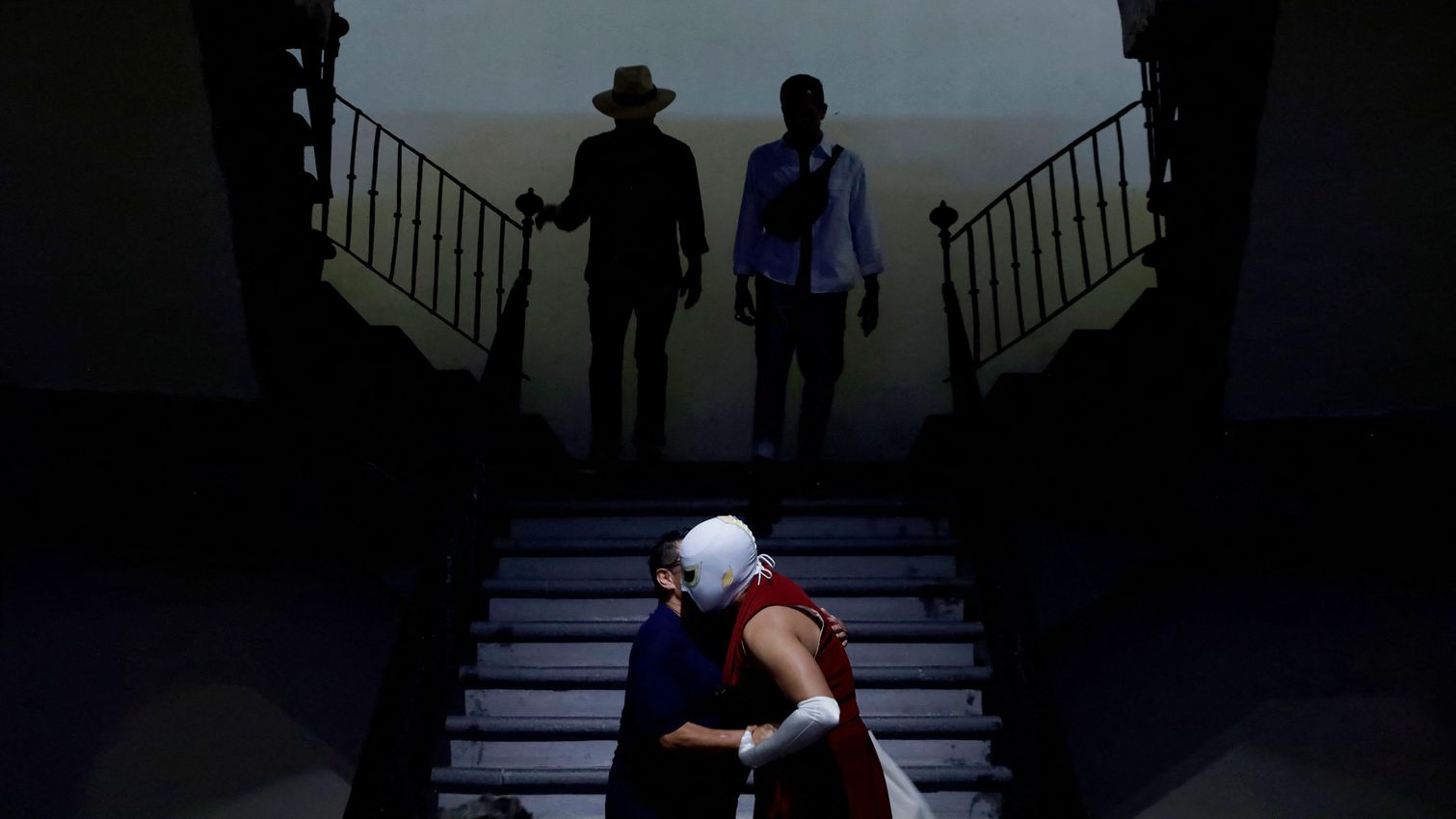
Across Latin America, conservative legal systems also played a role. In Mexico, a federal judge temporarily suspended an exhibition by Fabián Cháirez, whose portraits of openly queer priests and nuns prompted a complaint from the country’s Association of Christian Lawyers. They claimed the work was ‘Christianophobic’ and ‘blasphemous’. Although the judge later rejected the request for a permanent ban, the suspension demonstrated how legal threats can intimidate institutions and restrict LGBTQ+ representation. In Peru, the APCI law passed in March 2025 and strengthened in September created sweeping powers for the government to vet and potentially block cultural projects that receive international funding. The law caused immediate cancellations of exhibitions and fear of fines among artists and nonprofits.
In Africa, governments in Uganda, Nigeria, Ethiopia and Kenya used national security laws, morality clauses and anti-terror statutes to detain performers, shut down exhibitions and silence political artists. Crackdowns escalated in June 2025 when co-ordinated student protests in Nairobi, Kampala and Johannesburg denounced the arrests of musicians and writers who criticised corruption and economic inequality. Police responded with mass detentions and campus shutdowns, showing that the suppression of artistic speech is part of a broader effort to contain youth activism.
Taken together, these events reflect a significant shift in how cultural institutions engage with political pressure. Many no longer wait for explicit state directives. Instead, they alter programming in advance, withdraw works, cancel events, or distance themselves from politically engaged artists. What emerges is a climate defined by risk aversion, image protection and institutional fear. Yet it is also a moment marked by resistance: artists withdrawing work, students demanding accountability, and communities gathering in informal spaces when formal ones shut their doors. Censorship in 2025 has not been uniform, but it has been pervasive. If this year revealed anything, it is how fragile artistic freedom remains and how essential artists are in naming the conditions that restrict it. —[O]
Main image: Fabián Cháirez, The Second Coming of the Lord, Academia de San Carlos, Mexico City (2 April 2025). Courtesy NurPhoto SRL/Alamy Live News. Photo: Gerardo Vieyra.





A respected voice in contemporary art discourse.
Focusing on ambitious storytelling and insightful art-world commentary. Ocula Magazine publishes in-depth interviews, critical essays and timely analysis on the artists, exhibitions and ideas driving the global art world.
Learn more about Ocula Magazine
Showcasing the best of the art world.
Ocula partners with galleries from around the world to highlight their artists, artworks and exhibitions. Gallery membership is by application and invitation, with each member vetted by an independent panel.
Learn more about Ocula Membership
Specialises in the sale of major artworks.
Led by a team with deep ties to the world’s leading auction houses, galleries and collectors. Ocula’s advisory team offers bespoke services to high-net-worth clients from around the world who are looking to acquire the best of contemporary and modern art.
Learn more about our team and services