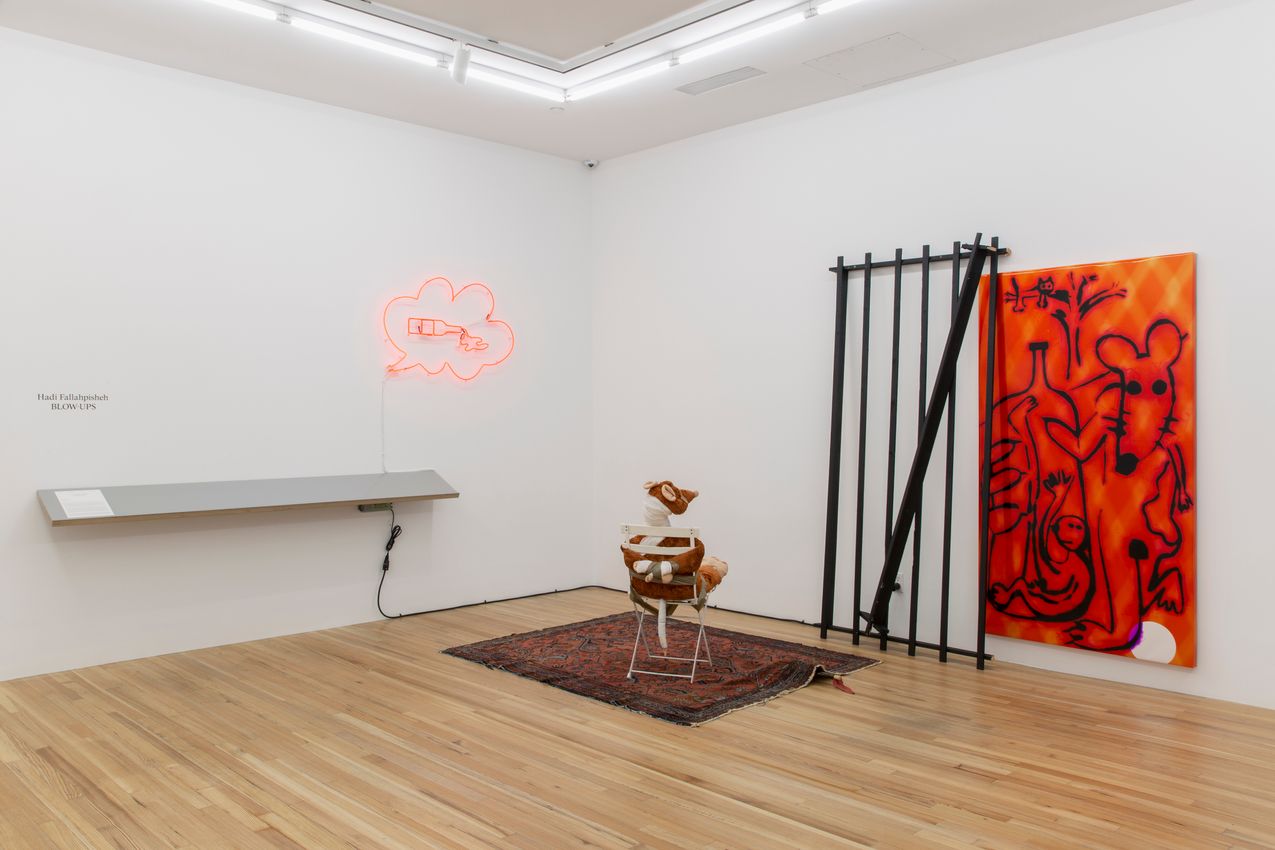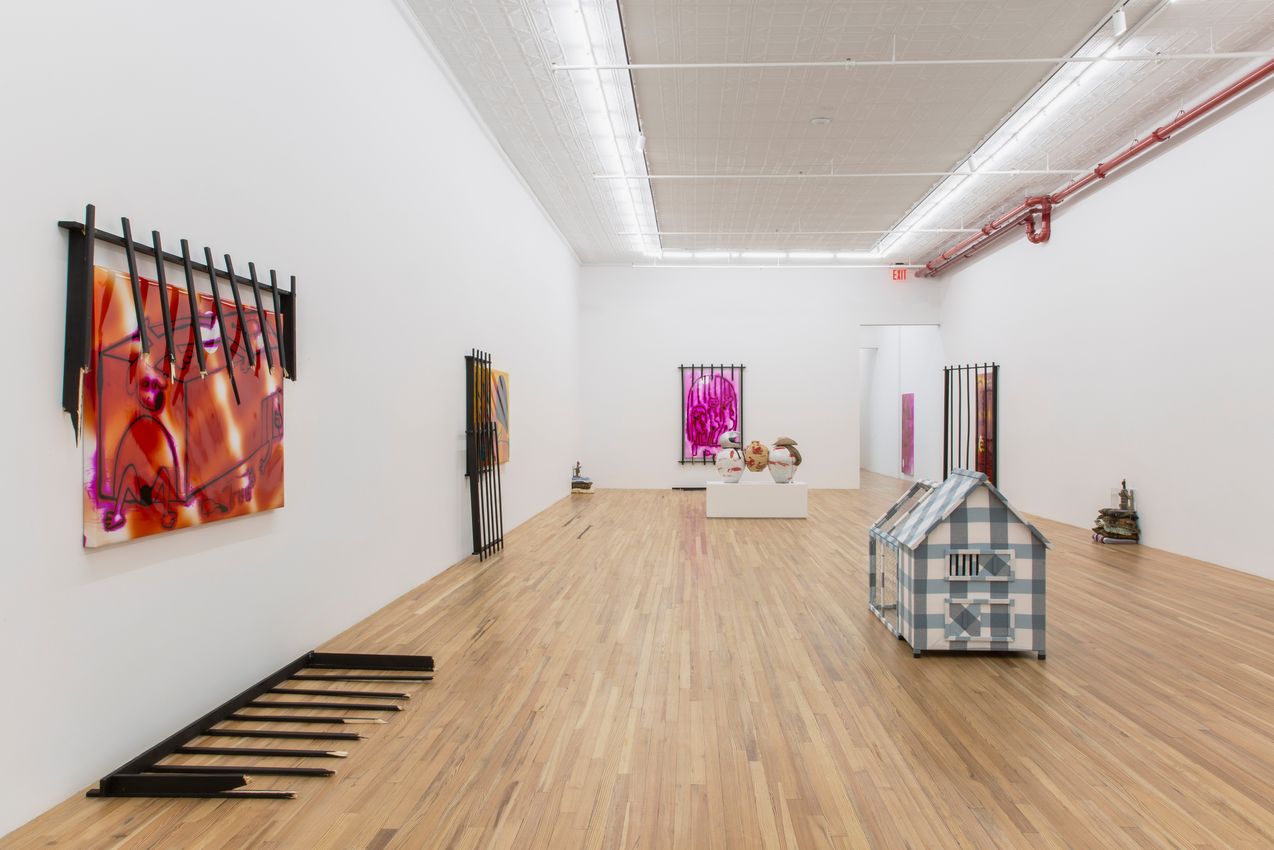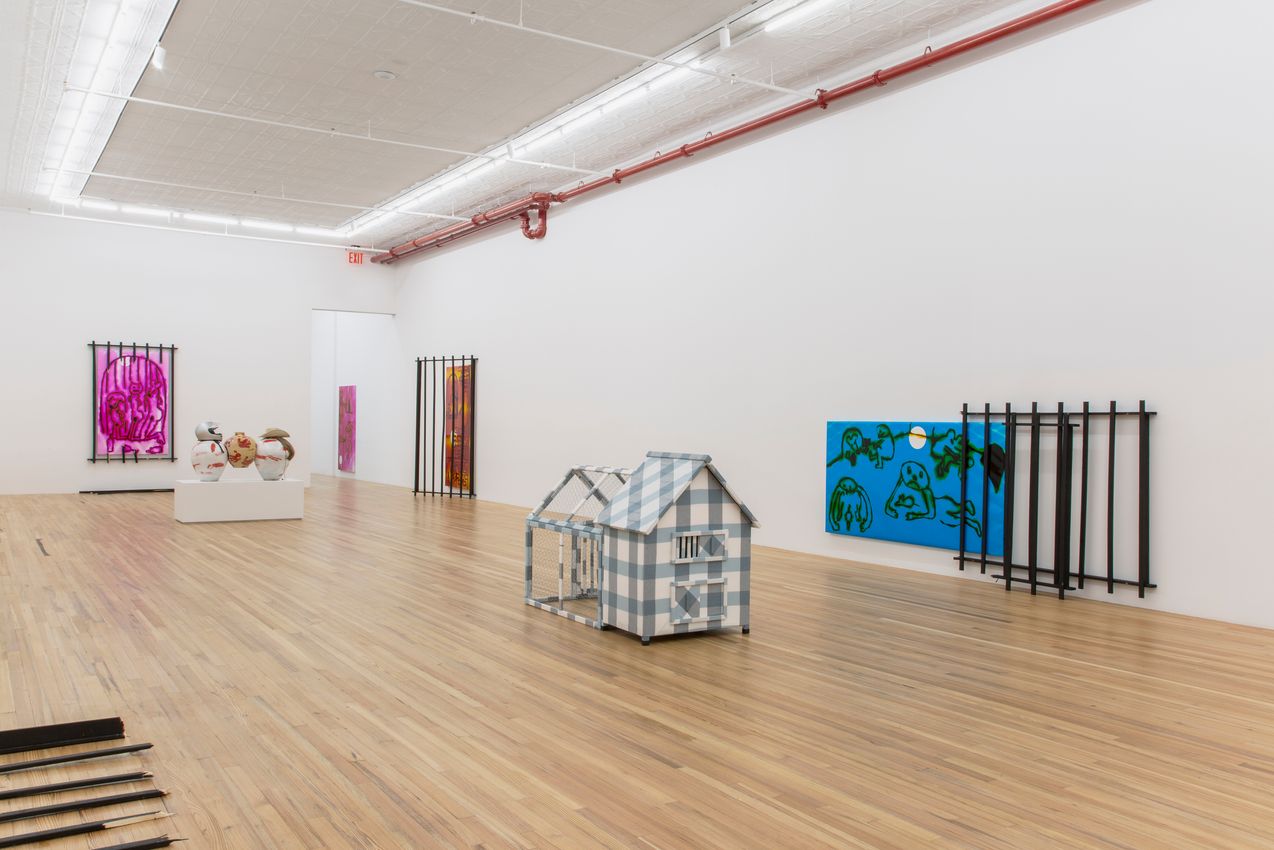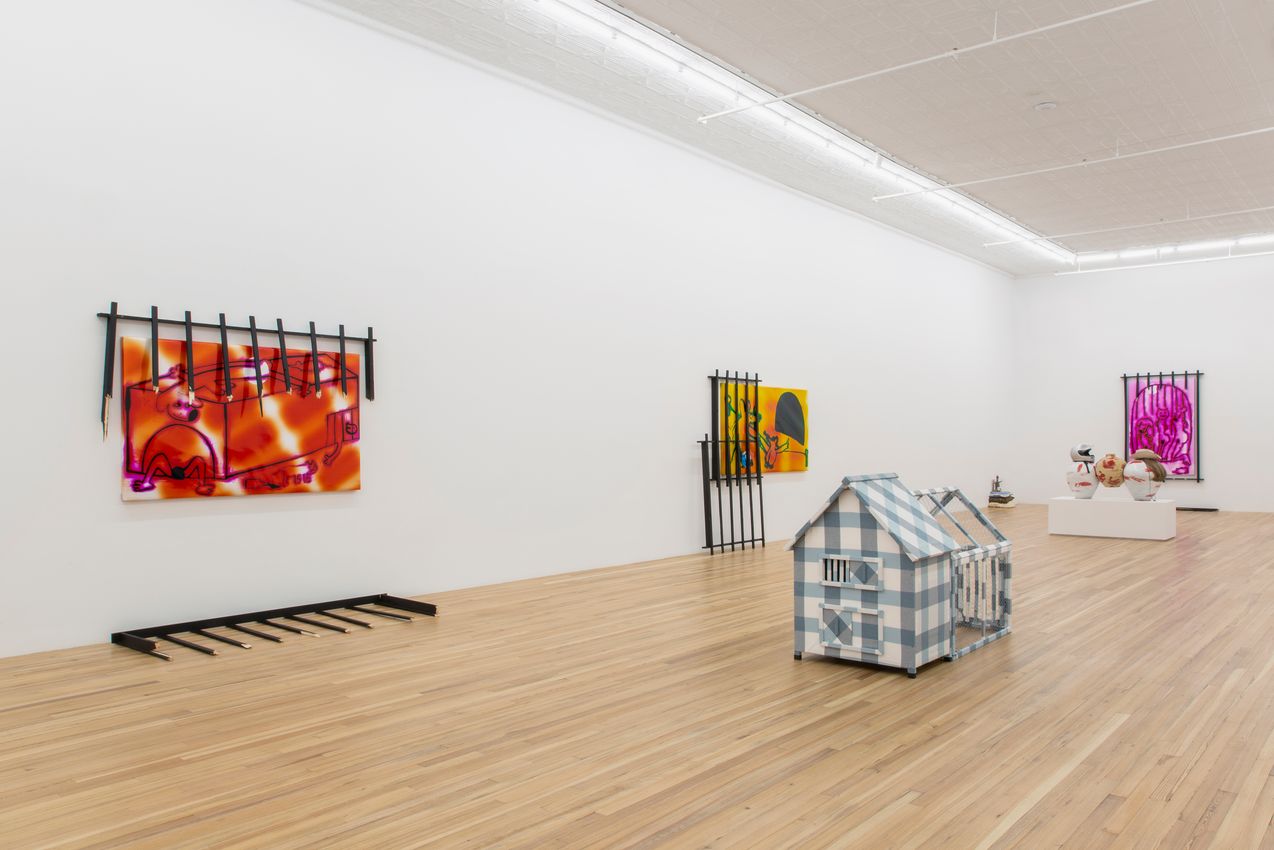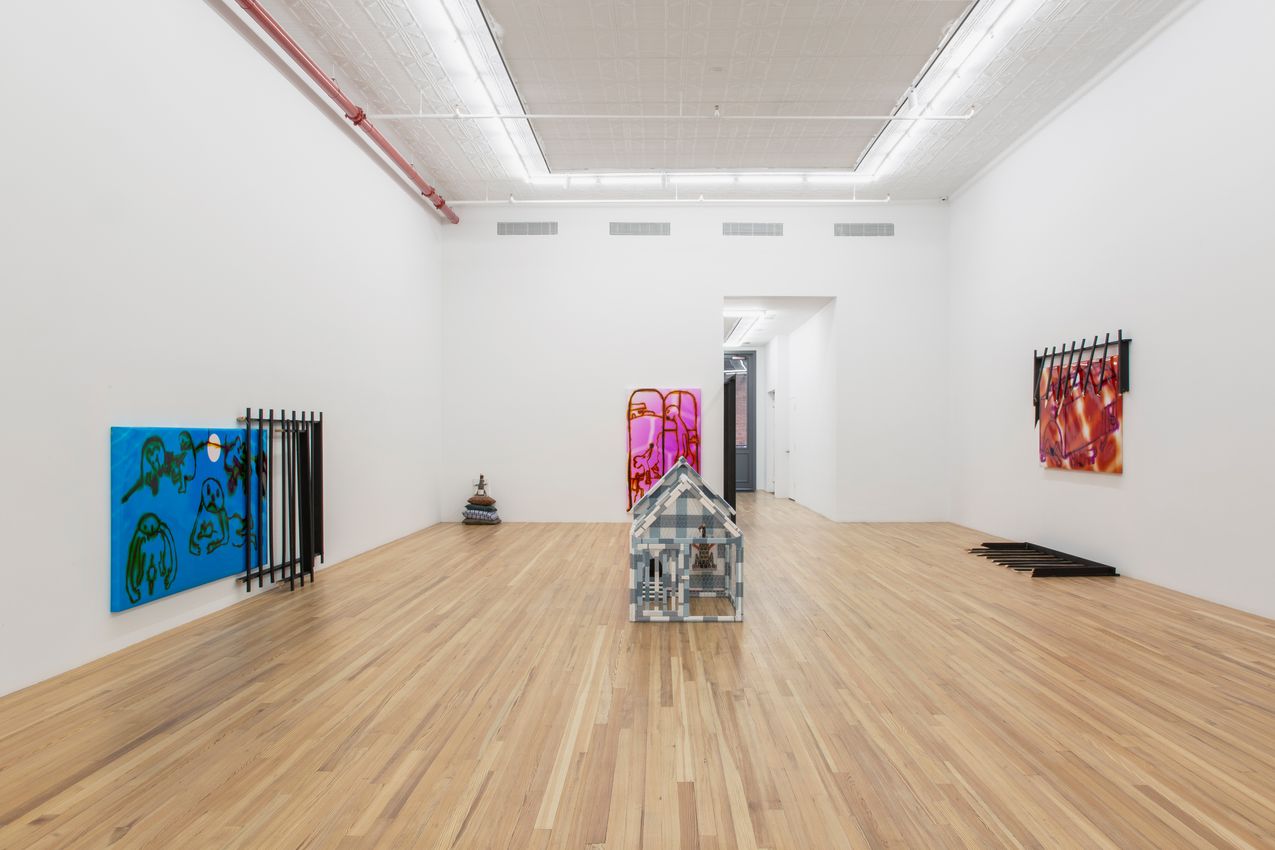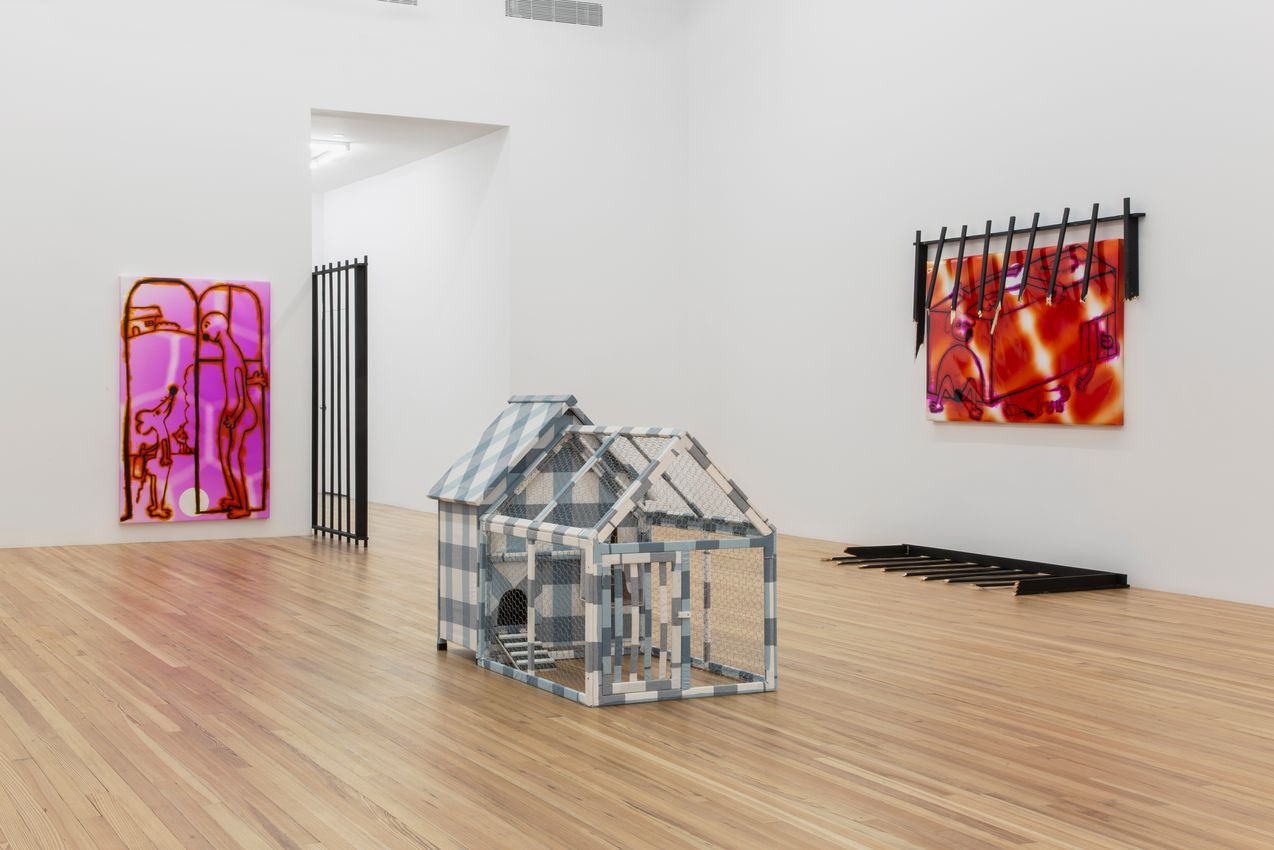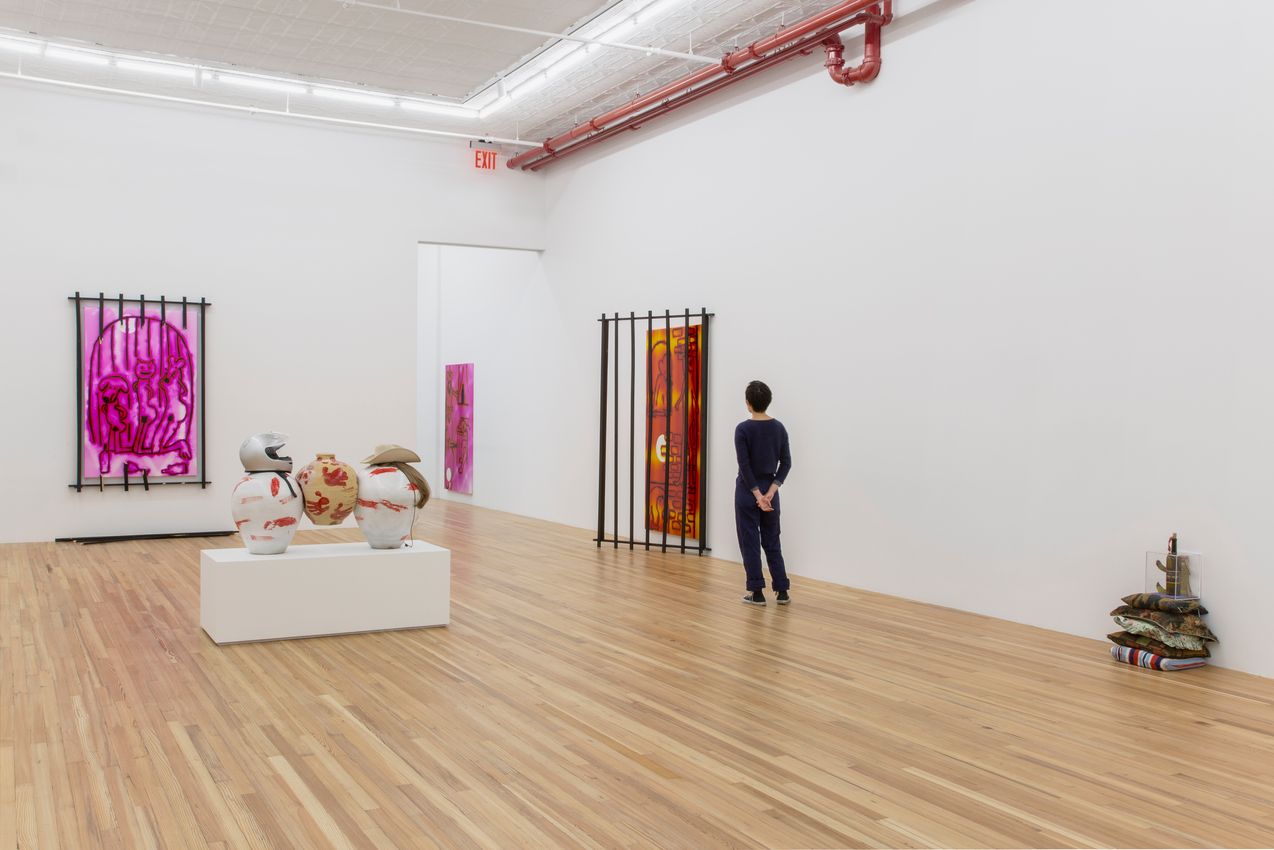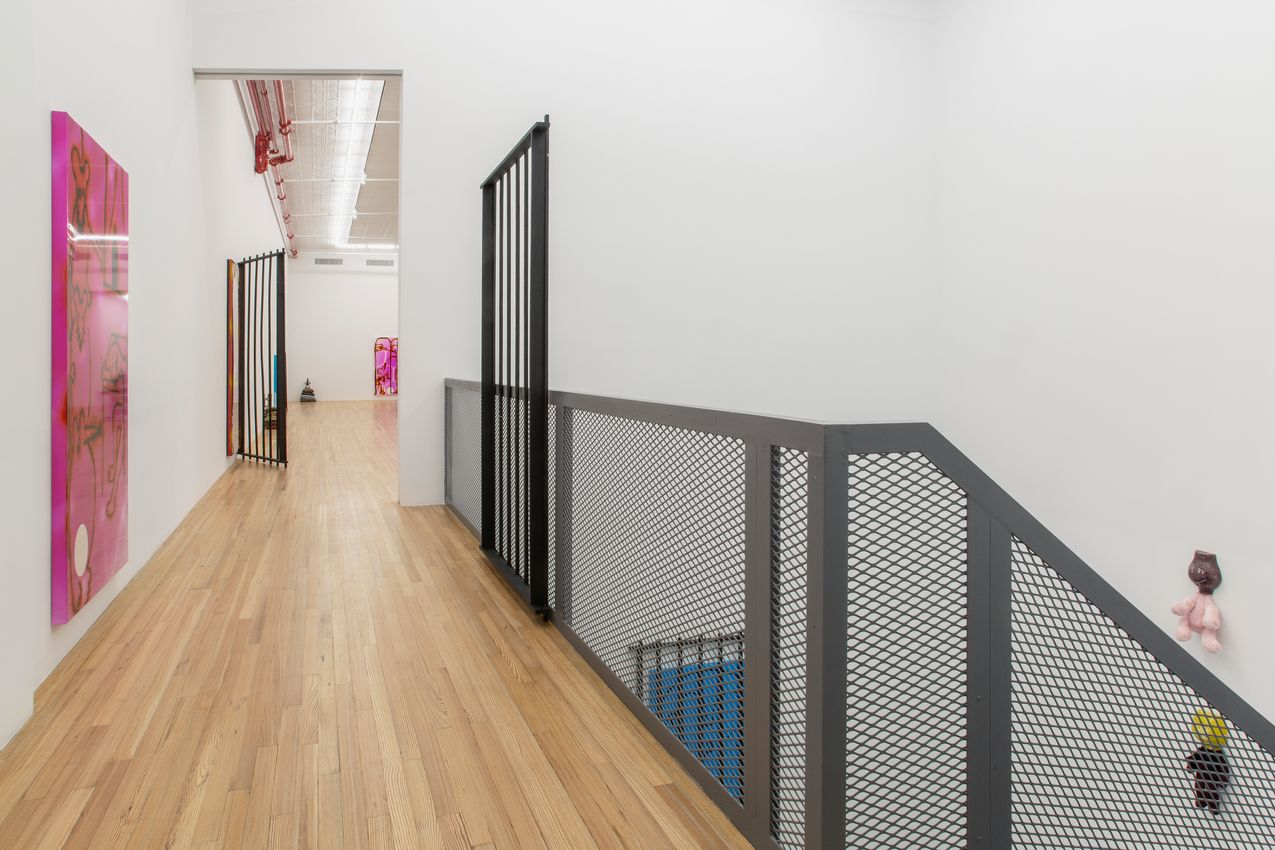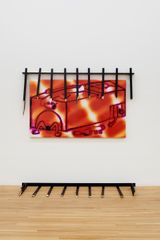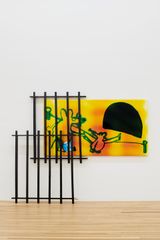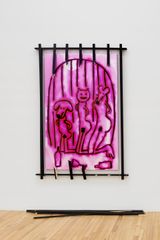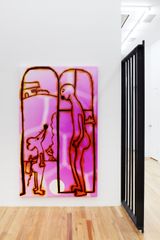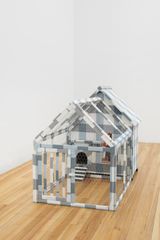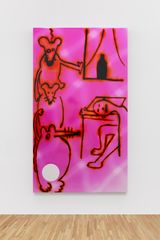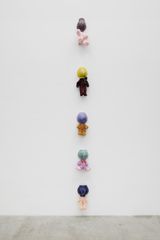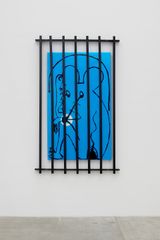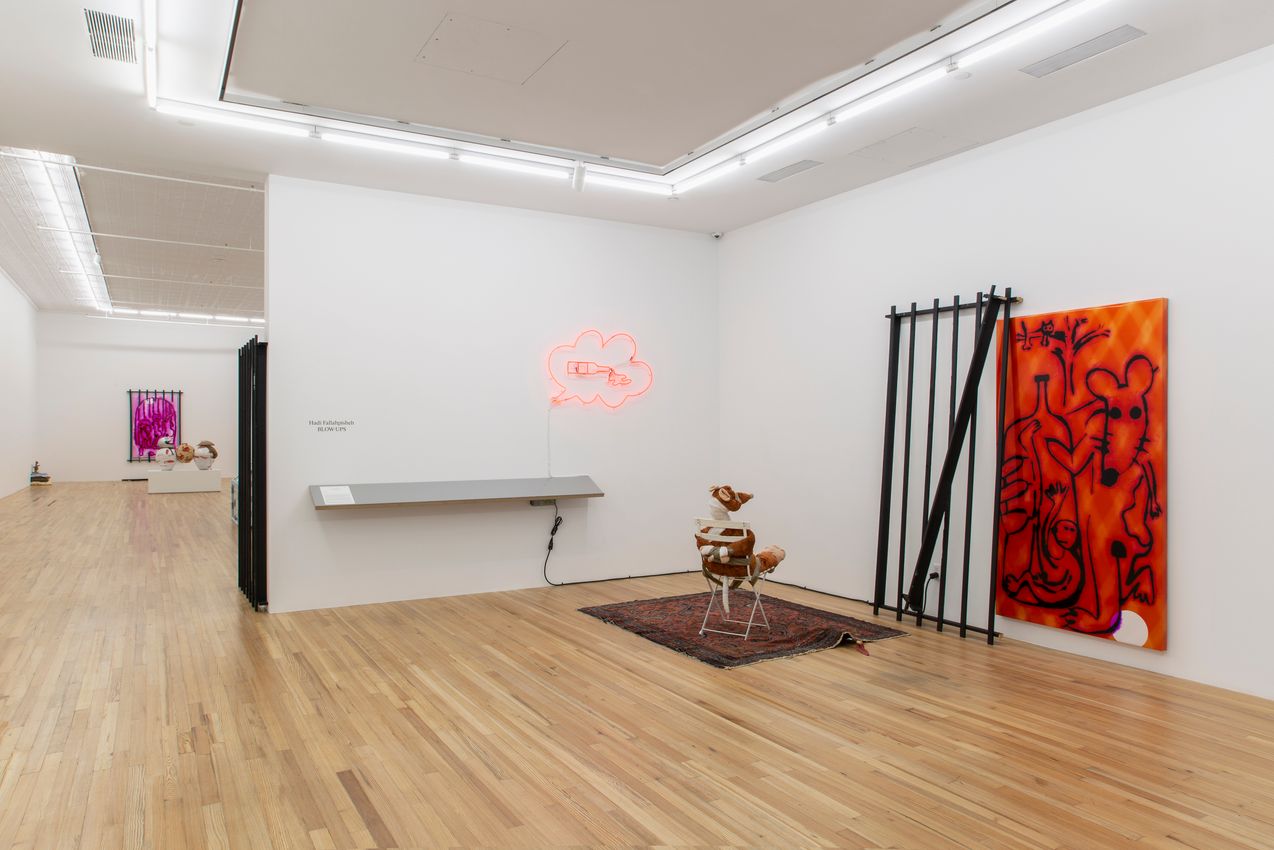
Andrew Kreps Gallery is pleased to announce a special project with Hadi Fallahpisheh titled BLOW-UPS at the gallery’s 22 Cortlandt Alley location, specifically conceived to open before the 2020 presidential election.
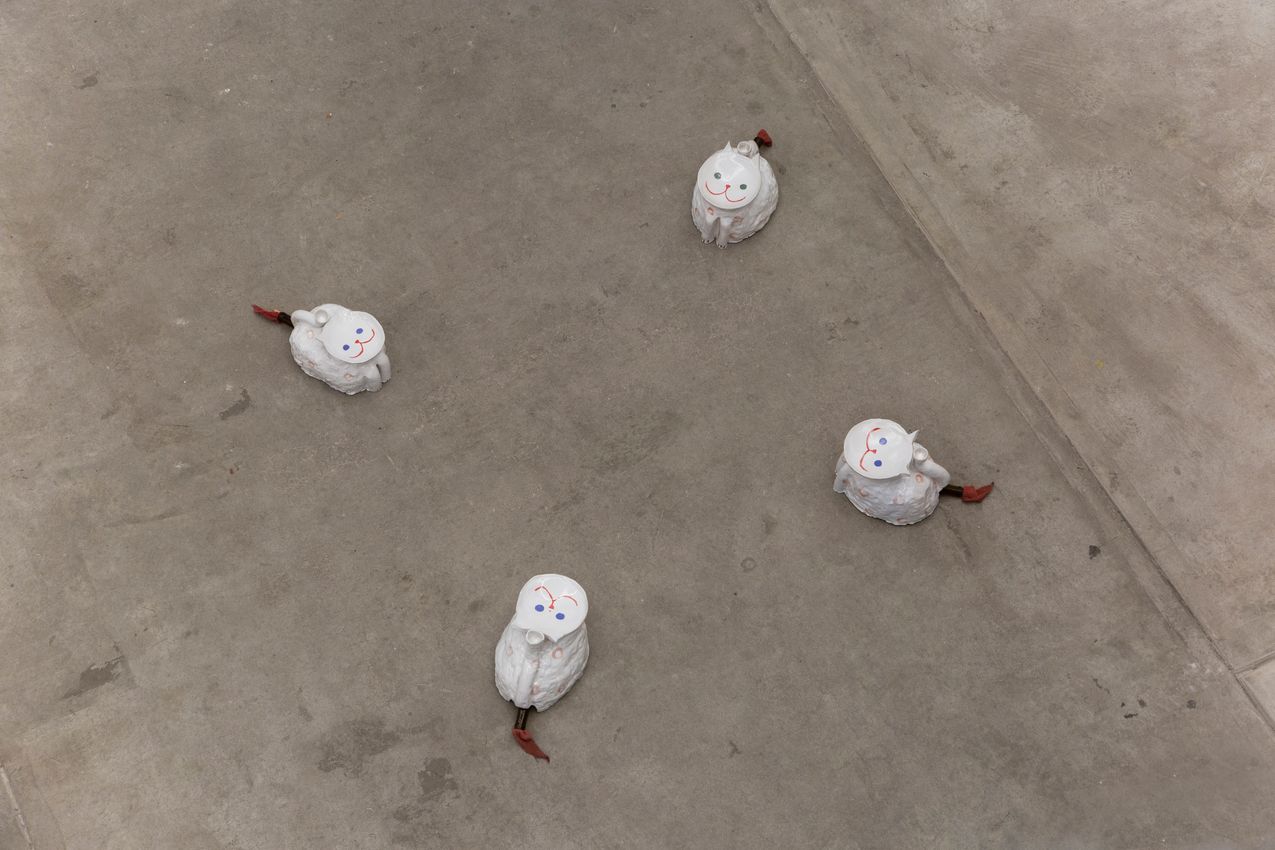
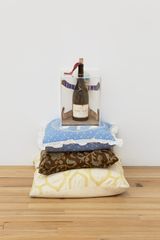
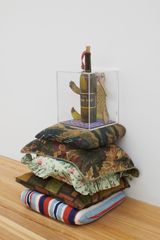
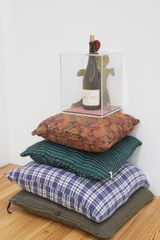
In 2016, Fallahpisheh was living in rural upstate New York in an area that had heavily supported Donald Trump’s election. Unable to renew his Visa, and faced with the prospect of moving back to his native Iran, he spent the last of his savings buying two dozen bottles of ‘Trump’ label wine. After drinking the contents, Fallahpisheh turned the empty vessels into Molotov cocktails, filled with gasoline and still bearing the ‘Trump’ labels. Initially planned to be incorporated into a performance, Fallahpisheh ultimately decided to bury the bottles, accompanied by notes explaining their origin and his work as an artist, with the assumption they’d be later discovered by a stranger. In the spring of this year, while working on a series of works that contained a wine bottle as a recurring motif, Fallahpisheh remembered these buried objects and drove upstate to retrieve them. All were found intact, though their contents had since evaporated. These empty vessels form the basis of BLOW-UPS, and are presented alongside new sculptures and photographic works.
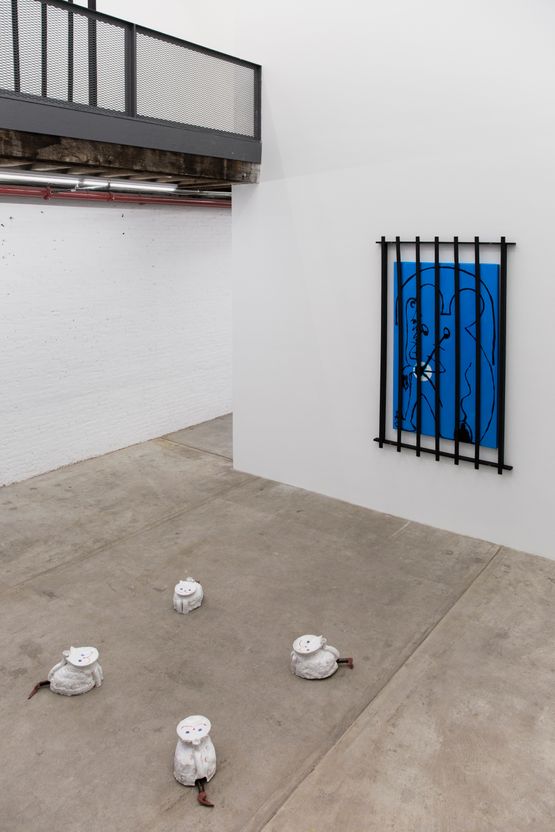
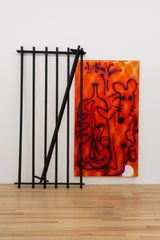
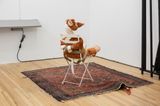
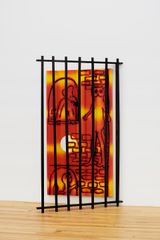
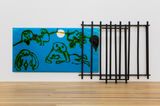
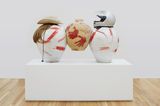
Continuing an ongoing series, the large-scale photographs on the gallery walls play on the medium’s traditional role to reflect the society in which they were made. Rather than using photography as a direct document, Fallahpisheh creates unique works in the dark room by manipulating the surface of photosensitive paper with light to form cartoonish drawings that depict interactions between humans and animals. Placed within seemingly generic architectural environments, such as houses, fences, or other barriers, the figures’ interactions quickly take on resonance with familiar social hierarchies - the power structure between species, ideas of ownership and residence, and inside versus outside. With a distinctly humorous bent, Fallahpisheh’s characters each engage in their own personal vices, confusing the morality typically implied by the roles each character assumes. In BLOW-UPS, these photographs are presented within sculptural environments, broken or exploded fences that lean atop their surface. The evaporated Molotov Cocktails are then littered throughout the space, presented within similar fence-like structures, or within vitrines, where they are comically and desperately grasped by small doll-like figures. Together with the exhibition’s title, the works suggest how tenuous and fragile these familiar structures can be.
Hadi Fallahpisheh was born in Tehran, Iran, and currently lives and works in New York. Fallahpisheh received a MFA in Photography from Bard College, Annandale-on-Hudson, New York in 2016. Fallahpisheh’s work is currently included in 100 Drawings from Now at The Drawing Center, New York on view through January 2021. His work was recently included in In Practice: Total Disbelief, Sculpture Center, Long Island City, 2020, and Open Call, The Shed, New York, 2019. Additionally in 2019, Fallahpiseh was the recipient of the Artadia New York Award, and had a solo exhibition at Tramps, New York.
In his work, Falapishi employs a seemingly humorous cast of characters - humans, cats, mice, and other animals, to enact a meditation on themes of displacement, alienation, and entrapment. His large-scale photographic works play on photography’s traditional role to reflect the society in which they were made, as well as the technical virtuosity that typically accompanies the medium. Rather than using photography as a direct document, he creates unique works that are the product of private in the darkroom in which Falapishi manipulates the surface of photosensitive paper with flashlights and direct exposure to light. Cartoonish in appearance, his compositions reflect not a process of deskilling, but are instead the results of the constraints of darkness, and the limitations of his own body. Falapishi’s characters are placed within seemingly generic architectural environments, such as houses, fences, or other barriers, the figures’ interactions quickly take on resonance with familiar social hierarchies - the power structures within society, ideas of ownership and residence, and inside versus outside. These figures appear to revel in their own personal vices, confusing the morality implied by the traditional roles they assume. Often engaging in a tongue-in-cheek violence, which carries over to Falapishi’s sculptural and installation-based works, his characters reflect how tenuous and fragile the familiar structures of our society can be, and a shared fear of isolation.


A respected voice in contemporary art discourse.
Focusing on ambitious storytelling and insightful art-world commentary. Ocula Magazine publishes in-depth interviews, critical essays and timely analysis on the artists, exhibitions and ideas driving the global art world.
Learn more about Ocula Magazine
Showcasing the best of the art world.
Ocula partners with galleries from around the world to highlight their artists, artworks and exhibitions. Gallery membership is by application and invitation, with each member vetted by an independent panel.
Learn more about Ocula Membership

Specialises in the sale of major artworks.
Led by a team with deep ties to the world’s leading auction houses, galleries and collectors. Ocula’s advisory team offers bespoke services to high-net-worth clients from around the world who are looking to acquire the best of contemporary and modern art.
Learn more about our team and services