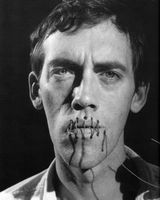
David was an abused kid, a teen run-away, and a former Times Square hustler who used art to recreate himself. – Cynthia Carr, ‘Fire in the Belly: The Life and Times of David Wojnarowicz’ (2014).
The piers located on the Hudson River waterfront of Lower West Side Manhattan were vital to David Wojnarowicz’s friendships, politics, writing, sexual life and art practice – if they can be separated. Across the 70s and early 80s, these spaces were appropriated by the city’s queer underground, becoming a popular cruising spot and space for creativity in dilapidated ruins of Manhattan’s maritime industrial past. Homophobic legislation at a national and municipal level, aggressively enforced in the lead up to New York’s World Fair (1964-65), along with the collapse of the harbour economy created the conditions for the occupation of these now emptied zones, not safe but somewhat further away from the homophobic gaze of the law.
After his parents’ divorce, Wojnarowicz moved to New York City to live with his mother and siblings in the mid-1960s, escaping the physical and psychological abuse of his father, an alcoholic. At the close of the decade, both his siblings had left the apartment and he began spending less time at home with his troubled mother, often skipping school and hustling in Times Square. He finally left himself in 1971, aged 17 and spent two years on the streets and between halfway homes. He found himself in the edges of the city and the vacated ruins of the piers, attracted to the intertwined erotic charge and imaginative potential of their deteriorating forms. In 1973, he finished his high school diploma and developed his interest in poetry while continuing to draw and work in the city’s bookshops. With New York as his creative base, he had sojourns to a farm in Plattsburgh, NY, San Francisco (visiting the legendary City Lights Bookstore) and Paris where his sister lived, eventually becoming embedded in the East Village art scene as the 70s came to a close.
The former Ward Line building on Pier 34 was of particular importance, initially offering a new space to experiment and share large-scale painted murals with close friends, including Mike Bidlo, Luis Frangella and Peter Hujar, in the early 80s. Following a full-scale occupation of the space by artists instigated by Wojnarowicz and Bidlo in summer 1983, it become a mainstay of the art scene, replete with artworks by Ruth Kligman, Luis Frangella and David Finn, documented by Hujar and Andreas Sterzing. For one of his contributions, Wojnarowicz threw seeds onto the debris and fallen plaster of its empty rooms, allowing grass to grow in the ruins. All of this activity didn’t escape notice from the city authorities and it was demolished the following year.
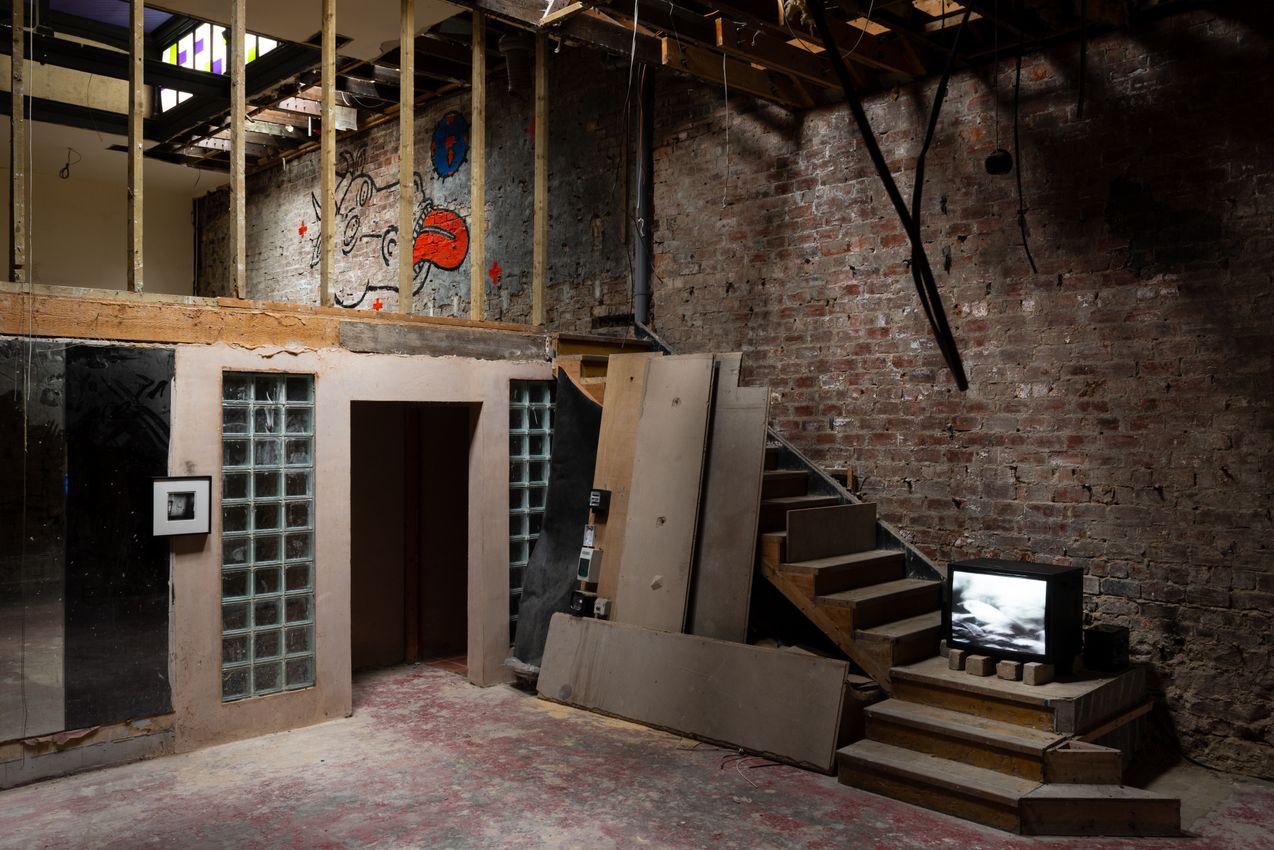
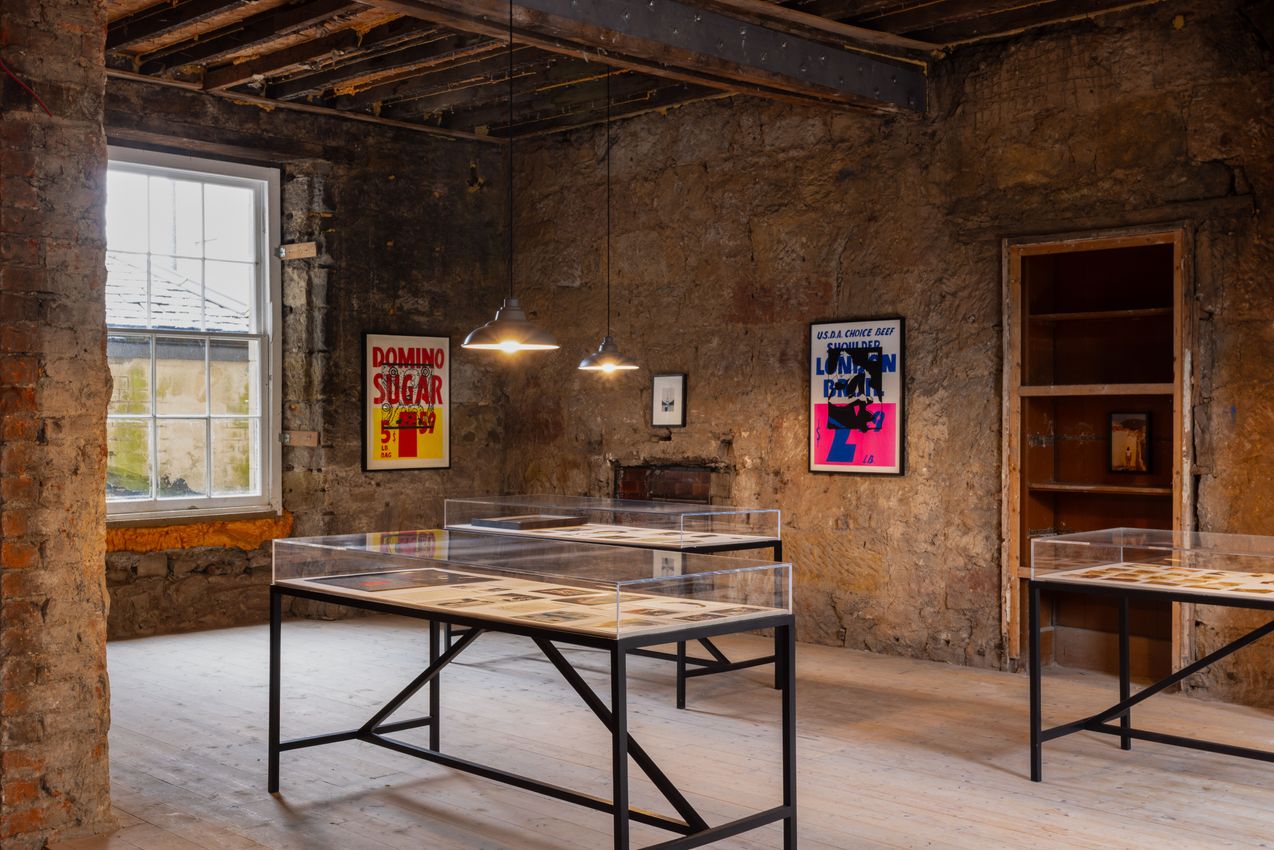
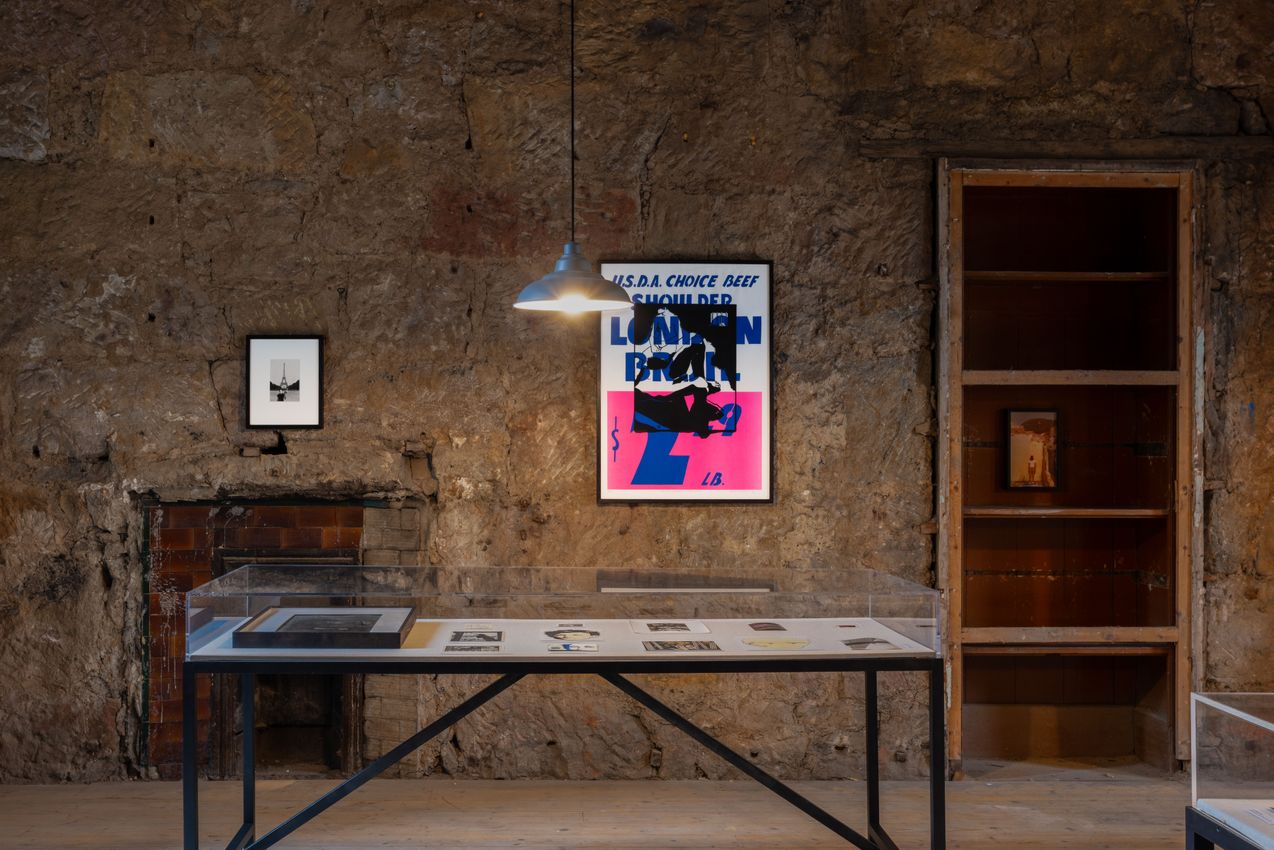
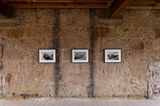
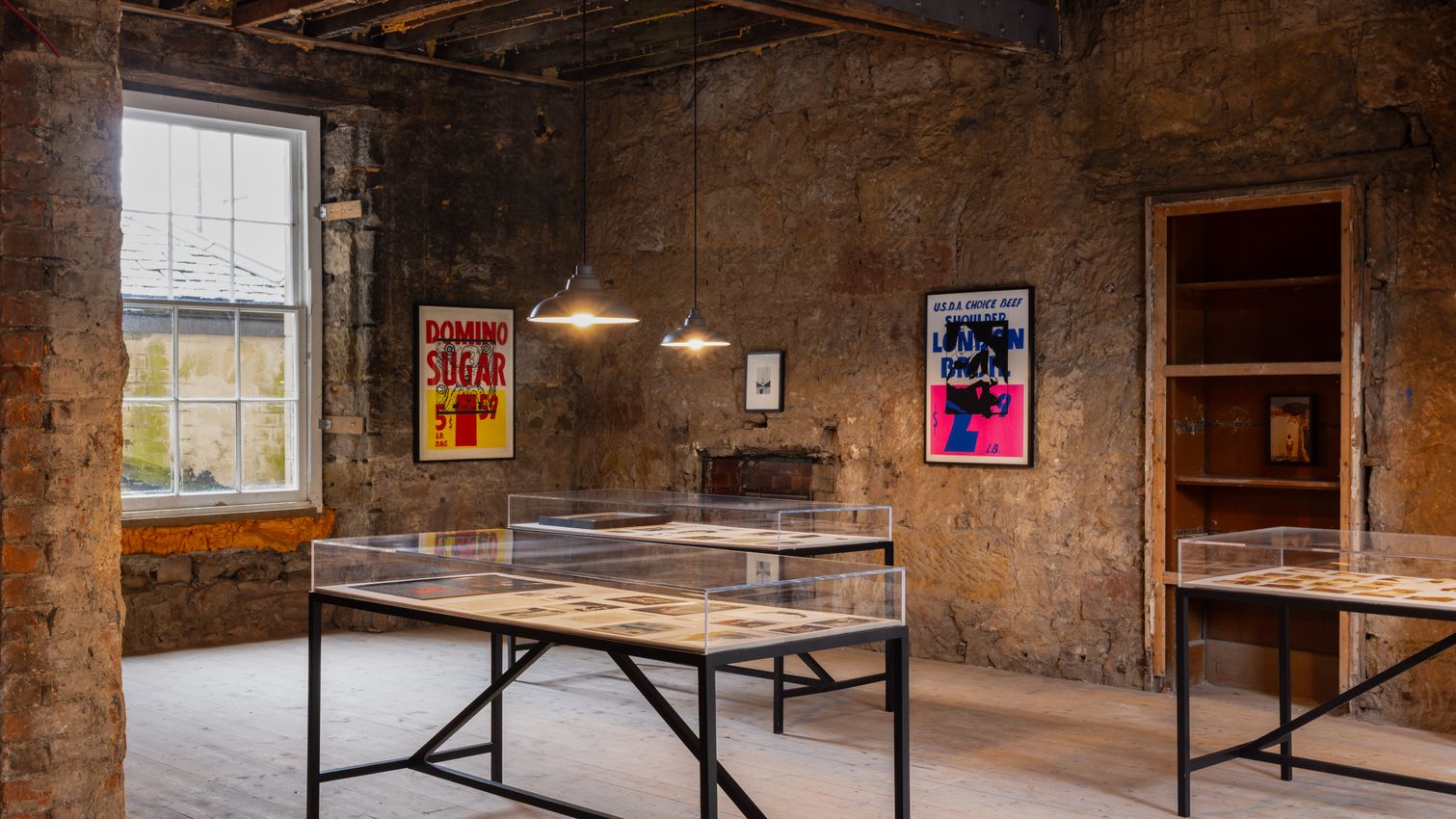
Forms of memorial, collaboration and activism permeate the artworks and experimental films on display, made with Richard Kern, Marion Scemama and Ben Neill. The exhibition emphasises the close relationship between artists, clubs, abandoned spaces and creative output. Bidlo and Wojnarowicz wrote of their Pier 34 project, ‘People who lived in this city for years said it was the first time they experienced fulfilment in terms of contact with the art scene and strangers. People shared supplies, energy, thoughts, even the surfaces to work with—crumbling walls of plaster, earth floor, metal walkways and hundreds of windowpanes—the work came out in rampages of raw energy.’
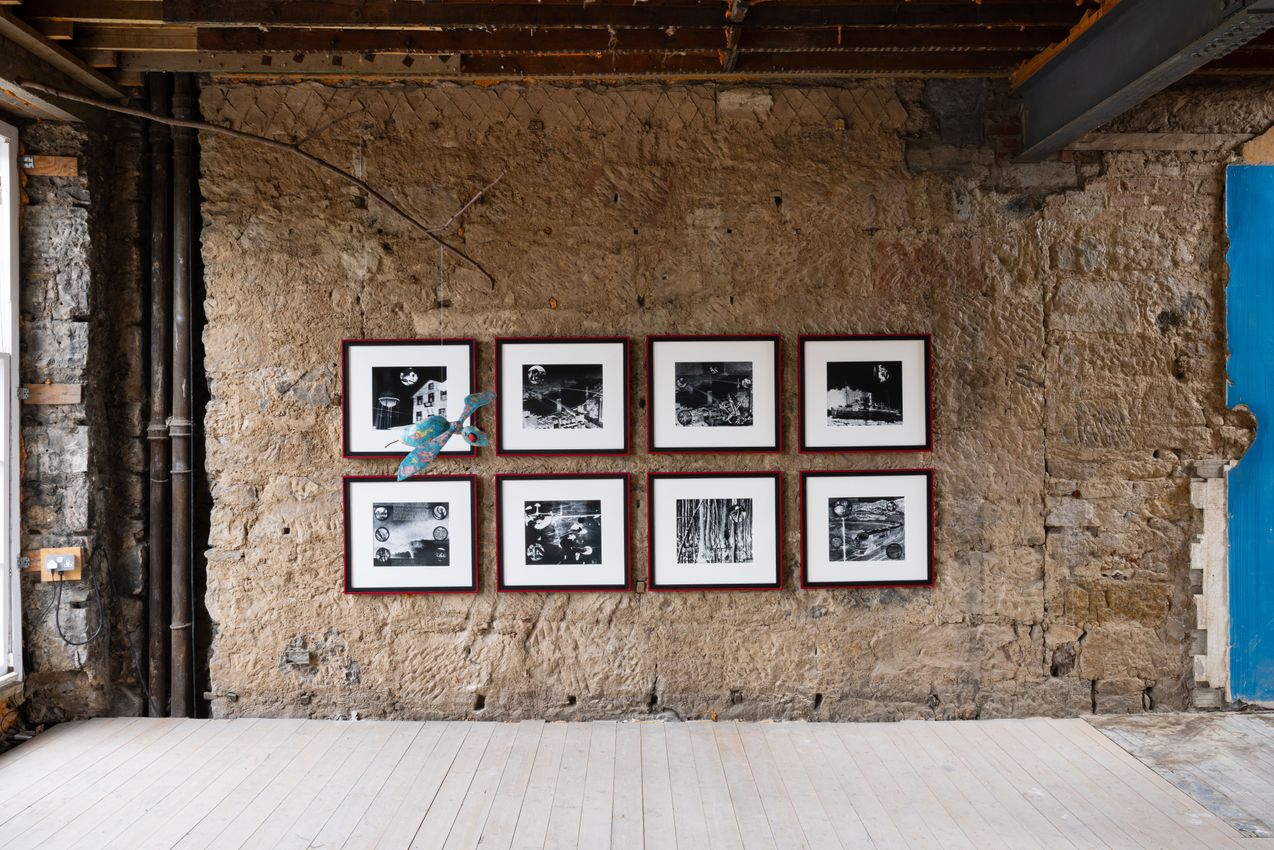
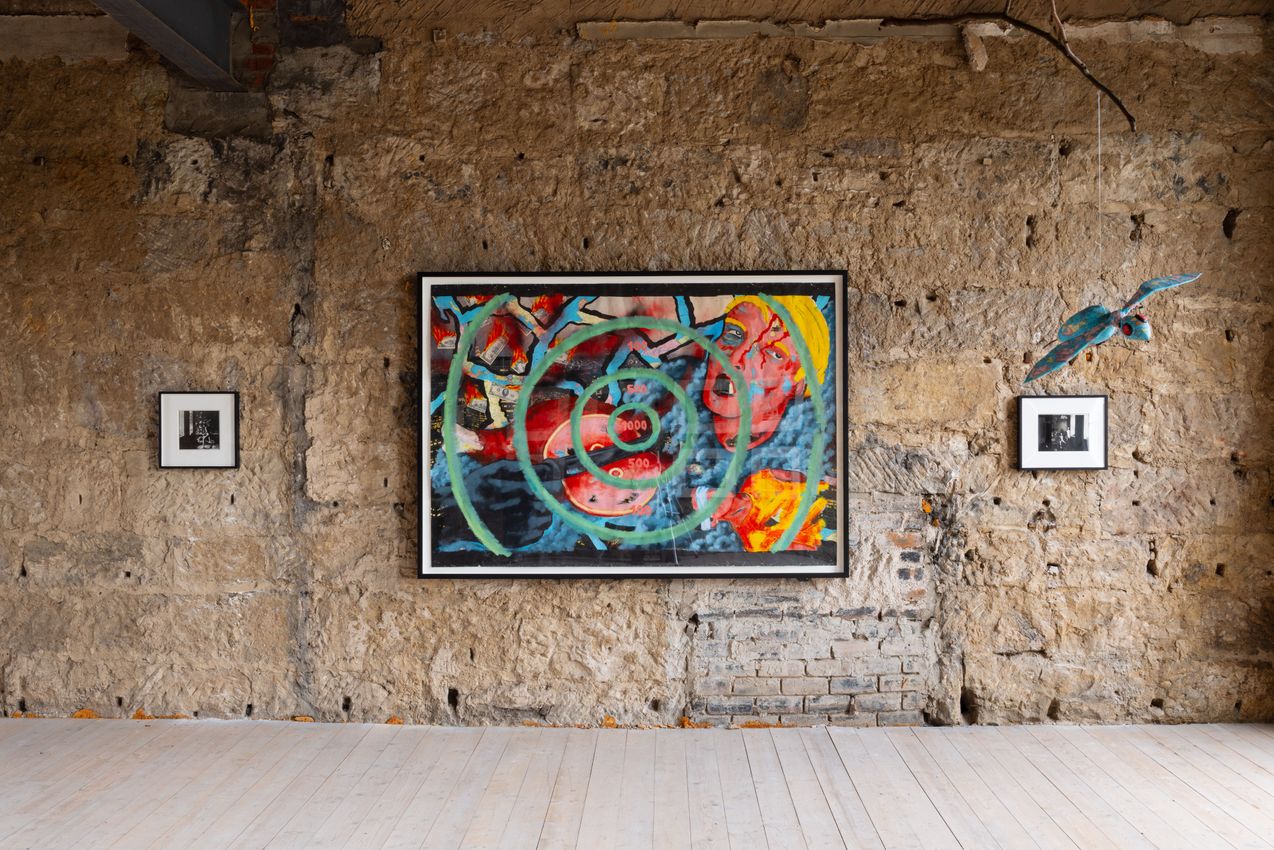
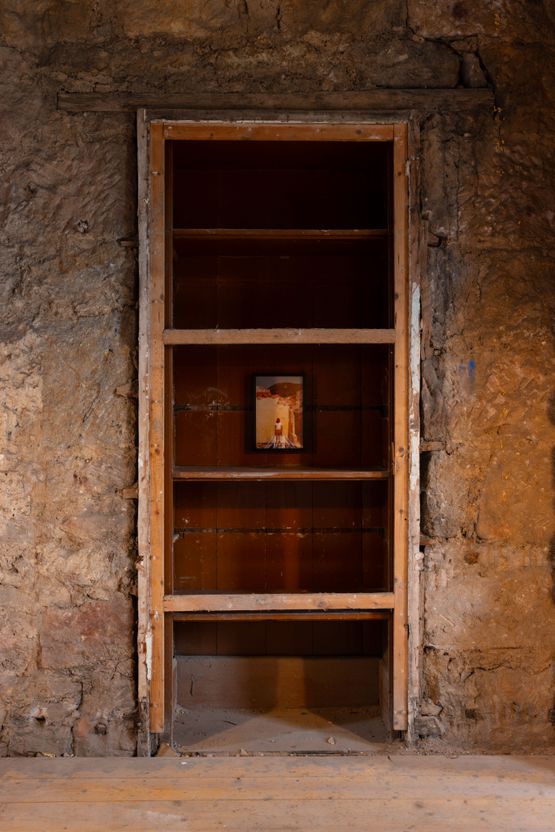
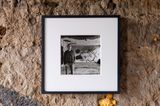
Fiona Anderson notes in Cruising the Dead River (2019), Wojnarowicz’s work can serve ‘as a guide to the erotic and creative reuses of the piers by queer New Yorkers in the years that preceded the HIV/AIDS epidemic’. some day this will all be crumbling ruins comprises a wide array of photography, sculpture, prints, moving image and paintings by Wojnarowicz, giving a sense of the cultural crosscurrents and political tensions in the New York of that time. It moves from his photographic series Arthur Rimbaud in New York (1978-79) to paintings and photographs made in the early 80s through to his deeply affecting pictures of Hujar, following his passing from AIDS in 1987.
Wojnarowicz himself died from AIDS related illness in 1992. He had met Hujar in 1981 and following a short love affair, they became close friends, with Wojnarowicz seeing Hujar as a mentor. The top floor of the exhibition features a room dedicated to their love, and includes two unfinished films by Wojnarowicz, both featuring sequences in memory of Hujar. Following Hujar’s death, Wojnarowicz moved into his apartment, using the darkroom to produce his celebrated Sex Series (1988-89) and Untitled (Buffalos) (1988-89). His own diagnosis and the political inaction of first the Reagan (1981-1989) and then the Bush (1989-1993) regime on HIV, shifted Wojnaorwicz’s focus and he became a powerful AIDS activist. His works became more explicitly political too, they had to. In 1991, he created Untitled (Face in Dirt) while travelling in New Mexico, a vision of himself buried in the ground a year before he died.
The Modern Institute would like to thank P·P·O·W, The David Wojnarowicz Foundation and Honey Webster.
David Wojnarowicz (b. 1954 New Jersey, U.S., d. 1992 New York City, U.S.) was an artist, AIDS activist, filmmaker and writer. His work has been included in solo and group exhibitions at The Museum of Modern Art, New York; Museum of Contemporary Art, Chicago; The American Center, Paris, France; The Busan Museum of Modern Art, Korea; Centro Galego de Art Contemporanea, Santiago de Compostela, Spain; The Barbican Art Gallery, London; and the Museum Ludwig, Cologne. His life and work have been the subject of significant scholarly studies, including Cynthia Carr’s Fire in the Belly: The Life and Times of David Wojnarowicz (2012) and Fiona Anderson’s Cruising the Dead River David Wojnarowicz and New York’s Ruined Waterfront (2019). Wojnarowicz has had retrospectives at the galleries of the Illinois State University (1990); the New Museum (1999) and the Whitney Museum of American Art (2018.) Wojnarowicz wrote two memoirs, including Close to the Knives: A Memoir of Disintegration (1991) and Memories that Smell like Gasoline (1992).
Courtesy The Modern Institute.


The Modern Institute was founded in Glasgow in 1997. The gallery works with internationally established and emerging artists including Martin Boyce, Jim Lambie, Richard Wright, Anne Collier, Cathy Wilkes, Simon Starling, Urs Fischer, Luke Fowler and Nicolas Party.
48 Carlton Pl
Glasgow G5 9TW

A respected voice in contemporary art discourse.
Focusing on ambitious storytelling and insightful art-world commentary. Ocula Magazine publishes in-depth interviews, critical essays and timely analysis on the artists, exhibitions and ideas driving the global art world.
Learn more about Ocula Magazine
Showcasing the best of the art world.
Ocula partners with galleries from around the world to highlight their artists, artworks and exhibitions. Gallery membership is by application and invitation, with each member vetted by an independent panel.
Learn more about Ocula Membership

Specialises in the sale of major artworks.
Led by a team with deep ties to the world’s leading auction houses, galleries and collectors. Ocula’s advisory team offers bespoke services to high-net-worth clients from around the world who are looking to acquire the best of contemporary and modern art.
Learn more about our team and services