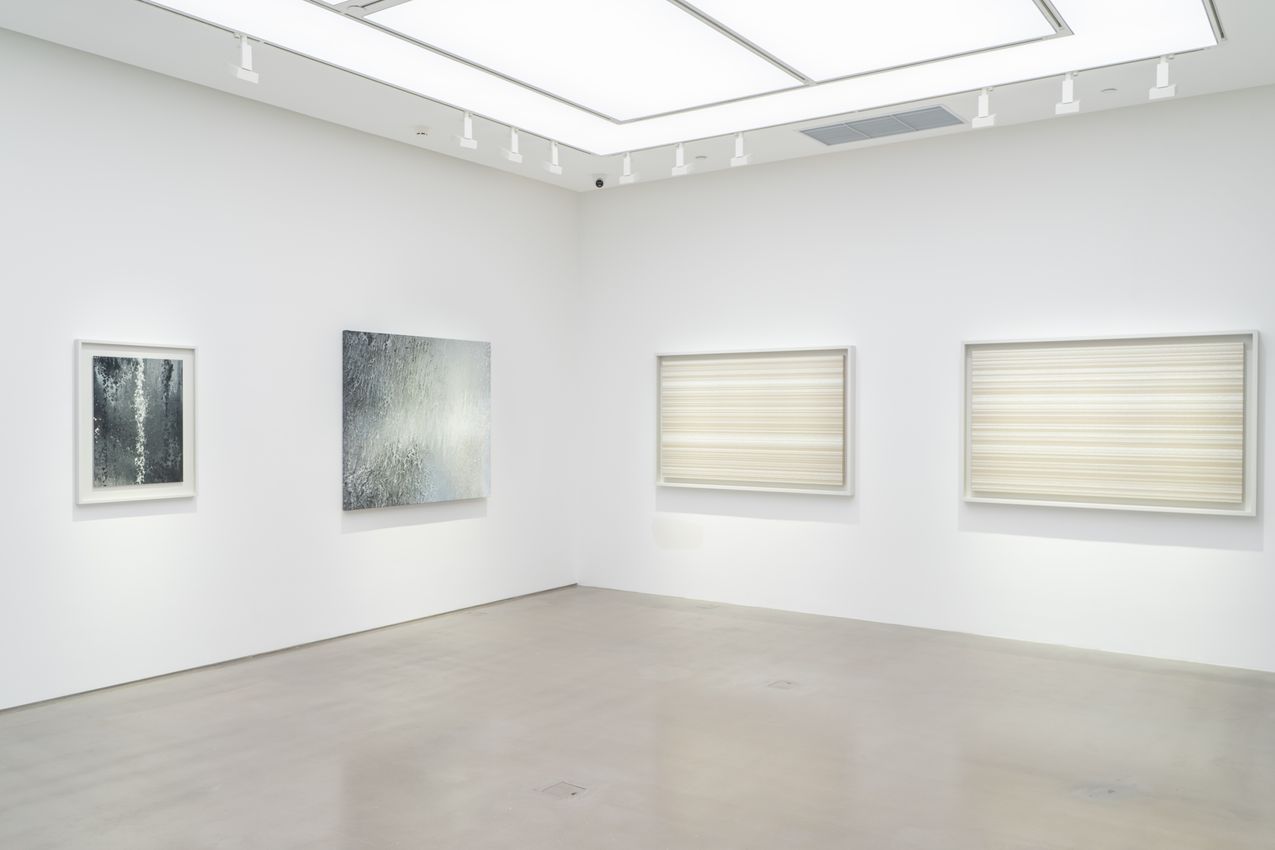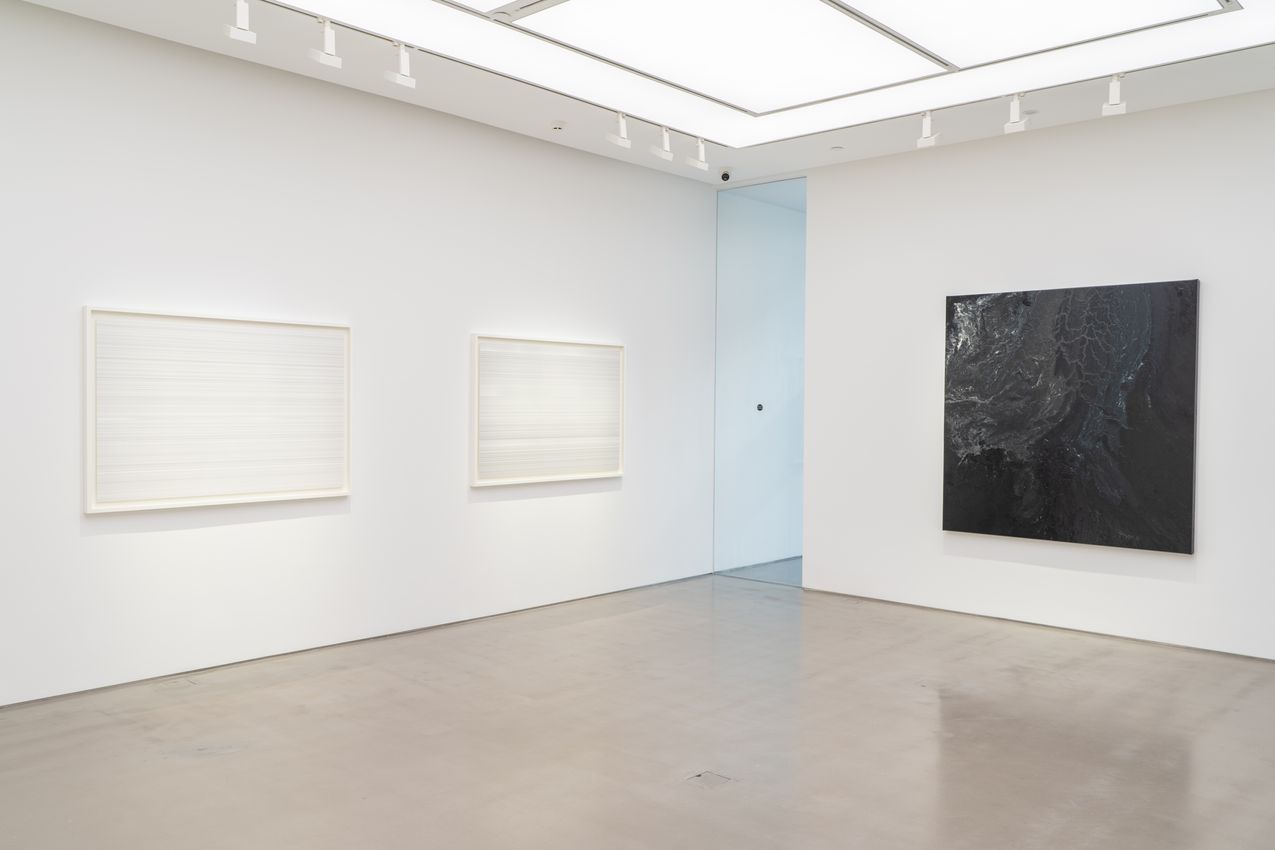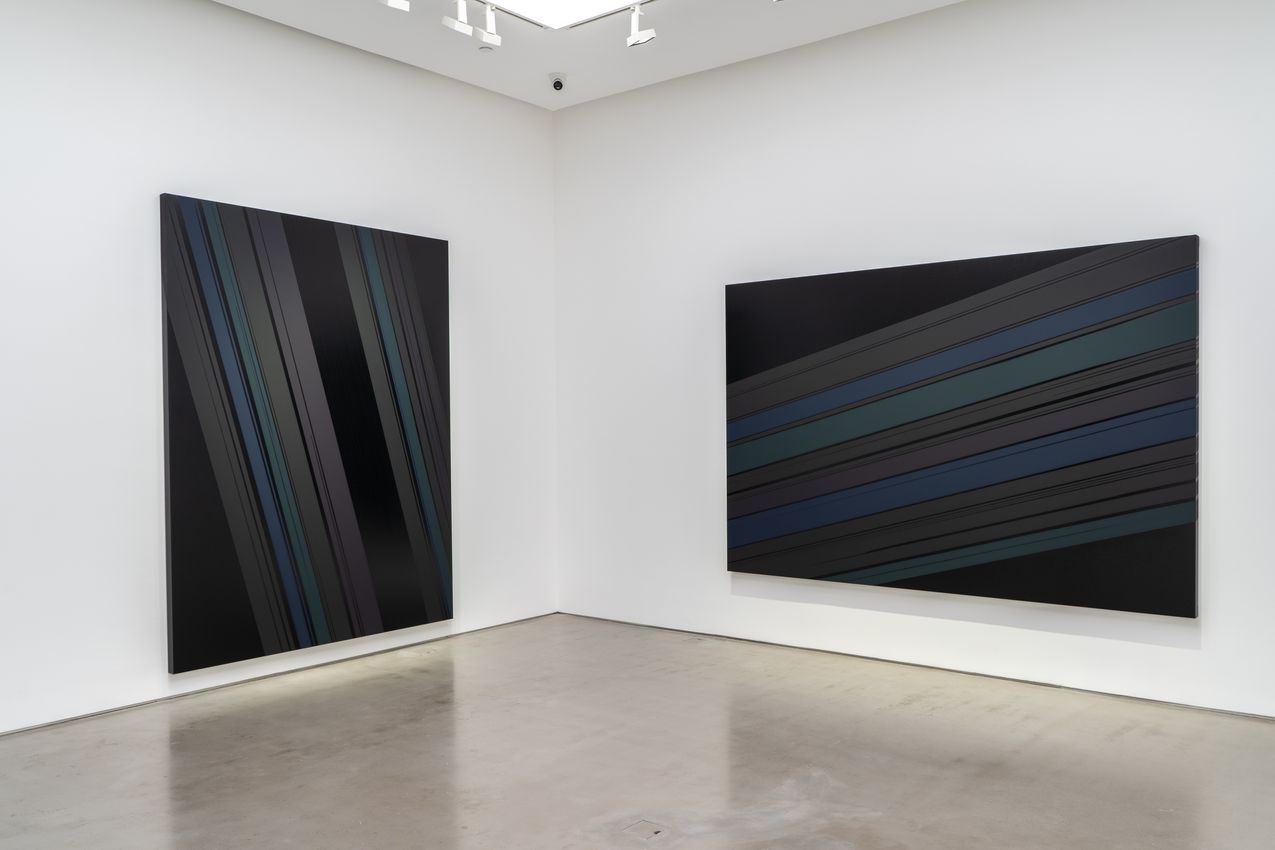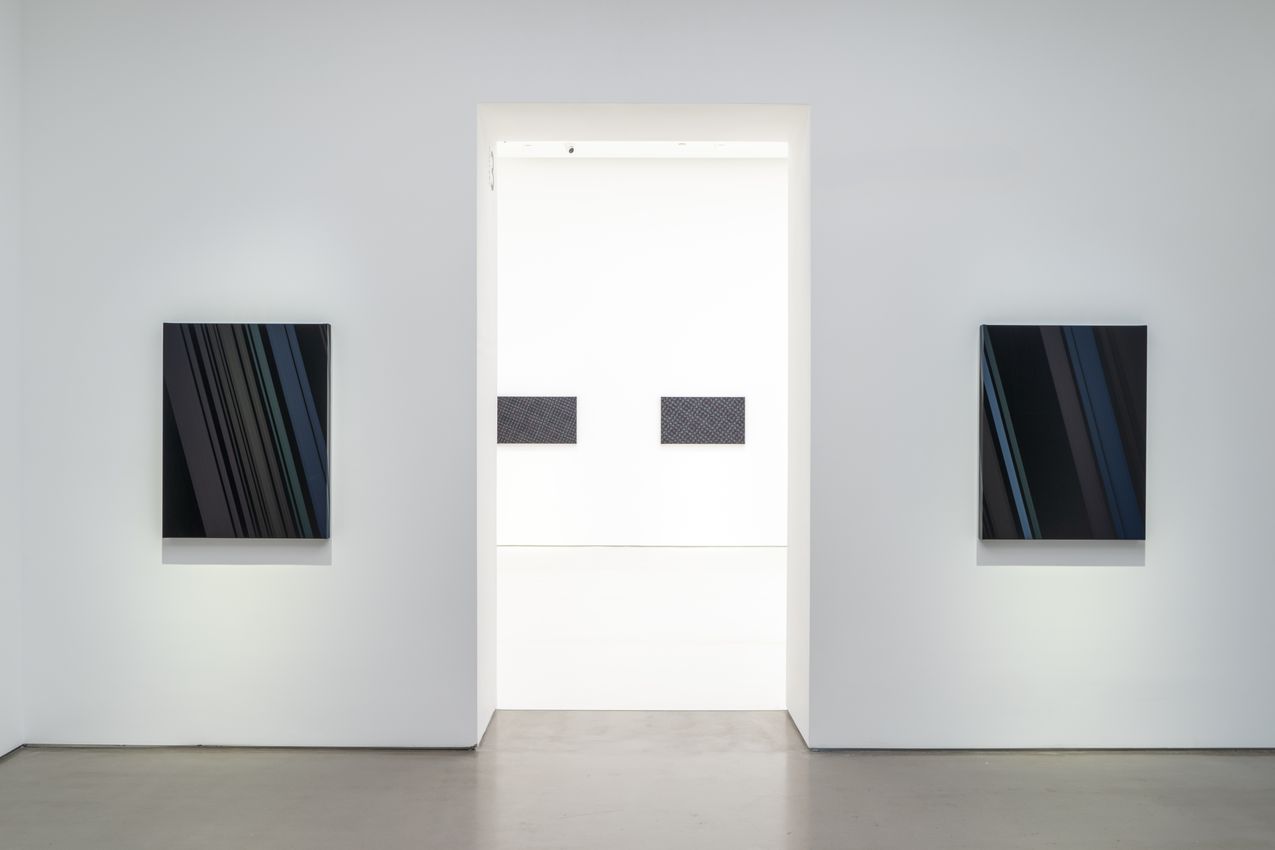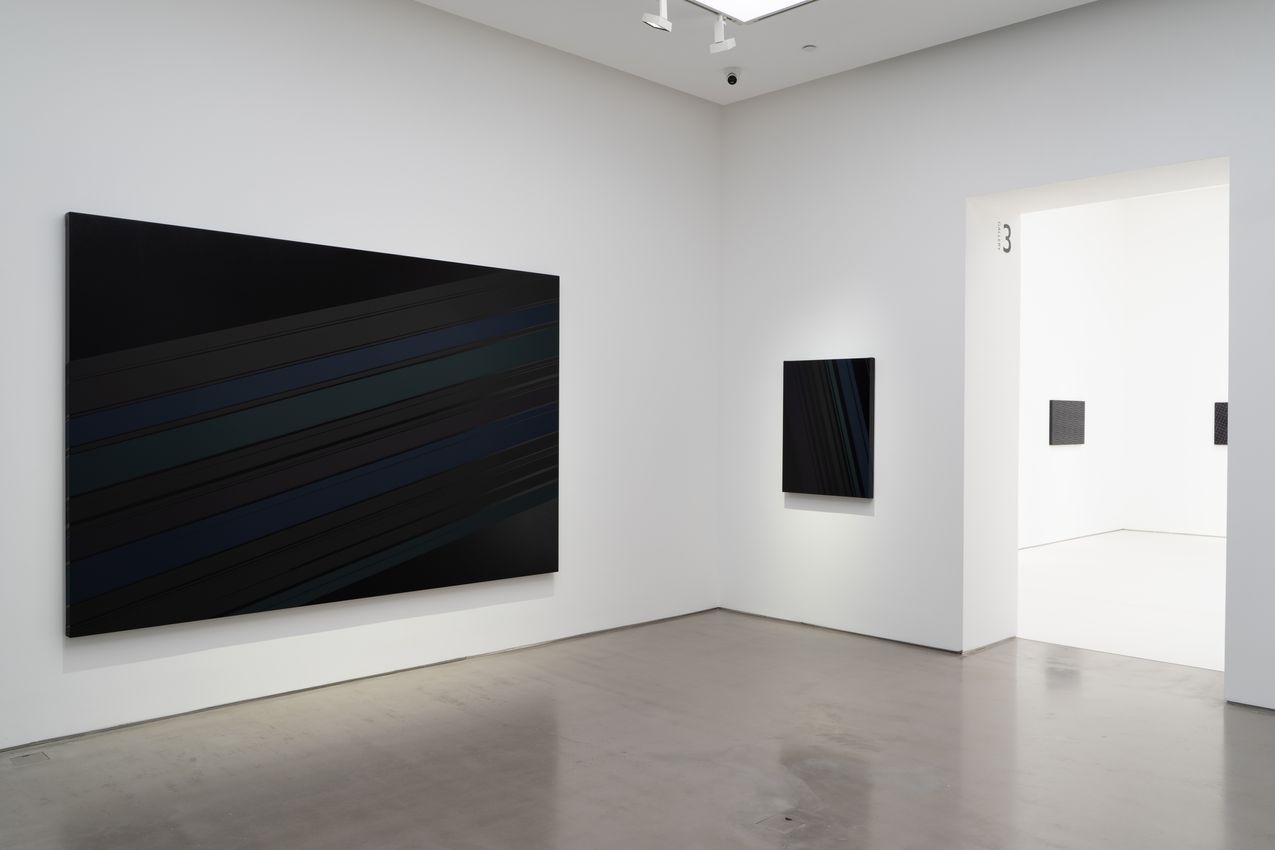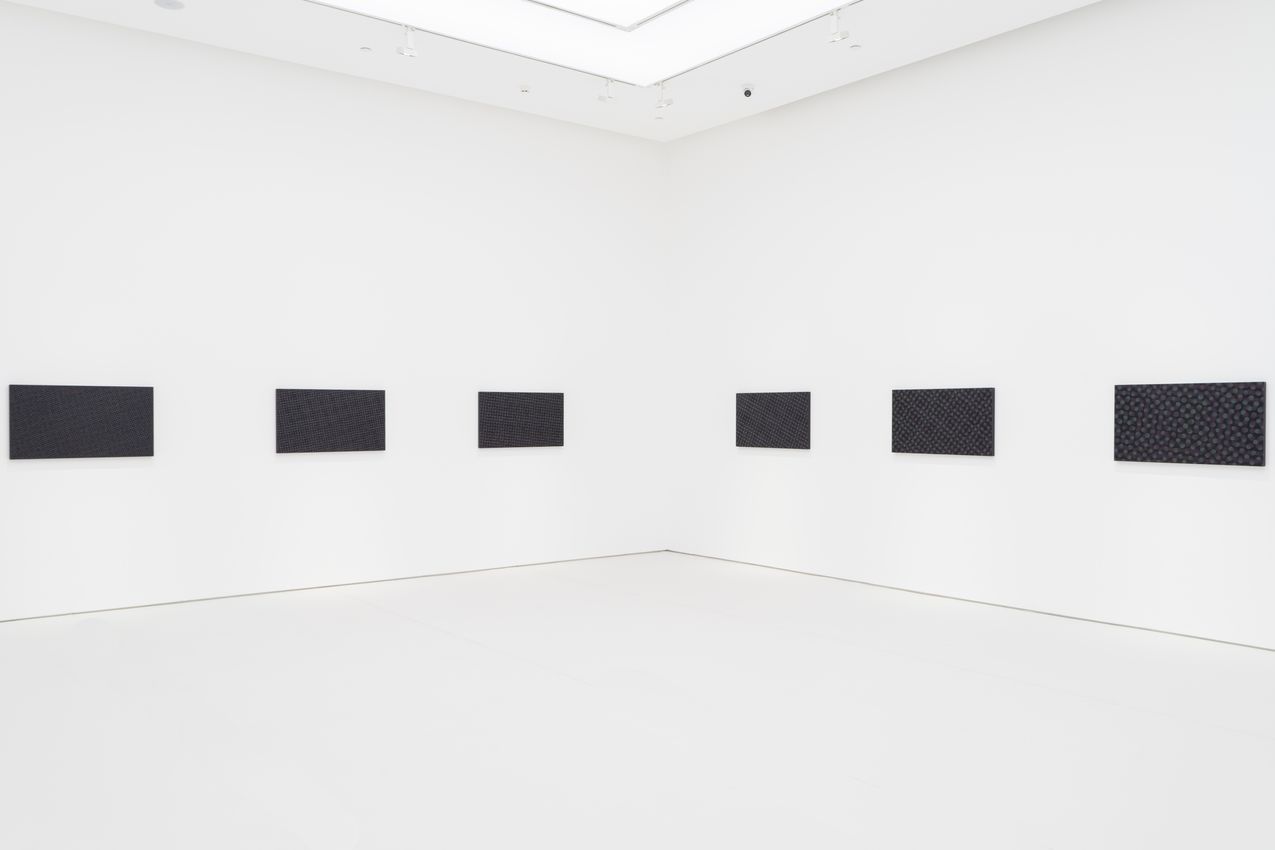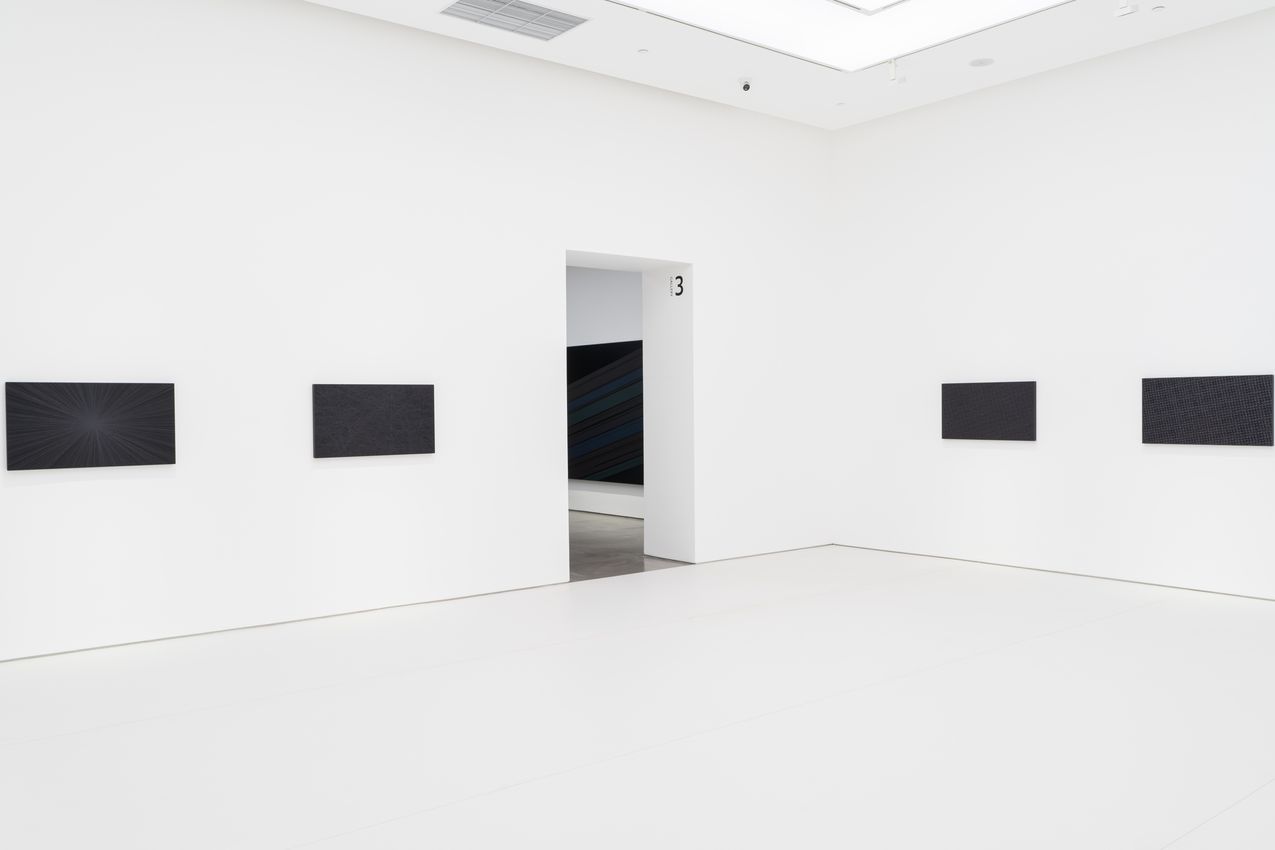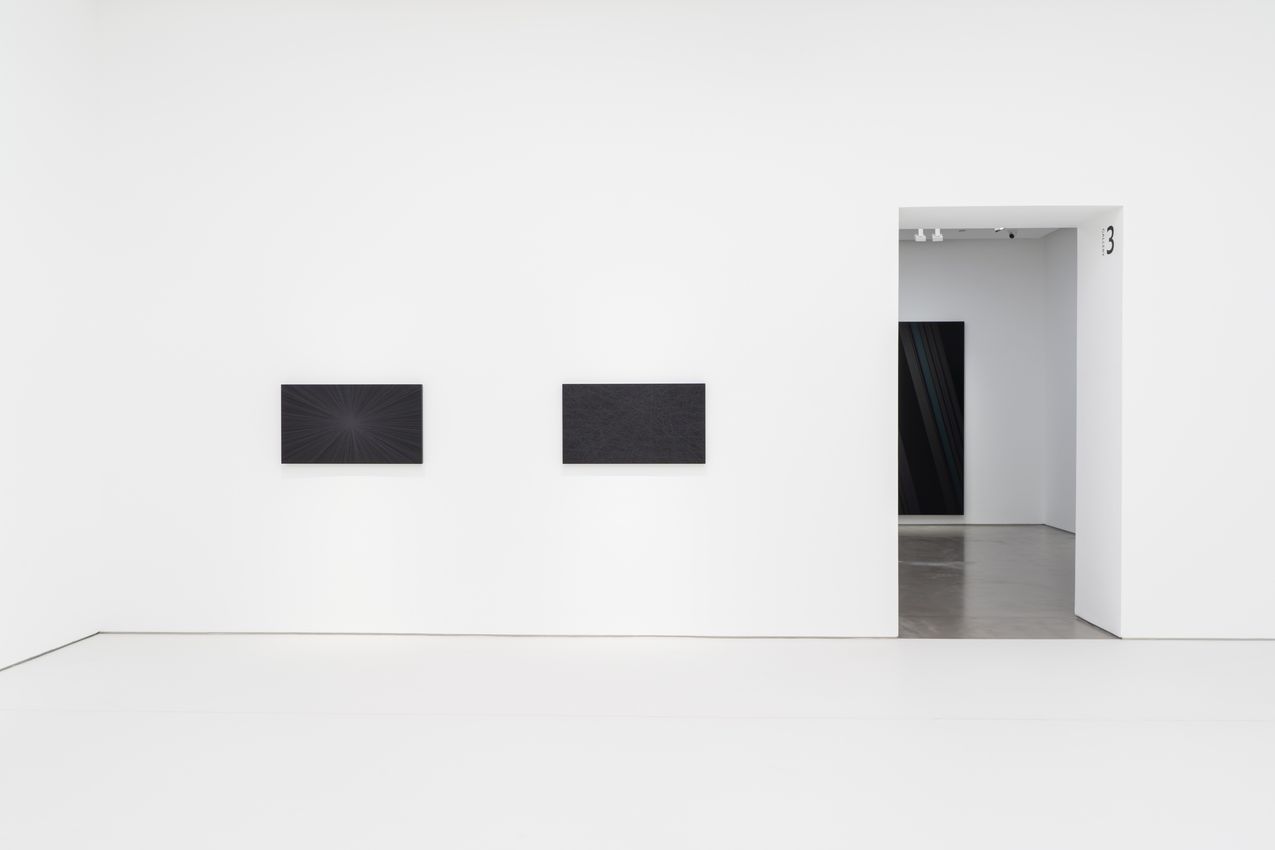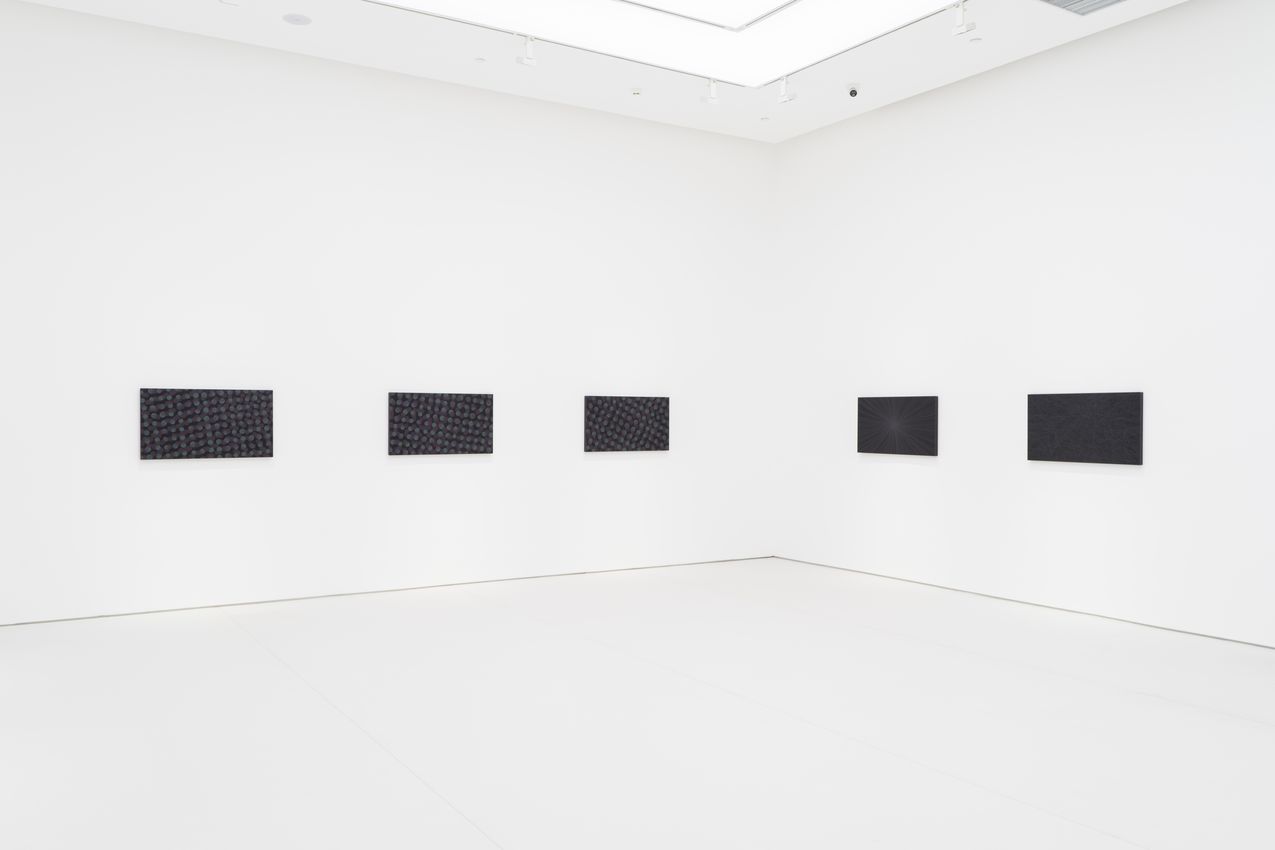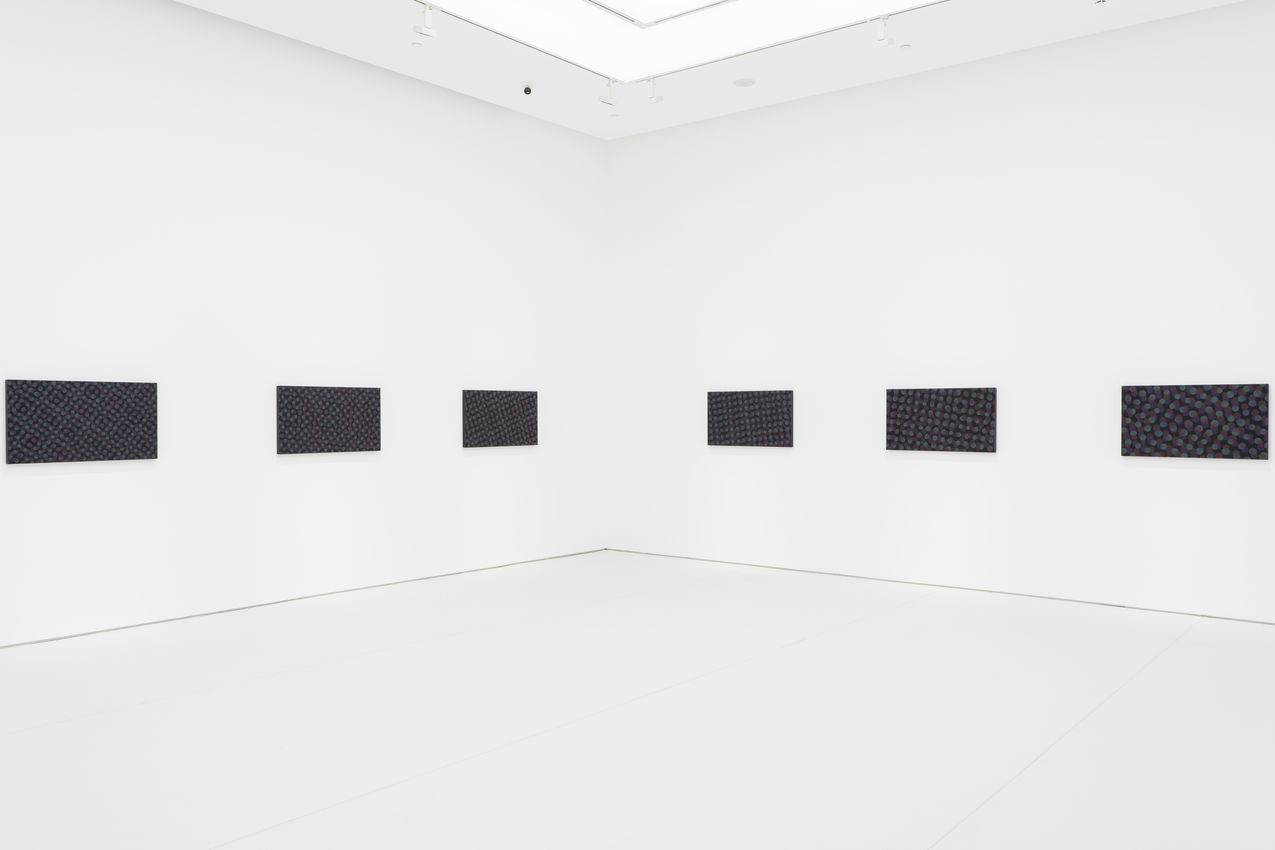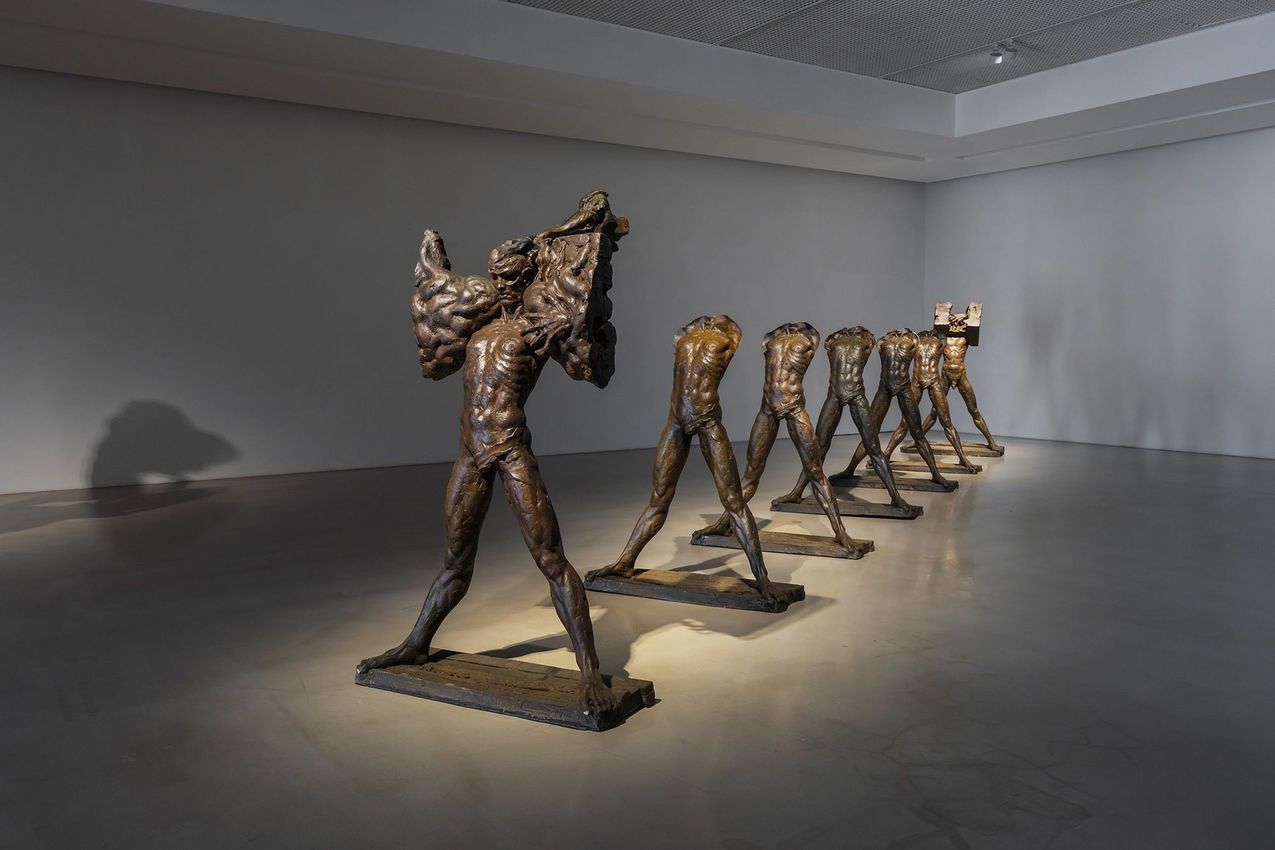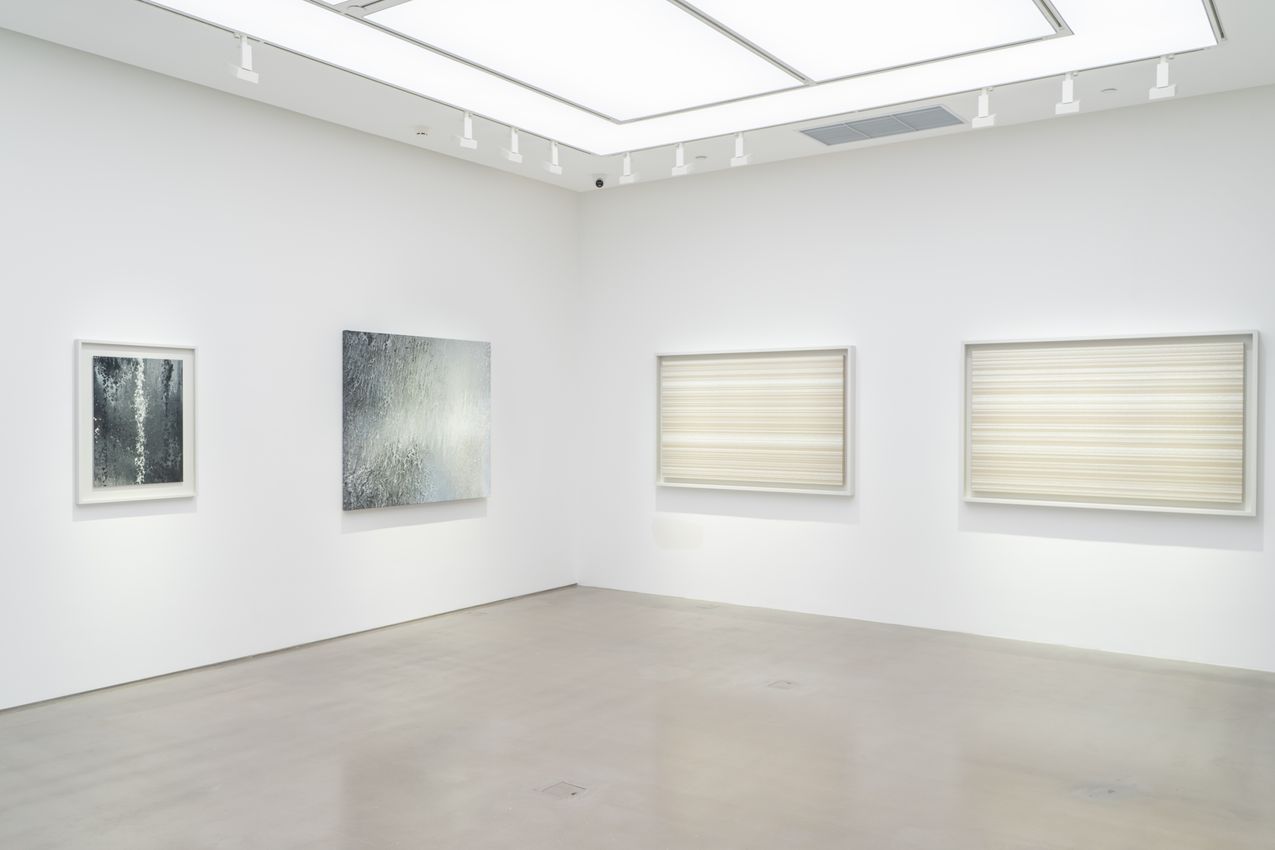
Arario Gallery is pleased to present an inaugural exhibition of recent works by Kohei Nawa at its brand-new space in Shanghai. The new space of Arario Gallery is opening in Westbund Shanghai, designed by Kohei Nawa and SANDWICH, along with ALP (Art Lovers Partners): an art and lifestyle collection store by Arario, merging the gallery and experimental multi-brand store into a dynamic art system in the area. Titled Decode and on view from 26 October to 31 December, the exhibition—featuring his new series of paintings, drawings, and mixed media works—marks Nawa’s second solo show in Shanghai, China, since his gallery exhibition at Arario in 2017.
Along with the new space of Arario Gallery Shanghai’s grand opening, the show will bring together Nawa’s latest highlighted series of works on paper and canvas. Nawa is known internationally for his multidisciplinary practice of exploring scientific and digital phenomena through sensory and perceptual experiences. In the works on view, Nawa focuses on exploring figures and images in various forms as an interface to decrypt the language of the sensation and physical perception of reality.
In the ‘Dune’ series, Nawa pours the mixture of water and paints with different granularities, which spreads over tilted support. The result evokes the local elevations of the earth’s surface and the circulation of its atmosphere—exploring the liquid properties of the paint while playfully deceiving human cognition.
Works from the artist’s ‘White Code’ painting series are made of flax, then covered in white paint to create the whole visual. Nawa created these works by opening a hole into a bottle so the paint would drip slowly out of the bottle like an intravenous strip and then moving the canvas in unexpected ways while retaining its volume in the form of the final effect, appearing as a sheet of music or streams of codes on the digital screen, possessing a material quality suggestive of a digital signal generated by an analog device, and finding their presence between information and meaning joined by optic and haptic.
The newest drawing series of Nawa’s ‘Plotter’ also on view in Decode, features lines created by an autonomous and self-constructed device with ballpoint and thin brush pens programmed to run a simple script—to draw a straight line. Subtle changes in conditions of paper, ink, and the narrow gap between the paper and the stainless base plate result in unexpected variations of lines.
Decode also features a selection of Nawa’s ‘Direction’ series. Through dribbling paints from above onto the edges of a canvas set up vertically with a rotation of 15 degrees, the pigments slowly descend under gravity, following the surface of the canvas. From one point to another, the flow of the paints produces lines. When those lines emerge together, the lines become a surface. The lines continue in parallel, creating stripes on the canvas and repeating until they cover the canvas with all the lines and surfaces perceived as evidence of lines steering in a single direction. The relation between the points and the lines produces visual stimulation and enhances the dynamic impression of the space as a whole.
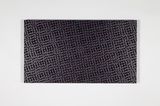
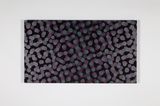
An entire section of Arario’s white cube is dedicated to ‘Dot-Array-Black’ and ‘Line-Array-Black’ series. These consecutive images illustrate overlapping dots and lines, in which subtle differences in the imagery and the changing light reflection ask for the viewer’s enduring attention. From a distance, the images are of uniform blackness. But up close, you see patterns of computer-generated dots and lines. The lines are a dense cluster of threads spraying outward, recalling an image from an electron microscope; the beads are layered on top of other slightly staggered patterns of dots in the form of movement and rotation.
The young Japanese artist Nawa Kohei works with sculpture and space under the concept of 'cell'. His concept of 'cell' is a combination of the word 'pixel', which defines the degree of digital precision, and the biological word 'cell'. The representative works from his PixCell series are the sculptural works in which clear beads cover things like taxidermy animals and everyday objects. The surface of the objects covered in beads seems magnified and distorted due to the light being refracted off each bead, and each bead suggests a separate unit, like an individual cell.


A respected voice in contemporary art discourse.
Focusing on ambitious storytelling and insightful art-world commentary. Ocula Magazine publishes in-depth interviews, critical essays and timely analysis on the artists, exhibitions and ideas driving the global art world.
Learn more about Ocula Magazine
Showcasing the best of the art world.
Ocula partners with galleries from around the world to highlight their artists, artworks and exhibitions. Gallery membership is by application and invitation, with each member vetted by an independent panel.
Learn more about Ocula Membership

Specialises in the sale of major artworks.
Led by a team with deep ties to the world’s leading auction houses, galleries and collectors. Ocula’s advisory team offers bespoke services to high-net-worth clients from around the world who are looking to acquire the best of contemporary and modern art.
Learn more about our team and services