Press Release

The roots of culture serve as the nourishing sustenance for Lin YiHsuan’s continuous artistic evolution, while the myriad experiences of life itself provide a unique lens through which he perceives and narrates his world. Over the years, Lin has dedicated himself to exploring the dynamic interplay between Eastern and Western painting traditions, gradually forging a distinctive style that harmoniously merges the philosophical tenets of Daoism with the principles of Naturalism. At the heart of Daoist philosophy, the teachings of Laozi and Zhuangzi emphasise the significance of nature, non-action, spontaneity, and the cultivation of the inner self. They posit that time and space are fluid—akin to the Portuguese verb “Easter,” which encapsulates a state of being characterised by change and immediacy. This philosophy advocates for simplicity and essence, suggesting that straightforward elements often convey profound truths. Guided by these principles, Lin YiHsuan creates an elusive depth within the two-dimensional confines of the canvas. He employs variations of light and dark, layering, and texture to evoke sensations of sky and air, allowing the artwork to become an integral part of the viewer’s environment. These seemingly abstract techniques yield a floating, breathing quality in the visual texture—an interplay of material flatness and infinite visual depth. Subtle colour gradients and soft edges enhance the meaning of his works, immersing viewers in a dreamscape reminiscent of Zhuangzi’s visions or inviting them to experience the status described by Laozi as “being without possession, guiding without domination.”

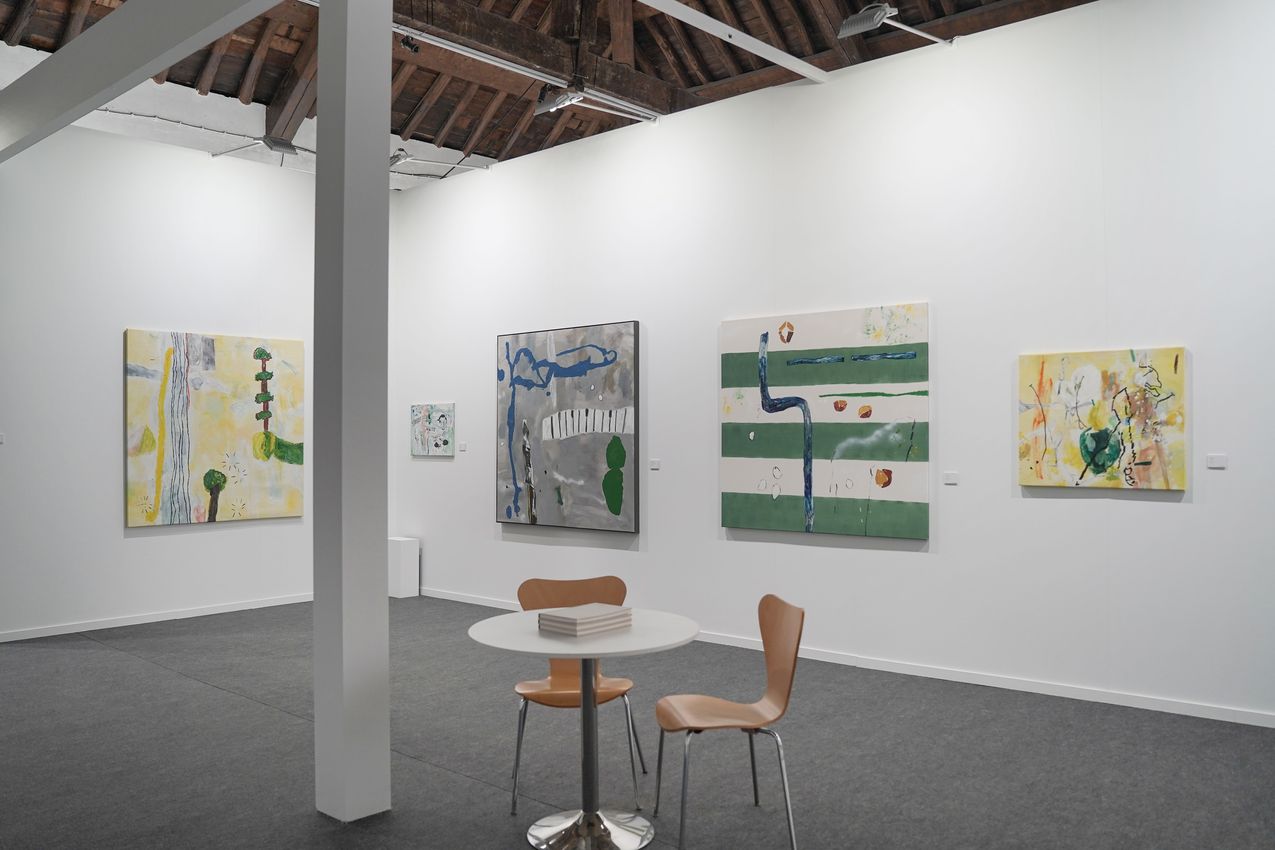
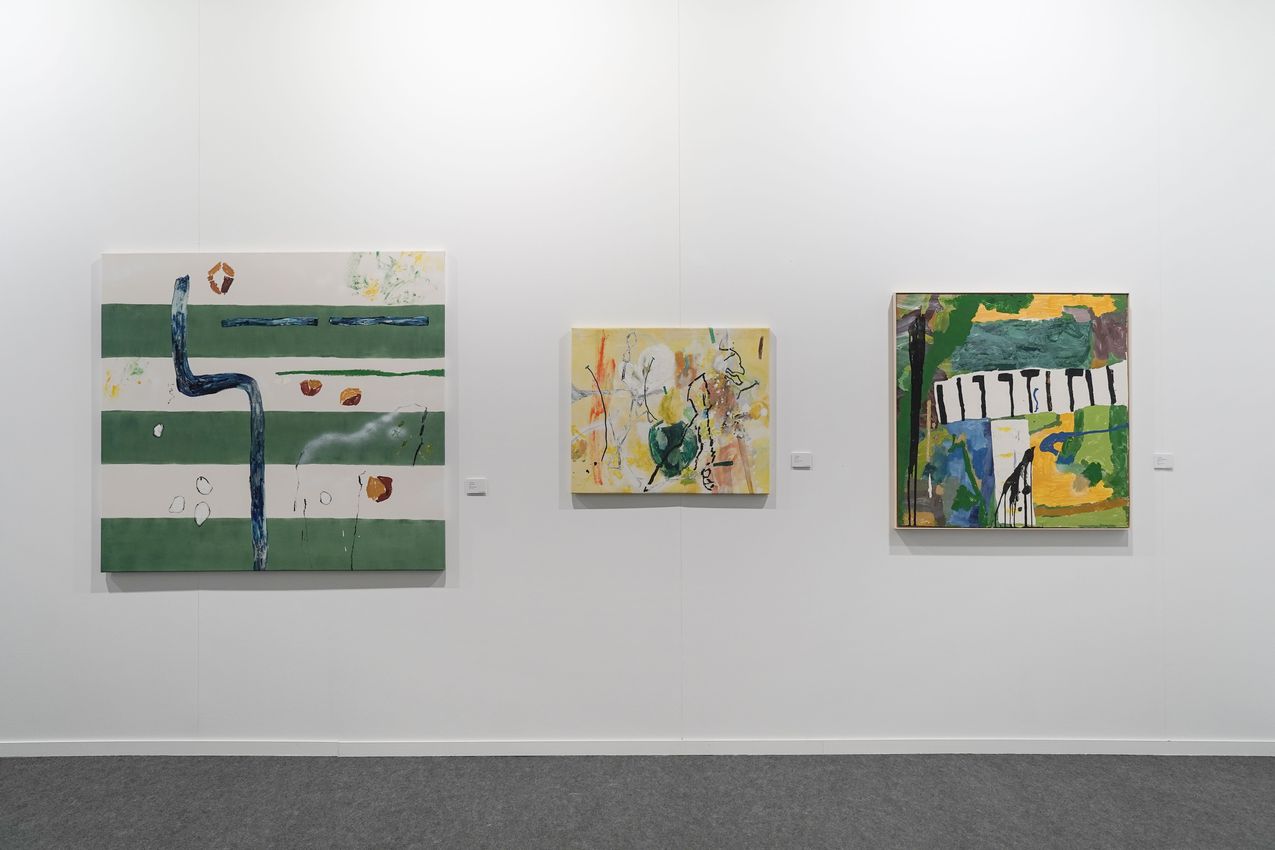
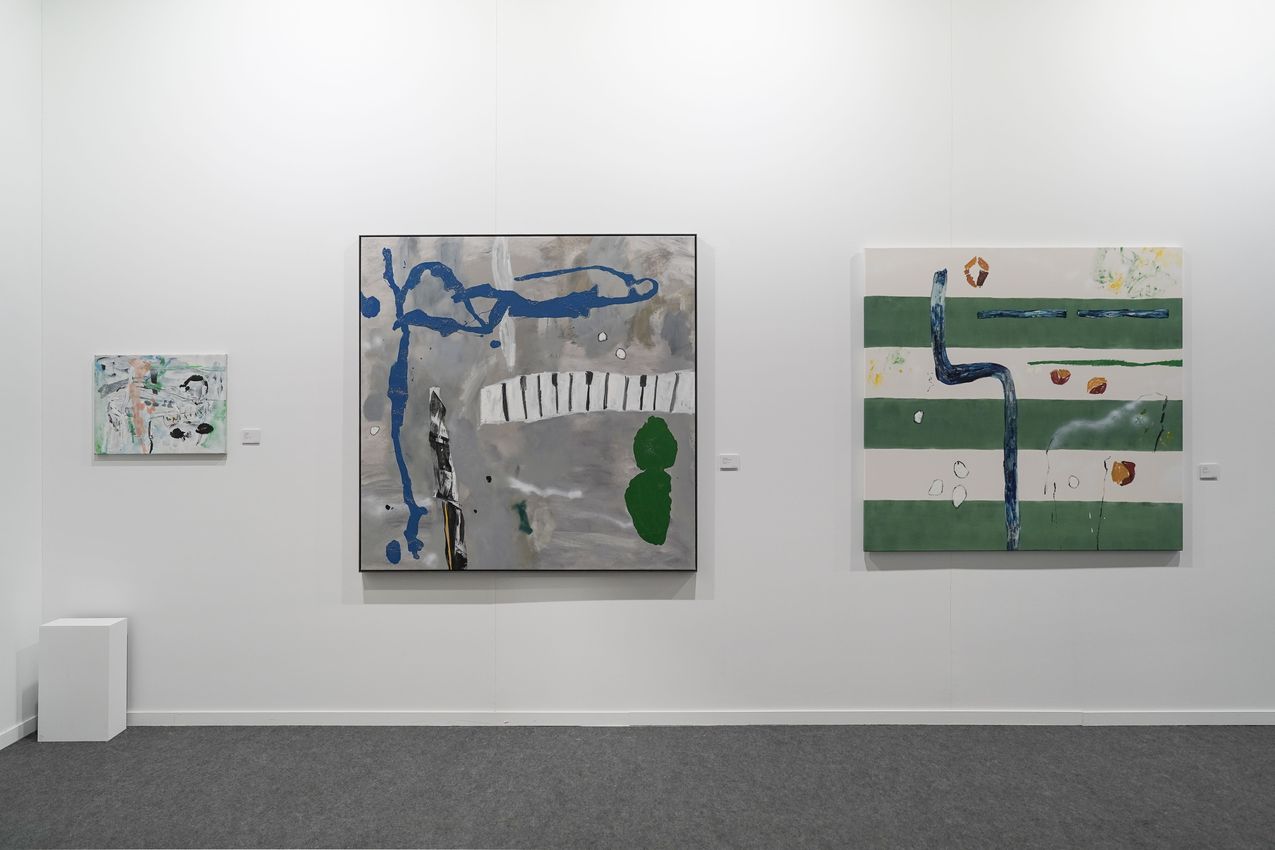
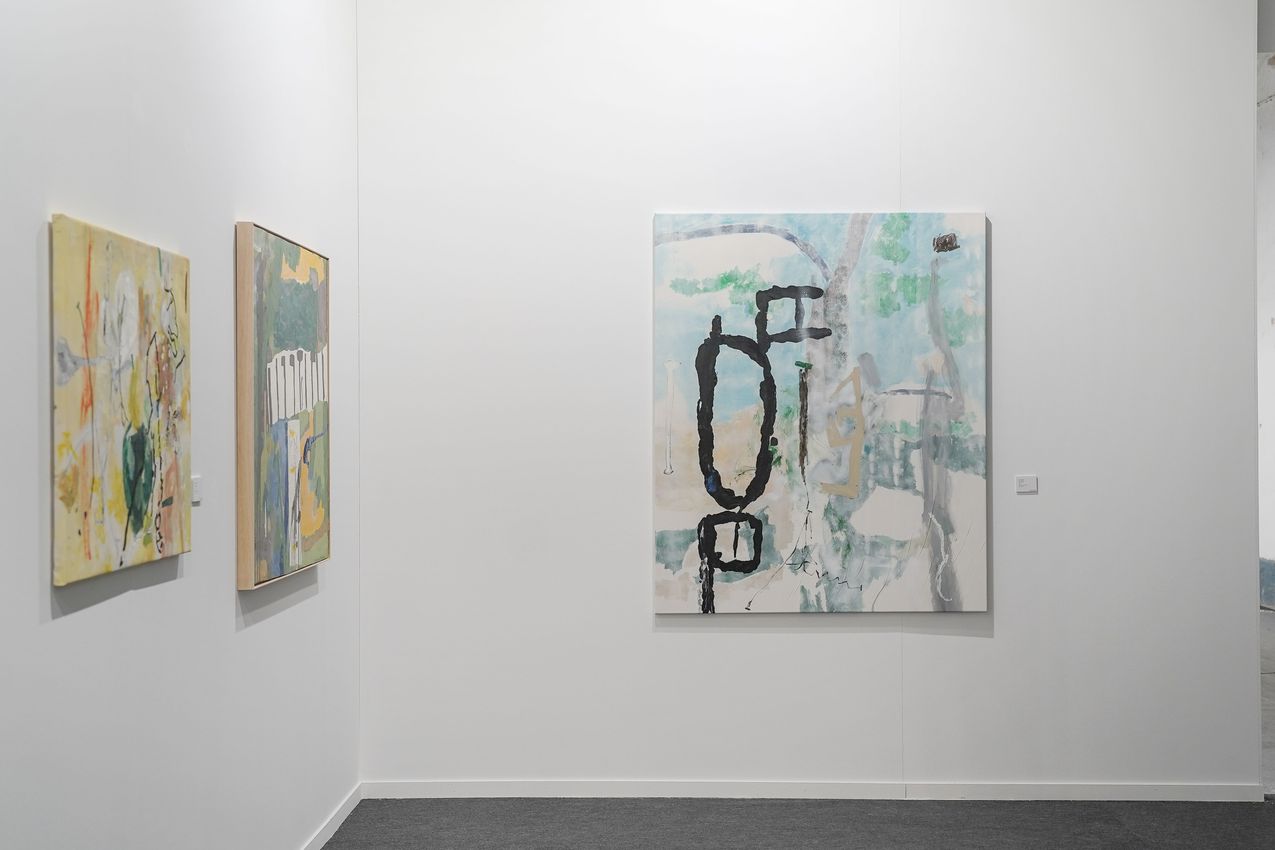
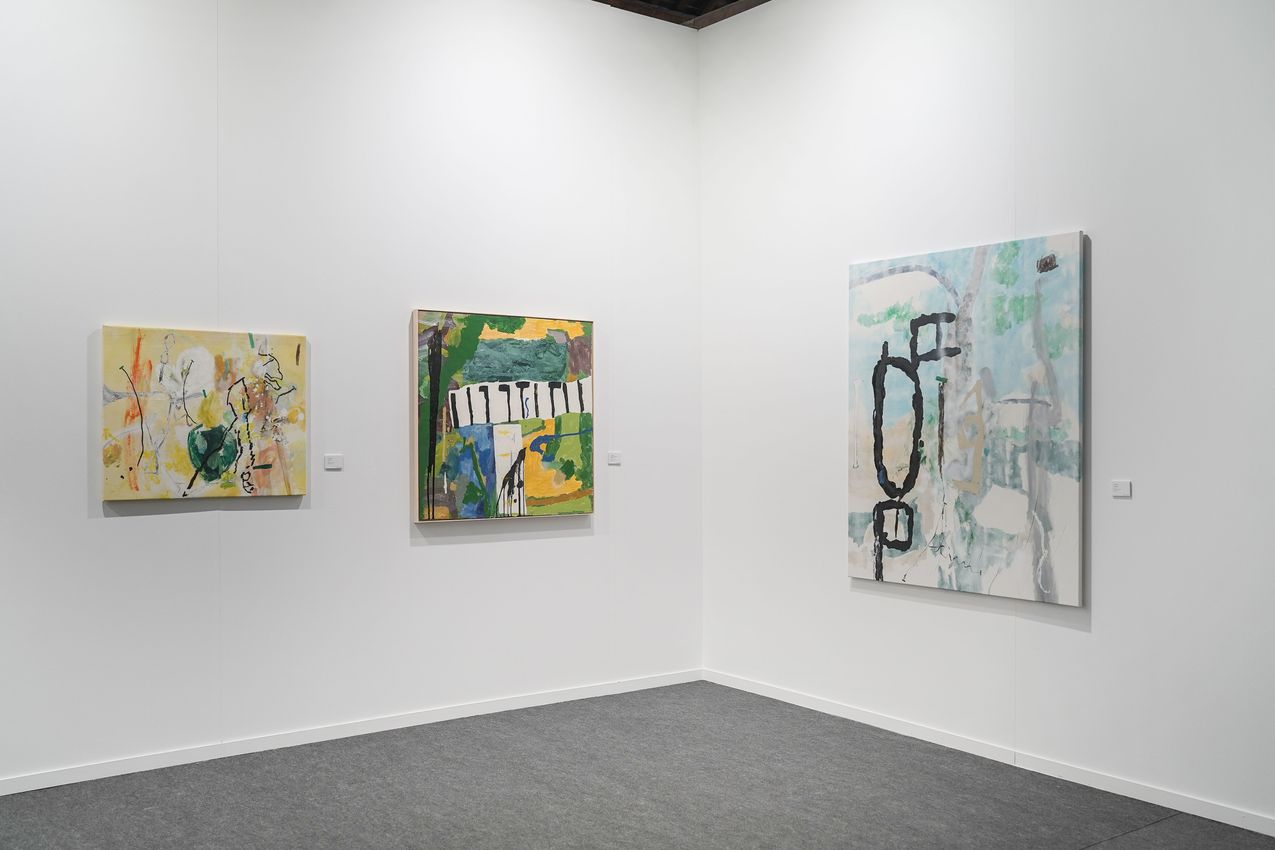
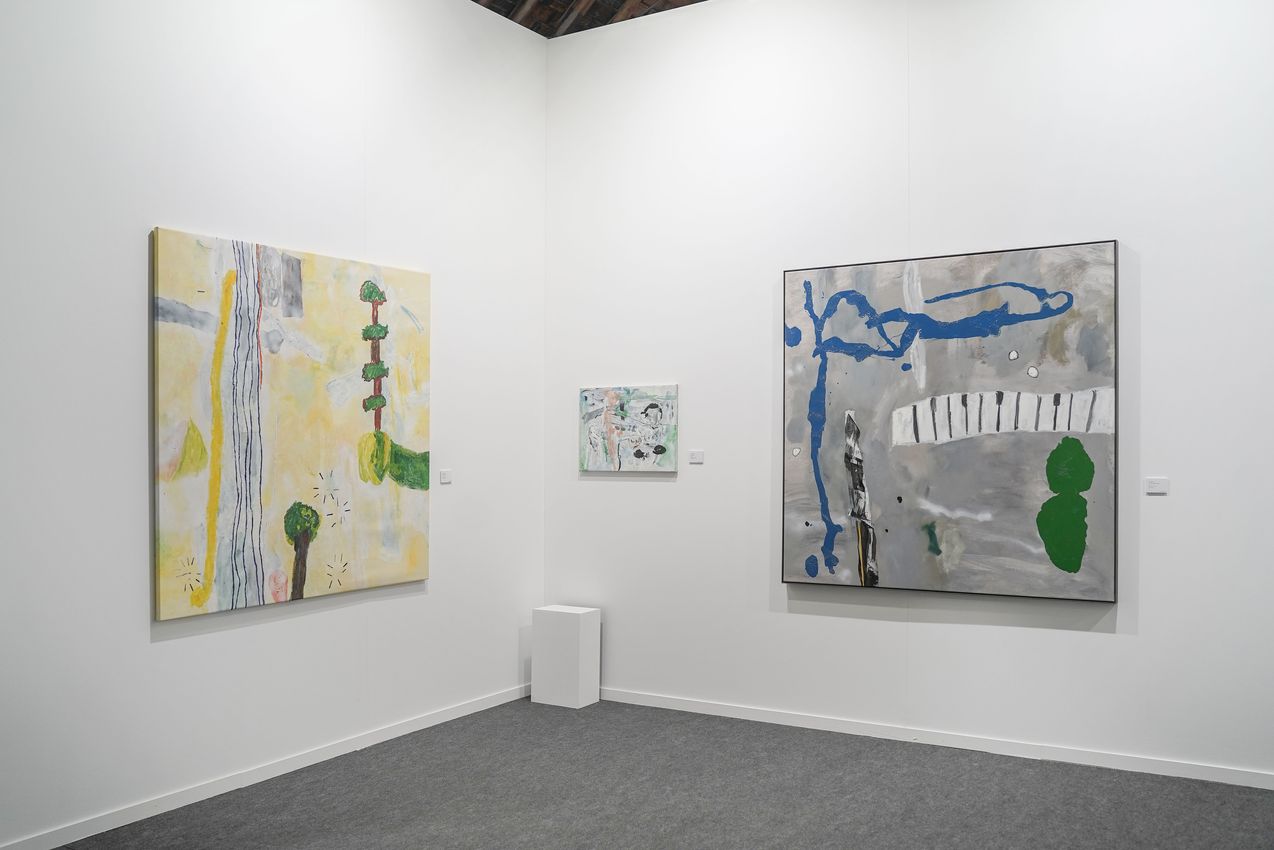
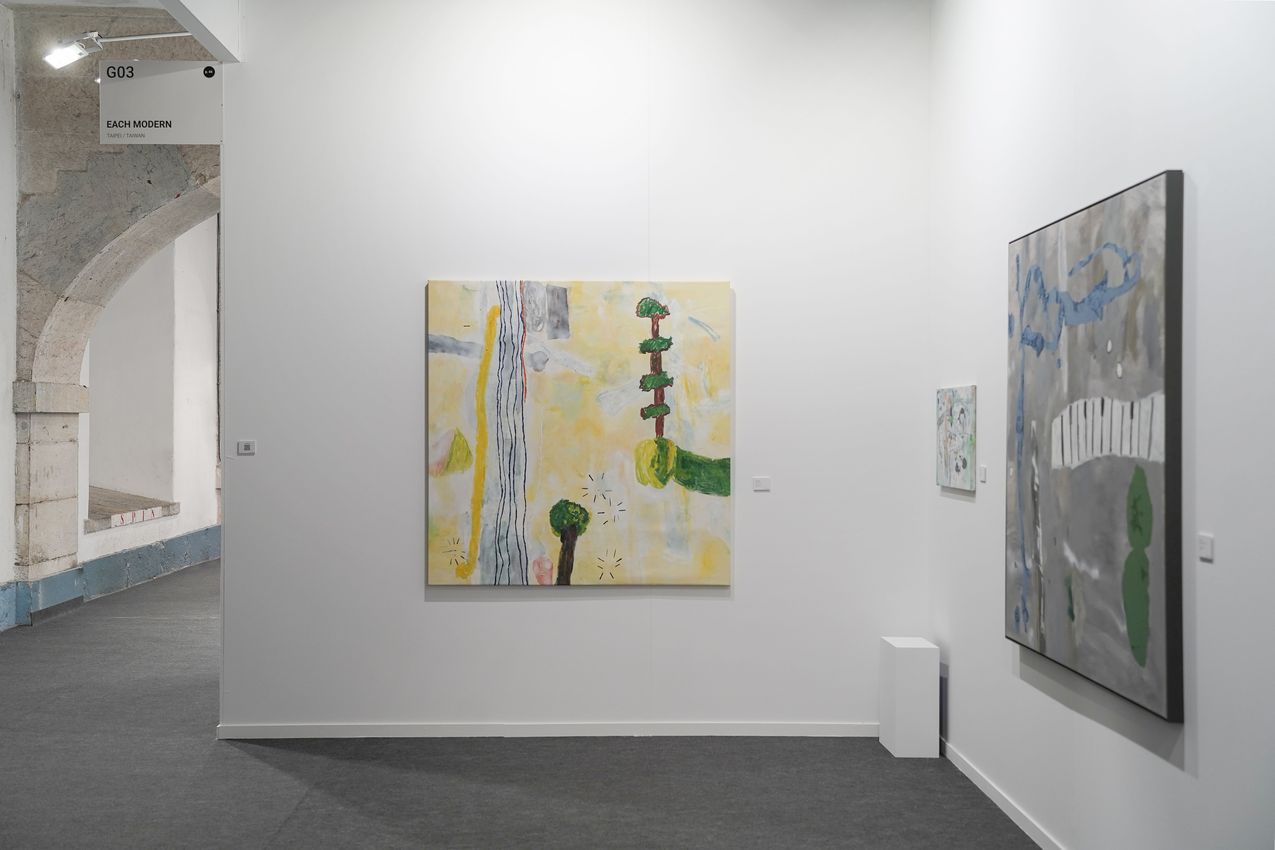
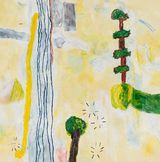
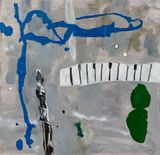
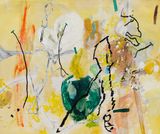
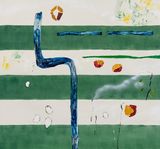
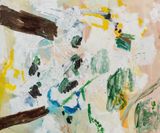
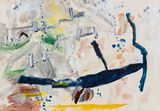
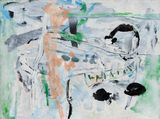
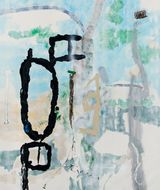
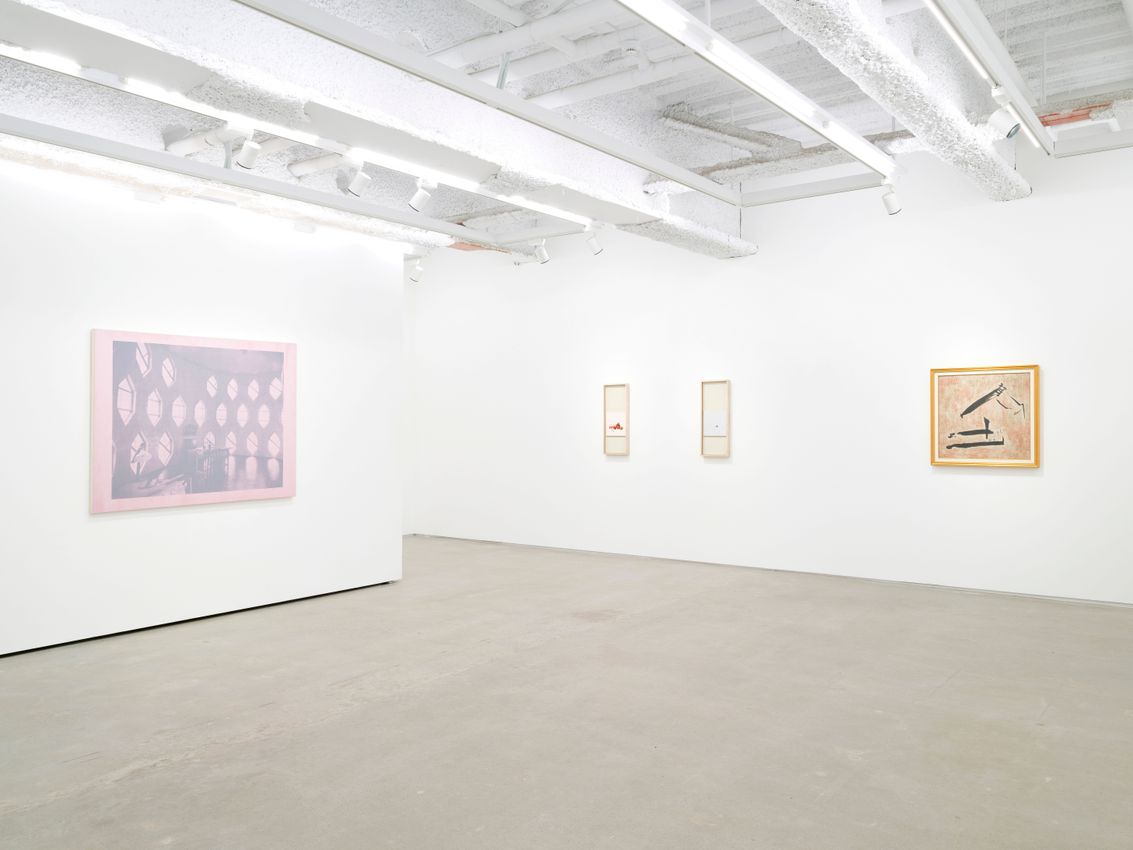
While Lin’s core themes revolve around lines, space, and materials through abstract expression, these elements ultimately resonate deeply with nature and become all-encompassing due to the artist’s rich life experiences. In “The Theme,” we witness the convergence of nature and sky, a fusion of rocks, mist, and jungle; in “Moon Dream,” the structure and lines of the painting reflect the relationship between mountains and stones found in traditional Chinese landscape painting, while the green and white background embodies the flat composition characteristic of Chinese art, mirroring the horizontal lines observed in natural landscapes. In “It’s Only a Paper Moon” and “It’s Only a Paper Moon, Samba Vision,” inspired by the rhythms of Miles Davis’s jazz, one can almost hear the rustling leaves and feel the symphony of music intertwined with flowing water in nature. These abstracted scenes allow viewers to feel as though they are truly present within them.

For Lin, painting transcends mere representation; it serves as a vessel for the spirit—grand and diverse, akin to the compositions, rhythms, lines, dot techniques, and thoughts of masters like Bada Shanren and Ni Zan. This artistic vision also encompasses the travel literature born from diverse local cultures, the magical realism of Latin American literature, and the profound influences of Beat generation literature. Additionally, it includes linguistic forms, text, imagery, and meaning, reflecting the social phenomena, plunder, violence, sexuality, and death that permeate his daily life in Latin America, alongside the natural landscapes that provide the ocean, sunlight, greenery, and fruits essential to his existence. These elements emphasise personal experience and independence, as well as the liberation of freedom and existence. Over the years, Lin has sincerely woven these threads together, not only as a devout execution of painting itself but also as a profound refinement of his inner self.

Moreover, the artist’s reach inevitably extends to the external world. The racial and social dynamics of Brazil, along with indigenous cultures and colonial histories reminiscent of those in Taiwan, resonate with contemporary cannibalistic methodologies: consuming the outsider and transforming it into the self—not through blind conformity or resistance, but by absorbing foreign cultures and converting them into one’s nutrition for soul. This notion posits that creation should be an active process of absorption, transformation, and recrecreation, providing Lin with rich energy. He has remarked, “The nourishment that Brazilian art provides me is the ‘intensity of creativity,’ an intensity that evolves independently of any context, representing a genuine response to creation, vitality, and humanity.”

This line of thought echoes the recently revisited ” Manifesto Antropófago ”, particularly in the current context of environmental justice movements and the emphasis on indigenous worldviews. For instance, Anna Bella Geiger’s seminal work, “Native Brazil / Alien Brazil,” critiques colonial history and social realities through an autobiographical lens, infused with strong irony and self-exploration. In Lin’s painting “Asian Savage,” the tropical sunlight and vibrant yellow reminiscent of Tarsila do Amaral’s works evoke passion and wildness, yet he further prompts reflection: “Who has truly come to live in Brazil?” This inquiry transcends mere geographical movement, delving into cultural collisions and profound questions of identity.

Lin YiHsuan (b.1985, Taiwan) relocated to Latin America in 2009 and has since lived in Honduras and Argentina. Since 2012, he lives and works in São Paulo. Lin’s recent important institution shows include “The Sun’s Pencil” (solo, 2023) at Nanjo Art Museum, Okinawa, “Here is Where We Meet” (group, 2023) at ChiaYi Art Museum, “Sob o Céu Estrelado” (solo, 2019) at Ateliê Fidalga, São Paulo, “We are Turtles” (solo, 2019) at Kuandu Museum of Fine Arts, Taipei, and “Baby Danger Baby Extraño” (solo, 2017) at Basin, Philadelphia. Other gallery exhibition can be highlighted: “Density” (solo, 2023) at Gallery Weekend Beijing and Each Modern, Taipei, “a man called log” (solo, 2021) at Each Modern, Taipei, “Out of Summer” (group, 2019) at Simon Lee Gallery, Hong Kong, “Li Yuan-chia and the Homages to” (group, 2019) at Each Modern, Taipei, “Straw” (solo, 2018) at Each Modern, Taipei, “Argh. Hippos.” (solo, 2017) at Aura Gallery, Taipei, “Paper in Practice” (group, 2016) at Moran Moran, Los Angeles and “A Chicken and a dog, they walk” (solo, 2016) at Jeffrey Stark, New York, and “That’s the neighbour, always dressing these boulders in the yard” (group, 2014) at Suzanne Geiss, New York. Lin has also participated in residency programs at Ateliê Fidalga, Sao Paulo (2019), ISCP, New York (2019), and 18th Street Art Center (2013).

Read More

Installation Views

Also Exhibiting at Each Modern

The art world in focus