



I like less looking, more doing.
—Mark Grotjahn
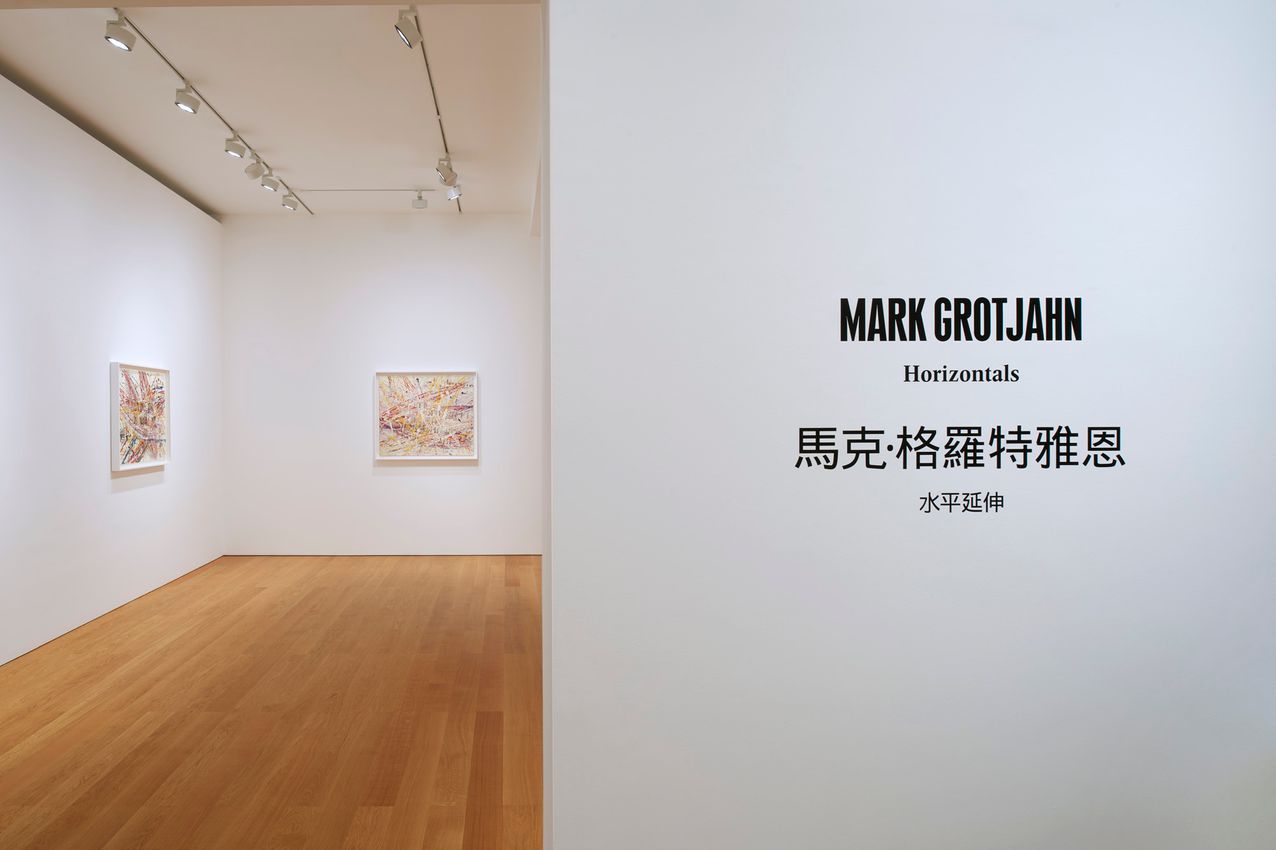
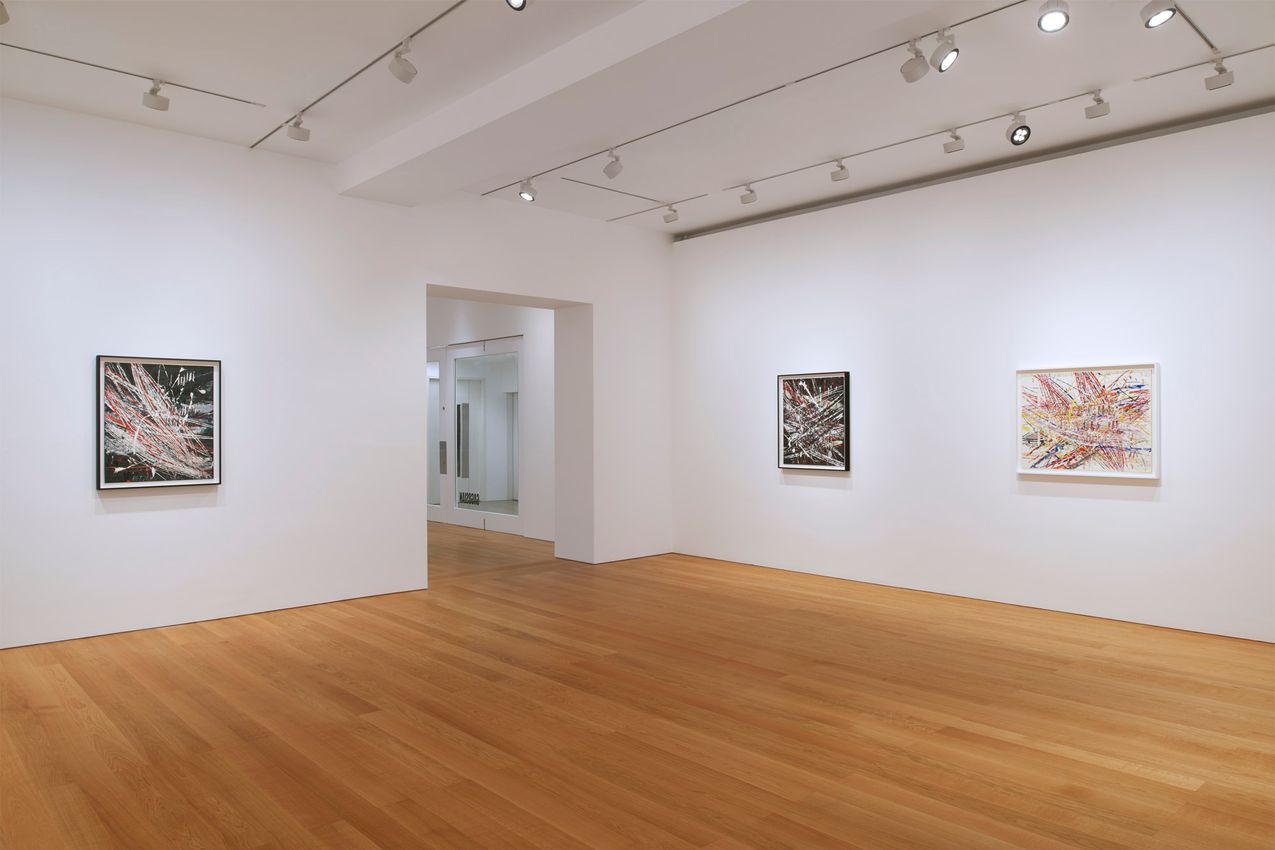
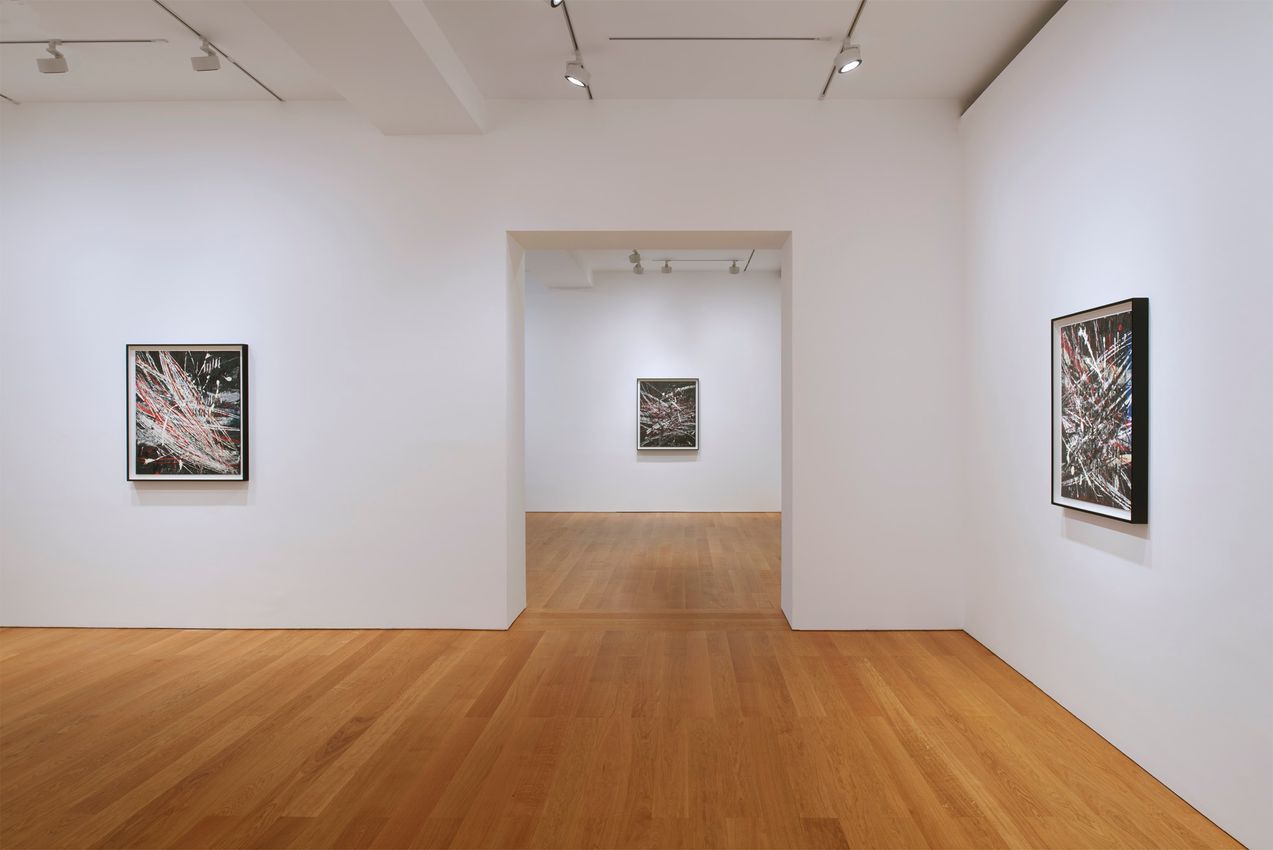
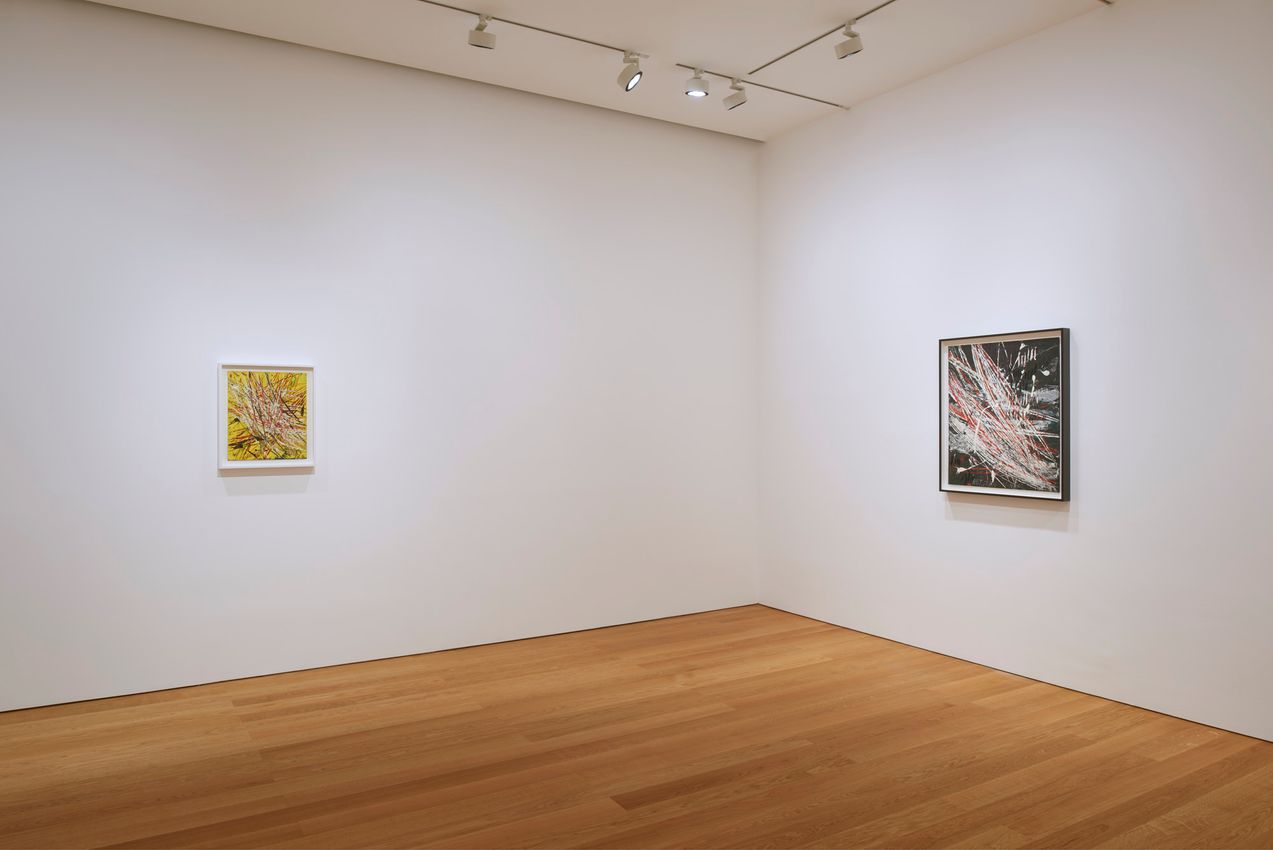
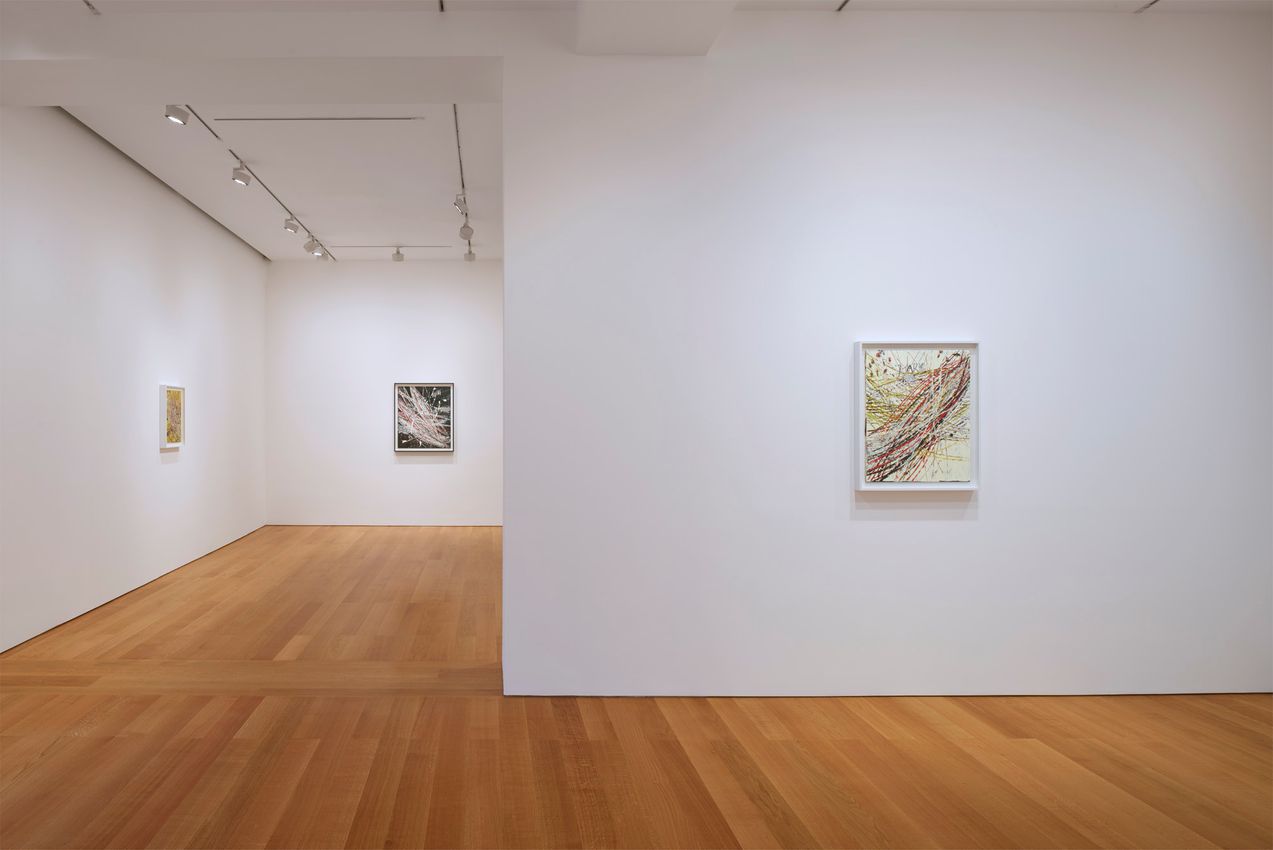
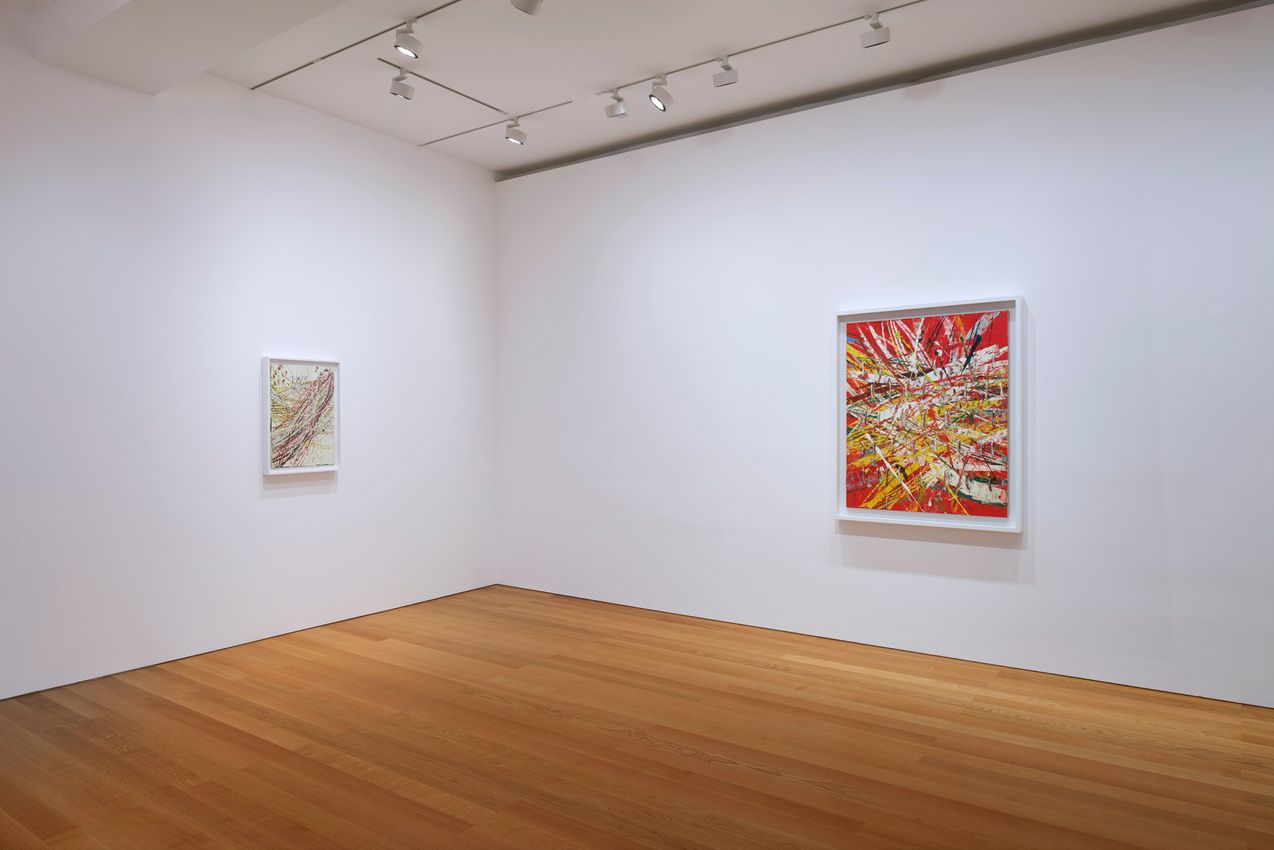
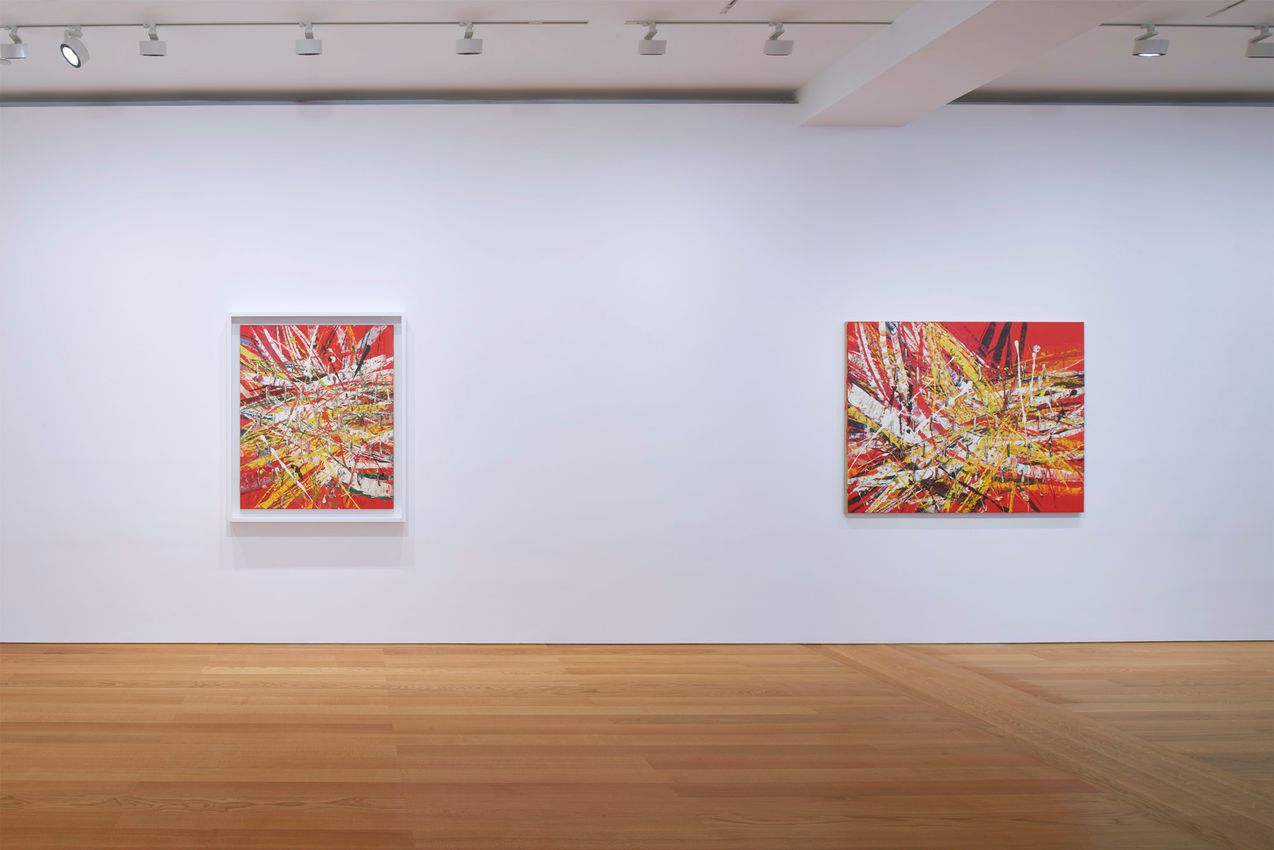
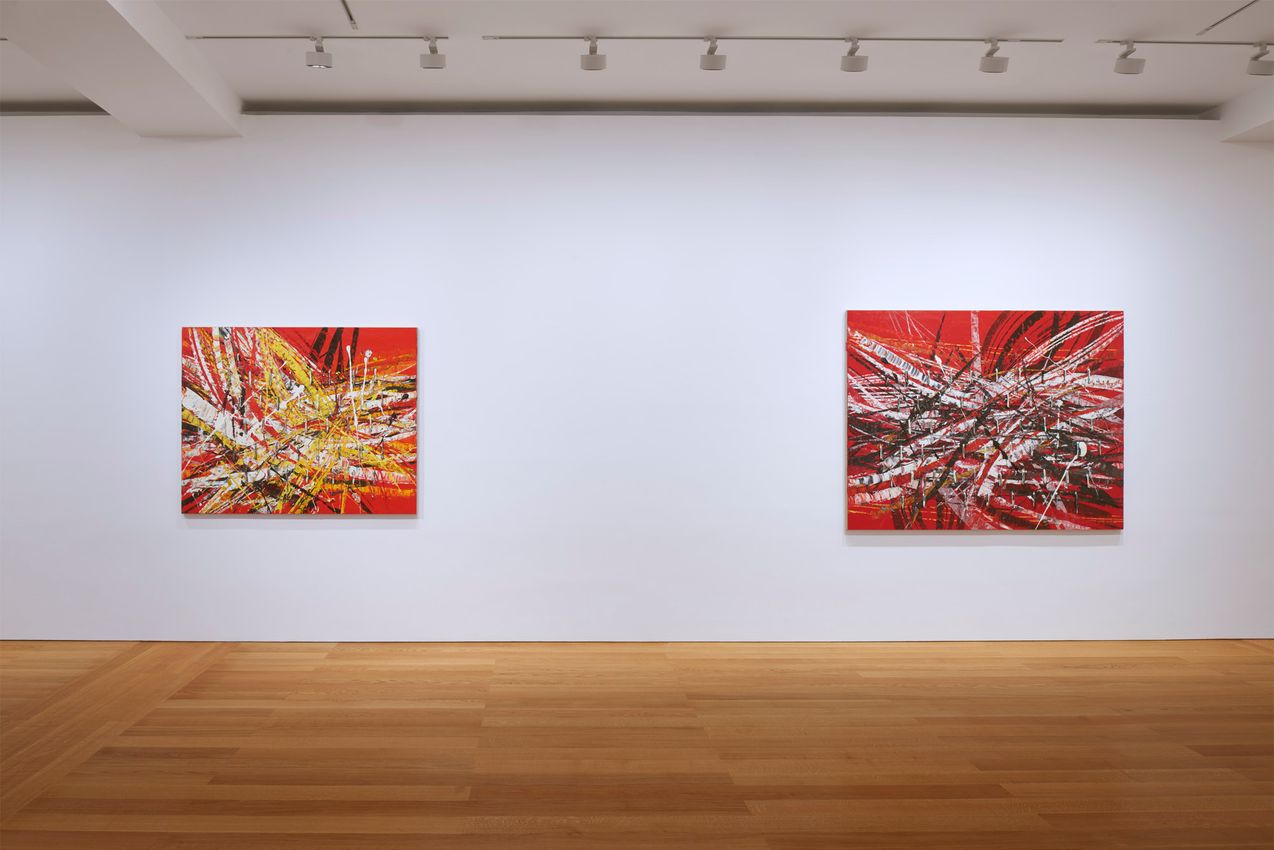
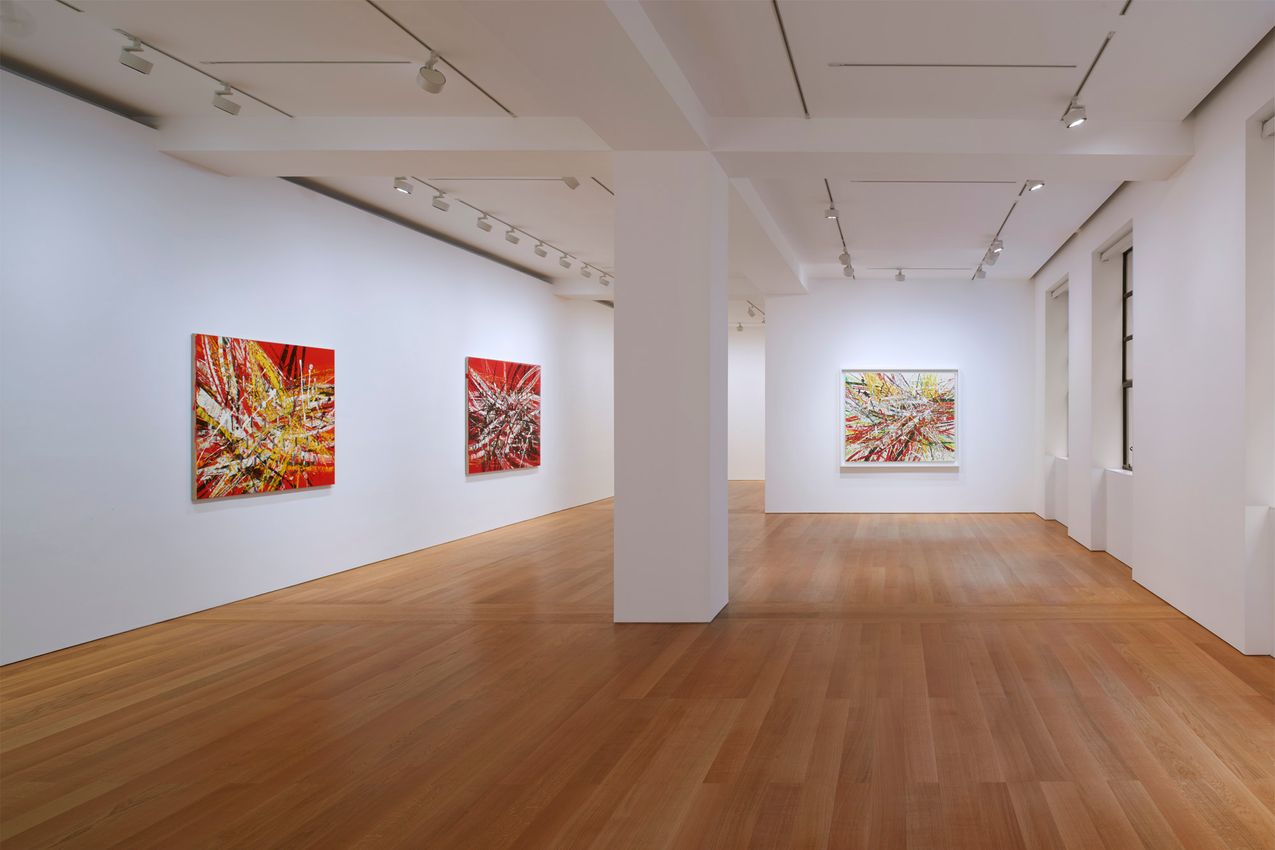
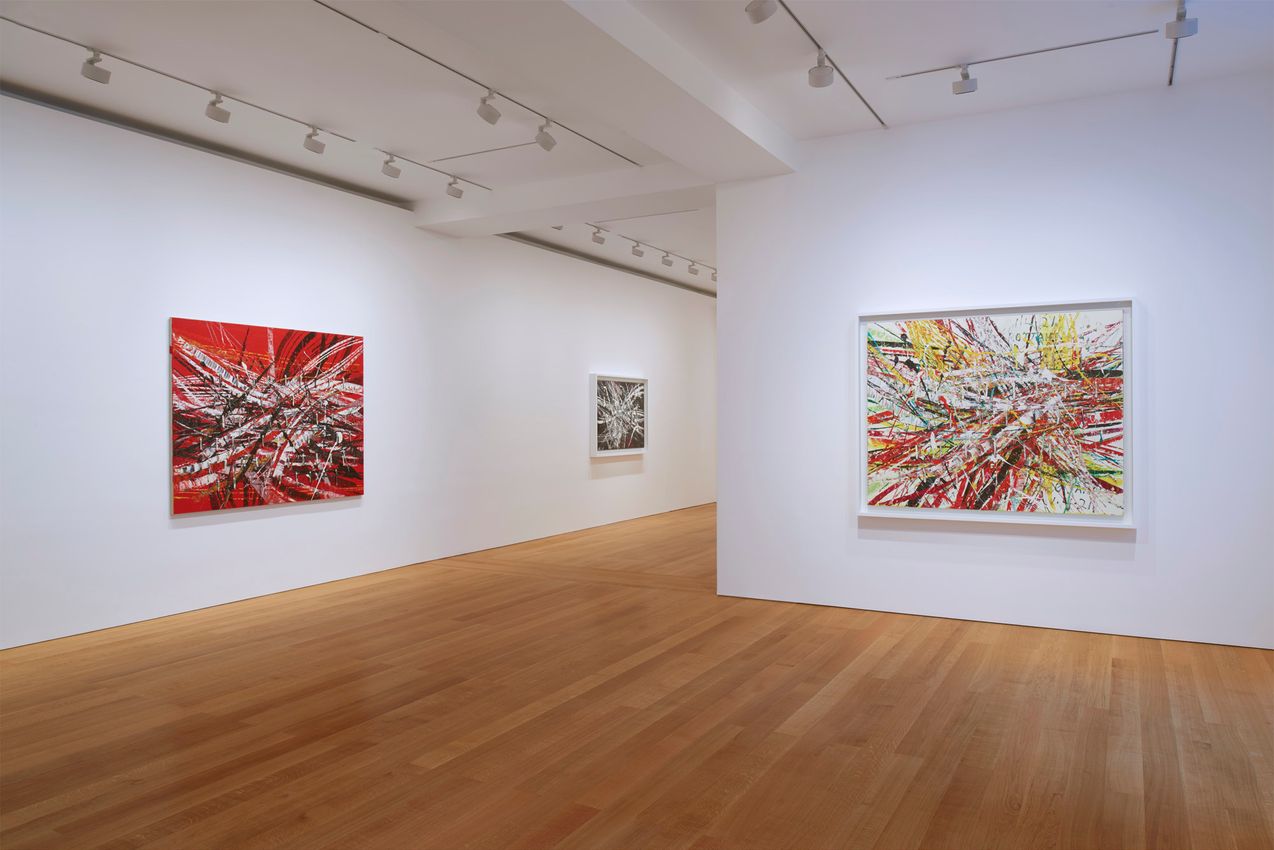
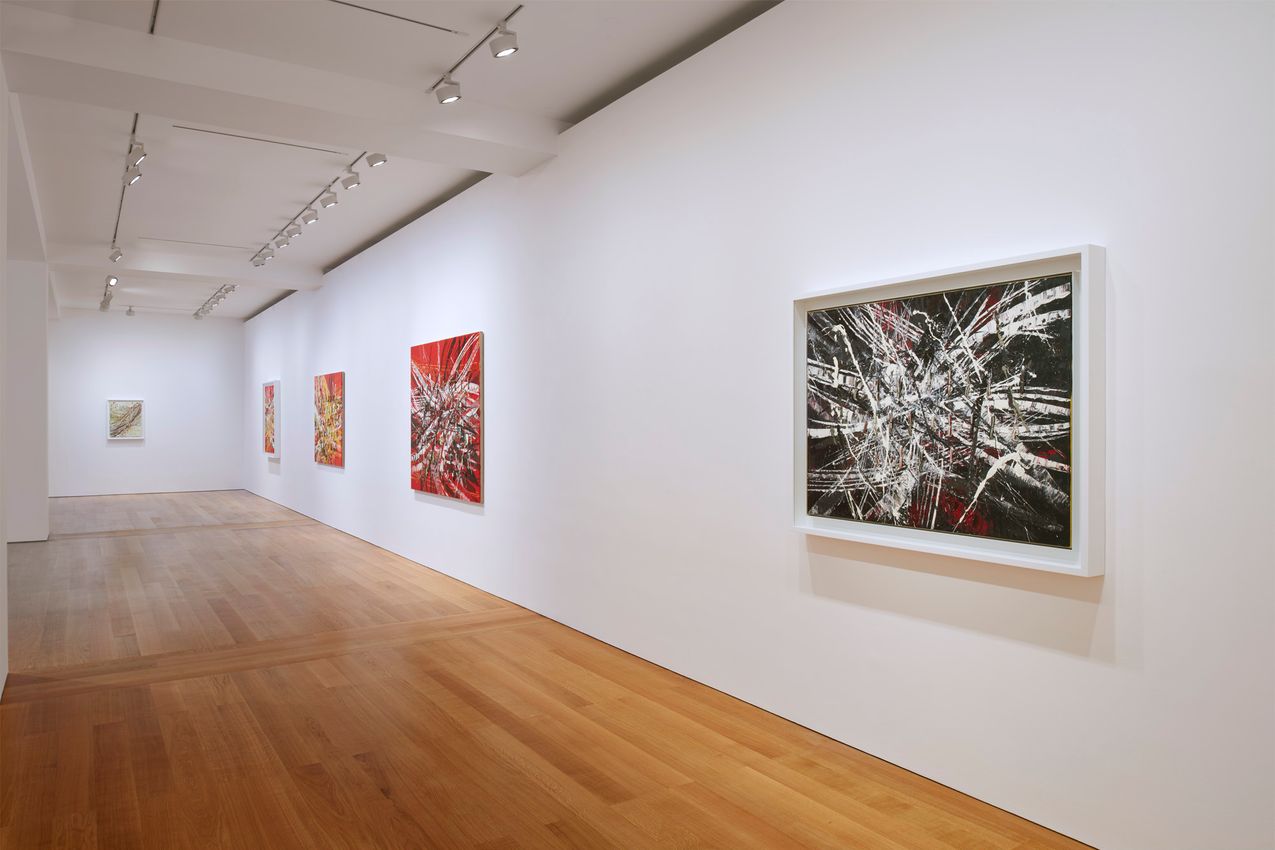
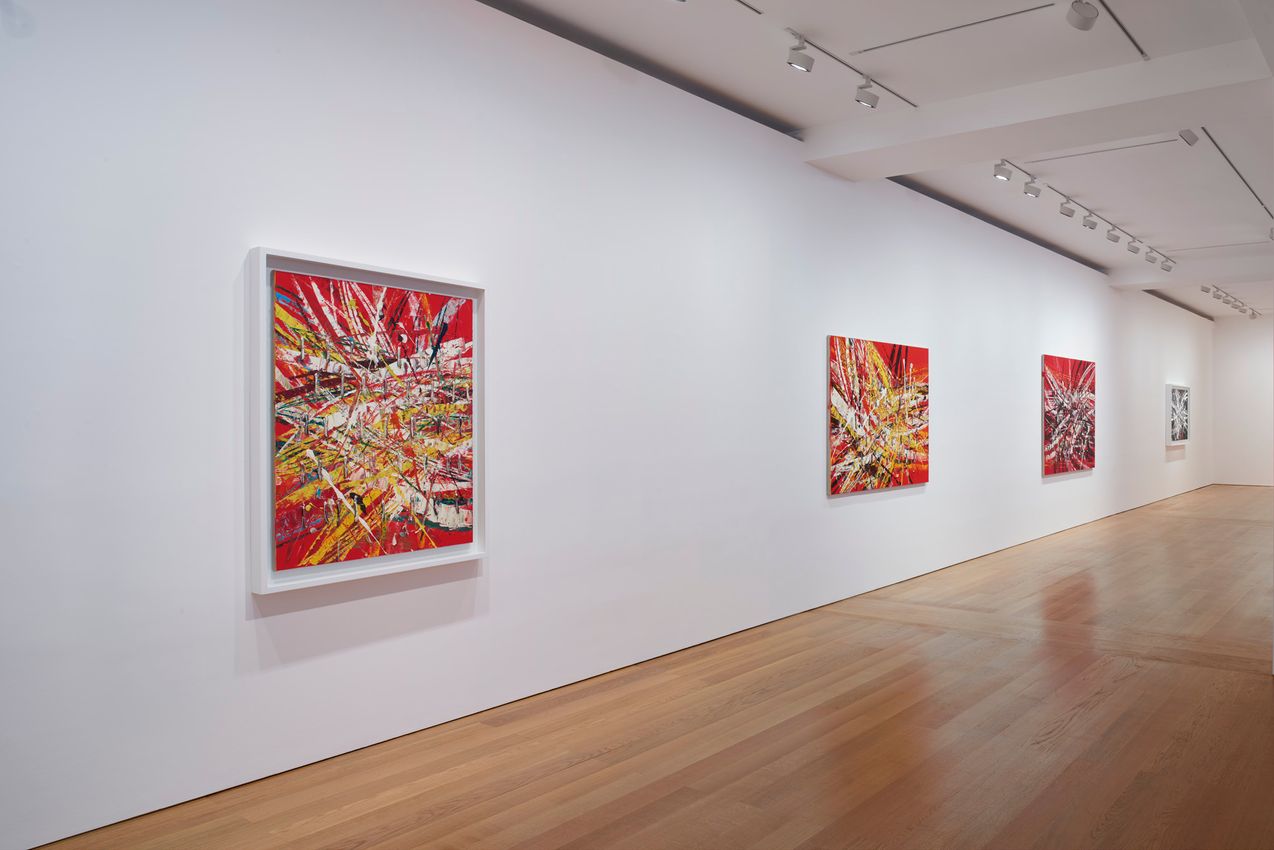
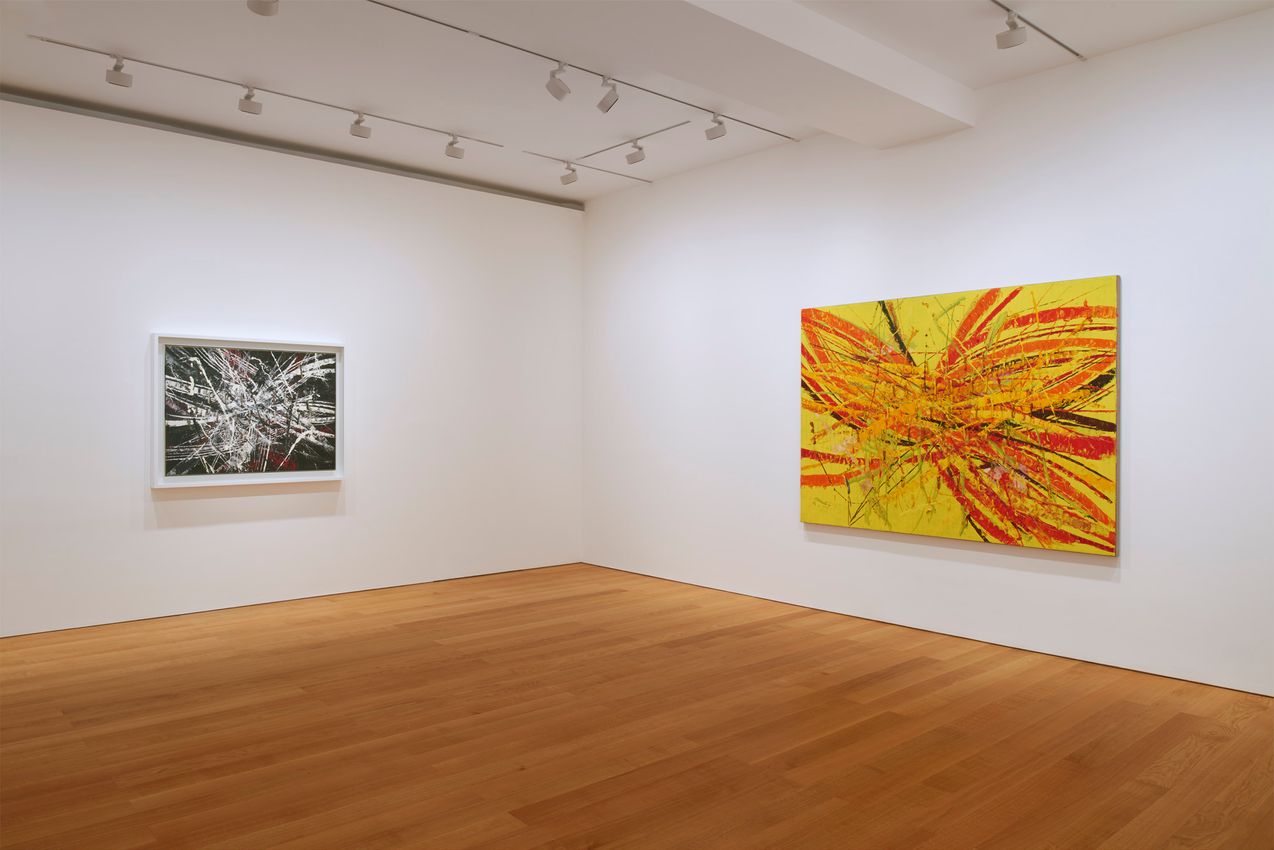
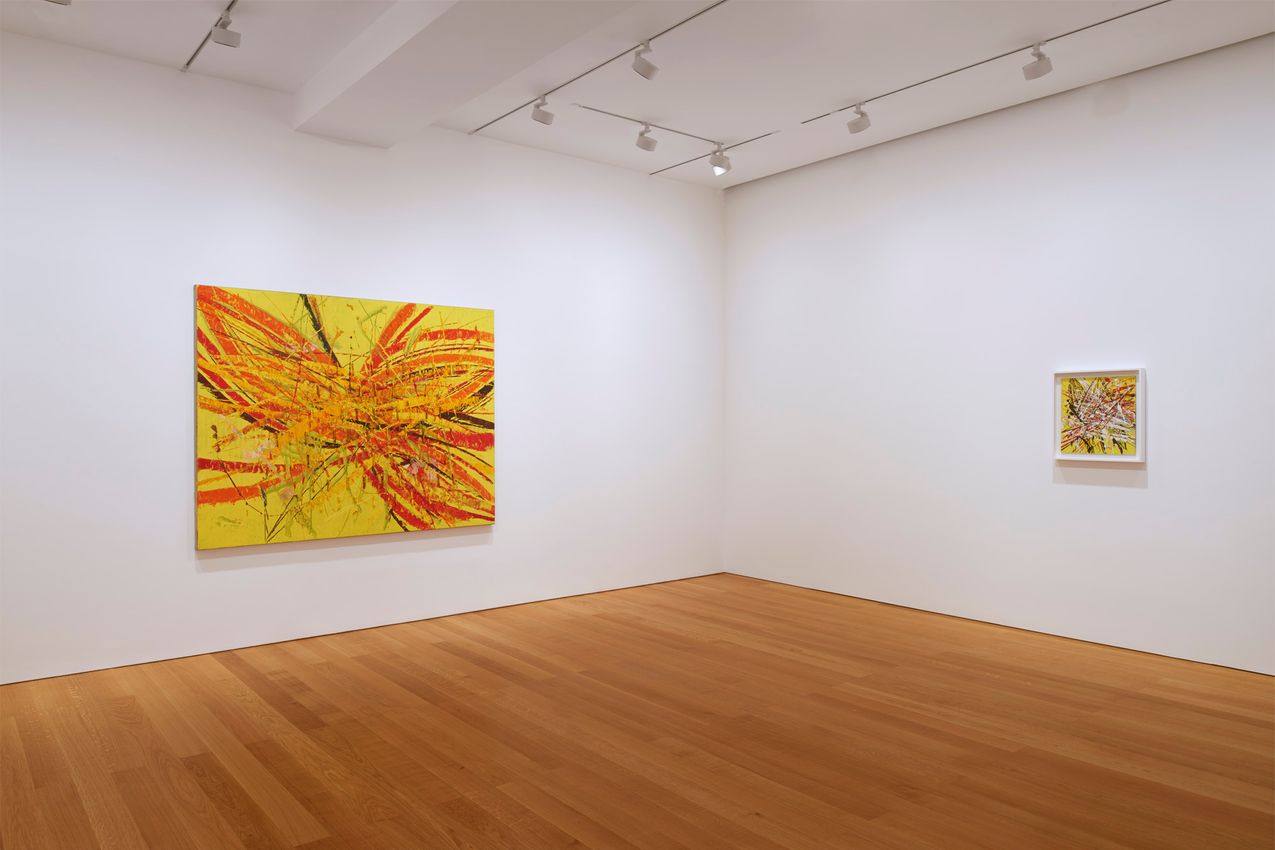
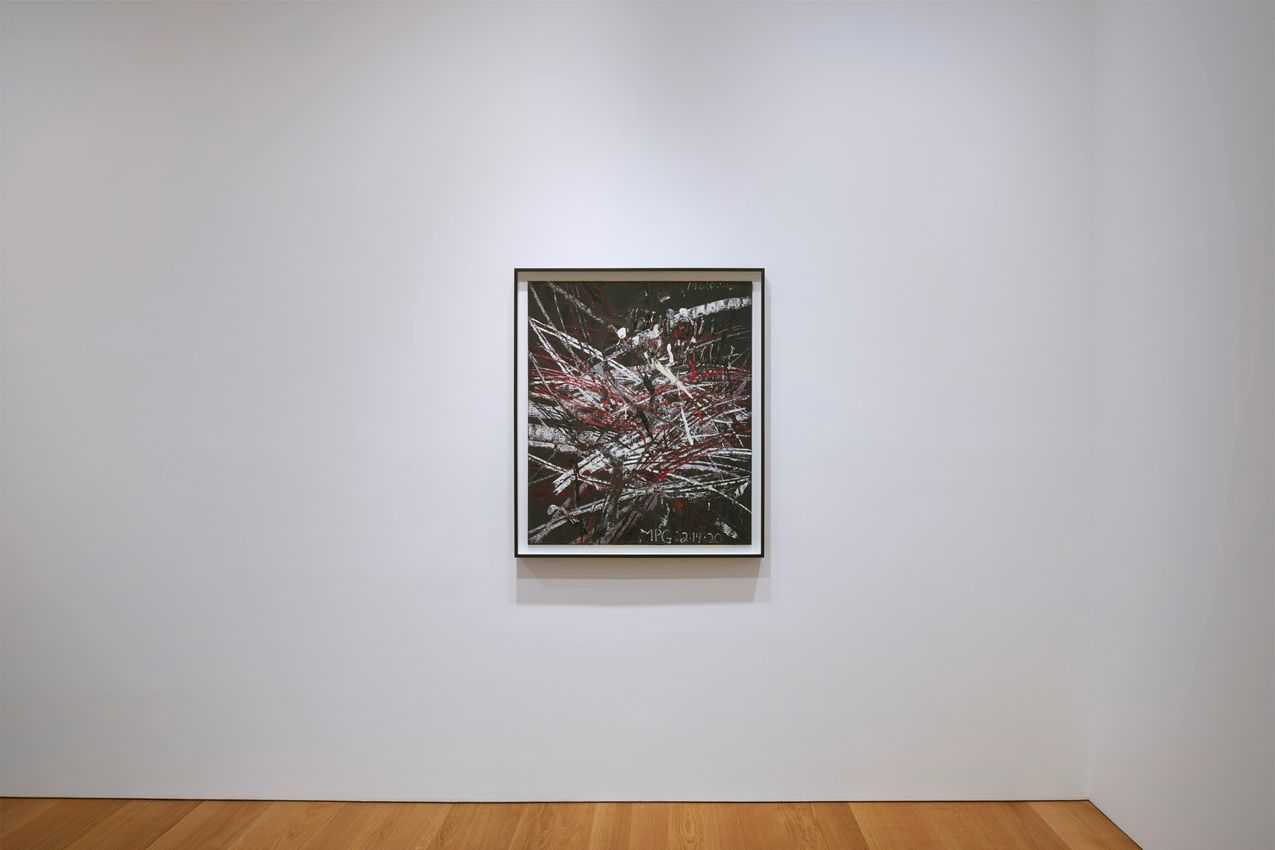
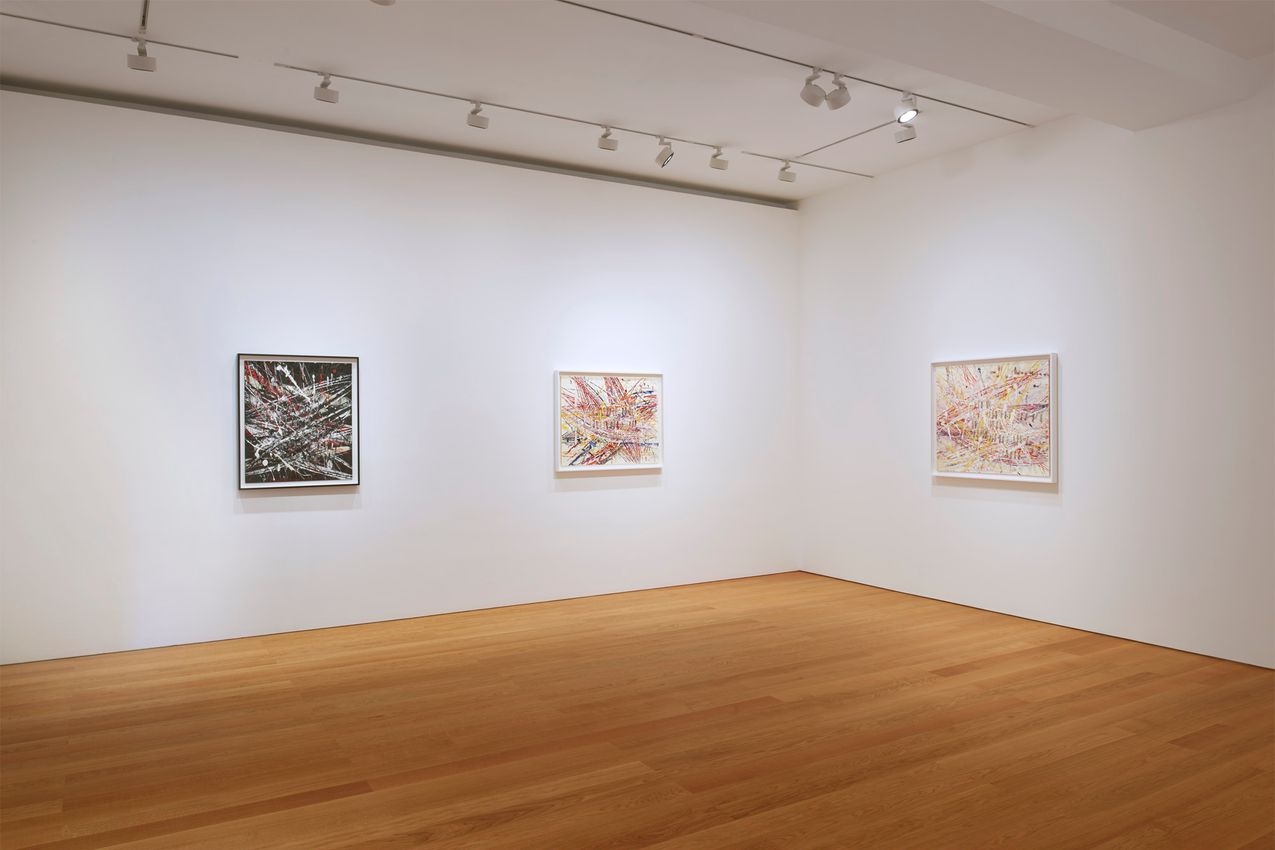
Gagosian is pleased to present Horizontals, an exhibition of new and recent paintings by Mark Grotjahn from the ‘Capri’ series (2016–).
In his paintings, drawings, and sculptures, Grotjahn interweaves various modes of abstraction, employing an expansive vocabulary of motifs and techniques that evolves between series, while infusing existing paradigms with new energy. Exploring colour, perspective, seriality, and the sublime, he has drawn inspiration from a diverse history of nonrepresentational painting, from prehistoric to Op art. By incorporating complex and ever-changing modes of expression into an instantly recognisable aesthetic, he continues to develop an authorial gesture that is at once mercurial and entirely his own.
Stemming from a body of work that he produced in 2016 for Casa Malaparte on the isle of Capri, Italy, the new paintings extend Grotjahn’s shift away from the representational qualities of the ‘Face’ paintings (2003–) toward the realm of full abstraction. Inspired by the landmark modernist house of writer Curzio Malaparte (1898–1957)—isolated on a rocky outcrop on the uninhabited side of the island and immortalized in Jean-Luc Godard’s Le Mépris (Contempt, 1963)—Grotjahn inaugurated the series with a group of works titled New Capri. Painted on cardboard and presented behind glass, these dynamic compositions echo the rugged natural environment of the house’s setting. Untitled (New Capri XXXVI 47.47) (2016) typifies his initial approach in that it is structured around almondlike shapes derived in part from the stylised, watchful eyes in the ‘Face’ paintings.
In the later ‘Capri’ paintings, Grotjahn moves beyond this motif, conjuring multicoloured linear vertices with stylistic echoes of German Expressionism and Italian Futurism, Wassily Kandinsky and Paul Klee. These works are also marked by the influence of American Abstract Expressionism—specifically Clyfford Still’s use of the palette knife. Although allusions to landscape are present in these paintings, most meaningfully they embody in abstract terms the formal and expressive possibilities of paint and process.Some of the most recent works, which adopt the landscape format primarily, also feature rolls of excess paint that Grotjahn ‘harvests’ with a palette knife and arranges in loose grids across the surface of the canvas. Tapering these material elements at either end to enhance their organic quality, he joins them to the support so that they rest atop clusters of vertical and horizontal strokes, providing visual and textural disruptions to the overall compositions.
Mark Grotjahn was born in Pasadena, California, and lives and works in Los Angeles. Collections include the Dakis Joannou Collection, Athens; Pinault Collection, Venice; Tate Modern, London; Stedelijk Museum Amsterdam; San Francisco Museum of Modern Art; Museum of Contemporary Art, Los Angeles; the Broad, Los Angeles; Hammer Museum, Los Angeles; Los Angeles County Museum of Art; Walker Art Center, Minneapolis; Des Moines Art Center, Iowa; Museum of Contemporary Art Chicago; Cleveland Museum of Art; Carnegie Museum of Art, Pittsburgh; Museum of Modern Art, New York; Solomon R. Guggenheim Museum, New York; Whitney Museum of American Art, New York; Hirshhorn Museum and Sculpture Garden, Washington, DC; and Rubell Family Collection, Miami. Solo exhibitions include Drawings, Hammer Museum, Los Angeles (2005); Whitney Museum of American Art, New York (2006); Kunstmuseum Thun, Switzerland (2007); Portland Art Museum, Oregon (2010); Aspen Art Museum, CO (2012); Circus, Circus, Kunstverein Freiburg, Germany (2014); Mark Grotjahn Sculpture, Nasher Sculpture Center, Dallas (2014); and 50 Kitchens, Los Angeles County Museum of Art (2018).
While at first glance, Mark Grotjahn’s oeuvre appears bound purely to aesthetic in modernist discourse, references to nature and movement abound. His butterfly motif, one of several recurring references to the natural world, has yielded extensive permutations in both painting and drawing. The ongoing Butterfly series foregrounds modes of perspectival investigation, such as dual and multiple vanishing points— techniques used since the Renaissance to create the illusion of depth and volume on a two-dimensional surface.


A respected voice in contemporary art discourse.
Focusing on ambitious storytelling and insightful art-world commentary. Ocula Magazine publishes in-depth interviews, critical essays and timely analysis on the artists, exhibitions and ideas driving the global art world.
Learn more about Ocula Magazine
Showcasing the best of the art world.
Ocula partners with galleries from around the world to highlight their artists, artworks and exhibitions. Gallery membership is by application and invitation, with each member vetted by an independent panel.
Learn more about Ocula Membership

Specialises in the sale of major artworks.
Led by a team with deep ties to the world’s leading auction houses, galleries and collectors. Ocula’s advisory team offers bespoke services to high-net-worth clients from around the world who are looking to acquire the best of contemporary and modern art.
Learn more about our team and services