



LI QING
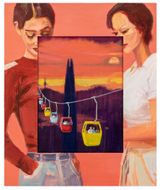
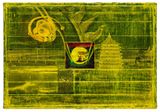
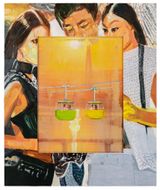
b. 1981, ChinaLi Qing was born in Huzhou, Zhejiang, and now lives in Hangzhou. Li Qing’s art practice embraces various media from oil on canvas in the early time, to installation, photography and video later on. The subjects his works deal with also develop in depth over this time. Standing in front of his works, audiences would be led into a visual game, conversing with the works and reflecting upon them. The imagery created by Li Qing is no more a means of representing reality. As a pioneer of ‘Intellectual Painting’, he presents his audience a familiar context and let concepts tell the story on its own.
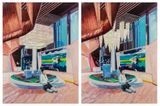
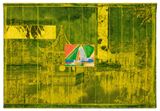
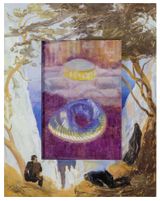
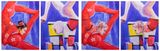
Li Qing’s early series usually take form in diptych, oil on canvas, such as Finding Differences, Images of Mutual Undoing and Unity and Image of Partial Unity. He borrows the form of the often-seen video game Find the differences, and adds up pop culture motifs, such as politicians, celebrities, daily objects, everyday scenes and news. one of the pair is altered at several spots and leads audiences into a visual game, starting up a conversation between the two. He also presses two wet paintings together face-to-face and then split them apart, cancelling the space between the truth and nothingness. In fact, the two juxtaposed paintings don’t show differences merely in form. They are a playful statement by artist to deliver the concept behind them. Every single brushwork or ‘undoing’ bears a unique gesture of the artist. The line between the absolute identical and the different thus is blurred away and the literal meaning of images is also absorbed into the surface. By comparing the two paintings, audiences come close to artist’s real intension—connotations of complex humanity, changing social landscape, shared experiences or collective emotions of a certain period. The entry point to understanding Li Qing’s paintings therefore switch from the surface of imagery as a representation of reality to the comparison between the two. And the image is merely a path to the more profound level of concept.
Drifting, nothingness and disillusionment permeate most of Li Qing’s works as a basic tone. In his later photography, video and installation works, the artist deals with several eternal themes or philosophical concepts, such as the presenting of things as subject, humanity in social development and the feeling of anxiety extensively existing in the time the artist lives in. In the 1980s China went through the social reform and opening-up as well as dramatic economic growth, bringing overwhelming expansion of consumerism. Everyday things became distant to people. They are used and then abandoned very shortly. For the artist, things are the embodiment of living experience. They show a state of nothingness and detachment in people’s living condition. The fridge as a motif appeared in many of artist’s works, including White Group Portrait, Black Group Portrait and Fontana. The fridge in Li Qing’s works is like Vincent van Gogh’s shoes, standing in solemn like a group of tall buildings, and having a sense of human dignity. They are not consumed daily objects anymore. In the video work Drifting Floss, downy floss covers every corner, becoming the subject matter in this clueless story. Textile workers wander around in a trance, delivering audiences a kind of collective emotion, the feel of powerlessness facing disillusionment.
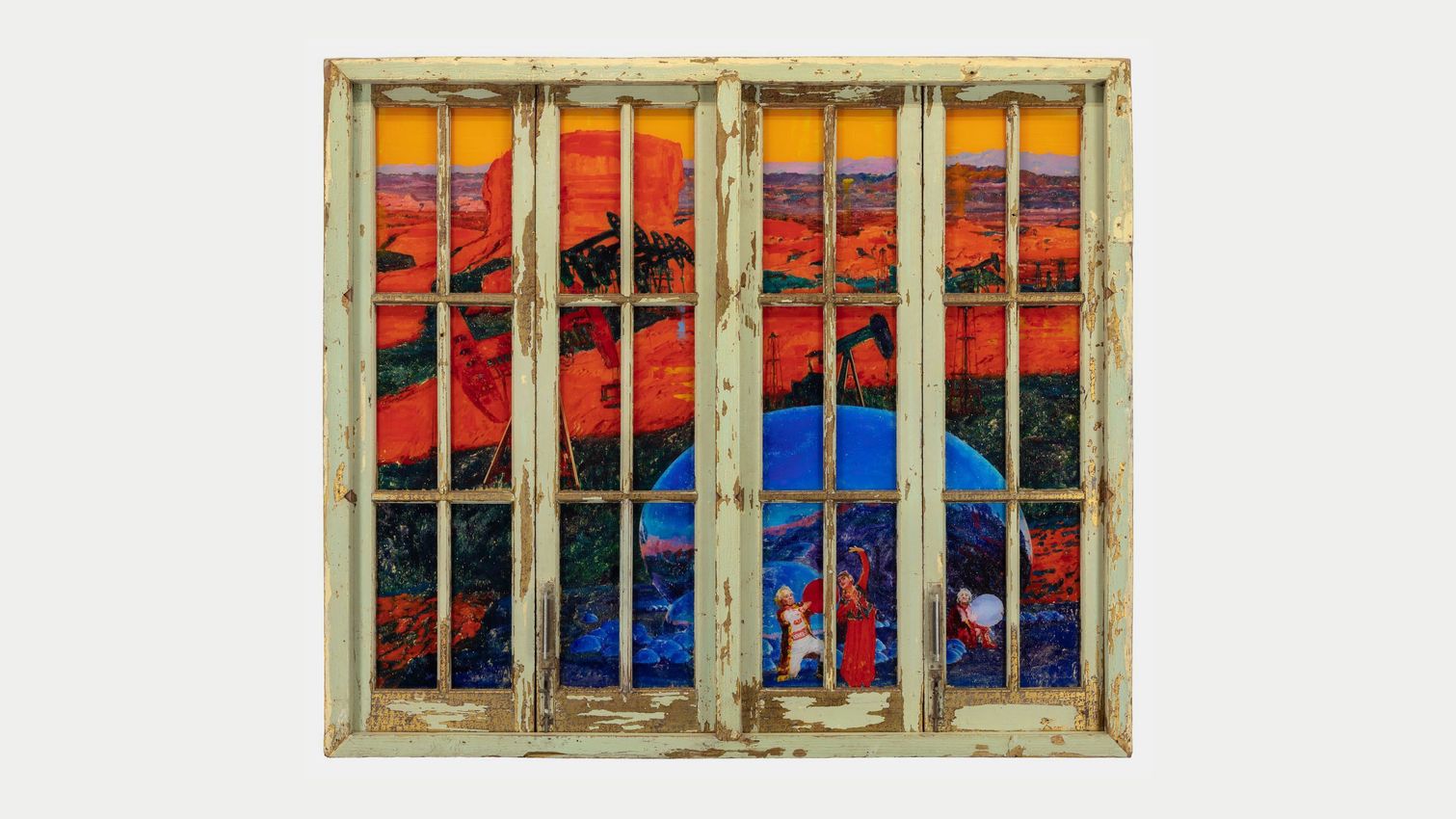
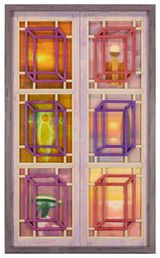
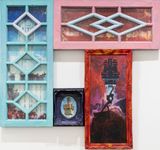
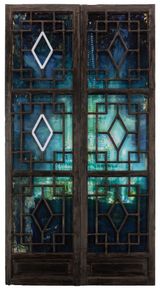
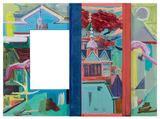
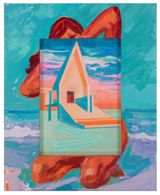
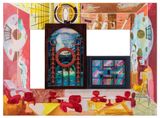
Particularly for the solo show Li Qing: In the Vicinity, the artist creates a group of site-specific works associated with the gallery location. An installation series ‘Neighbor’s Window’__borrows the trompe l’oeil technique, combining old wooden window frames with the paintings of colonial architecture behind glass. The visual illusion connects individual life with today’s modern metropolis of Shanghai, which comes along with the feeling of anxiety in the westernized culture and memory of the past revolutionary time. Other works in this show also show the development of Shanghai at a similar angle: the coexistence and mingling of difference ideologies and notions, opening up dialogues between history and the present.






















Explore and Follow Artists Shaping Contemporary Art
A respected voice in contemporary art discourse.
Focusing on ambitious storytelling and insightful art-world commentary. Ocula Magazine publishes in-depth interviews, critical essays and timely analysis on the artists, exhibitions and ideas driving the global art world.
Learn more about Ocula Magazine
Showcasing the best of the art world.
Ocula partners with galleries from around the world to highlight their artists, artworks and exhibitions. Gallery membership is by application and invitation, with each member vetted by an independent panel.
Learn more about Ocula Membership
Specialises in the sale of major artworks.
Led by a team with deep ties to the world’s leading auction houses, galleries and collectors. Ocula’s advisory team offers bespoke services to high-net-worth clients from around the world who are looking to acquire the best of contemporary and modern art.
Learn more about our team and services