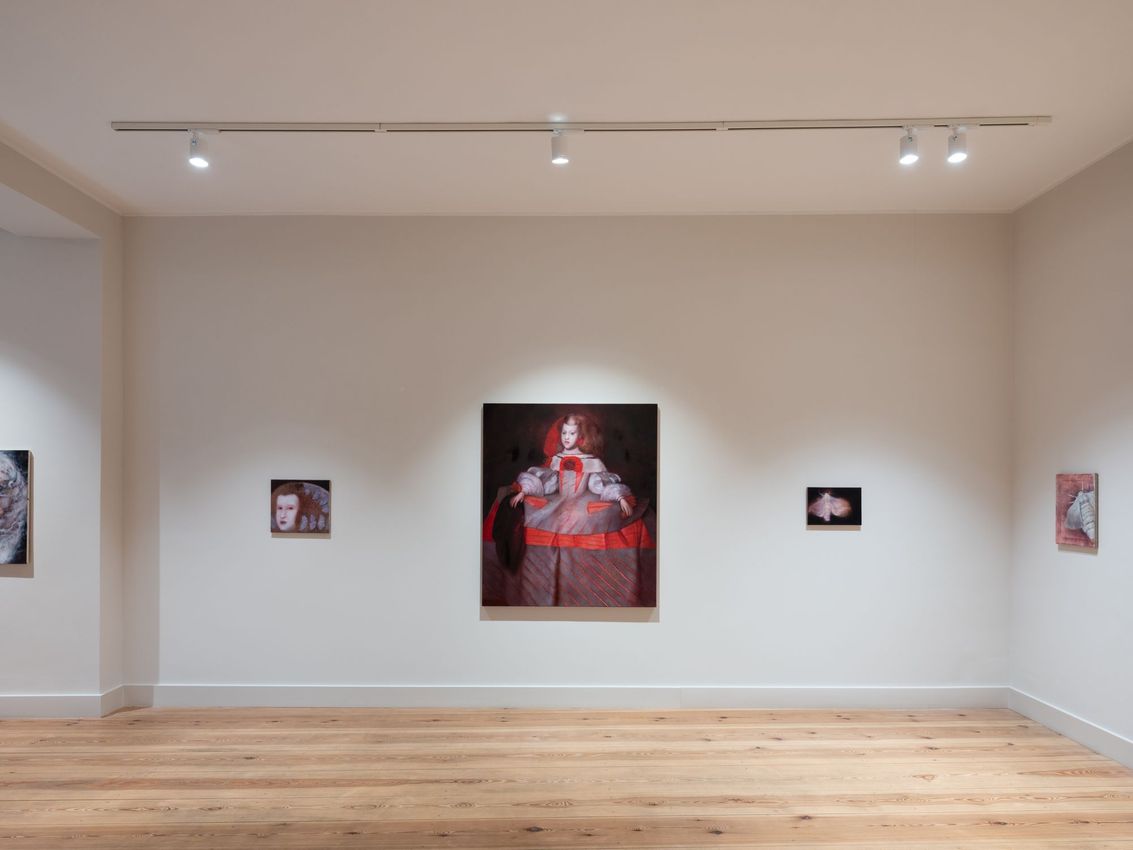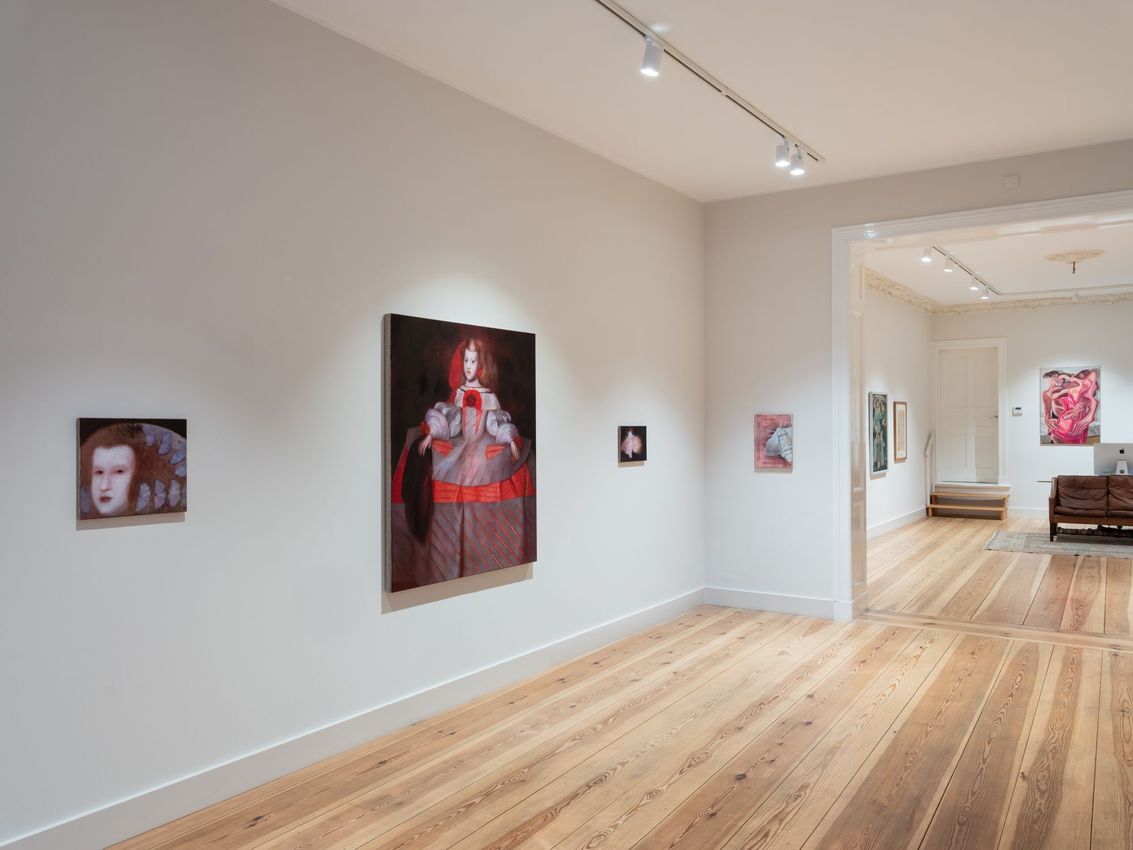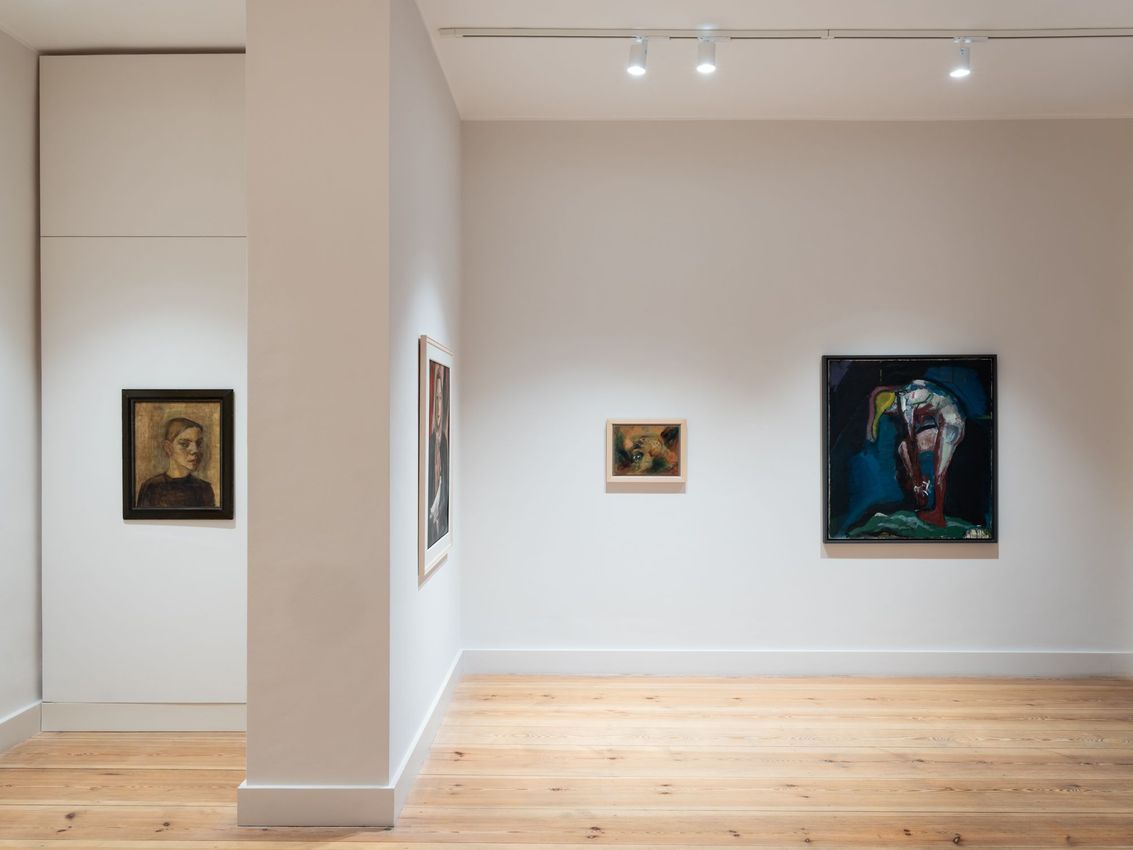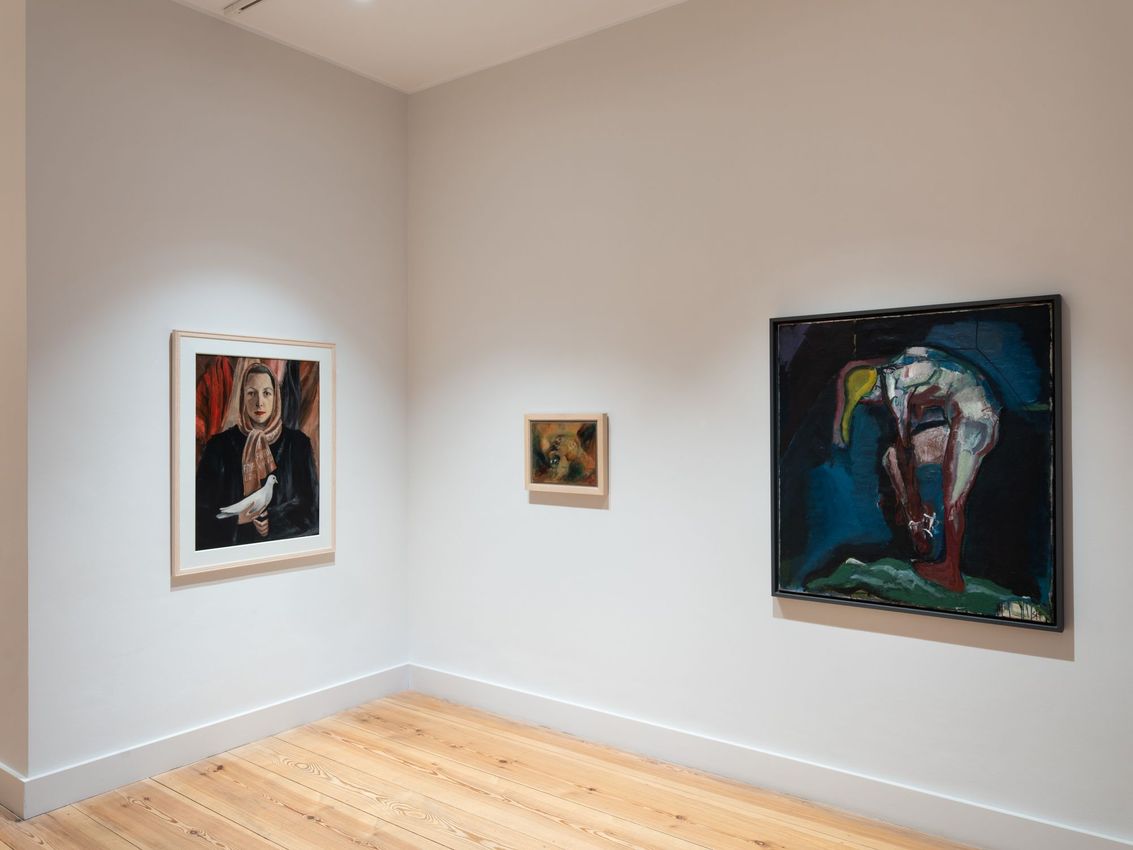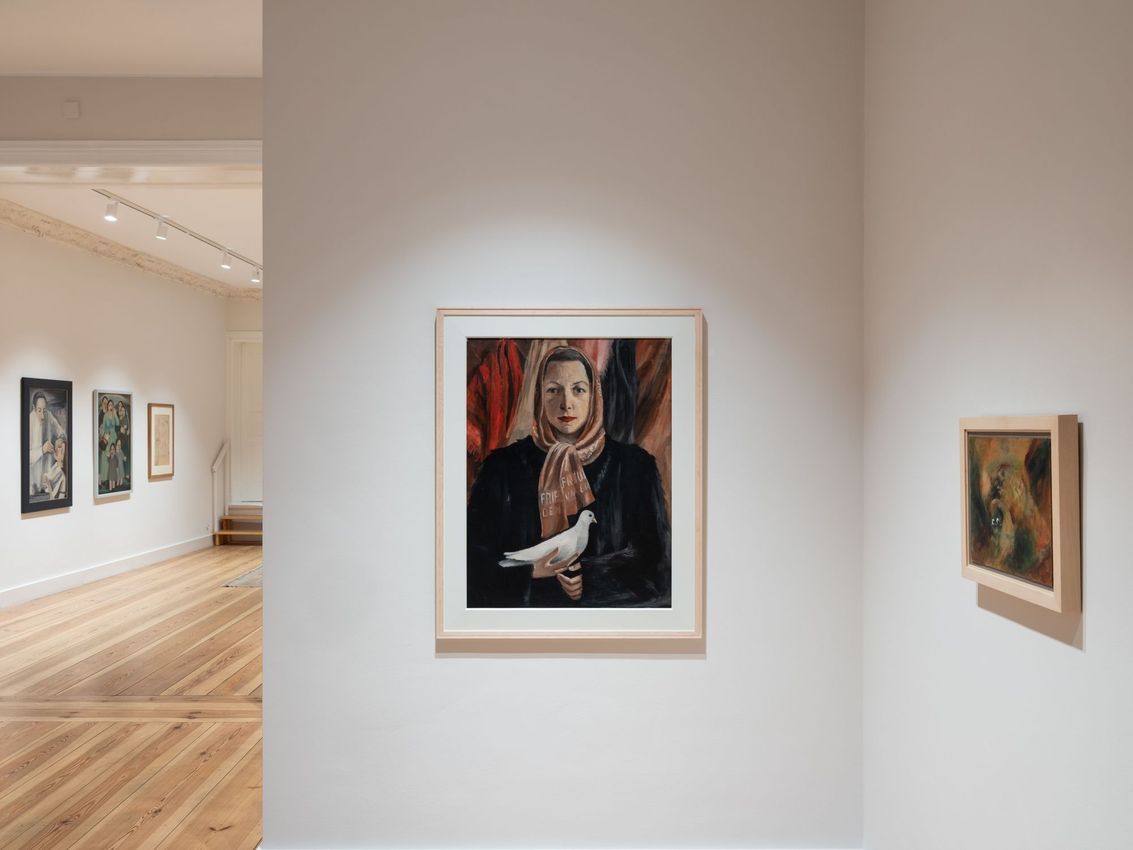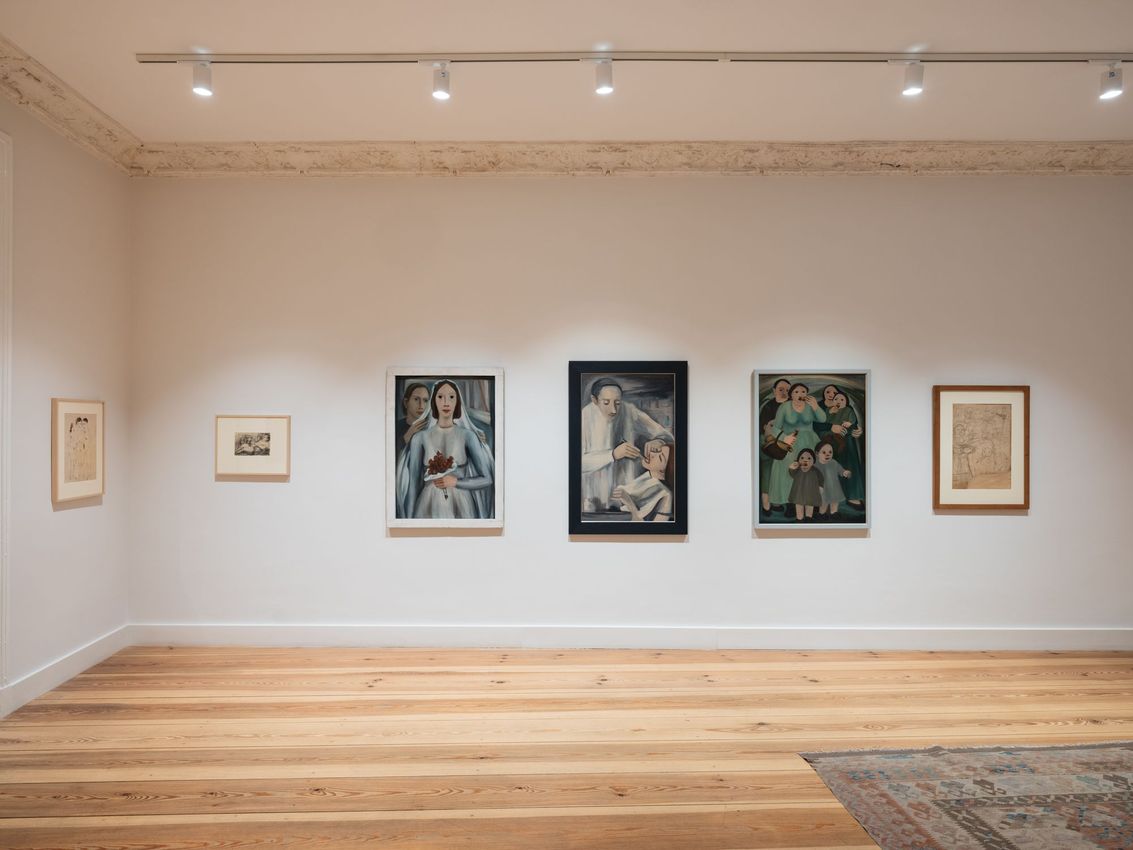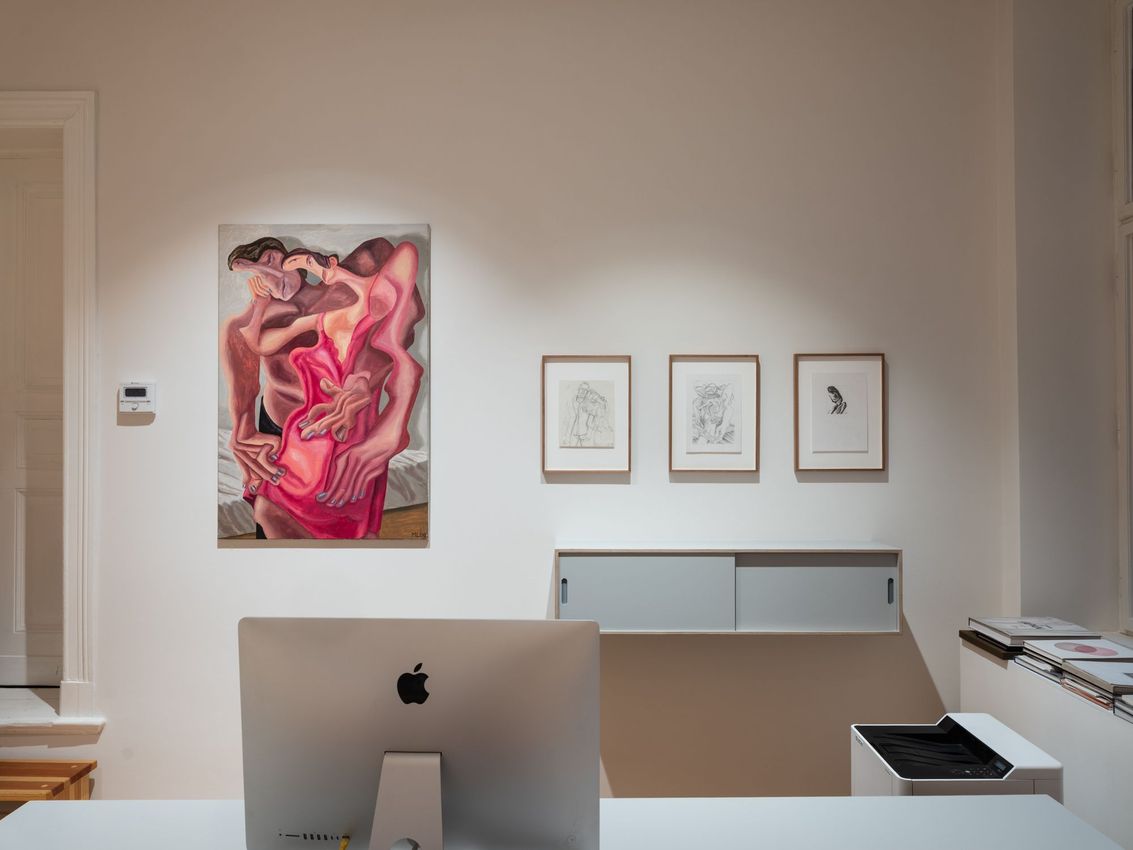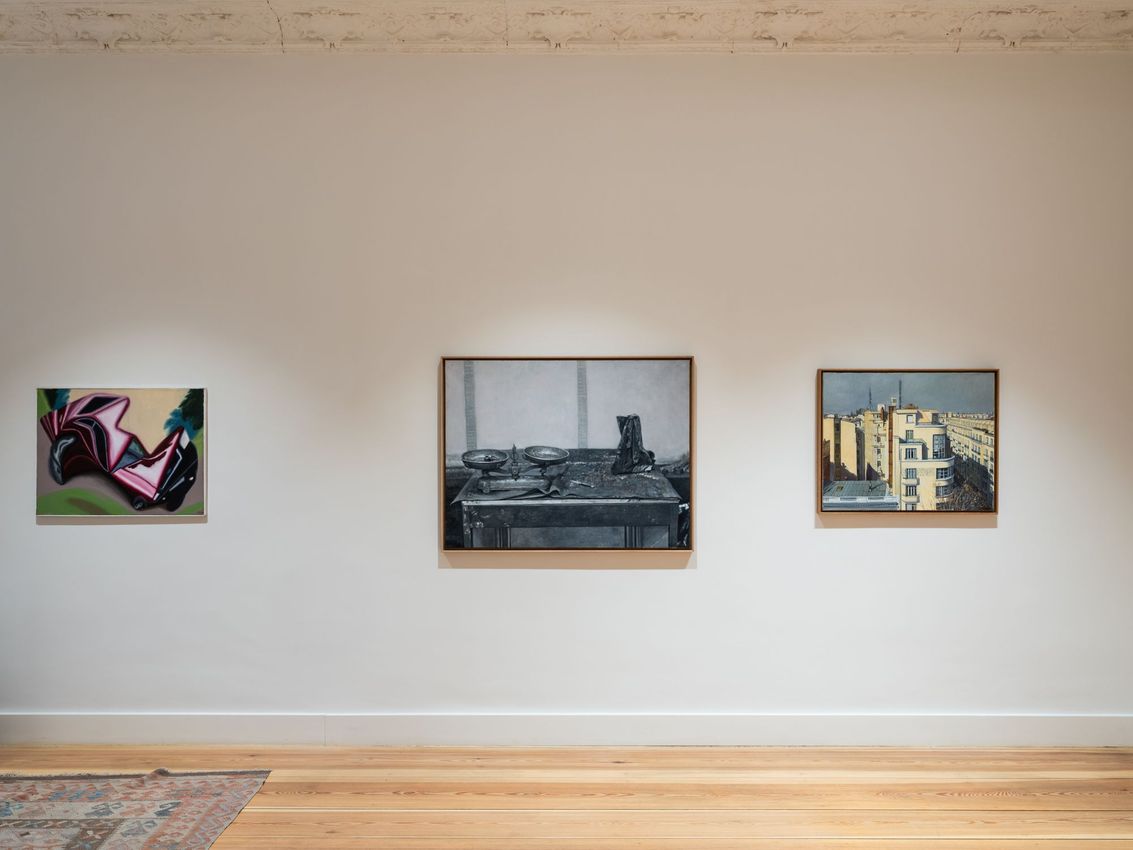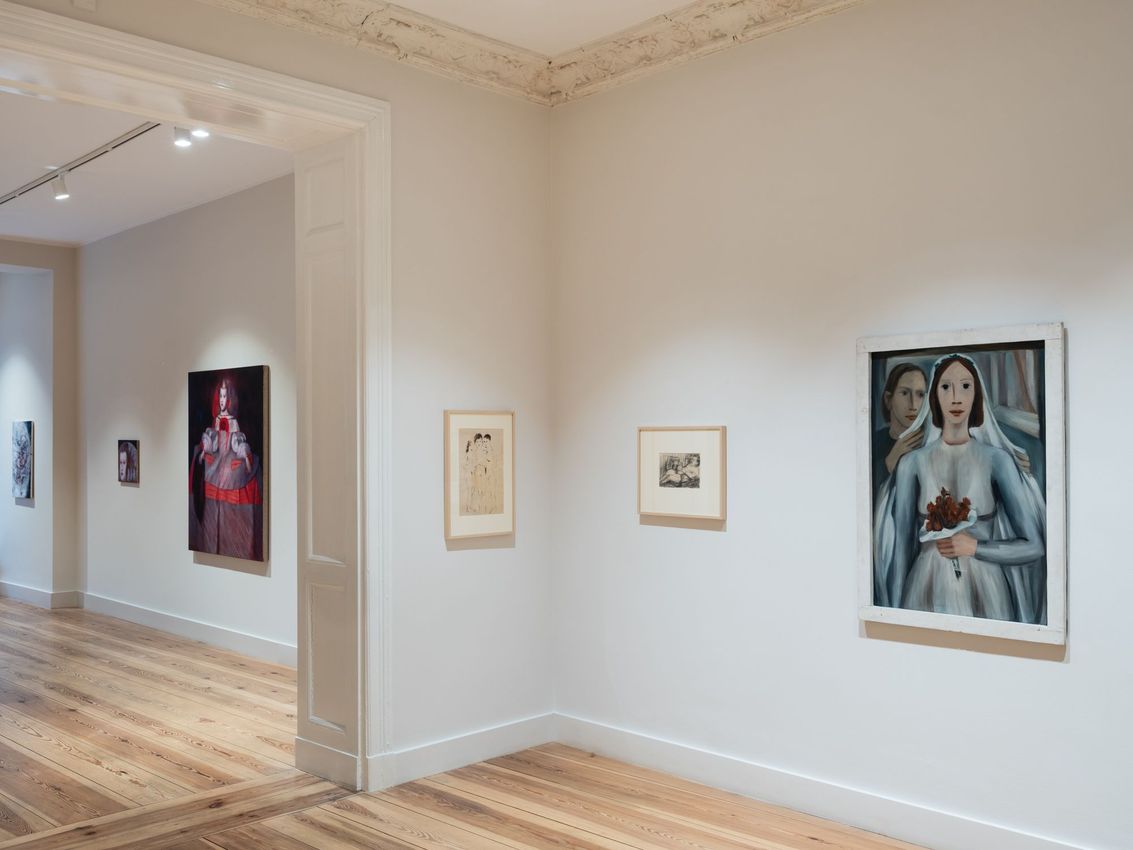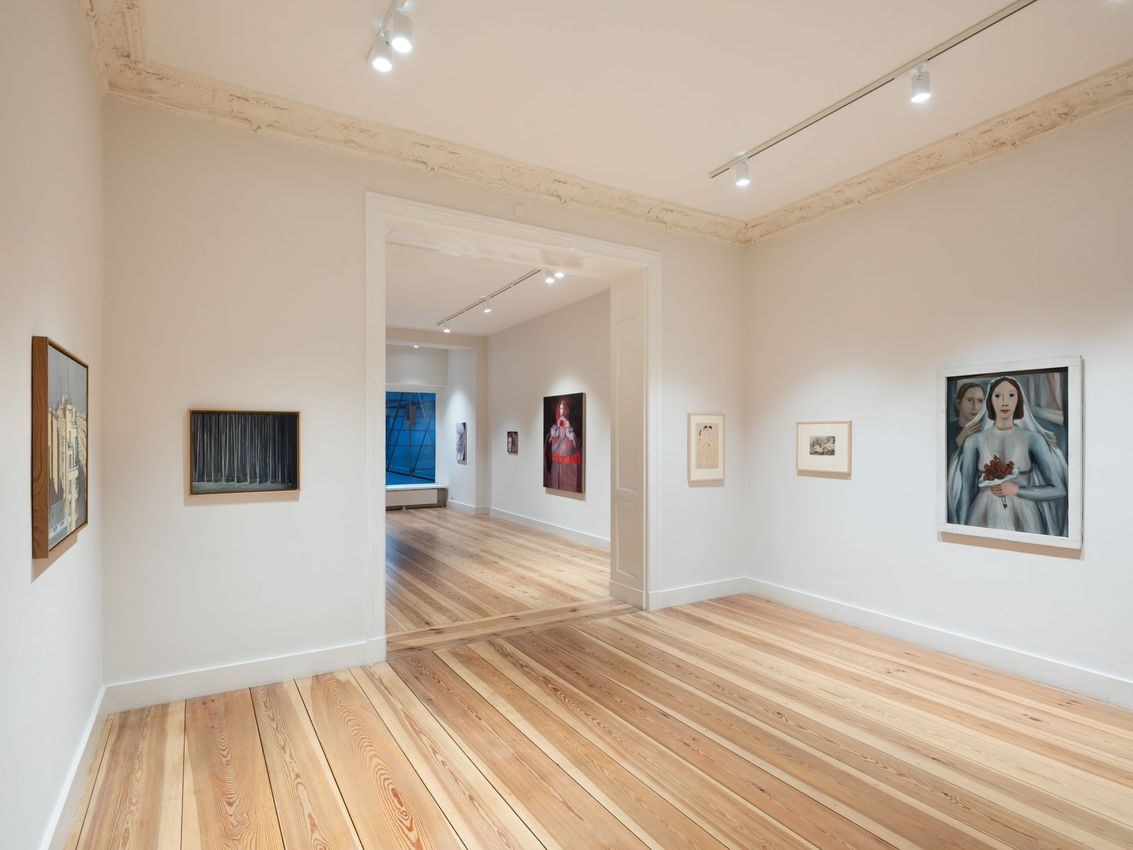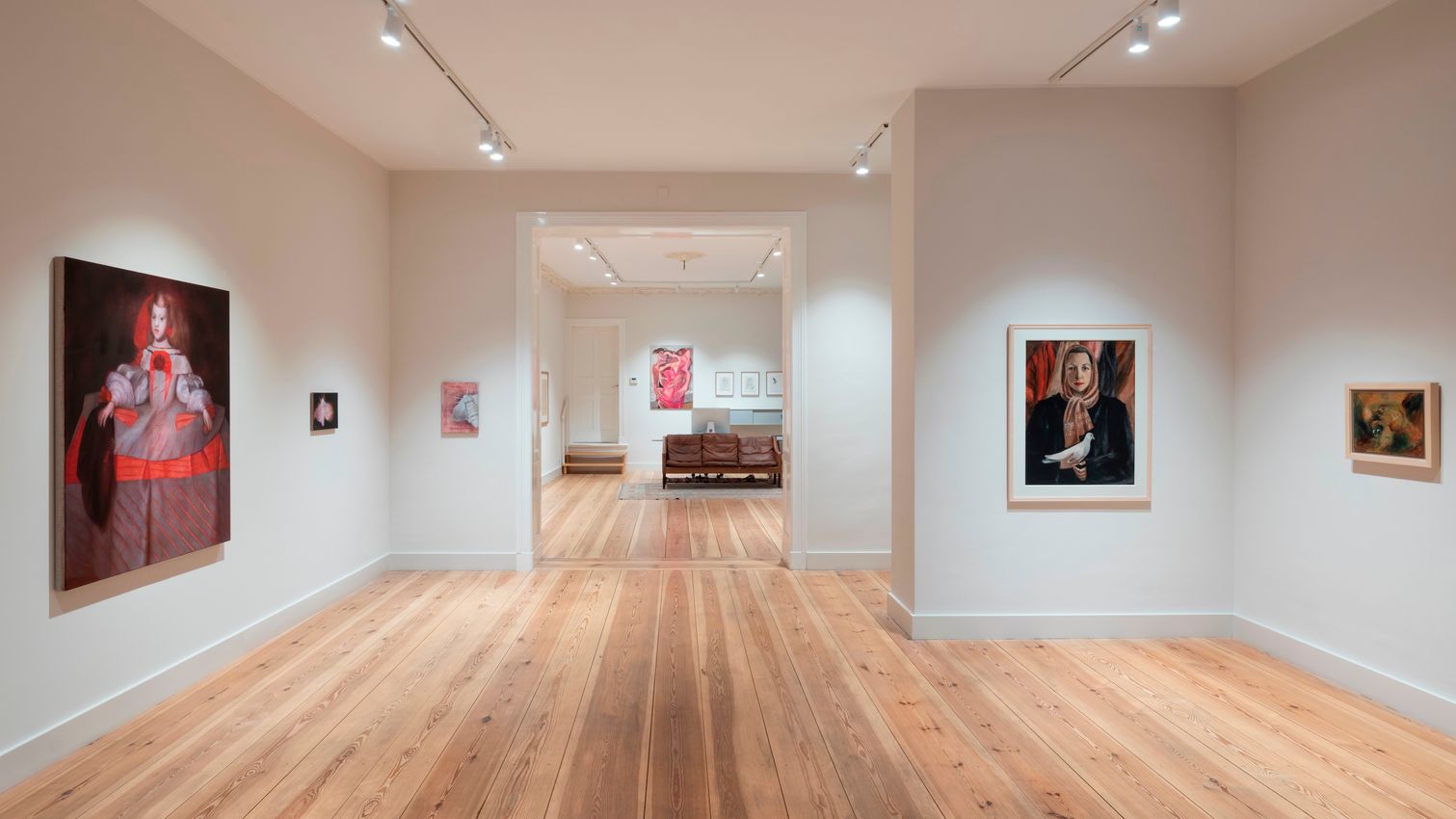
The term Sachlichkeit, i.e., objectivity, makes us think of the art movement New Objectivity, lasting from 1918 to 1933 and particularly associated with the 1920s. The exhibition presents works by the painter Kate Diehn-Bitt, who was born in Schöneberg near Berlin in 1900 and died in 1978 in Rostock, a representative of this movement who was unjustly forgotten and who continued painting after World War II. Another artist from whose estate we are presenting works is Michael Langner. He is one of the representatives of “German Pop”, a movement named after the 2014 exhibition at Schirn Kunsthalle in Frankfurt, then led by Max Hollein.

Objectivity means holding back one’s own self to turn to an object or a person and portray it realistically. The artists of New Objectivity chose portraits, still lifes, and urban environments as well as industrial plants, which they depicted either with a political stance, idyllically, or in a form of magical realism. This choice of motifs is also reflected in the exhibition.
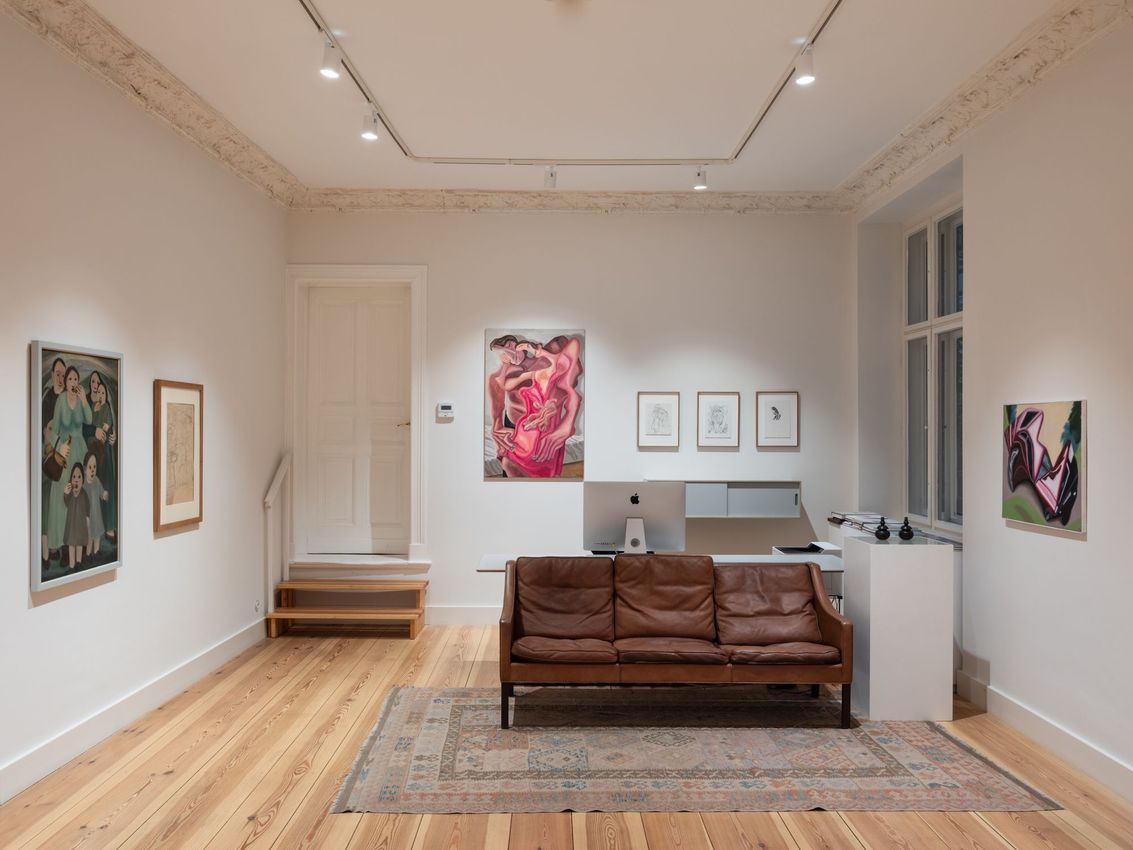
Kate Diehn-Bitt turns her attention above all to humans, whom she portrays with great empathy. The paintings in this exhibition deal with situations of loving attention, for example in the portrait of a woman holding a white dove protectively in her hand, the painting of a young man putting a veil on a bride’s head, or the depiction of a dentist treating a patient empathetically.
Michael Langer (1929–2022), in addition to his paintings of human beings, dedicated a series of paintings and drawings to automobiles. He alienates this motif – just as the human figure – and depicts it unrealistically. That is reminis-cent of works by Pablo Picasso. Is it still objective? Is it a caricature or already Pop Art? The multi-layered works elude any clear categorization. They depict people and things in surprising new ways.
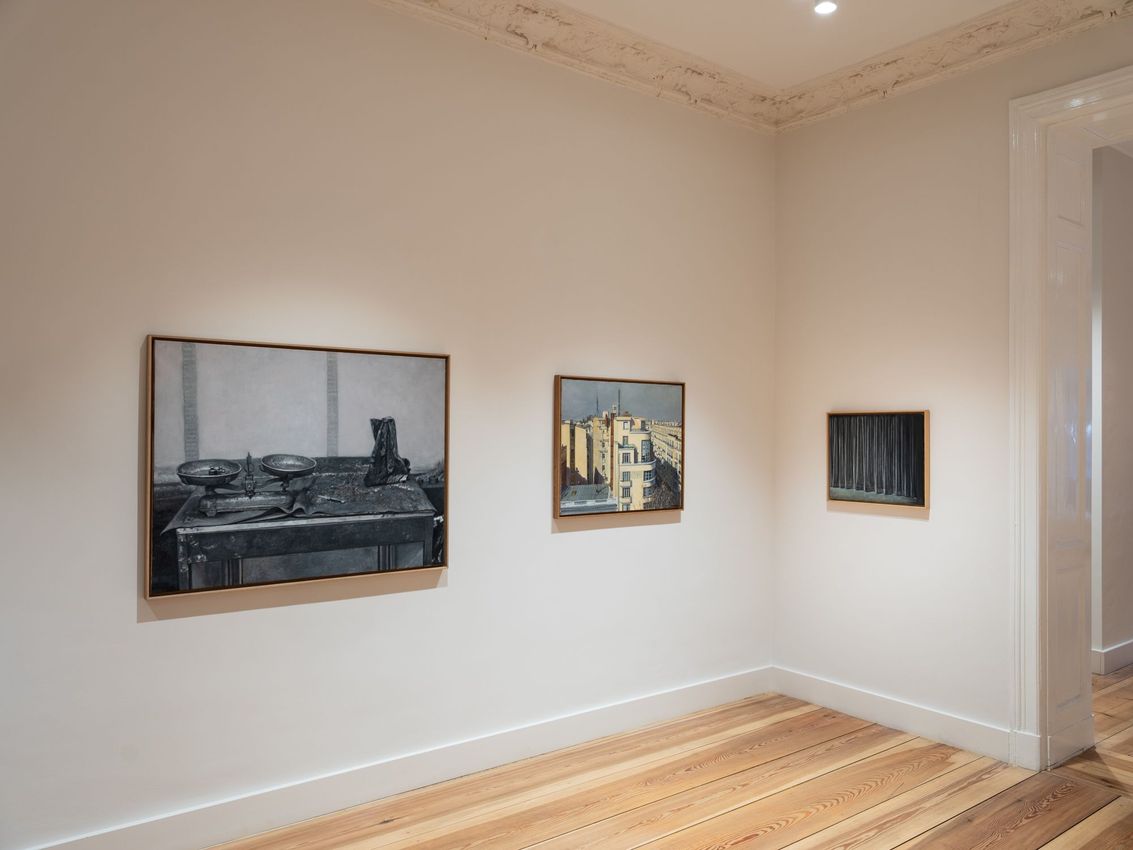
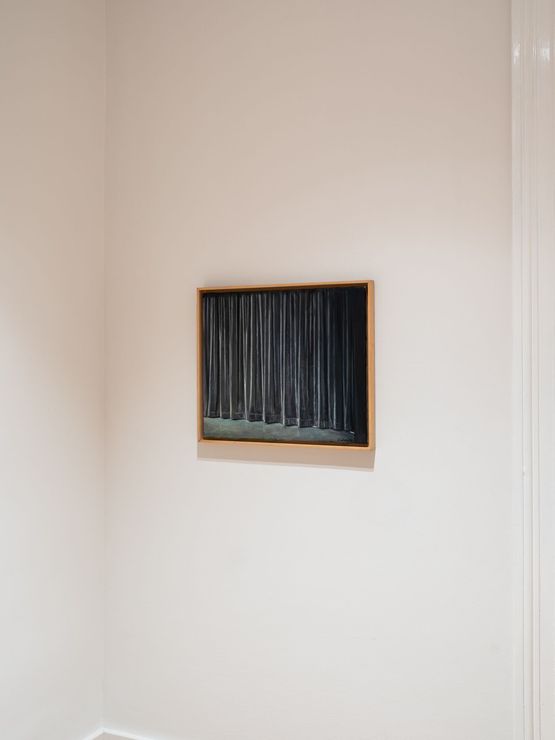
Rafael Cidoncha (born in 1952) devotes great attention to his motifs, down to the smallest detail. The special vibe of his works originates from his choice of colours. Different shades of grey turn a curtain into an almost monochrome painting, while a cityscape in the morning light is depicted in delicate pastel colours. It is the colours that lend the cool, objective gaze an empathetic dimension.
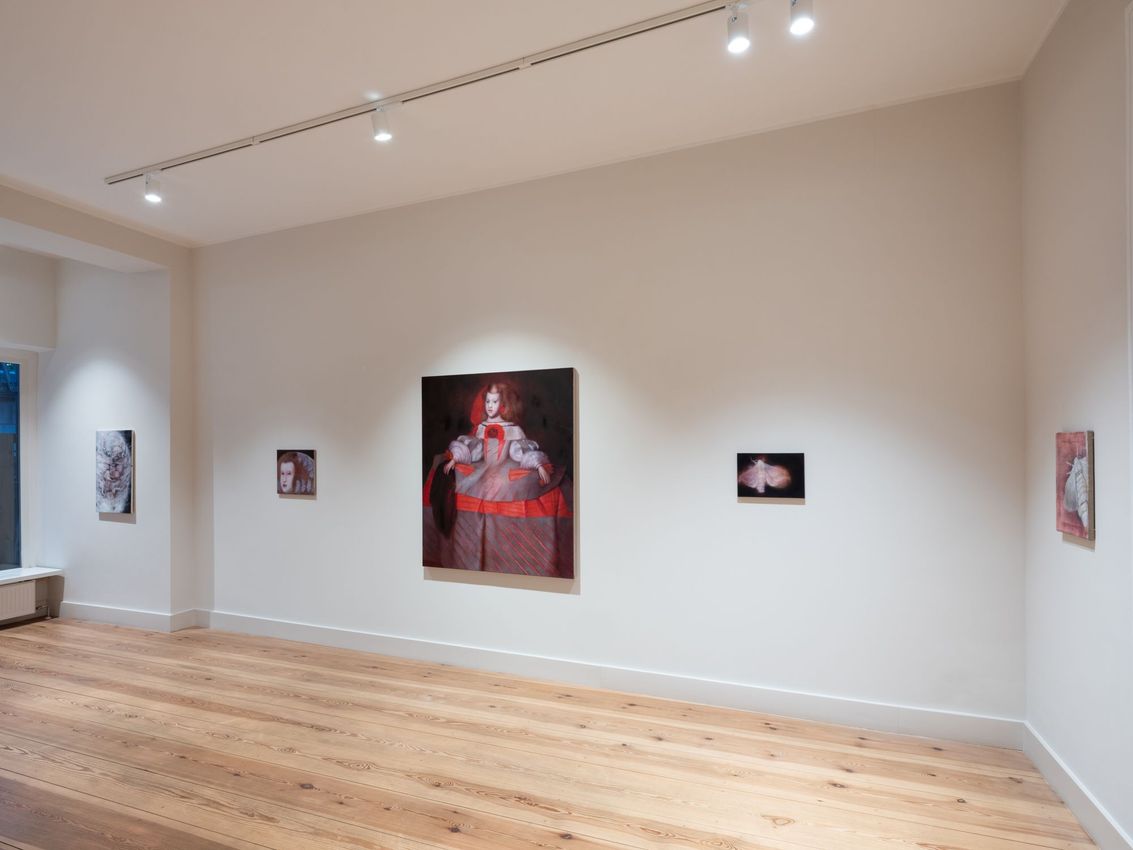
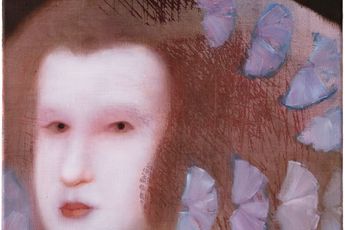
In the work by Emese Kazár (born in 1971), the colour red expresses her empathetic solidarity with Princess Margarita, depicted by Diego Velázquez in her childlike beauty. She was married at fifteen, and died aged just 21, after having given birth six times. Kazár compares these women’s lives, determined by their families, with the silkworms that are bred just for the silk – their existence seems purely utilitarian.
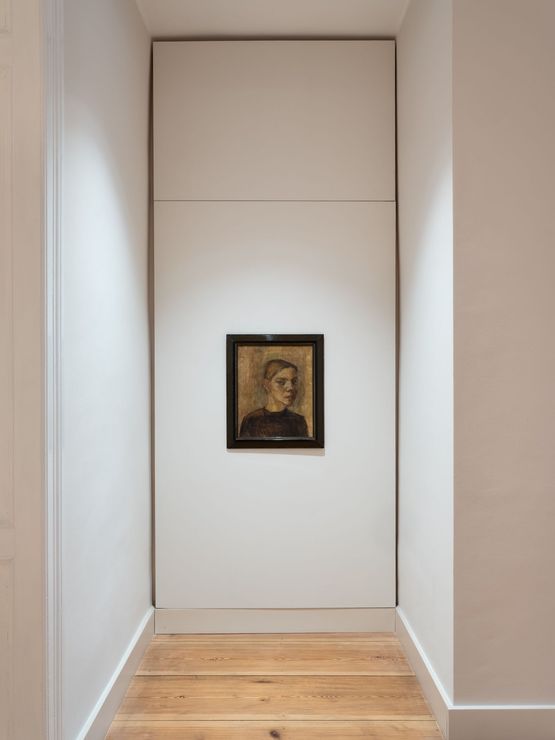
Sabine Herrmann (born in 1961) links objectivity with poetry and dreams, realism with emotion. In the painting Abendlied, a woman bends down as if to put on socks. Her light figure is surrounded by dark colours that lend the depiction a slight sense of melancholia. The early, delicately painted self-portrait, reminiscent of Paula Modersohn-Becker, largely foregoes colour and limits itself to differentiated shades of brown, thus stressing the young face’s serious expression.


Established by Susanne Albrecht in 1986 off the heels of her studies in philosophy, art history, and Italian philology at Freie Universität Berlin and Ludwig-Maximilians-Universität München, Galerie Albrecht represents young European and Asian artists as well as influential established European and American post-War and contemporary artists.

A respected voice in contemporary art discourse.
Focusing on ambitious storytelling and insightful art-world commentary. Ocula Magazine publishes in-depth interviews, critical essays and timely analysis on the artists, exhibitions and ideas driving the global art world.

Learn more about Ocula Magazine
Showcasing the best of the art world.
Ocula partners with galleries from around the world to highlight their artists, artworks and exhibitions. Gallery membership is by application and invitation, with each member vetted by an independent panel.
Learn more about Ocula Membership

Specialises in the sale of major artworks.
Led by a team with deep ties to the world’s leading auction houses, galleries and collectors. Ocula’s advisory team offers bespoke services to high-net-worth clients from around the world who are looking to acquire the best of contemporary and modern art.
Learn more about our team and services