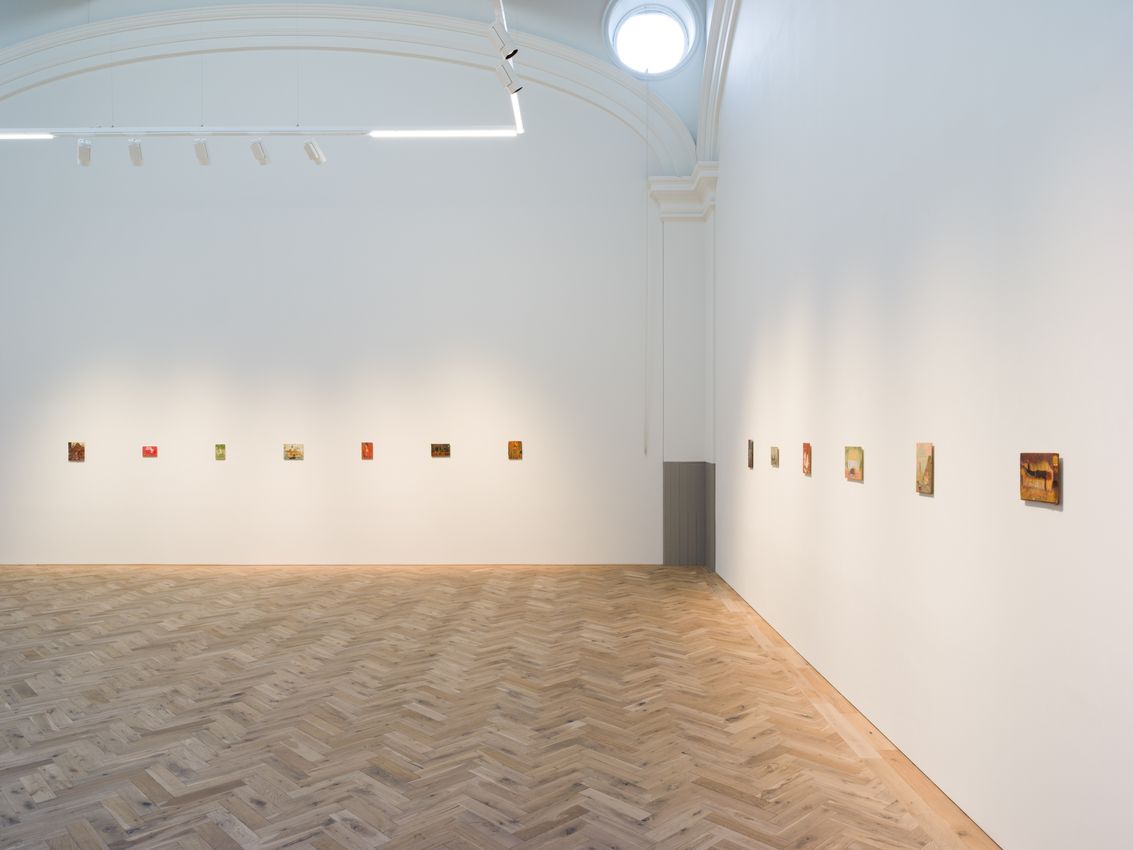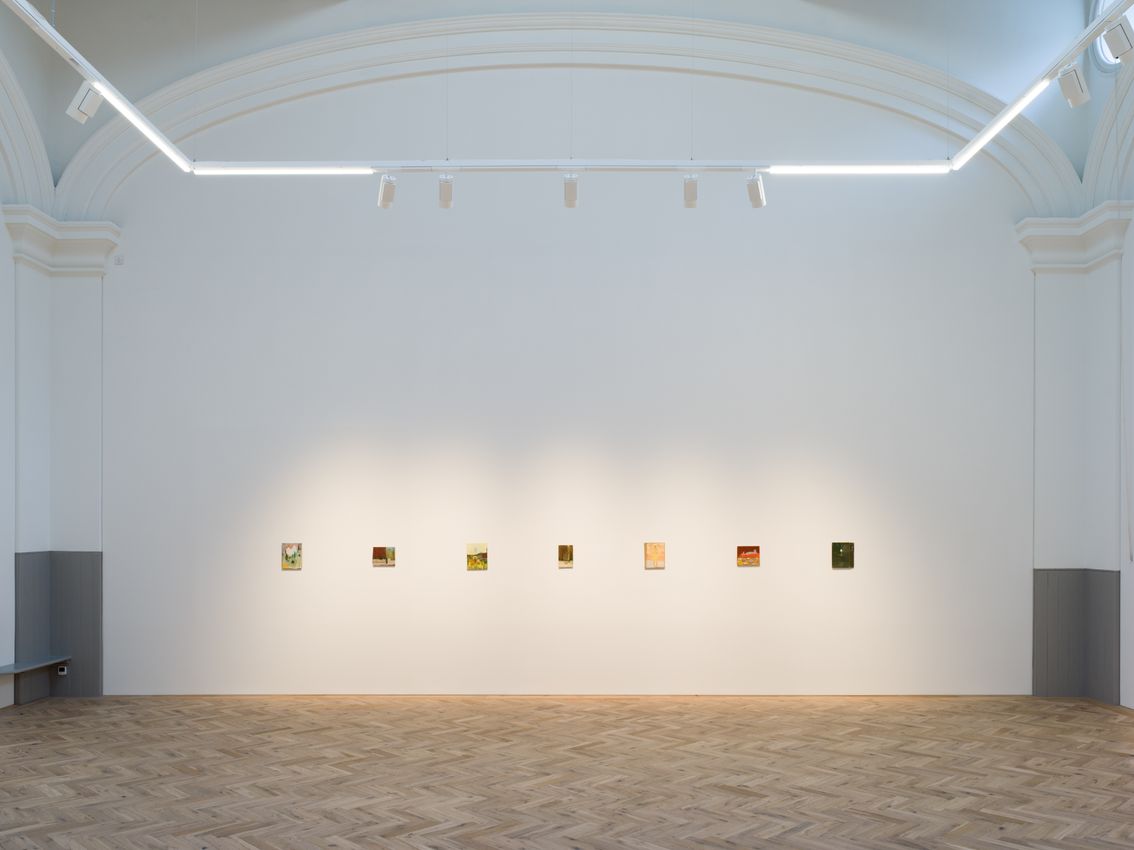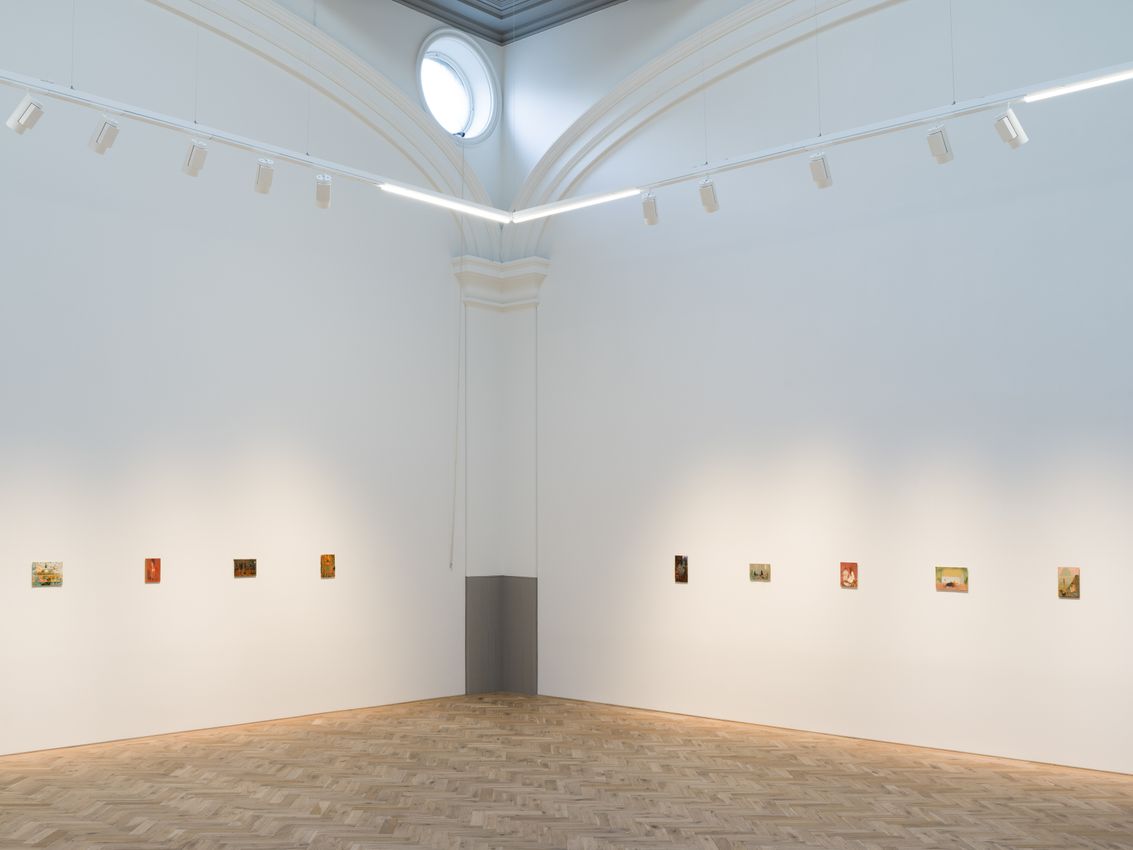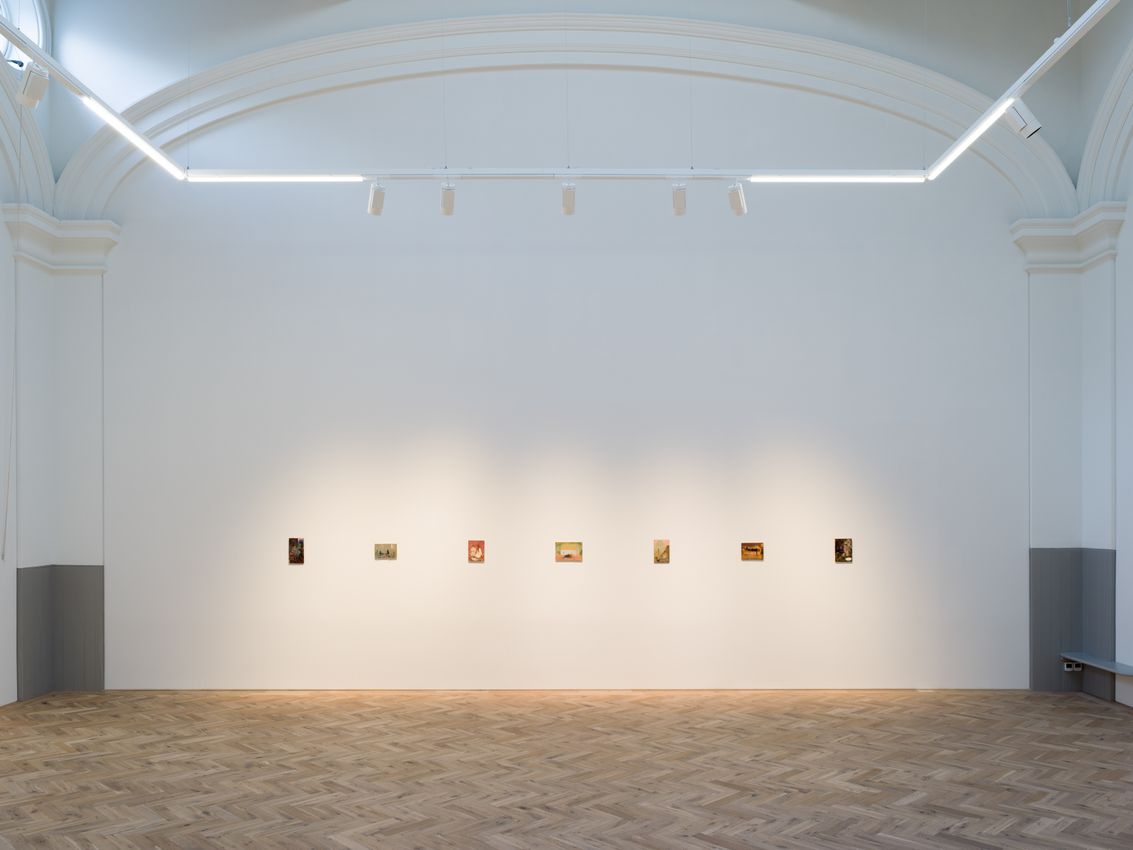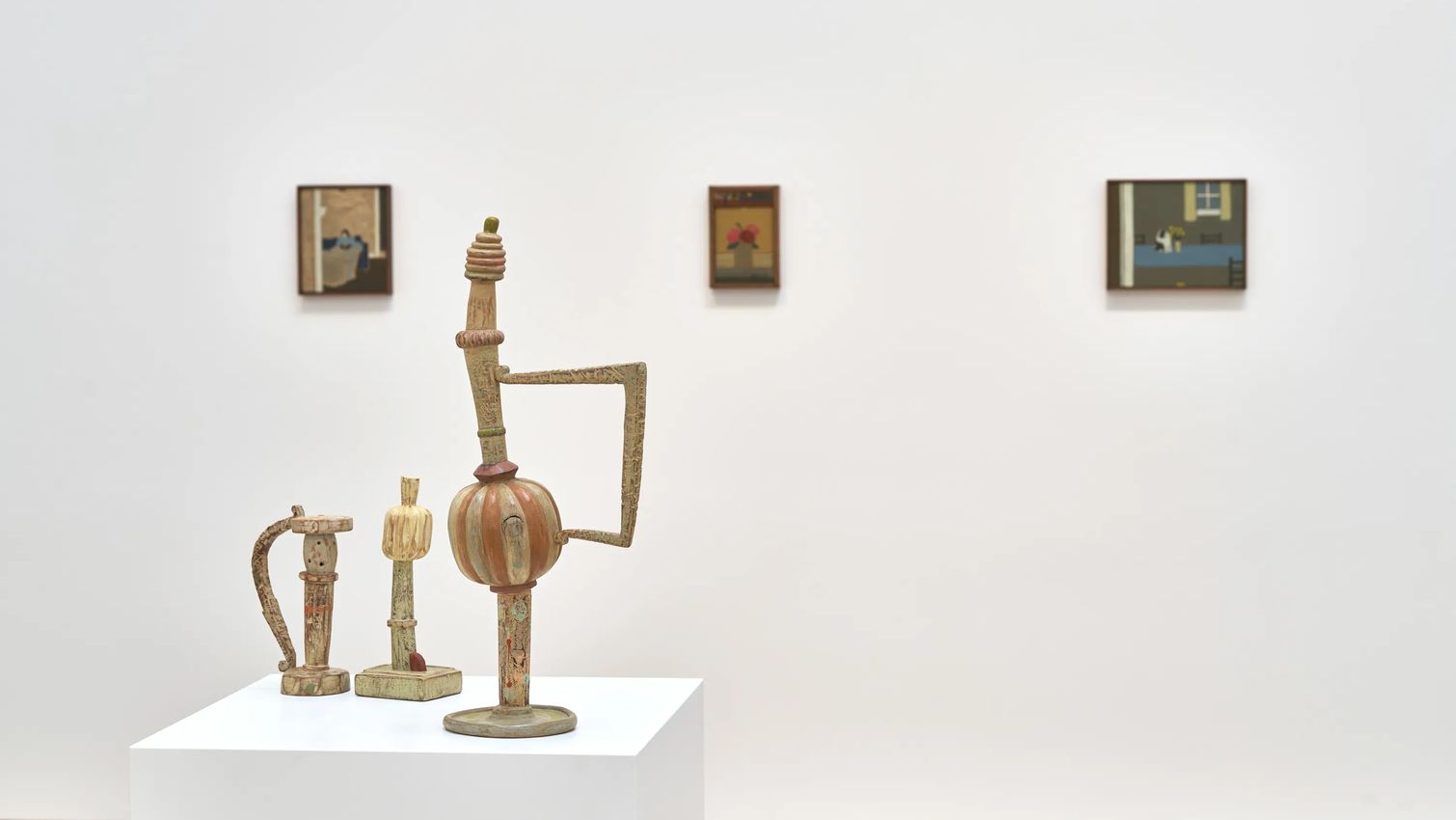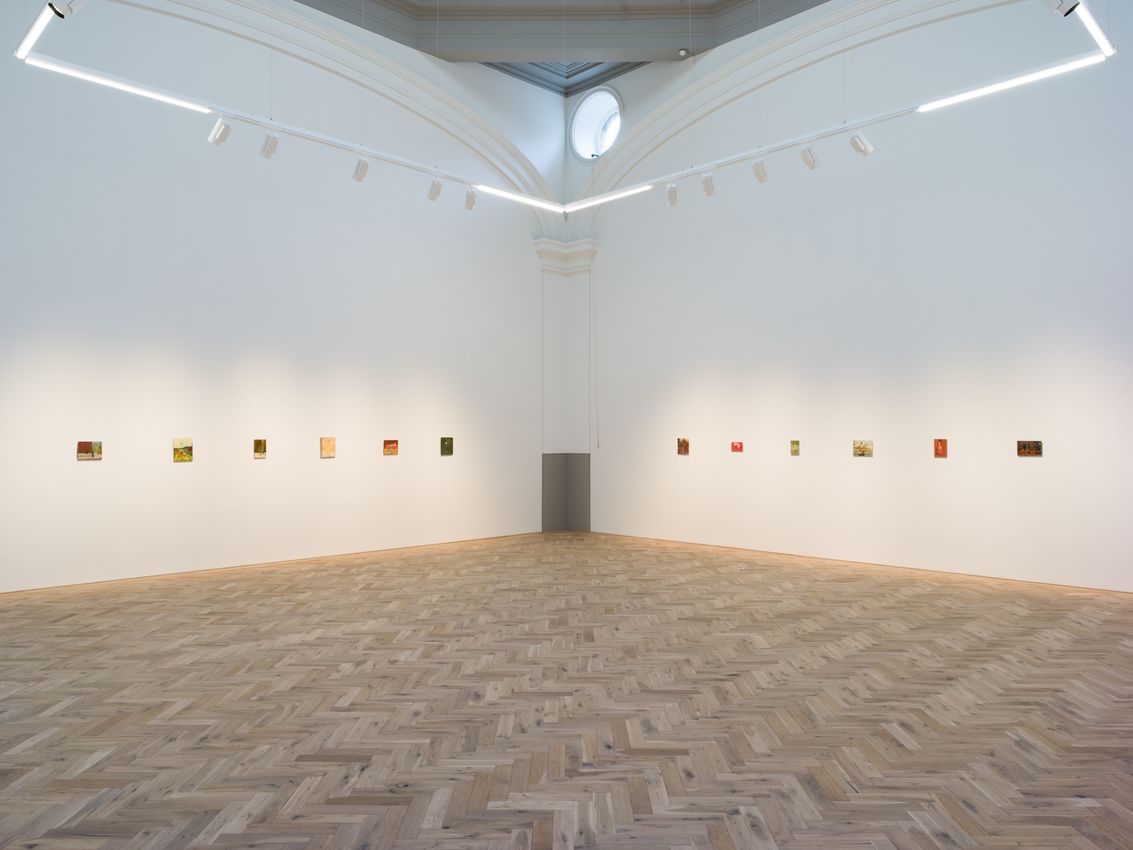
‘Painting is a form of time travel, of conjuring up the past. Places, spaces people and imagining new possibilities. It is magic.’ – Andrew Cranston
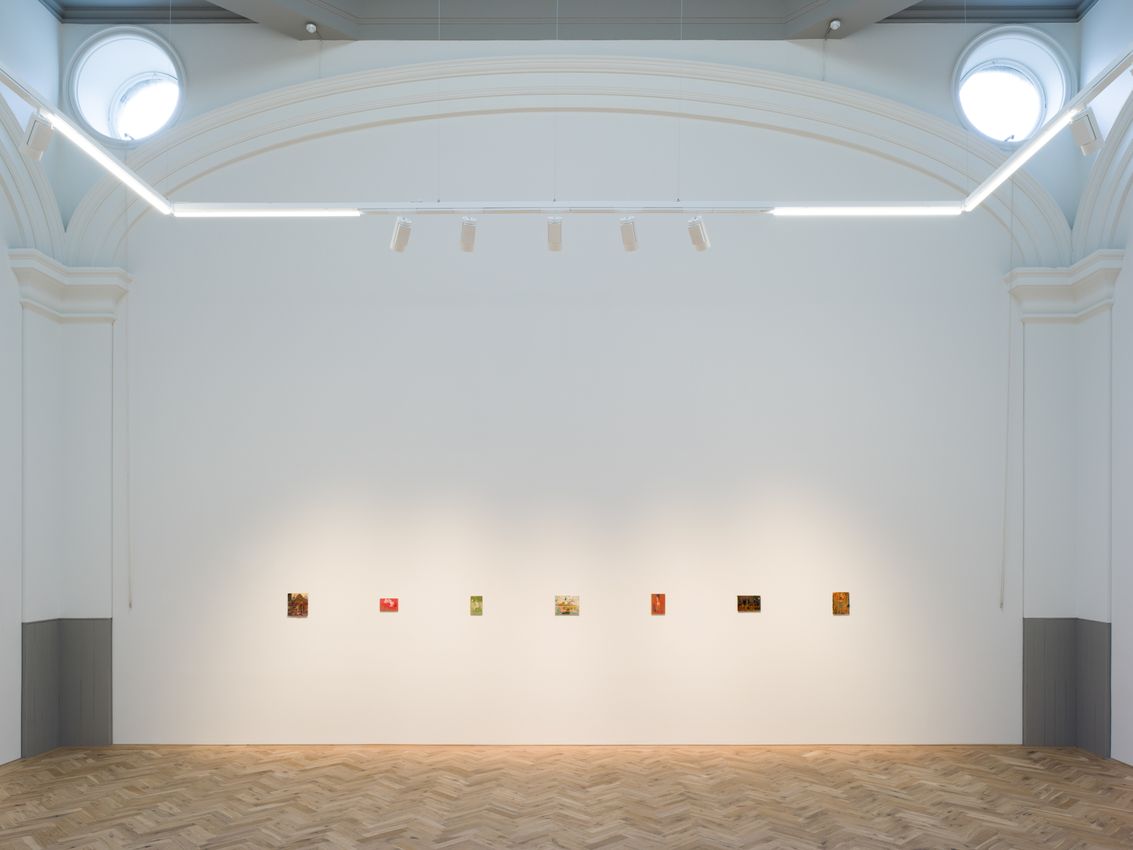
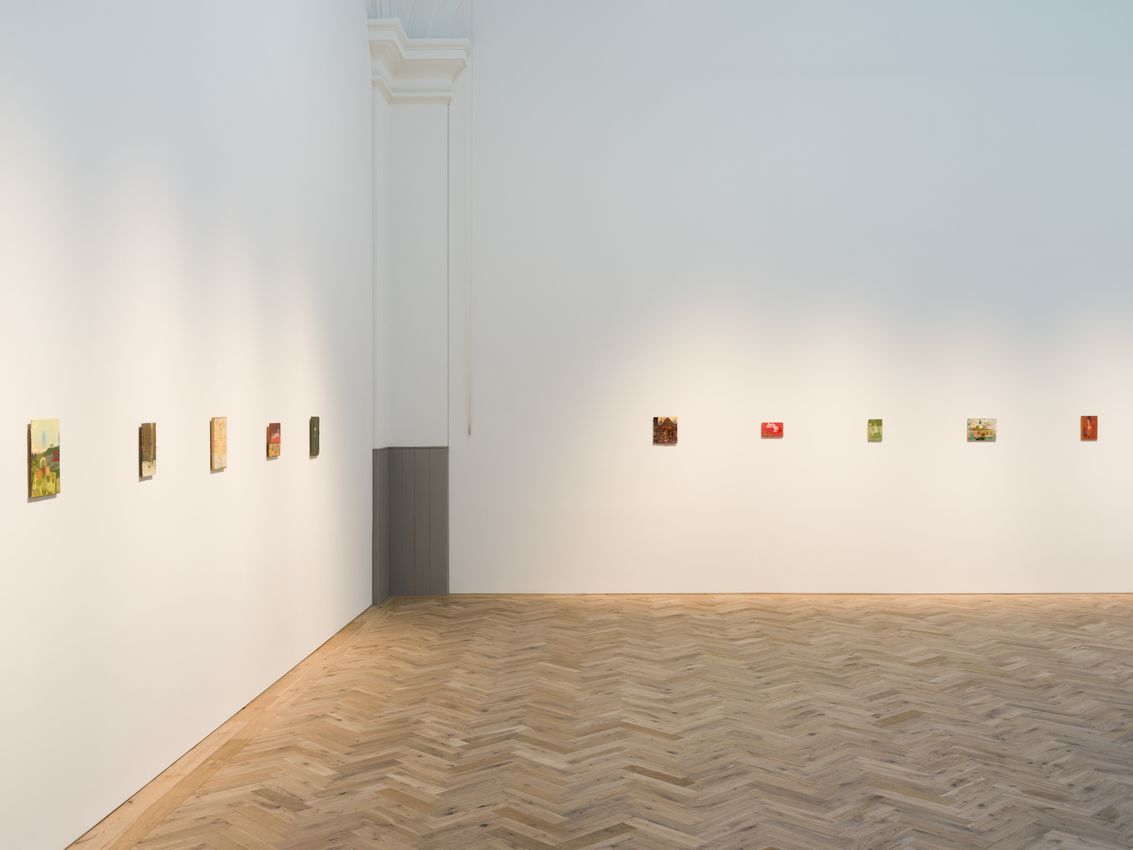
Andrew Cranston once described himself as a storyteller of sorts, though without a clear story to tell. He draws on a variety of sources including personal recollections - family histories; his circuitous route to art school via an initial, unsuccessful, foray into carpentry; and his 25-year association as both student and lecturer at Gray’s School of Art in Aberdeen. Interwoven with passages culled from literature, anecdotes, jokes, and images from cinema these elements combine to make his idiosyncratic, intimate, and often dream-like, paintings.
But the dream had no sound is the largest exhibition of Andrew Cranston’s work to date. It is accompanied by a 164pp publication, available for purchase, featuring an interview between the artist and his friend and colleague, painter Peter Doig. The book also includes over 60 illustrations - each with notes written by the artist - revealing the thoughts and associations that emerge in the process of making a painting.
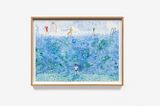
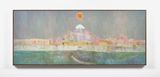
Cranston is a storyteller of sorts, without a clear story to tell. His work is seductive in terms of its use of narrative and humour, but it is the humour of Samuel Beckett or Buster Keaton, always touching on the strangeness and pathos of ordinary life. He draws on a variety of sources, in particular his own personal history; questioning the veracity of memory. This autobiographical activity is combined with passages culled from literature, anecdotes and jokes, second hand accounts, images from cinema and observations of life. Often working directly onto hardback book covers his work is not pre-conceived but emerges through the manipulation of materials—paint, varnish, collage—and the suggestions that this activity provokes, layering and re-working the images until something essential coalesces. As Liza Dimbleby has written in a recent essay ‘the images that are encouraged to surface are sometimes taboo; sex and solitude, death, nightmares—the ultimate questions, not without a sly humour.’ Cranston was born in Hawick in 1969 and currently lives and works in Glasgow.
Founded in 1998, Ingleby maintains an ambitious program of exhibitions and off-site projects by established and emerging artists. Over the past 14 years, it has secured a reputation as one of the country’s leading private galleries, renowned for the quality of its exhibitions and publications. The gallery represents artists of international standing, whilst also introducing and supporting artists at earlier stages in their career. We are pleased to advise public, private and corporate clients about buying art, and in starting, building and maintaining collections.

A respected voice in contemporary art discourse.
Focusing on ambitious storytelling and insightful art-world commentary. Ocula Magazine publishes in-depth interviews, critical essays and timely analysis on the artists, exhibitions and ideas driving the global art world.
Learn more about Ocula Magazine
Showcasing the best of the art world.
Ocula partners with galleries from around the world to highlight their artists, artworks and exhibitions. Gallery membership is by application and invitation, with each member vetted by an independent panel.
Learn more about Ocula Membership

Specialises in the sale of major artworks.
Led by a team with deep ties to the world’s leading auction houses, galleries and collectors. Ocula’s advisory team offers bespoke services to high-net-worth clients from around the world who are looking to acquire the best of contemporary and modern art.
Learn more about our team and services