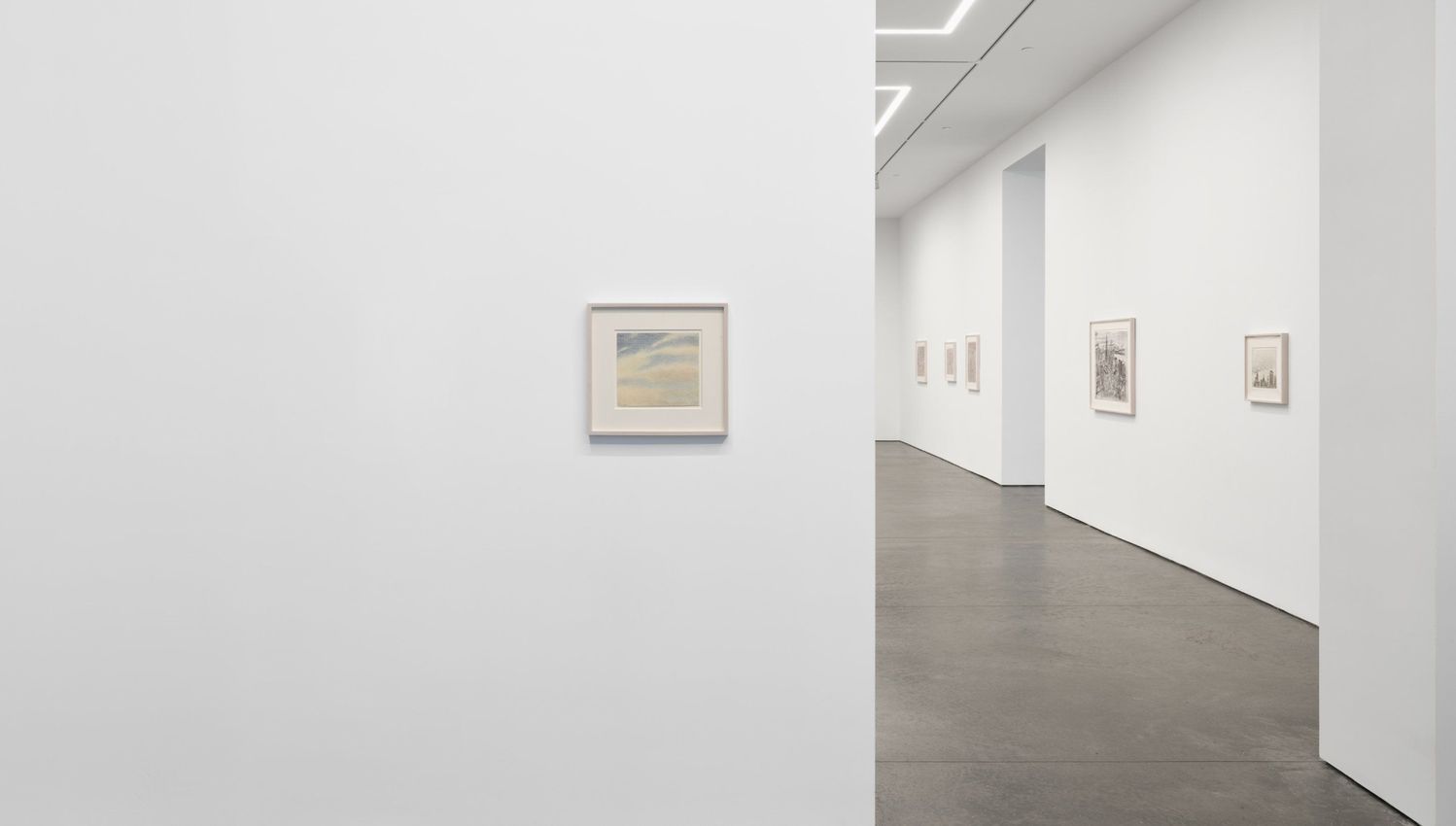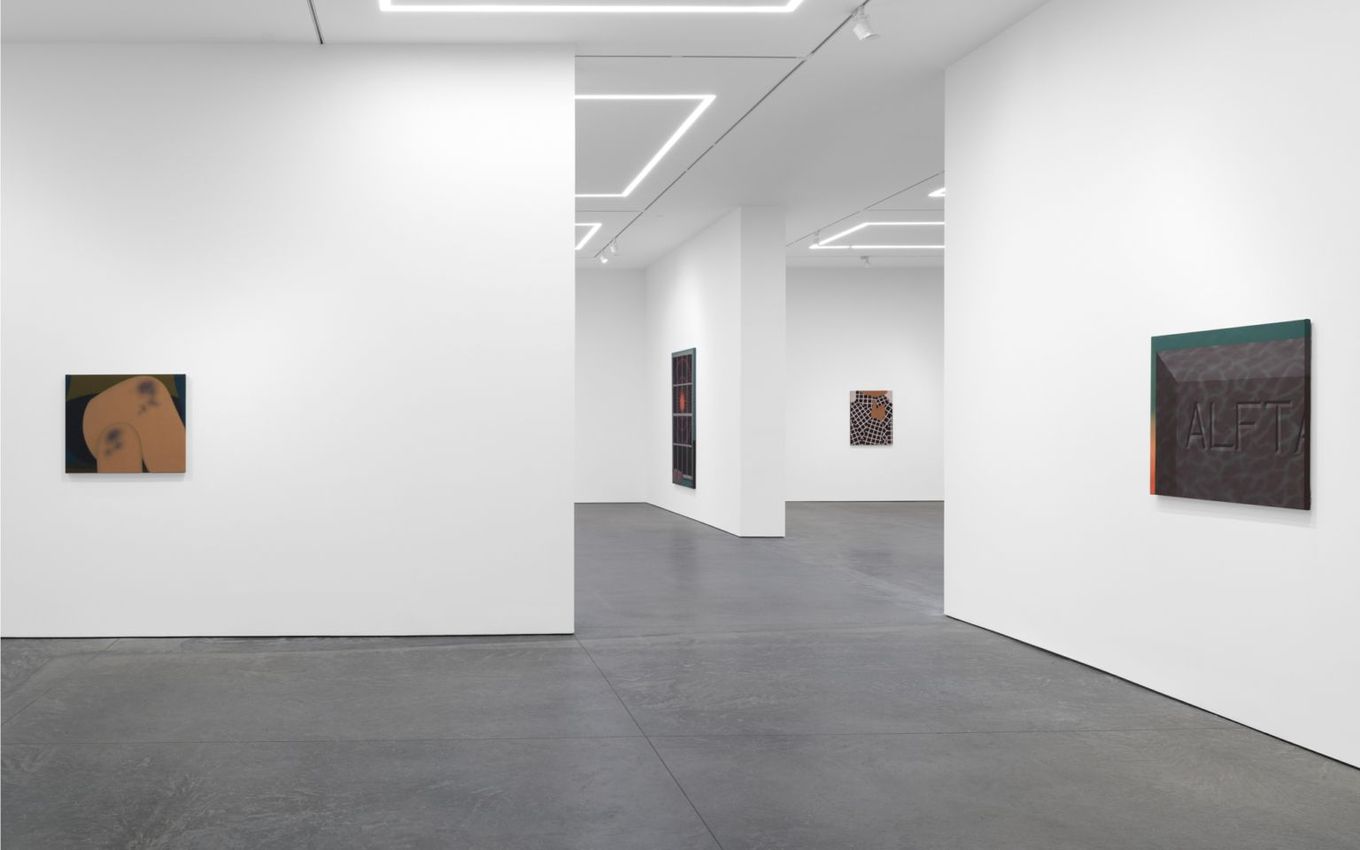
Karma presents Stop Making Sense, an exhibition of new paintings by Henni Alftan, open from November 14, 2024–January 11, 2025, at 549 West 26th Street, New York.
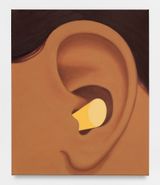
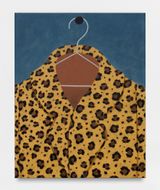
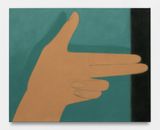
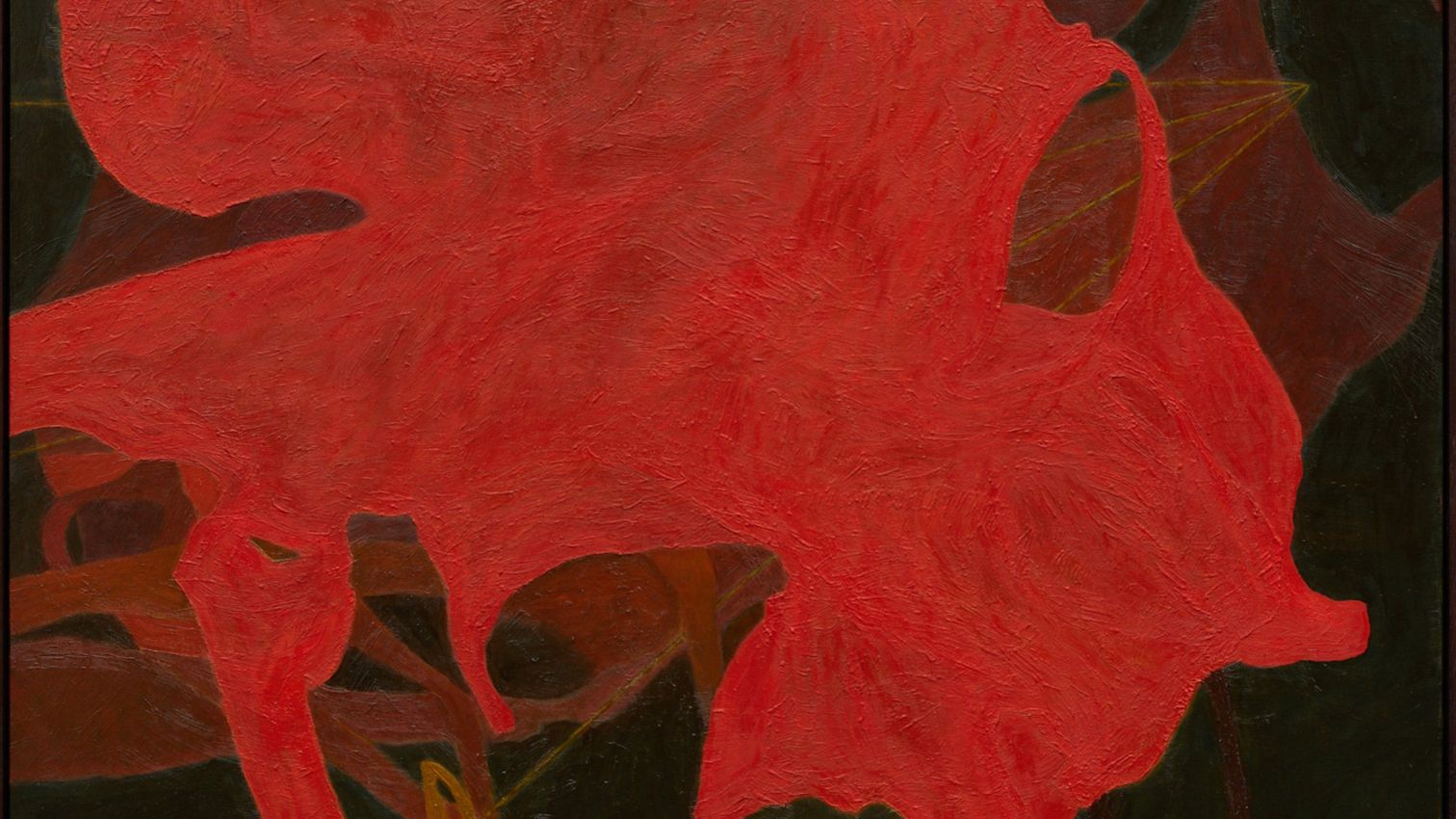
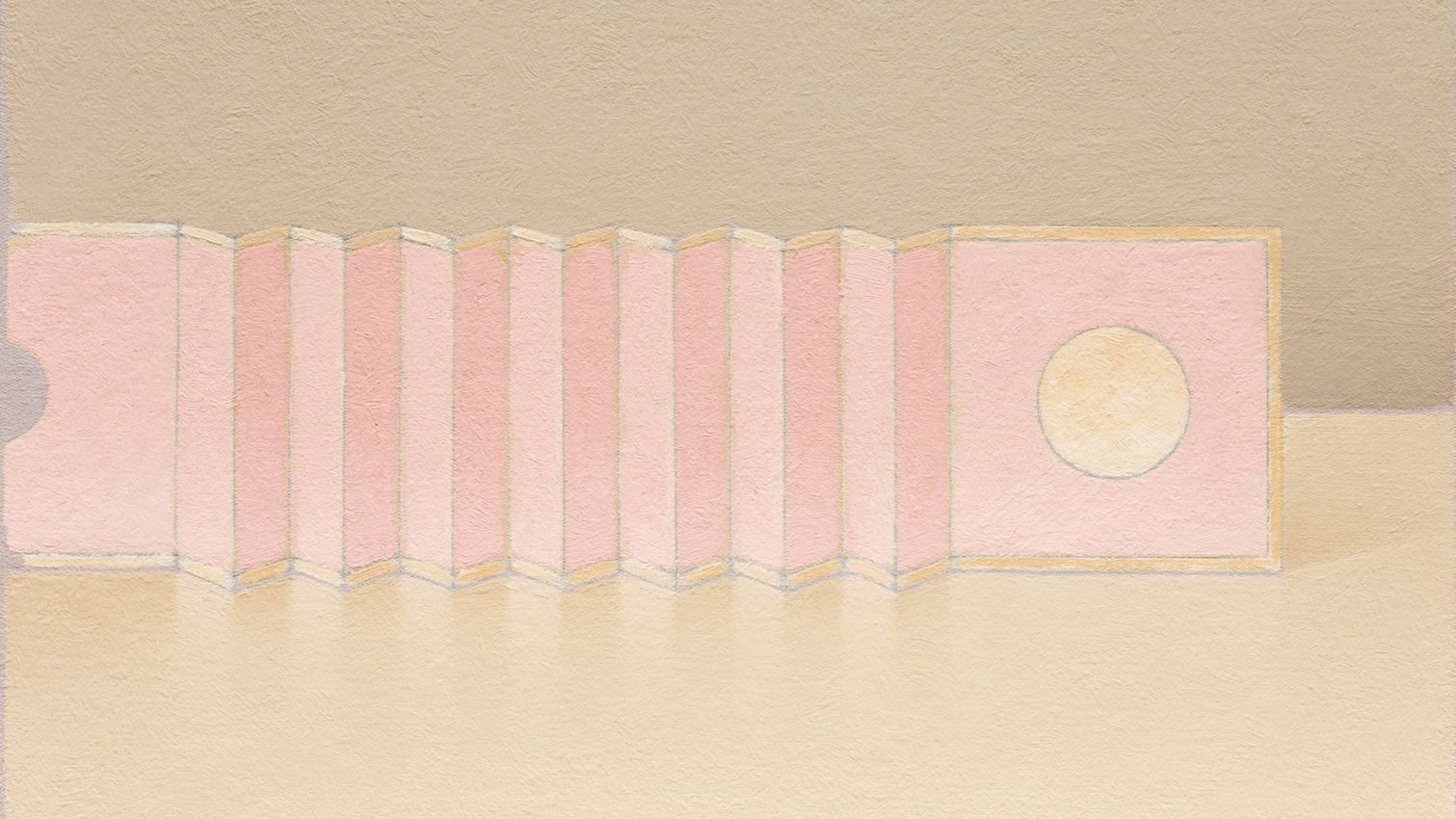
Alftan’s oil paintings are often recursive, commenting on the conditions of their existence both as individual paintings and as associatively linked to one another. Working with images that are, in her words, “not realistic but offer a plausible suggestion of the visible world,” she explores how painting’s essential elements—such as colour, form, and composition—can convey maximal subtext with minimal visual information. The works in Stop Making Sense both propose continuity and refute it, with certain canvases echoing and framing the other as they revel in the tensions created when an image’s promise of wholeness is disrupted.
In Alftan’s renderings of portals and mirrors, space is flattened, compressing image and substrate into a single surface: we can rarely see through them, and when we do, the subject on the other side has been transformed into motif rather than representation. In Electric Light (2024), geometric blocks of colour reveal themselves to be windows through contextual clues, rather than the transparency of glass: a grid of pastel light obscures any glimpse into the goings-on inside the building that is the subject of this image. The cool glow of the monochromatic screen in TV (2024) could be the culprit, but Alftan only offers images, never explanations. A concentrated beam of daffodil-yellow rays streams through Arched Window (2023), while the titular subject’s shape rhymes with a window in Karma’s Chelsea gallery.
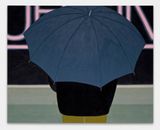
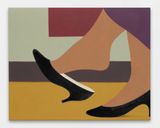
In her paintings of figures, Alftan often represents the body in fragments, withholding totalities to prompt the viewer to fill in the blank space with their own imagination. The diptych Black Umbrella (In-between) (2023) is hung such that the gap between the two panels, each of which depicts one side of a person in a red sweater protecting themselves from rain, occupies the area where the figure’s face would logically fit—as such, any sense of identity is denied. For Knees (2024), Alftan crops in closely to a pair of crossed legs, painted as continuous fields of peach and spotted with blurry purple bruises that index an earlier, unseen accident. Cigarette (Déja-vu) (2023), another diptych, portrays a cigarette when it is first lit and again once it has burned down. The bright-orange cherry grows as the rest shrinks, visually representing the passage of time. These close-ups and moments when time jumps forward reflect the influence of the cinematic concept hors-champ, or that which happens off-screen.
Tombstone (2023) employs a similar technique—cropping into the corner of a slab marbled with bordeaux and grey, Alftan shows an inscription reading “ALFTA” that cuts off abruptly at the canvas’s edge, halfway through the second A. Rather than an artist’s signature, expressive of their vitality and presence, the tombstone inscription might index the death of the author. Alternatively, the text on the stone could be a misdirection, pointing not to the artist but to another similarly-named person—the crop allows for multiple interpretations. The Studio III (2024) anchors the exhibition, collating the shadow of an artist holding a paintbrush with the left edge of The Bay (Day) (2024) and the right side of Arched Window. The shared palette of the latter two paintings suggests a connection; The Studio solidifies this link—a ghostly reminder that the real thread connecting these images is the painter herself, always present in her absence. Placing her tightly-stitched works into relation with each other, Alftan affirms the mnemonic function of painting itself.
Henni Alftan (b. 1979, Helsinki, Finland) is a Paris-based painter who creates pictures based on a complex process of observation and deduction. Working in figuration but rejecting a narrative dimension, Alftan’s compositions use the tight framing of close range photography to explore the similarities between painting and image-making. “I paint pictures,” Alftan says, and “painting and picture often imitate each other.” Inviting viewers to consider the history, materiality, and objecthood of painting, Alftan’s vignettes represent a fragmented vision of the real and address pictorial issues such as color, surface, flatness, depth, pattern, texture, and framing devices. Recent exhibitions include Karma, New York (2020); Studiolo, Milan (2019); TM-Galleria, Helsinki (2018); and Z Gallery Arts, Vancouver (2017).


A respected voice in contemporary art discourse.
Focusing on ambitious storytelling and insightful art-world commentary. Ocula Magazine publishes in-depth interviews, critical essays and timely analysis on the artists, exhibitions and ideas driving the global art world.
Learn more about Ocula Magazine
Showcasing the best of the art world.
Ocula partners with galleries from around the world to highlight their artists, artworks and exhibitions. Gallery membership is by application and invitation, with each member vetted by an independent panel.
Learn more about Ocula Membership

Specialises in the sale of major artworks.
Led by a team with deep ties to the world’s leading auction houses, galleries and collectors. Ocula’s advisory team offers bespoke services to high-net-worth clients from around the world who are looking to acquire the best of contemporary and modern art.
Learn more about our team and services