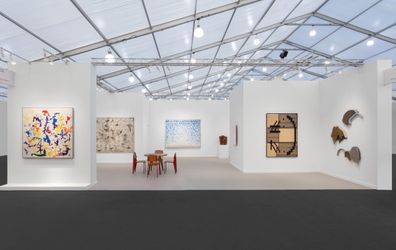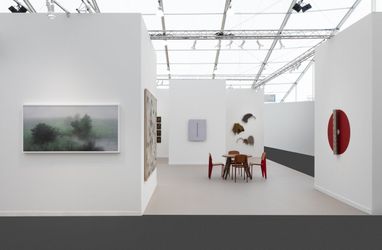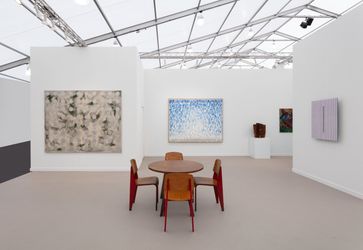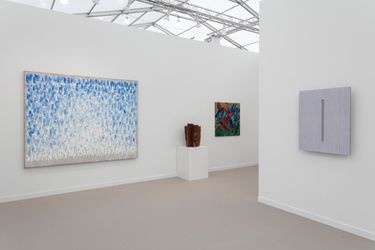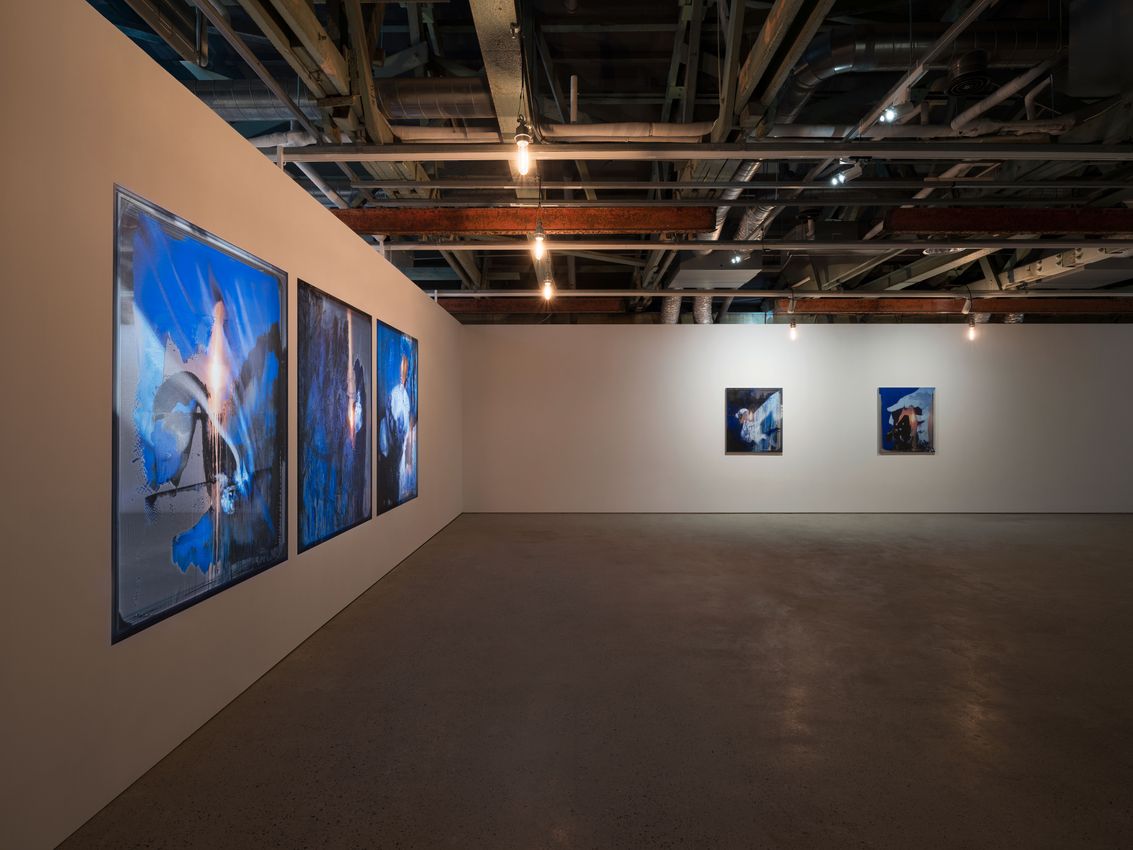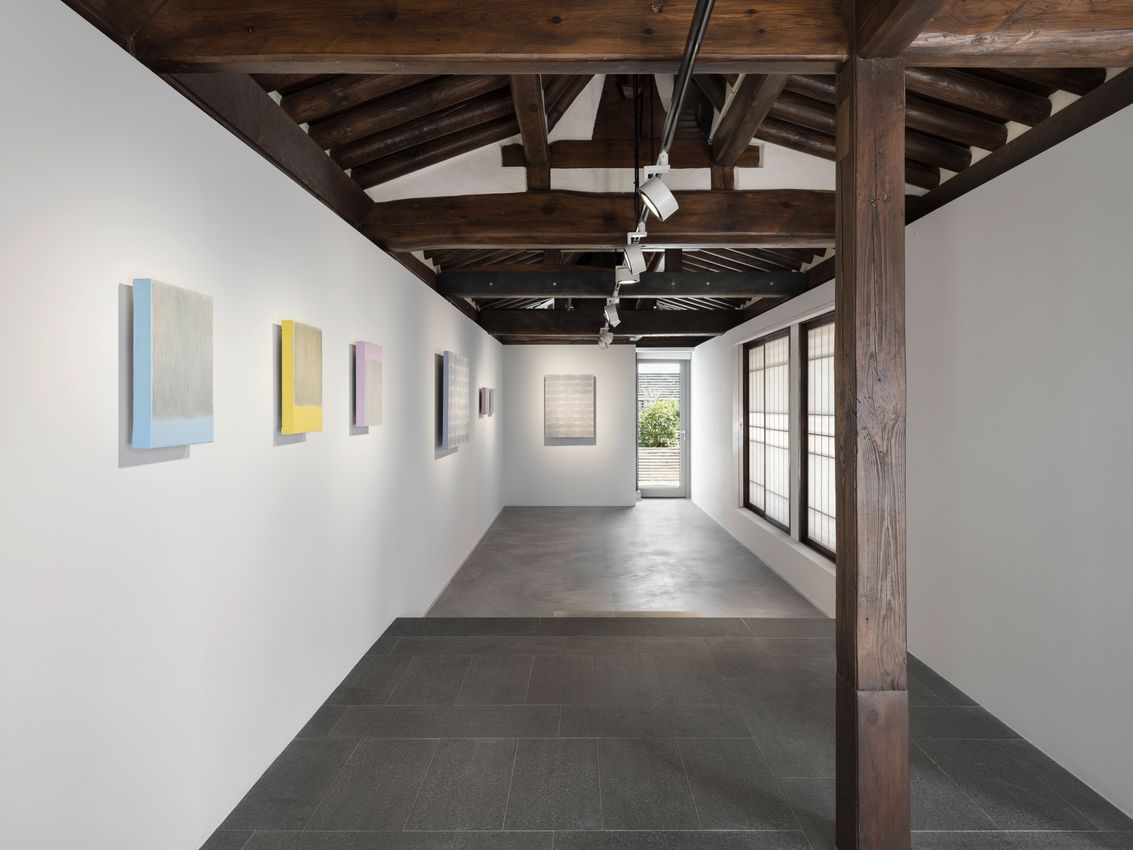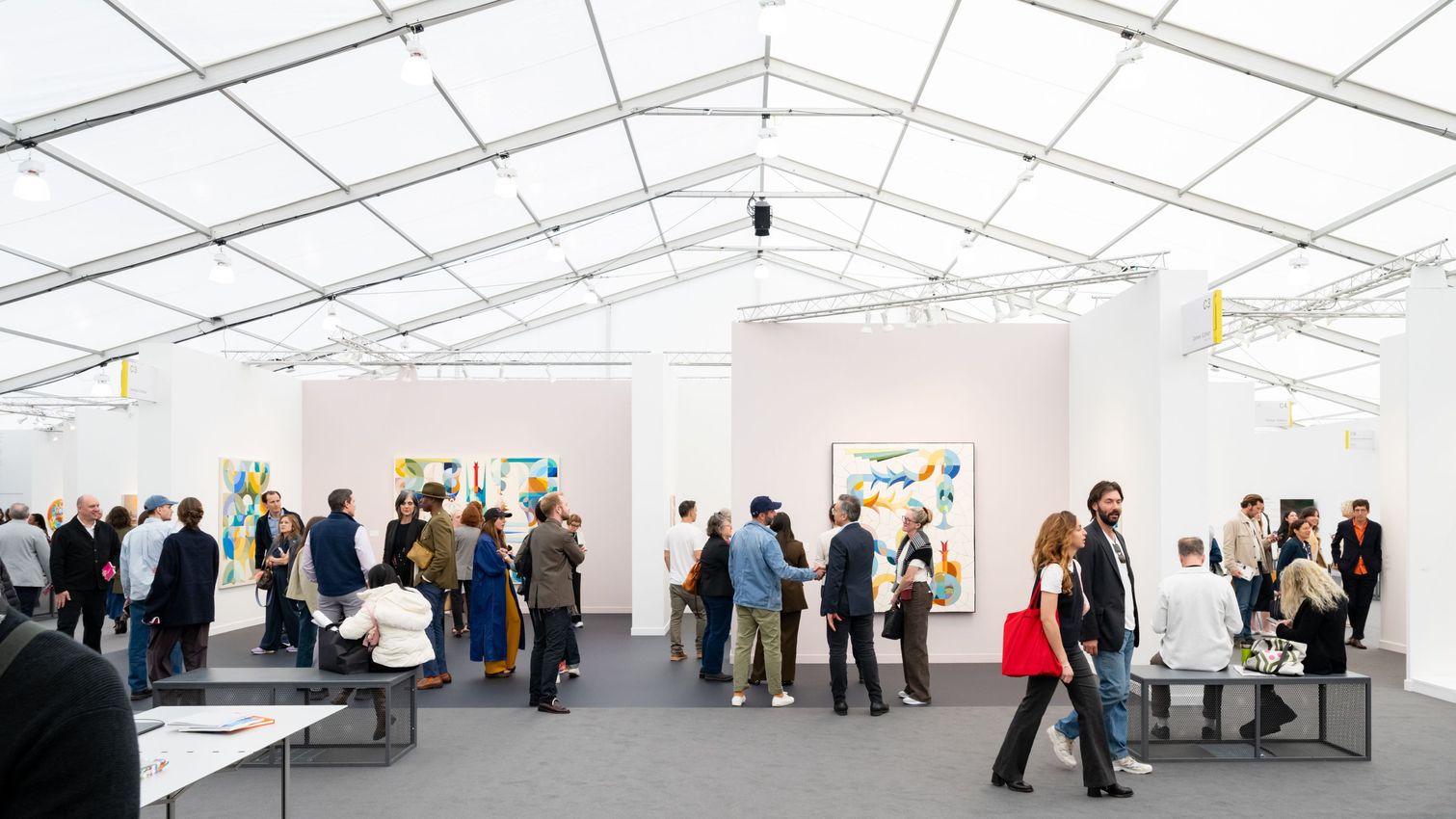
Kukje Gallery is pleased to announce its participation in Frieze Los Angeles 2025, from 20 to 23 February 2025. Marking its sixth edition since its launch in 2019, the fair features a total of 96 galleries from 20 countries. In addition to the main Galleries section featuring major exhibitors, the Focus section curated by Essence Harden returns for the second time to present 12 emerging galleries to spotlight the next generation of contemporary artists and art spaces. This year’s edition will be housed in a structure designed by internationally renowned architect Kulapat Yantrasast and his architectural firm WHY. Recently, devastating wildfires have impacted Los Angeles and its surrounding communities, raising concerns regarding the hosting of Frieze LA. Despite these concerns, Frieze has decided to proceed with the fair as scheduled in order to ‘play its part in sustaining the cultural and economic vitality of Los Angeles at this challenging time.’ As a founding contributor to the LA Arts Community Fire Relief Fund, led by the J. Paul Getty Trust, Frieze joins other major local institutions in helping artists and arts workers impacted by the fires, and will donate a share of the value of all newly purchased tickets to the fund.
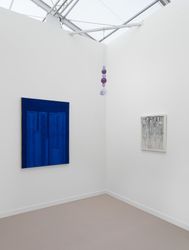
At Frieze LA, Kukje Gallery will introduce a selection of works by both Korean and international artists, presenting a comprehensive overview of modern and contemporary art history. Featured in the booth is a ceramic work by the seminal Dansaekhwa artist Park Seo-Bo, Écriture No. 221224 (2022). As a part of Park’s late ‘Écriture’ series, this piece utilises white porcelain clay to leave ridges on the surface, fusing the essence of Korean ceramics into Écriture. Radiating a subtle white aura, the work further solidifies the spirit of Dansaekhwa by embodying its core principles: ‘the futility of action, the infinite repetition of action, and the spiritualisation of the traces (materiality) created in the process of action.’ Also on view is Ha Chong-Hyun’s Conjunction 24-30 (2024), a new work from his signature ‘Conjunction’ series. Employing his distinctive bae-ap-bub (back-pressure) technique—pushing paint from the reverse side of a coarse burlap canvas to the front—Ha explores materiality, temporality, and the limits of the pictorial plane while questioning the role of the artist in the creative process. A key figure in Dansaekhwa and pioneer of Korean avant-garde art, Ha is set to hold two solo exhibitions in the spring of 2025: one at Art Sonje Center, Seoul, in February, and another at Kukje Gallery, Seoul, in March. Kwon Young-Woo’s Untitled (1984) maximizes the materiality of hanji through repeated actions of cutting, tearing, and pasting. In doing so, Kwon offers an alternative to the dichotomous thinking of Western culture, whether it be that of paint and canvas or of subject and object. Also displayed is Song of My Soul 2010-199 (2010) by first-generation Korean woman sculptor Kim Yun Shin. Kim’s paintings embody her unique artistic philosophy of perceiving nature not as a subject of contemplation, but as a subject that ‘add[s to become] one (合一)’ with the artist. The vibrant color palette inspired by the indigenous hues of South America and obangsaek—colors of blue, red, yellow, white, and black traditionally used in Korea—conveys a sense of primal energy and vitality.
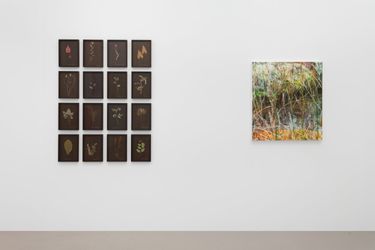
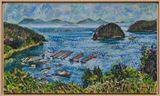
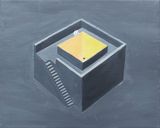
Min Joung-Ki’s Mugwort Island (2021) depicts the coastal landscape of Ssukseom, i.e., Mugwort Island, located off the Southern coast of Tongyeong, South Korea. Known for his realistic yet historically informed approach, Min portrays familiar landscapes not only as a subject of observation, but also as a bridge between the past and present. Created through on-site studies and plein-air painting, the work faithfully captures the island’s serene topography and the passage of time, evoking the subtle scent of mugwort leaves, as noted in the title of the work. Jae-Eun Choi, working between Seoul and Tokyo, presents When We First Met (2024). Choi framed and inscribed the names of 143 different wildflowers she had picked upon encounter. By calling each flower by its name, the artist calls to attention the beauty of the mundane and that of nature, as well as the existential ideas of the order of the universe as a whole. Choi is expecting a solo exhibition at Kukje Gallery, Seoul, in March. Ahn Kyuchul’s Scribe’s Room (2018) presents a confined space bathed in yellow light, where one figure is engrossed in writing while another silently observes. Through this contrast, the work explores the unseen connections that bind individuals in an otherwise solitary world. Ahn is currently participating in the group exhibition The Rabbit Inhabits the Moon at Museo d’Arte Orientale in Turin, Italy.
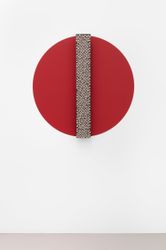
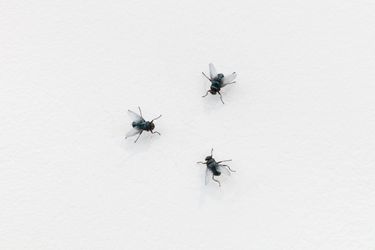
Hardware Store Collage – Bauhaus Kitchen Sinks #2 (2015), from Haegue Yang’s collage series, which she began in the early 1990s during her studies in Germany, is composed of images of tools and materials sourced and cut out from hardware store catalogues. Through this assemblage, Yang challenges the perception of objects beyond their mere functional value. Yang recently opened a successful solo exhibition, Haegue Yang: Lost Lands and Sunken Fields, at the Nasher Sculpture Center in Dallas, Texas, USA. In March, her touring exhibition Haegue Yang: Leap Year will open at Kunsthal Rotterdam in the Netherlands. Suki Seokyeong Kang’s Mat 120 × 165 #20-09 (2020) draws inspiration from the hwamunseok, a woven mat that functioned as the performance space for Chunaeng-mu (春鶯舞), a solo court dance from the Joseon Dynasty. Through this work, Kang explores the boundaries and possibilities of an individual’s place within society. Kang’s largest North American solo exhibition to date, Suki Seokyeong Kang: Mountain—Hour—Face, is set to open in mid-February at the Museum of Contemporary Art Denver. Na Kim, who held her first solo exhibition at Kukje Gallery Busan in May 2024, presents Home 2 (2024). This work reconfigures everyday objects and memories under a new discipline, expanding the language of design. Created by combining stickers found at home during the pandemic, Home 2 invites viewers to reconsider the function of the spaces we inhabit and how we perceive them. Lastly, the Danish trio SUPERFLEX presents their new work, Nine Flies Staring At Each Other (2024). Depicting nine houseflies arranged in a perfect circle—an unnatural formation impossible in reality—the work subtly satirises the anthropocentric tendency to see human behaviours reflected in other species, turning this misconception into a playful critique.


A respected voice in contemporary art discourse.
Focusing on ambitious storytelling and insightful art-world commentary. Ocula Magazine publishes in-depth interviews, critical essays and timely analysis on the artists, exhibitions and ideas driving the global art world.
Learn more about Ocula Magazine
Showcasing the best of the art world.
Ocula partners with galleries from around the world to highlight their artists, artworks and exhibitions. Gallery membership is by application and invitation, with each member vetted by an independent panel.
Learn more about Ocula Membership

Specialises in the sale of major artworks.
Led by a team with deep ties to the world’s leading auction houses, galleries and collectors. Ocula’s advisory team offers bespoke services to high-net-worth clients from around the world who are looking to acquire the best of contemporary and modern art.
Learn more about our team and services