Sight does not perceive distance—namely the distance [or remoteness]
of a visible object from the eye—by pure sensation. Nor is perception of
the distance of an object the same as perception of the place where the
object is, nor is perception of an object in its own place the result of
perceiving the object’s distance alone, nor does perception of where an
object is result from perceiving its distance alone.1
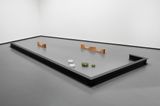
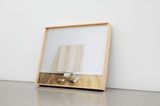
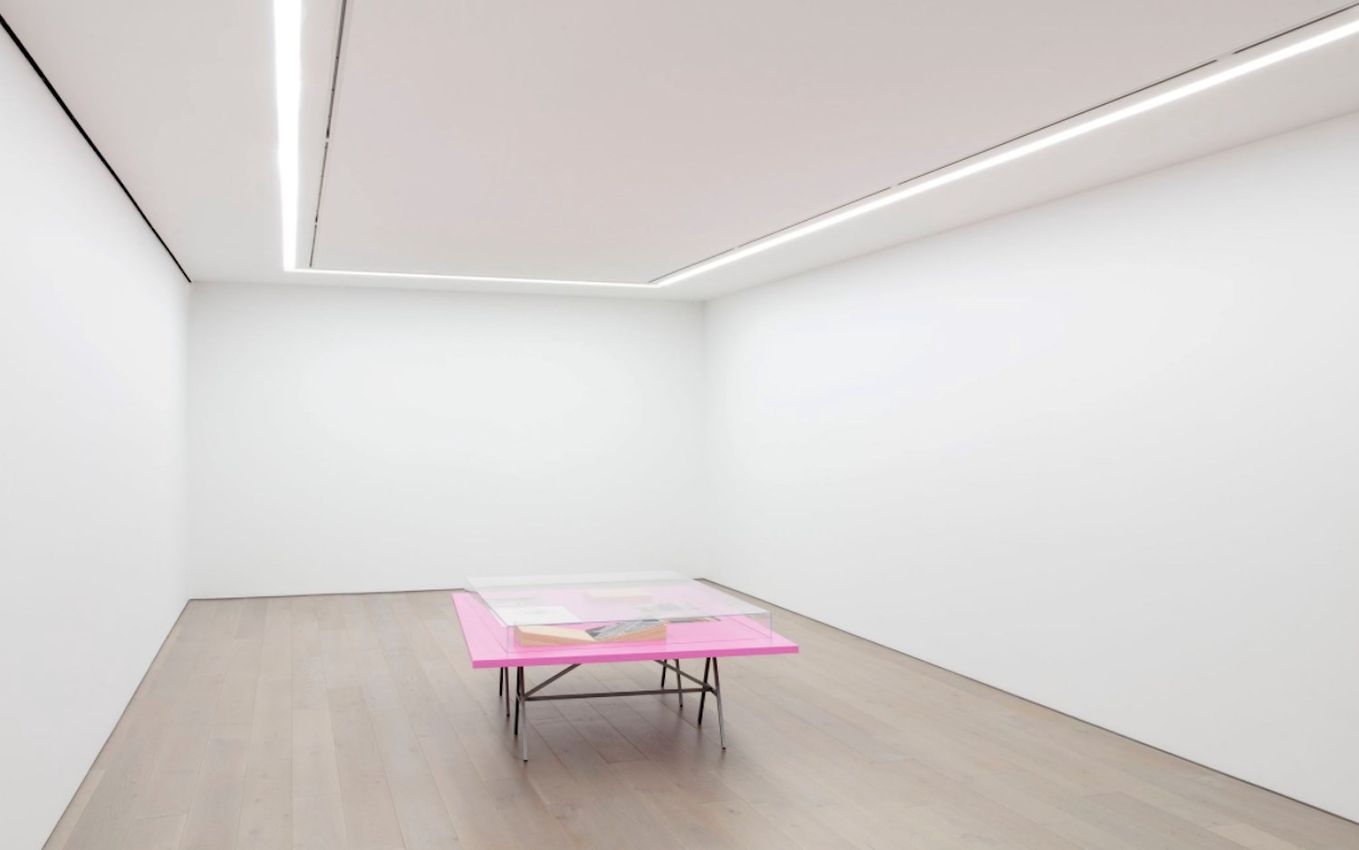
Perrotin New York is pleased to open Anatomy of a Flower and Other Studio Experiments, a project space by New York-based artist, Leslie Hewitt, beginning on October 29th and on view through December 23rd.
In 2018, Hewitt was invited by curator Ingrid Schaffner to engage with the collection of the Carnegie Museum in Pittsburgh, Pennsylvania, as part of a new commission for the Carnegie International, America’s oldest recurring exhibition. For Hewitt’s project, the artist took an unconventional approach, opting to work alongside the International from Fall to Spring, researching the museum’s archives, analysing the architectural site, and engaging with the exhibition of the International.
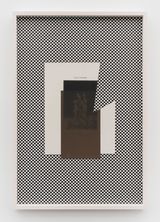
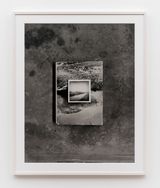
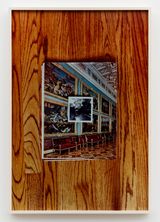
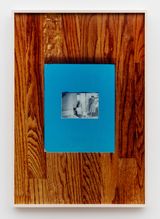
For her installation in New York, Hewitt will present for the first time the three-dimensional form of the project. The images presented in Anatomy of a Flower unfold through a series of thematic registers defined by the artist as Panoptic, Pedestrian and Innermost, each constructed to guide one’s approach to the act of looking. The Panoptic photographs broadly define the architecture of the Carnegie Museum through aerial views that document the site’s footprint. A blend of archival snapshots, placed alongside recent images taken from a drone, show the museum from its rural beginnings in the 1890s to the evolving thoroughfares that bloom and wane.
In the Pedestrian register, Hewitt shifts the perspective to the interior, at the artist’s eye level. Chromogenic prints outline the scenography of the museum’s collections from various angles, accounting for the vastness of the stone courtyards and vaulted ceilings, the reflections of oneself in the display cases, and glimpses of works by contemporary artists, as well as textures from the collection.
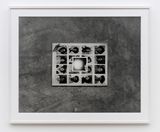
The Innermost register commingles elements from the archive, scans of past exhibition checklists, alongside the behind the-scenes offices and archival cases that reverberate at the museum’s core. According to the artist’s intentions for the work, only a selection of the project will be displayed at a given time, underscoring points of interest in the body of work and Hewitt’s ongoing practice, including the history of collecting, the architecture of archiving, erasure and the mutability of many of the museums taxonomies.
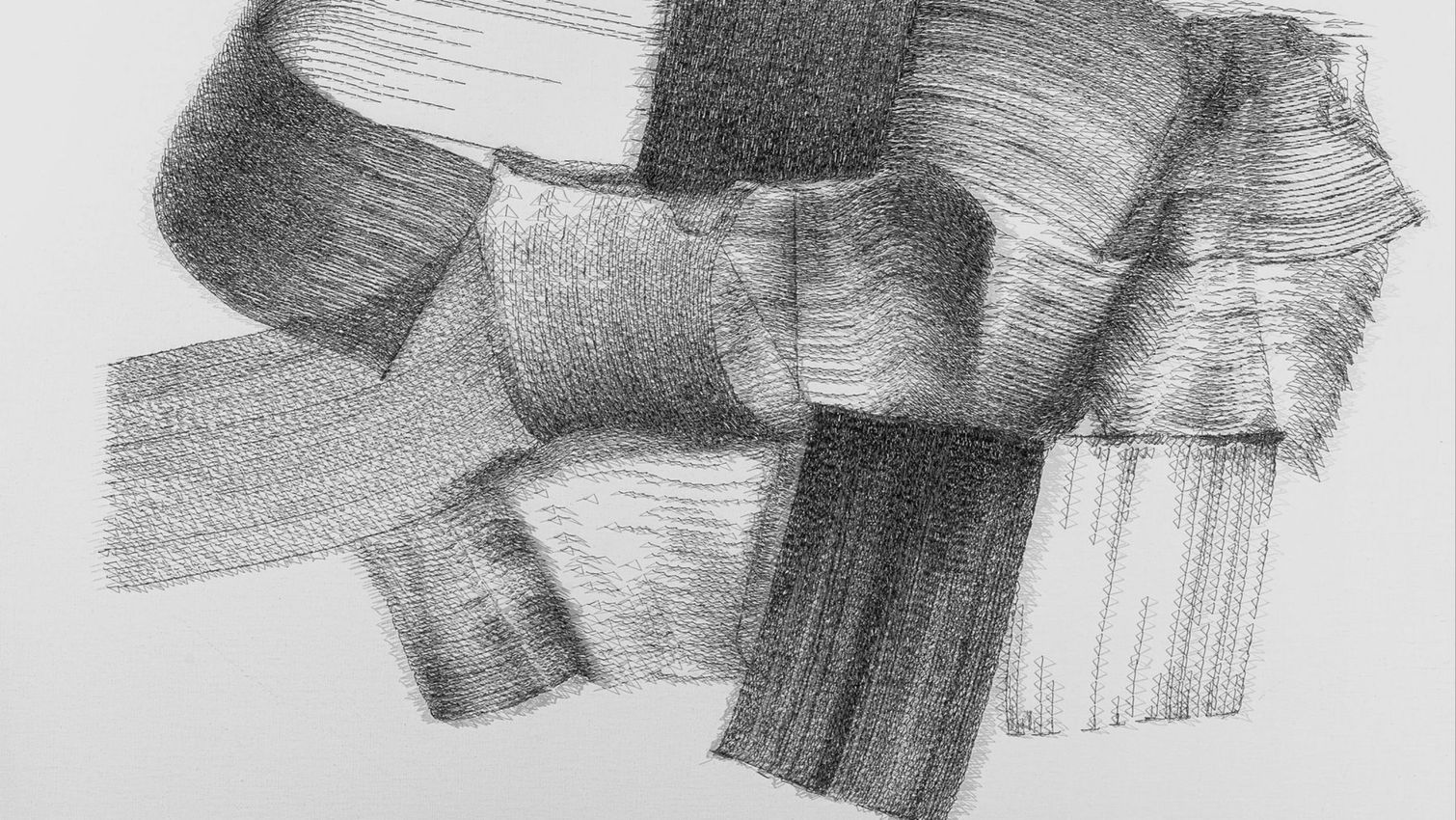
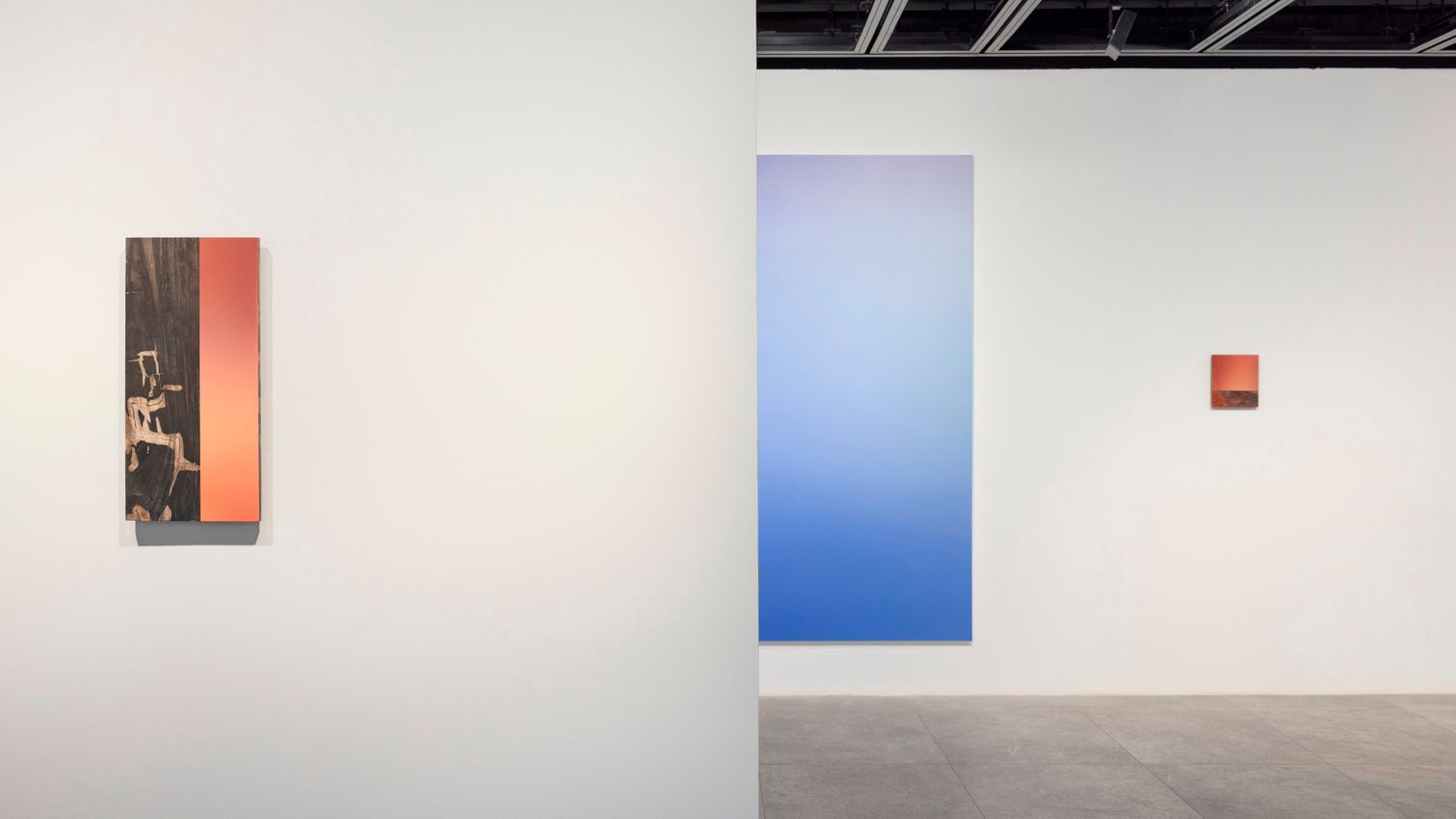
For the past two decades, Hewitt has been interested in the mechanisms behind the construction of meaning and memory. Working serially, the artist has explored the practice of archiving and presentation, through various forms of ephemera and collage which are developed and transformed into the artist’s own tactics and language. Hewitt began working on Rough Cuts, a suite of collages, in late March of 2020, seven of which are on view.
Leslie Hewitt’s work is currently on view in a group exhibition, Pictures, Revisited, at The Metropolitan Museum of Art, New York, as well as Sculpture Milwaukee 2020. She was a recipient of the 2020 Guggenheim Fellowship. Hewitt will have a solo exhibition at Dia Bridgehampton, previously known as the Dan Flavin Art Institute, in the Summer of 2022.
Leslie Hewitt has held solo exhibitions at the Sculpture Center, New York; the Power Plant, Toronto, Canada; the Minneapolis Institute of Art; The Menil Collection, Houston; Contemporary Art Museum St. Louis; and the Institute of Contemporary Art/Boston, among others. She is the recipient of numerous awards and grants, including the Guggenheim Fellowship, the Berlin Prize, the Joyce Alexander Wein Artist Prize, and was a Radcliffe Fellow for Advanced Studies at Harvard University. Hewitt’s work is in numerous public collections including the Museum of Modern Art, New York; the Metropolitan Museum of Art, New York; the Solomon R. Guggenheim Museum, New York; the Whitney Museum of American Art, New York; the Los Angeles County Museum of Art, Los Angeles; the San Francisco Museum of Modern Art, San Francisco; The Walker Art Center, Minneapolis; and the Museum of Contemporary Art, Chicago; among others.
1 The Book of Optics, circa 1021
Working with photography, sculpture, and site-specific installations, Leslie Hewitt addresses fluid notions of time. Her work oscillates between the illusionary potential of photography and the physical weight of sculpture. In her photographed arrangements, she isolates personal effects and the residue of material culture to consider the fragile nature of everyday life. Her approach to photography and sculpture revisits the still life genre from a post-minimalist/civil-rights perspective. Her geometric compositions, which she frames and crystallizes through the spare assemblage of ordinary things, suggests the porosity between intimate and sociopolitical lives. Whether discreetly arranged in conceptually entangled layers or presented plainly, Hewitt often includes or is inspired by mementos such as family pictures, as well as books and vintage magazines that reference the Black literary and popular-cultures of her upbringing. Her practice as an artist points to the mechanisms of the construction of meaning and memory through decisively challenging both by unfolding formal, rather than didactic, connections in her contrapuntal compositions and distinctive take on spatiality.

A respected voice in contemporary art discourse.
Focusing on ambitious storytelling and insightful art-world commentary. Ocula Magazine publishes in-depth interviews, critical essays and timely analysis on the artists, exhibitions and ideas driving the global art world.
Learn more about Ocula Magazine
Showcasing the best of the art world.
Ocula partners with galleries from around the world to highlight their artists, artworks and exhibitions. Gallery membership is by application and invitation, with each member vetted by an independent panel.
Learn more about Ocula Membership

Specialises in the sale of major artworks.
Led by a team with deep ties to the world’s leading auction houses, galleries and collectors. Ocula’s advisory team offers bespoke services to high-net-worth clients from around the world who are looking to acquire the best of contemporary and modern art.
Learn more about our team and services