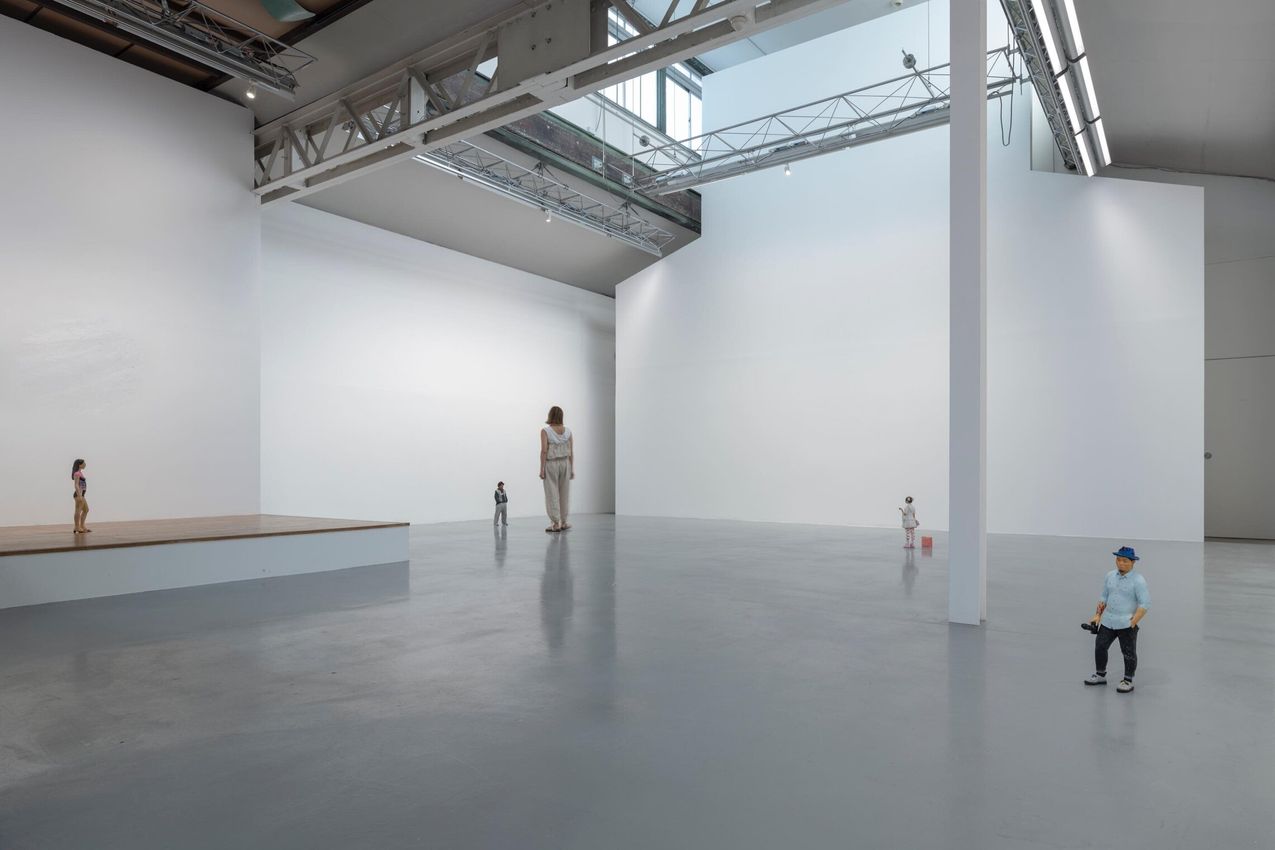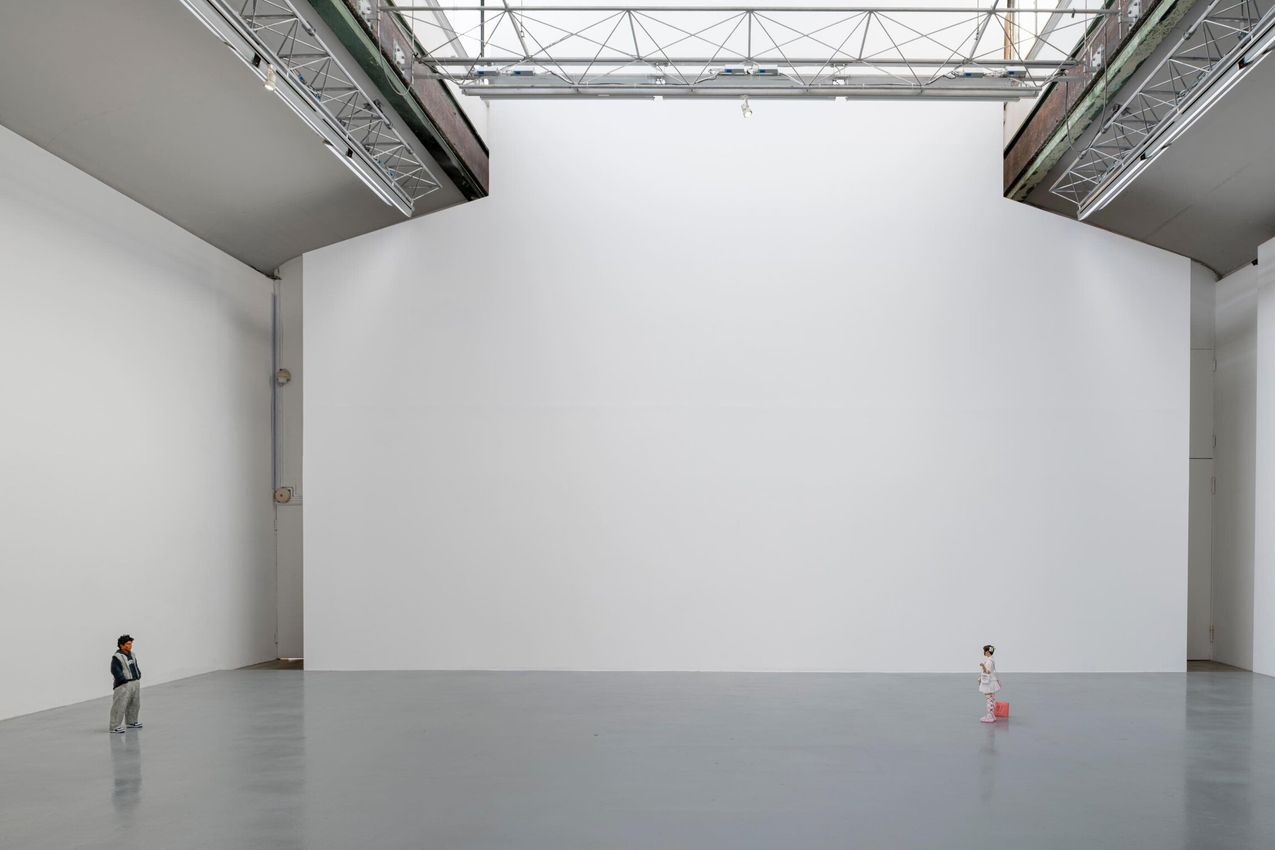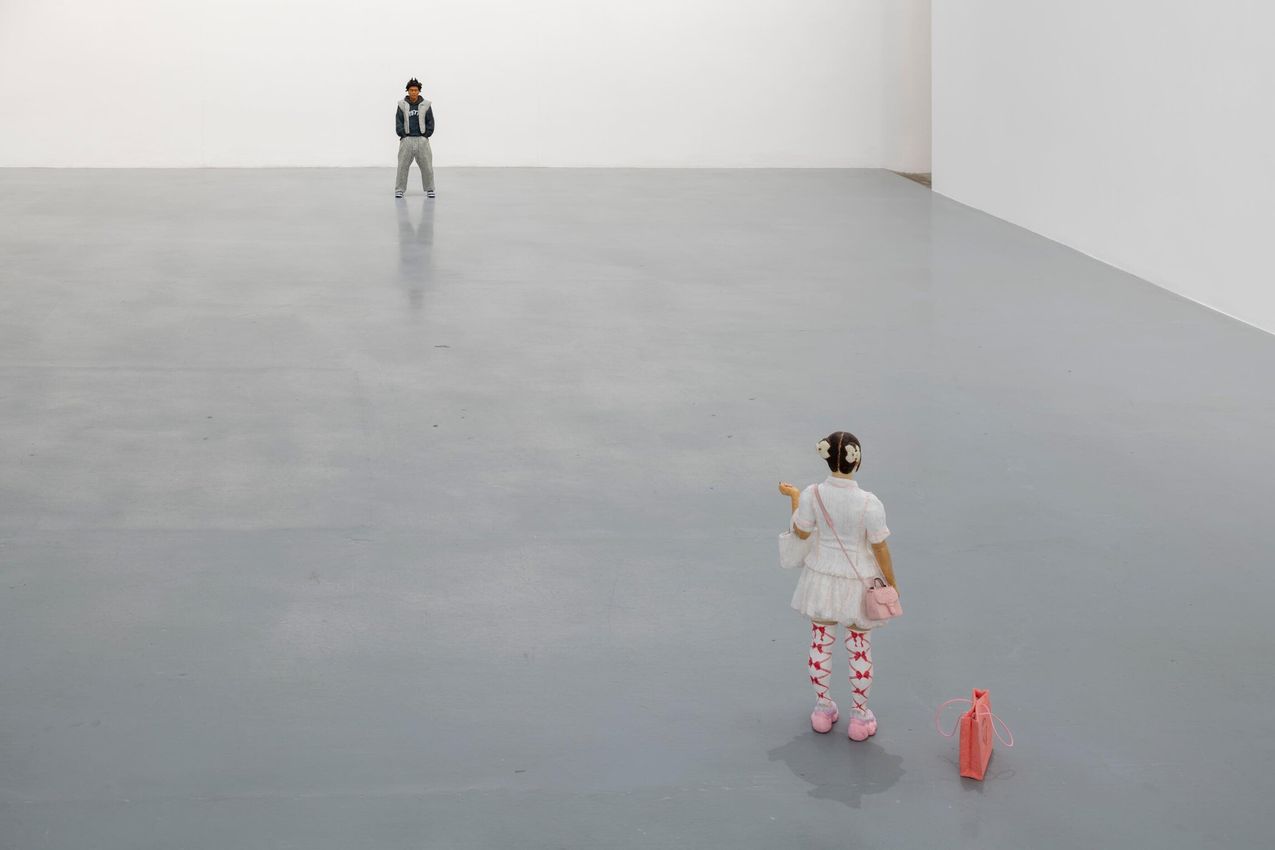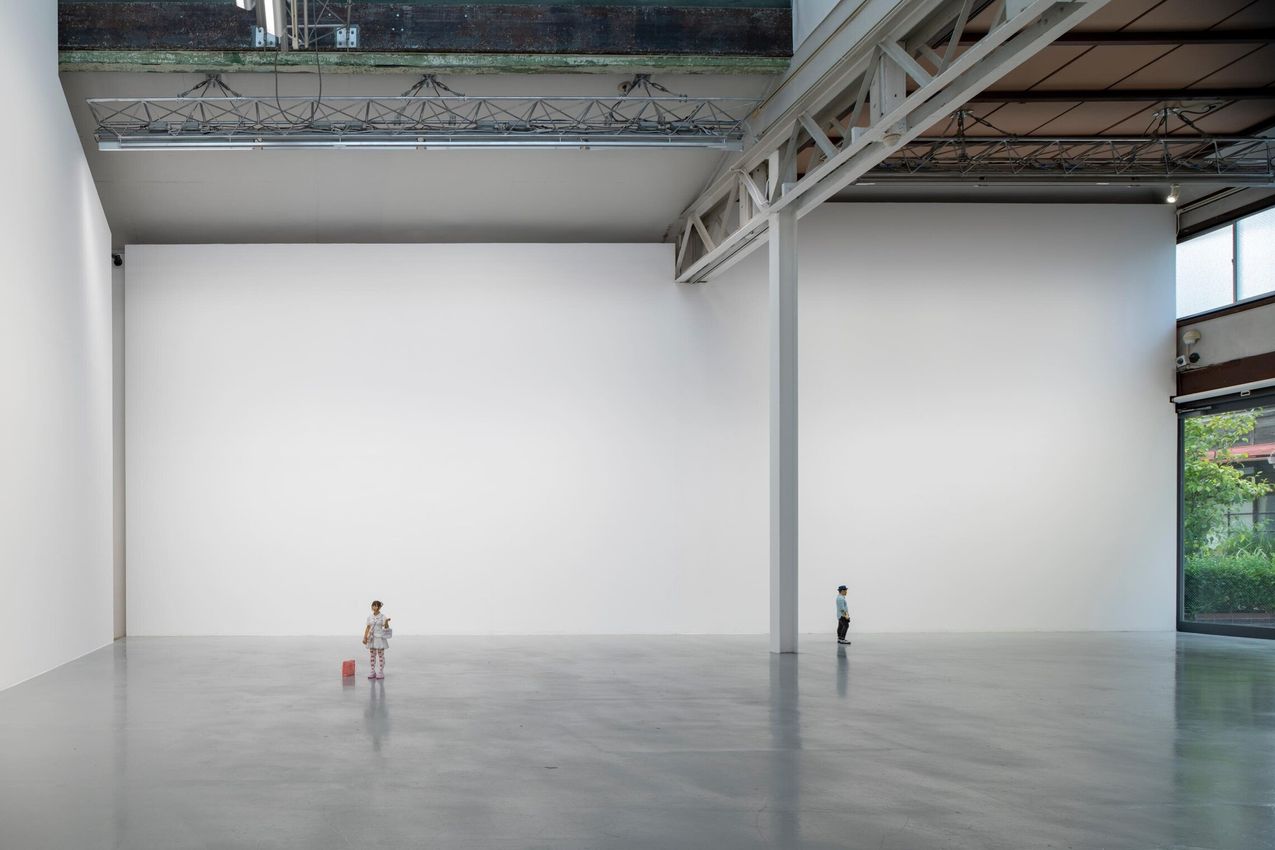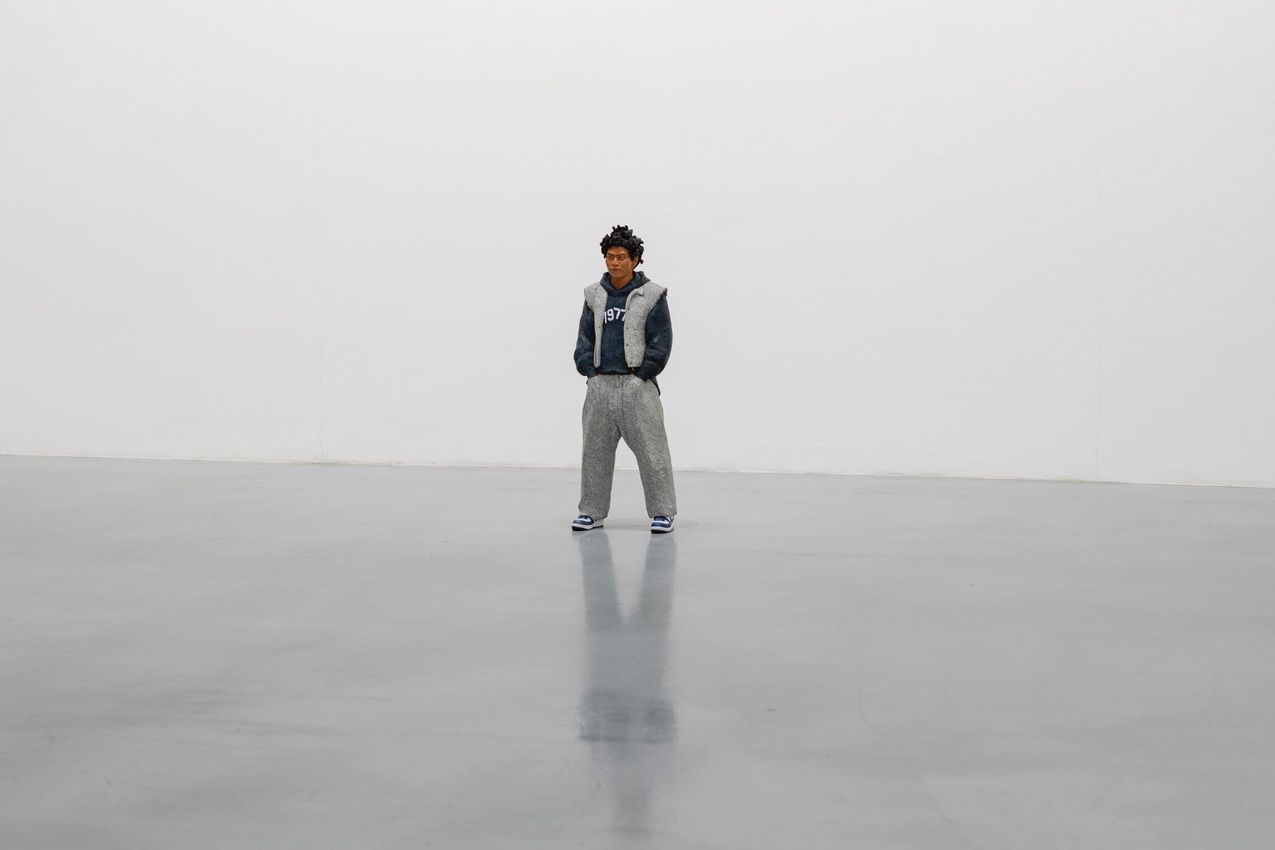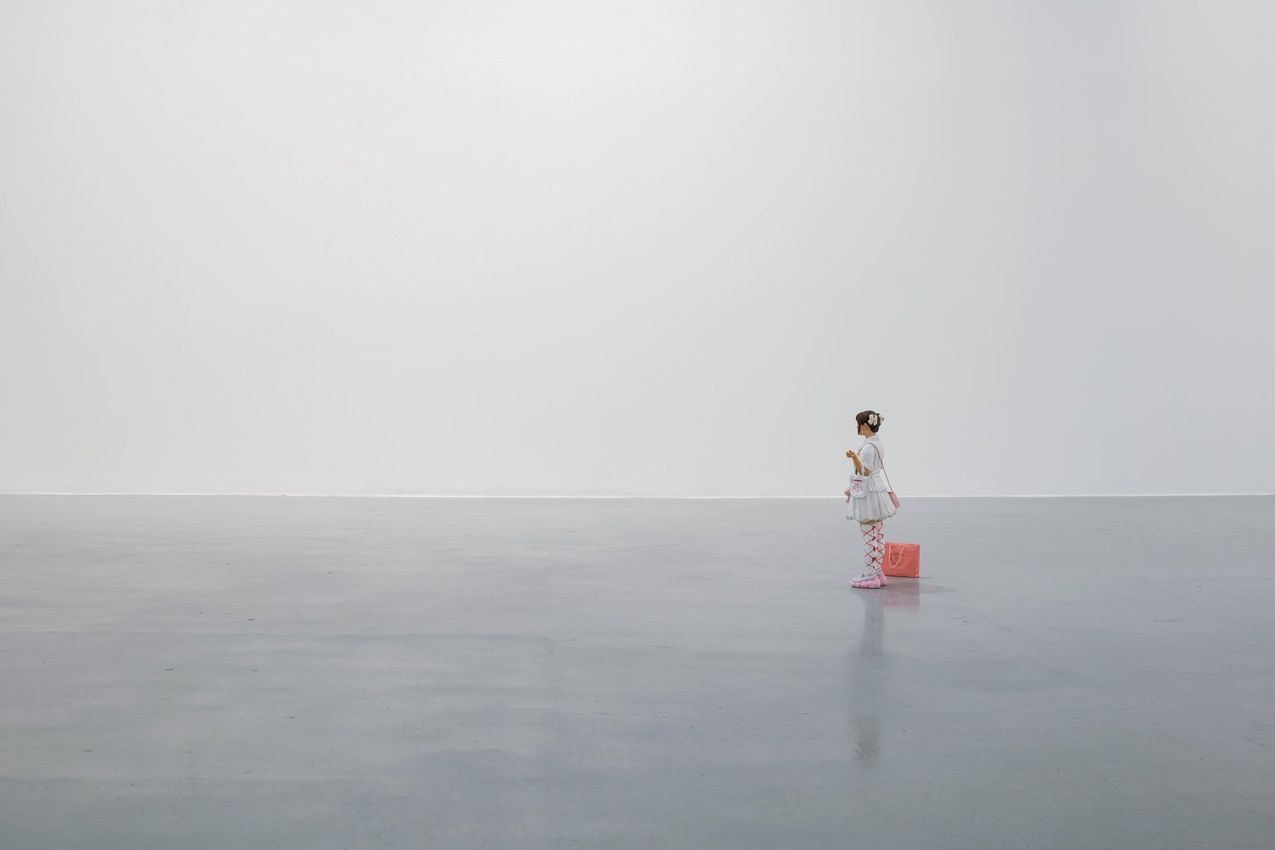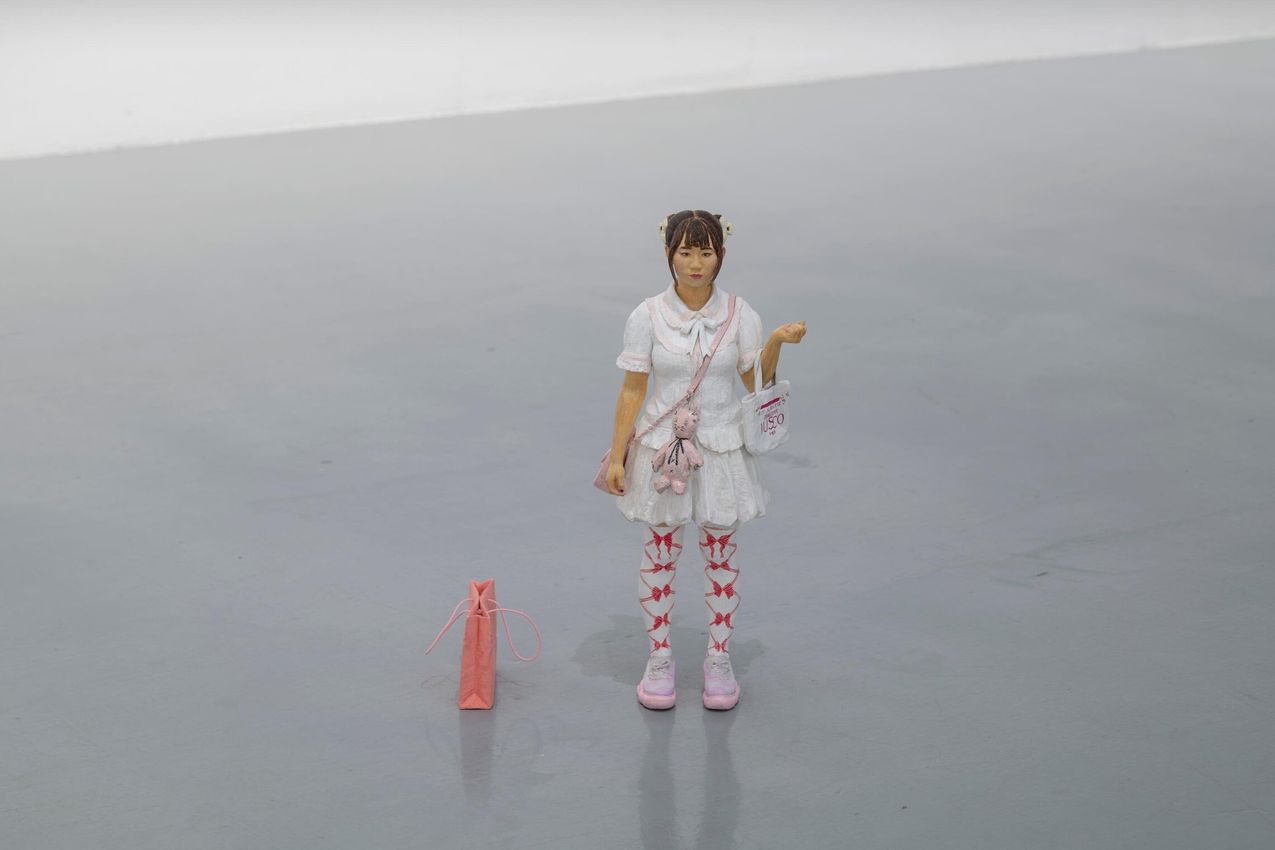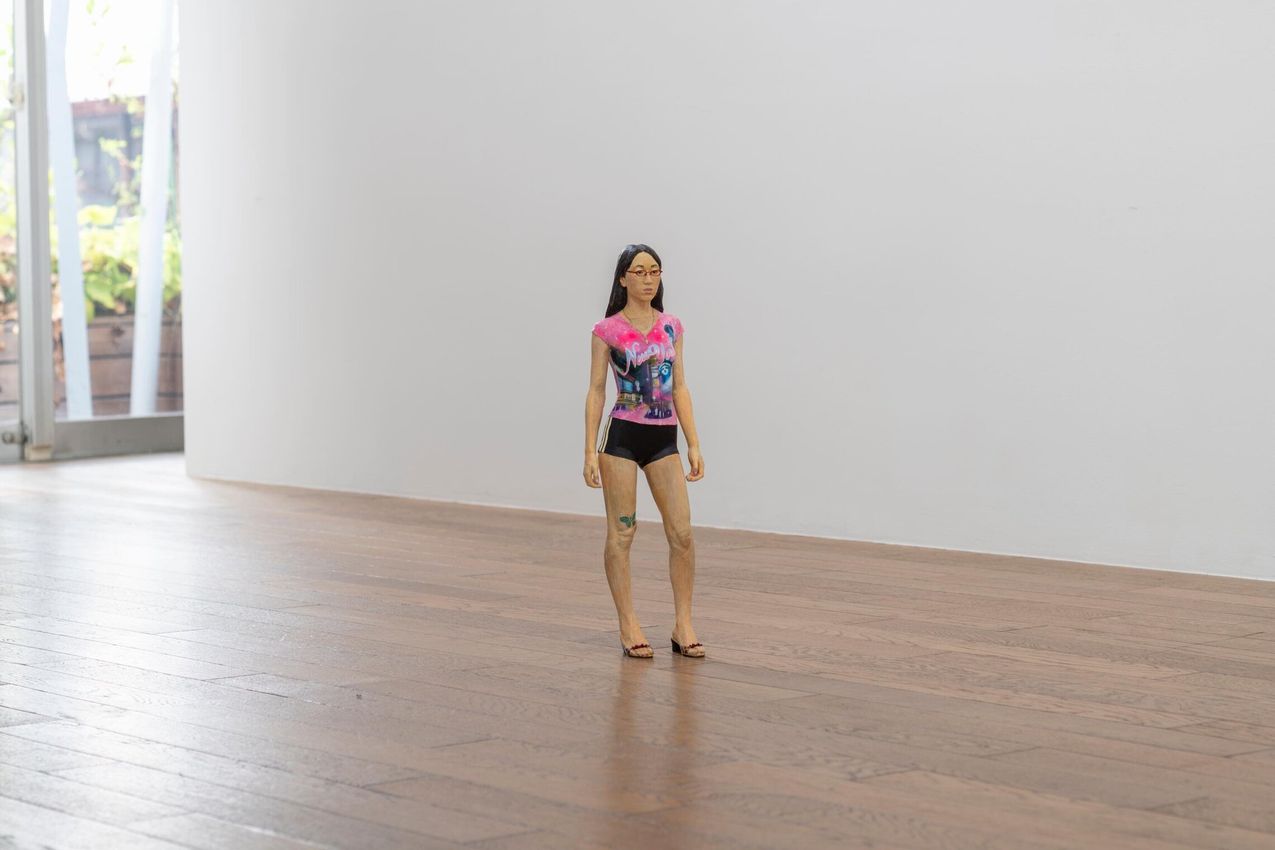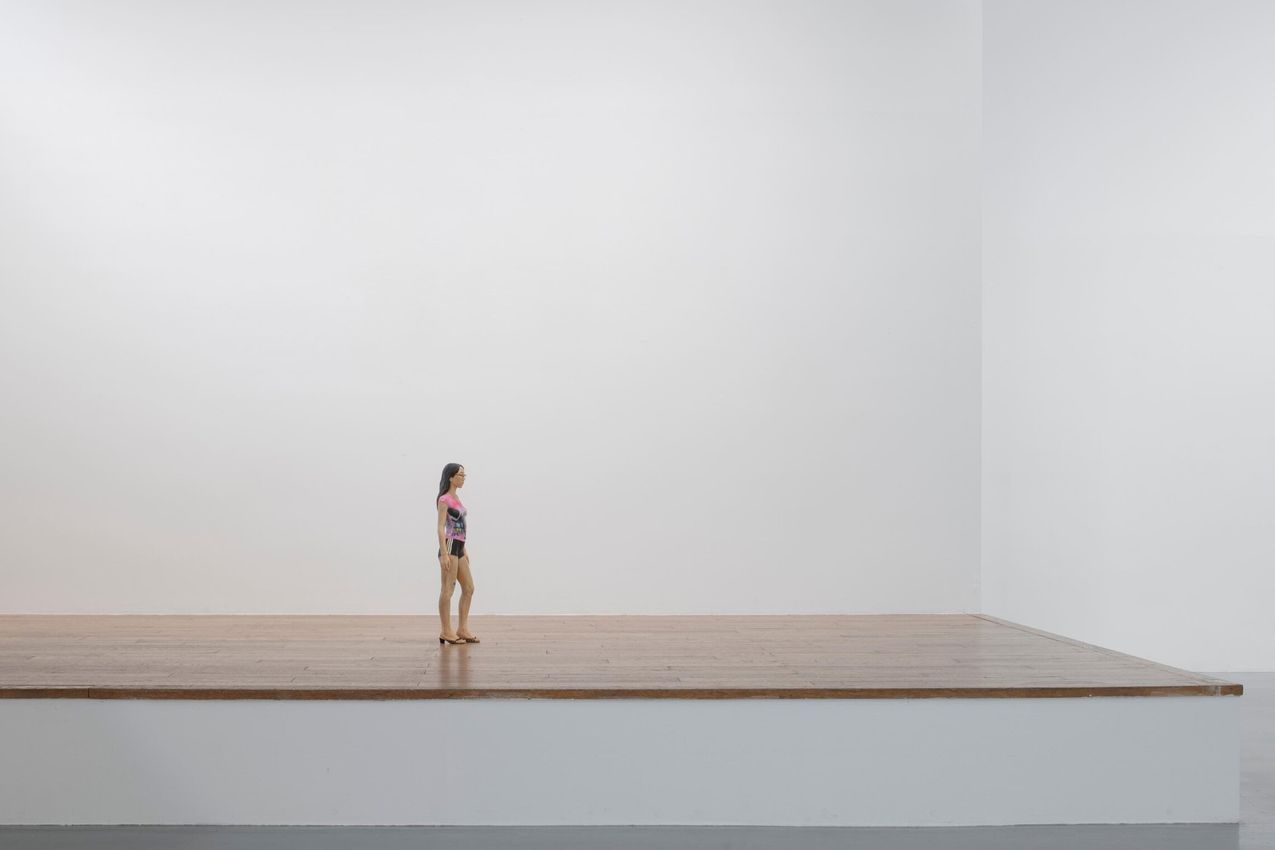
Sculptor Tomoaki Suzuki was born in 1972 in Ibaraki, Japan. He moved to London in 1998. Now living and working in Chiba, a suburban area bordering Tokyo, he continues his pursuit of perfection in figurative sculpture . The wrinkles in the clothing, the shirt buttons, and the accessories— unique and fashionable wooden figures with such carefully rendered details, stand out in the context of contemporary art, and have often also drawn attention in European countries. Suzuki presents four new pieces, all produced in Tokyo, for this solo show.
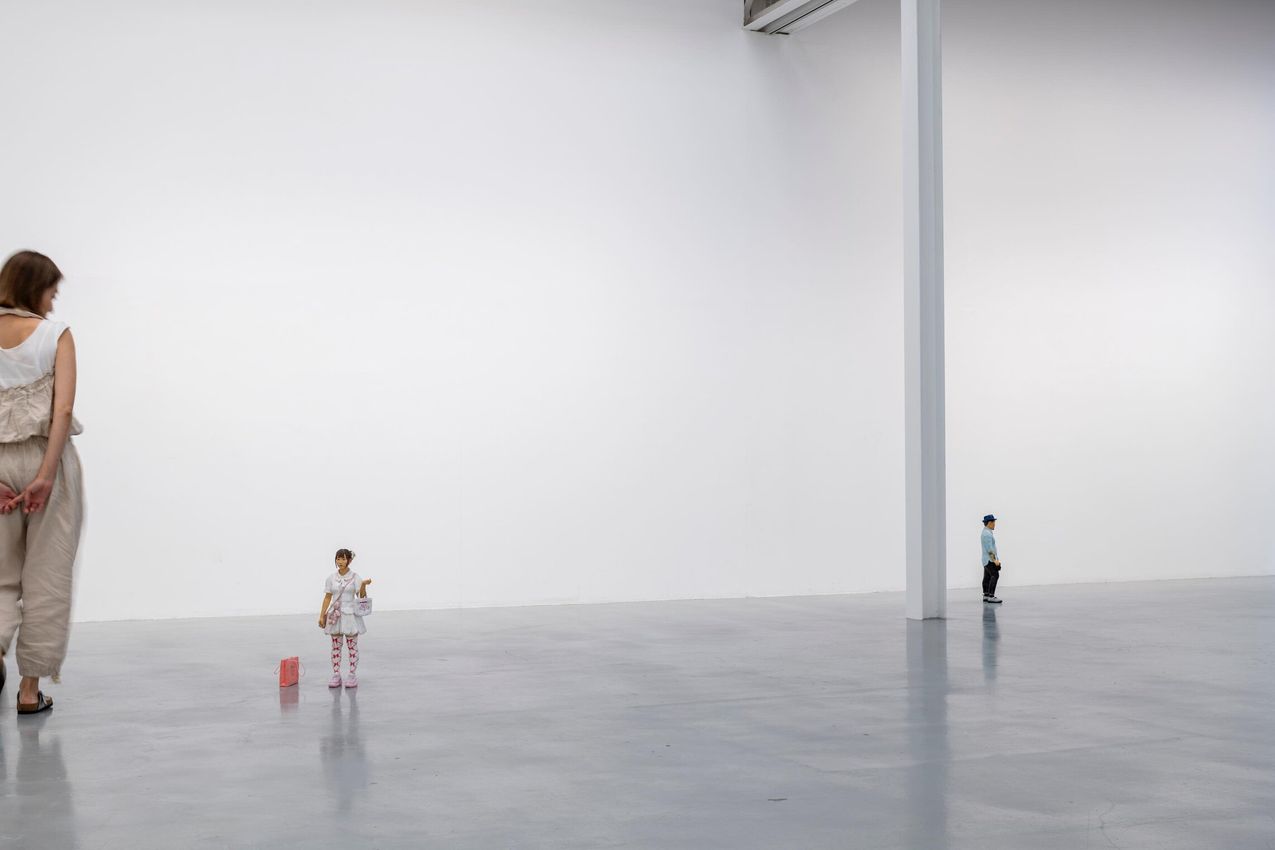
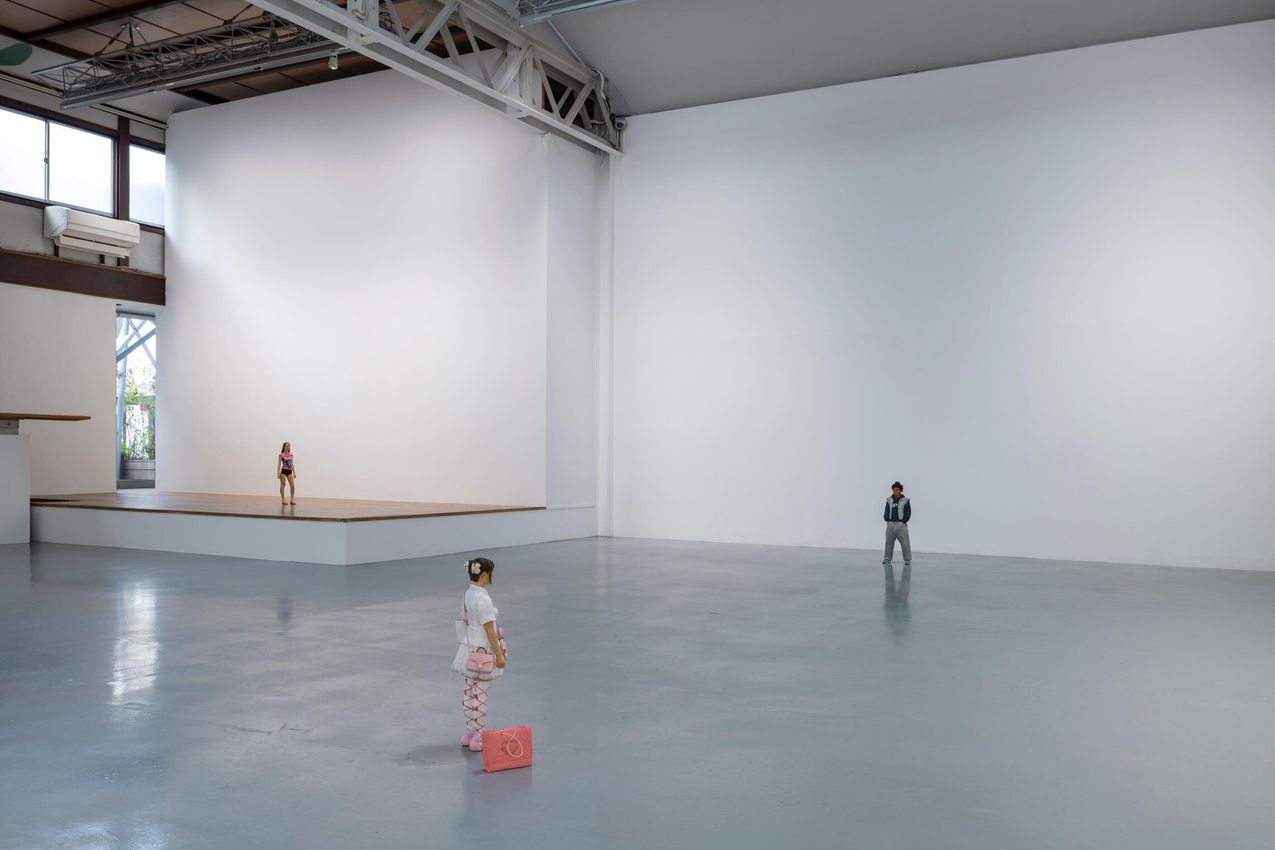
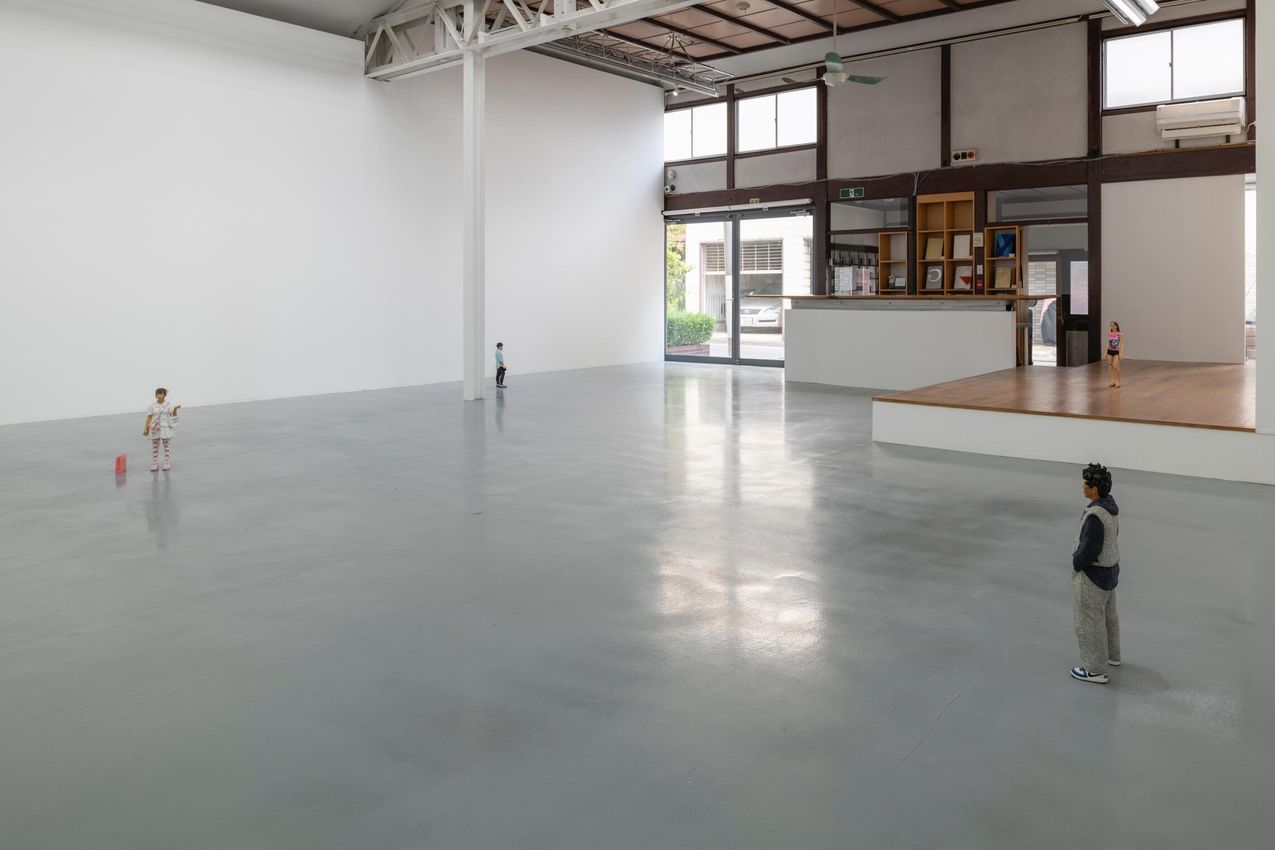
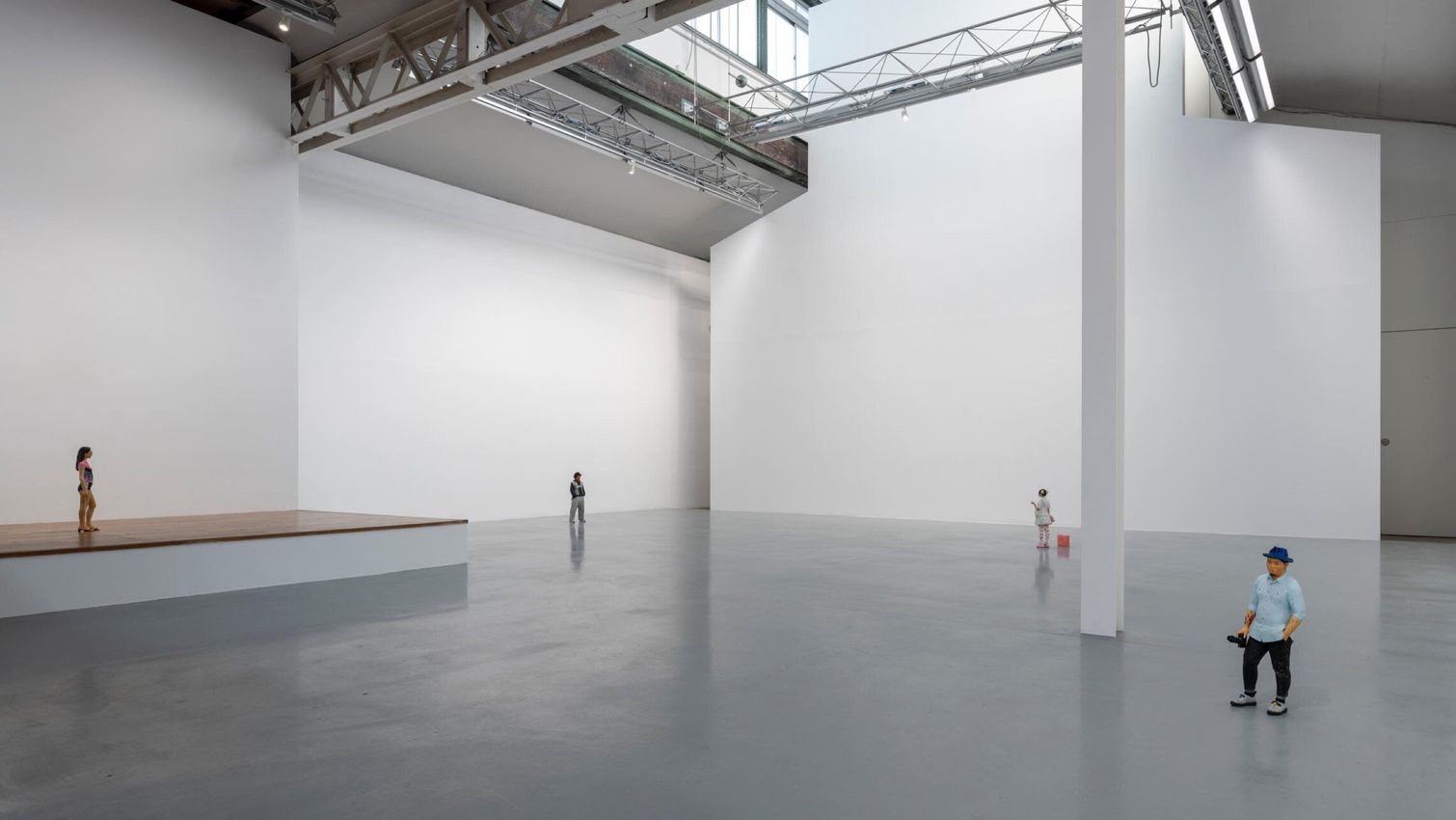
Choosing “models” from his immediate surroundings, the artist focuses on capturing present-day Tokyo, guided by a commitment to realism. In his attempt to create a dialogue with the city, four sculptures representing indiscriminately selected individuals of Tokyo will be installed throughout the exhibition space of SCAI THE BATHHOUSE.
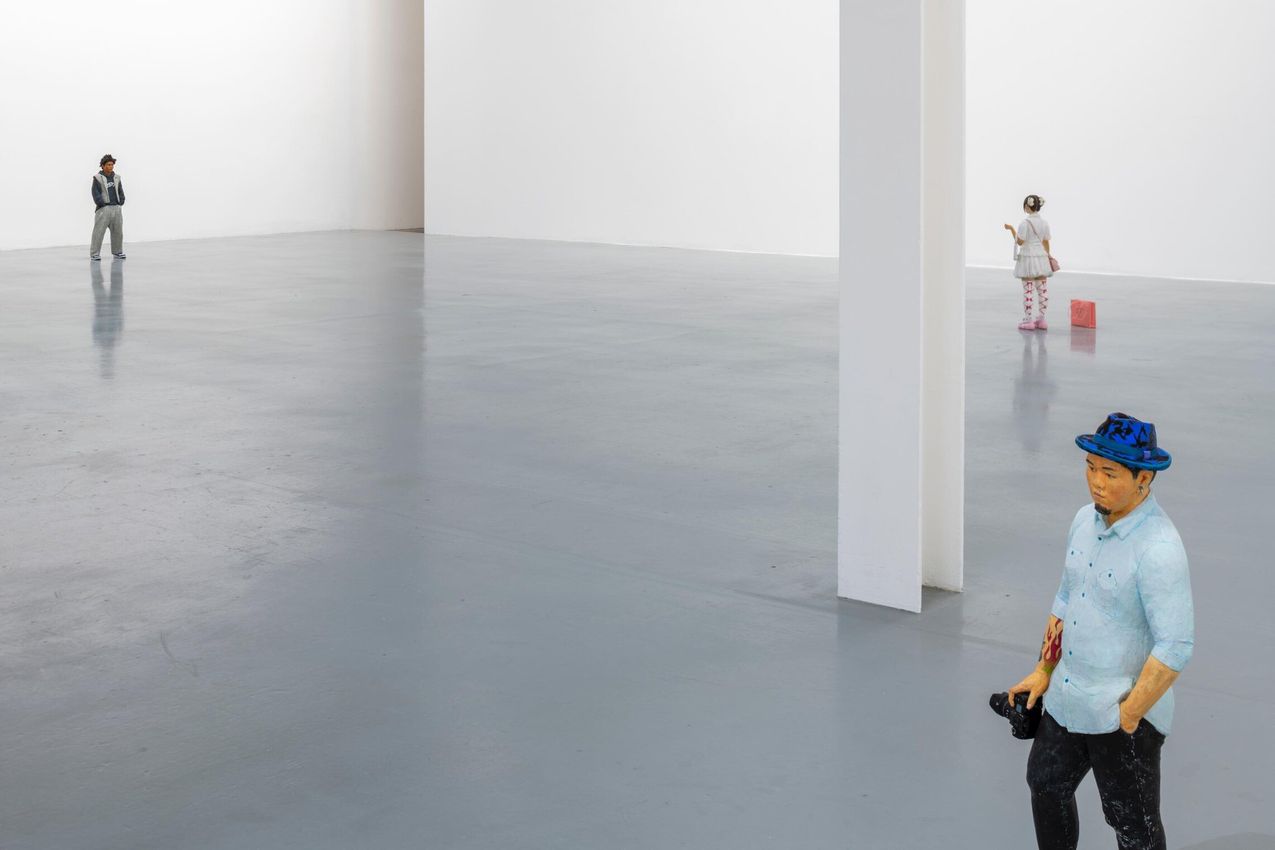
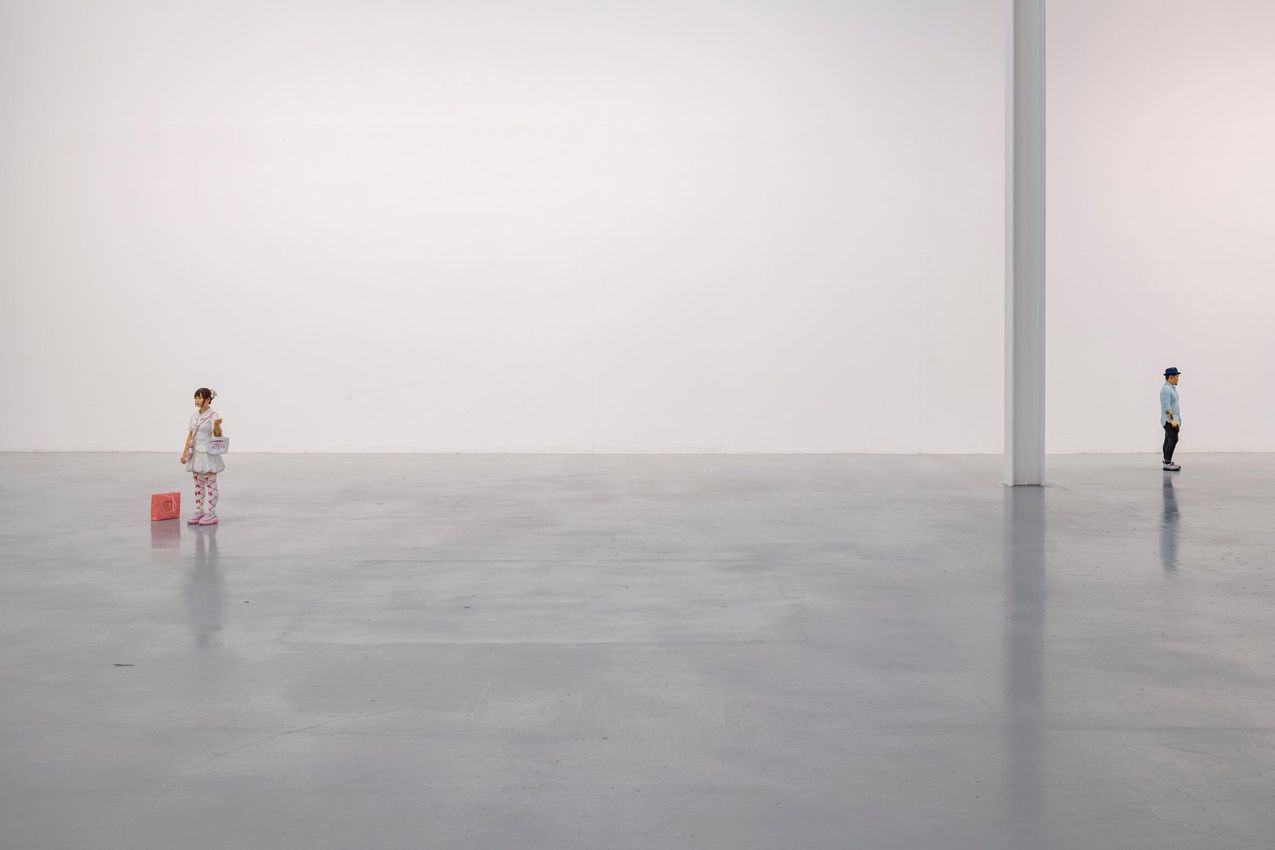
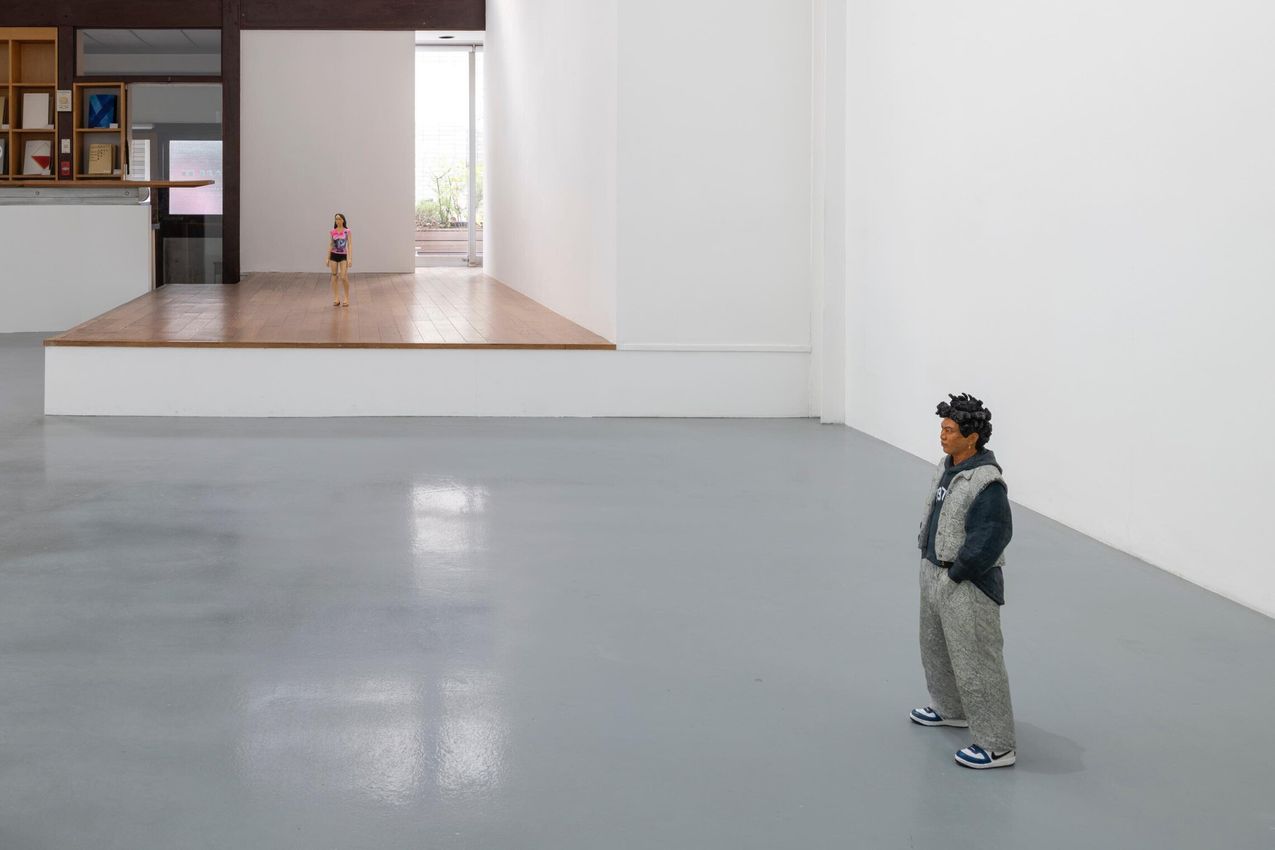
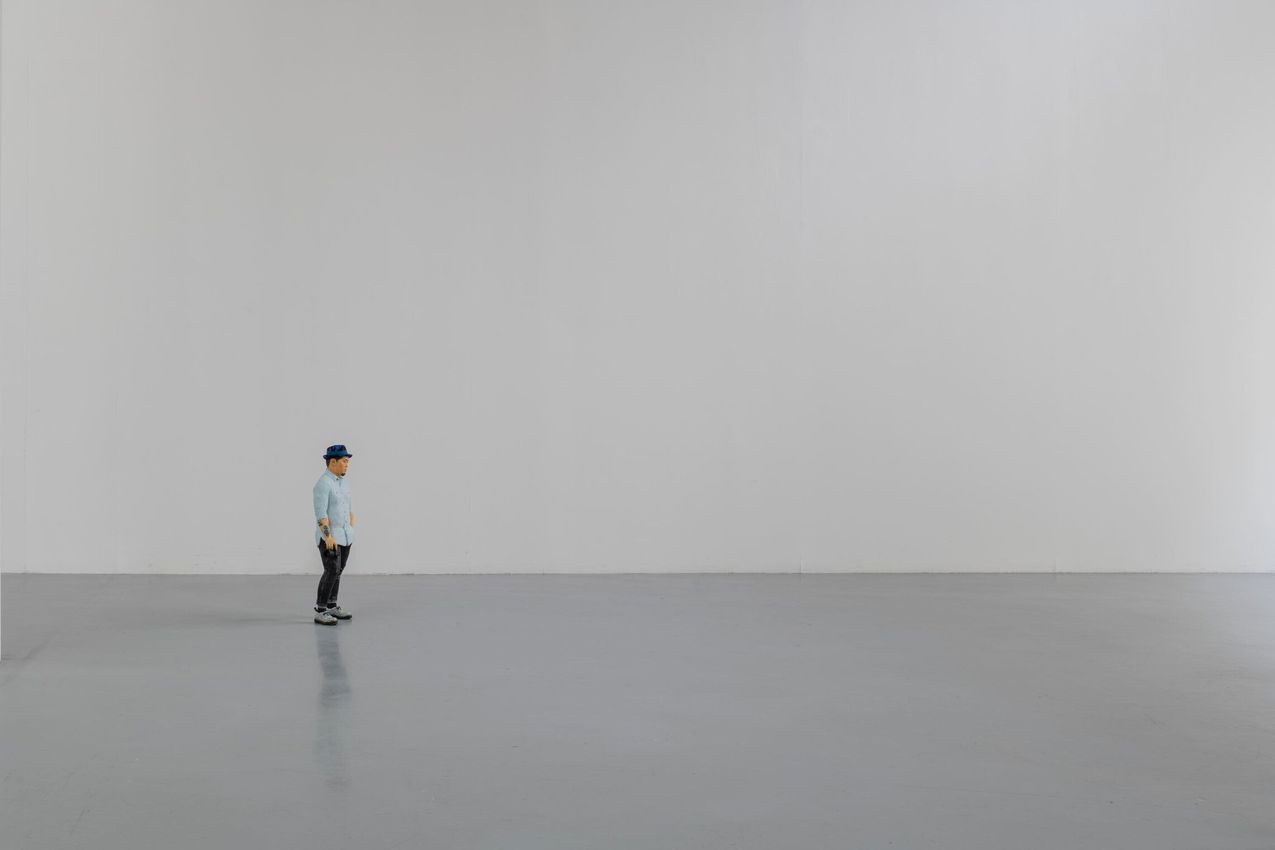
Wearing a blue hat, a piercing on his left ear, and a tattoo on his right arm, the figure—modeled after a Japanese youth—reveals an indifferent expression, his eyes fixed on a distant world. Although his stylish appearance reflects a modern young person living in Tokyo, the camera he holds in his right hand might hint at where his true passion lies. Placed directly on the floor, the artist’s work is characterized by the carving by his confident hands, substantiated through traditional craftsmanship and by the fact that they are scaled down, independently standing human figures, each approximately 60 cm in height. As Suzuki himself notes his intention to grasp the contemporary through the lens of fashion, the sculptures’ trendy appearances and exquisite details emerge through the textured roughness of the wood the moment the viewer’s gaze lingers upon their features. While there is an awareness of influences of photographers like Thomas Ruff and August Sander, Suzuki’s sculptural practice does not merely follow the realism or objectivity of photography. Instead, he seeks to reconstruct reality as a more tangible experience, anchored in corporeality, temporality, and materiality.
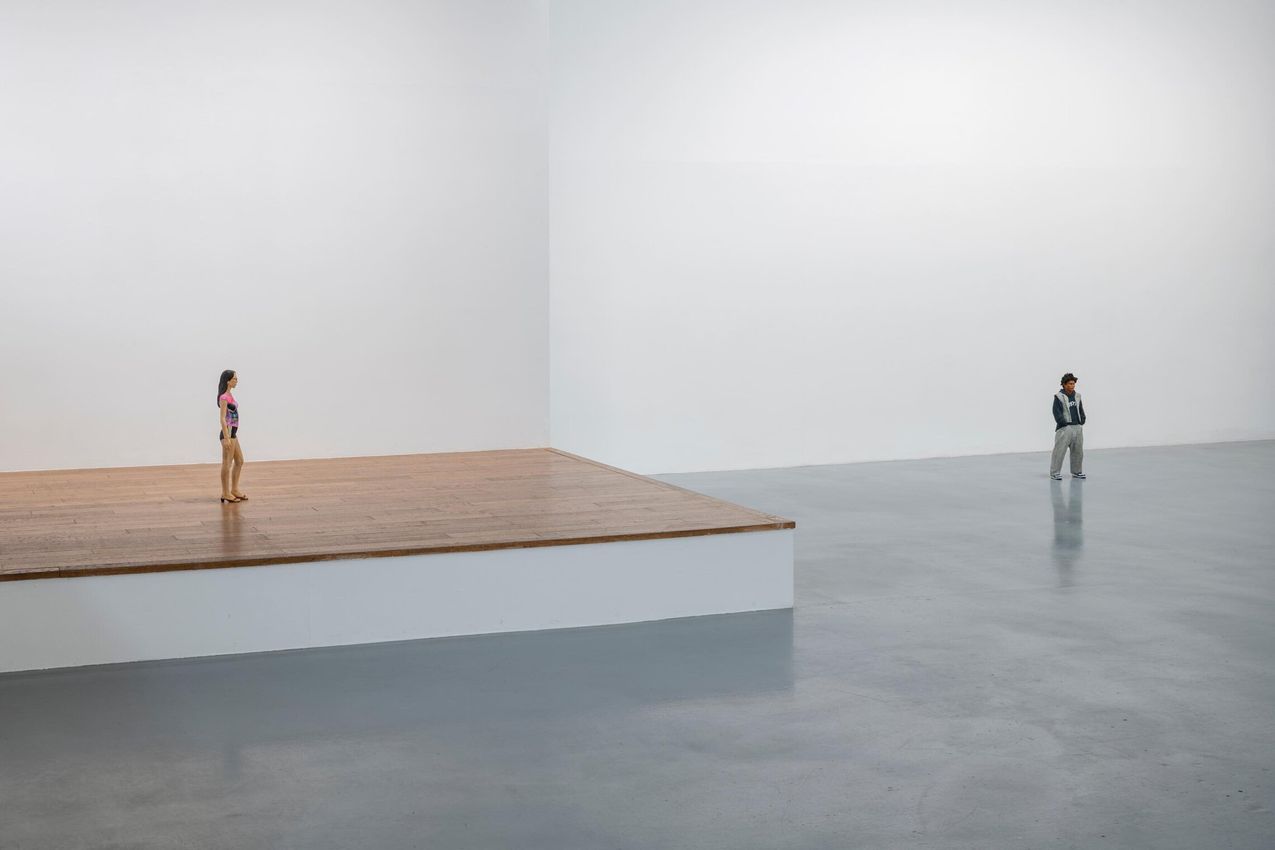
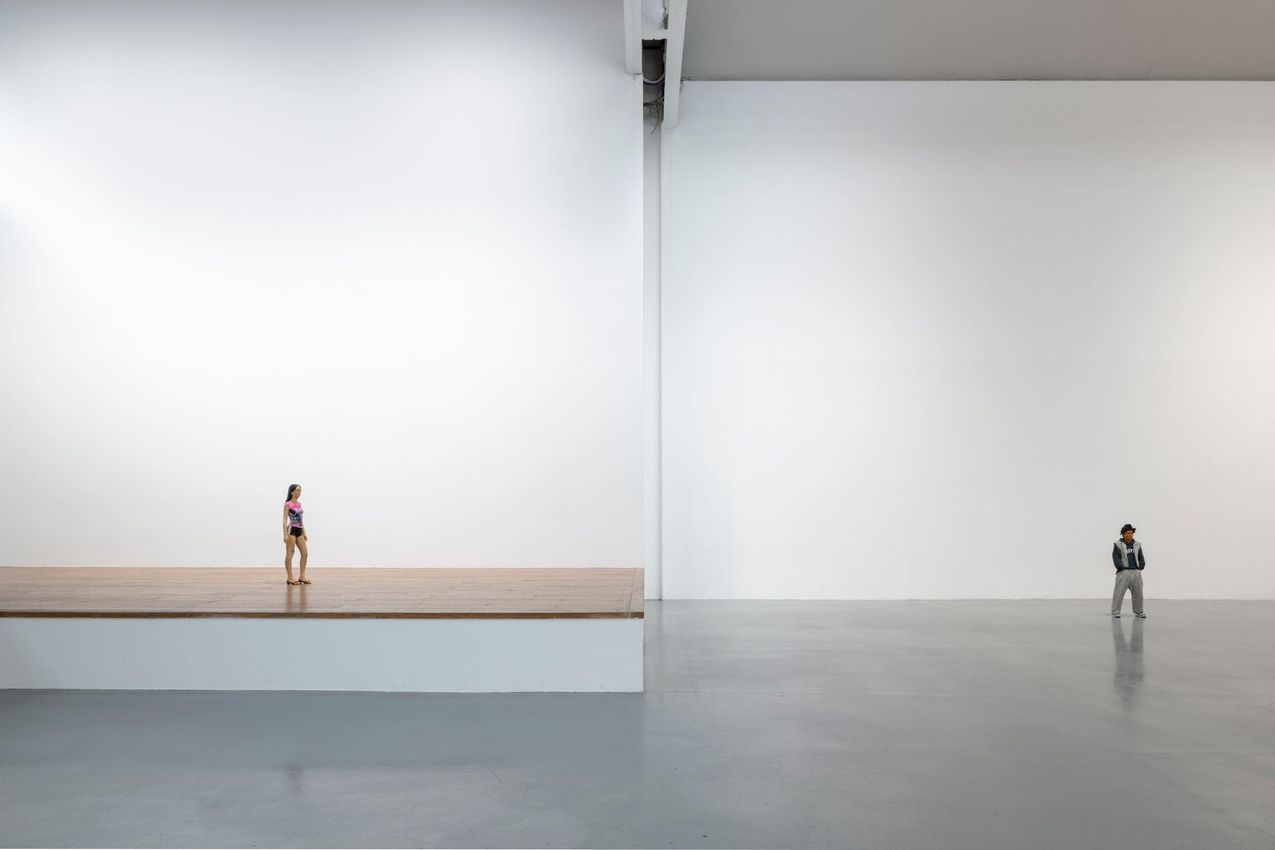
A girl from China, with an eye-catching butterfly tattoo on her knee, is currently studying at a university in Tokyo as an international student. A young man of mixed heritage stands firmly, leaving a lasting impression on viewers with his direct and provocative gaze. Another figure dressed in Lolita fashion and modeled after a girl of Korean origin, appears as if she embodies Harajuku, the symbolic heart of Japanese subculture—a hub of emerging trends. Four sculptures placed throughout the exhibition space, including portrayals of youths who have gathered in Tokyo, drawn by their admiration for Japanese culture or in search of a lost sense of democracy, evoke a vivid and immediate sense of the “now” of Tokyo. The artist also notes that placing his sculptures directly on the floor without pedestals is a way to reconfigure the relationship between sculpture and architecture, and by extension, with the viewer. Their placements, with each figure standing alone, no glances exchanged, appear to mirror the way we live in the city—immersed in it, yet isolated and detached.
With the rise of generative AI, our hyper-information society is entering a new phase. Shaped through dense layers of body, material, and time, Suzuki’s wood carving figures conjure a sophisticated critical perspective on the media-driven phantasm that heavily emphasize the informational realm. His work is bound to resonate powerfully with this modern age, in which the value of sensory materiality and physical presence is paradoxically gaining new significance. These scaled-down representations appear as if they belong to another world – residents of an alternate dimension, distinct from our own. Suzuki’s works, in their attempt to inscribe within them contemporary human life, reveal a convergence of the ephemeral codes of fashion and the temporal density of woodcarving, where a sense of “eternity” quietly surfaces.


SCAI The Bathhouse is a contemporary art gallery located in Yanaka, with a town ambience reminiscent of Old Tokyo. In walking proximity to Ueno, an area dense with museums and art schools, the gallery was converted from a venerable 200-year-old public bathhouse. Take a step inside, and you will find a white cube with soft natural light descending from the high ceiling.

A respected voice in contemporary art discourse.
Focusing on ambitious storytelling and insightful art-world commentary. Ocula Magazine publishes in-depth interviews, critical essays and timely analysis on the artists, exhibitions and ideas driving the global art world.
Learn more about Ocula Magazine
Showcasing the best of the art world.
Ocula partners with galleries from around the world to highlight their artists, artworks and exhibitions. Gallery membership is by application and invitation, with each member vetted by an independent panel.
Learn more about Ocula Membership

Specialises in the sale of major artworks.
Led by a team with deep ties to the world’s leading auction houses, galleries and collectors. Ocula’s advisory team offers bespoke services to high-net-worth clients from around the world who are looking to acquire the best of contemporary and modern art.
Learn more about our team and services