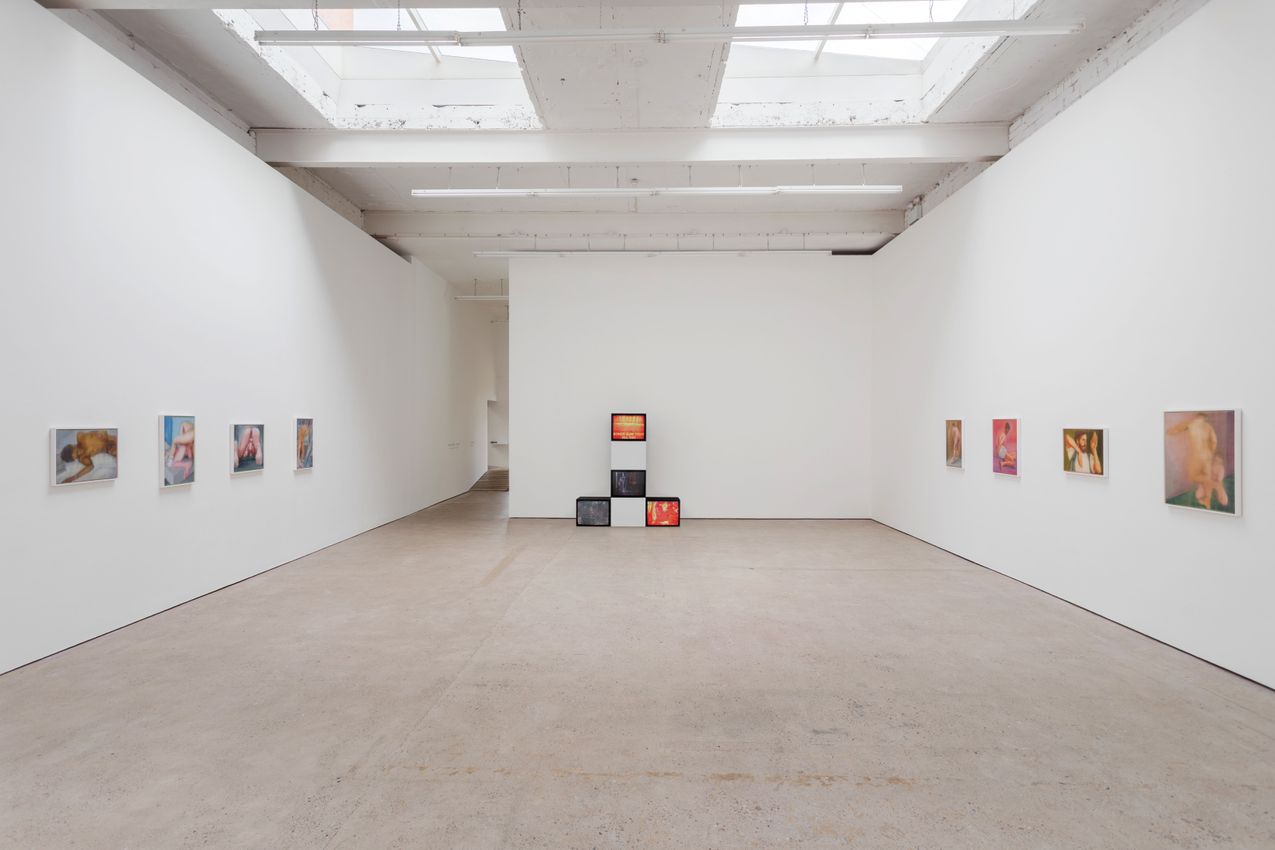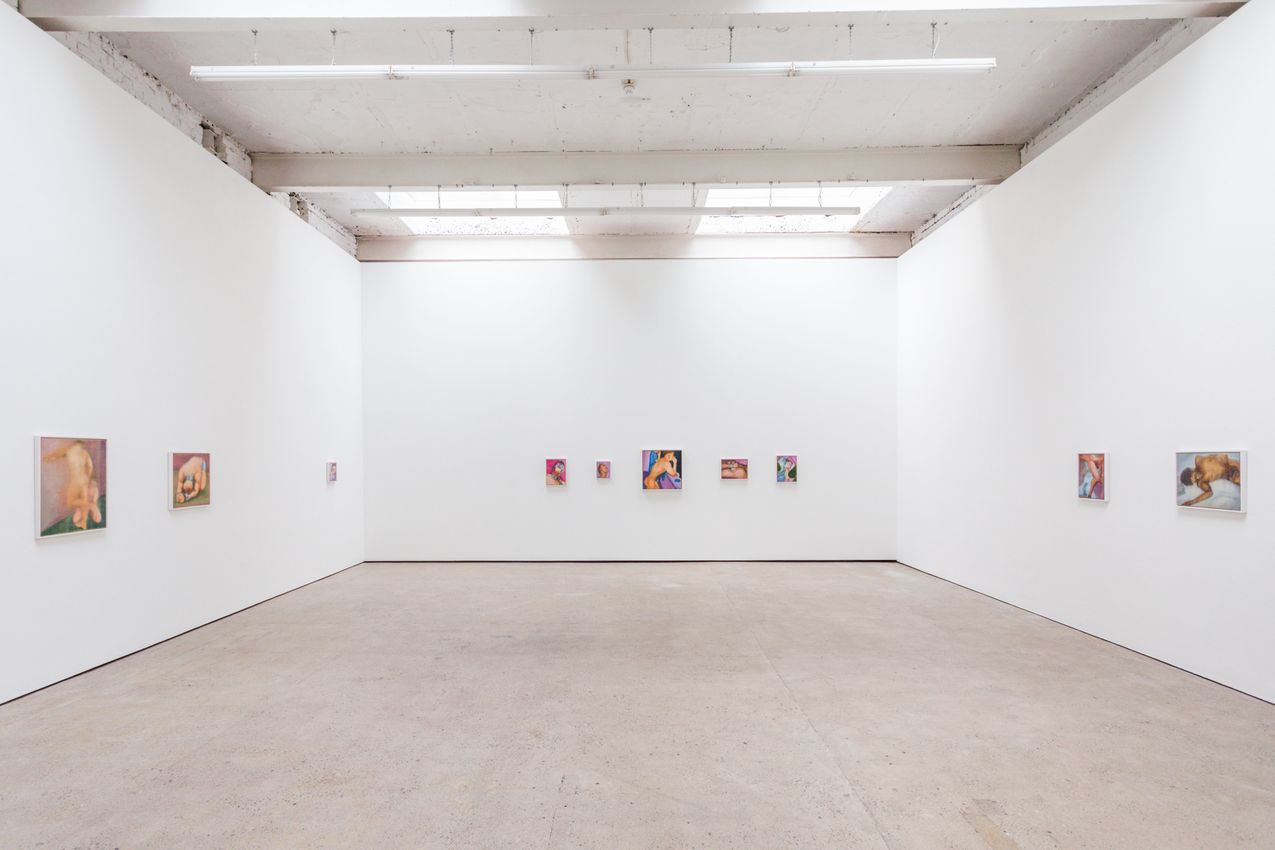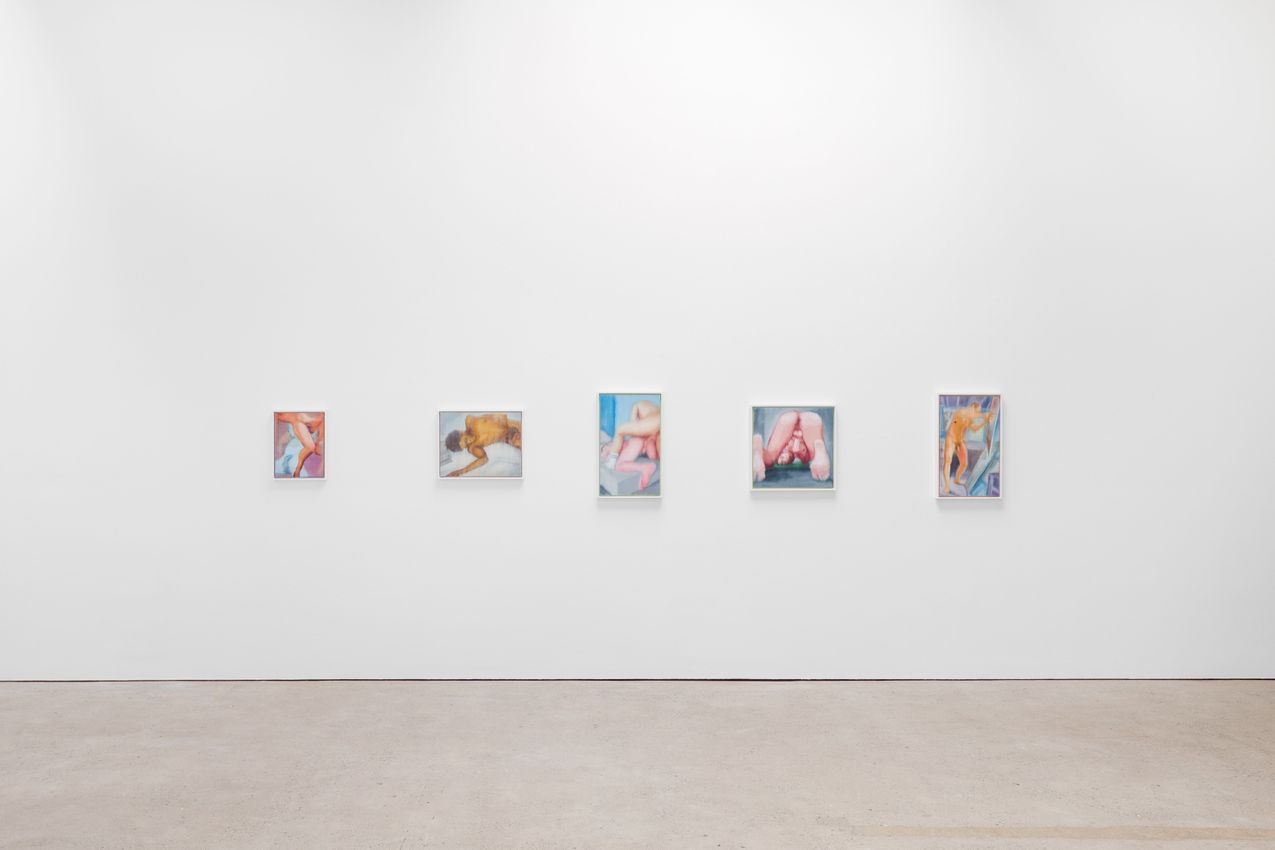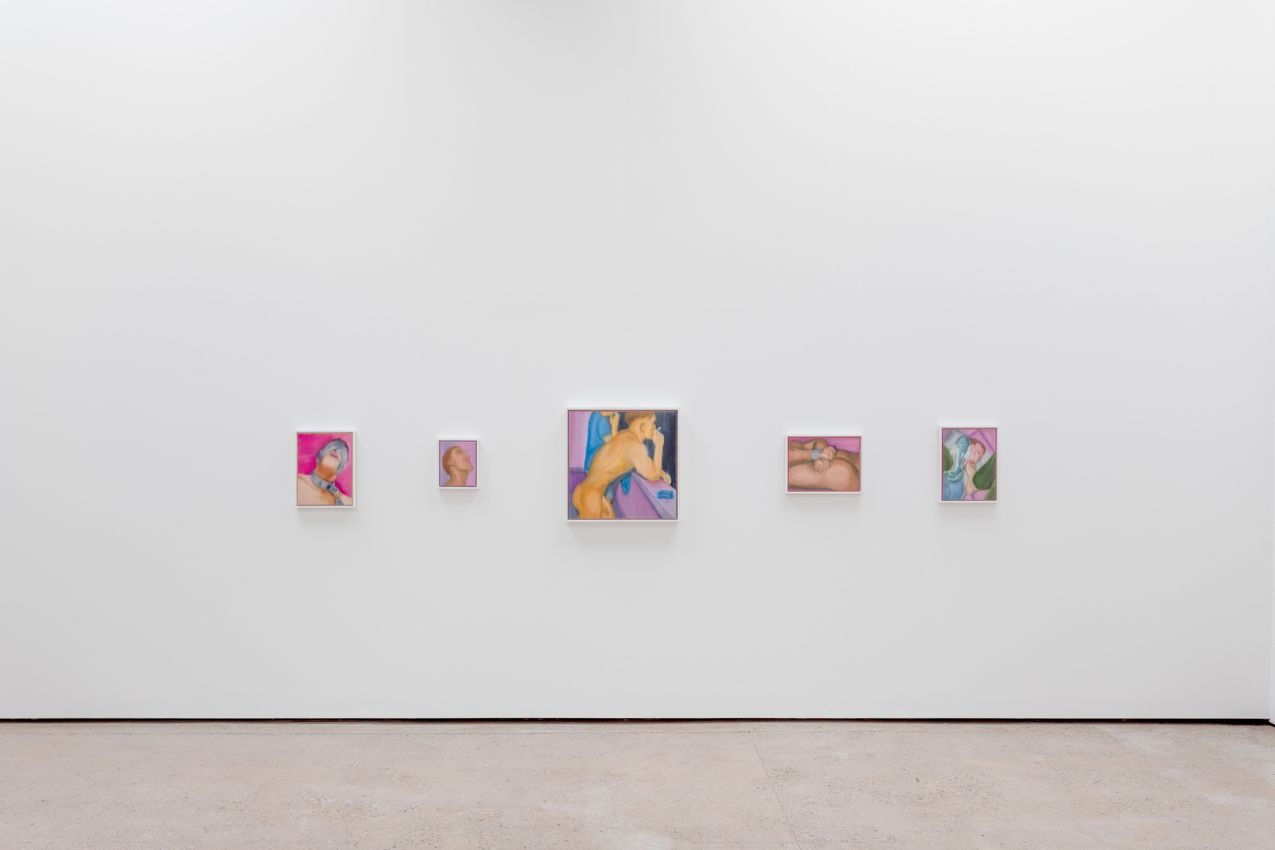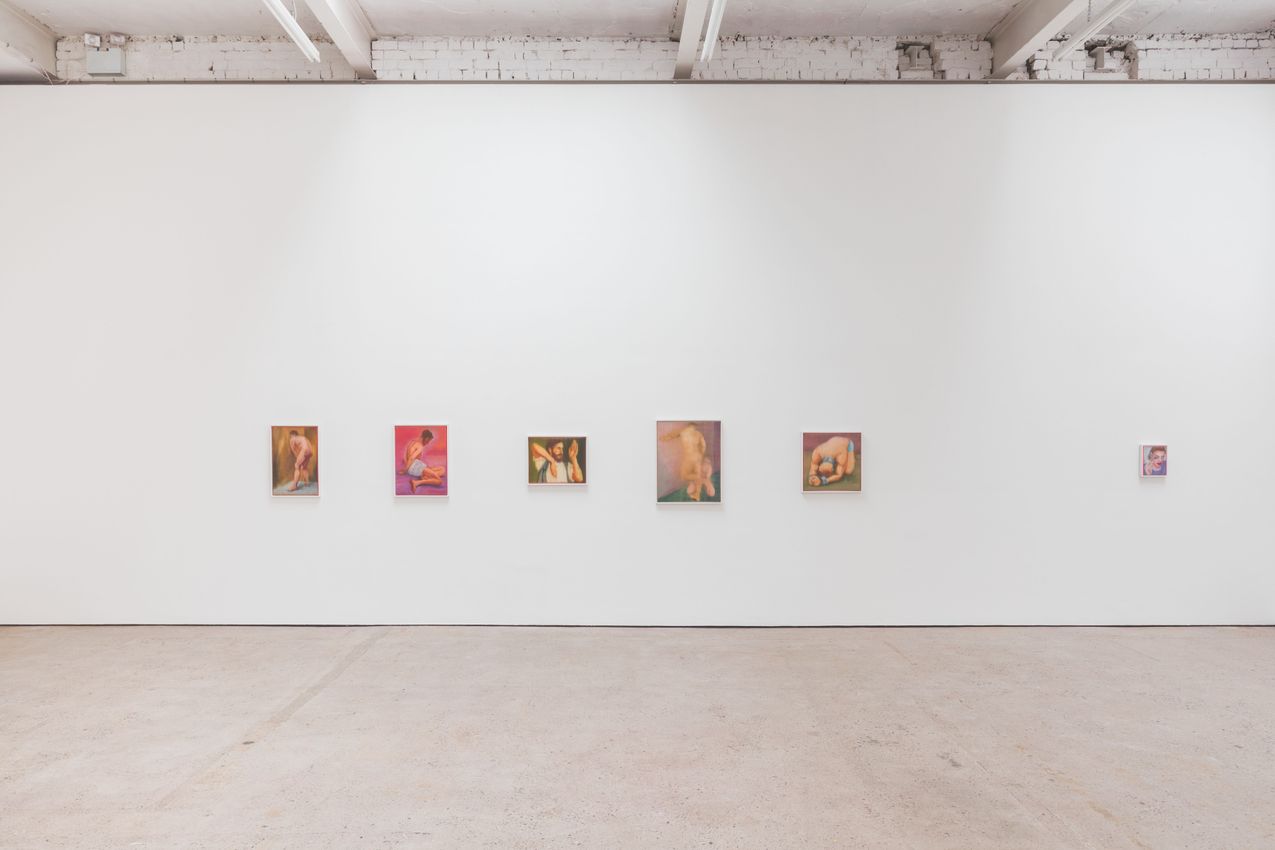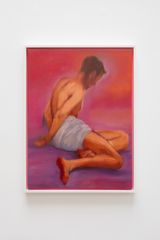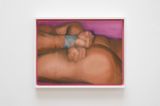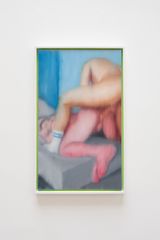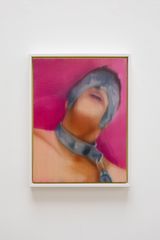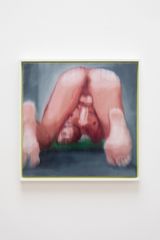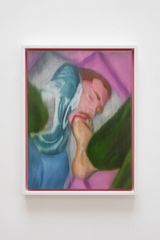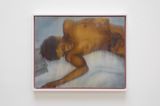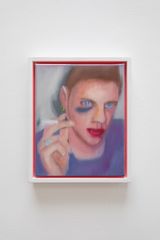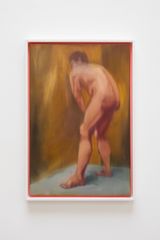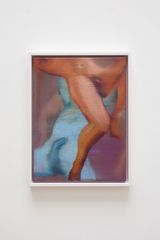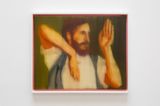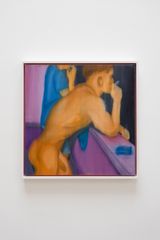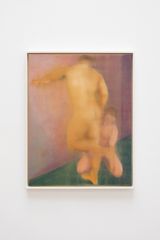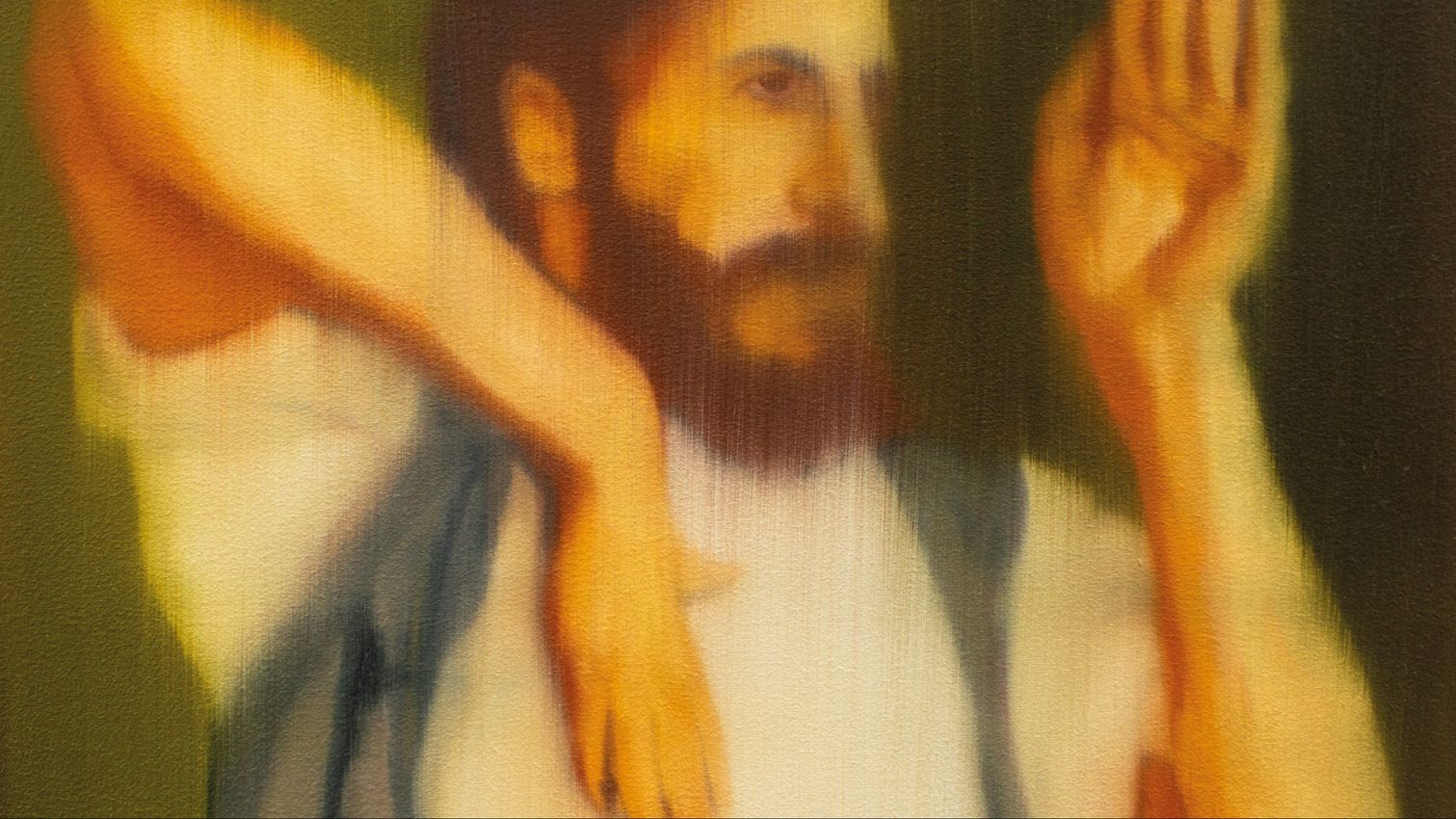
During the first Trump administration and the Covid lockdown, I was unable to pursue filmmaking, the medium I was trained to practice. I spent those years writing fiction, which had the advantages of being free and private – a field of pure invention. I eventually published three novels between 2019 and 2023. Over the course of the trilogy, the narrator becomes a painter. I followed the path of my fictional character and started painting seriously in 2022, almost immediately after the writing was finished. As a friend of mine put it, I wrote a future for myself, and it came true.
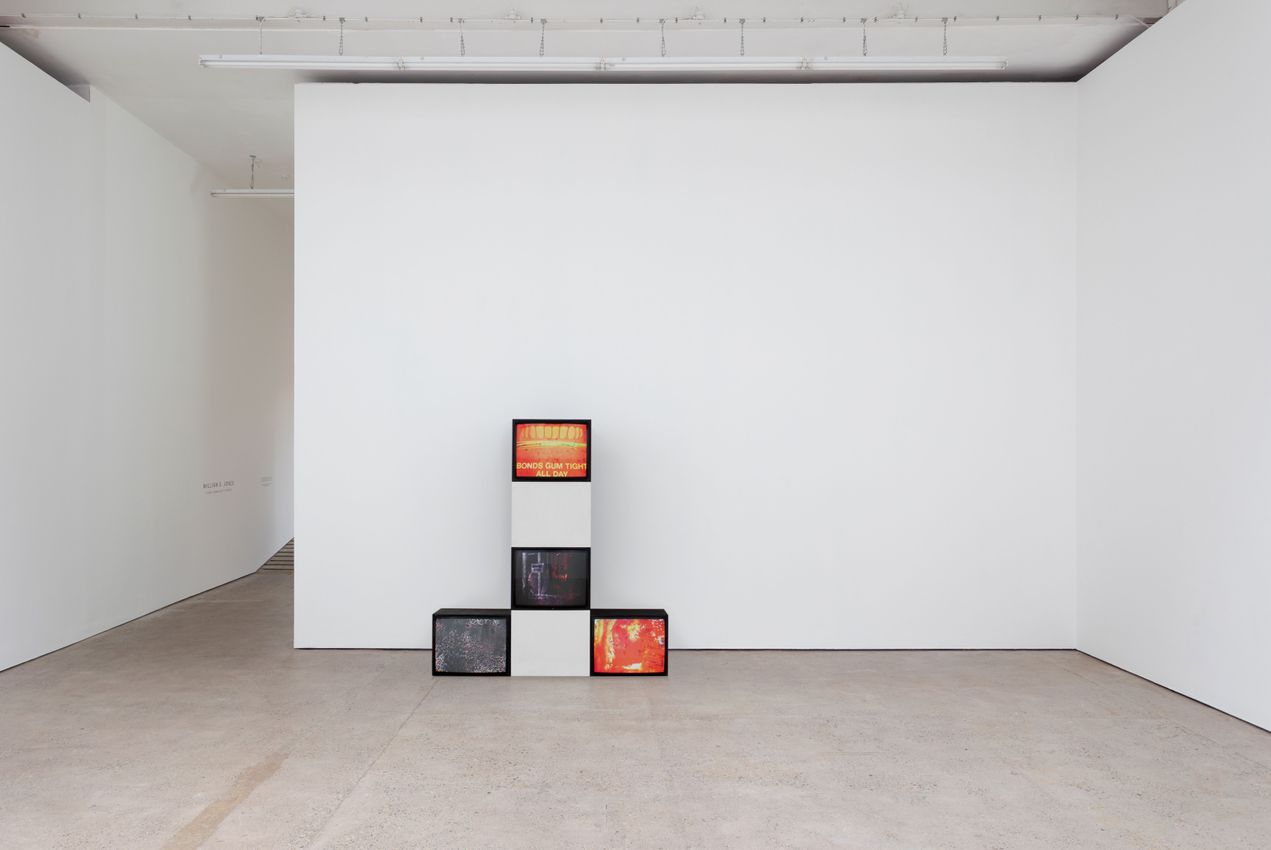
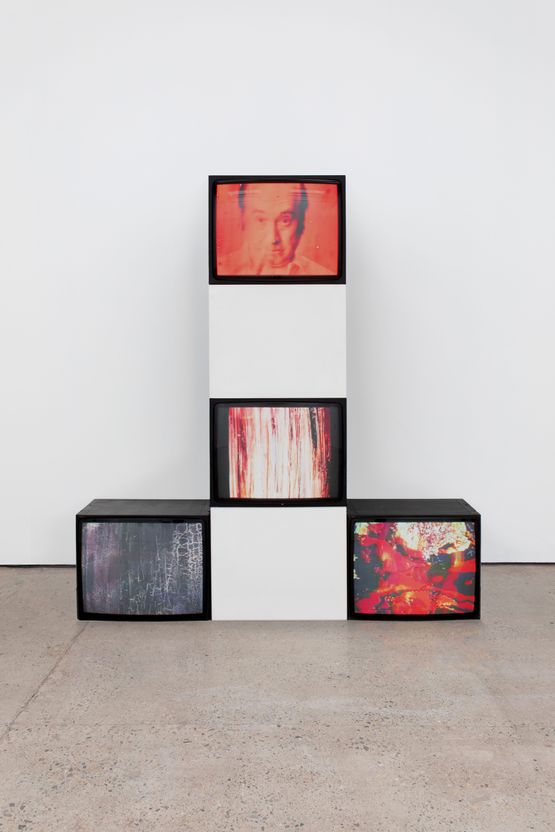
To make the No Product series (2010), I scratched and painted 16mm advertising films from the 1960s by hand, frame by frame. This defacement obliterated the objects being sold. Before the digital era, multiple film prints of commercials used to be shipped to television stations for broadcast. Consequently, a large number of copies of these films are still in existence, often in a state of considerable deterioration. At the time of their production these advertisements were seen by millions of spectators. Now they are obsolete, without commercial value, and shadows of their former selves, virtual garbage that is available to be transformed into something else.
The original inspiration for the No Product series was Traité de bave et d’éternité (Treatise of Slobber and Eternity), the only film made by Romanian/French writer Isidore Isou, completed in 1951. The film’s narration includes a manifesto of what Isou called cinéma discrepant, or discrepant cinema. The images of discrepant cinema (usually appropriated from historical sources) are ‘chiselled,’ to use Isou’s word – scratched, distressed, dirtied, splattered with ink, and altered beyond recognition. Isou argued that he did violence to images in order to renew the film medium. In a sense, the No Product films, and by extension Treatise of Slobber and Eternity, are the precursors of my current painting practice. I make use of appropriated material and distress it through blurring.
–William E. Jones


The Modern Institute was founded in Glasgow in 1997. The gallery works with 45 internationally established and emerging artists including Martin Boyce, Jim Lambie, Richard Wright, Anne Collier, Cathy Wilkes, Simon Starling, Urs Fischer, Luke Fowler and Nicolas Party.

A respected voice in contemporary art discourse.
Focusing on ambitious storytelling and insightful art-world commentary. Ocula Magazine publishes in-depth interviews, critical essays and timely analysis on the artists, exhibitions and ideas driving the global art world.
Learn more about Ocula Magazine
Showcasing the best of the art world.
Ocula partners with galleries from around the world to highlight their artists, artworks and exhibitions. Gallery membership is by application and invitation, with each member vetted by an independent panel.
Learn more about Ocula Membership

Specialises in the sale of major artworks.
Led by a team with deep ties to the world’s leading auction houses, galleries and collectors. Ocula’s advisory team offers bespoke services to high-net-worth clients from around the world who are looking to acquire the best of contemporary and modern art.
Learn more about our team and services