Press Release

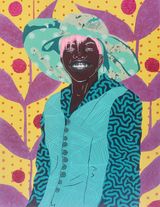
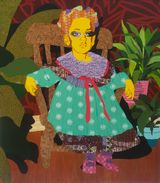
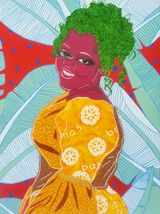
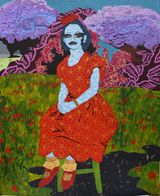
“All Black women are Queens. This is the heart of the body of work presented by Cydne Jasmin Coleby for Queen Mudda - her celebratory and unabashed first solo show in London.” - Natalie Willis, Curator.

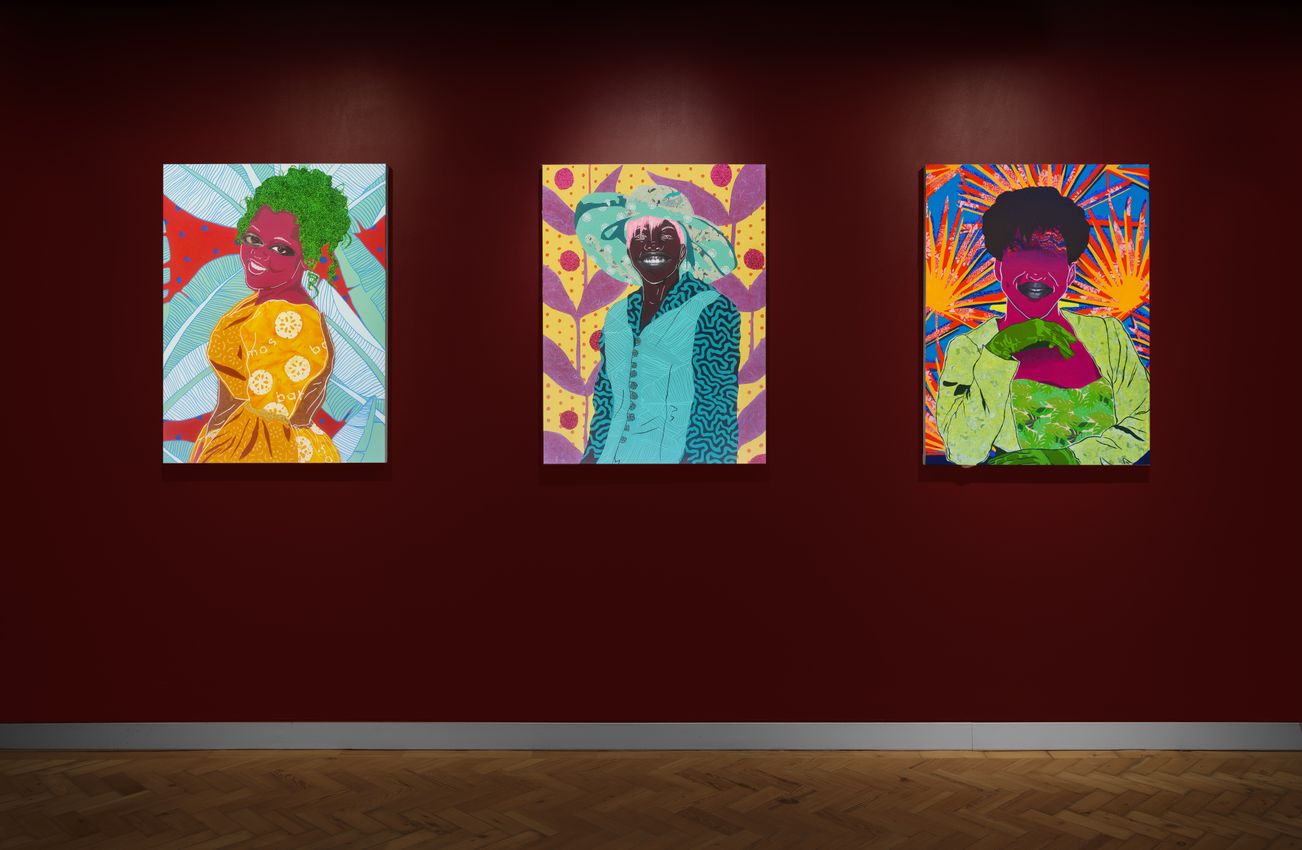
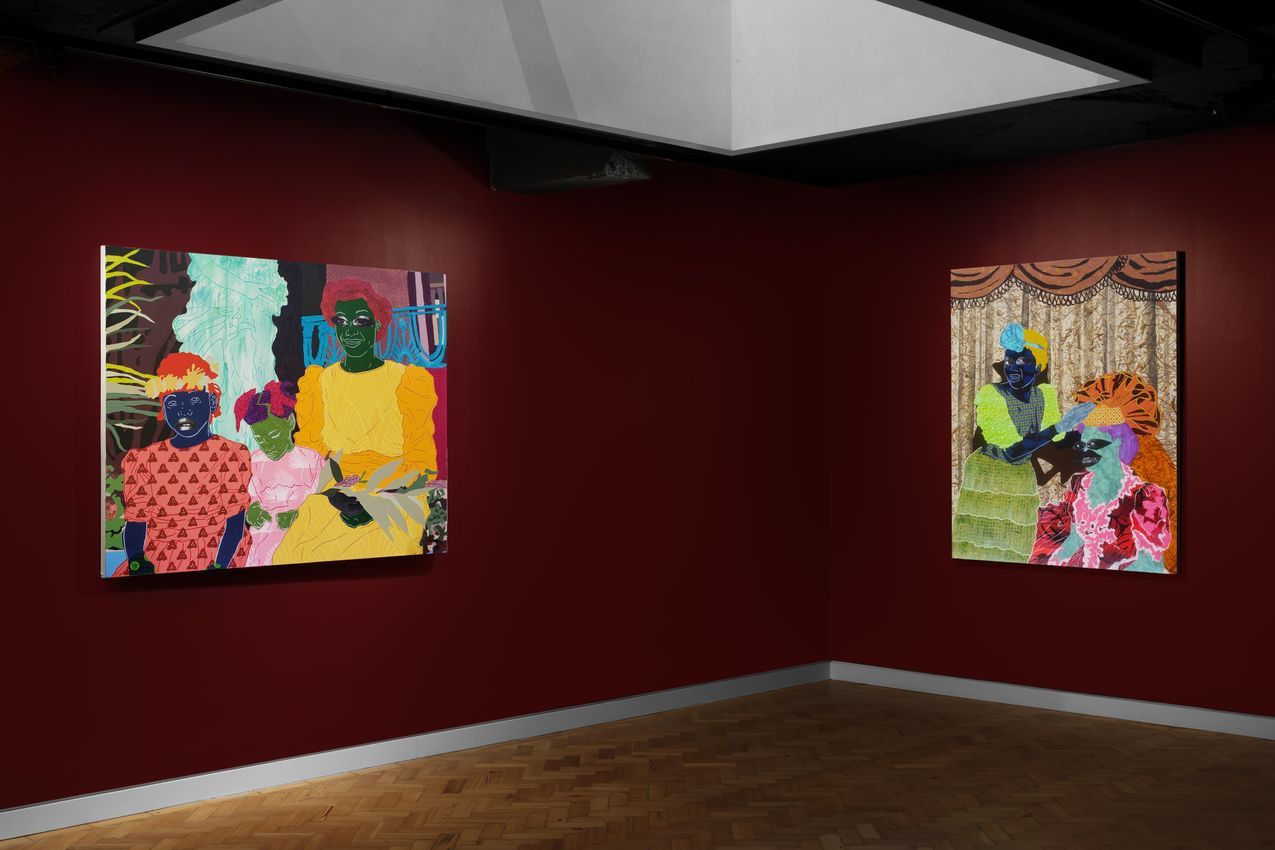
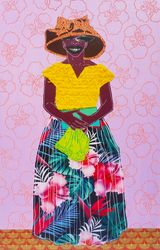
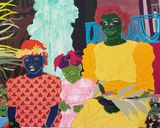
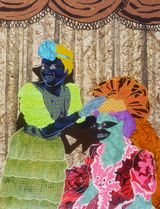
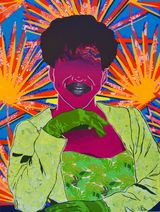
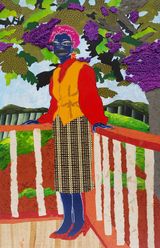
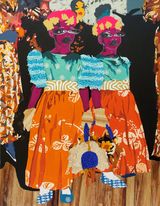
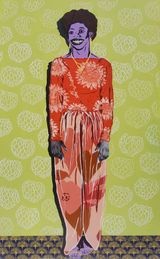
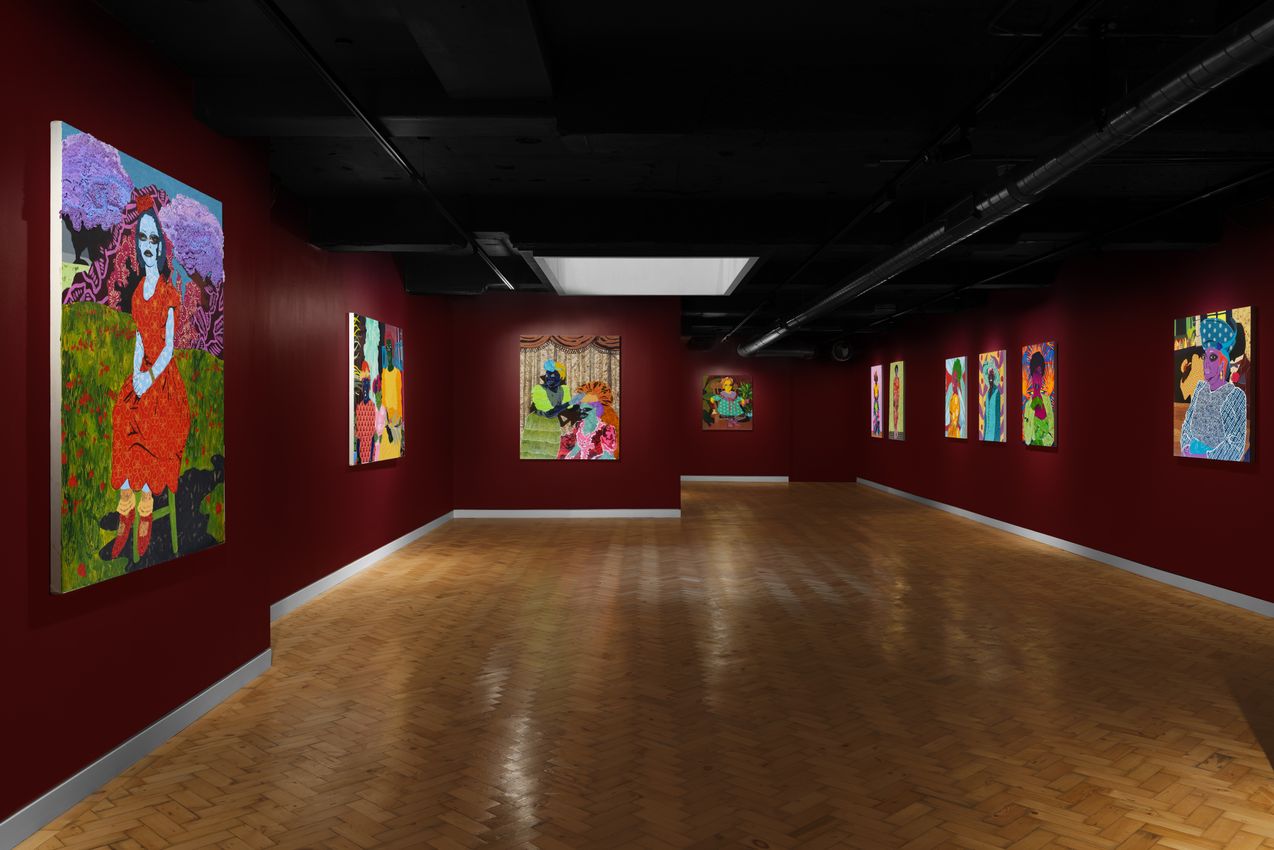
There is a severe exploitation of unseen labour in Black women the world over. In a time where we are contending with severe patriarchy, Coleby gives us a moment to consider the matriarchs of our family lines. Queen Mudda is a celebration of the women and girls in our families - those who have the broadest shoulders and are the backbones of our family lines. Using her family archives and storytelling, we are offered up a moment to consider the ways in which all mothers may be considered queens in their own right. With nods to Rococo, but also to the hyper-embellishment of the Caribbean and African diaspora, we are at once given the frills and ruffles of the Baroque period, alongside the vibrating patterns of African wax print fabric, Junkanoo, and Carnival. Performance is the undercurrent of this work: the performance of womanhood, of respectability, of being. In a world where being is appearing, Coleby offers the matriarchs of her family line the opportunity to appear as elevated as the care they give.

Coleby’s practice, first rooted in self portraiture and now extended into depictions of those in her bloodline, has consistently built traction on the idea of self-celebration, ownership, and self love via a re-imaging and reimagining of the self. As a Black Caribbean woman, that re-presentation of her image (and of her feminine family members) holds significant weight. It serves as a radical act in many respects, given the marginalisation of Black women and simultaneous demonising, oppression, and fetishisation of Black womanhood throughout colonial histories. Most notably in Coleby’s oeuvre is the lack of deference to the tourist ideal of The Bahamas, an eschewing of what Dr Krista Thompson describes as “the picturesque” in her seminal text “An Eye For The Tropics”. Though there is a diasporic sense of familiarity in the images (for many of us from the Black Atlantic at the very least), Coleby is not serving up tropes, far from it. Much of the world is accustomed to thinking of and viewing people of The Bahamas, and the Caribbean at large, as beings in servitude - whether it is our colonial traumas around slavery and plantations, or their more contemporary legacies as service in hotels and resorts. “Queen Mudda” is an avowed departure from this, and in moving from ideas of service to the tourist public, she highlights the invisible labour of Black women in the domestic and family spaces.

Moreover, she is doing so with such joyousness at a moment when the media is rife with Black pain and trauma. “Queen Mudda”, from the playfulness of its title to the vibrating patterning, texture, and color of her work, is a balm and offers some tentative attempts to balance the current conversations on Blackness. There is deep seated pain and there is trauma, but so too is there opportunity to celebrate and “love on” those who are the most vulnerable both within and without our communities: Black Women.

The way that global narratives around Blackness and around Caribbeanness are shaped feel almost genetically rooted in the colonial gaze. How history is written the world over is problematic at best, but there is a profound difficulty in the Caribbean region around opportunistic and amnesiatic historytelling that leaves the contemporary descendents of formerly, forcibly displaced Africans in even more uncertainty and precariousness in relation to the formation of identity at both personal and national levels.

Coleby seeks not to restore Black women to their inherent glory, she is rebuilding it entirely from the ground up. With collage elements of her own face inserted into those of the women who came before her and after her, she reflects not only on ideas of ancestry and matrilineage, but also of her future survival by blood in these women who have cared for her and whom she has also cared for in return.

Natalie Willis, Curator of Queen Mudda

Read More

Installation Views

Selected Works

Loading...
About the Artist

Cydne Jasmin Coleby is the creator of captivating digital and mixed media collages. Flitting between a spare, monochrome palette and something altogether more vibrant, Coleby’s highly self-reflective work examines our emotional capacities.

View Artist Profile

Also Exhibiting at Unit

About the Gallery

Unit seeks to preserve the artist’s essential role as the flag-bearer of creativity in our future.

View Gallery Profile
Address
3 Hanover Square
London
United Kingdom
Opening Hours
Tuesday – Thursday
10am – 7pm
Friday
10am – 5pm
Saturday
10am – 6pm
(1)
London 3 Hanover Square
Unit
3 Hanover Square, London, United Kingdom
+44 (0) 20 7494 2035
http://www.unitlondon.com

Opening hours
Tuesday – Thursday
10am – 7pm
Friday
10am – 5pm
Saturday
10am – 6pm
The art world in focus