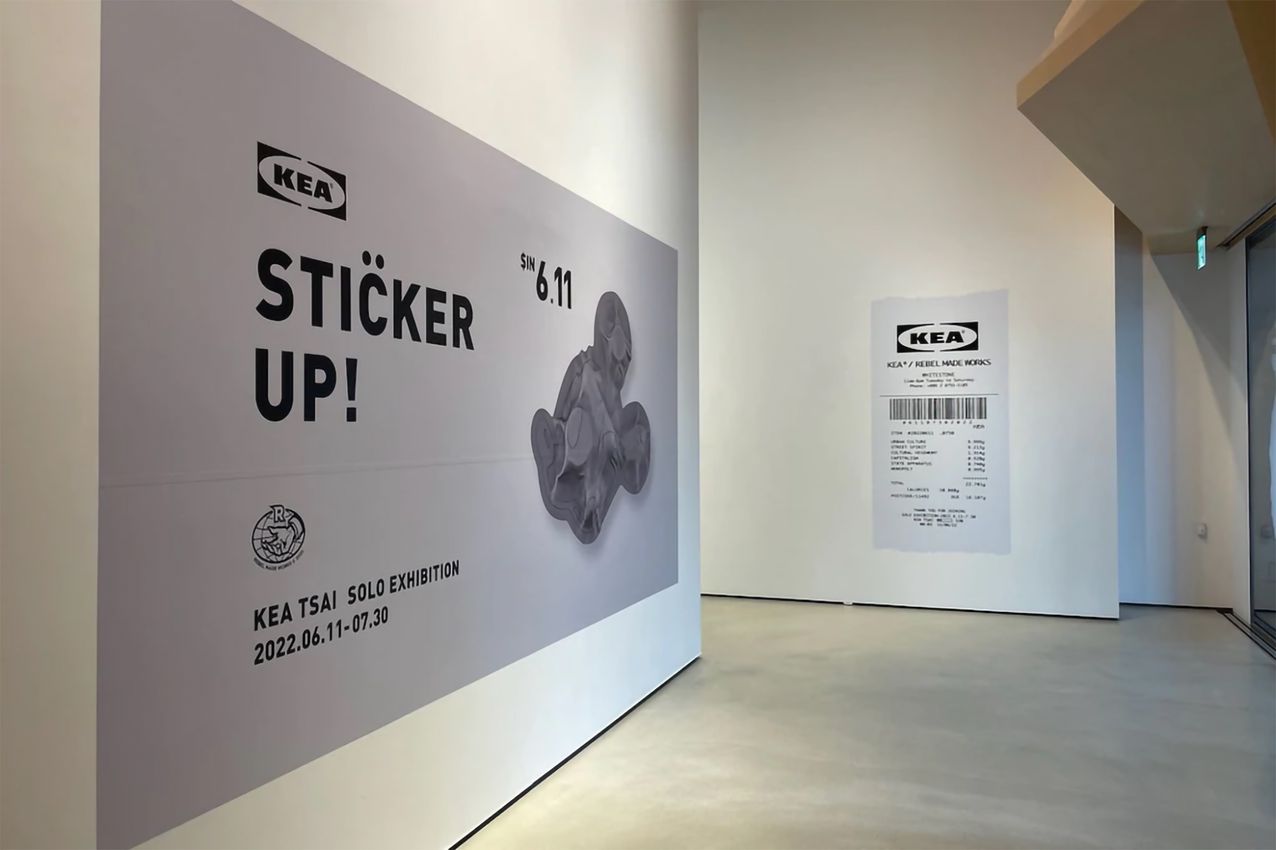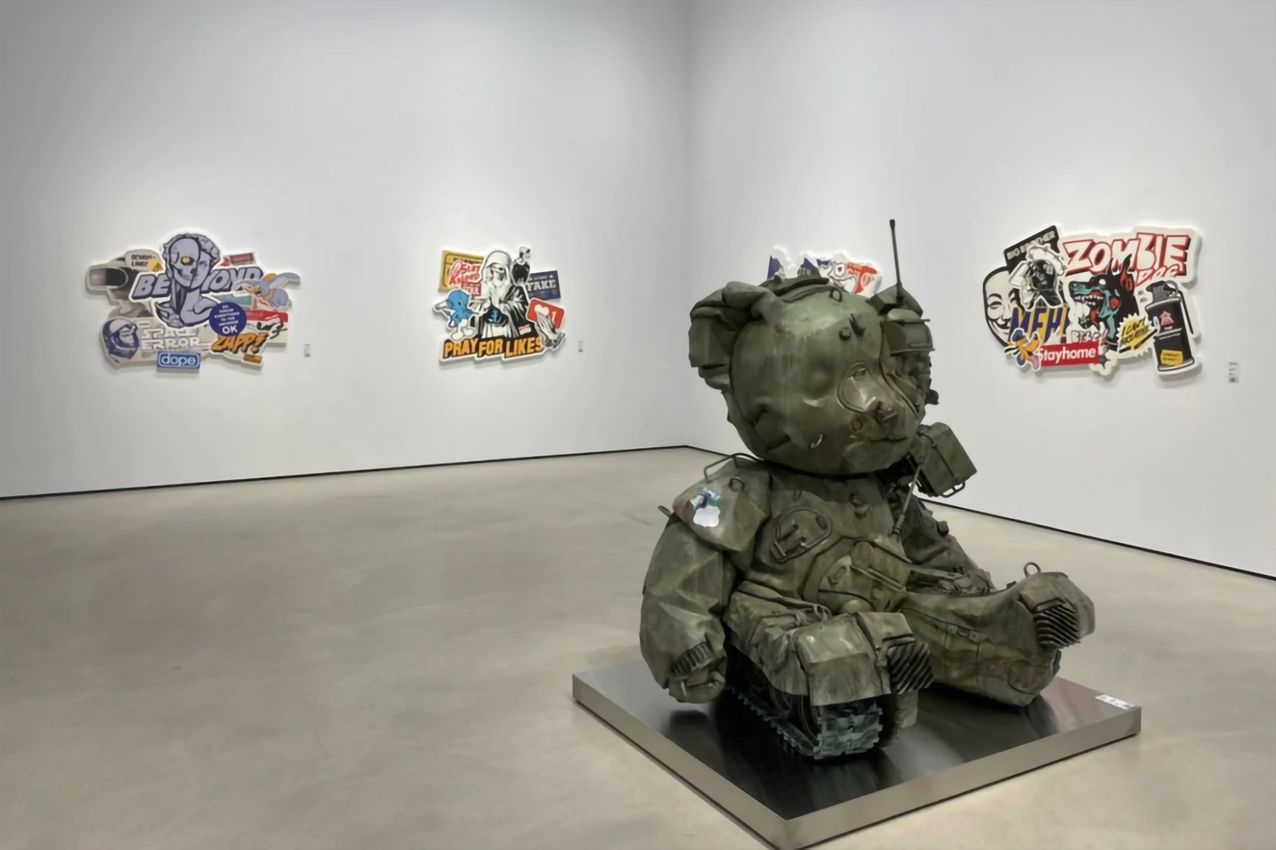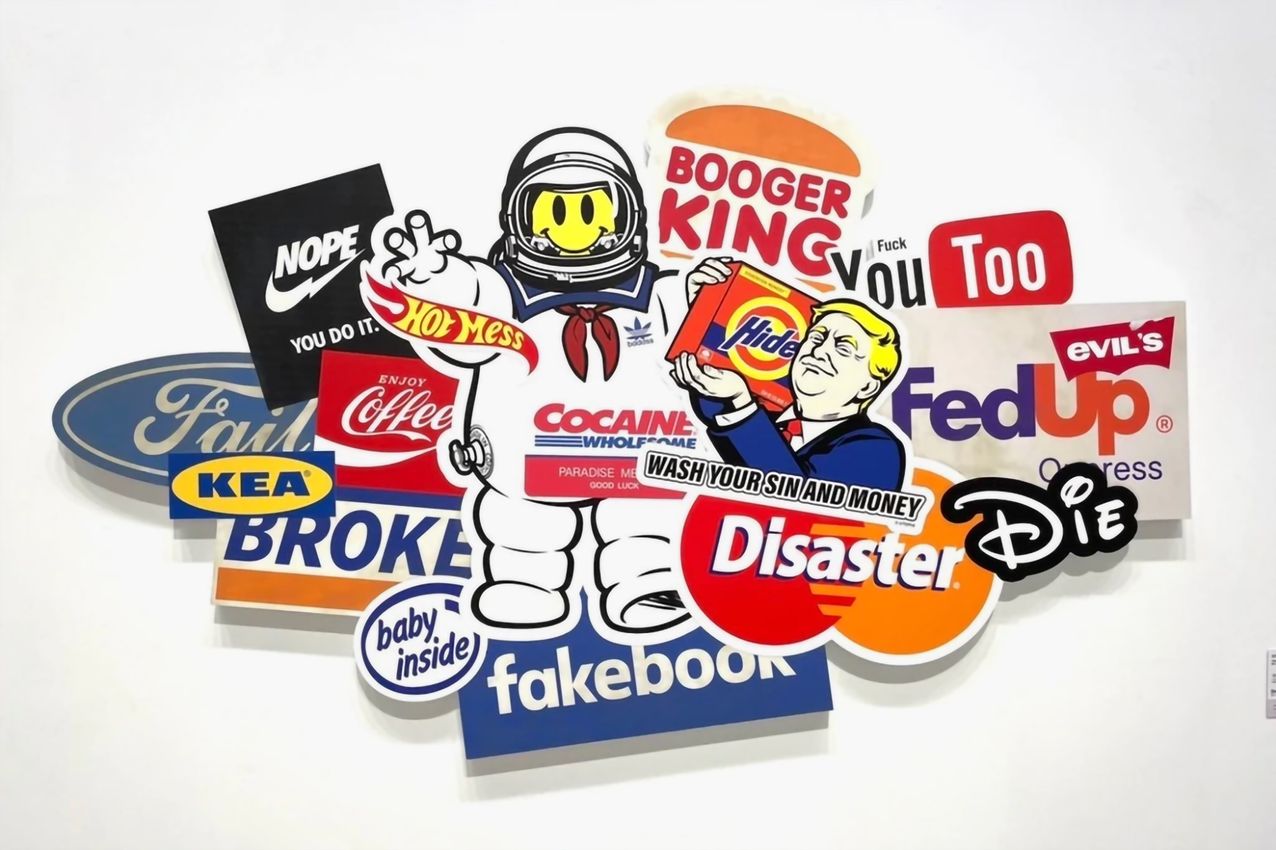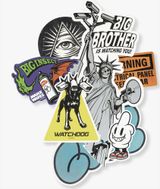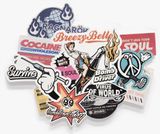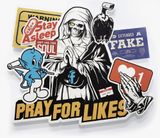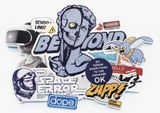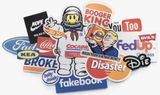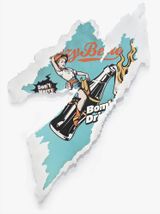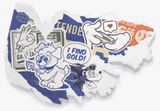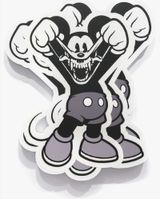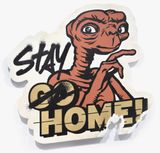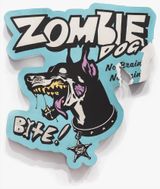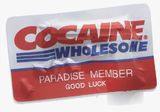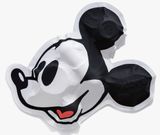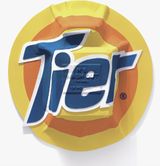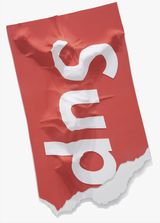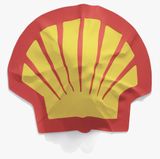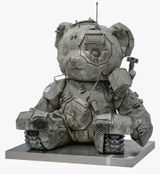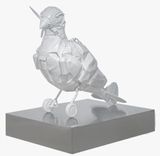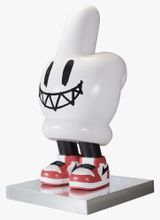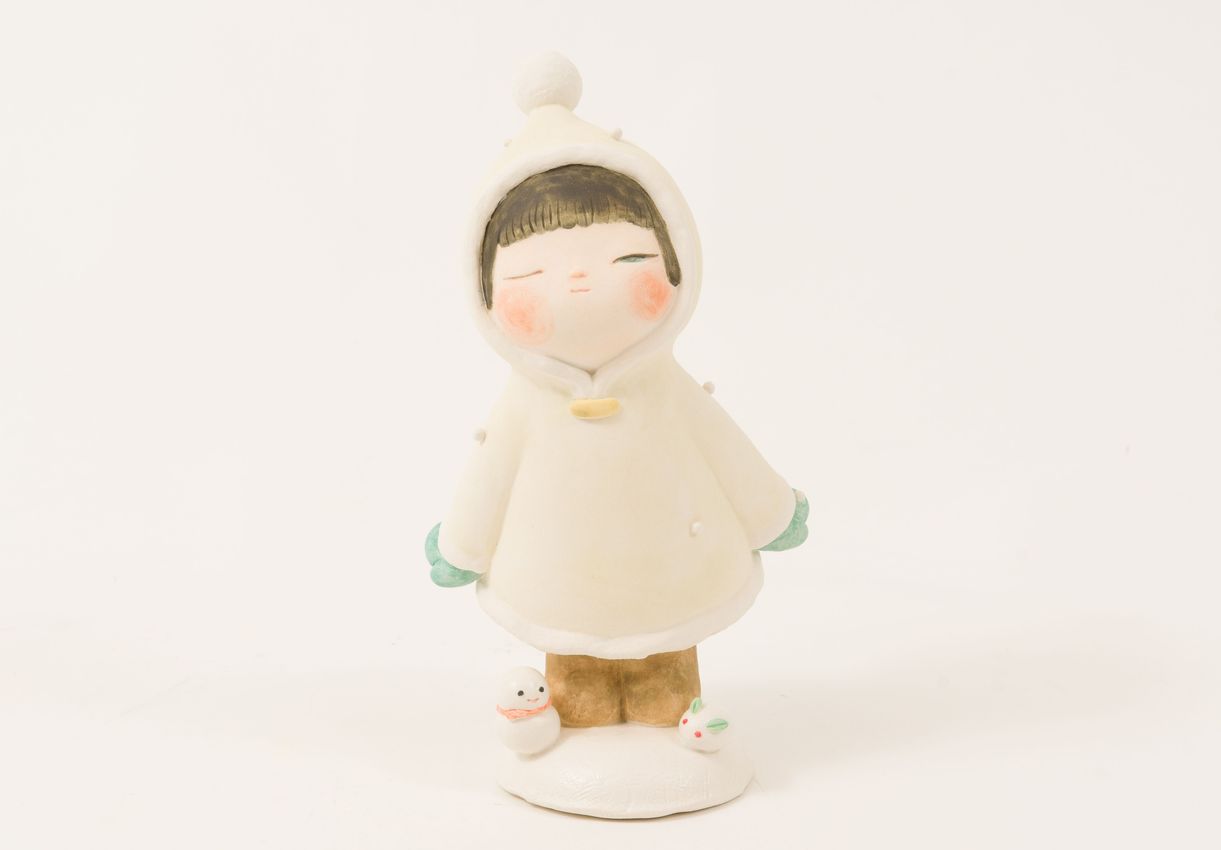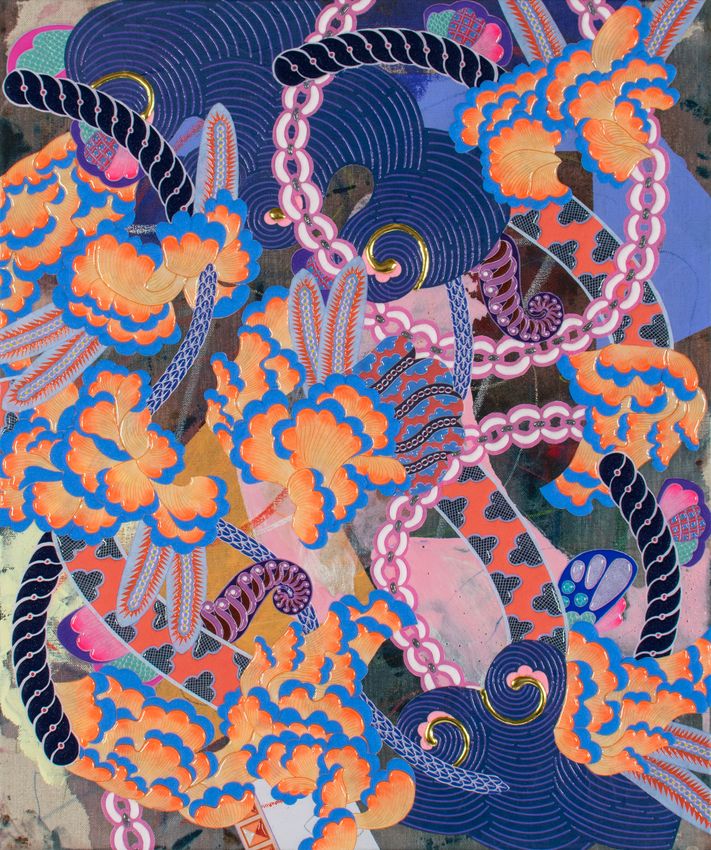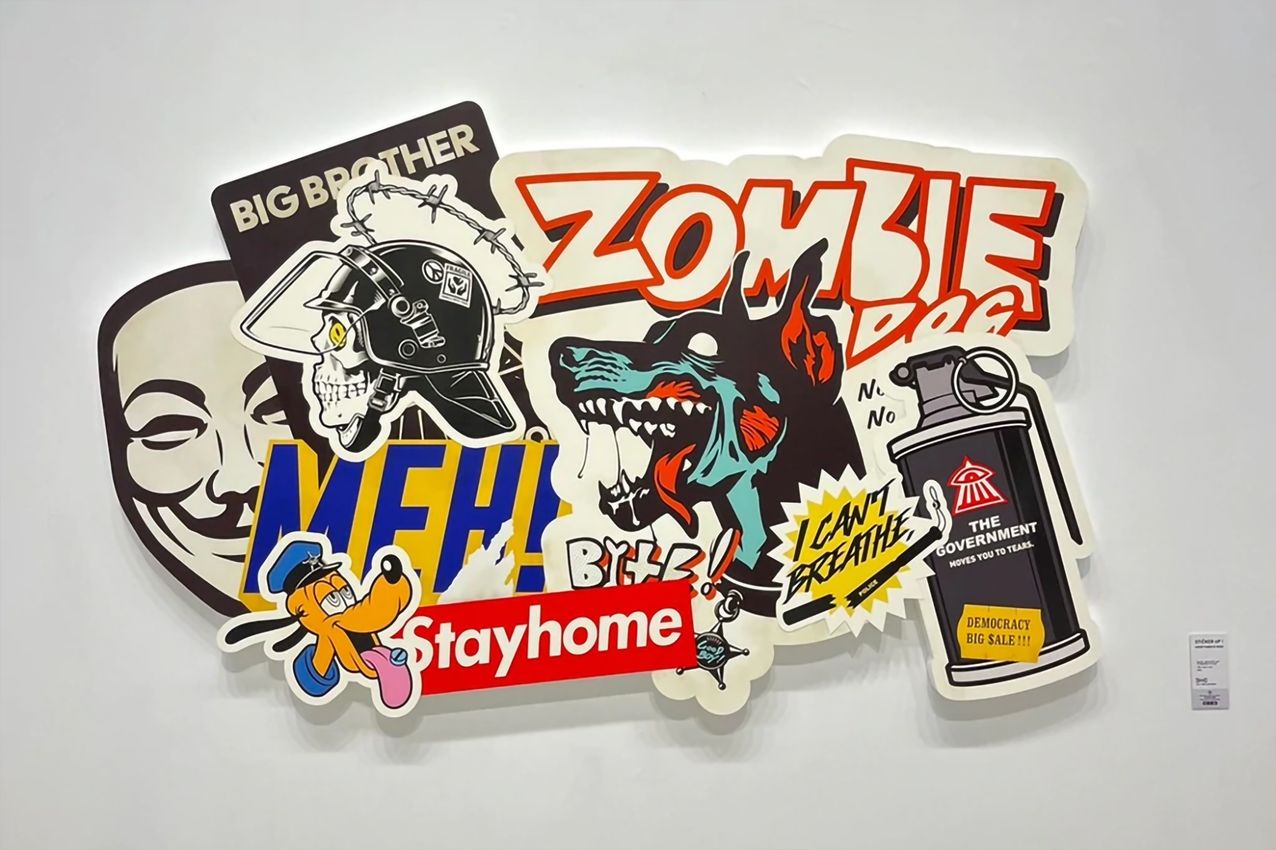
In his solo exhibition STICKER UP!, Taiwanese artist KEA TSAI uses ‘stickers’ from street culture as the main theme of the exhibition. By appropriating a variety of classics and famous images, he delves into the contemporary social phenomena that embrace capitalism, and the association between the individual, power relations, and ideology.
KEA reflects his artist career— in 2002, he started his creating on the street—, and at the very beginning, he left stickers everywhere in the city. This is the starting point and the theme throughout the entire exhibition. By flipping, appropriation, and parody, he integrates what he sees in the streets and daily life. The visual forms present his own views and sense of humour. He re-creates and reorganises different images into brand new artworks, where he expresses intention, and then achieves different contexts with jokes, wit, satire, and criticism.
In this exhibition, the artist further presents the society that has evolved from a war between individual thinking to a confrontation of collective consciousness, which in turn causes turmoil of globalisation, and even leads to actual war. The tension of power relations eventually forms a new individual consciousness. Under these sugar coatings created by capitalism—popular name brands, memes, and social media, et cetera—are the disguises of social problems, such as the cult of personality, the proliferation of guns and drugs, government surveillance, and the continuous expansion of cultural hegemony. These make people feel nervous and anxious about the ‘truth’.
In recent years, social movements and security crises around the world have been mostly caused by invisible powers. Some people choose to embrace the sugar coatings, while some continue to explore the whole picture underneath. Through the appropriation technique that KEA has always been good at, he captures some elements of ready-made objects to re-compose them, giving them completely different meanings from the original. He uses stickers as a metaphor for another kind of ‘packaging’, in a dark humorous way, pointing out the cruel reality in contemporary fairy tales.


Established in 1967, Whitestone Gallery is a leading Japanese gallery presenting a broad spectrum of Japanese art from the post-war to contemporary in spaces across East Asia.

A respected voice in contemporary art discourse.
Focusing on ambitious storytelling and insightful art-world commentary. Ocula Magazine publishes in-depth interviews, critical essays and timely analysis on the artists, exhibitions and ideas driving the global art world.
Learn more about Ocula Magazine
Showcasing the best of the art world.
Ocula partners with galleries from around the world to highlight their artists, artworks and exhibitions. Gallery membership is by application and invitation, with each member vetted by an independent panel.
Learn more about Ocula Membership

Specialises in the sale of major artworks.
Led by a team with deep ties to the world’s leading auction houses, galleries and collectors. Ocula’s advisory team offers bespoke services to high-net-worth clients from around the world who are looking to acquire the best of contemporary and modern art.
Learn more about our team and services