





HIROSHI NAGAI
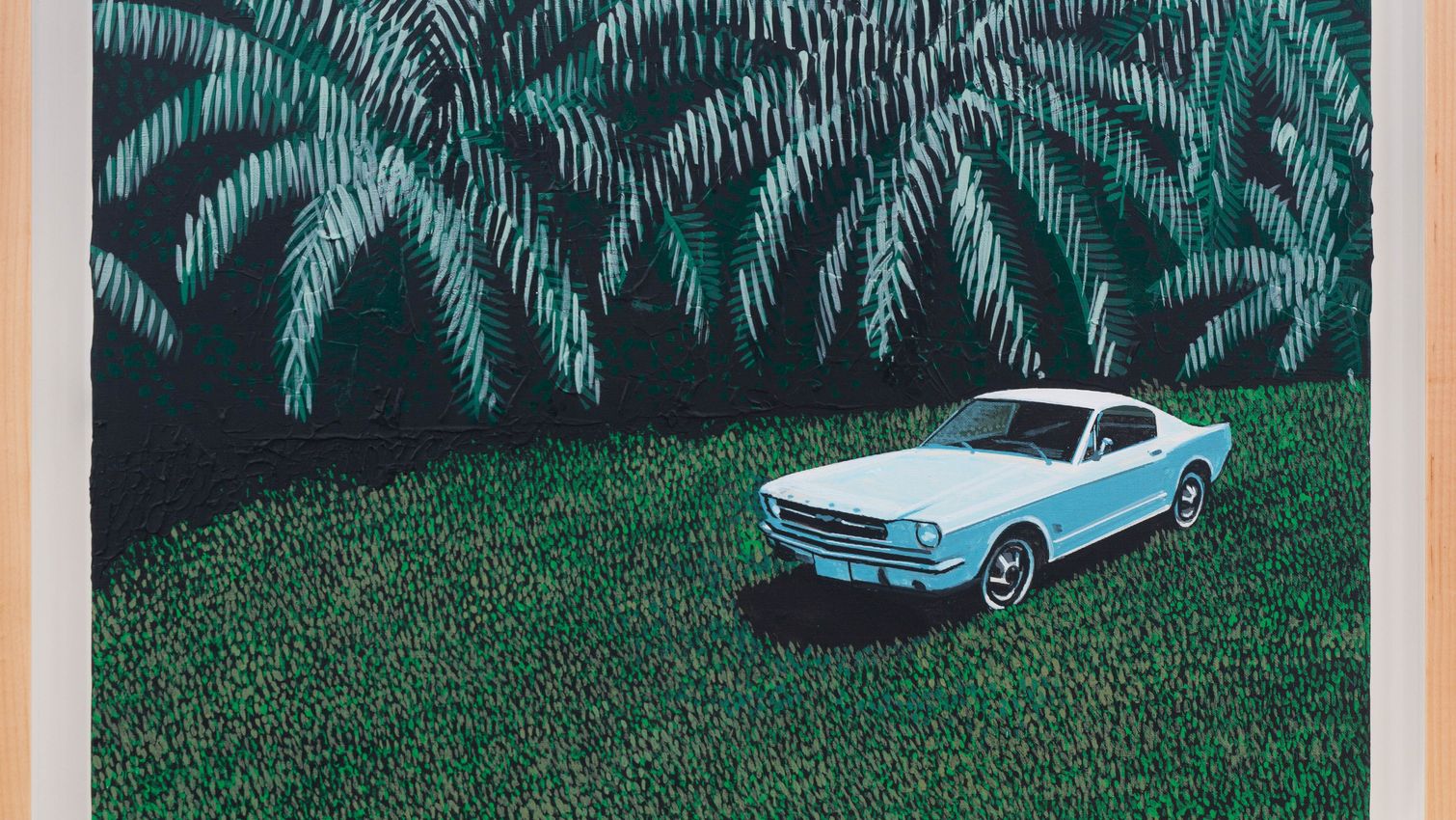
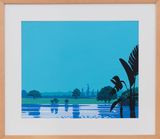
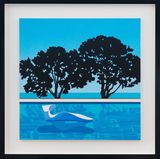
b. 1947, JapanHiroshi Nagai (born 1947, Japan) is a self-taught illustrator and graphic designer whose vibrant paintings—executed with cinematic precision and bathed in perfectly balanced, sun-drenched colours—evoke a timeless feeling of eternal summer. Characterised by retro-futurism and a deliberate absence of people, his serene, dreamlike scenes have become timeless icons of Japanese pop culture and collective visual memory, while defining the visual aesthetic of the City Pop movement in the 1980s.
After visiting the United States and Guam between 1973 and 1975, he was deeply impressed by the scenery, which became the starting point of his subsequent style. Heavily inspired by American pop art and the styles of British pop artists such as David Hockney, Nagai focused on imagined visions of a 1950s–1960s Americana landscape. Incorporating deep blue skies, relaxed oceanside settings, and sleepy nighttime cityscapes, he developed a distinctive oeuvre that blended surrealism with Americana pop-style painting—a key visual inspiration for the Japanese City Pop movement of the late 1970s and 1980s.
His work began to gain traction in Japan around the turn of the decade, coinciding fortuitously with the rise of City Pop. The genre, rooted in Southern California sounds of the 1960s, symbolised the postwar economic boom in the USA and translated naturally to Japan’s thriving bubble-era economy of the 1980s. Nagai played a pivotal role in elevating City Pop to iconic cultural status through his tropical, serene, and uninhabited landscapes. Most notably, he created the artwork for Eiichi Ohtaki’s seminal album A Long Vacation, released in 1981.
In the early 2020s, Nagai’s work experienced a global resurgence, fuelled by the YouTube era and renewed interest in tropical modern aesthetics that draw heavily on nostalgia for Japan’s bygone bubble era.








Explore and Follow Artists Shaping Contemporary Art
A respected voice in contemporary art discourse.
Focusing on ambitious storytelling and insightful art-world commentary. Ocula Magazine publishes in-depth interviews, critical essays and timely analysis on the artists, exhibitions and ideas driving the global art world.
Learn more about Ocula Magazine
Showcasing the best of the art world.
Ocula partners with galleries from around the world to highlight their artists, artworks and exhibitions. Gallery membership is by application and invitation, with each member vetted by an independent panel.
Learn more about Ocula Membership
Specialises in the sale of major artworks.
Led by a team with deep ties to the world’s leading auction houses, galleries and collectors. Ocula’s advisory team offers bespoke services to high-net-worth clients from around the world who are looking to acquire the best of contemporary and modern art.
Learn more about our team and services