





LIBASSE KA
b. 1998, SenegalThe Belgian-Senegalese artist found success at a young age, painting layered abstractions reflecting both his African childhood and his interest in Western art history. Often described as sincere or intense, he rejects brushes in favour of rubbing or pouring paint on to canvas, also using cord and plastic to create gestural objects.
Early Years
El Hadj Libasse Ka was born in Cambérène, Dakar, in 1998 and moved to Belgium when he was 10. As a child, he drew comics and made small toy figures out of scrunched-up sweet wrappers. He studied art at Hogeschool Sint-Lukas (LUCA) although he has admitted that it took him a while to grasp the fundamentals of painting. After graduation, Ka was working in an electrical store when he had a chance meeting with Colombian painter Oscar Murillo. Seeing Ka’s drawings, Murillo gave him money for a year to pursue art. Ka’s first solo exhibition in 2021 was at Wetsi Art Gallery in Brussels and curated by Luk Lambrecht, who had been introduced to Ka’s work by Jan Van Imschoot, who had seen it on Instagram.
Libasse Ka: Artworks
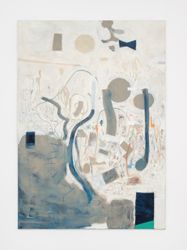
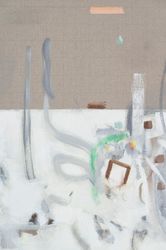
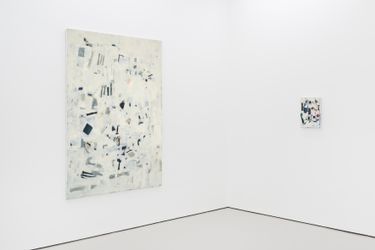
Libasse Ka’s work has been classed as building on abstract expressionism, and he has said that his interest in abstraction prompts him to take time to look at paintings and—in our modern world drowning in images—to try to find images that ask him to think, rather than just to see. He has said that he would like viewers of his work to ask themselves questions about what they are seeing.
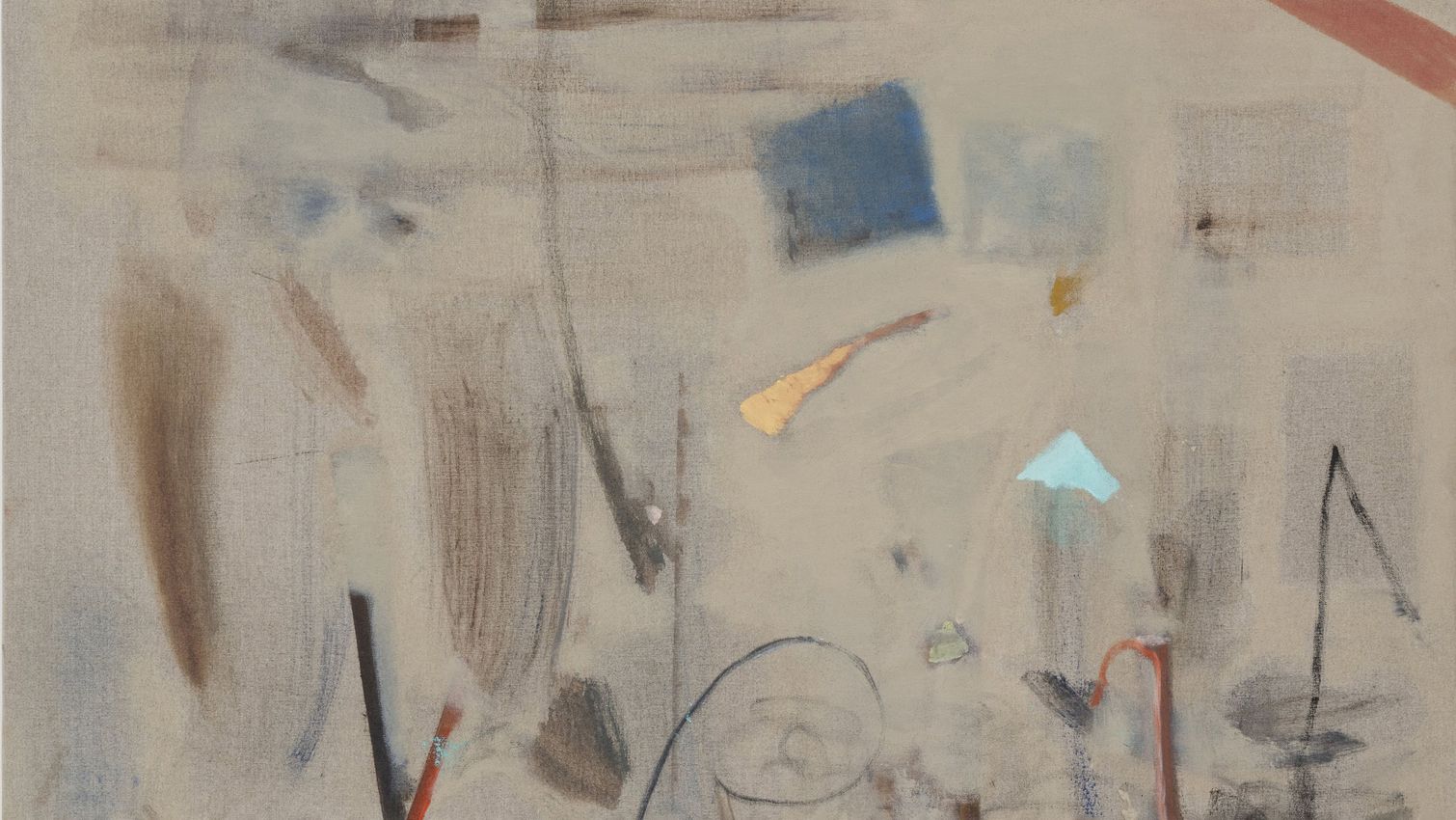
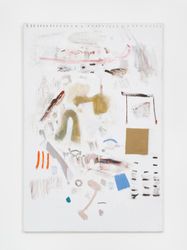
Ka has described his process as not being “strictly formal”, instead starting with the rhythm and the conversation of creating a painting. Her paintings aren’t about brushstrokes: he may use a brush for detail, but often uses unconventional items to apply pigment (including cord or plastic) or pours, rubs, wipes and scratches paint on to the canvas. His colour palette has included shades of yellow, pink, ochre and blue. Ka often works on several canvases simultaneously. Ka has said that he works on ideas, which can often be problems he wants to solve. “The big conversation for me is around painting rather than a political message.”
- The lines and letters in No Competition (2025) appear to float over the canvas, flying over a bright orange rectangle.
- Gueno’s Tree (2025) presents the viewer with energetic, splashy layers of blue, pink and terracotta
- In Untitled (2024), the brighter pops of pinky-yellow and blue create contrast with dark, intertwined chalky lines of black and brown
Select Solo Exhibitions
- Crossing Playgrounds, Carlos/Ishikawa, London (2026)
- Notes on Shape Shifting, Museum Dhondt-Dhaenens, Sint-Martens-Latem (2024)
- Libasse Ka, Carlos/Ishikawa, London (2024) (part of Condo London)
- The Reality of a Reflection, Wetsi Gallery, Brussels (2021)
Select Group Exhibitions
- Painting after Painting, SMAK, Ghent (2025)
- Eighteen Painters, Andrew Kreps Gallery, London (2024)
Further reading
- Libasse Ka’s Instagram
- Interview in Ocula from 2024
- A 2024 story from Artnet about Libasse Ka’s early career
- Interview in Emergent magazine from 2024
- Exhibition notes from Notes on Shape Shifting (2024)
Libasse Ka FAQs
What are Libasse Ka’s influences?
Libasse Ka has expressed admiration for Francis Picabia, Sigmar Polke and Imi Knoebel. He also likes to read the philosophy of Spinoza. It has been reported that Libasse Ka’s work is influenced by Mondrian’s geometric figures, and by Ghent painter Mario De Brabandere, who he met at Galerie De Ziener in Asse, Belgium. Ka himself has said that he is inspired by many things, from clothes to design to Japanese drawings.
Where does Libasse Ka live?
Libasse Ka is based in Belgium, but was born in Senegal, where he lived until he was 10. He has said that Senegal was “most important” to his development.
What materials and techniques does Libasse Ka use?
Libasse Ka’s methodology has been described as “an intense synthesis of physical gesture and material experimentation”, using ropes or plastic instead of paintbrushes to apply pigment, and pouring, scratching or rubbing paint. He responds to the properties of paint itself—how it sits on a surface or reacts to primer—and also leaves parts of the canvas unpainted.
Ocula



Representative Artworks
View story
View story
View story
View story


Explore and Follow Artists Shaping Contemporary Art
A respected voice in contemporary art discourse.
Focusing on ambitious storytelling and insightful art-world commentary. Ocula Magazine publishes in-depth interviews, critical essays and timely analysis on the artists, exhibitions and ideas driving the global art world.
Learn more about Ocula Magazine
Showcasing the best of the art world.
Ocula partners with galleries from around the world to highlight their artists, artworks and exhibitions. Gallery membership is by application and invitation, with each member vetted by an independent panel.
Learn more about Ocula Membership
Specialises in the sale of major artworks.
Led by a team with deep ties to the world’s leading auction houses, galleries and collectors. Ocula’s advisory team offers bespoke services to high-net-worth clients from around the world who are looking to acquire the best of contemporary and modern art.
Learn more about our team and services