





Art History Degrees Need to Change
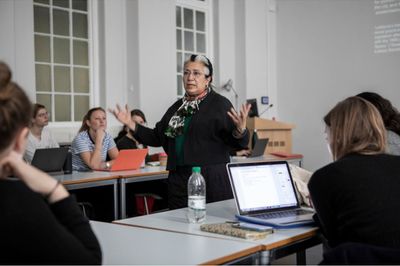
Professor Sussan Babaie teaching students at The Courtauld Institute of Art. © The Courtauld / Claudia Janke.


Earlier this month, Hyperallergic reported on a worrisome labour survey by the Federal Reserve Bank of New York, sending the art world into a spin. In 2022, art history majors had an unemployment rate of 8%, higher than any other undergraduate degree, and an underemployment rate of 62.3%.
The results are similarly discouraging in the U.K. According to the Higher Education Statistics Agency, while 2022 graduates in historical studies (which tends to cover history of art) had a 5% unemployment rate, matching the average across fields, fewer than half were in full-time employment over a year after graduation.
Why do art history students have such high rates of unemployment and underemployment in a vast and varied industry? And can art history departments set students up for greater success in their careers?
York alumna Kasimiira Kontio emphasised the value her education had in developing her artistic knowledge, critical thinking, and writing. While all essential skills for her career in cultural public relations, she stresses that ‘many students enter the art world with no previous knowledge of how these institutions operate.’
‘Teaching the students about other career options outside of the usual curation, auction houses, or academia is vital as sometimes I feel like these are overlooked and many students who haven’t been brought up in the art world won’t have knowledge about these opportunities.’
The lack of acknowledgement in art history courses of careers beyond museums can also create a stigma against looking for commercial positions, which tend to be more abundant.
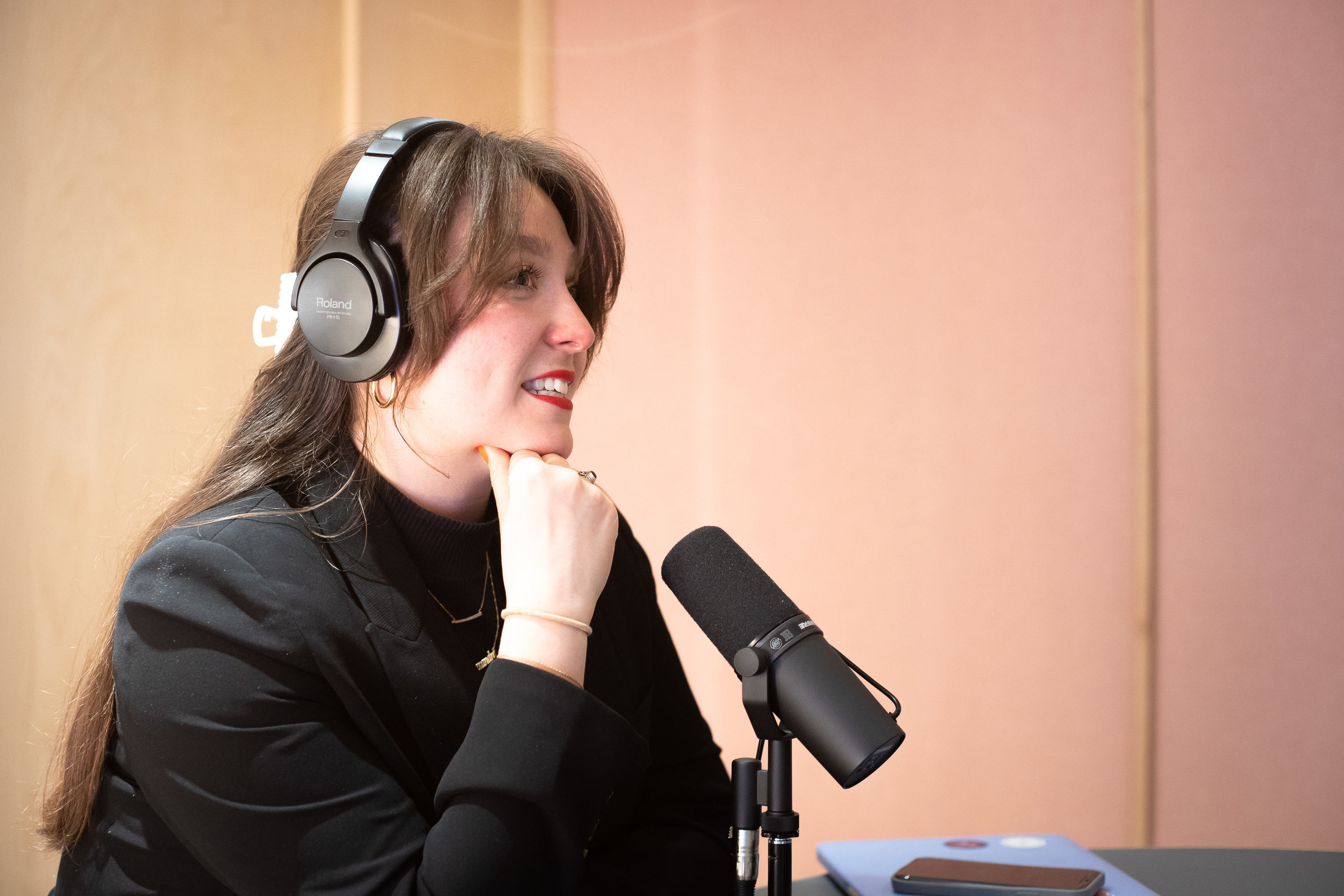
Alexandra Steinacker-Clark noted that during her studies at University College London, ‘There was no coursework in the art market or art administration, and I feel that was a conscious choice, as at one point, a lecturer made a side comment saying that art history has been trying to separate itself from the market for the last century.’
Steinacker-Clark now manages exhibitions at Max Hetzler alongside hosting the All About Art podcast, exposing listeners to a variety of art careers through interviews and networking events.
‘I would even go so far as to say, even if they did want to make a change, the lecturers at the university aren’t necessarily qualified to prepare students for the professional arts, as many of them have been in academia for the entirety of their careers,’ she explained.
Natasha Degen agreed, saying that the lack of practical coursework in undergraduate degrees ‘serves those interested in academia much better than those interested in pursuing other avenues—which is the vast majority of art history students. It also leaves students ill-equipped to navigate these fields on their own, which advantages students from more elite or connected backgrounds.’
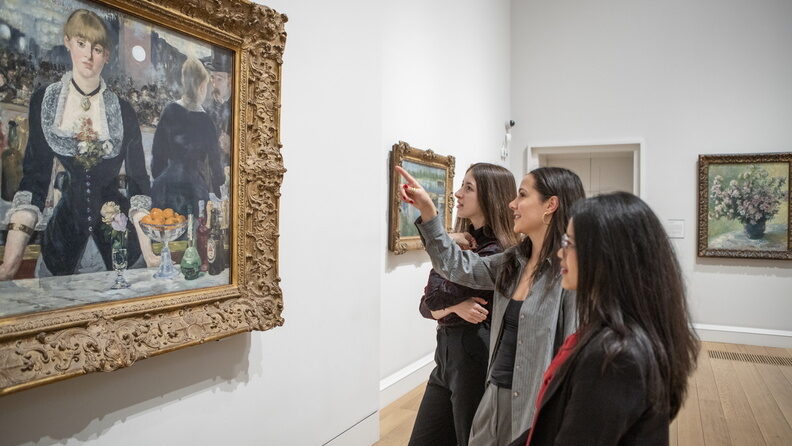
Degen chairs the MA in Art Market Studies at New York‘s Fashion Institute of Technology, one of a handful of postgraduate degrees in art administration or the art market. An even smaller number of universities offer these courses for undergraduates.
Notably, the Courtauld Institute of Art in London, which specialises in art history and conservation, will widen its remit next autumn with an MA in Art and Business. The institution recently announced new appointments including art fair veteran Stephanie Dieckvoss to lead the course.
But reserving more practical coursework for higher level degrees may require students to take out additional loans and further delay the opportunity to earn full-time salaries, exacerbating barriers to entering and succeeding in the art world.
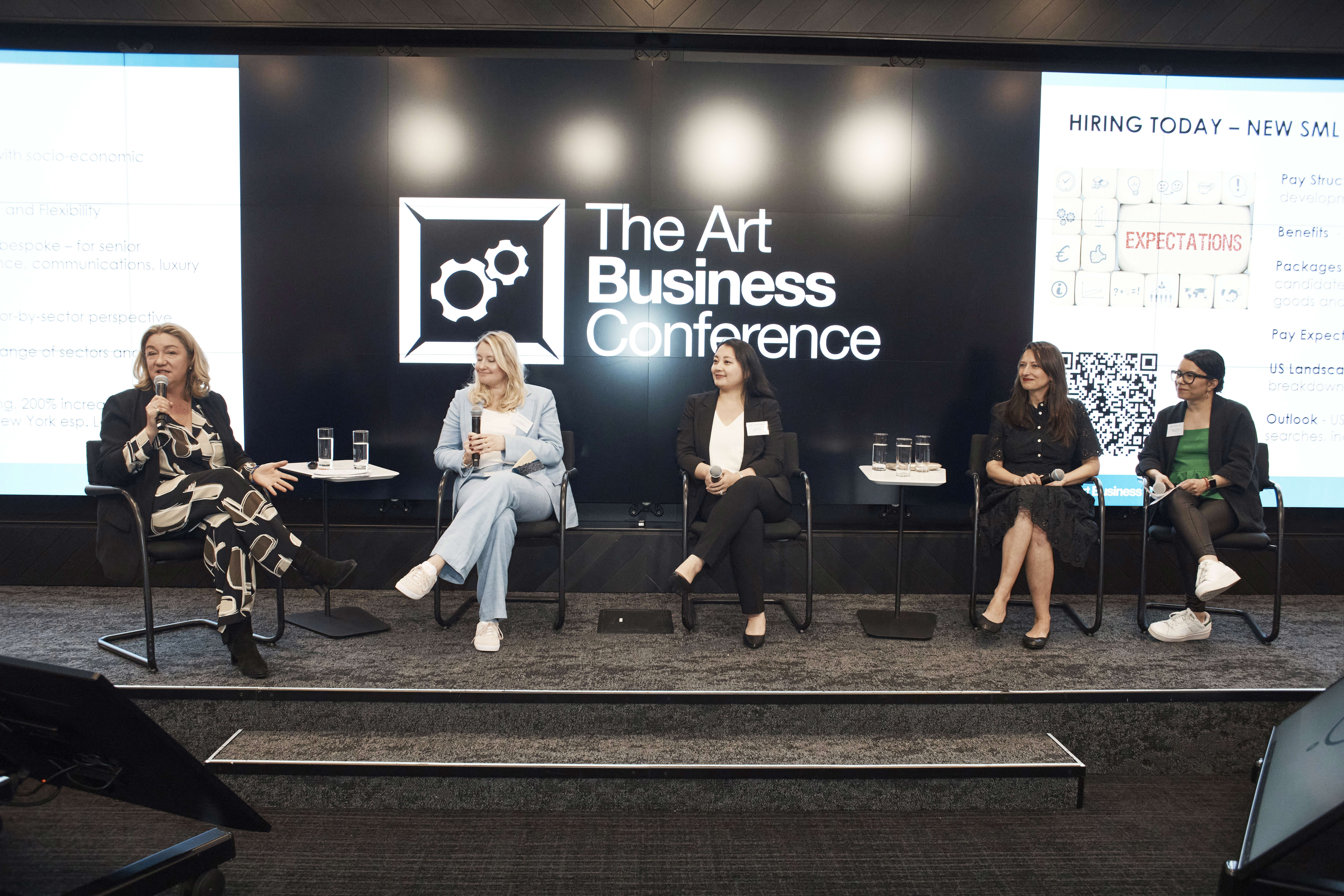
Rosie Allan noted that, after graduating from Manchester, ‘I felt so inadequately prepared for working in the industry that I decided to pursue an MA.’ She now works as Managing Director at Sophie Macpherson Ltd, which recruits for roles across the industry, including less visible art jobs in media, logistics, and technology.
Phillips senior cataloguer Samantha Siegler shared that she uses the skills from her Cornell art history degree ‘on a daily basis’, especially research and writing, and that her professors actually encouraged students to study abroad at an art business programme in London.
While Sotheby’s cataloguer Lorenzo Brunetti praised the value of his Courtauld coursework, he also highlighted the importance of both university and student-organised lectures by industry professionals outside of class.
Ellen Arthur, art advisory director and Edinburgh graduate, would prefer that departments build on these extracurricular opportunities.
‘I did leave university with such a small knowledge of different jobs both in the art market and museums/cultural heritage, but rather than build this into the curriculum, I think talks or seminars with professionals might be more effective,’ she said.
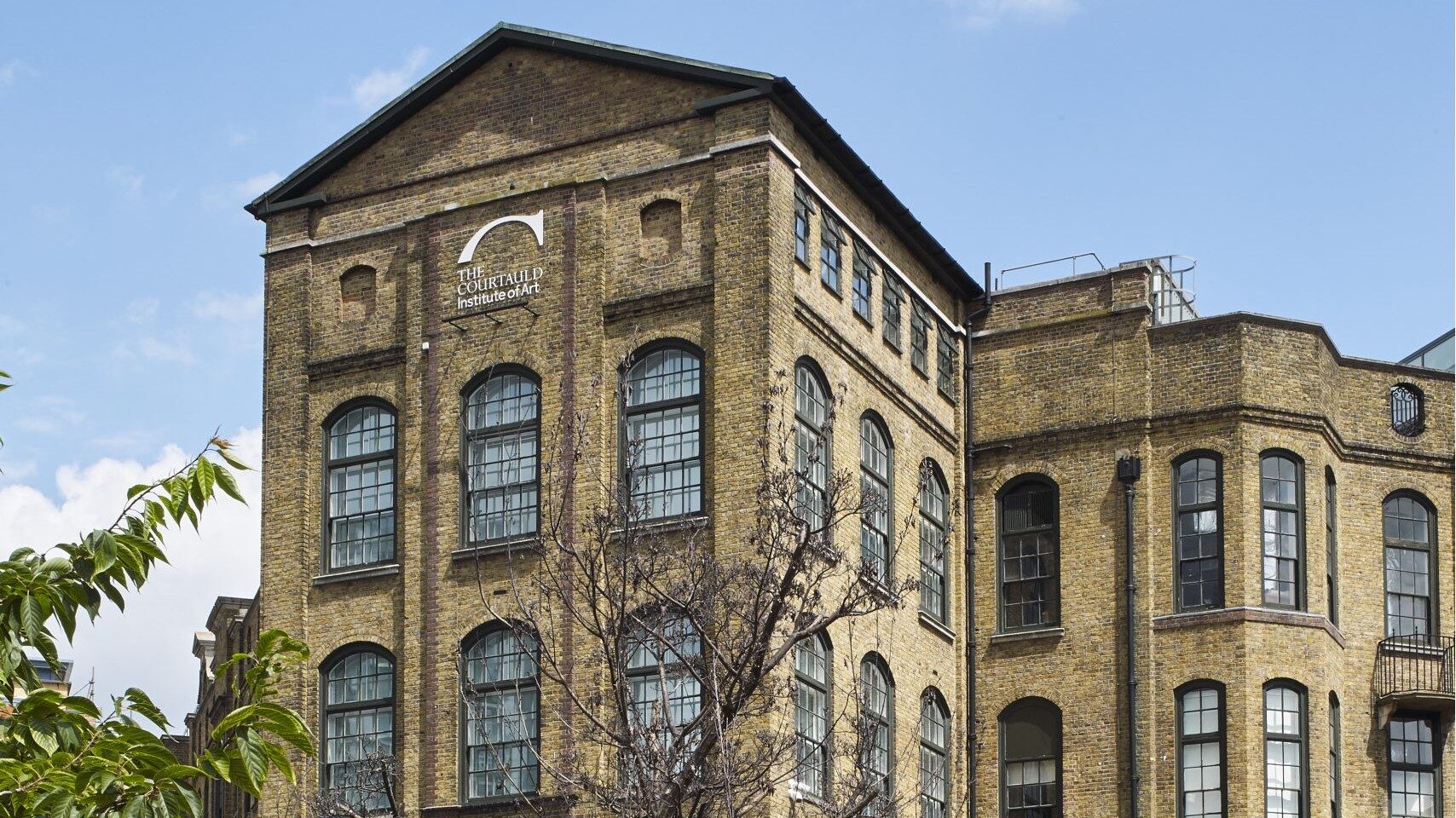
The Courtauld appears to be exploring this avenue, having recently approved more resources for career services according to their Careers Consultant Karen Deadfield.
Despite the recent statistics, Deadfield remained steadfast: ‘Art history degrees help students to develop a wide range of skills, including critical thinking, communication, research, and team working, that are in demand in a multitude of job sectors.’
Those who do find jobs in the arts may earn less than they would in other industries.
A 2023 research paper published by New Zealand’s Motu Economic and Public Policy Research found that on average, arts workers earn about 20% less than non-arts workers overall, yet they appear happier, augmenting their salaries with what the authors describe as ‘psychic income’.
The working paper includes a ‘summary haiku’ that reads: ‘Arts workers earn less / Yet they appear happier / Than other workers.’
The NYFED data show that American art history majors could expect median early- to mid-career salaries of $41,000–$72,000, about middle of the pack among other majors surveyed. The median entry-level salary in the UK was £26,000, slightly below the average across subjects. —[O]
Additional reporting by Sam Gaskin
Main image: Professor Sussan Babaie teaching students at The Courtauld Institute of Art. © The Courtauld / Claudia Janke.





A respected voice in contemporary art discourse.
Focusing on ambitious storytelling and insightful art-world commentary. Ocula Magazine publishes in-depth interviews, critical essays and timely analysis on the artists, exhibitions and ideas driving the global art world.
Learn more about Ocula Magazine
Showcasing the best of the art world.
Ocula partners with galleries from around the world to highlight their artists, artworks and exhibitions. Gallery membership is by application and invitation, with each member vetted by an independent panel.
Learn more about Ocula Membership
Specialises in the sale of major artworks.
Led by a team with deep ties to the world’s leading auction houses, galleries and collectors. Ocula’s advisory team offers bespoke services to high-net-worth clients from around the world who are looking to acquire the best of contemporary and modern art.
Learn more about our team and services