





‘I Want You to Hear and See More than You Do, Day-to-Day’: Kira Freije’s Sensual Figures
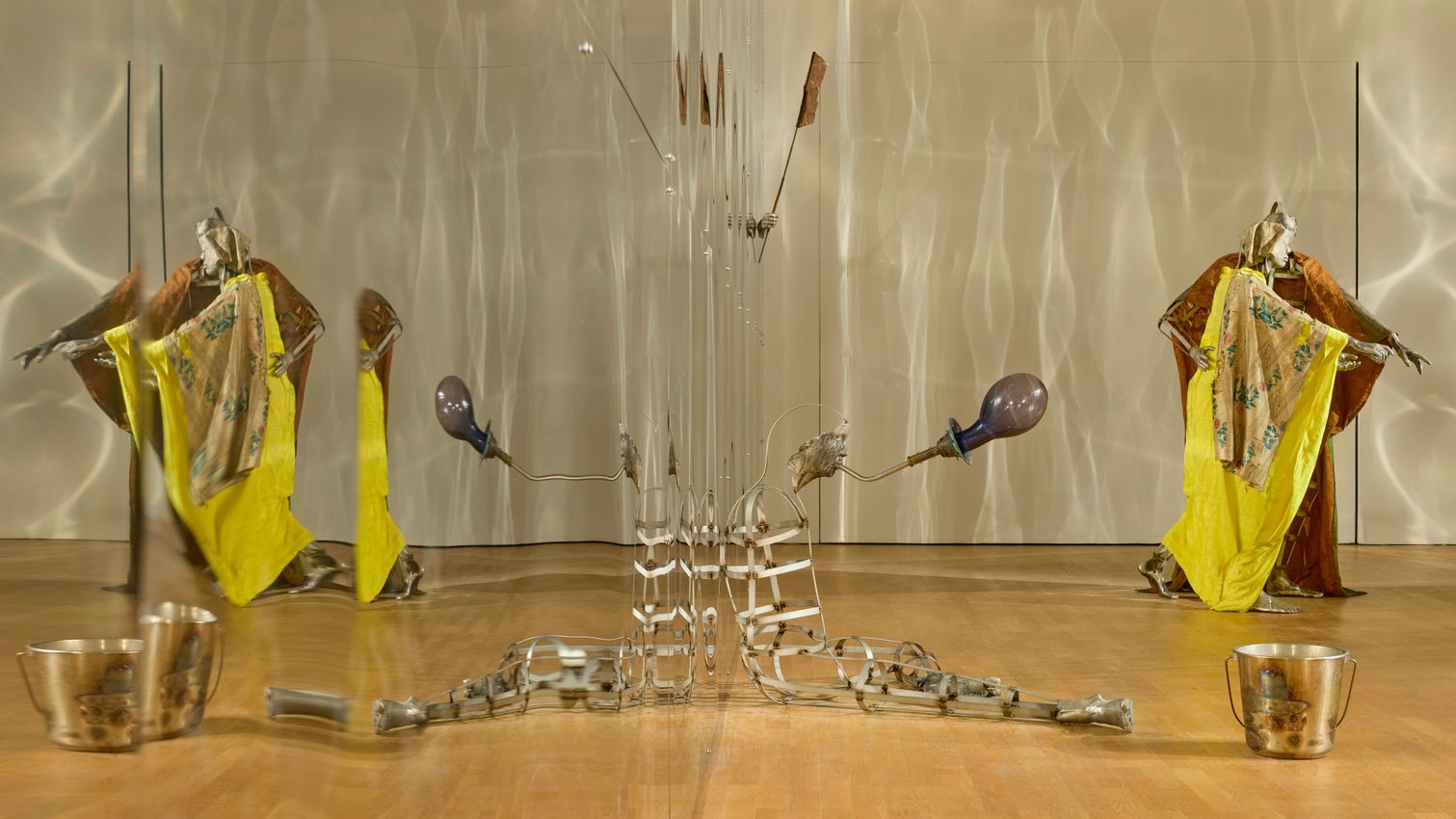
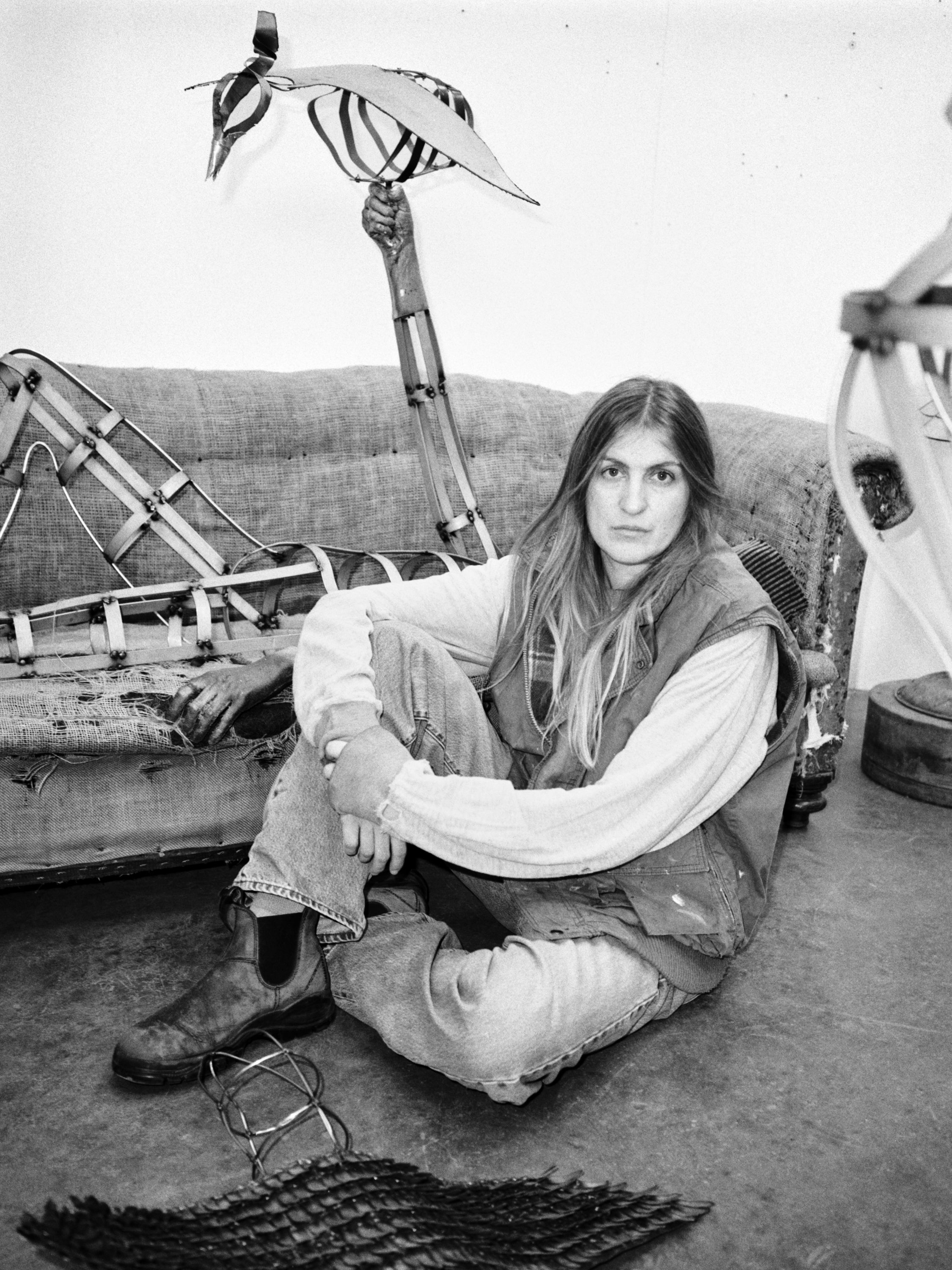
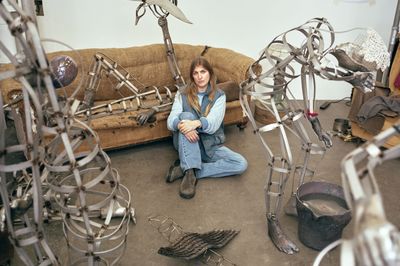
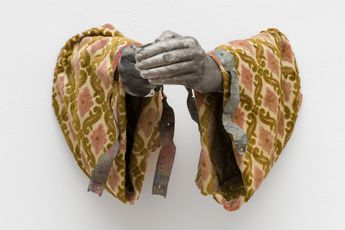
Turner Prize 2026 nominee Kira Freije talks about the importance of daylight, Van Gogh’s The Potato Eaters and Elizabeth Bishop. Save to My OculaKira Freije’s figures are built from the feet up, welded strip by strip like a pencil line drawn in metal, then given faces, cast in aluminium, of the people close to her. Each legible feature sits against, or atop, a torso that is otherwise a cage of banding. Whether alone or gathered into what Freije calls “societies” rather than installations, her figures are caught mid-gesture: lighting a cigarette, or absentmindedly touching a hand to the back of the neck.
Freije studied at the Ruskin School, and later at the Royal Academy Schools, where she completed her postgraduate diploma in 2016. To learn the metalwork skills on which she has built her artistic career, she worked with local blacksmiths in Sussex. Freije was shortlisted for the 2026 Turner Prize for Unspeak the Chorus, her first major UK solo exhibition, co-commissioned by The Hepworth Wakefield and Modern Art Oxford. The show has since travelled to KINDL—Centre for Contemporary Art in Berlin, where it opened this month under the title Between Sunlight.
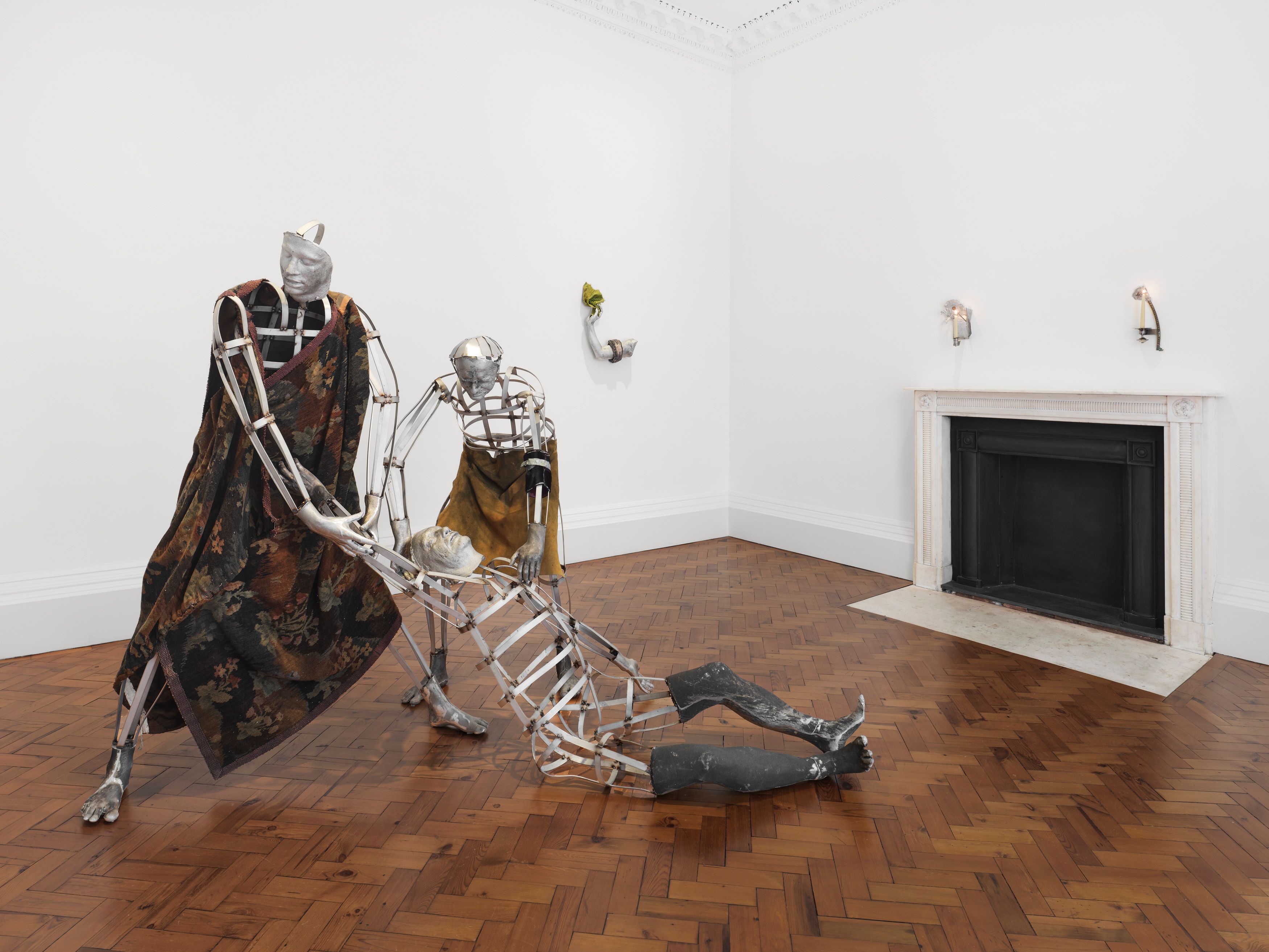
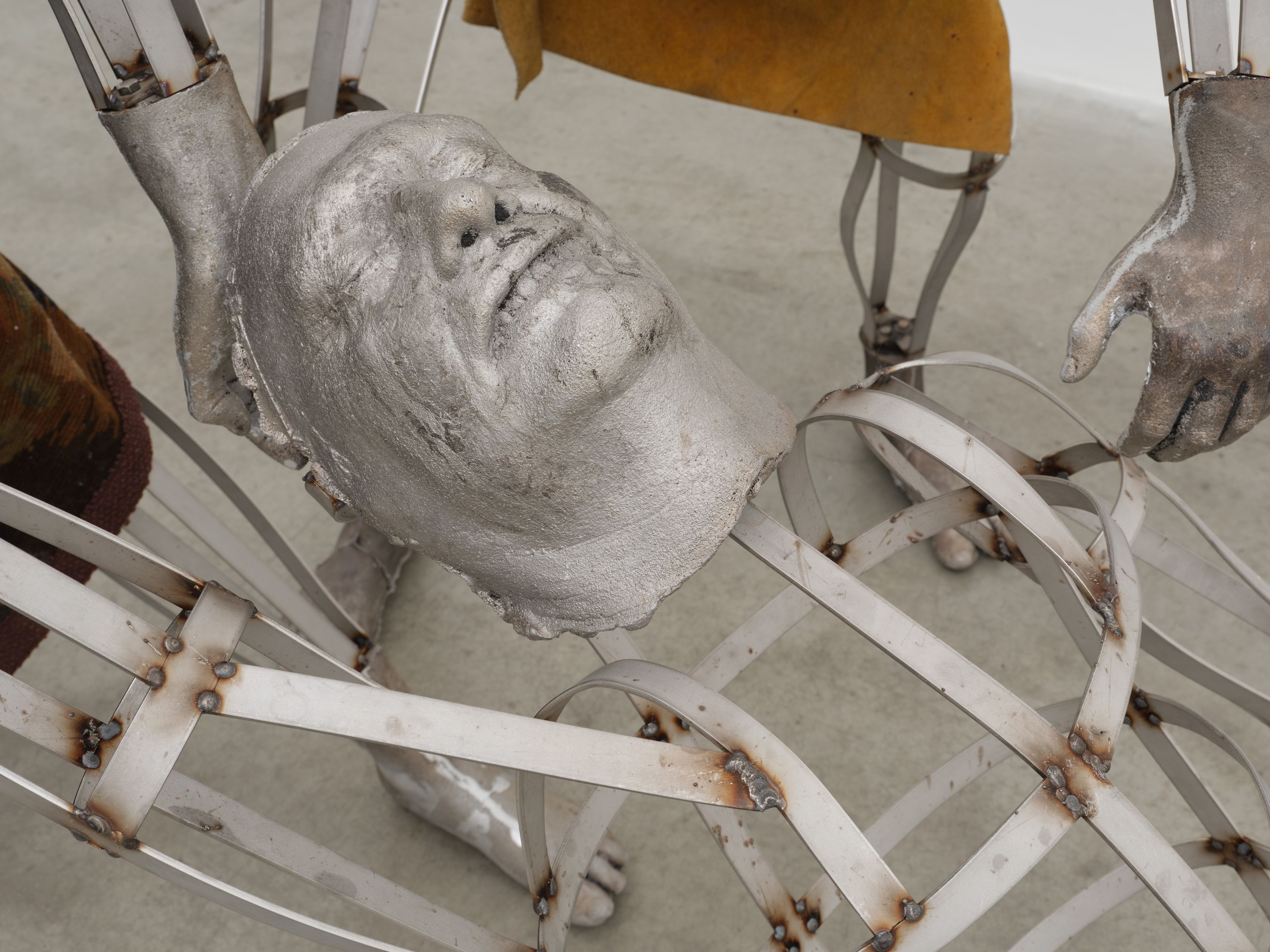
Three figures by Freije appear in the group show Like Music in the Blood at Thaddaeus Ropac this month. trudging, the sodden prelude (2023) depicts two life-size figures, clad in tattered fabrics, heaving a third along the ground. These are shown alongside candle works and smaller-scale sculptures, described by the artist as “gestures”. Together, Freije’s works convey a sense of arrested movement, and evoke mysterious industry, like a futuristic factory production line for something resembling humans.
Nell Whittaker: What is your favourite metal object in your home?
Kira Freije: It’s probably a brass lion that my friends gave to me. I don’t know where they got it, actually, but it’s quite funny. It’s kind of cartoonish. I guess it’s a paperweight.
NW: Do different metals have different personalities?
KF: I predominantly work with stainless steel and cast aluminium, but I collect other metals and incorporate them, too: tin, bronze, copper, sometimes brass. With many of the used materials I collect, I have a sense of their having history or previous lives. There’s a feeling attached to every bit of how it’s used in a work, and that often dictates how and when I employ it. The candle works, for which I have used bits of brass, are like little drawings or assemblages where, very often, a little piece of material will dictate the whole form. The candles began as an attempt to illuminate a whole show, but I liked that they can’t really be exhibited like that. You can never show them at an art fair, for instance, and you can’t show them in most institutions, so they usually come into play in intimate settings. That’s the case with the Thaddaeus Ropac show: the gallery was formerly the private chapel of the Bishop of Ely, and he used it as his residence in London. Before this, I showed them in Six Portraits (2023–2024), a two-person exhibition in Bloomsbury with Donna Huddleston. I also made them for an exhibition in Germany, a repurposed power station in a place called Luckenwalde. The whole space was cast concrete with hand-chiselled walls. I wanted them to act as a guide.
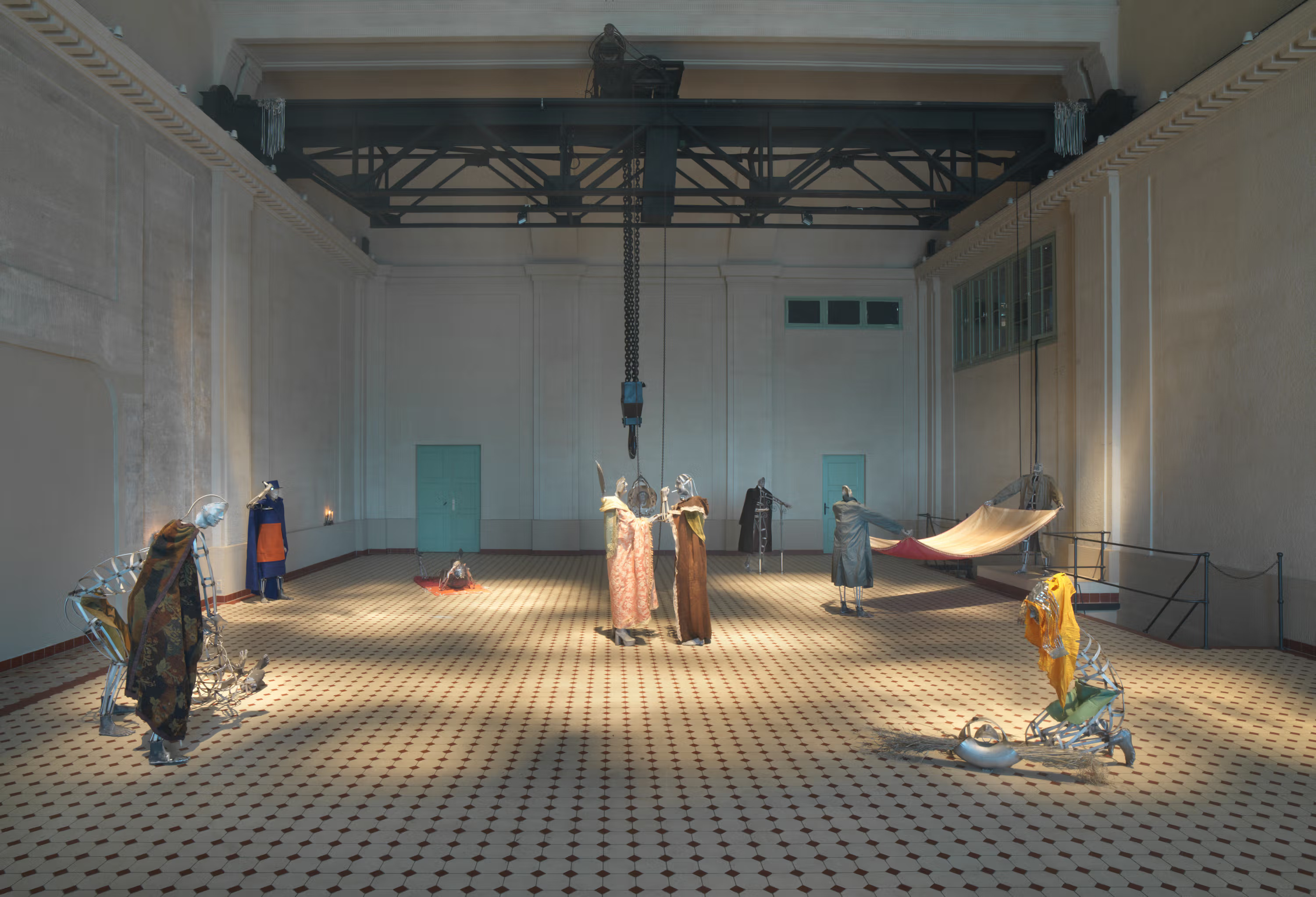
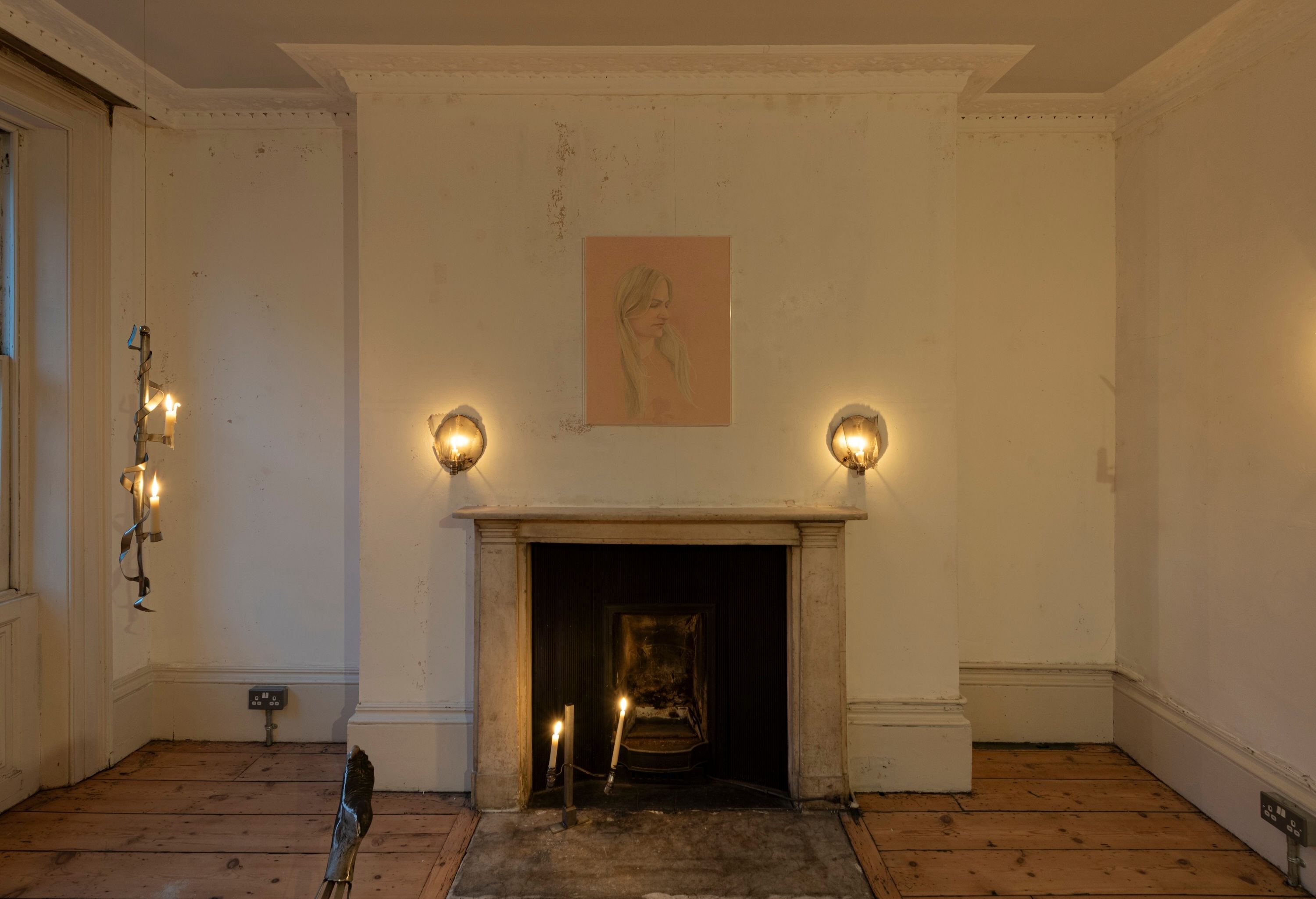
NW: Light is a significant element in your work, and you’ve worked with lighting designers to reproduce daylight. Why?
KF: Well, it was more to produce an atmosphere. I enjoy it when I have to consider daylight as a component of an exhibition. I like its unpredictability. The Turner Prize show in Middlesbrough is one of the first spaces I’ll have shown in where there’s no natural daylight. That’s interesting as the lighting is fully controllable. We’ve designed it in a way that it still feels like there’s movement, which is what I always want.
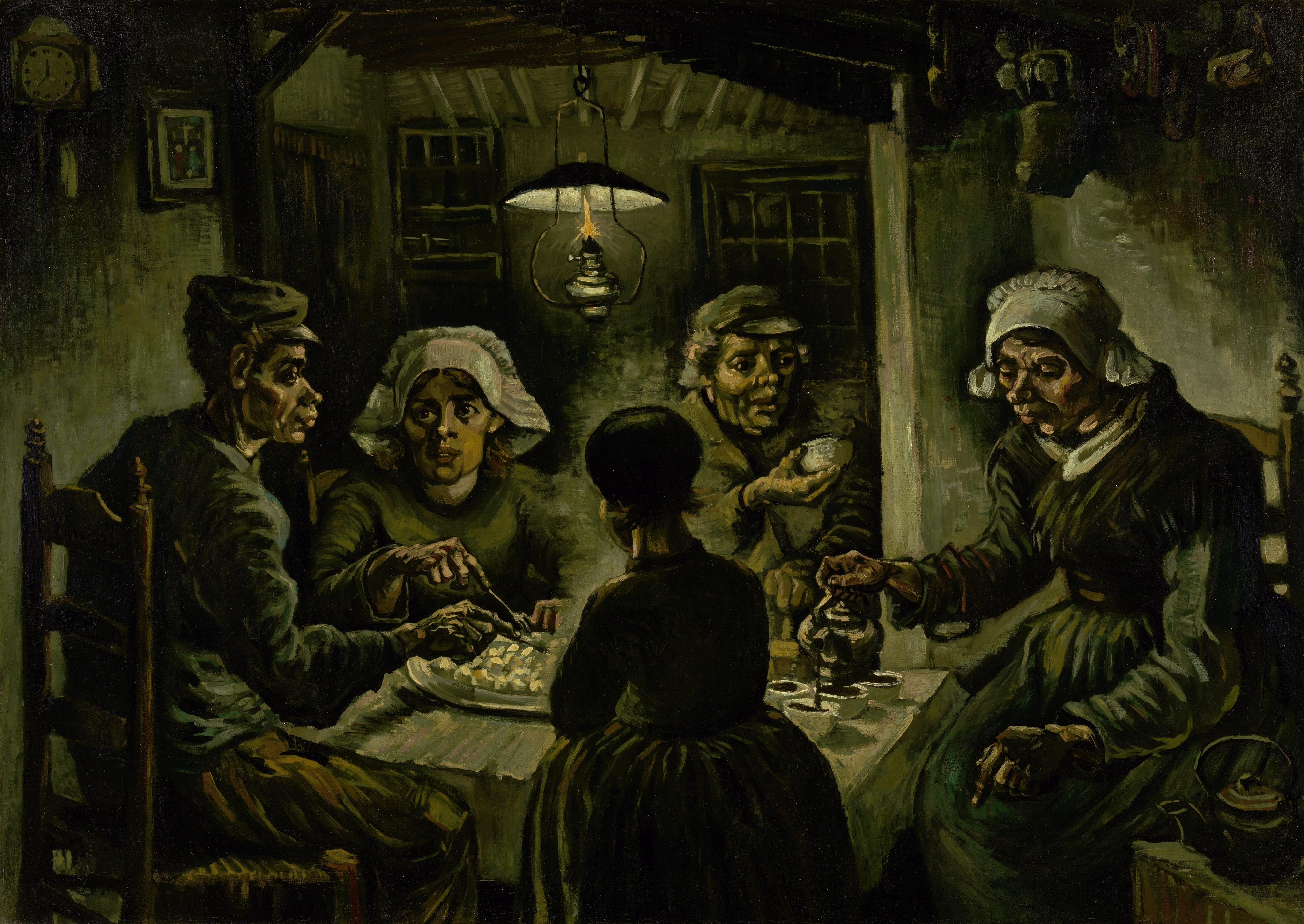
NW: What particular artworks, environments or buildings have influenced your ideas about what light can do in visual art?
KF: Van Gogh’s painting The Potato Eaters (1885) evokes the feeling of light being both an internal and external source. It’s about the idea of the lantern, of the fire being threatened, which is at the centre of gathering.
NW: You cast your figures’ hands and feet from your own body. We’re used to the idea that hands are expressive, but what do feet express?
KF: They communicate a sense of grounding or leaping. I often think about grasping, too. Feet receive something from somewhere. They have an anchoring quality. I usually work from the feet upwards, so they’re a literal anchor—the point from which a work takes shape. I don’t usually have a fixed idea about what a figure or group will be doing until they start to grow from the feet.
“I almost have a conscious resistance to relying on anything”
NW: Your works have poetic names. In the Ropac show, you have trudging, the sodden prelude (2023), and previous works have been named dipping voices, on the side of the sun (2022) and the sudden sleep (2022). How do the works come to acquire their names?
KF: Usually it’s through the process of making a group of works. I’ll take note of words that come into my head. Sometimes there’s a fully formed sentence there. But otherwise it’s a grouping together of words that I trust are relevant to the material part of making the work.
NW: Is literature an interlocutor in any way? I’ve read that you often returned to T. S. Eliot’s series of poems Four Quartets (1935–1942) as a grounding text.
KF: Over the years, I’ve gone back to poets like Elizabeth Bishop, Frank O’Hara and Mary Oliver, but generally, the less I trust in external sources, the better. Sometimes, if I’m feeling very stuck, Four Quartets is a good place to return to. But I almost have a conscious resistance to relying on anything. If I seem evasive, maybe it’s because it feels like there’s not really a linear way of describing the process behind my work, except for simply saying that there’s a mode of making which is difficult to get into, but that enables you to hear and see more than you otherwise do day-to-day. It’s a delicious place to be, when you can get into it.—[O]
Turner Prize 2026 (26 September 2026–29 March 2027) at MIMA, Middlesbrough
Main image: Kira Freije, Unspeak the Chorus, Turner Prize 2026, MIMA, Middlesbrough Institute of Art (2026). Photo David Levene.








A respected voice in contemporary art discourse.
Focusing on ambitious storytelling and insightful art-world commentary. Ocula Magazine publishes in-depth interviews, critical essays and timely analysis on the artists, exhibitions and ideas driving the global art world.
Learn more about Ocula Magazine
Showcasing the best of the art world.
Ocula partners with galleries from around the world to highlight their artists, artworks and exhibitions. Gallery membership is by application and invitation, with each member vetted by an independent panel.
Learn more about Ocula Membership
Specialises in the sale of major artworks.
Led by a team with deep ties to the world’s leading auction houses, galleries and collectors. Ocula’s advisory team offers bespoke services to high-net-worth clients from around the world who are looking to acquire the best of contemporary and modern art.
Learn more about our team and services