






‘She Invites Us Into Her Game’: Sheila Heti on Sophie Calle
The French conceptual artist and photographer’s first UK exhibition since 2009 centres on the concept of absence. For Ocula, author Sheila Heti selects her highlights. Save to My OculaWhen I was finally permitted to interview Sophie Calle—in 2012, in New York City—I had been waiting for the opportunity for years. I loved how her work emerged out of her life and her curiosities, in what seemed like a plain and playful way. Her greatness was wrapped up in how she let life remain just life: she transformed it only mildly. It didn’t become grander, or more embellished. I admired how straightforward she was, telling people: “This is what I’m doing.” She wasn’t cultivating mystery. She was inviting us into her game. It felt democratic. She was too smart to play the old, tired artist game of obscuring her intentions. When she met me—I was working then as interviews editor at The Believer, a San Francisco-based magazine—she didn’t like my questions. I had imagined she would have the answer to everything, and she sensed this hope in me immediately, and rebelled against my questions. She was very impatient with me. I was young, and she was a role model: independent, authentic. She brushed me off impatiently, like I was a puppy: “I’m not a psychoanalyst. I’m not a doctor. I’m not a counsellor.” I asked her: “Do you think people tell the truth about being an artist?” She replied: “I don’t know what it means.”
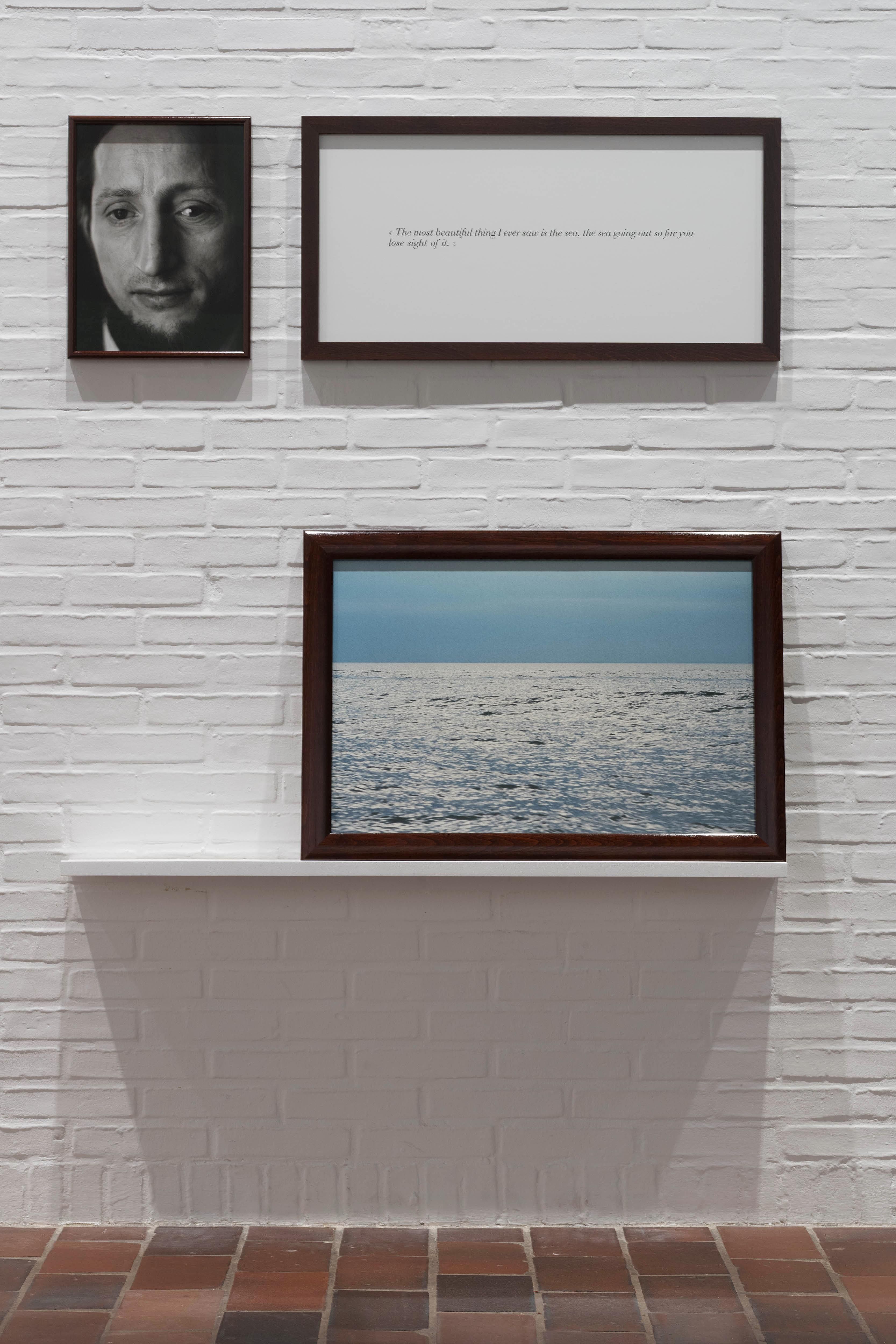
The Blind (1986)
Why is it so moving to read how people who were born blind answer Calle’s question: “What is your image of beauty?” Some people answer by repeating what they have been told: “Alain Delon,” a child replies. A man explains: “I’m told white is beautiful. So I think it’s beautiful.” In those cases, their trust is moving, and the fact that we use other people to extend the world for us. Looking at the work, one feels that seeing robs us of some part of our imagination. It is the imagination, the hope, that enchants the world with beauty. Calle exhibits a black-and-white photograph of each subject’s face, and below, pictures of the things they describe. These pictures don’t make the beautiful things beautiful: it is not a beautiful picture of Saint Lucy or the Eiffel Tower. There is also something moving about how humble the list of beautiful things is: a painting of a boat. Trees, leaves. A hotel room. These things shine with more significance from being inaccessible to their sight, as desire and distance make anything glow. One man talks about how allegedly “when the sun reflects” off the sea, “it hurts your eyes. It must be painful to look at”.
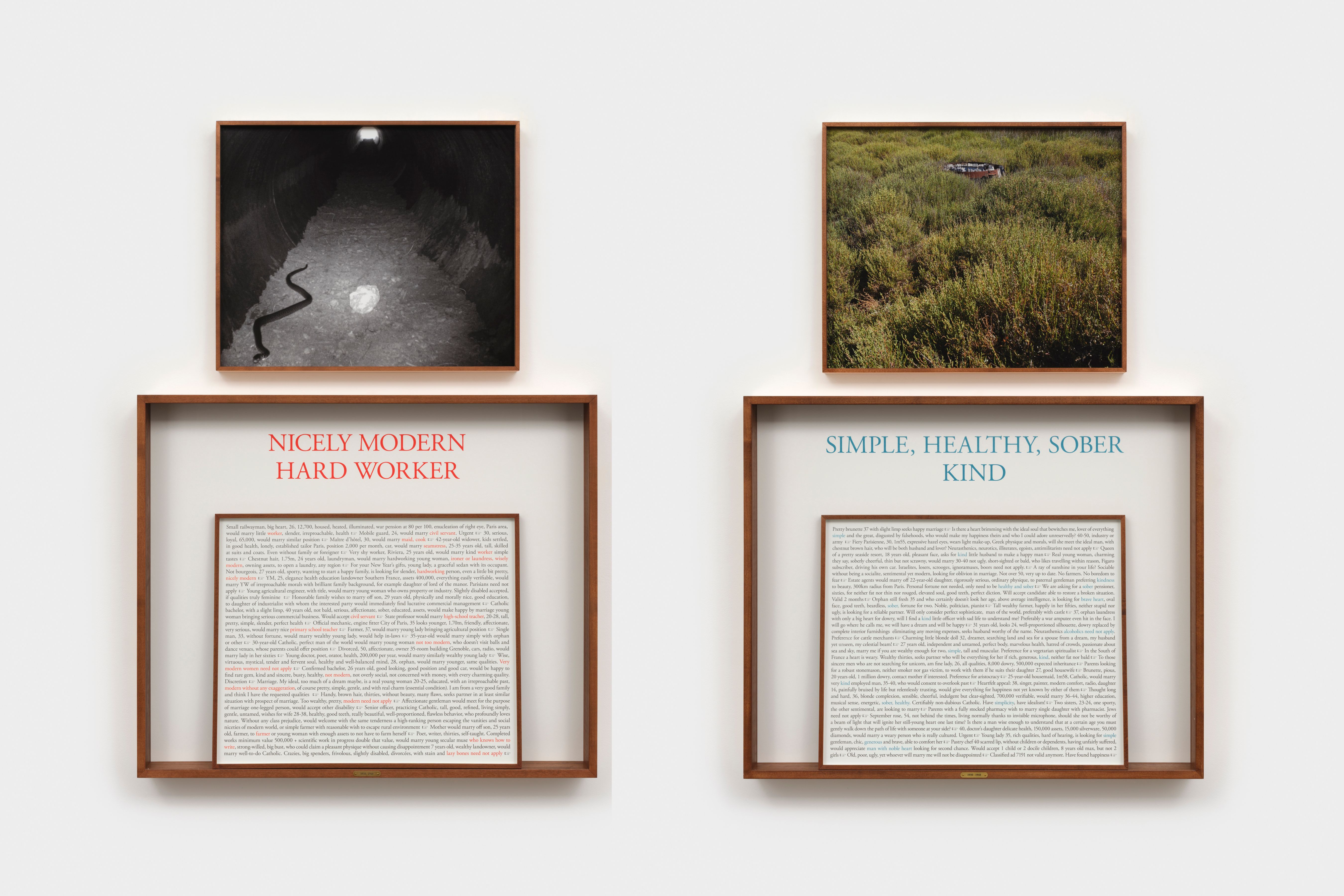
On the Hunt (2017–2024)
In this collection of personal ads for romantic partners from 1895 to the present, categorised by Calle according to time period and gender, we see something similar to what we saw in The Blind: people imagining something beautiful and out of reach. Everyone has their own little image of who the ideal mate might be, though there are patterns. In the earliest ads, men and women want partners with money, and men are more and less open to women with “stain”. As the decades pass, cultural signifiers become more important in the choosing of a mate. Stay away, one man warns, “if you love outdoor clothes from big-box stores”. This is the modern version of the hope, a century earlier, for a woman with “kind, good character, brave, thrifty, honest, irreproachable behaviour, simple and modest manners”. On Tinder, men request “no crazy girl”, “not a psycho”. Explicit sexual requests, absent in the earlier ads, overtake the personals today: “I am only looking for brutal and short booty calls.” One woman tells the world: “I need a young man because I need to make love in the mornings.” We need each other for different reasons in different times, but we always need each other.
“One feels that seeing robs us of some part of our imagination ”

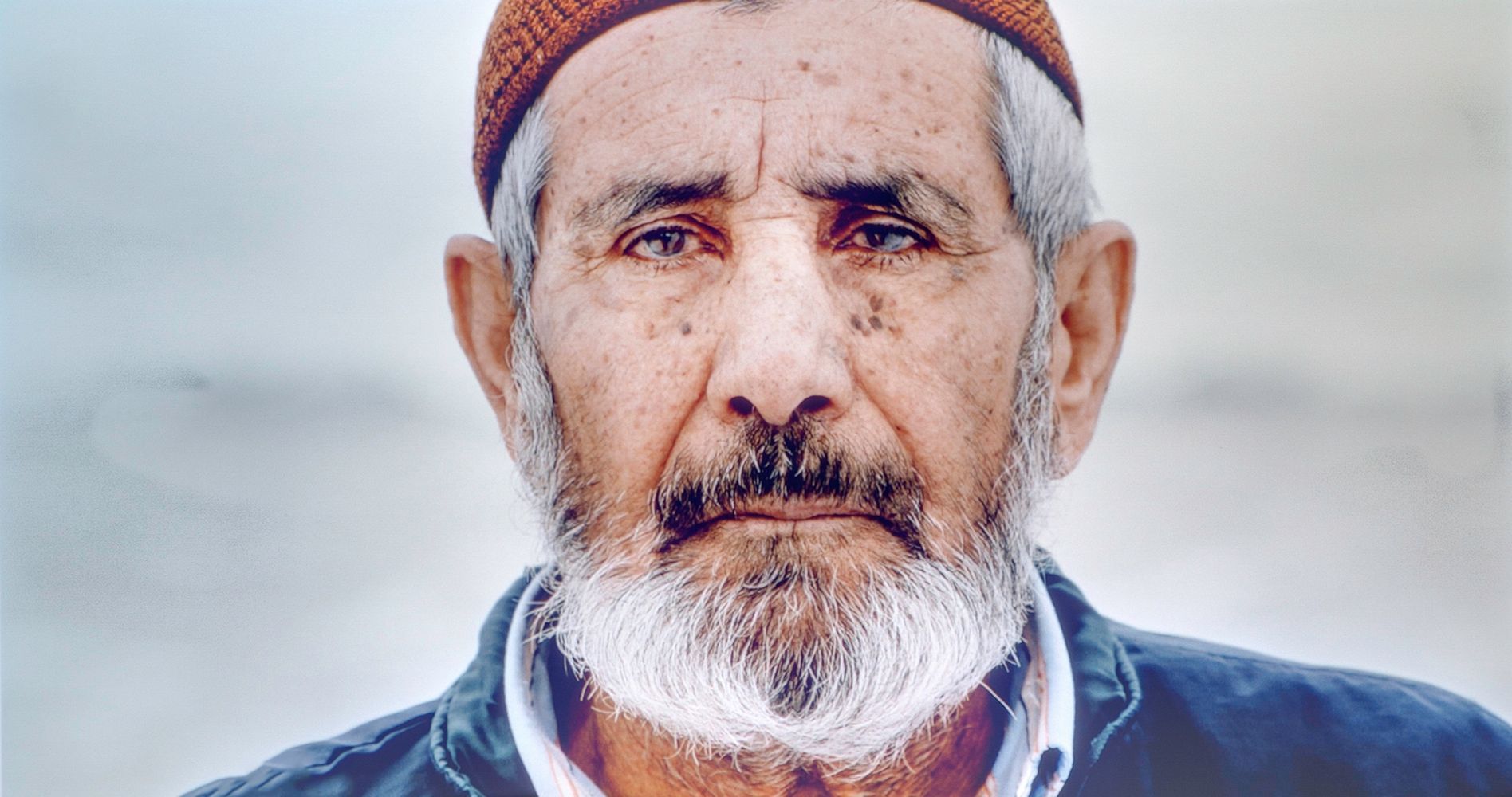
Voir la Mer (2011)
In Istanbul, Sophie Calle meets people who have never seen the sea—a sea that surrounds the entire city—takes them there and makes videos of this first encounter. First, their backs are turned toward the camera (as they look at the sea), then they face her, their first vision of the sea in their eyes. What’s so haunting about this series is that the people mostly look sad. Maybe they appear like Calle’s blind subjects would appear when they first saw the thing they thought exemplified beauty: the Eiffel Tower, a starry sky. Or like the man who put into his personal ad “looking for a woman who knows her own power” might feel at sitting down for a coffee with just such a woman. He might think: “Oh.” Same with these people who had only heard about the sea: “Oh.” Again Calle is showing us imagination: how great it is, how it fills in the gaps of our knowledge, how it tends towards idealisation. Maybe the old man isn’t disappointed. There are tears in his eyes. He is moved. Is it me who is disappointed? Was Calle? What did she expect to see?
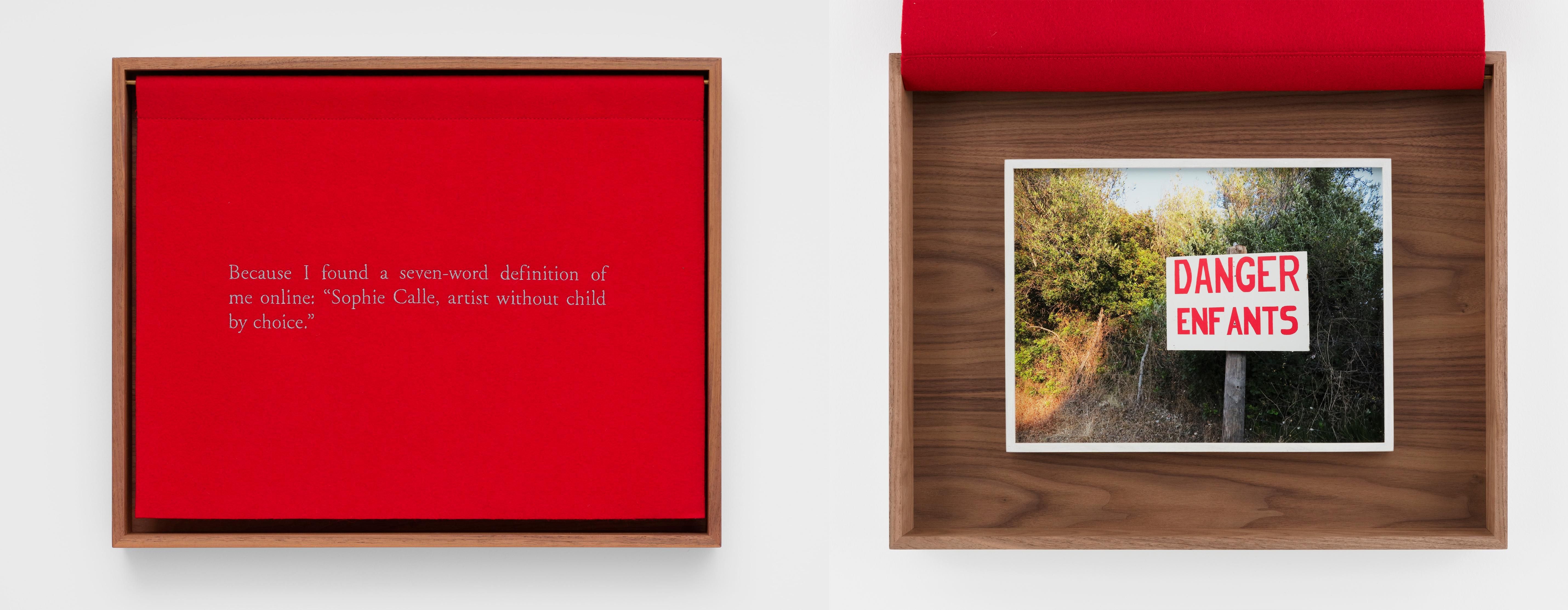
Because (2018)
In this series, Calle embroiders text onto a cloth, which conceals a picture in a frame. After reading the text, the cloth may be pulled aside. Reading the text—one says, “Because I’m told she died on her wedding day”—we create an image of the picture in our mind. Essentially, Calle is narrating for us something compelling she saw, that she felt called to capture. Our minds fill in the mystery with a likely picture. In each case, I am surprised by the actual photograph, maybe like the person encountering the sea was also surprised: “I thought it would be bluer. I thought it would hurt my eyes to look at. I thought it would be more vast.” I had not expected to see a gravestone in a cemetery that was a sculpture of a woman in a wedding dress and veil. This project is also a version of On the Hunt. “Preference for artistic males endowed with nice ass,” a woman requests. She pulls aside the velvet curtain, steps into the restaurant, and sees, at the bar, Michelangelo’s David. In Because, the tricksterish quality predominates. There is something a bit wounding about her work. She has already encountered the world, and we are encountering her encounter with it. We, the audience, are always one step behind.
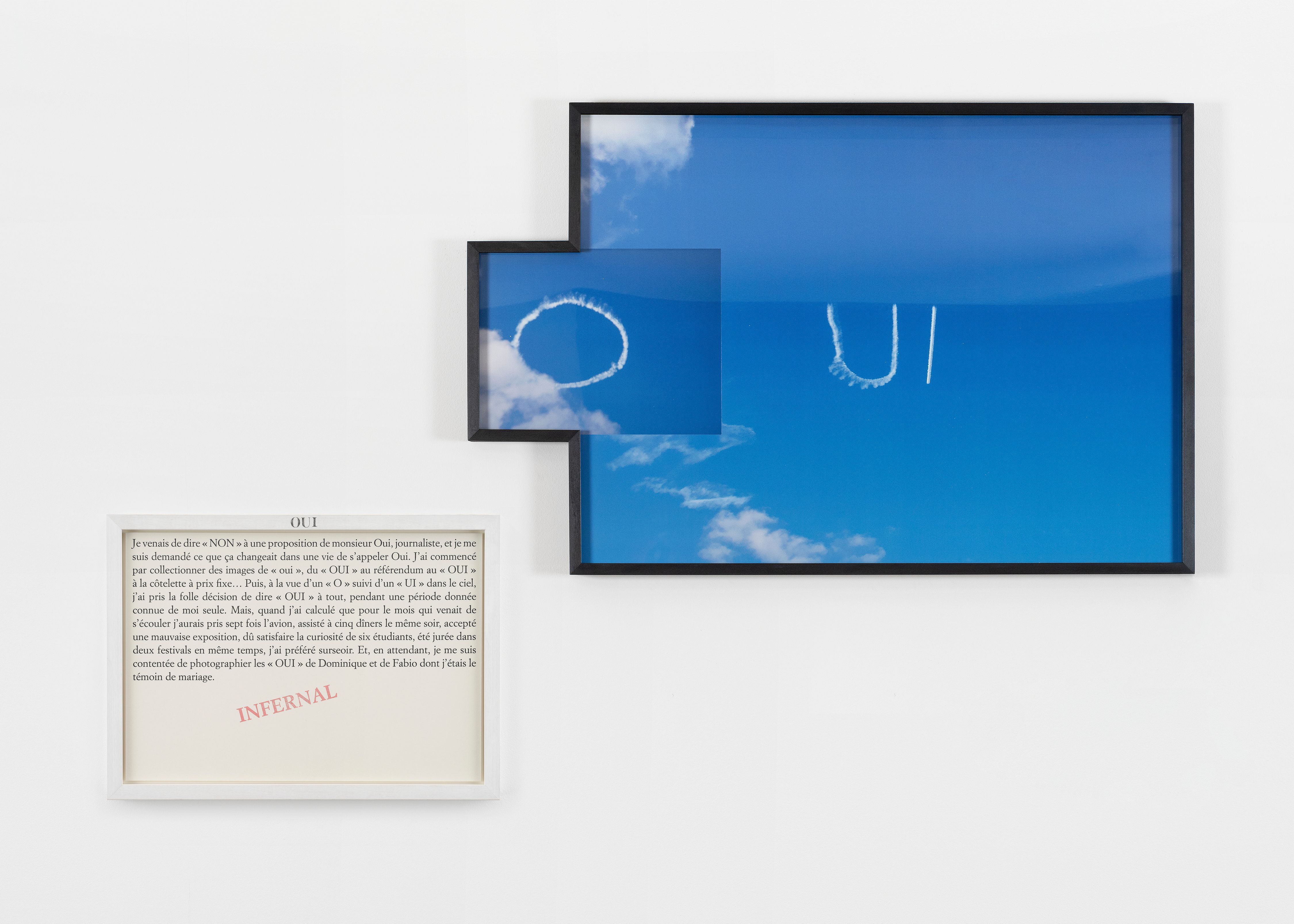
Catalogue Raisonné of the Unfinished (2023)
In a way, this work makes emotional sense of all the others. The person born blind will never see the colour white. The man seeking a “sexy, refined and mischievous woman” will never find her. The sea will never live up to its legendary greatness. The unfinished works will never be the finished works of some hoped-for greatness—but that she wished they would be (finished, great) is implicit in this series, which is a display of the projects she never completed: framed explanations of what her intention was, rubber stamped with explanations of why each failed, and photographic evidence of just how far she managed to get. We hope, and our hopes are dashed. For some of the unfinished projects, her interest passed while she was working on them: on turning 50, she was no longer harassed about not having children, so the project “Filthy Brats” was abandoned. We can imagine how it would have turned out: she gives us just enough clues. We can imagine the completion and the greatness of each project, like one of her Turkish subjects imagined the sea. We finish her works for her, with our imagination. More than most artists, Calle requires the audience to complete her puzzles. Her puzzles are emotional ones: why do we dream of beauty, love, nature, achievement? Is what we get in the place of our dreams as paltry, as deflating, as it seems?—[O]
Sophie Calle: Something Missing? (3 October 2026–24 January 2027) at Turner Contemporary, Margate
Main image: Sophie Calle, Voir la mer. Old Man 2011 (detail) © Sophie Calle / DACS, London, 2026 Courtesy the artist and Perrotin.






A respected voice in contemporary art discourse.
Focusing on ambitious storytelling and insightful art-world commentary. Ocula Magazine publishes in-depth interviews, critical essays and timely analysis on the artists, exhibitions and ideas driving the global art world.
Learn more about Ocula Magazine
Showcasing the best of the art world.
Ocula partners with galleries from around the world to highlight their artists, artworks and exhibitions. Gallery membership is by application and invitation, with each member vetted by an independent panel.
Learn more about Ocula Membership
Specialises in the sale of major artworks.
Led by a team with deep ties to the world’s leading auction houses, galleries and collectors. Ocula’s advisory team offers bespoke services to high-net-worth clients from around the world who are looking to acquire the best of contemporary and modern art.
Learn more about our team and services