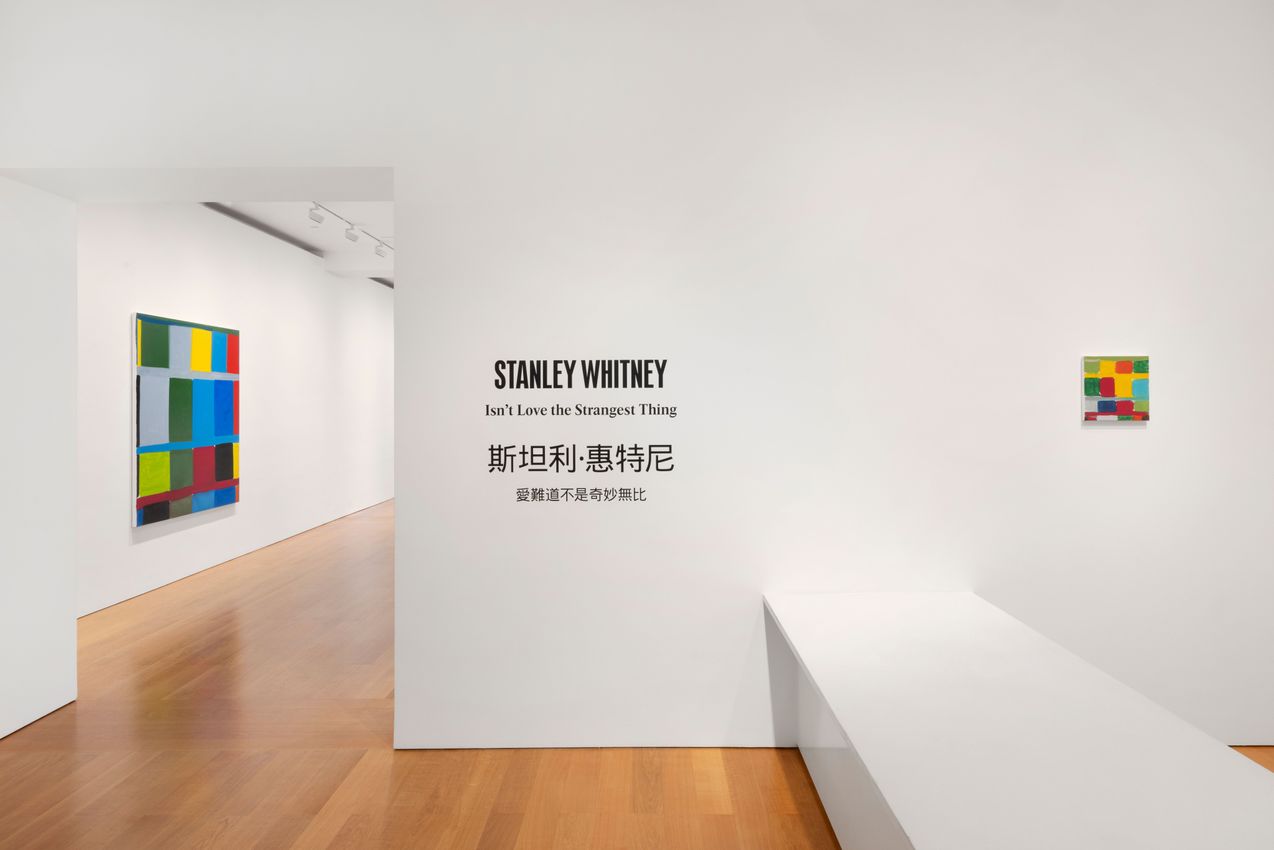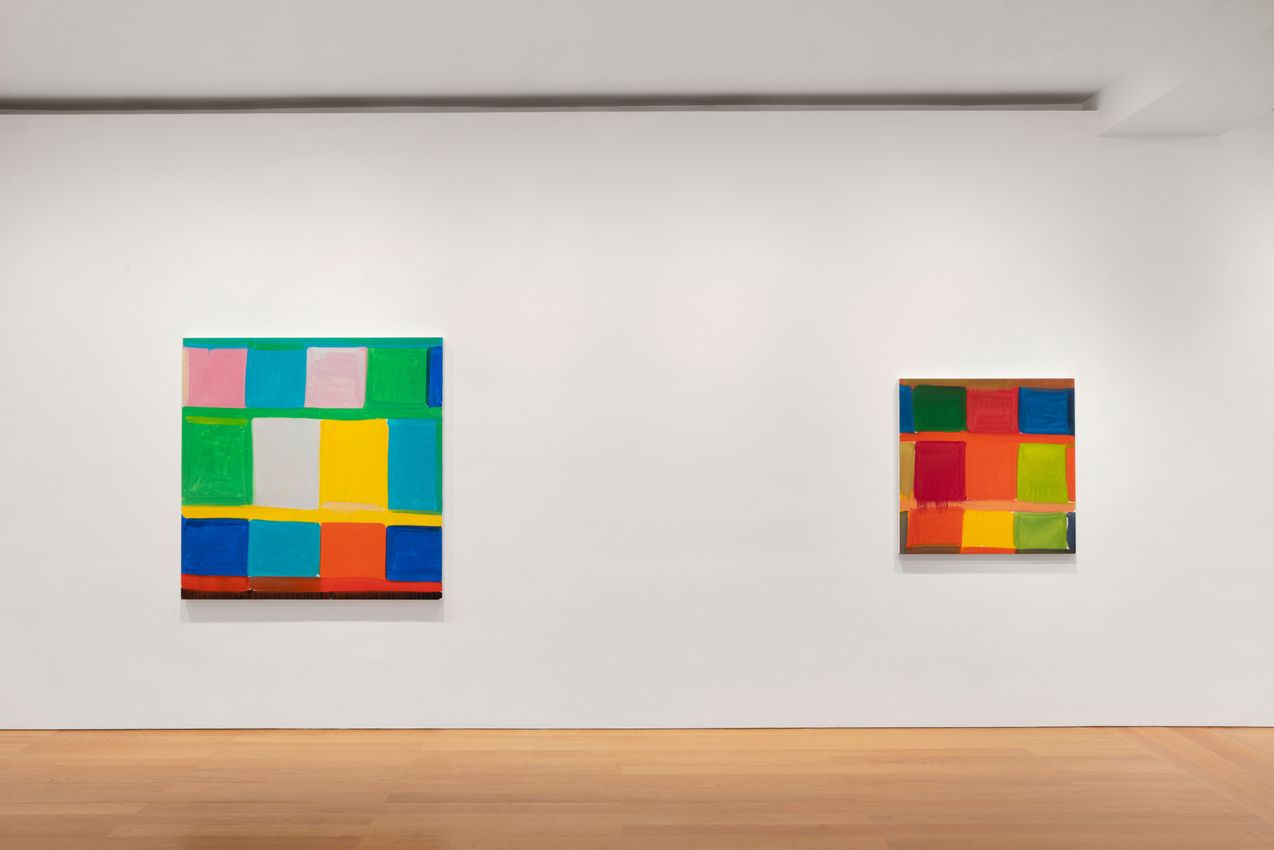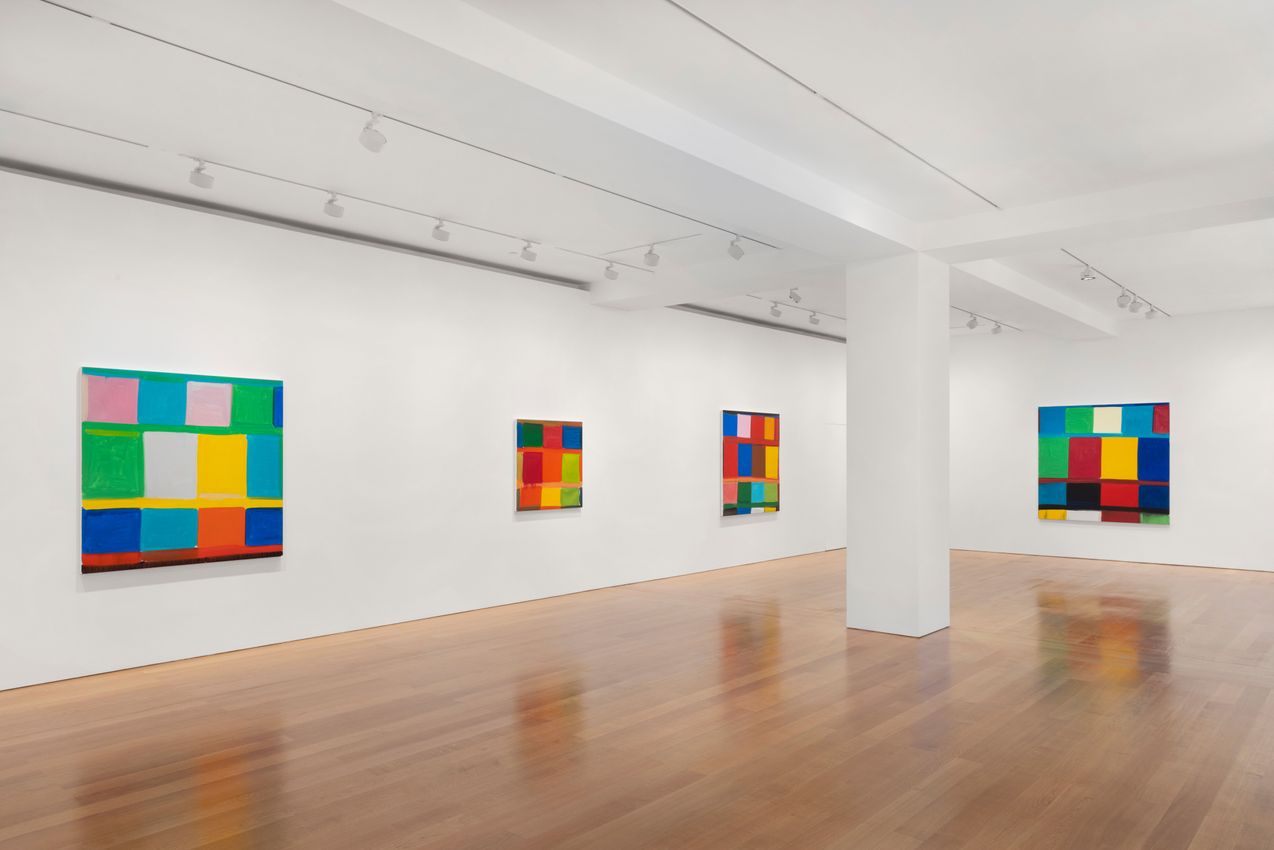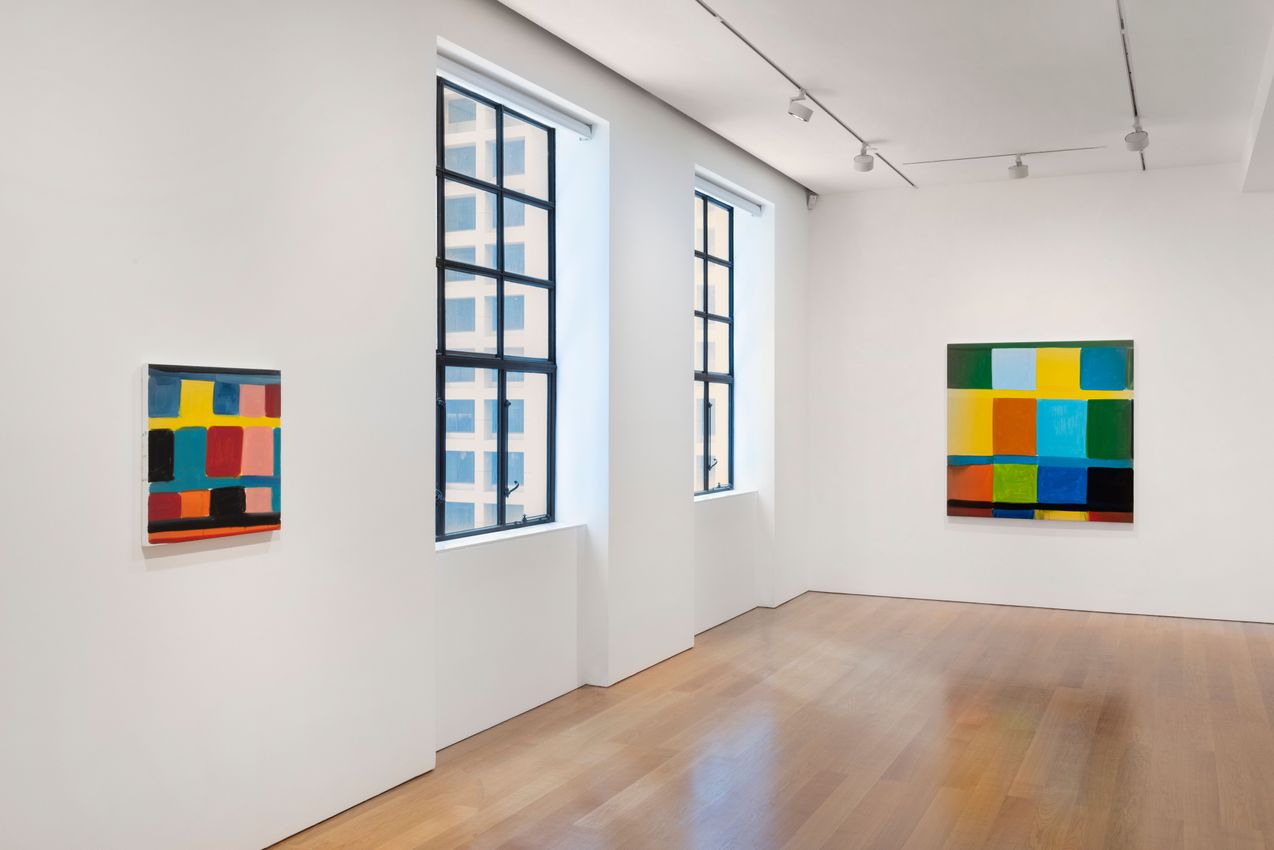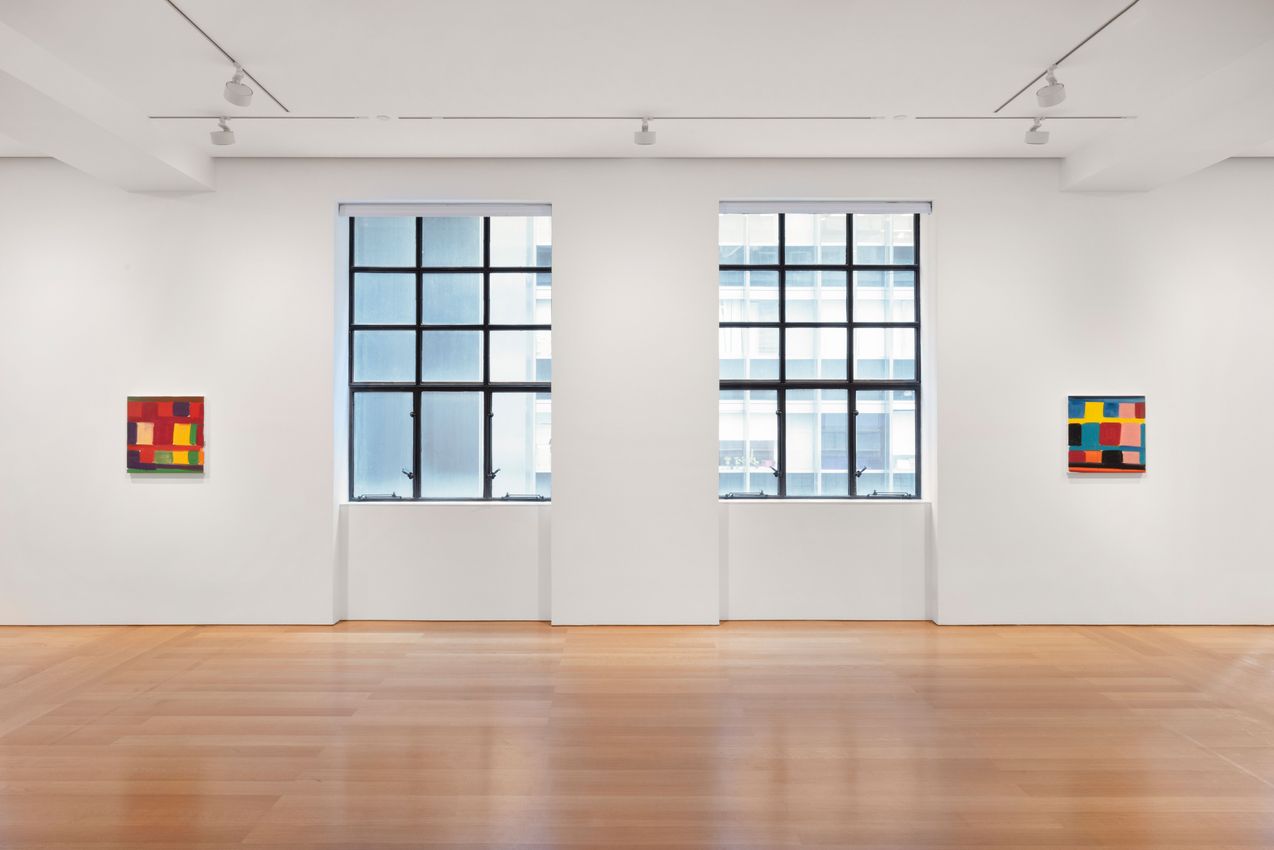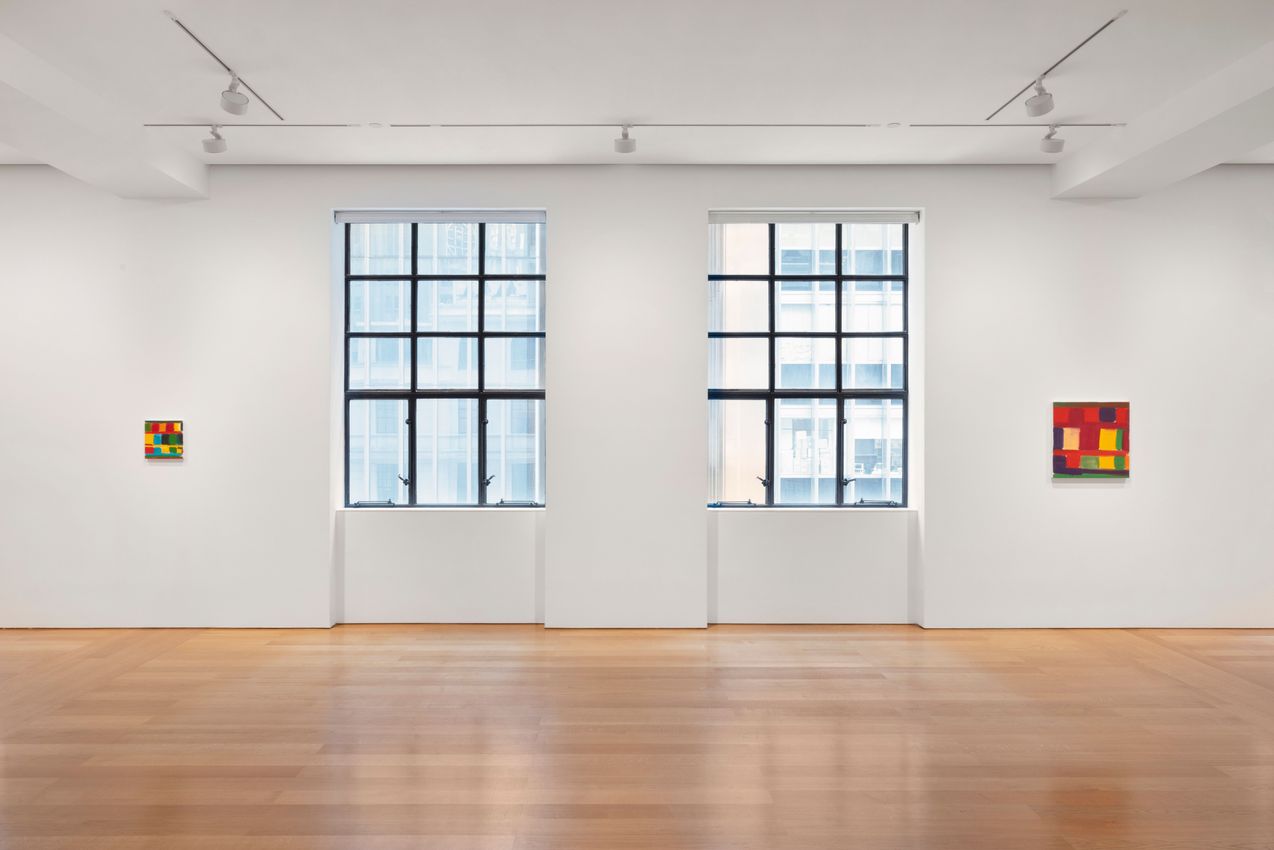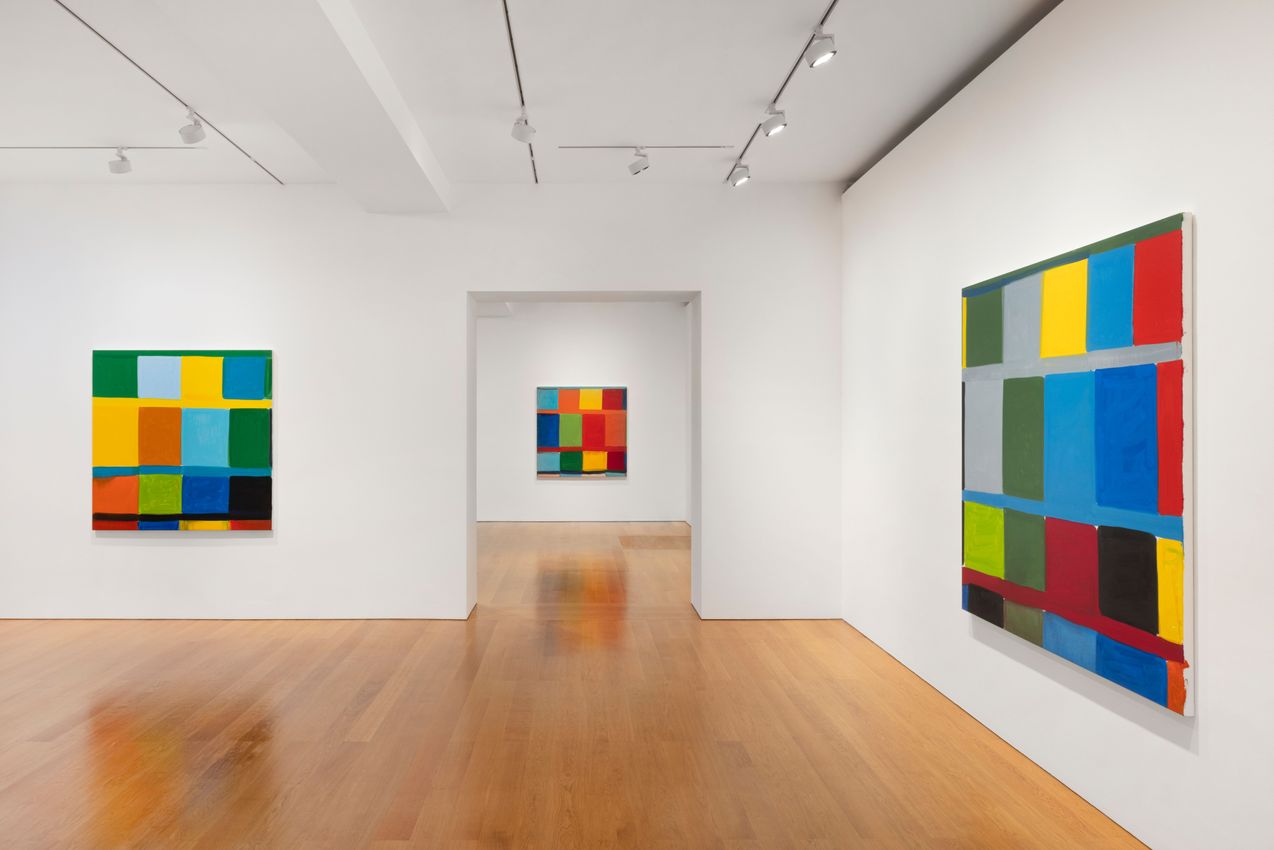
Gagosian is pleased to announce Isn’t Love the Strangest Thing, an exhibition of new and recent paintings by Stanley Whitney opening at the gallery in Hong Kong on September 10. This is Whitney’s first solo exhibition in Asia.
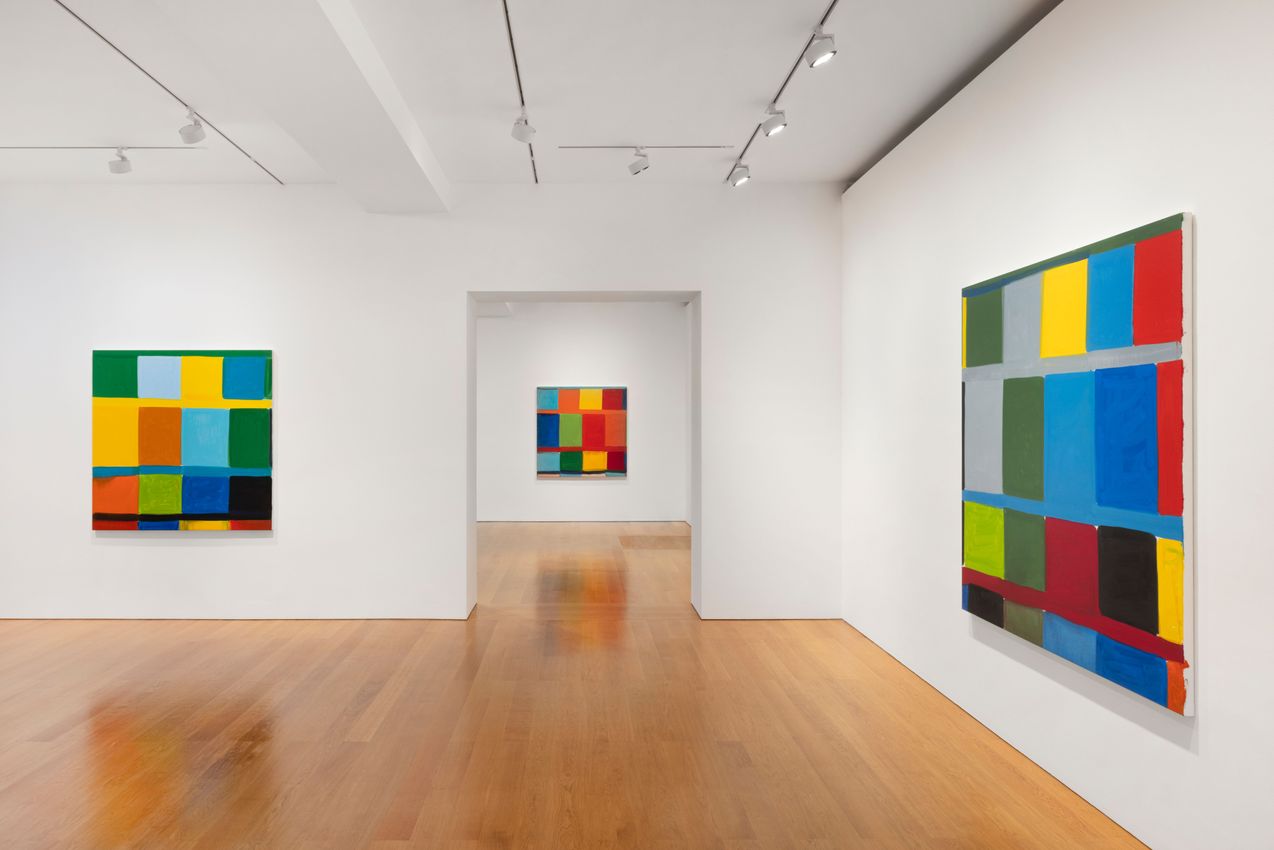
Isn’t Love the Strangest Thing, which features paintings at a variety of scales, from twelve to seventy-two inches square, is named for a jazz standard recorded by Duke Ellington and His Orchestra in 1936, with vocals by Ivie Anderson. This playful song about the unpredictability of romance explores the ways in which falling in love so often entails a disorienting mixture of joy and sorrow. Whitney’s characteristically vibrant abstractions with their heightened awareness of color offer a visual counterpart to the sense of intoxication the song describes. The allusion to jazz—Whitney often references musicians associated with the genre, from Charlie Parker and Ornette Coleman, when discussing visual practice—is a constant in the exhibition, as is the idea that one color may “call” to another, producing new rhythms.
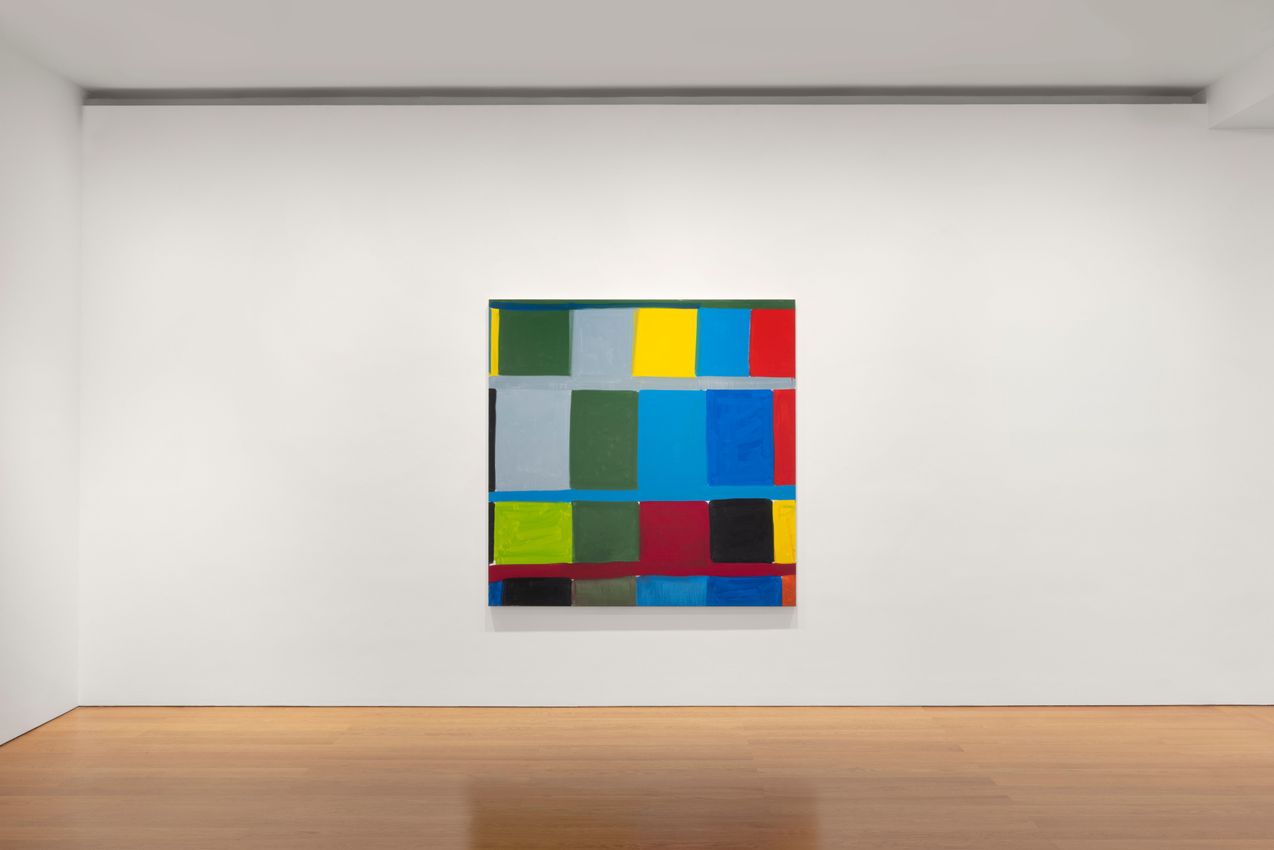
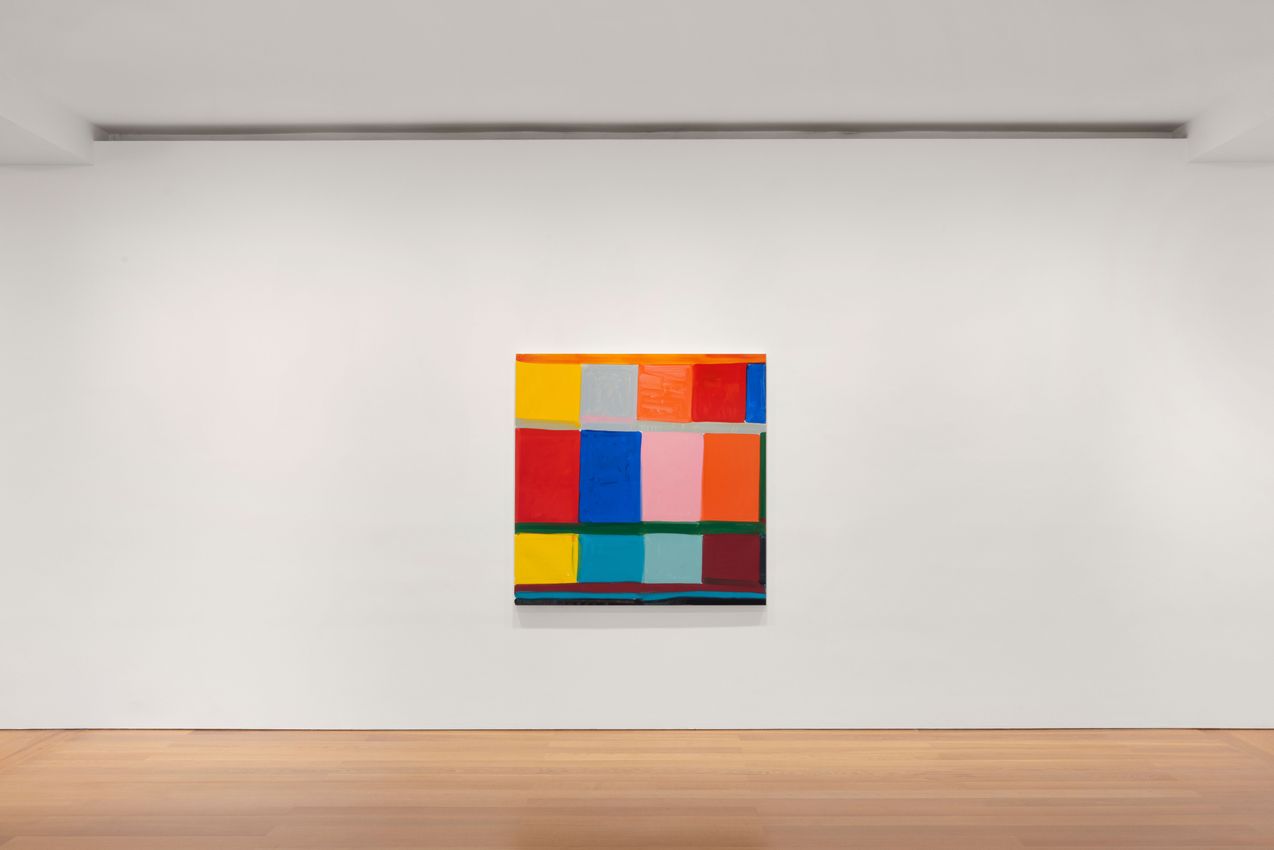
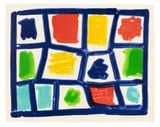
Since the 1990s Whitney has structured his compositions around loose grids of rectangular shapes arranged in three or four rows separated by horizontal bands. Rendered with a gestural hand, each of these individual fields or borders functions both independently and in relation to the whole, activating a dynamic range of formal connections and harmonies that parallels jazz’s distinctive polyphonies. These arrangements also reveal the influence of Black Southern quilt making, as well as Abstract Expressionist artists such as Adolph Gottlieb and Mark Rothko, who were similarly interested in the banded linear patterning of Greek vase painting from the preclassical Geometric and Archaic eras (c. 900–500 BCE).
The title of the Roma series (2017–), entries from which are included in Isn’t Love the Strangest Thing, also alludes to Mediterranean antiquity, signaling a transformative five years that Whitney spent in Rome beginning in 1992. During this time, the artist was inspired by the irregular stonework of ancient buildings and the weathered surfaces of murals to soften his compositional grids and expand his use of painterly gesture.
Also on view are works from the ongoing Stay Song series (2017–), which made its debut in Athens for documenta 14 and was named for a verse by Canadian poet and painter Norma Cole commissioned for an exhibition catalogue of Whitney’s in 2001. Here again, Whitney explores the lyric possibilities of his chosen format and palette, combining an improvisational approach with a consistent structure, blending strategies familiar from the innovators of European modernism with formal echoes of the ancient world.
Finally, works such as Summer of Familiar Pleasures (2024–26), Poetry Afternoon (2026), and Sometime Between Midnight and Dawn (2026) reflect the sensory origins of Whitney’s project and his immersive reflection on the passage of time.

I follow the paintings wherever they take me. If the painting goes out the door, I follow it out the door; if it goes out the window, I follow it out the window.—Stanley Whitney


A respected voice in contemporary art discourse.
Focusing on ambitious storytelling and insightful art-world commentary. Ocula Magazine publishes in-depth interviews, critical essays and timely analysis on the artists, exhibitions and ideas driving the global art world.
Learn more about Ocula Magazine
Showcasing the best of the art world.
Ocula partners with galleries from around the world to highlight their artists, artworks and exhibitions. Gallery membership is by application and invitation, with each member vetted by an independent panel.
Learn more about Ocula Membership

Specialises in the sale of major artworks.
Led by a team with deep ties to the world’s leading auction houses, galleries and collectors. Ocula’s advisory team offers bespoke services to high-net-worth clients from around the world who are looking to acquire the best of contemporary and modern art.
Learn more about our team and services