





The art world in focus
Subscribe to our newsletter for news and insights on artists, galleries and exhibitions.

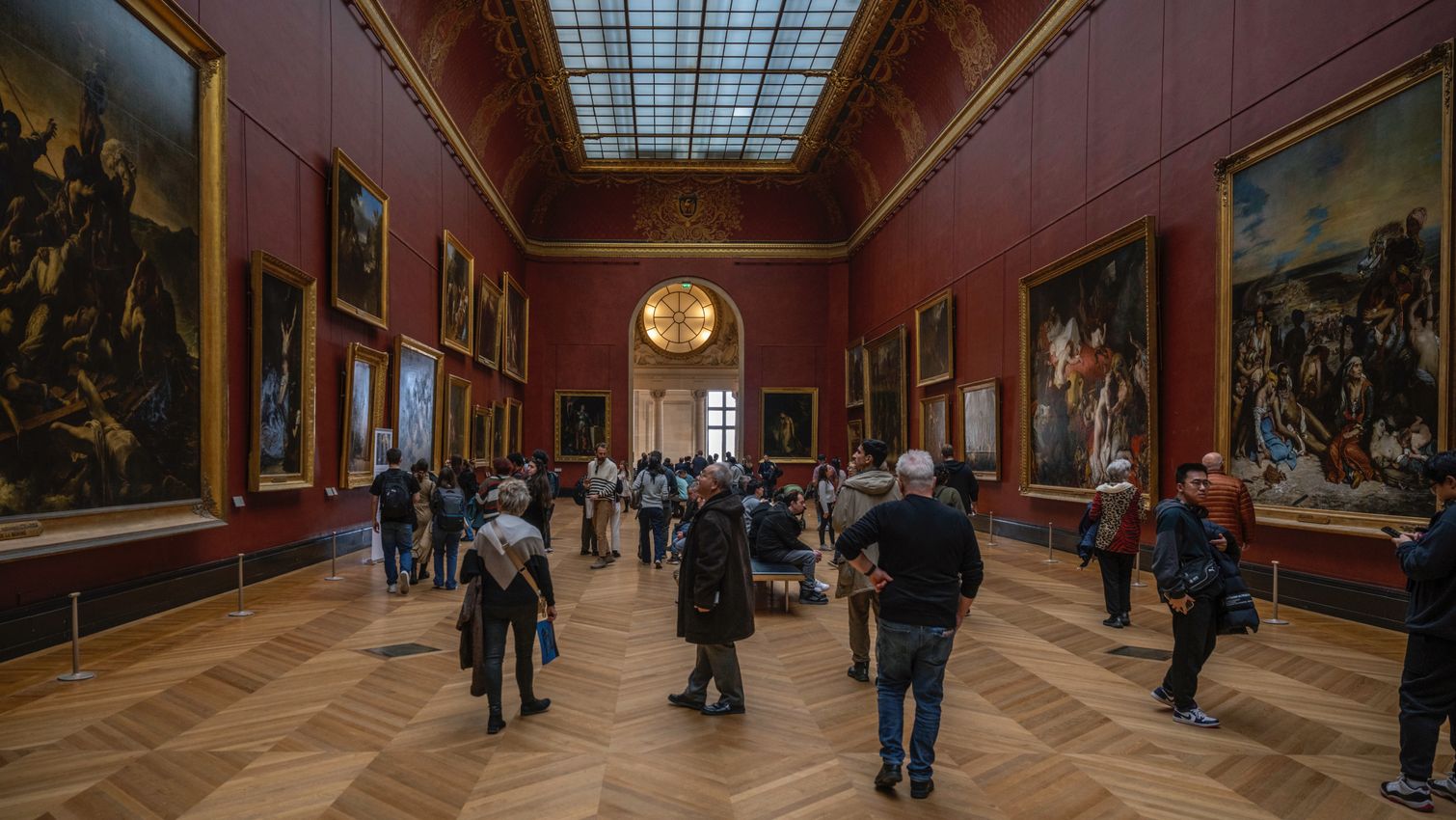
The Louvre Museum reopened on Wednesday morning following a heist that captured the attention of the world.
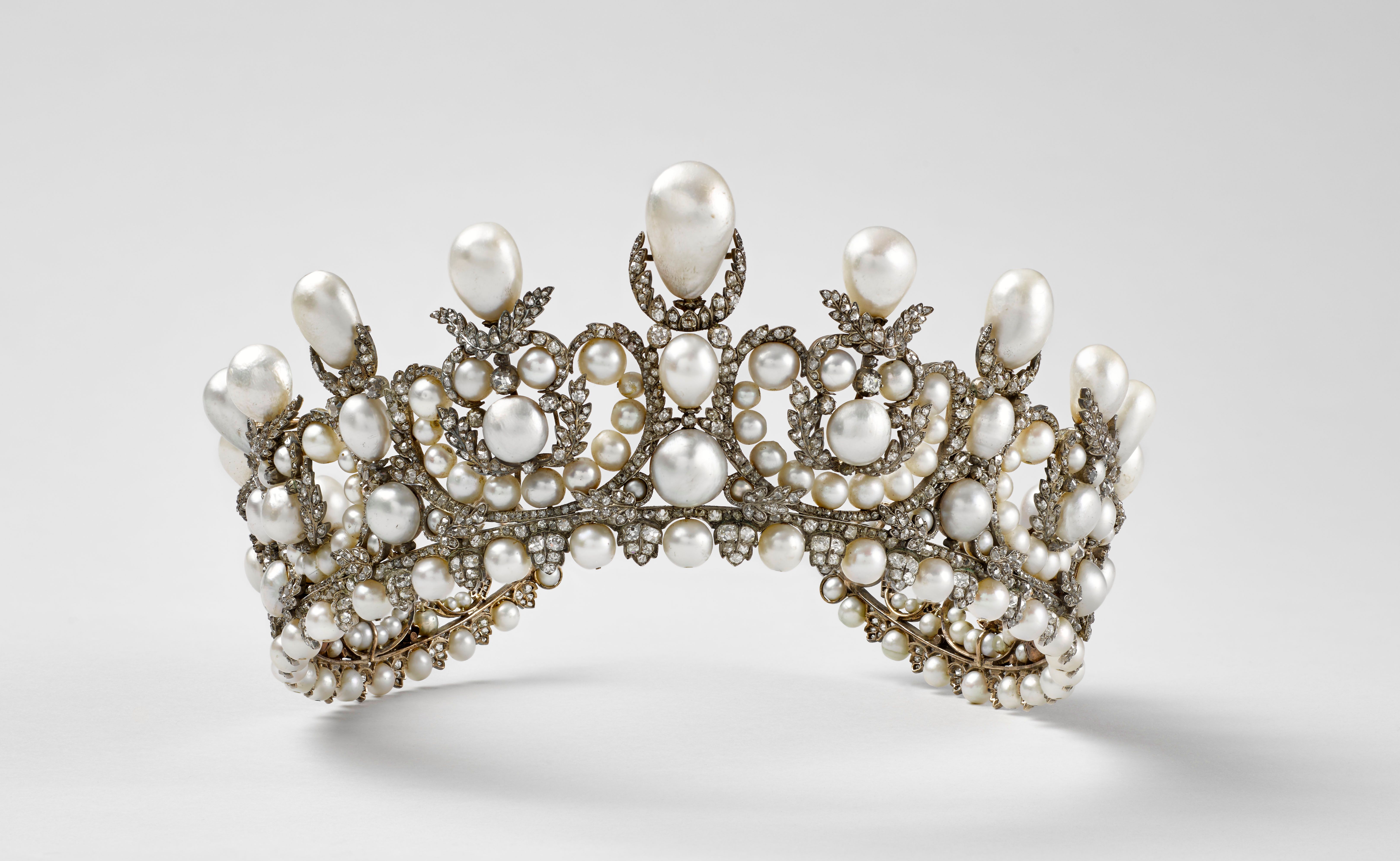
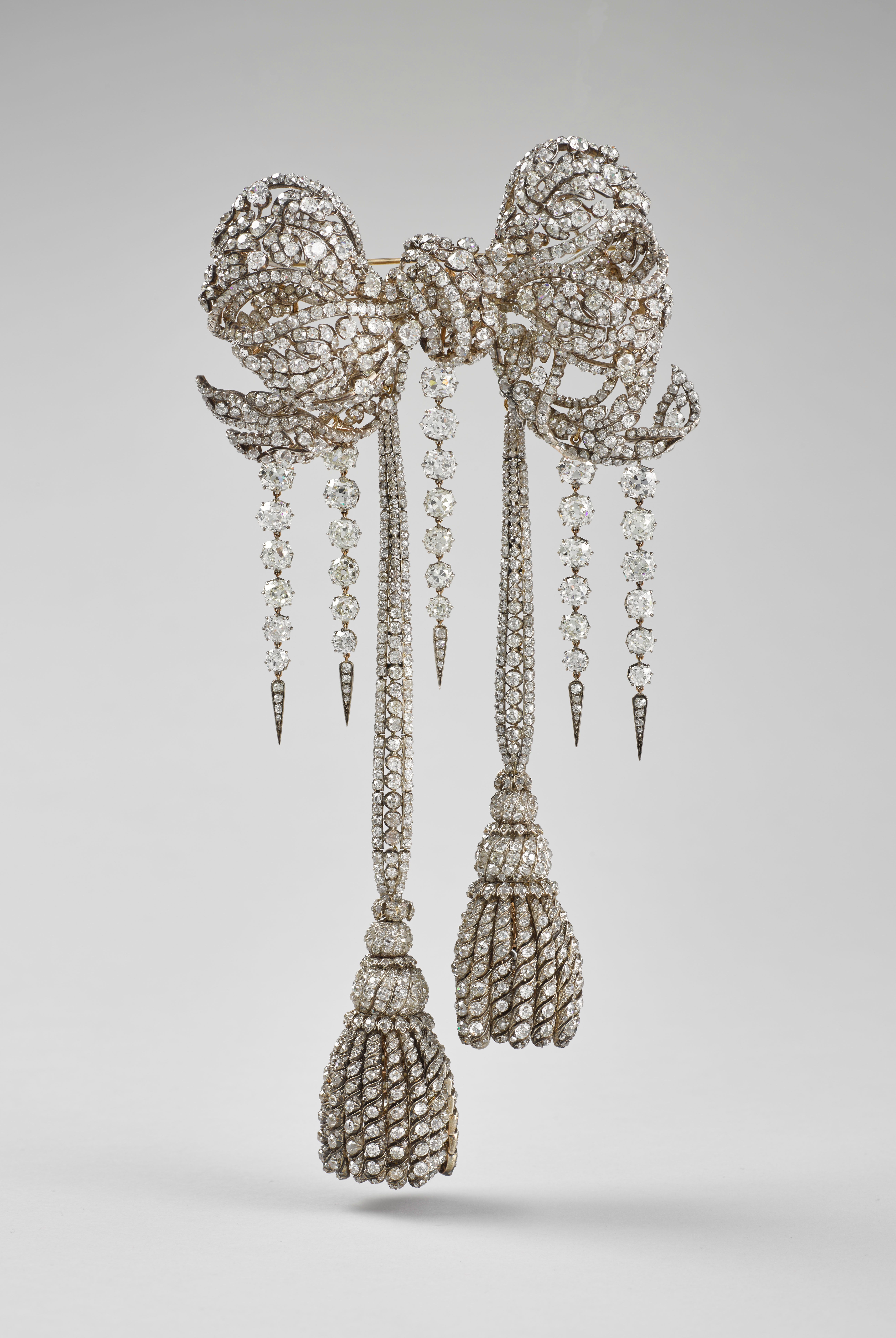
Two thieves disguised as construction workers burgled the world’s most visited museum during opening hours on Sunday morning, climbing up to the Apollo Gallery on a ladder and breaking in through a window. They escaped with eight of the French Crown Jewels, a loss valued at €88 million, in a heist that lasted under eight minutes.
‘These jewels have a historical heritage value that goes far beyond the value of the stones themselves,’ François Curiel, French jewellery specialist and Christie’s chairman, tells Ocula.
‘They tell the story of France,’ he says, referring to the Bonaparte history of the loot. Curiel also highlights that other jewels in the gallery, like the Regent Diamond, have in the past been stolen and later recovered.
Later on Wednesday, Louvre director Laurence des Cars testified before the French Senate, admitting that security cameras did not cover the direction from which the thieves arrived. She also revealed that she had attempted to resign after the break-in, but that Culture Minister Rachida Dati had refused to accept her offer.
Around 100 investigators are now working on the case, with the culprits still at large, although DNA traces have reportedly been uncovered on the furniture lift and other items left behind.
Hope may not be totally lost, according to James Ratcliffe of the Art Loss Register. ‘We have ourselves recovered pieces that are made up of precious metals and jewels,’ he says, while acknowledging that the objects have likely been targeted for their scrap value and may have been destroyed.
But was this heist preventable? ‘Partially,’ says museum security expert Ibrahim Bulut. ‘Several specific controls could have made the job harder, noisier, or slower—but no system can guarantee zero risk against a fast, well-planned, multi-person attack.’
Bulut anticipates ‘a visible tightening across Europe and beyond—especially for compact, high-value jewellery displays’, citing measures such as ‘tougher façade controls, substantially more robust jewel-case specifications, stricter contractor management, red-team drills, smarter analytics, and stronger governance/insurance demands across major museums’.
In fact, President Emmanuel Macron ordered a ‘speeding up’ of security improvements for the Louvre at a cabinet meeting yesterday, according to Le Monde.
‘The theft from the Louvre,’ Ratcliffe says, ‘is surely the point at which any museum that does not already do so must start preparing security plans that take into account the scrap value of the objects within their collection as much as their market or cultural value.’ —[O]
A respected voice in contemporary art discourse.
Focusing on ambitious storytelling and insightful art-world commentary. Ocula Magazine publishes in-depth interviews, critical essays and timely analysis on the artists, exhibitions and ideas driving the global art world.
Learn more about Ocula Magazine
Showcasing the best of the art world.
Ocula partners with galleries from around the world to highlight their artists, artworks and exhibitions. Gallery membership is by application and invitation, with each member vetted by an independent panel.
Learn more about Ocula Membership
Specialises in the sale of major artworks.
Led by a team with deep ties to the world’s leading auction houses, galleries and collectors. Ocula’s advisory team offers bespoke services to high-net-worth clients from around the world who are looking to acquire the best of contemporary and modern art.
Learn more about our team and services
