


The art world in focus
Subscribe to our newsletter for news and insights on artists, galleries and exhibitions.
During the early 2000s, Turkish artist and filmmaker Kutluğ Ataman spent two years filming in a small neighbourhood in western Istanbul. Not in the working-class tower blocks, but in a shantytown wedged between them: a huddle of makeshift shacks which, when Ataman visited, covered an area equivalent to two football fields. Küba, as it was referred to by its inhabitants, was formed in the late 1960s, following an influx of low-income workers, Kurdish migrants and left-wing militants.
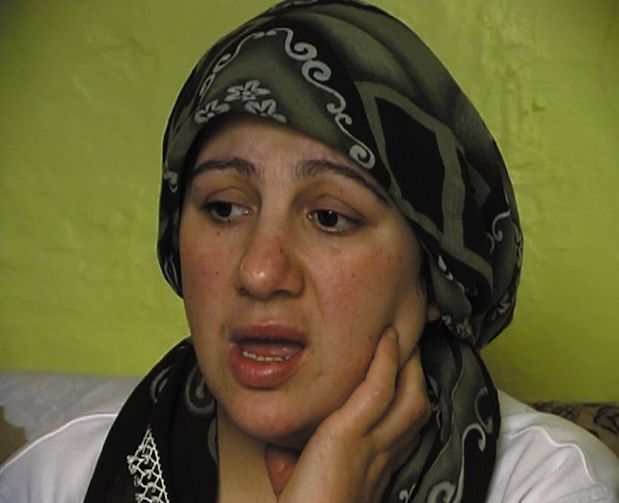
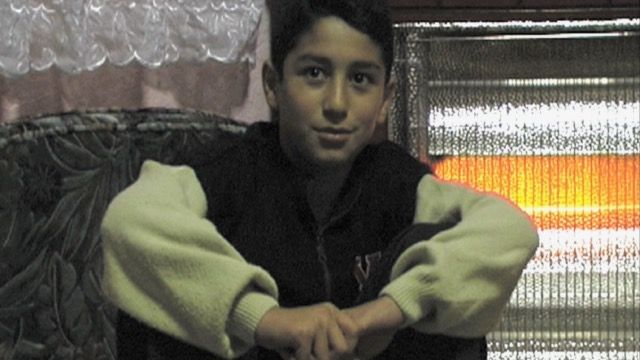
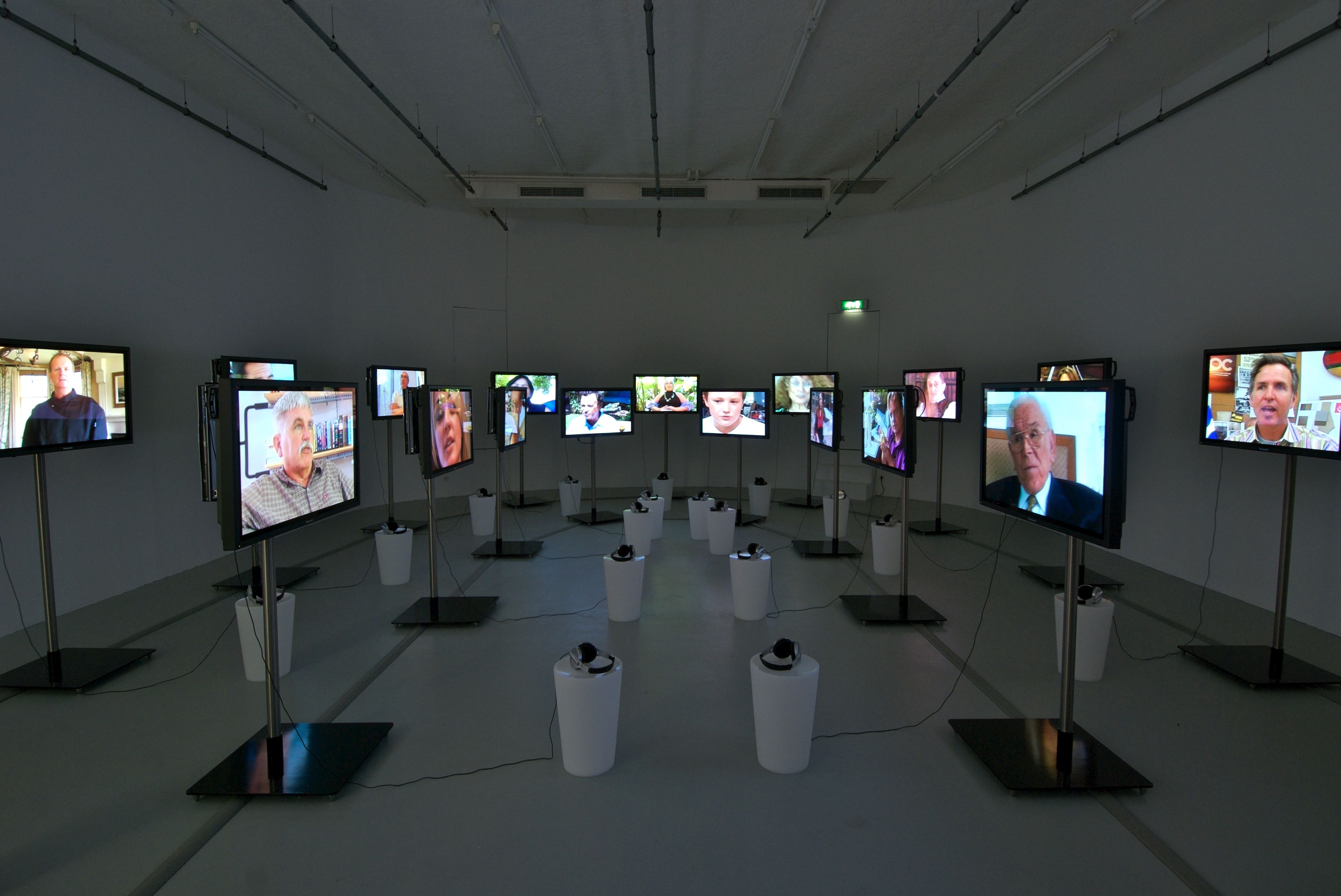
Küba’s architectural structure is not clear from watching Ataman’s video installation Küba (2004). Instead, the work centres the faces and stories of the community’s inhabitants, underscoring the artist’s assessment that Küba “is first and foremost a state of mind”. Inhabitants young and old share their stories and memories of Küba, along with their hopes and frustrations about the place they call home. “They envied the love and respect we had for another,” a young man called Arif explains. “In those days, this was a very tight community. Outsiders weren’t accepted as they weren’t one of us.”
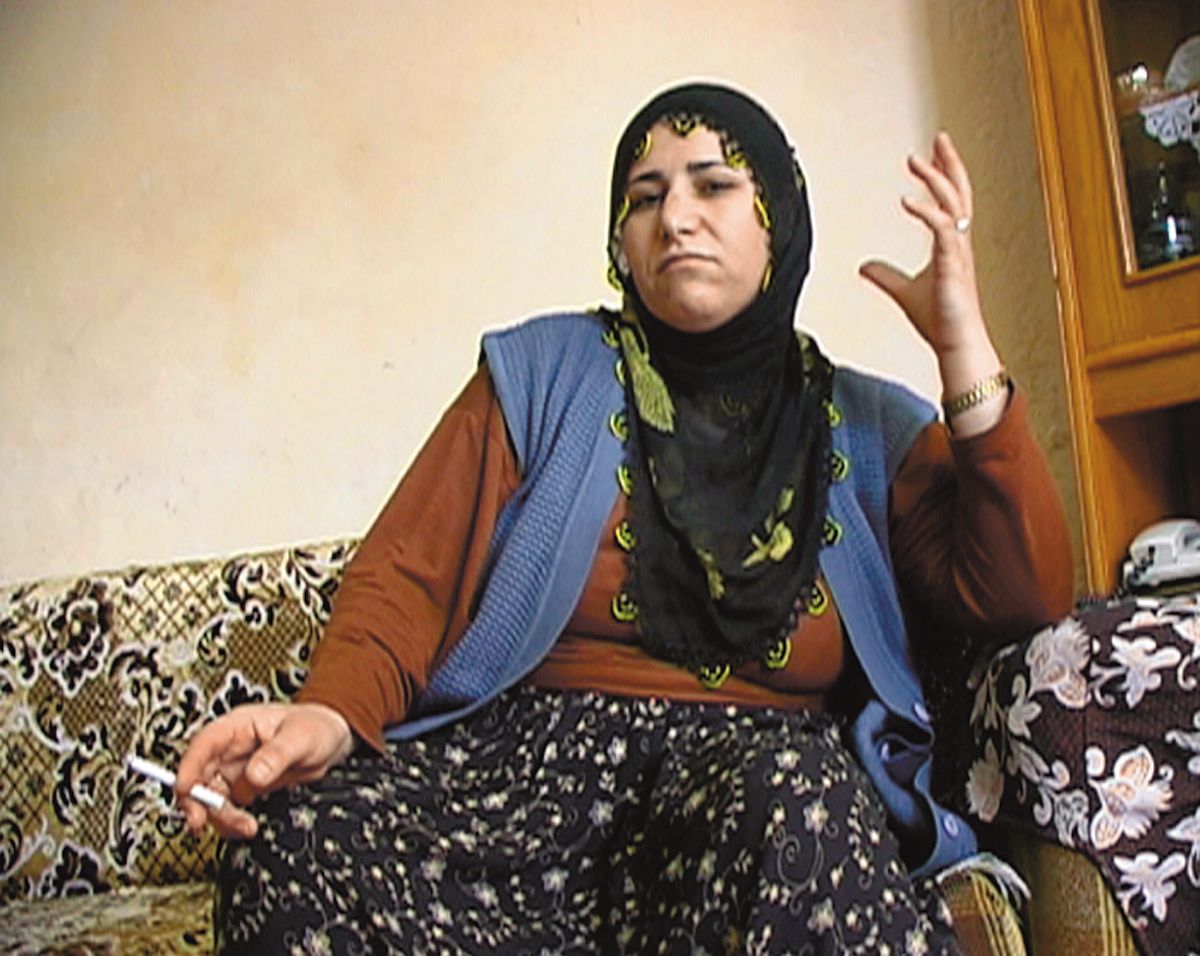
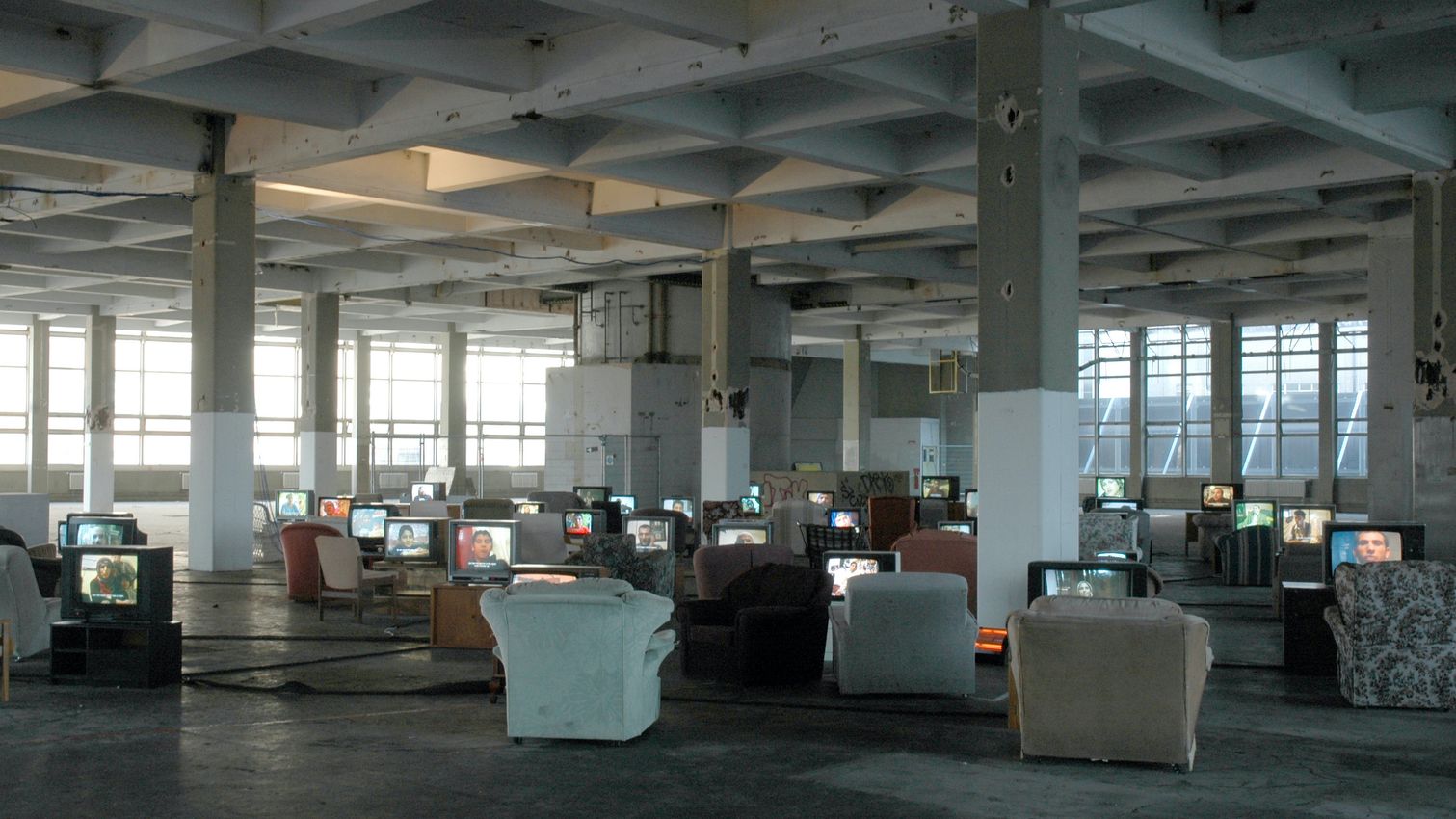
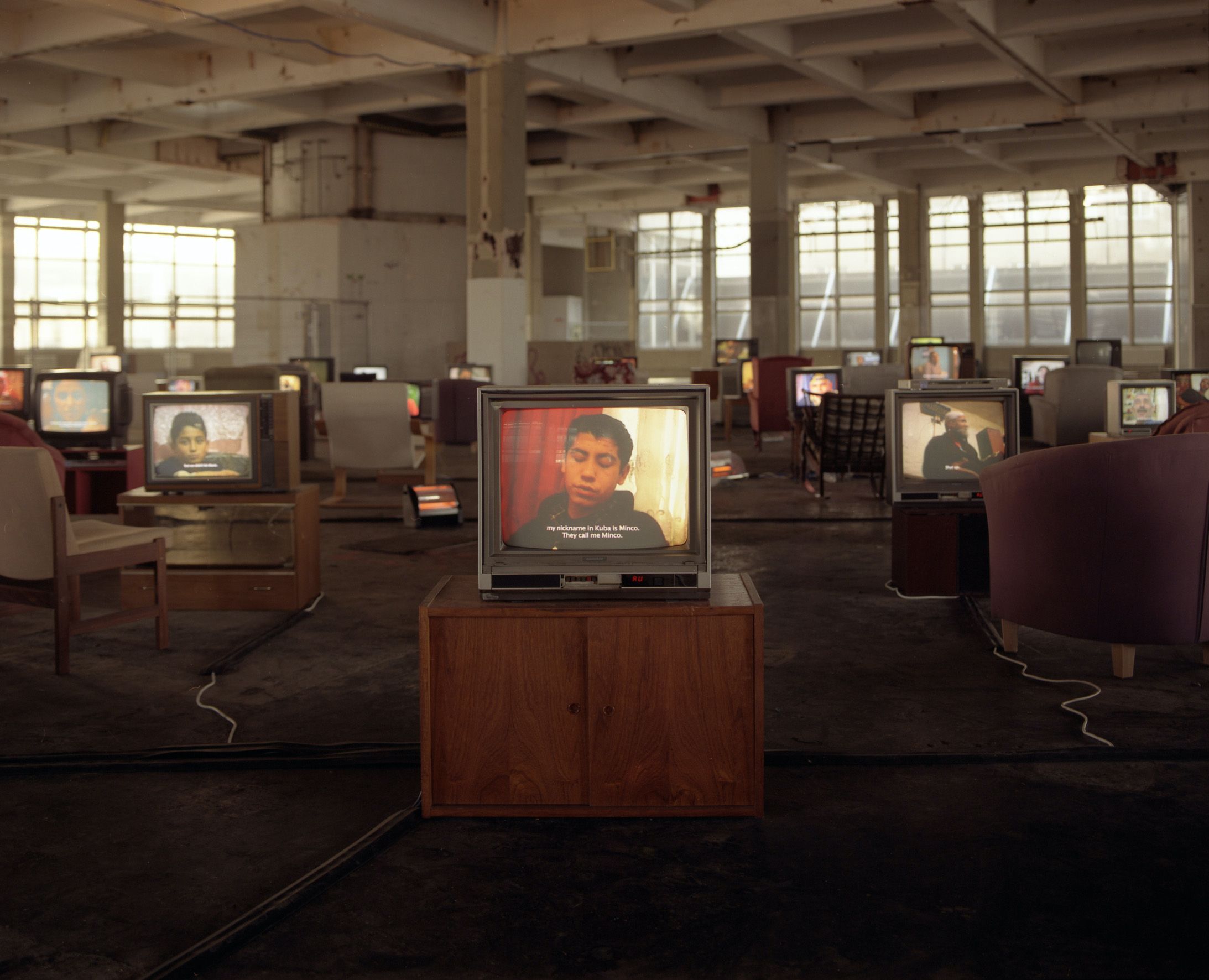
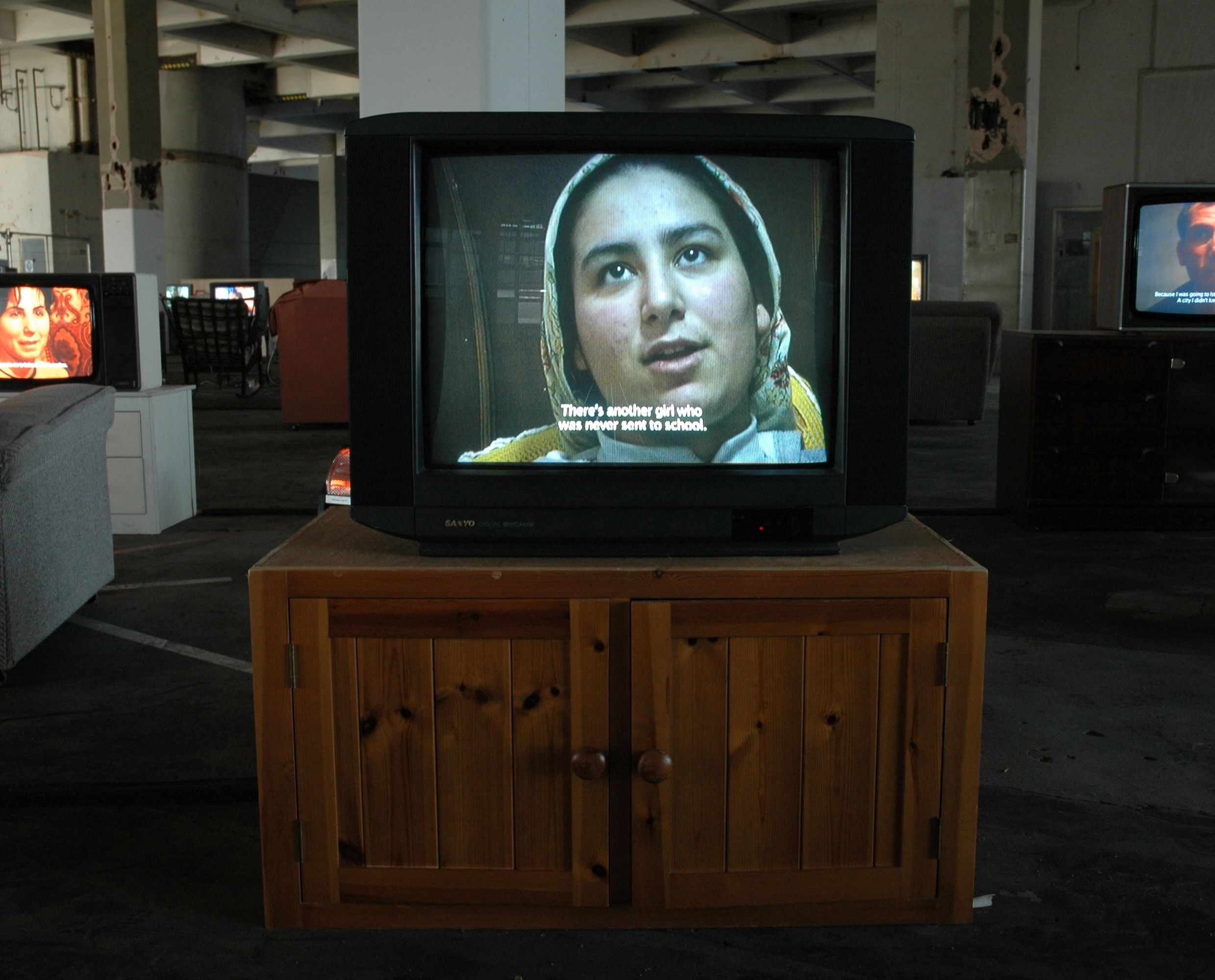
Fittingly, when the work is exhibited, the inhabitants’ testimonies are shown simultaneously across 40 cathode-ray domestic television sets—a significant decision, especially for someone trained as a narrative filmmaker, known for feature films such as Lola + Bilidikid from 1999. Since its creation, Küba has been exhibited in a remarkable range of places—including a disused Royal Mail sorting office, a Belgian harbour warehouse and atop a converted container barge travelling up the Danube, garnering new readings in the process.
During Art Basel Paris, Küba will be shown at the Chapelle des Petits-Augustins, a former repository for cultural artefacts that were threatened with destruction during the French Revolution. Inside this former safe haven, Küba’s stories gain new relevance, especially given that the community itself, as Ataman encountered it in 2004, no longer exists, its residents having largely been evicted following years of redevelopment threats. It is in this light perhaps that the work’s intended commentary on the irreducibility of identity and the impossibility of articulating objective truths comes to the fore.
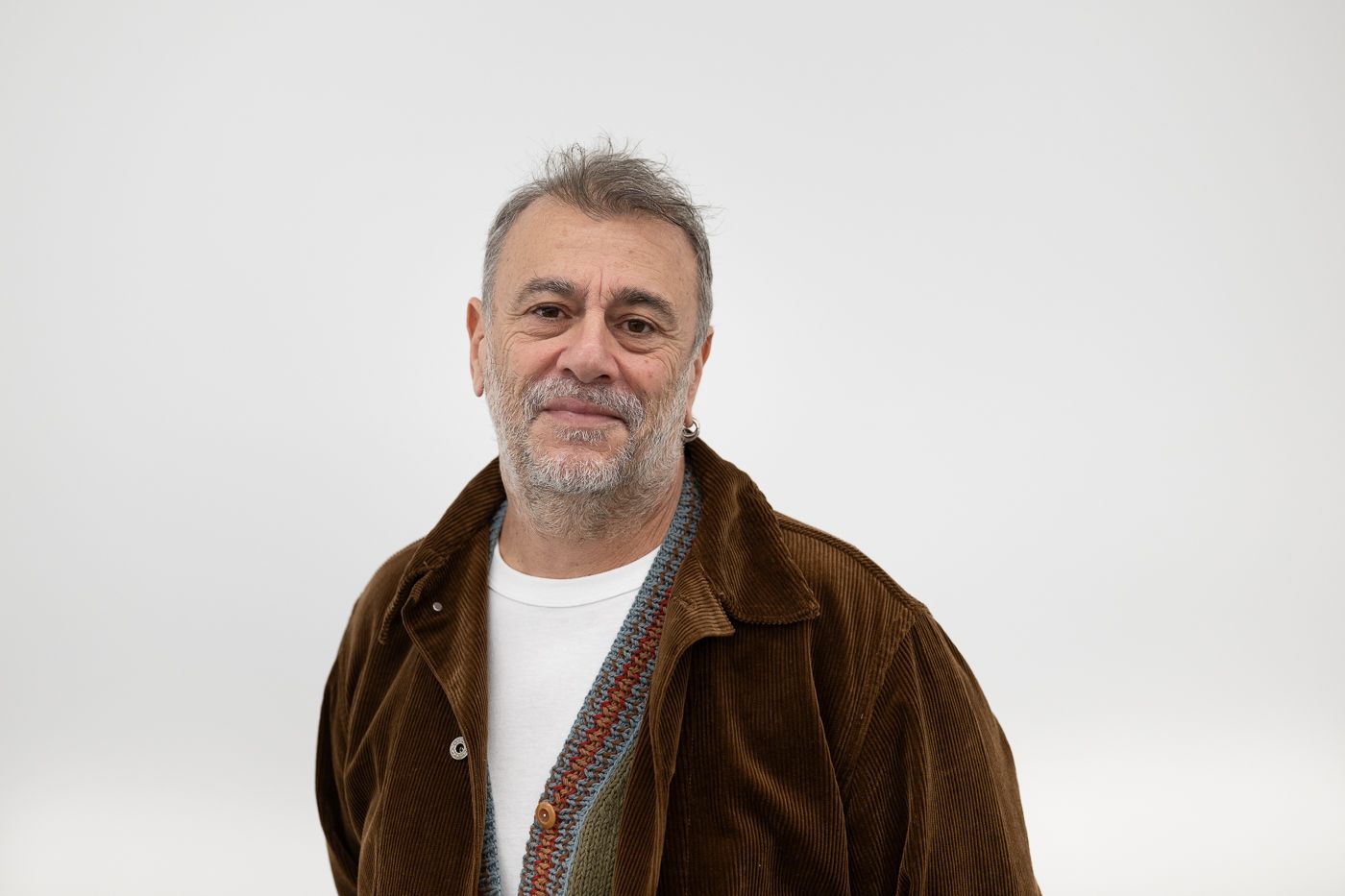
As Ataman prepared for the Art Basel Paris show, I sat down with the artist to talk about his perception of his own artworks, the impossible nature of communicating “reality” and how he transferred the concept for Küba to California.
Kutluğ Ataman: I never thought of my work within that framework. Having said this, I think social media consists of very short snippets. My pieces, on the other hand, are long—as some people put it, “impossibly long”. This is on purpose, because my work has always been about the impossibility of fully communicating and conveying “reality”. It is impossible to see the entire Küba because it consists of stories that cannot be watched in one go. And yet every visitor will say “Yes, I have seen Küba,” perhaps not realising that each individual‘s experience of Küba is unique. Every visitor will have made their own montage of the many stories on the monitors, each one walking out with their own version of what Küba is. Social media may also have talking heads, fulfilling users’ need to share their stories. However, describing Küba, as some critics did, as “giving powerless people a chance to express themselves in the age before social media” would be an oversimplification of my work. I never intended that mission, though I completely understand why Küba would be perceived that way.
KA: When I refer to Küba as a state of mind, I mean it literally. Before it was completely erased, the area was off limits to outsiders. The residents simply did not let strangers in, and the police wanted nothing to do with Küba. This created a myth around the place, and each resident had their own interpretation of it while maintaining a common mythology at the same time. They gave the place a fictive, unofficial name, Küba, borrowed from the island republic as a sign of respect for its revolution. They spoke of their neighbourhood as an entity separate from the wider society, almost like another country with its own rules, mores and culture. What is more, each person’s version of this city block was both imagined and real at the same time. Küba never really existed outside its residents’ stories. I believe this is true of every community that constructs an identity for any reason, whatever that identity is supposed to be. I am not primarily interested in that identity. I am interested in how it is scripted, constructed and maintained.
“My work has always been about the impossibility of fully communicating and conveying ‘reality’”
KA: No, I don’t. To me, the totality of my artworks is my diary. I never think of my artworks as artworks per se, but more as stages of my interpretation of life, made up of my observations and realisations, which accumulate over time, come to fruition and need sharing. I share those stages and hope that others will respond and, most importantly, challenge them, so that new arguments and ideas can take root as a result. To me, an artwork is not an end product. On the contrary, it is a beginning, a proposal that should lead to discussion and hopefully open new doors in our thinking. A diary is retrospective by nature. I am not sure it has the dynamic properties that art can have.
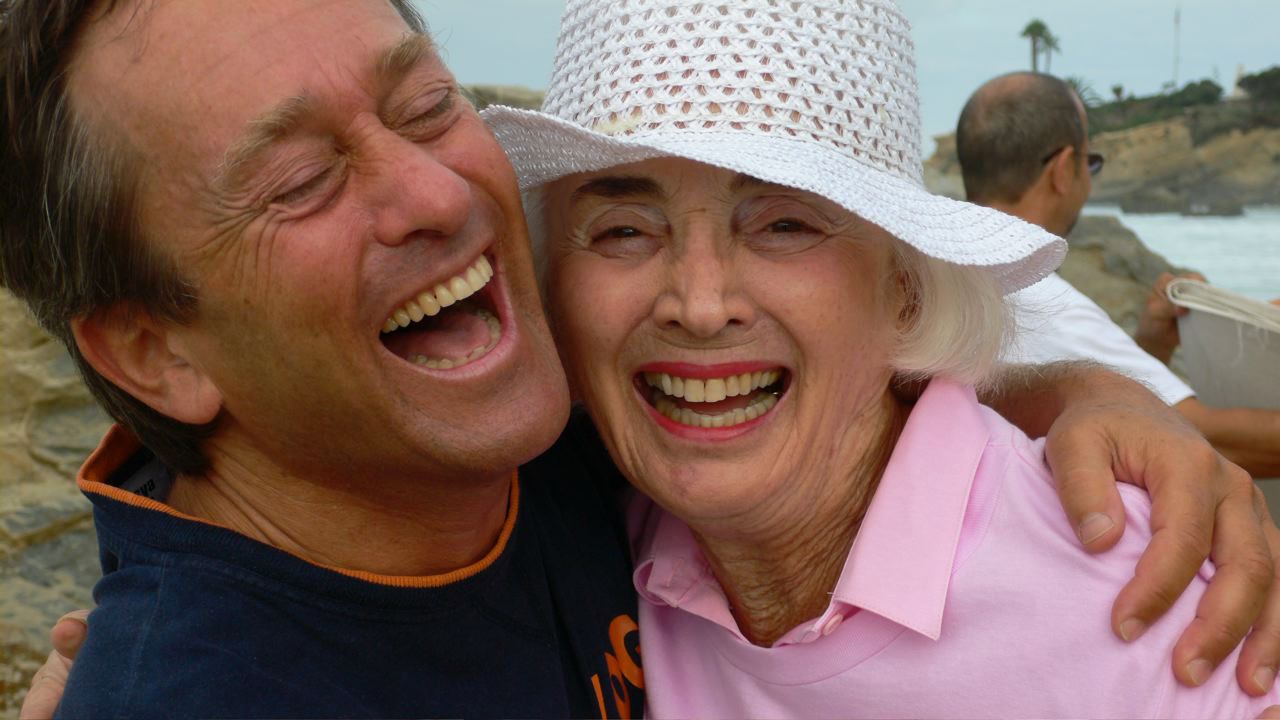
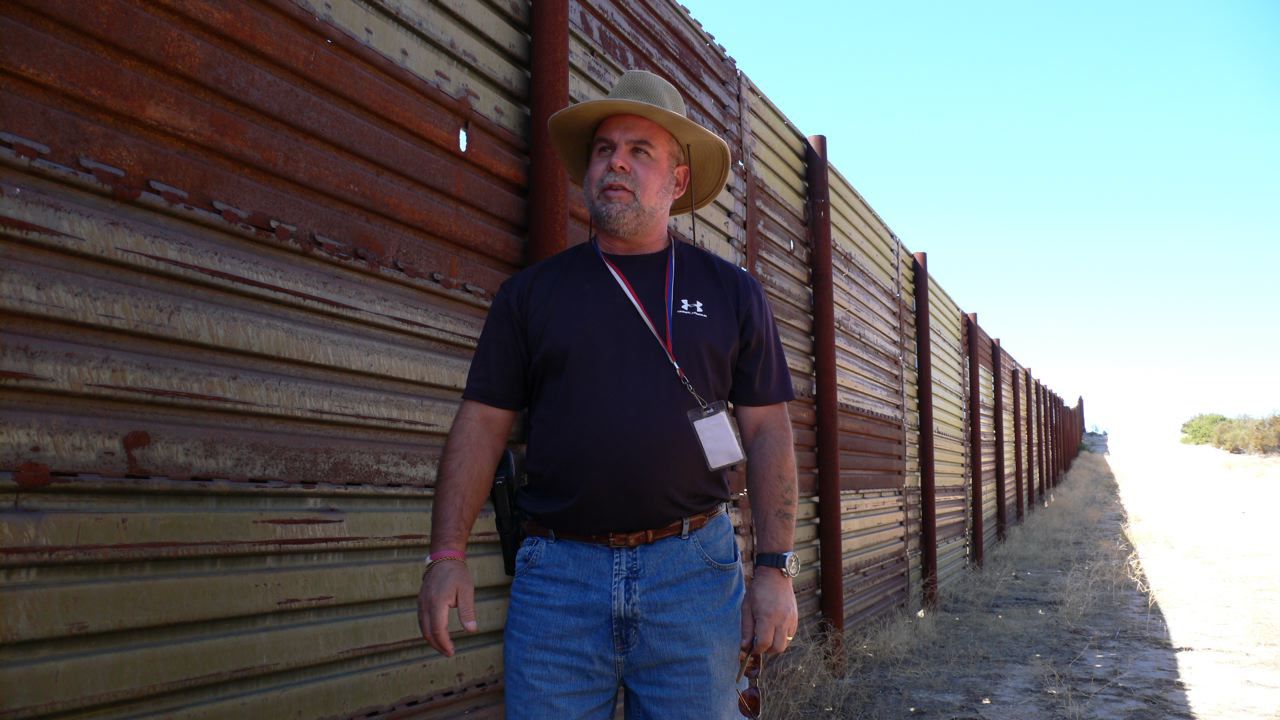
KA: I am not partial to any one of my works, and that includes Küba. So I don’t know how to answer your question honestly. If I may, though, I want to tell you something else. When Küba came out for the first time, the initial reaction was that the artist was giving a voice to people who were otherwise condemned by society to remain silent; a complete cliché that allowed no other option for proper theory and analysis. On the one hand, it is true. Küba does that, because I am a storyteller. But is story everything? My intention was to comment on the impossibility of communication, that Küba could never be understood, and that objective truth could never be fully achieved between the storyteller and the recipient.
Eventually I decided to make a new work to counter the solely romantic reading of Küba. I went to a very affluent part of California and made a new piece called Paradise. It has the same set-up as Küba, but this time with affluent and well-educated people, not poor ones, in order to demonstrate that exactly the same mechanical properties function. Paradise demonstrated this, and yet Küba kept maintaining its weight, because art audiences come from relatively more educated, liberal and well-off segments of society, who are taught to care about less privileged segments, and perhaps they did not like the fact that Paradise placed a mirror in front of their faces.


A respected voice in contemporary art discourse.
Focusing on ambitious storytelling and insightful art-world commentary. Ocula Magazine publishes in-depth interviews, critical essays and timely analysis on the artists, exhibitions and ideas driving the global art world.
Learn more about Ocula Magazine
Showcasing the best of the art world.
Ocula partners with galleries from around the world to highlight their artists, artworks and exhibitions. Gallery membership is by application and invitation, with each member vetted by an independent panel.
Learn more about Ocula Membership
Specialises in the sale of major artworks.
Led by a team with deep ties to the world’s leading auction houses, galleries and collectors. Ocula’s advisory team offers bespoke services to high-net-worth clients from around the world who are looking to acquire the best of contemporary and modern art.
Learn more about our team and services