





Hans Ulrich Obrist on the Art Book That Changed His Life
Save to My OculaAlighiero Boetti’s I mille fiumi più lunghi del mondo (The Thousand Longest Rivers in the World, 1977) is an exercise in portraiture. Co-authored with his partner, the seminal writer and art critic Anne-Marie Sauzeau Boetti, the book, as its title states, classifies the thousand longest rivers in the world. We can never truly measure rivers because their meandering flow escapes precise quantification; sources stating the lengths of rivers deviate wildly from one another. Boetti used consistent sources to establish his hierarchy of lengths and, at the bottom of each page, added all of the divergent lengths found in separate sources. ‘Ordine e disordine’ (order and disorder), to quote Boetti, the book immediately questions the idea of an established or universal order.
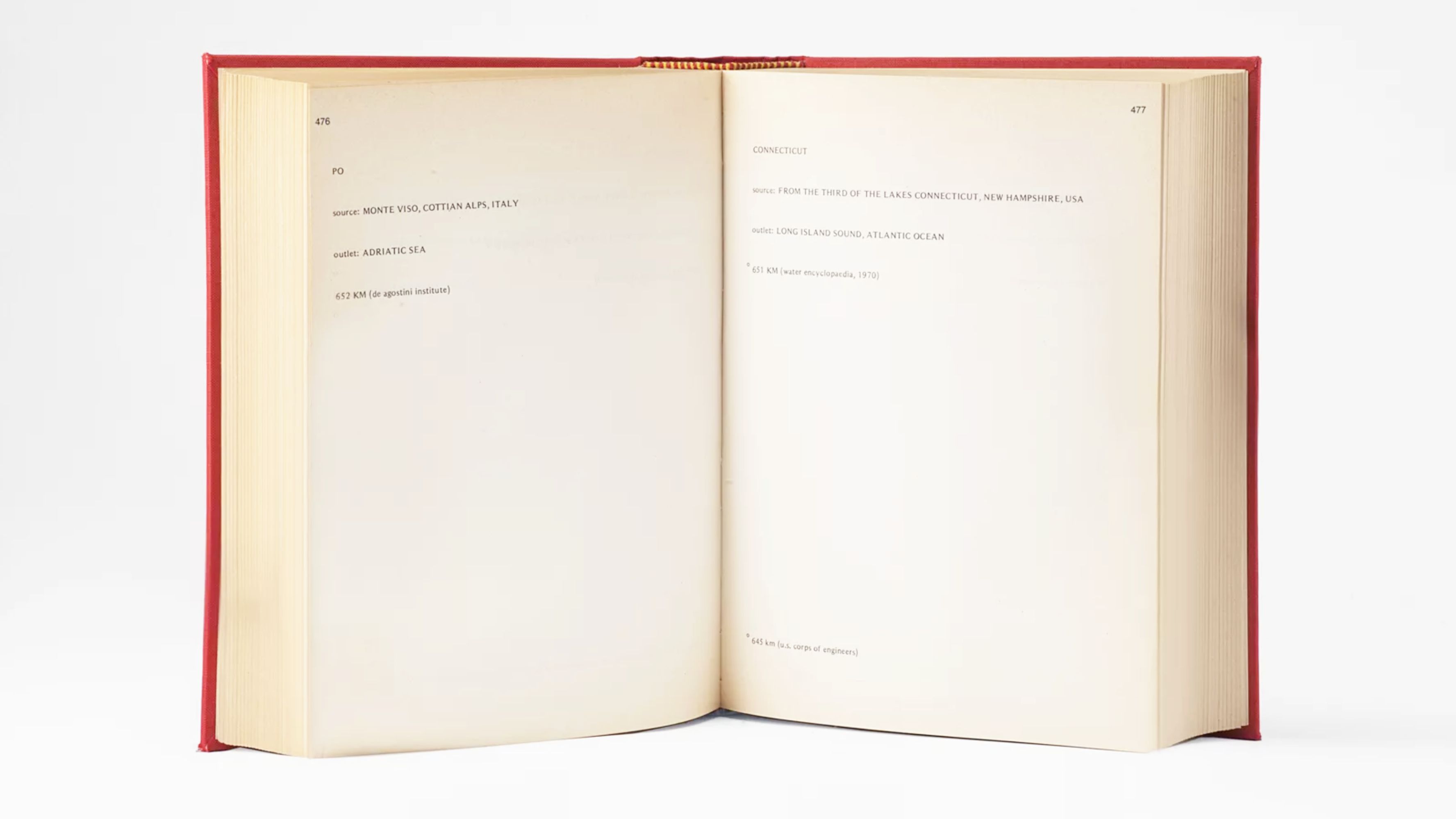
The Ancient Greek philosopher Heraclitis said, ‘No man ever steps in the same river twice, for it’s not the same river, he’s not the same man,’ and I think that’s such a beautiful thought about rivers. I did a reading of Boetti’s book in Turin a few years ago, where I read all the names and lengths of the rivers as a tribute. It’s fantastic to read it aloud, all these beautiful names.
The book is magical for me because it also relates to a day that changed my life. When I was 17, I travelled from Zurich to Rome by night train to visit Boetti in his studio; I had been introduced by Peter Fischli and David Weiss. In preparation for my trip I had bought Boetti’s books, including I mille fiumi. I remember I bought it in a bookstore in Munich, when it was still possible to get hold of; today, copies of it are very rare.
Boetti spent the day with me and he was so generous with his time and knowledge. I was still just a kid and hadn’t started my curatorial activities. He drove me at breakneck speed to visit the Italian painter Mario Schifano in his studio and took me out for lunch. Over those hours, I learnt more from Boetti than I had in the previous years of studying.
One thing Boetti said to me is the most important thing that anybody has told me, and it would become my curatorial methodology ever since: he believed that the art world squeezes artistic practice into existing formats—biennials, museums, galleries, art fairs—and artists are invited to react to these spaces. He felt we should invert that and listen to what artists really want to do.
Artists have so many projects outside the world of exhibitions; they want to do things in the world and in society. He taught me that my role could be to help these unrealised projects become a reality. His advice was always to begin a conversation by asking artists about their unrealised projects, about projects that they weren’t able to do in the existing framework of the art world. I am eternally grateful to Boetti, and, for me, all of this is deeply connected to I mille fiumi.
This book is not about art, this book is art. The way the book is bound is so beautiful: like all of Boetti’s artist books, it has a hard red cover; there’s also a special edition which is bound in one of his famous Arazzi embroideries. The world of artist books is still not visible enough; we need more museum displays to feature them. Artist books are a multiplied work of art, a more accessible work of art, art that circulates. I often return to I mille fiumi, open it on a random page, follow the course of a river, and find out more about its stories. —[O]
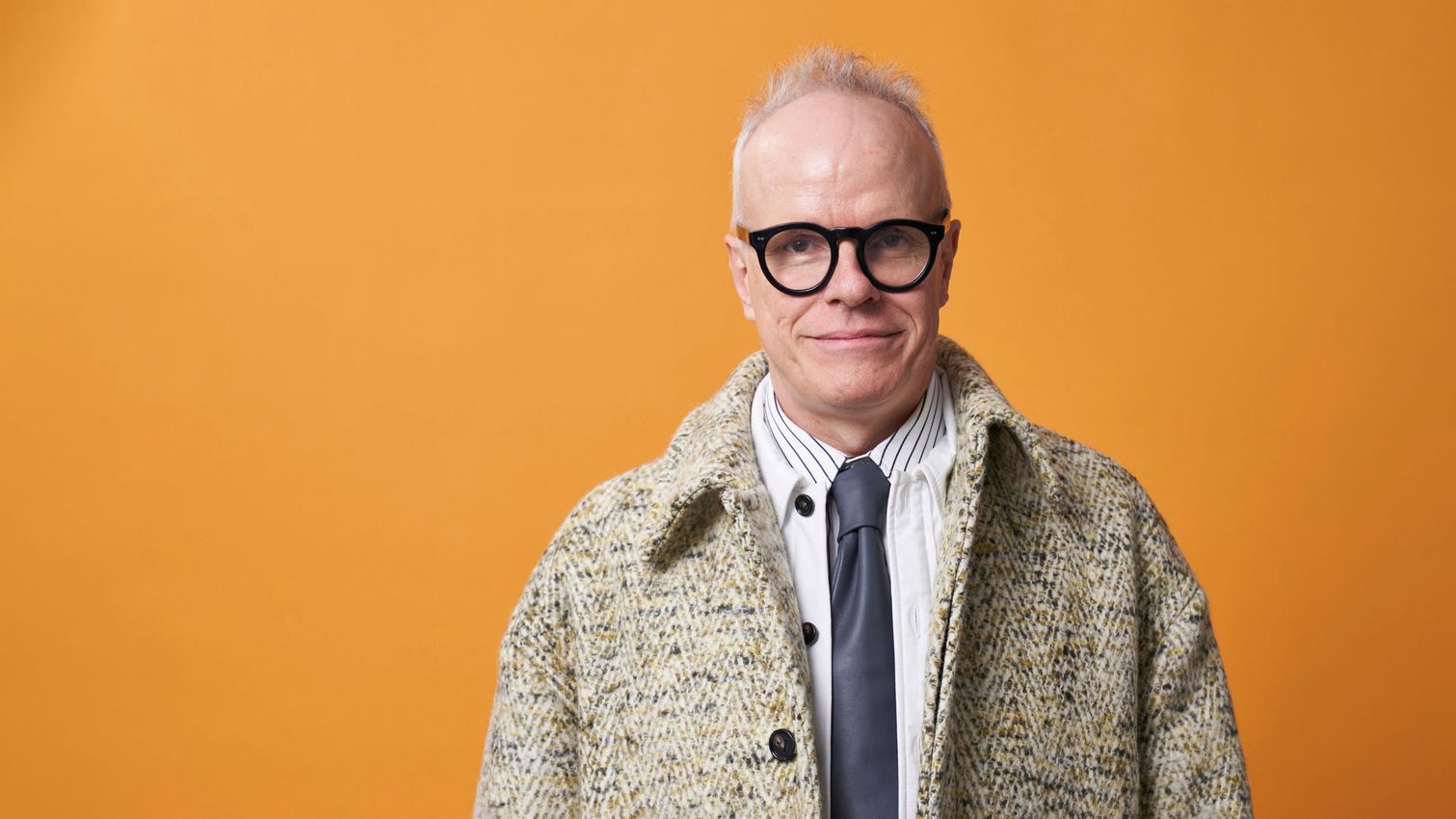
Main image: Hans Ulrich Obrist. Photo: Elias Hossas.




A respected voice in contemporary art discourse.
Focusing on ambitious storytelling and insightful art-world commentary. Ocula Magazine publishes in-depth interviews, critical essays and timely analysis on the artists, exhibitions and ideas driving the global art world.
Learn more about Ocula Magazine
Showcasing the best of the art world.
Ocula partners with galleries from around the world to highlight their artists, artworks and exhibitions. Gallery membership is by application and invitation, with each member vetted by an independent panel.
Learn more about Ocula Membership
Specialises in the sale of major artworks.
Led by a team with deep ties to the world’s leading auction houses, galleries and collectors. Ocula’s advisory team offers bespoke services to high-net-worth clients from around the world who are looking to acquire the best of contemporary and modern art.
Learn more about our team and services