Press Release

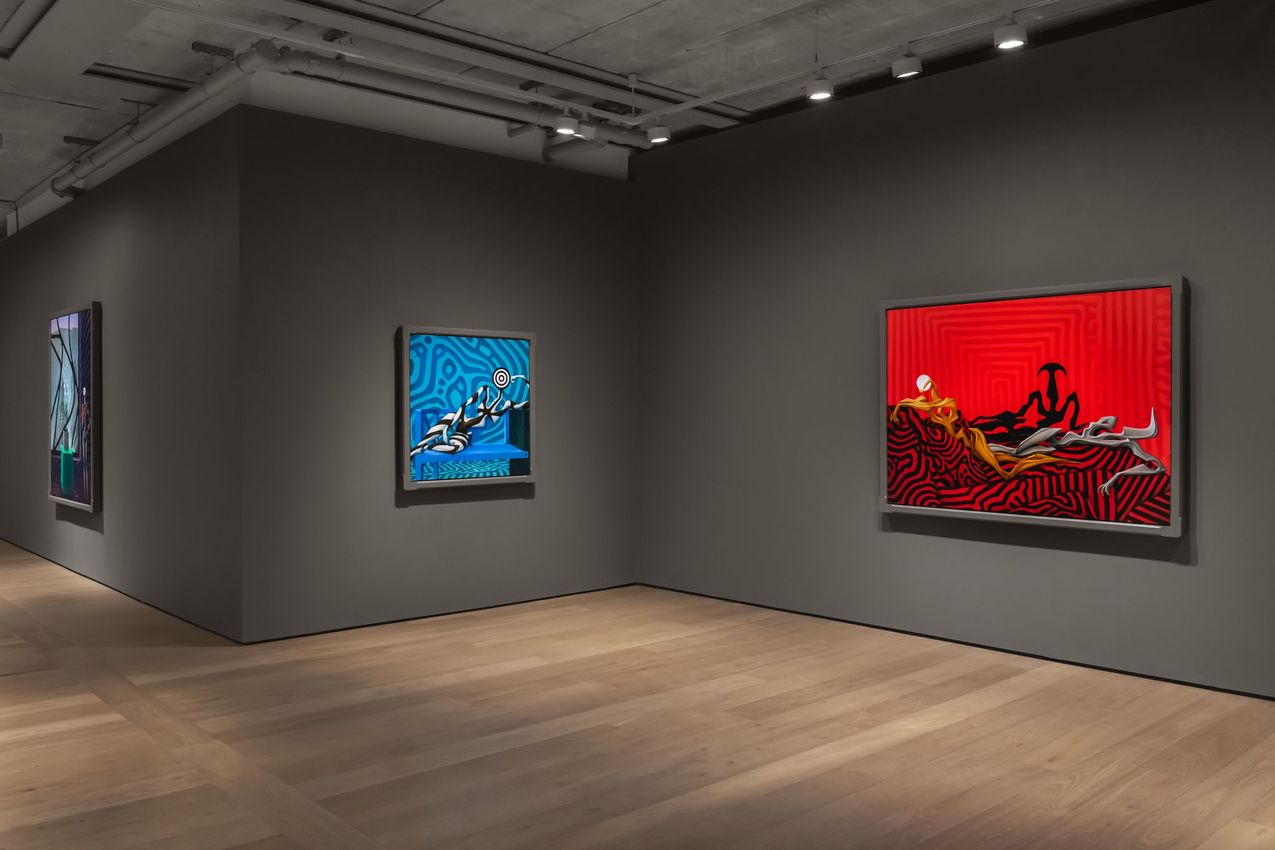
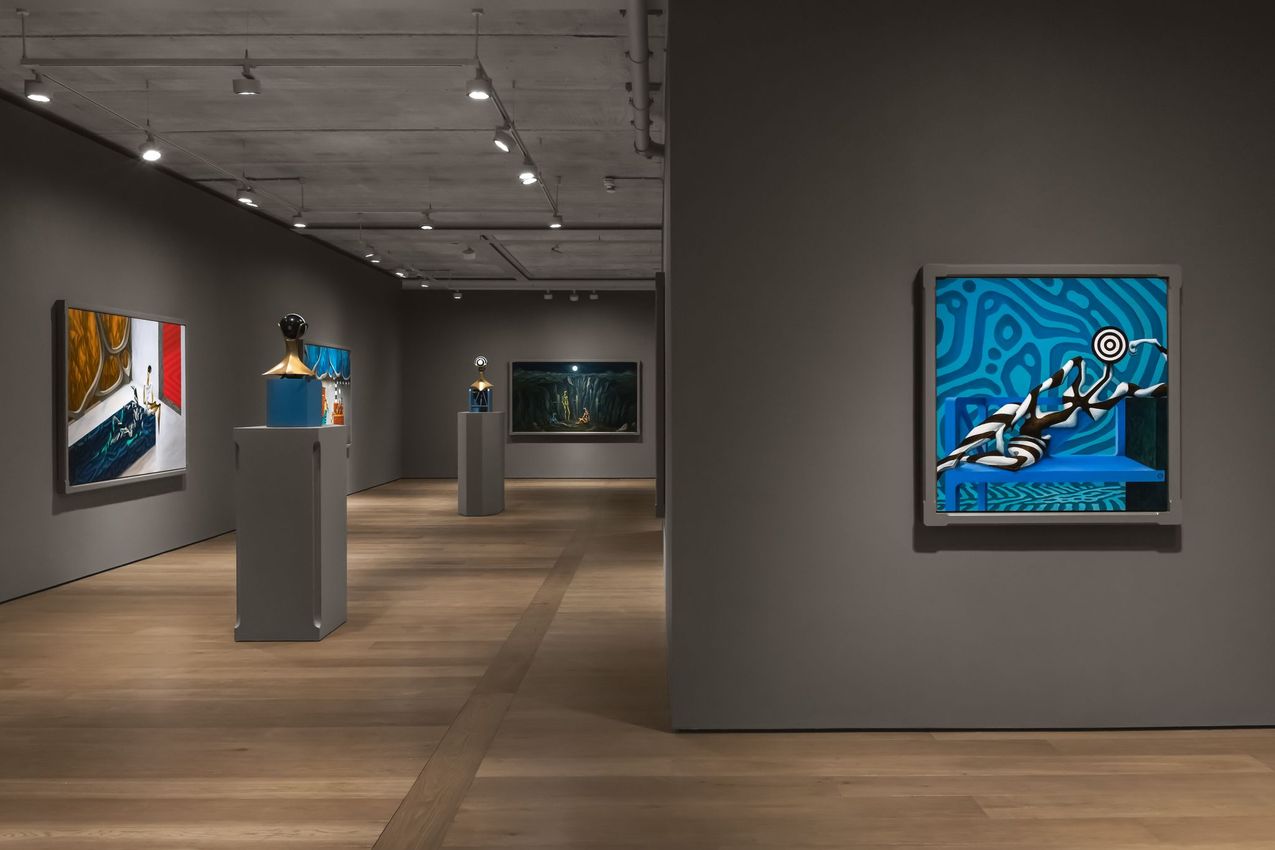
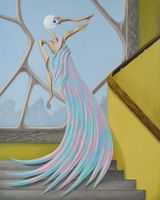
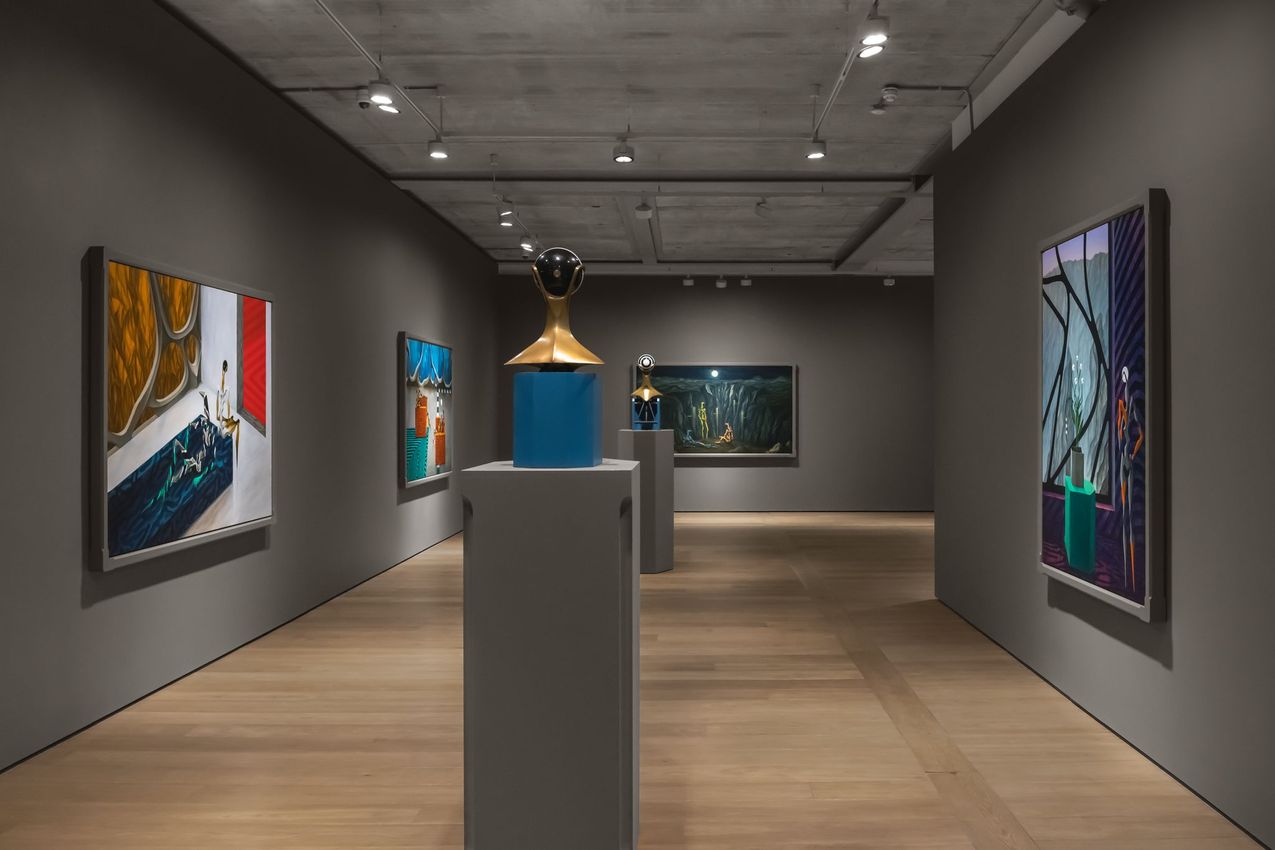
In his new show titled RAVINE 23, the Chilean artist Alejandro Cárdenas takes us on ajourney where he critically expands on his signature subject matter: The avoidance ofoverdetermination on the basis of a single meaning, movement, or style. In his delicatecrafting of apparently intimate scenes inhabited by humanoid beings, Cárdenas presents uswith a new body of work that is eerily familiar as well as visually provocative. As in previousprojects, Cárdenas thinks through possibilities of working with space as a symbol, and, inthis specific case, of the ravine as the background of a narrative on resilience and creativity.

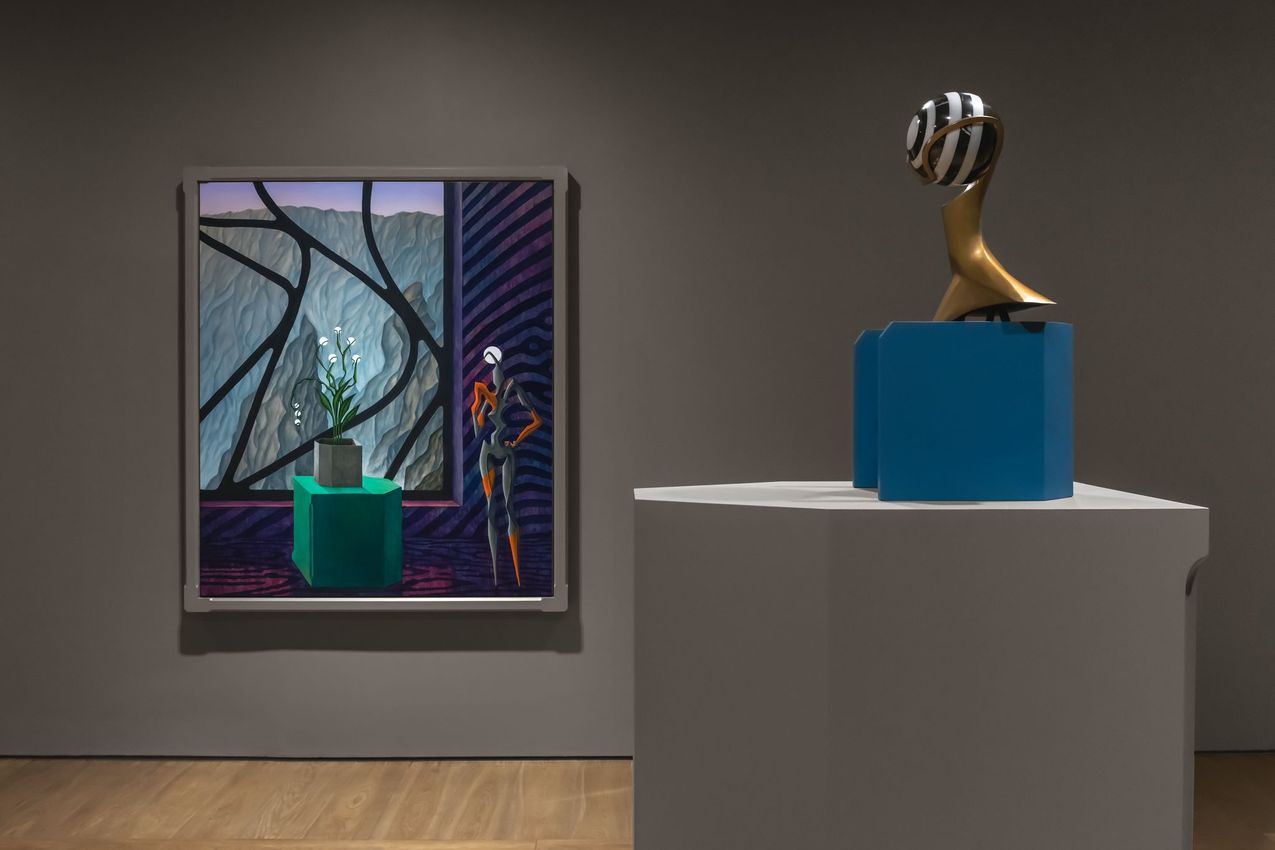
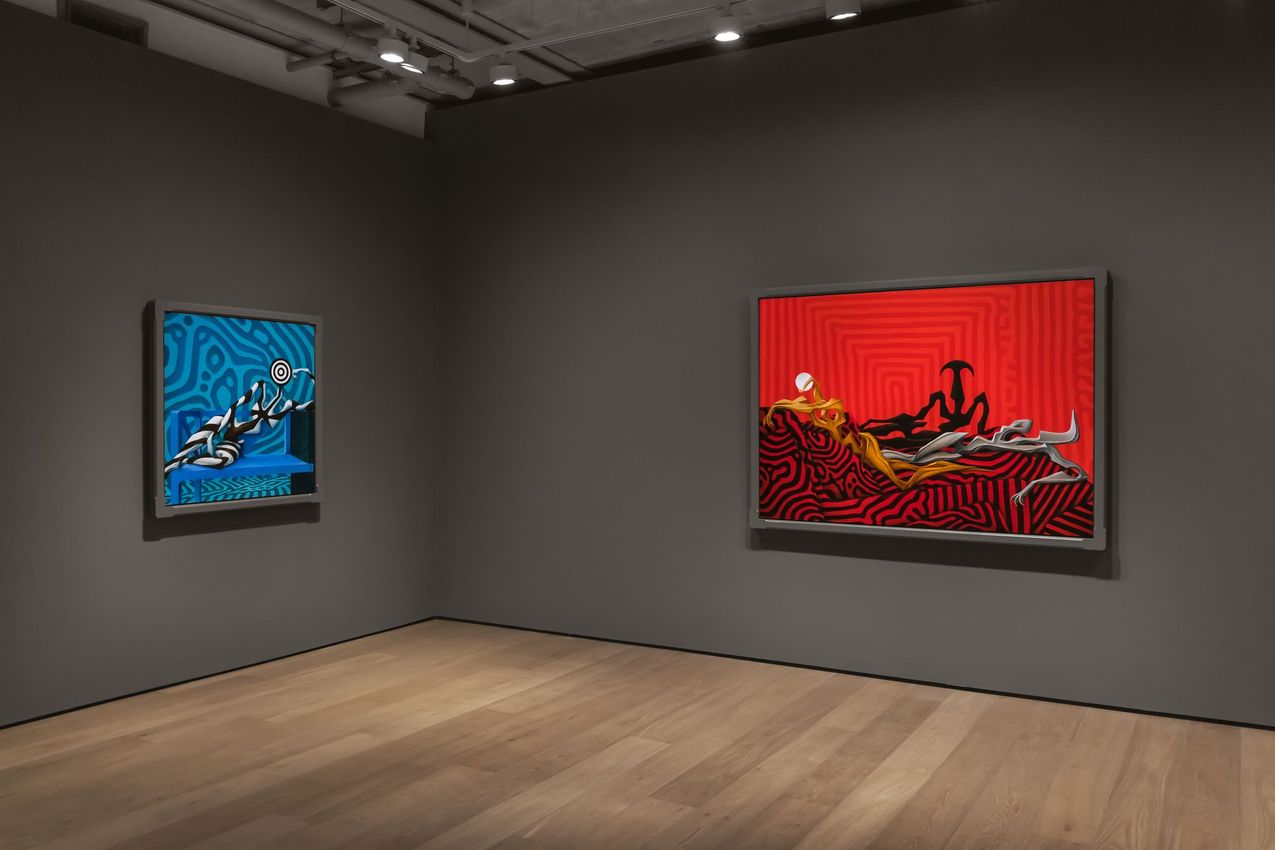
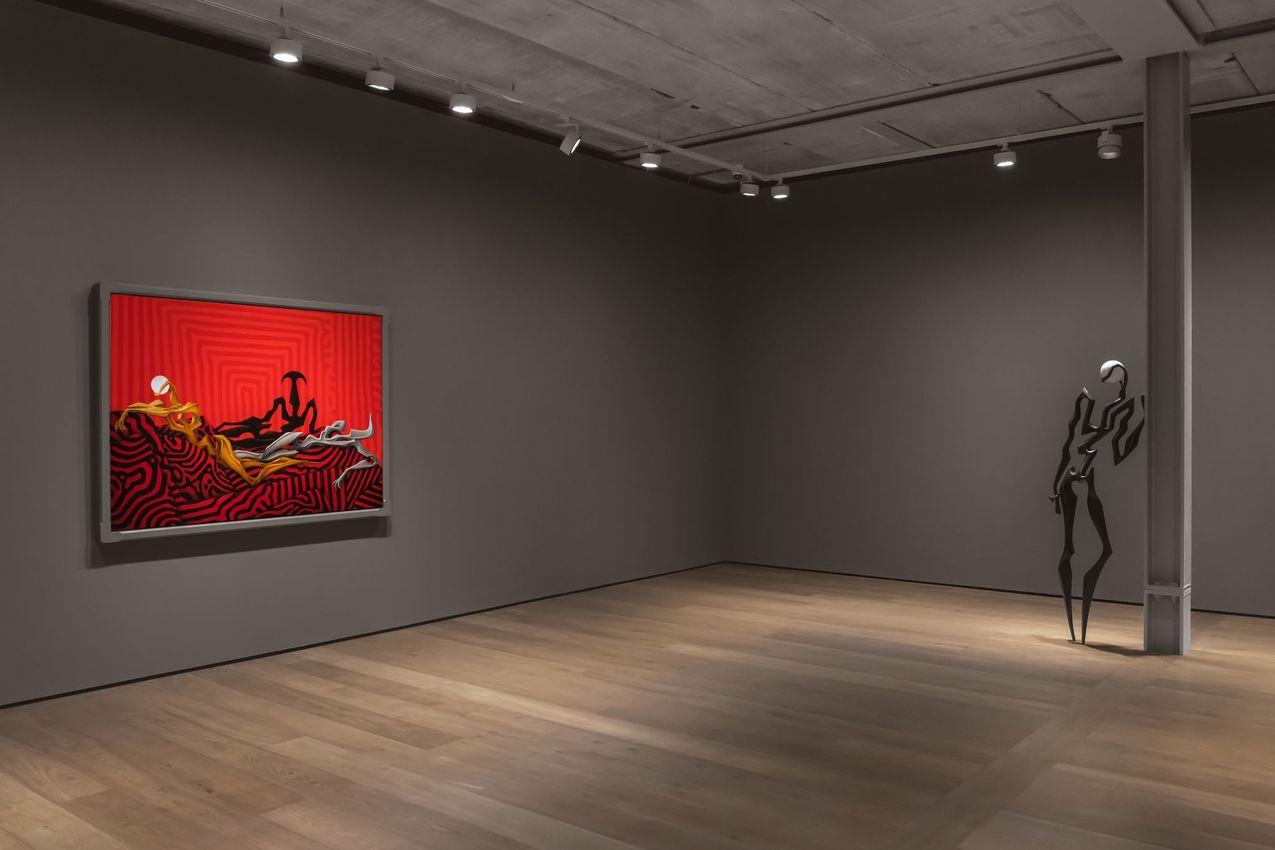
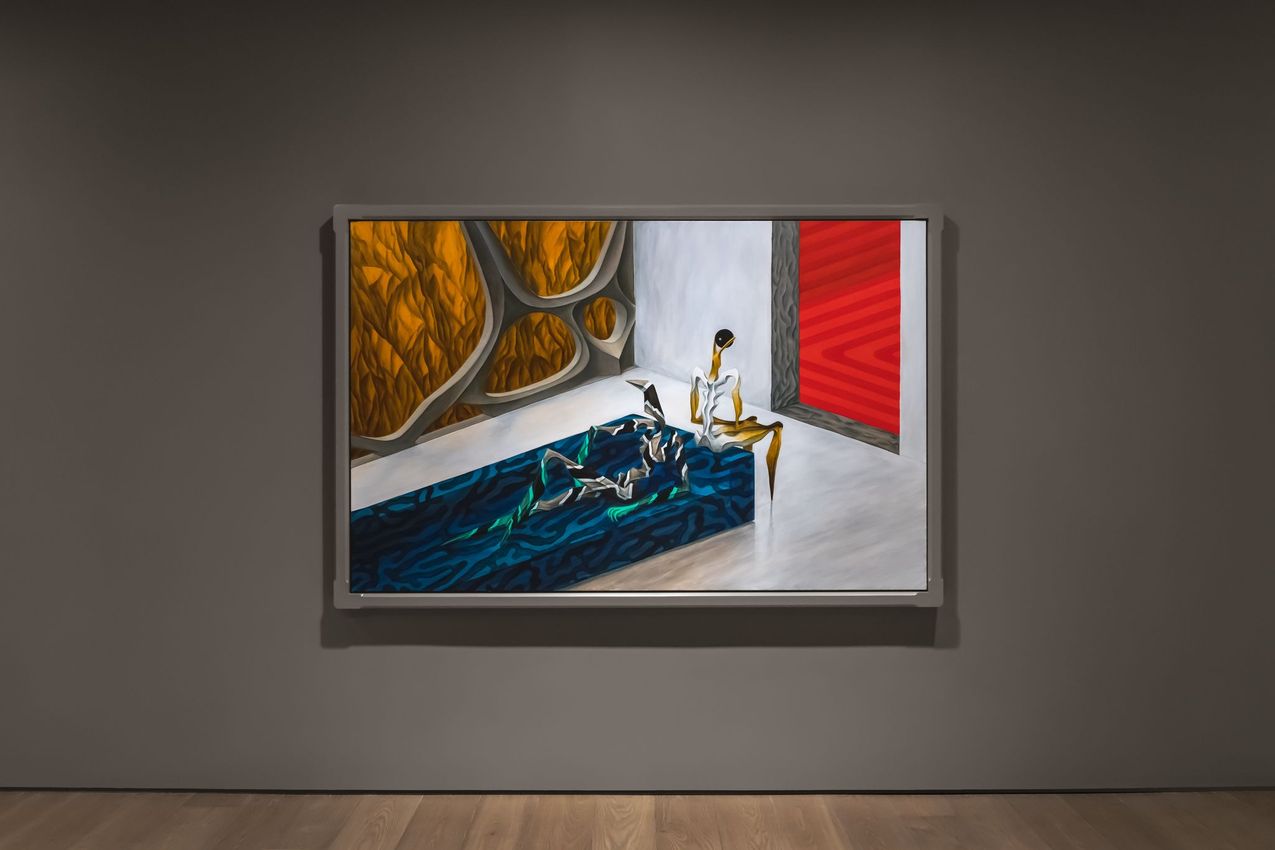
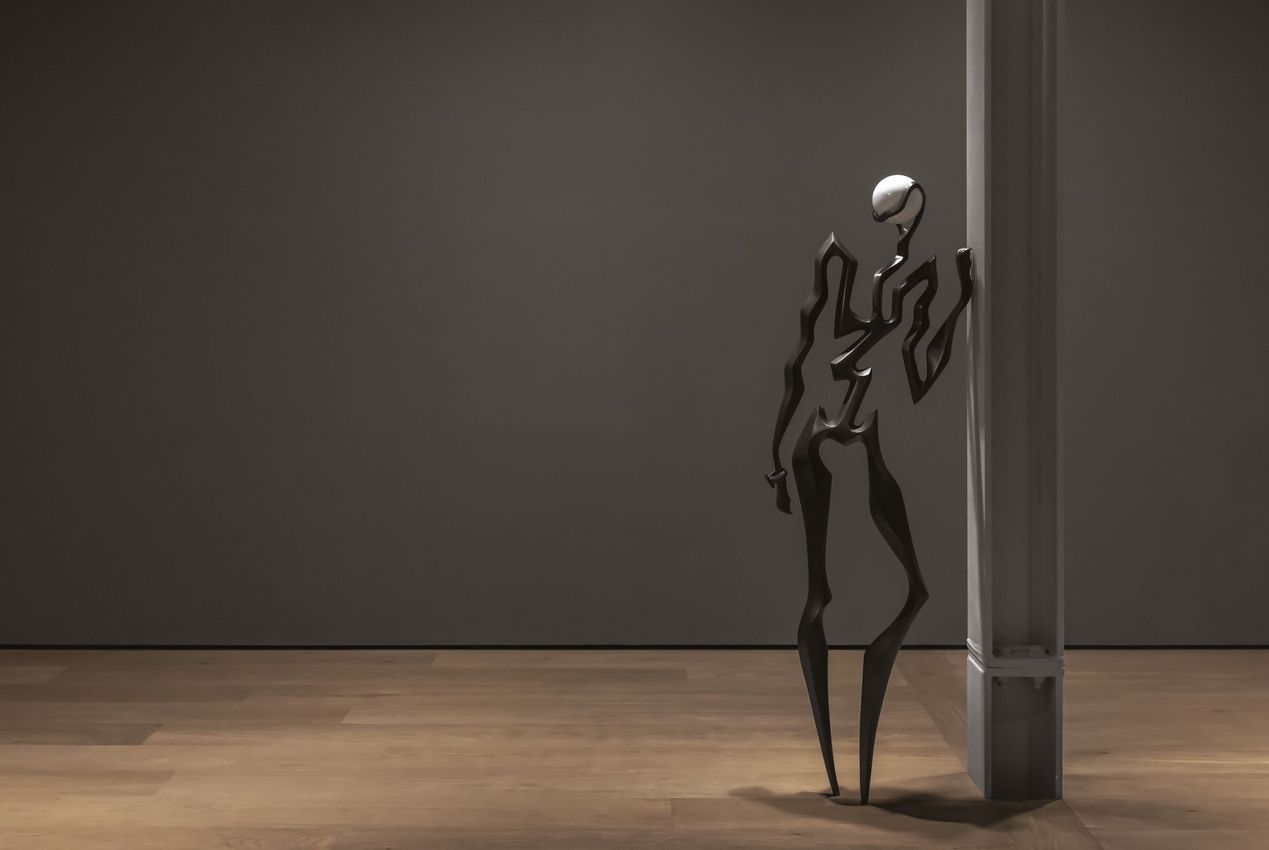
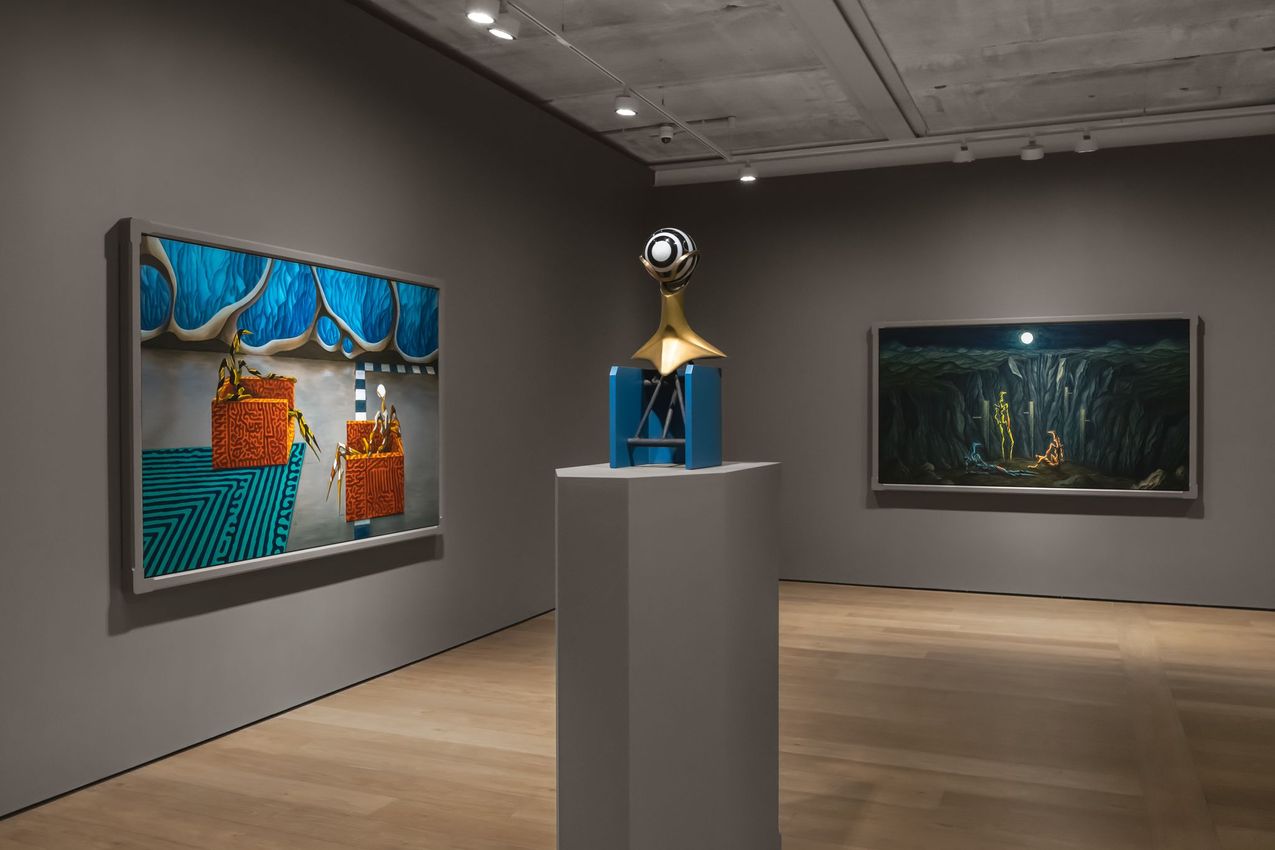
Both enticing and mysterious, the group of 10 works—8 paintings and 2sculptures—further distill the artist’s fascination for visual synthesis. The free-flowinginterplay of references deriving from established movements in the history of art withvarious expressions of popular culture comes to life in this show. Given the growing trendin the contemporary art world of artists creating exclusively through the lens of contentiouscategories, such as race, class, and gender, this is a divergent and significant enterprise. Hisfigures’ mutability and permeability avoid being confined within a single space, thussidestepping swift, commonplace interpretations.

Discussing Cárdenas’ art requires more than naming the references we could possiblyidentify as its sources. Granted: Evocations of Surrealist dream-like spaces, Futurist velocity,and Sci-Fi landscapes come to the fore as an immediate point of departure. However, thecore of the artist’s ingenuity, as it is seen in the works for RAVINE 23, also begs a carefulreckoning of the history of Latin American and Caribbean modern artists deploying visualdevices that push against one-dimensional analysis. The hybridisation of form—a result ofthe region’s cultural intermixing—has prompted these artists, as well as Cárdenas, to createunique forms of expression that exceed the artistic conventions of their time.

Paintings by Wifredo Lam in Cuba, for instance, bring to mind a confluence of referencesand styles that defied the artistic expectations of avant-garde art. Radically conflatingsymbols from Afro-Cuban spiritual traditions, Cubist angular forms, and Surrealist cadavresexquis, Lam’s work synthesises a unique visual proposition. His work is evidence of whatJamaican scholar Sylvia Wynter aptly described as ‘the hybridity of humanness,’ or theunderstanding ‘that we are simultaneously storytelling and biological beings’ (Wynter,2015). Similarly, Cárdenas’ gesture of creating visually hybrid scenes of domesticity compelsus to become more critical of the complexity of our humanity, our bodies, and systems ofthought.

Resisting a single-handed reading of Cárdenas’ work is, therefore, a way to do justice to hisartistic endeavours. Paintings shown in RAVINE 23, such as In the Presence of the Planarianand Recovery, present us with overlapping messages where emotionally chargedcompositions of leisure and pain are saturated with vibrant colours, complex patterns, andtextural interplay. While aesthetically pleasing, this visual excess invites us to openly thinkabout the artists’ creative process, while also exceeding his individuality as a maker. Theabsence of elements that would point to a specific time or place in the compositionunderscores Cárdenas’ interest in exploring a multiplicity of meaning.

Other pieces in the show, such as Ravine, further explore this lack of specificity alongside ahopeful outlook, in what the artist denotes as ‘self-contained utopias.’ This large-scalelandscape painting depicts Cárdenas’ signature creatures dwelling on the walls of a cliff,showing signs of social organisation and mutual enjoyment in a desolate space. Thecontradictions in this theme follows cues by artist Matthew Barney, one of Cárdenas’ earlyinfluences, as a visual transgressor, while also resorting to the otherworldly as a poignantcommentary on the uses of imagination as a socially-conscious act. This is precisely one ofthe most compelling aspects of Cárdenas’ work, for it invites us to use creativity as a tool torethink social and power structures.

Although politically charged, there still remains a sense of play and levity in Cárdenas’pieces in this show. A High Window, for example, immerses us in a snapshot of a lushdomestic space, where a figure placidly looks out the window into an arid landscape. Thesinuous lines, both evoking art nouveau and psychedelic aesthetics, set the stage for a scenewhere the lighting orb, a new pictorial motif for Cárdenas, becomes a central visualelement. Signifying both head and flower, its use comments on the interconnectedness oflife across species and life forms. The contrasting colours and angular volumes further addnuance and contradiction to the composition, bringing attention to the interior decorationas a counterbalance to the arid conditions of the ravine’s landscape.

As it indulges in the fantasy of creating intricate, alternate realities, Cárdenas’ art also evokesthe work of writers from the Latin American Boom, particularly Jorge Luis Borges and hismeticulously crafted universes. In doing so, the pieces in RAVINE 23 effectively create aninformed and original space for themselves, privileging imagination over saturated socialand political signifiers. Contrary to eulogising escapism, they playfully subvert artisticconventions while keeping grounded in the critical issues we face today.

Press release courtesy Almine Rech. Text: Julián Sánchez González.

Read More

Installation Views

About the Artist

Alejandro Cardenas (b. 1977, Santiago, Chile) completed his BFA at the Cooper Union School of Art in 2000. Before becoming a full-time studio painter, Cardenas had a successful career as a multimedia artist, working in illustration, graphic design, and videography. For over a decade he served as the lead textile designer and art director for the influential fashion label Proenza Schouler. He was also a founding member of Lansing-Dreiden, a New York-based transdisciplinary art collective that produced musical albums, a literary journal, and artworks. Reviews of his art and design projects have appeared in The New York Times, Vogue, and Another Magazine. Cardenas currently lives and works in Los Angeles.

View Artist Profile

Also Exhibiting

About the Gallery

Almine Rech London will showcase curated presentations of works by artists from the 20th and 21st centuries and will be open Tuesday through Friday, from 10am to 6pm, with Monday and Saturday visits available by appointment.

View Gallery Profile
Address
11 St George Street
Hanover Square
London
United Kingdom
Opening Hours
Tuesday – Friday
10am – 6pm
The gallery will be open on Mondays and Saturdays by appointment only
(1)
London 11 St George Street, Hanover Square
Almine Rech
11 St George Street, Hanover Square, London, United Kingdom
+44 207 287 3644
http://www.alminerech.com

Opening hours
Tuesday – Friday
10am – 6pm
The gallery will be open on Mondays and Saturdays by appointment only
The art world in focus