Press Release

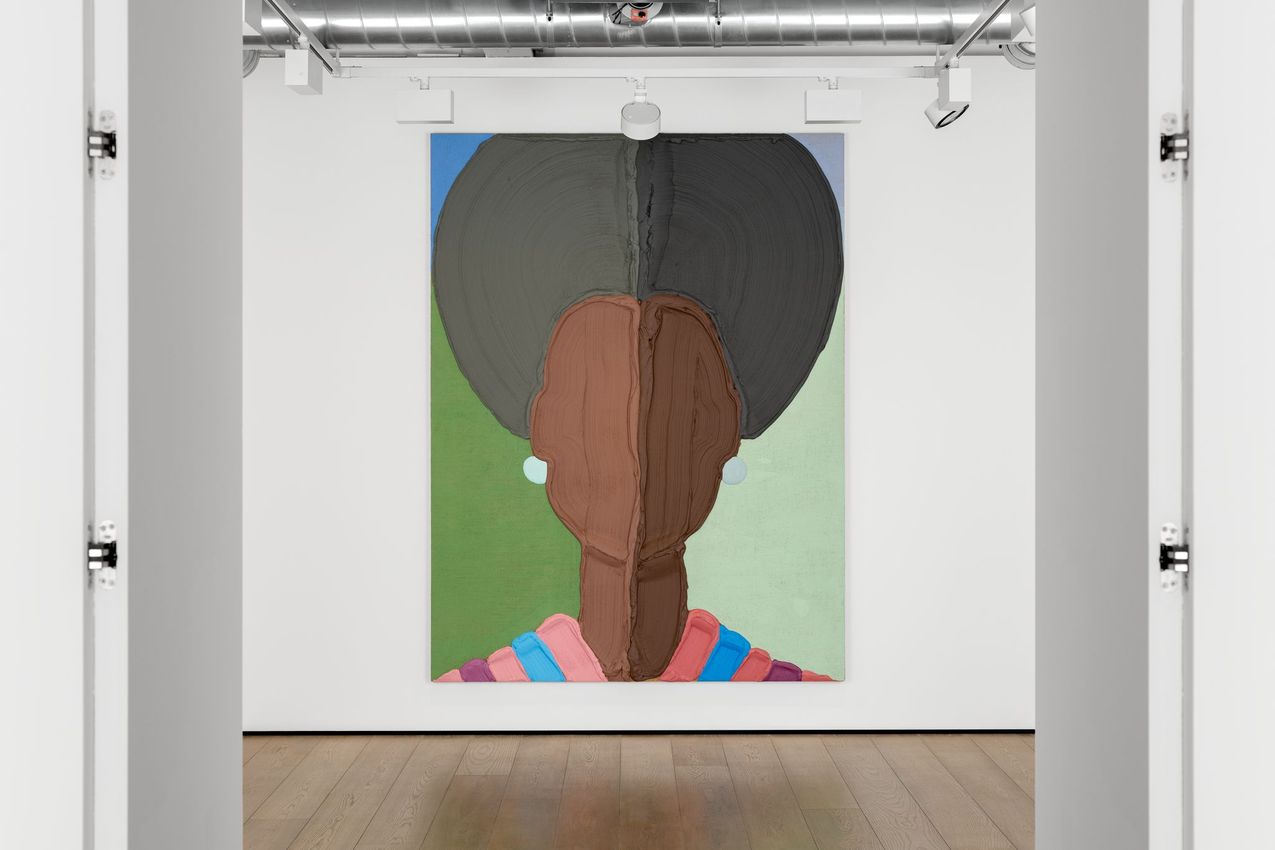
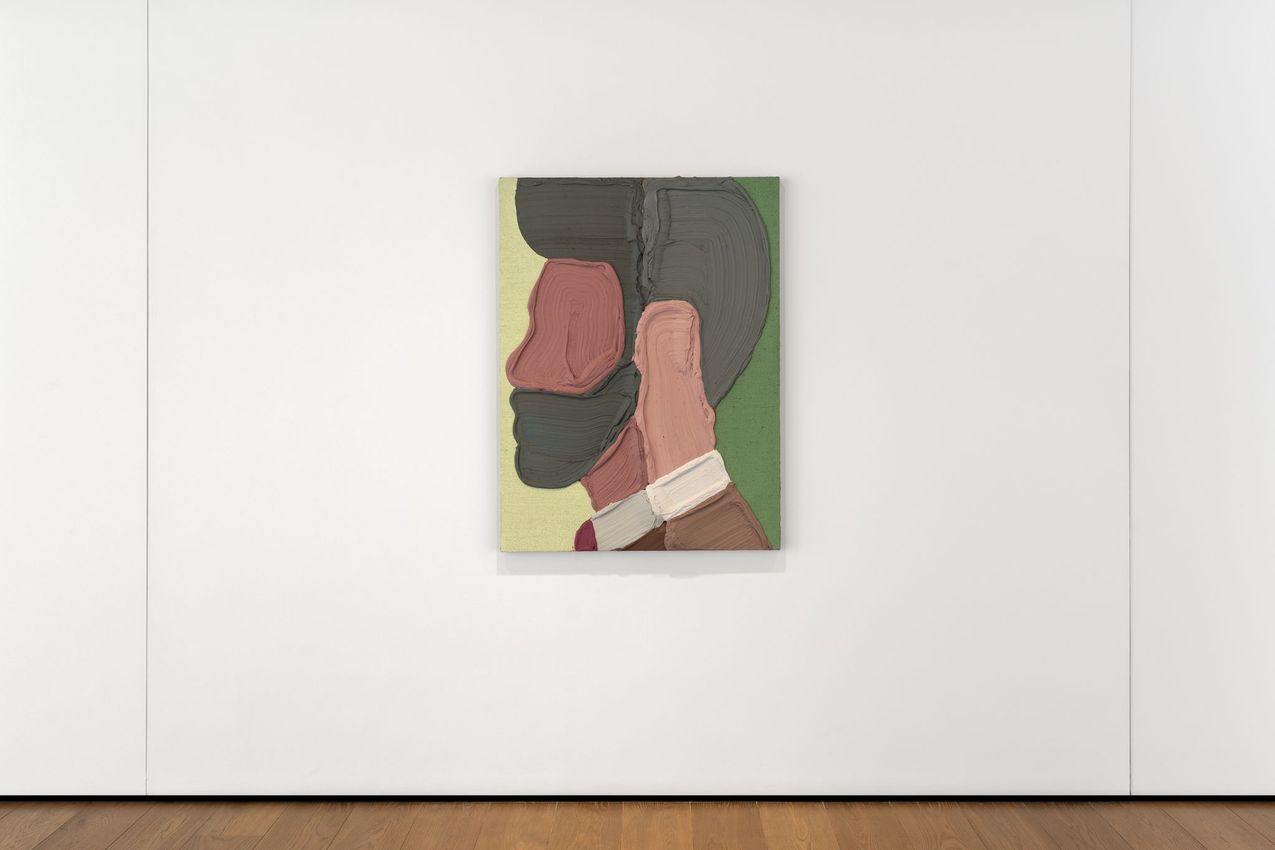
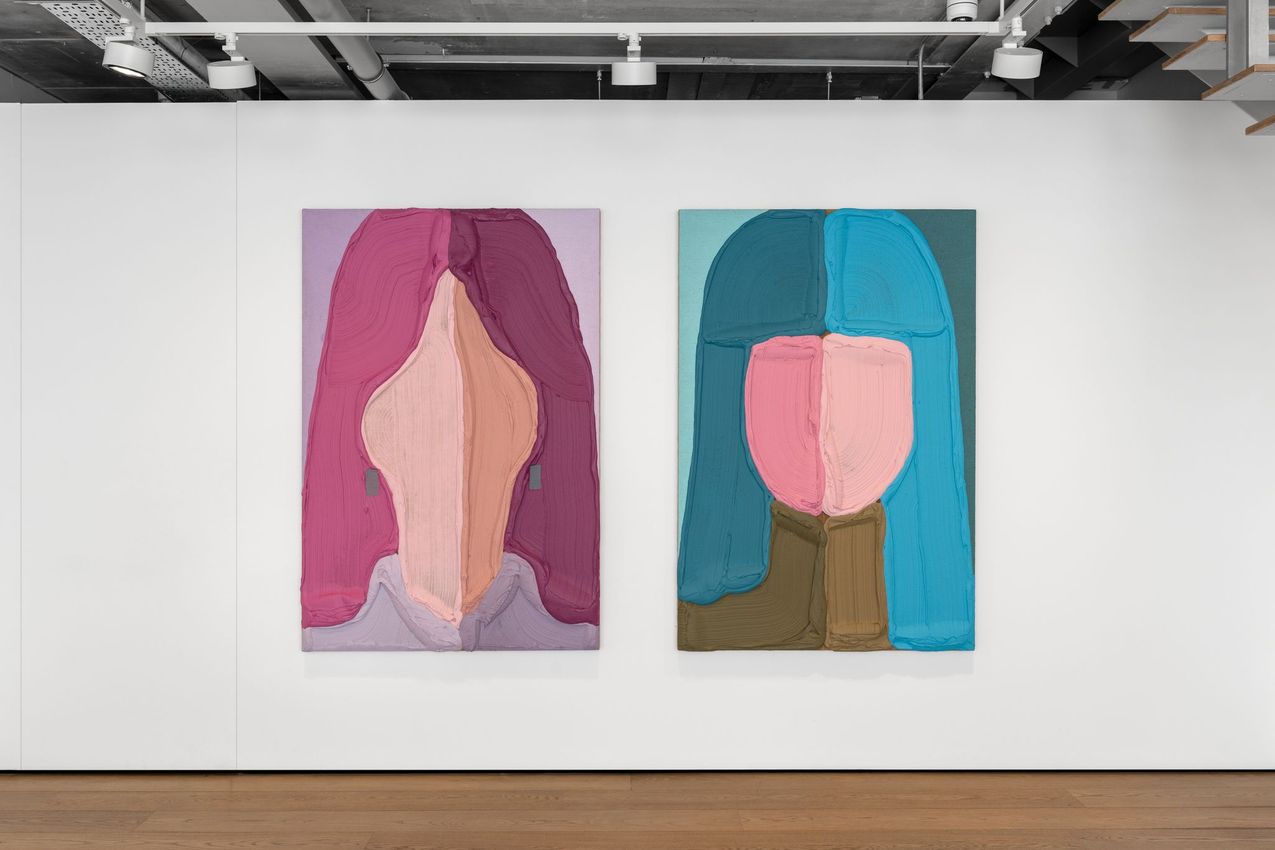
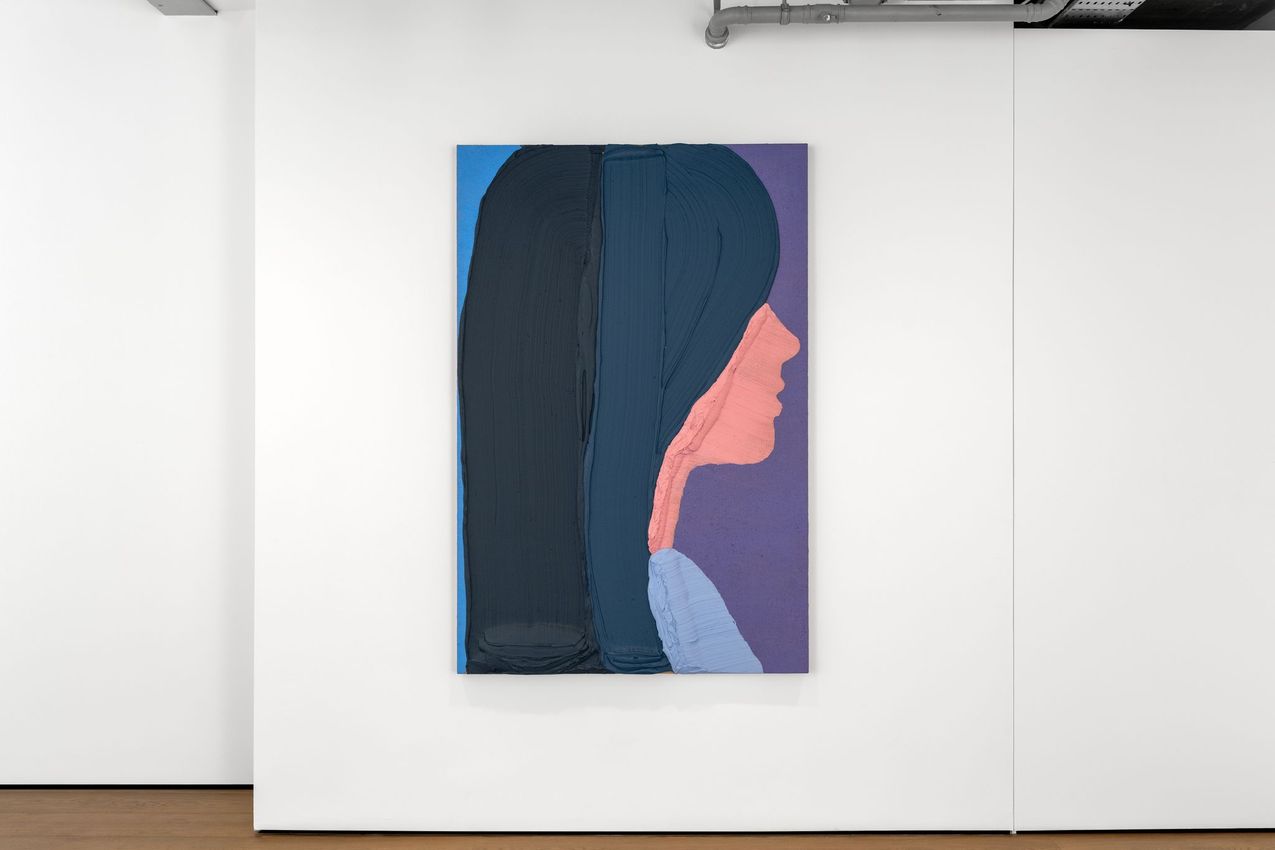
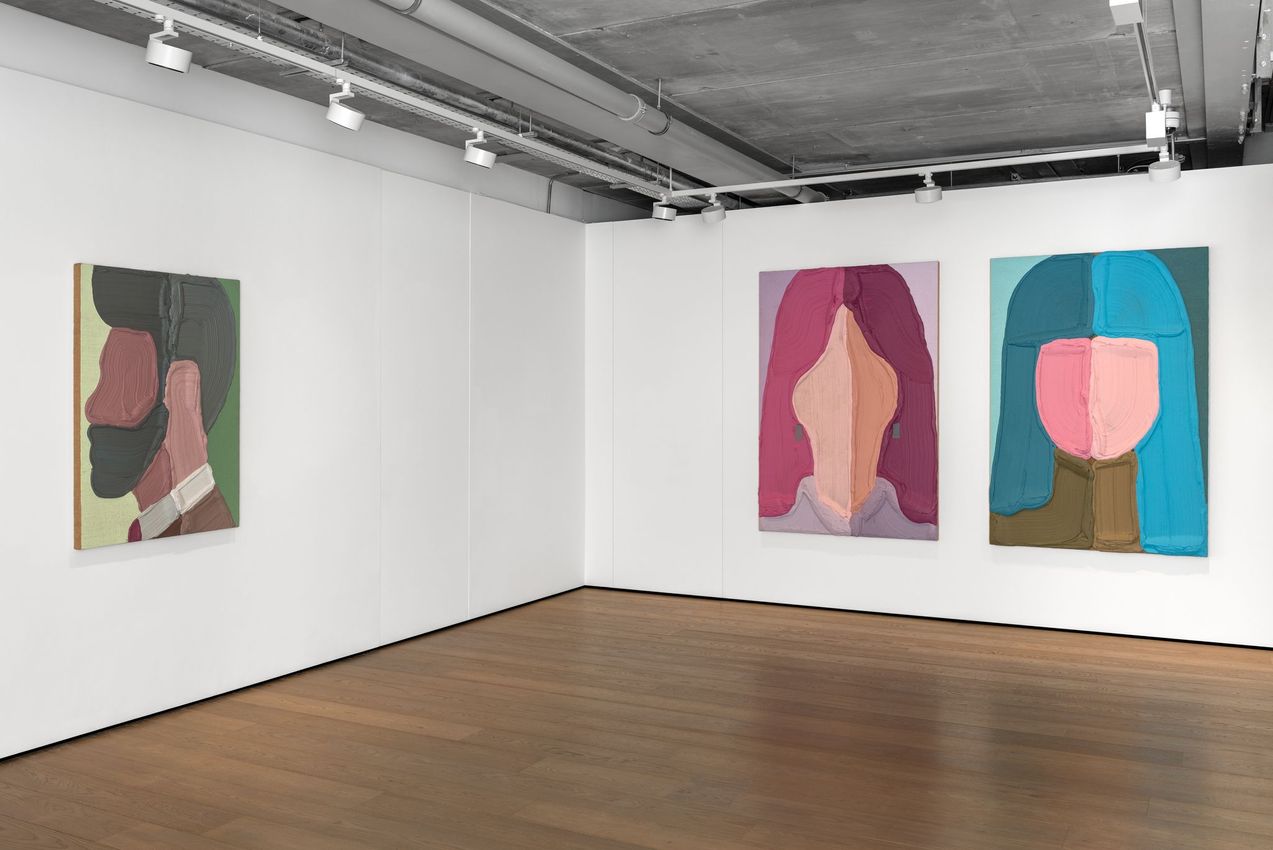
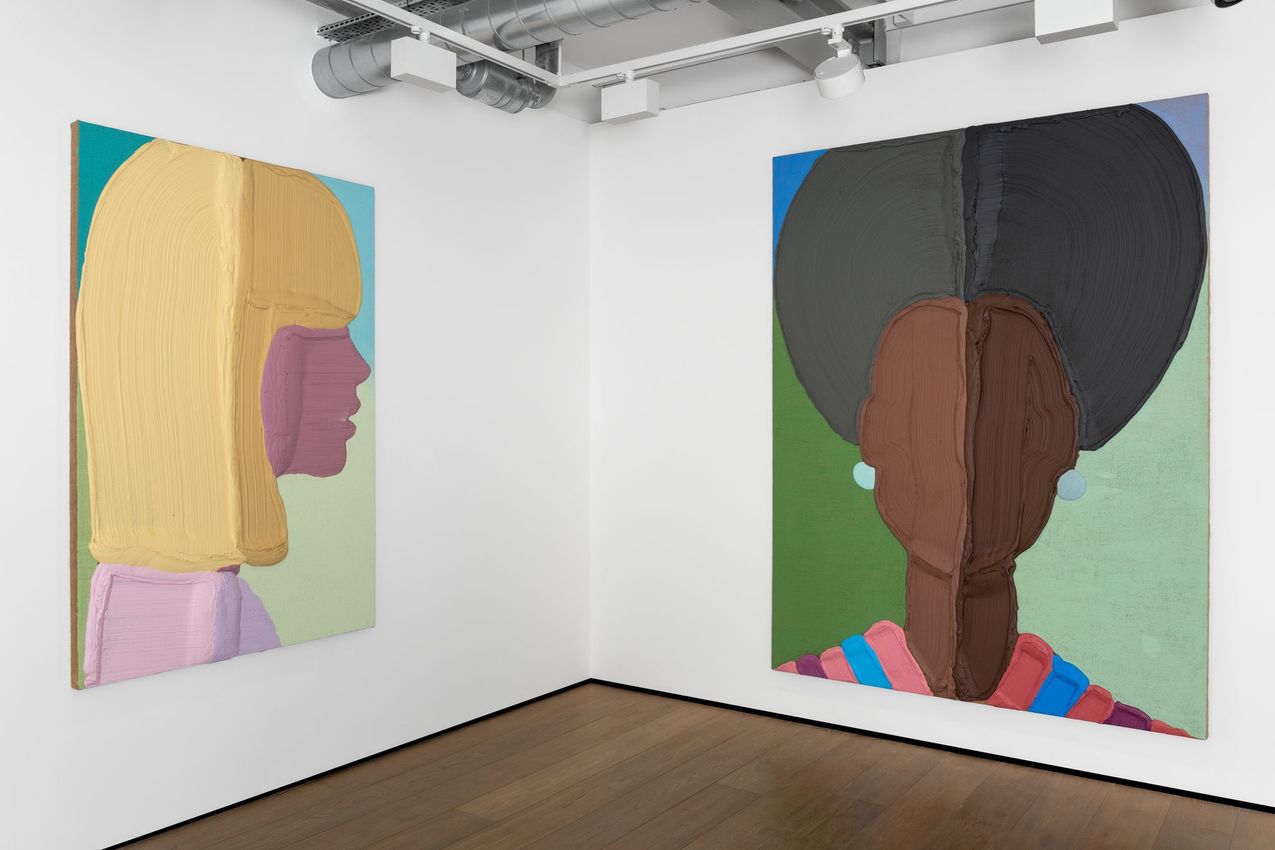
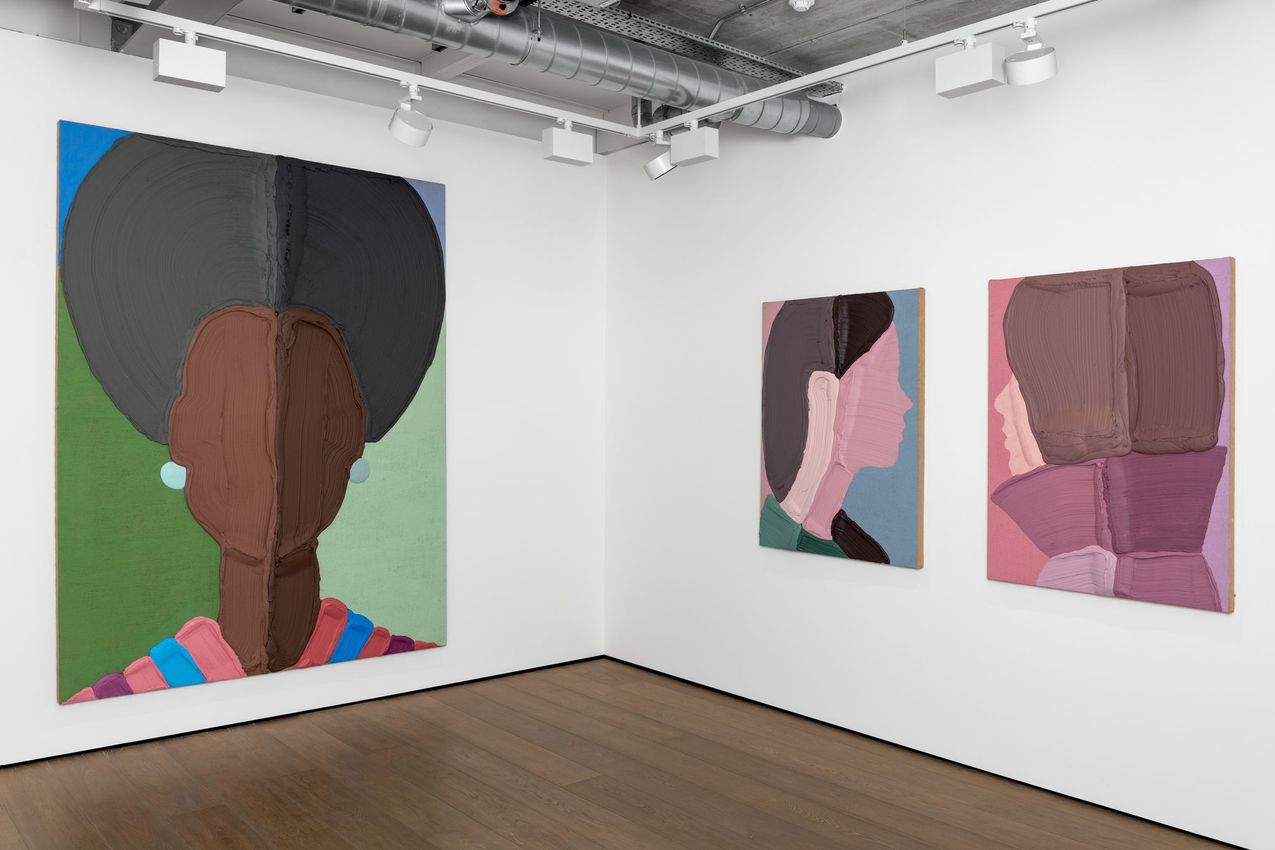
José Lerma’s recent hyper-painterly portraits are paradoxically austere. The copious amount of paint loaded onto each canvas counters the scant number of brushstrokes: only three to ten per piece. Though impasto typically conveys dynamism and spontaneity, here it rigidly describes static heads from the front or side. Stark and solemn, the faces in profile evoke Piero della Francesca’s classicising double portrait of the Duke and Duchess of Urbino.Only in place of the early Renaissance master’s diaphanous oil glazes is the opposite extreme: clotted slabs of acrylic. With so few marks and fast-drying paint thickened with gels and other materials, Lerma’s pictures require careful planning. This methodical process and the profound quietude of the resulting images neutralises the improvisational bravura associated with gestural brushwork. Beyond the unlikely marriage of seductive expressionism and severe neoclassicism, the series contains many more contradictions that challenge expectations of both painting and portraits.

Traditionally, painted portraits served to identify and memorialise kings, queens, and other elite members of society. Profile views, prevalent on the ancient Roman coins that inspired Piero, were thought to provide the most accurate likeness. Renaissance portrait painters like Piero not only sought to capture the outward appearance of their subjects, but also their status and character. It was not until the era of photography that portraits become democratised; that is, it was no longer a costly luxury to have one’s portrait made. Today photographic ‘selfies’ are among the most common images people encounter on a daily basis.

Portraiture—and who has historically been represented in the genre—is an abiding concern of Lerma’s. Both his early site-responsive installations and recent studio-based paintings probe the power dynamics of portraits through the ages. For example, his 2010 series offine-line airbrush paintings of 17th- and 18th-century bankers and royals resemble giant ball point pen doodles, thereby deflating the importance conferred by their official portraits.His floor-spanning depictions of these same personages on rugs further upends their dominance by having viewers look down at and walk on their faces. In the more recent ‘Repaintings’ series, Lerma—who was born in Spain and raised in Puerto Rico—copies rare examples of Hispanic subjects in European and American paintings at the Art Institute ofChicago. Similarly, his series Background People, painted enlargements of marginal figures from Western paintings, reverse typical hierarchies of representation.

Lerma’s current portrait paintings frustrate the desire to recognise a particular person—through distinctive facial features and/or character traits—in a depiction referred to as a ‘portrait.’ Each work is titled after the first name of the sitter, a mode of address that suggests some level of familiarity and even intimacy between artist and subject. Indeed, many of the titular individuals are Lerma’s neighbours and friends in San Juan and Chicago, where he splits his time. Though based on specific people, the portraits are simplified to the point that likeness becomes indeterminate. Varying hairstyles distinguish one person from the next, but their blank visages allow the viewer to project imagined identities onto each.As resemblance recedes, paint itself comes to the forefront. Of course, the very abundance of paint, projecting outward from the canvas, further establishes its position of prominence.In place of metaphorical, psychological depth in the faces portrayed, we find literal depth in the thickness of paint. For Lerma, the portrait is the vehicle for the paint as much as the other way around.

The sculptural quality of the paint contrasts with the flatness of the images, which echo Popart in their cartoonish simplification. Lerma’s particular paint recipe not only has a high viscosity but also a rubbery, matte finish. Unlike oil paint, which is well-suited to rendering the translucency of human flesh, Lerma’s thickened acrylic recalls toys, dolls or plasticine.The schematic faces and artificial materiality further thwart the development of character psychology. Contrary to the traditional aim to breathe life into painted figures, Lerma imposes an uncanny stillness and quiet on his by congealing them in the sludge of paint.

In addition to portraits, the paintings also contain landscapes. Viewed independently of the image, the peaks and valleys of paint appear topographical. The accretion of material where brushstrokes meet is like the mountainous ridges formed by tectonic plates. Lerma has fittingly described himself as a ‘landscape painter’ since his work always emerges from his surroundings—in this case, the people around him in Puerto Rico, where he paints outside in an abandoned tennis court.

In the larger works, ranging from six to eight feet tall, Lerma uses a commercial broom to create gigantic brushstrokes. The effect is of a small study that has been enlarged. Shifting scale is another way to dismantle hierarchies and bestow importance on the marginalised.Blown up, seemingly casual sketches of local acquaintances assume the magnitude of aristocratic portraits. The ambiguous scale also destabilises the viewer’s sense of their own size, allowing them to imagine they are indeed looking at a tiny sketch but through the eyes of a child.

Thus further paradoxes emerge: specific and general, figurative and abstract, three-dimensional and flat, organic and synthetic, living and unmoving, portrait and landscape, small and big. Though seemingly placid, Lerma’s portraits shuttle between these poles and subtly disrupt our assumptions about what we see so that we may return to an open, curious, childlike state of mind.

Press release courtesy Almine Rech. Text: Antonia Pocock.

Read More

Installation Views

About the Artist

José Lerma’s practice investigates painting, and attempts to collapse the historical with the autobiographical. His final works are part art history, part personal mythology and several recurring themes deal with the tension between the heroic and the pathetic, and the rise and fall of great figures. While his work is rooted in painting, the final product usually results in elaborate installations that are often created with office materials, musical instruments and home furnishings.

View Artist Profile

Also Exhibiting at Almine Rech

About the Gallery

Almine Rech London will showcase curated presentations of works by artists from the 20th and 21st centuries and will be open Tuesday through Friday, from 10am to 6pm, with Monday and Saturday visits available by appointment.

View Gallery Profile
Address
11 St George Street
Hanover Square
London
United Kingdom
Opening Hours
Tuesday – Friday
10am – 6pm
The gallery will be open on Mondays and Saturdays by appointment only
(1)
London 11 St George Street, Hanover Square
Almine Rech
11 St George Street, Hanover Square, London, United Kingdom
+44 207 287 3644
http://www.alminerech.com

Opening hours
Tuesday – Friday
10am – 6pm
The gallery will be open on Mondays and Saturdays by appointment only
The art world in focus