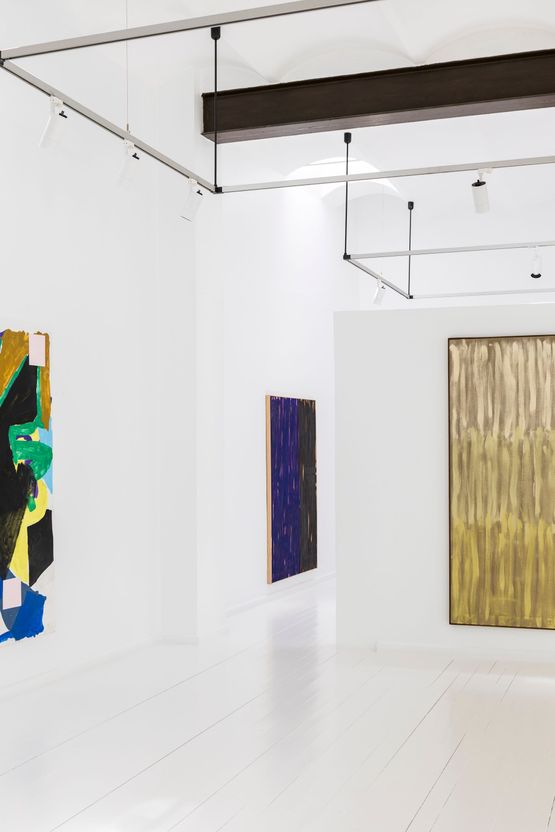
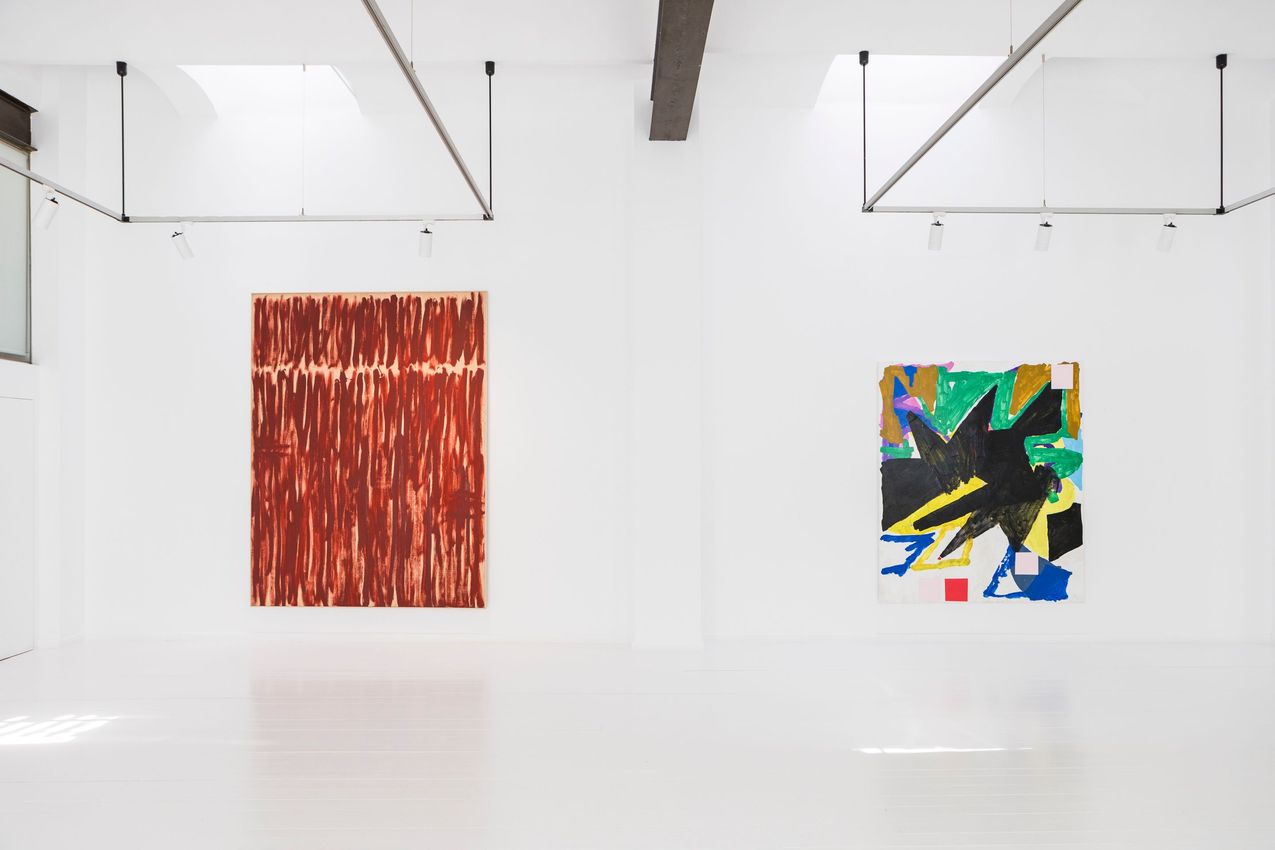
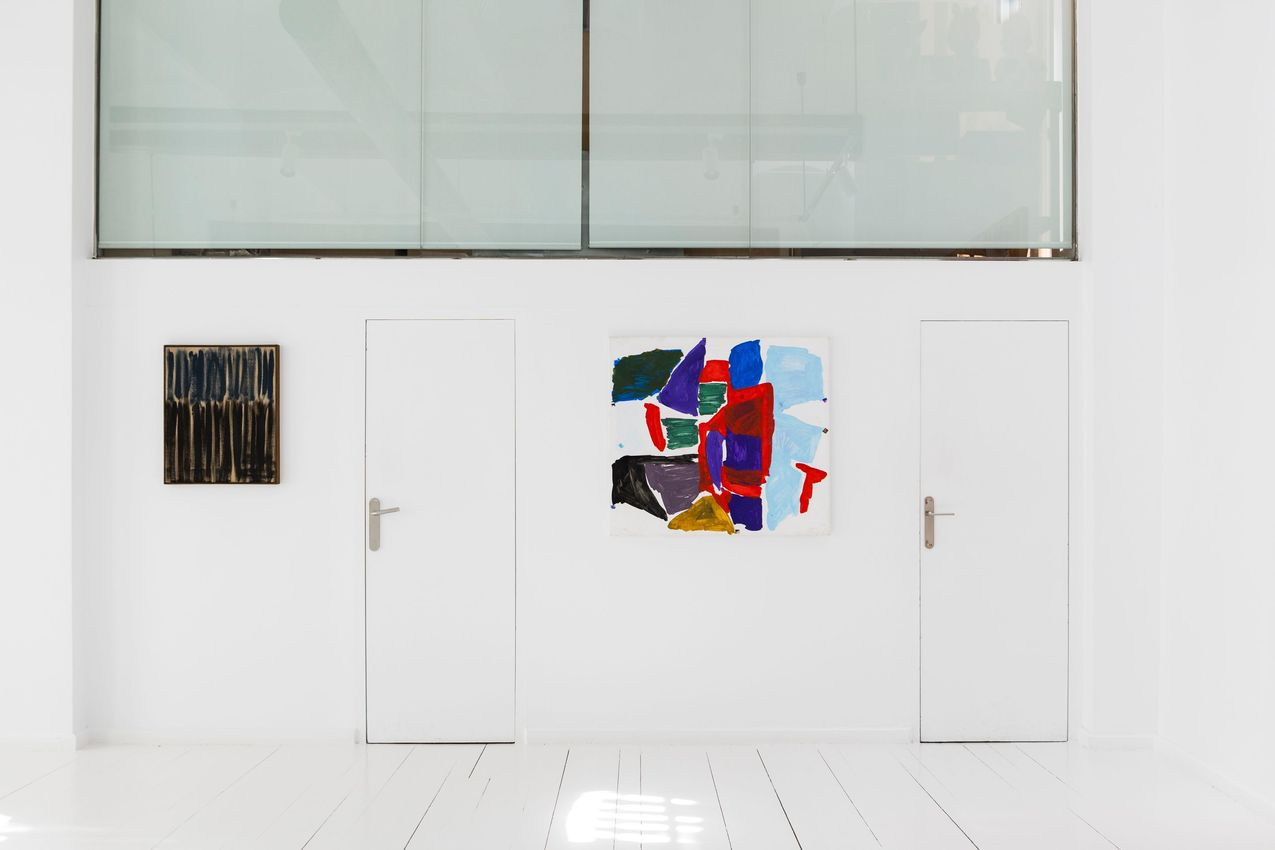
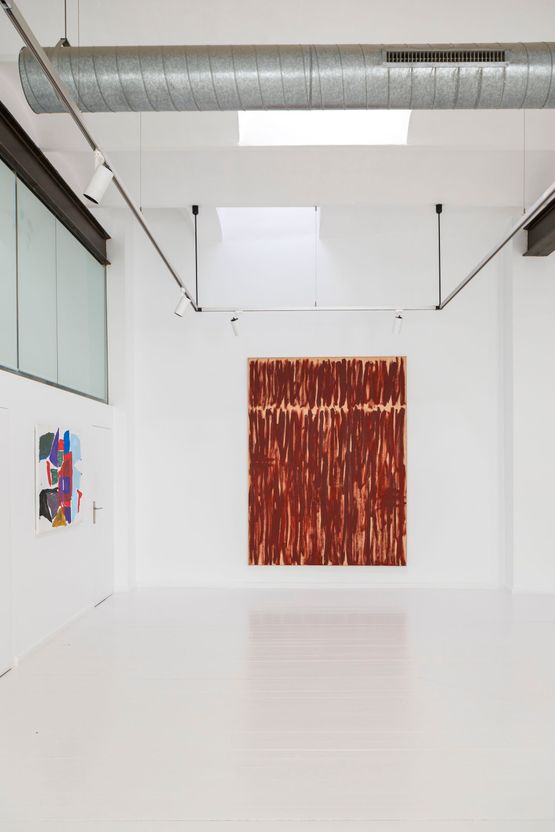
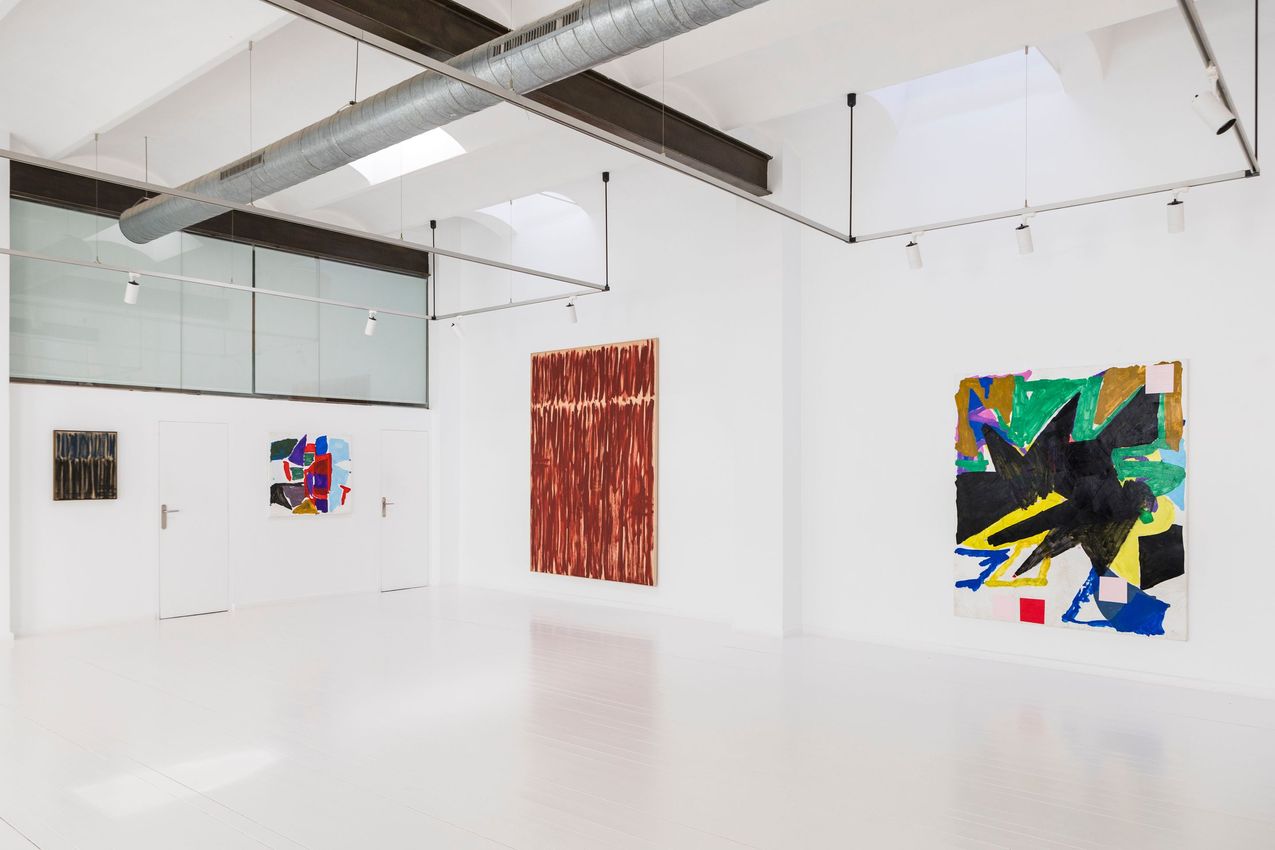
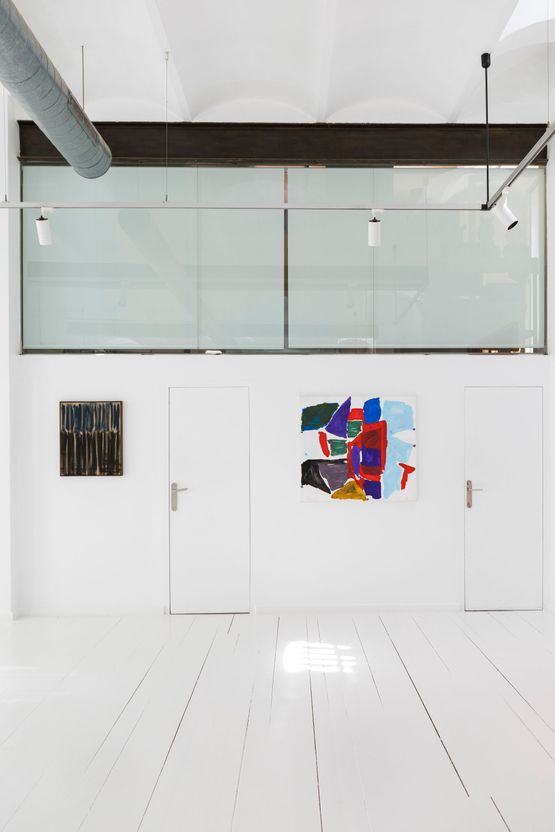
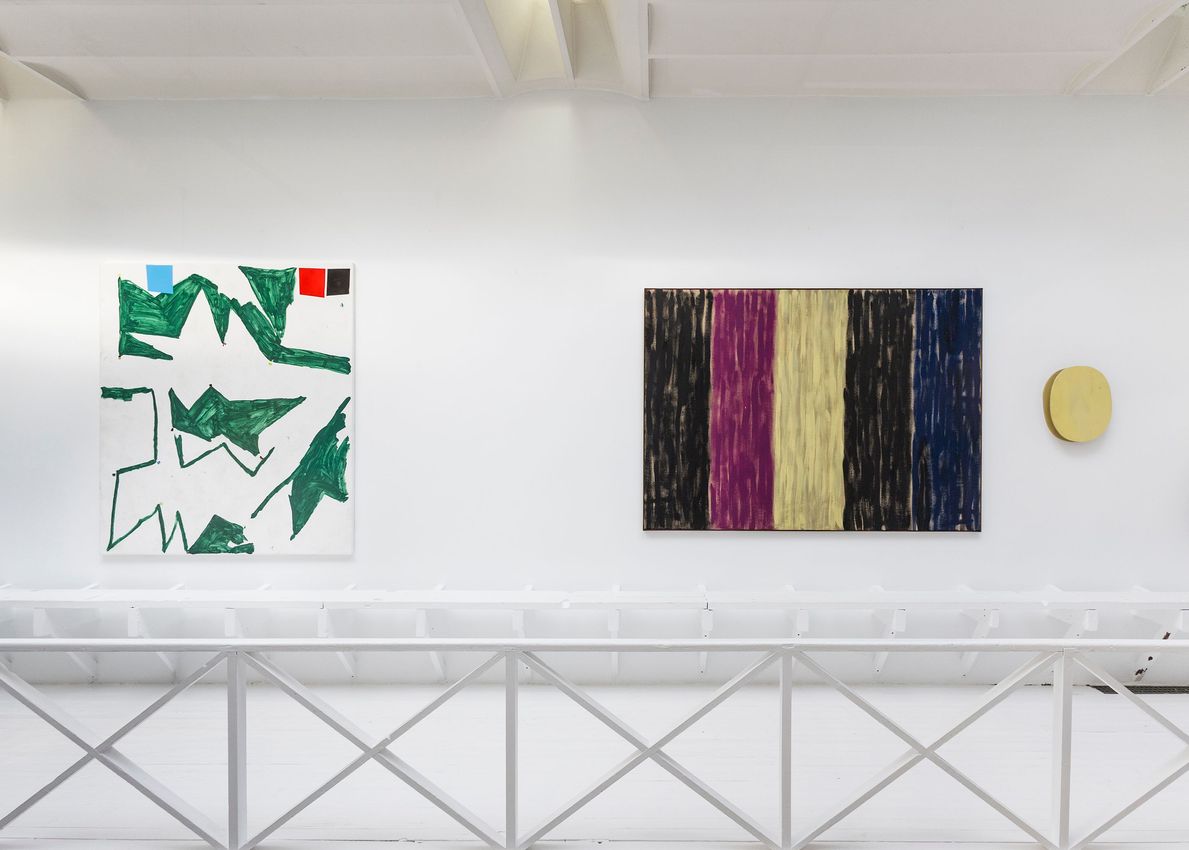
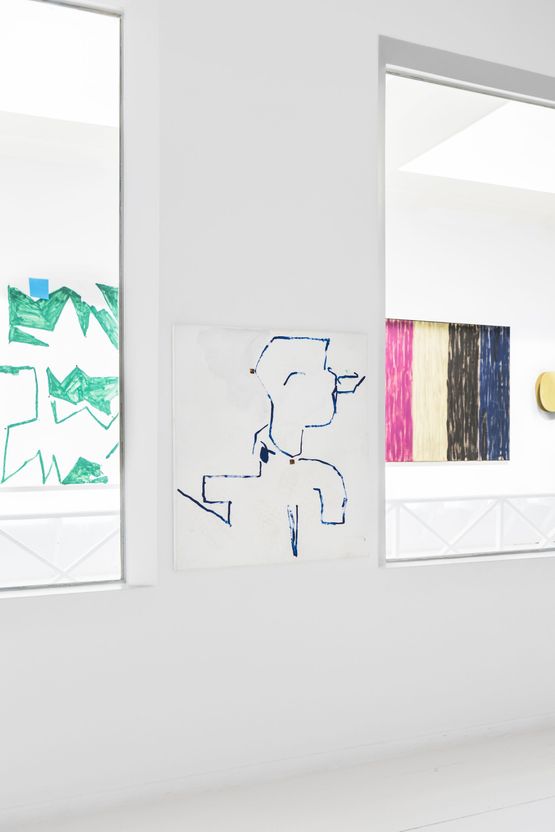
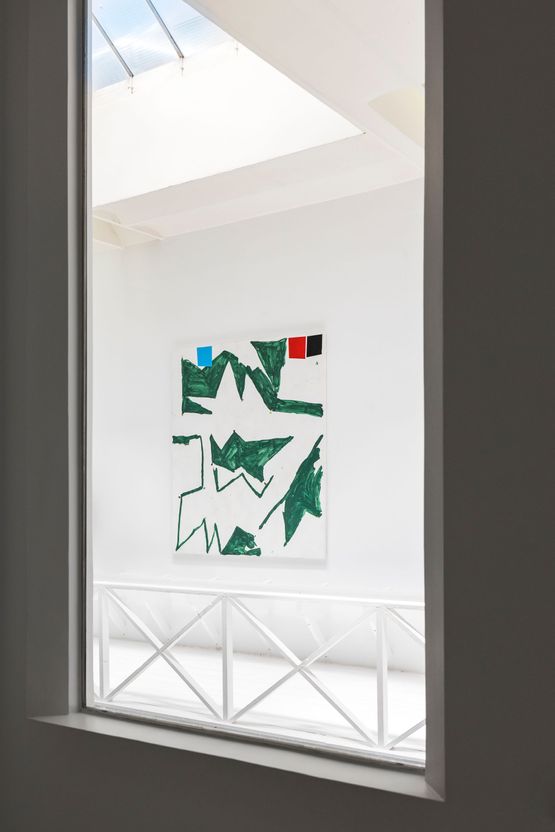
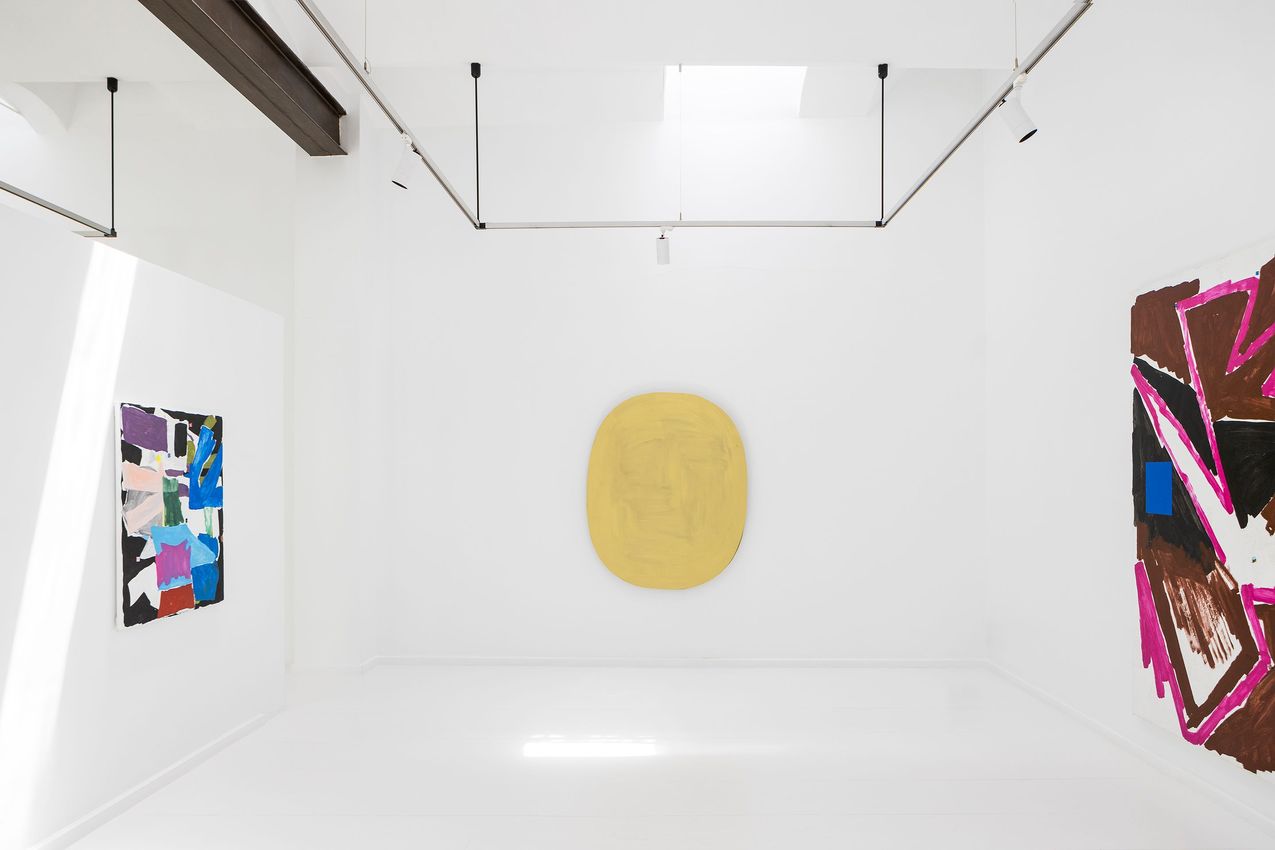
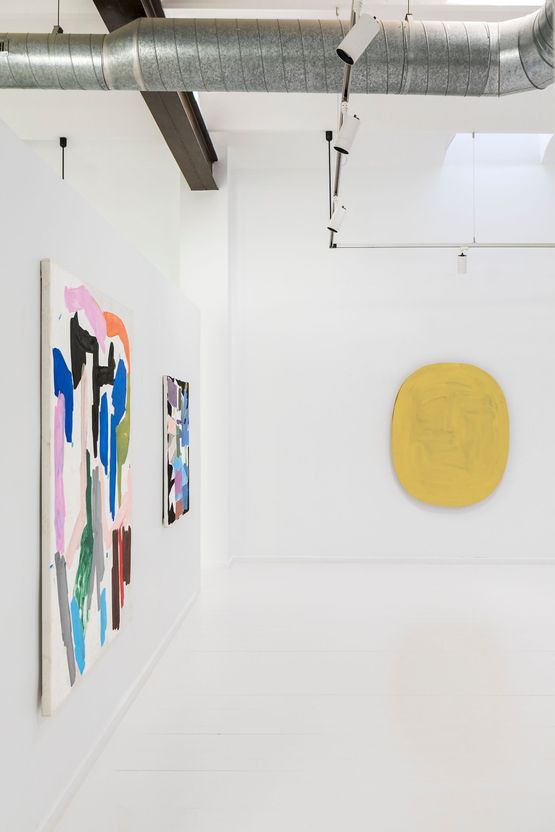
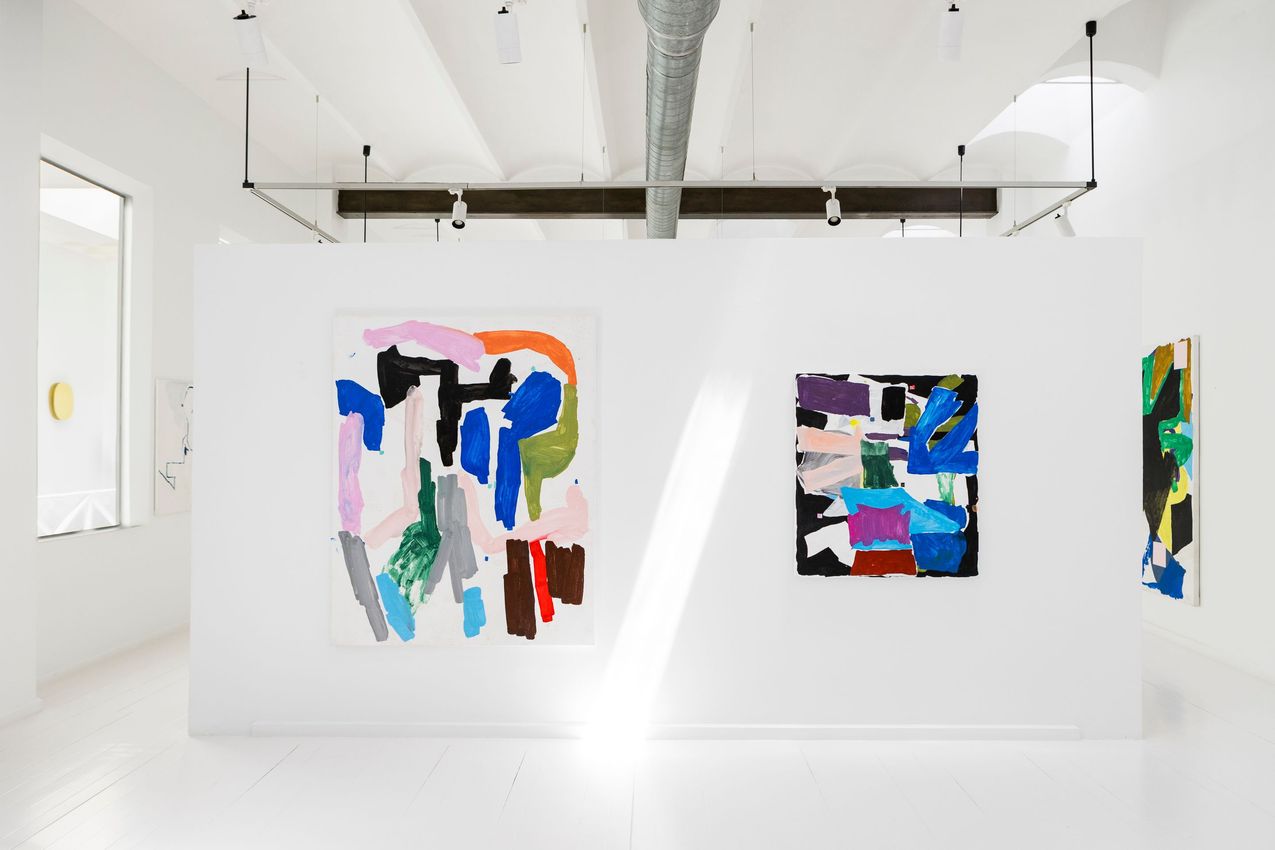
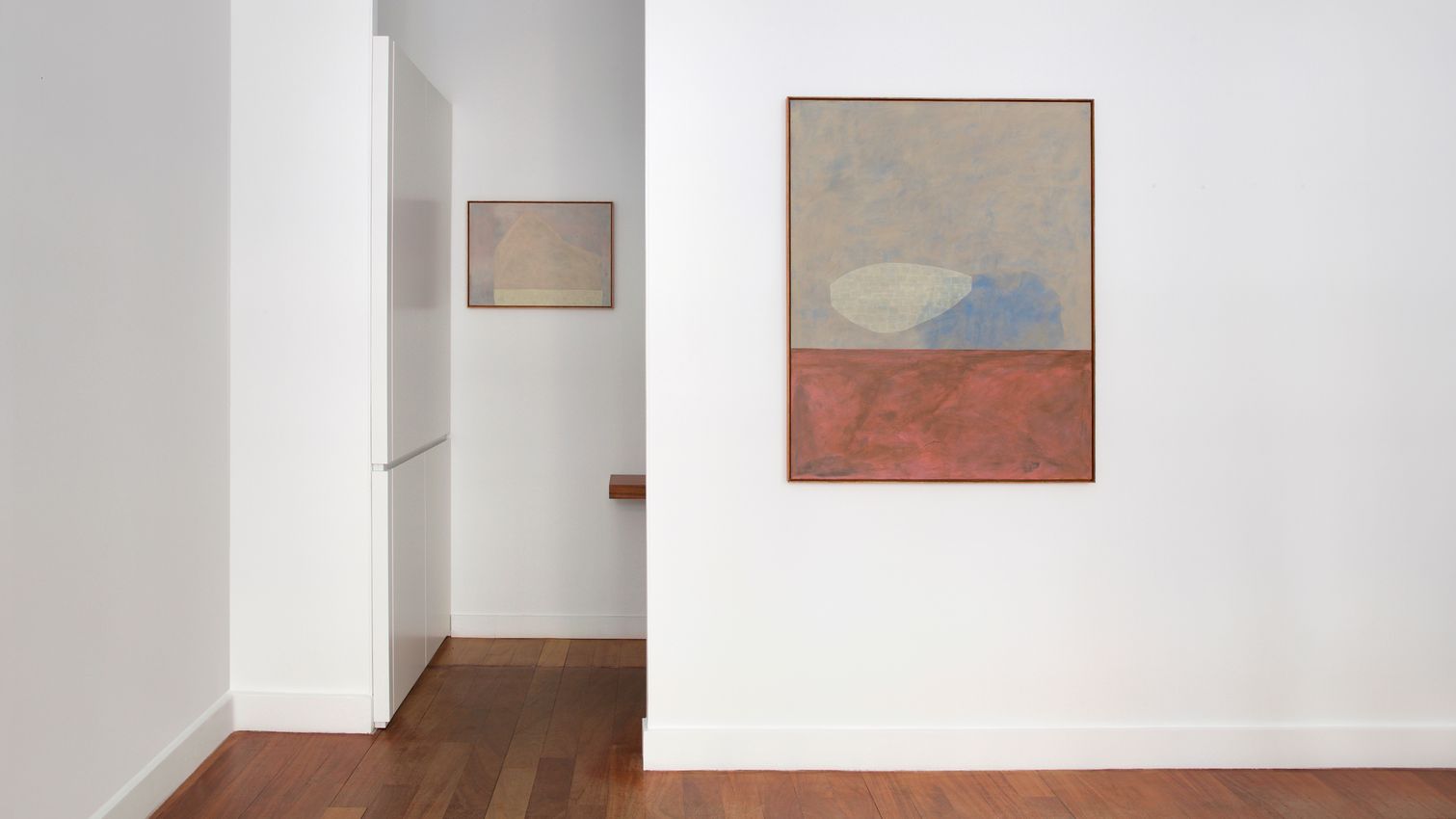
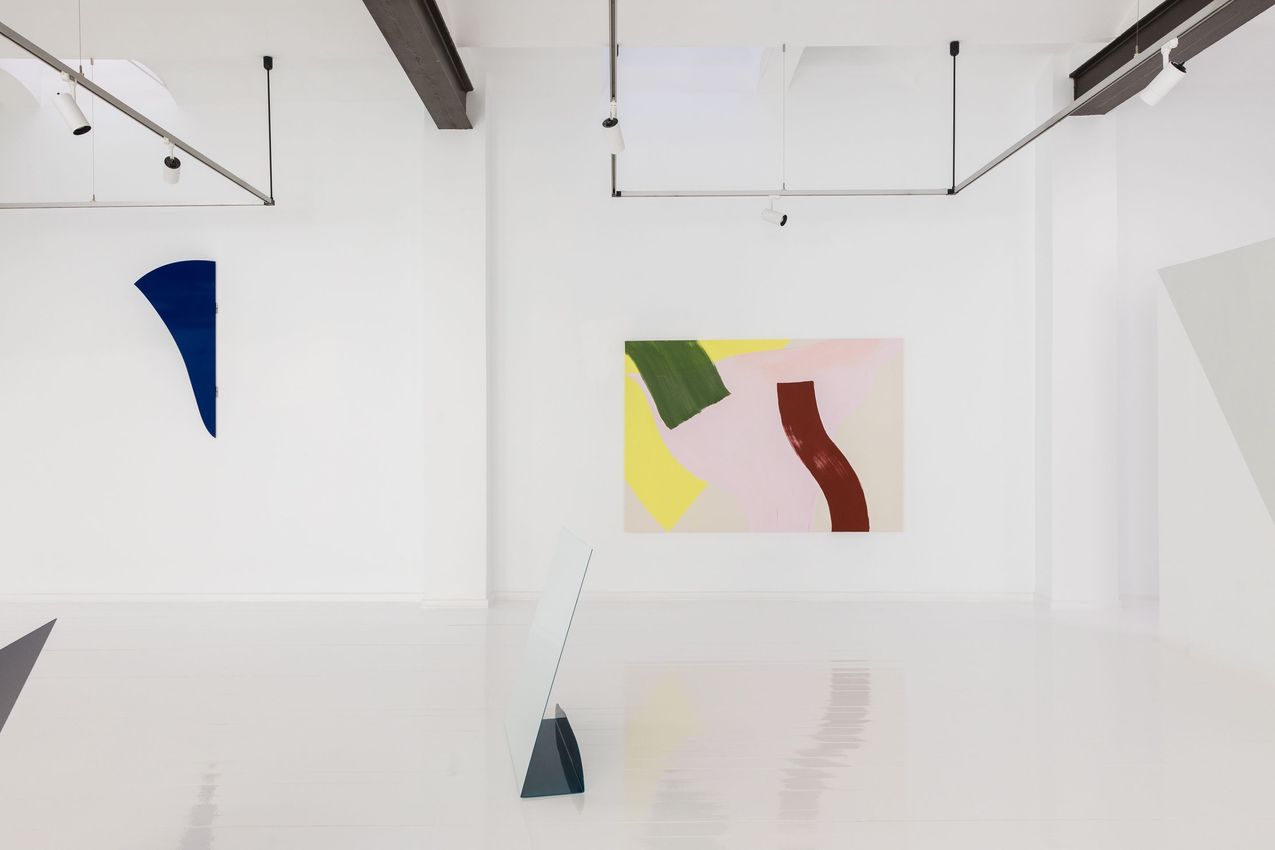
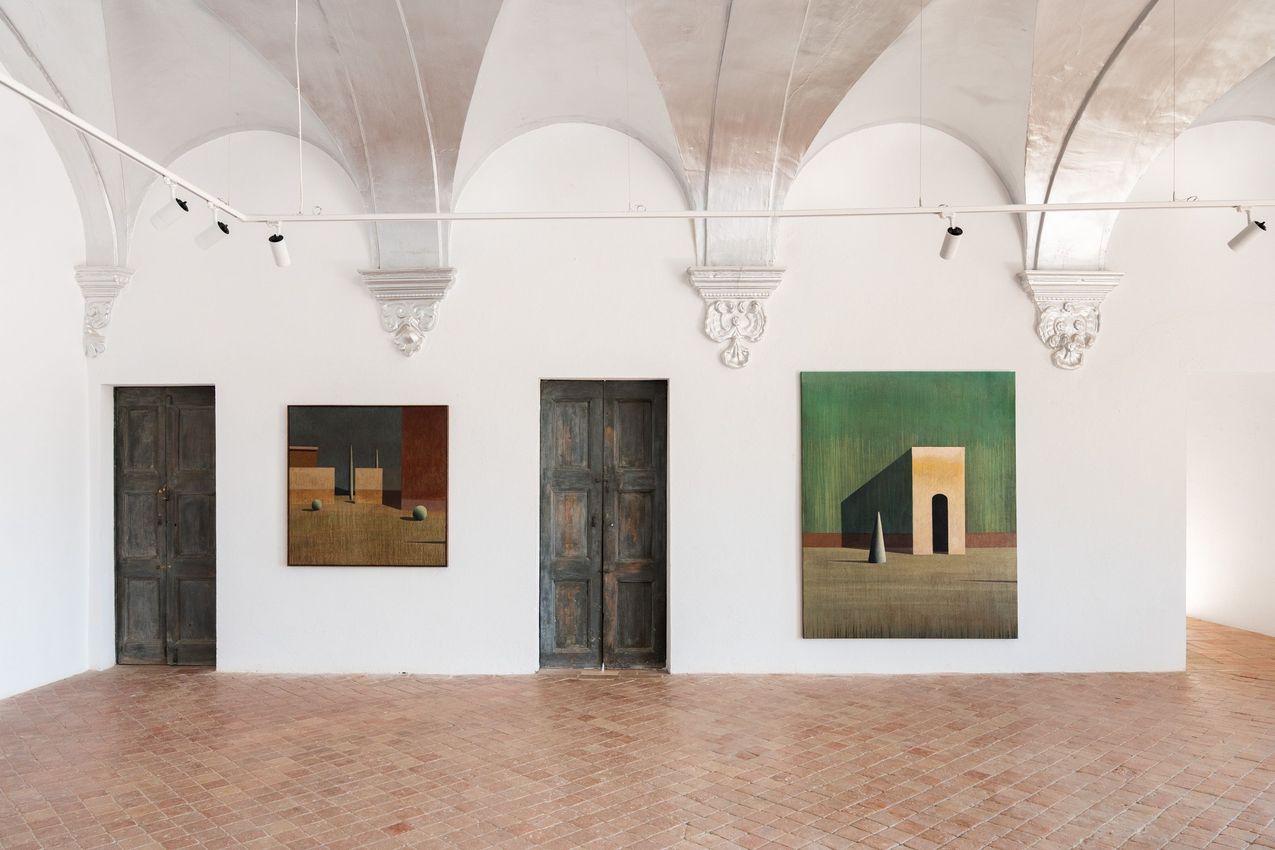
Alzueta Gallery presents A camp obert, a dual exhibition that brings together the work of Manolo Ballesteros (Spain, 1965) and Kes Richardson (United Kingdom, 1976) at the Sèneca gallery in Barcelona. The show will be on view from 3rd to 30th July and marks the end of this season’s exhibition program.
The Catalan word camp (field) is semantically open and fertile. It can refer to something cultivated, a place of work, an open expanse, or even a field of forces or ideas. All these meanings imply an active relationship with space: to cultivate it, inhabit it, or put it under tension. This contrasts with the word landscape, which, despite its strong ties to the art world, often creates a certain distance between the viewer and the space observed.
The word camp, on the other hand, alludes to setting up inside the field, forming part of a place, working it. The exhibition begins with this idea, applied to the artistic processes of Manolo Ballesteros and Kes Richardson. A camp obert refers both to the region of Empordà where the two artists created their works, and to their approach to painting, not as a closed technique or an autonomous language, but as an open attitude, permeable to process and in constant dialogue with space and context.
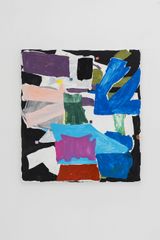
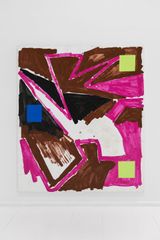
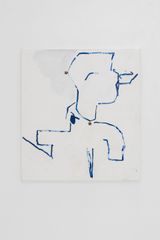
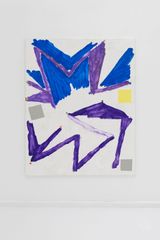
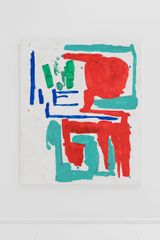
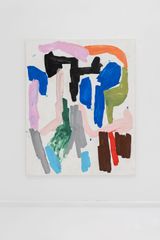
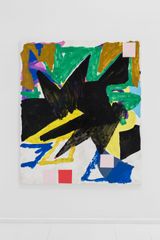
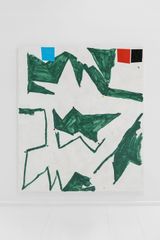
During his residency in La Bisbal, Kes Richardson began his works with drawings made using markers, created quickly and in series, as a way to bypass conscious decision-making. These drawings were later digitized and projected in virtual environments to evaluate their scale and pictorial strength. When Richardson decides to turn a drawing into a painting, he transfers it onto PVC canvas, an industrial support whose smooth, non-porous surface allows for direct, resistance-free application of colour. His work includes colour swatches, shapes reminiscent of typography or logos, and even fragments from other drawings, like a system of visual sampling. Richardson often affixes scraps from these sketches onto the canvas: small cutouts that seem to contain landscapes within them. He also leaves traces of his footprints on the white PVC surface, making the material conditions of production visible. In this way, the canvas becomes a field the artist has walked through and worked.
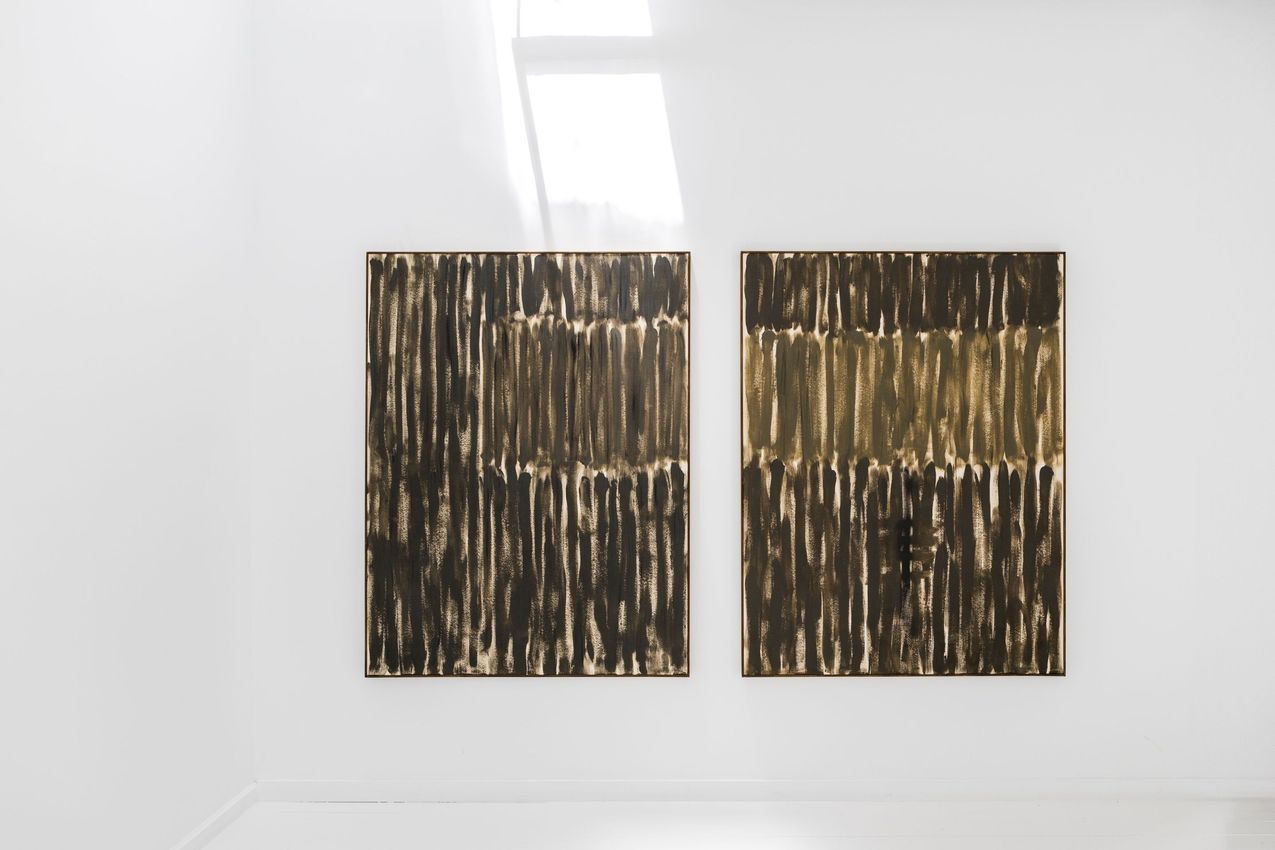
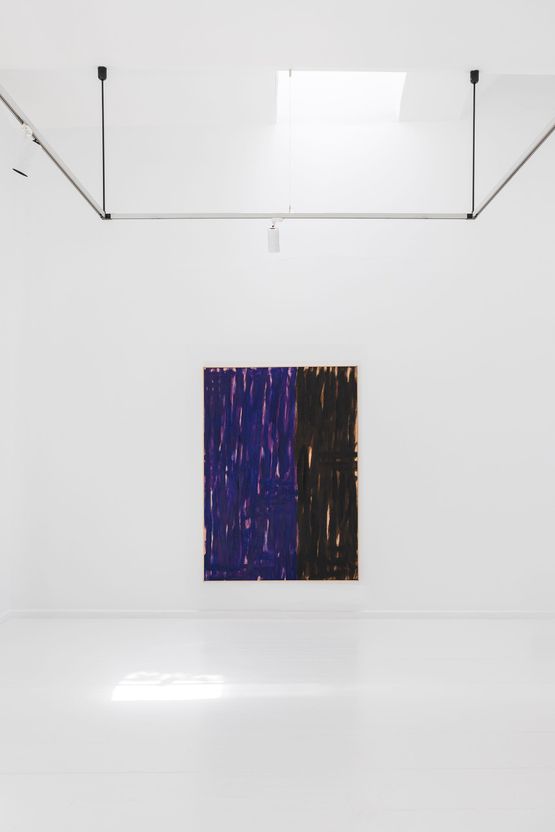
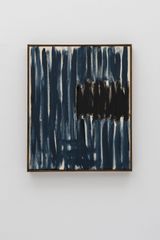
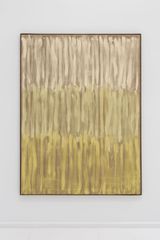
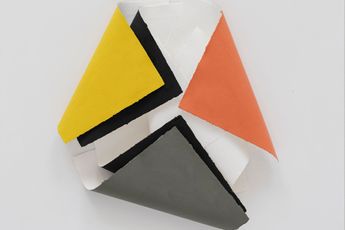
From his studio in Figueres, Manolo Ballesteros works from a material intuition. For this exhibition, wood is the main material, giving the works a robust, almost arboreal character that connects them to the tradition of the altarpiece. On one hand, Ballesteros presents flat, rectangular paintings, where the brushstroke is powerfully etched. On the other, he includes oval, volumetric pieces with irregular surfaces that lie somewhere between painting and sculpture. His is a form of painting that rejects concrete narrative and titles, and speaks from its own presence. The works, silent yet intense, establish a dialogue between surface and volume, between geometric tension and chromatic restraint. The artist appeals to a direct experience, without symbolic mediation: a kind of painting that speaks to the eyes, the body, and time. As if each work, imposing and solid, were a tree in the middle of the forest, watching us from time immemorial.
A camp obert brings together two artists who, working in nearby places —La Bisbal and Figueres— expand the field of painting through two complementary attitudes: one leaning toward process and the use of digital visual language; the other toward matter, volume, and silence. Despite the differences in their work, both artists challenge the physical and conceptual boundaries of painting. In both cases, painting is no longer a window through which to look, but a field sown with experience.


With over twenty-five years of experience, Alzueta Gallery, founded by Miquel Alzueta in Barcelona, has become a leading name in contemporary art. The gallery has solidified its presence both locally and internationally, with five locations across Barcelona, Madrid, Casavells and Paris. Its program includes exhibitions, art fairs, artist residencies and collaborative projects, involving both physical and digital platforms.
A respected voice in contemporary art discourse.
Focusing on ambitious storytelling and insightful art-world commentary. Ocula Magazine publishes in-depth interviews, critical essays and timely analysis on the artists, exhibitions and ideas driving the global art world.
Learn more about Ocula Magazine
Showcasing the best of the art world.
Ocula partners with galleries from around the world to highlight their artists, artworks and exhibitions. Gallery membership is by application and invitation, with each member vetted by an independent panel.
Learn more about Ocula Membership

Specialises in the sale of major artworks.
Led by a team with deep ties to the world’s leading auction houses, galleries and collectors. Ocula’s advisory team offers bespoke services to high-net-worth clients from around the world who are looking to acquire the best of contemporary and modern art.
Learn more about our team and services