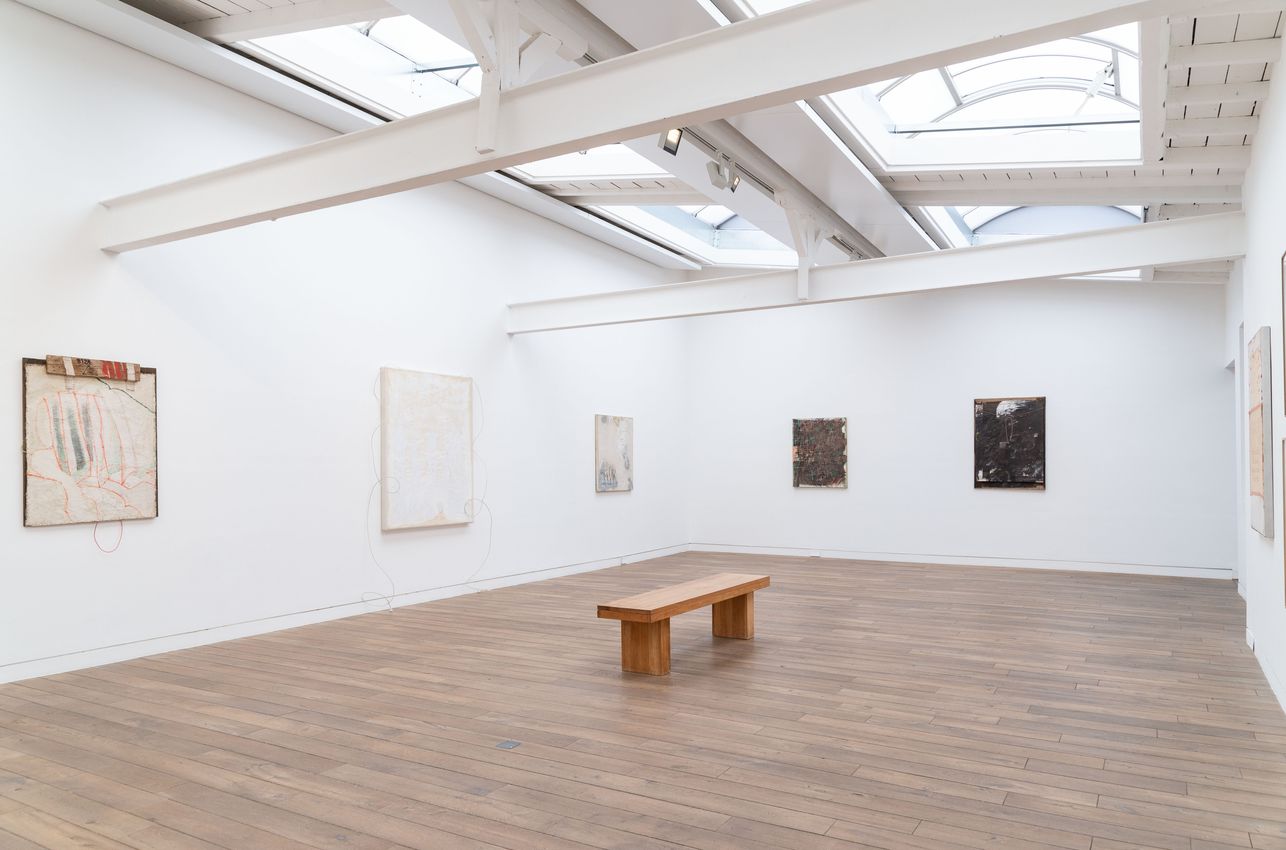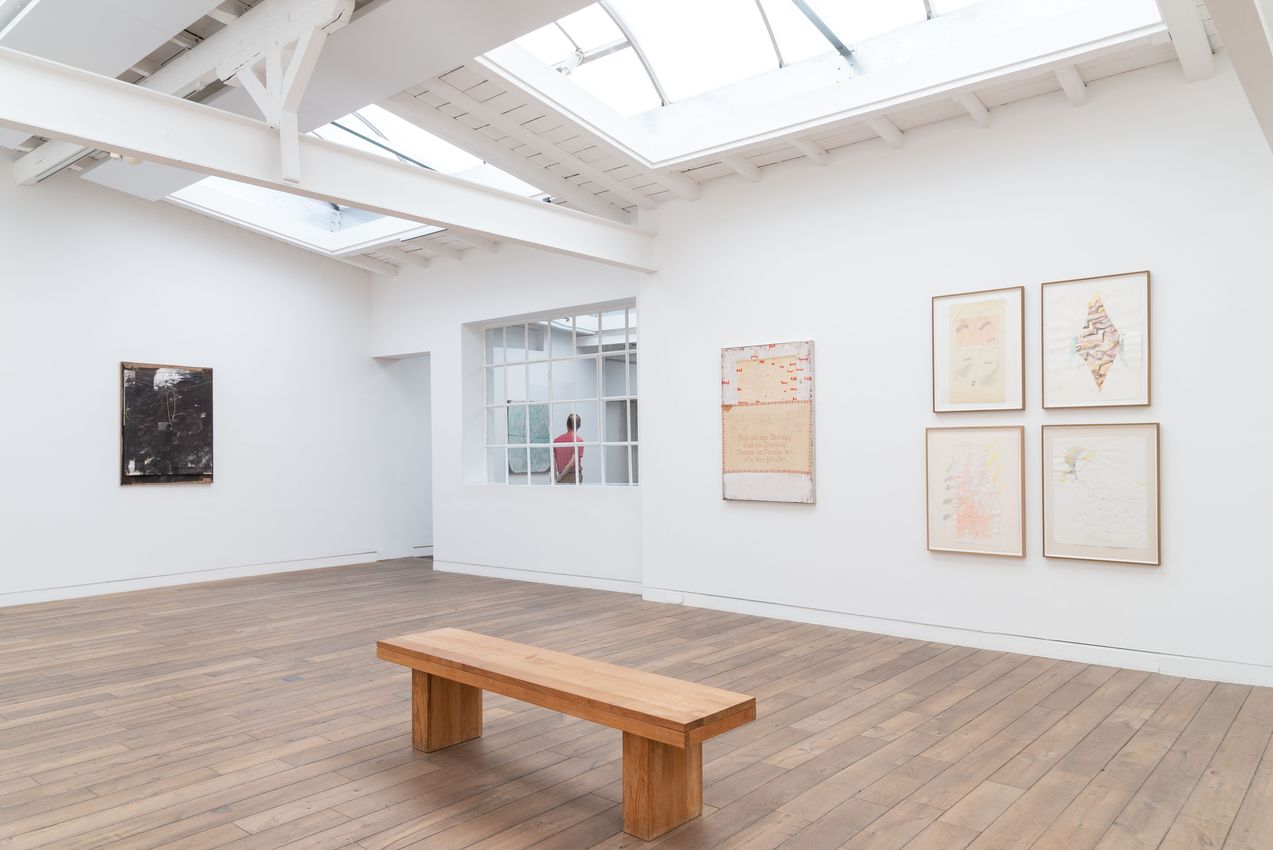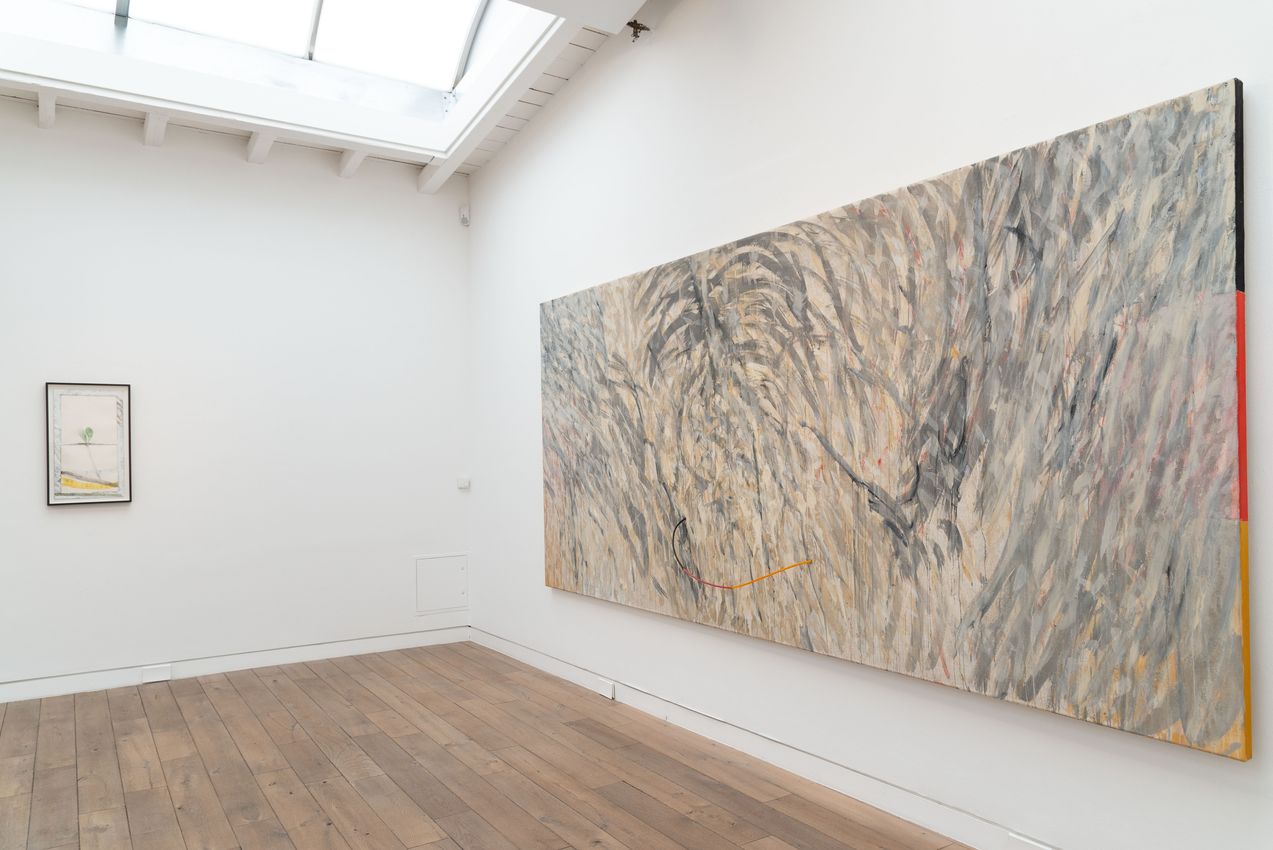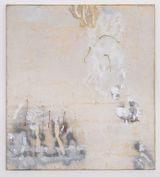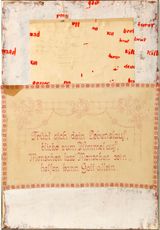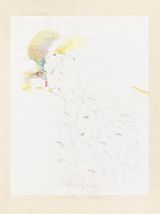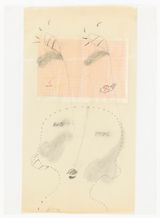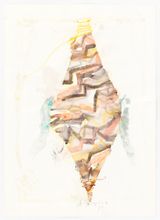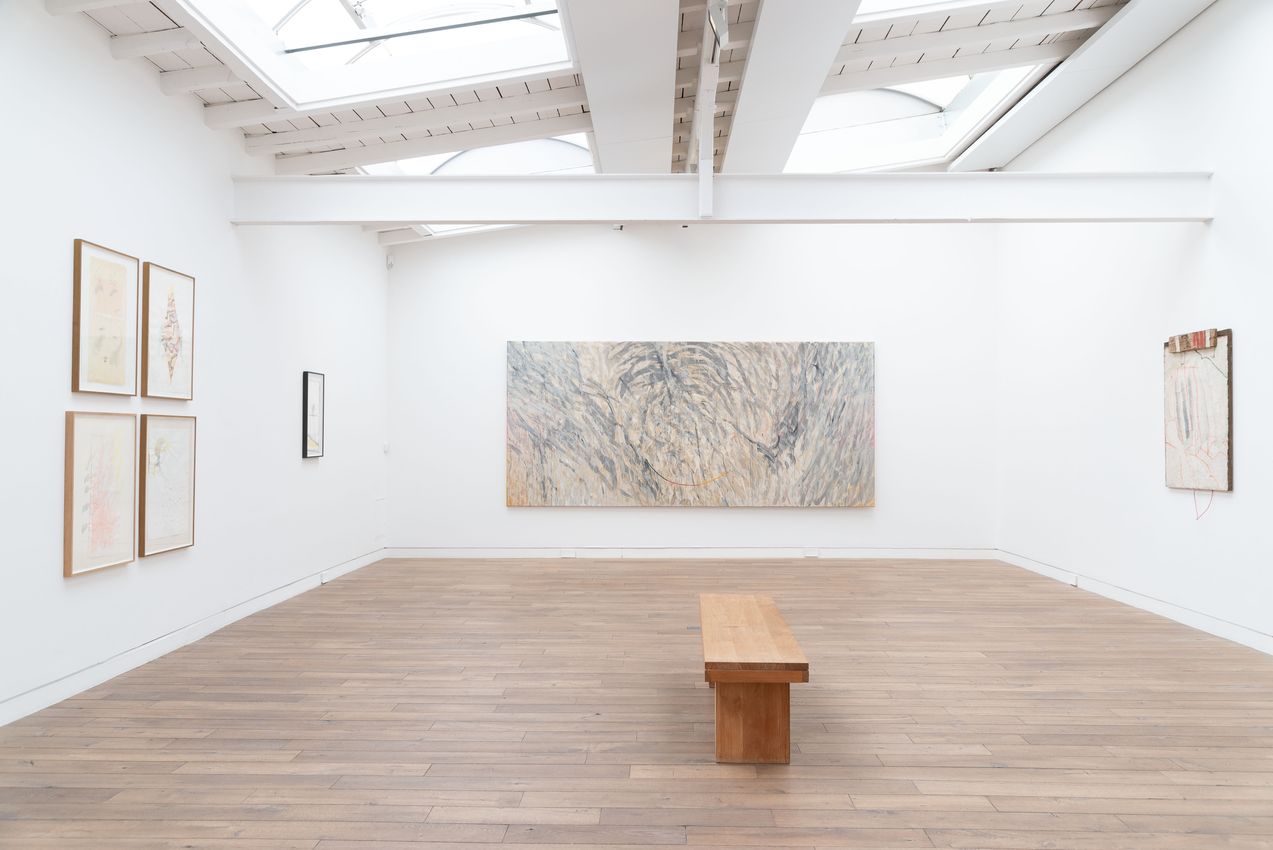
Gerhard Hoehme would have been 100 years old this year. On this occasion Beck & Eggeling International Fine Art is showing da war jemand, the second major exhibition in the gallery of works by the artist, who died in 1989. We are very pleased that we were able to win the distinguished Hoehme connoisseur Kay Heymer as curator for this exhibition. He heads the collection of modern art at the Kunstpalast, Düsseldorf, and is responsible for the catalogue raisonné of the artist’s paintings and objects on behalf of the Gerhard and Margarete Hoehme Foundation.
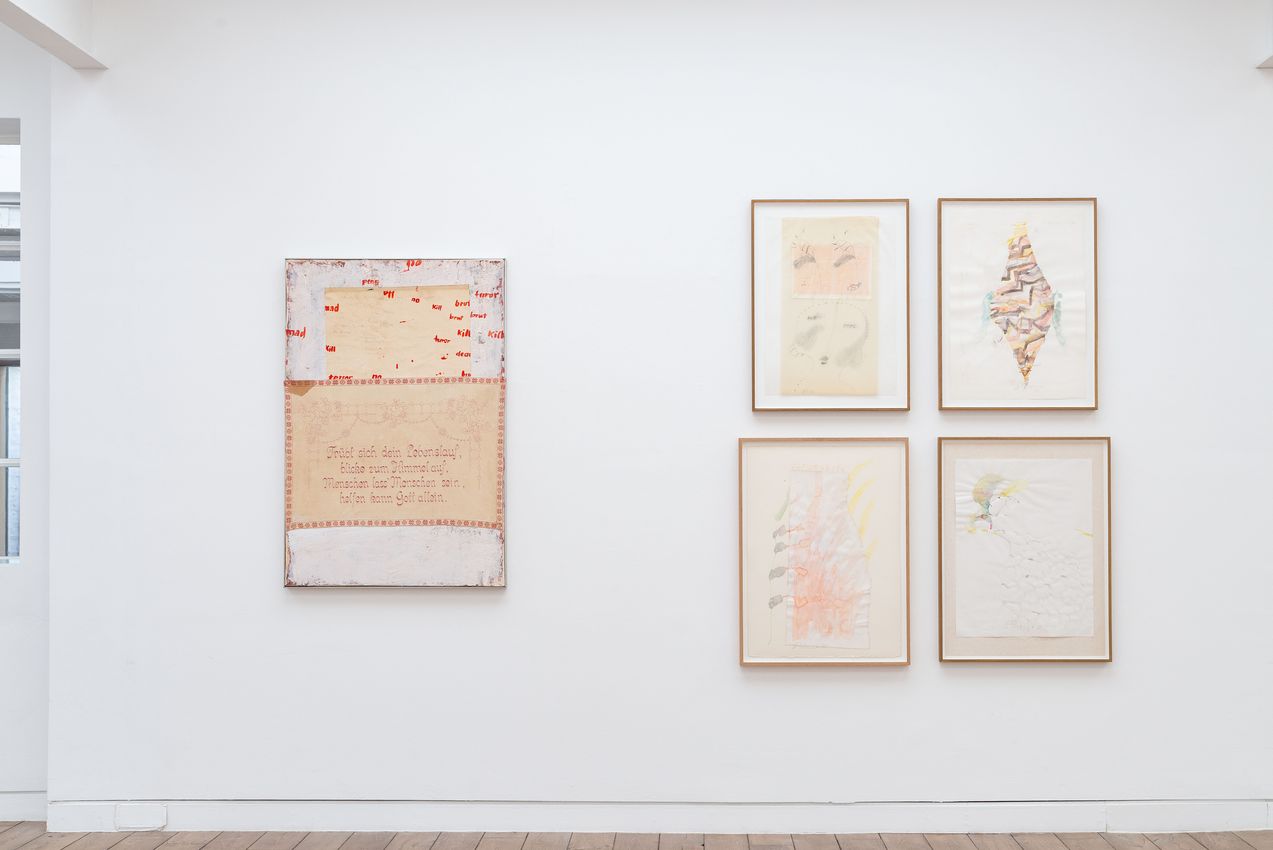
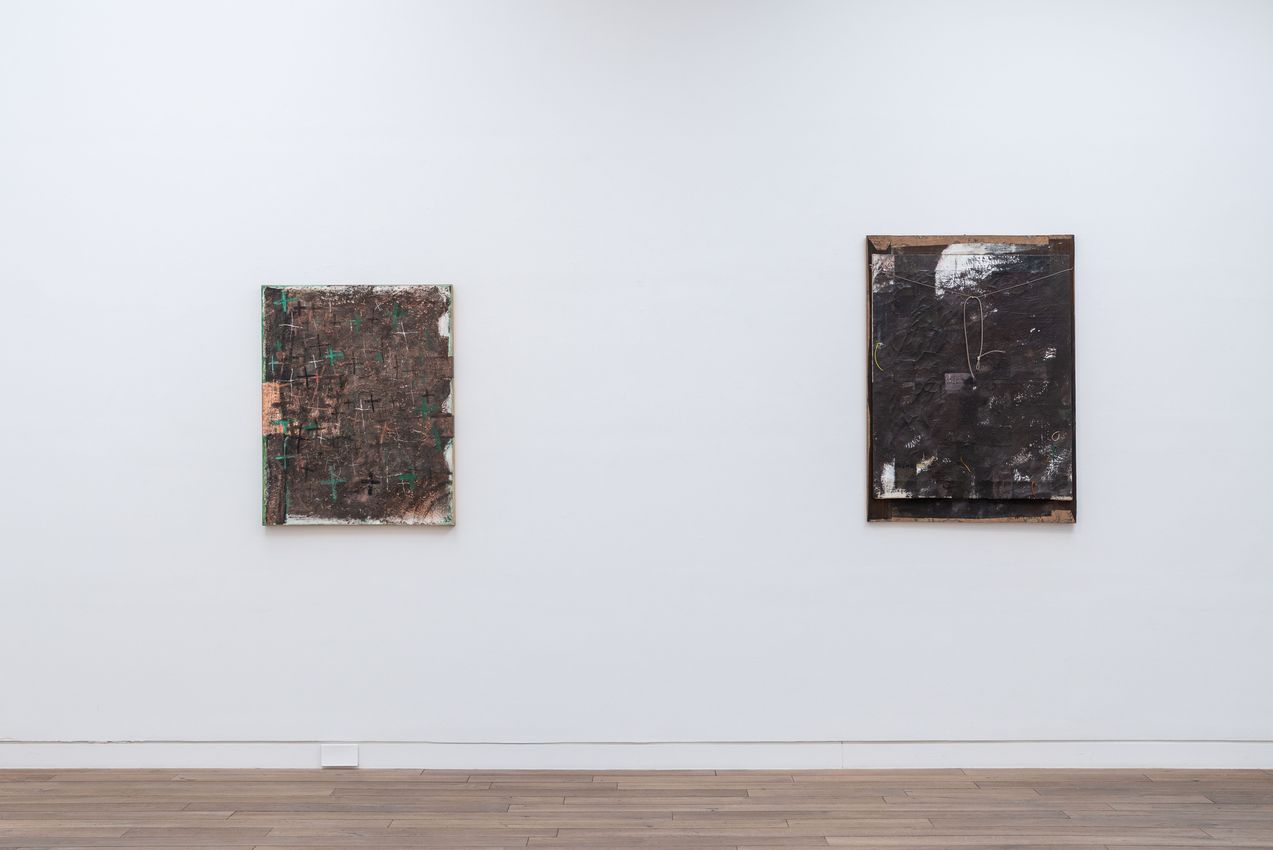
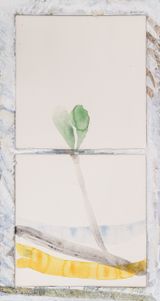
Gerhard Hoehme was an artist who constantly searched and researched. For him it was all about finding new images and new statements in an existentialist way. He used as many formal means and materials as possible and revealed their particular expressive potential. For him, the picture was not a right-angled, limited object; it extended into space as well as into the world of thought. This is especially apparent in his‚ ‘Fensterbilder’ (window paintings) group of works, which are rebelling against the limits of the frame. For Gerhard Hoehme, language also became a material of his pictures, as he got to the bottom of the meaning of terms. For him language was a cosmos that oscillated between the scriptural gesture and the poetic openness of words. In many of his pictures, words, sometimes whole sentences, but also gestural calligraphy appear. His reverence for the poet Paul Celan, who was his age, and who, in the face of the experience of the bureaucratically carried out mass murder in the Holocaust, rediscovered a completely new language, bordering on the verge of silence, was also characteristic of his own creative attitude. Poets and artists belonged to a generation that was robbed of its cultural existence by fascist terror and therefore had to start anew. Every material, every line, every colour was used by Gerhard Hoehme as if no one before him had tried anything similar.
The art historical classification ‘Informel’ only fits Gerhard Hoehme’s early oeuvre and since 1963 at the latest–the exhibition chooses ein bitteres Bild, ein trauriges Bild from that year–Hoehme’s work has beenelevated above any classification.
Gerhard Hoehme was a consistent, unconditional individualist, and yet he stood consciously in life–as an art academy professor who struggled intensively with his colleagues K. O. Götz or Joseph Beuys for the best concepts for teaching and training, and as a political man who made a considerable contribution to coming to terms with the heavy burden of German history. This is expressed just as sublimely in paintings such as Deutsch-deutsches Verhältnis as in Ein bitteres Bild and many other works.
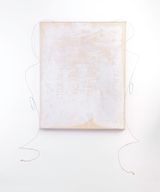
Gerhard Hoehme’s working method was stringent and often vulnerable in its uncompromising nature. His obsession with PE-cords, which many of his paintings seem to extend into space and seem to express an in- tense need for contact and exchange with the viewer, paradoxically makes his work particularly demure and difficult for many to access. Dealing with Hoehme’s work must go through a phase of slightly painful overcoming–‘Cognition also has something to do with effort,’ our great teacher Max Imdahl used to admonish us - but what follows is by no means disillusionment, but rather an ever-growing fascination and enthusiasm for this artist and his work, which is as precise as it is sensitive and with which he has shaped the second half of the 20th century like few others. The painter’s pictorial actions, which can be directly felt, keep his works fresh and let them shine today as they did 50 years ago.
Press release courtesy Beck & Eggeling International Fine Art. Text: Kay Heymer
Gerhard Hoehme made a decisive contribution to international art in the second half of the 20th century with his pictorial and sculptural works as well as his drawings and installations, which can often only first be understood by considering their fascinating materiality.
Founded in 1994 by Dr Ute Eggeling and Michael Beck—both from art history and gallery backgrounds—Beck & Eggeling International Fine Art is a leading international gallery. Based in Düsseldorf, it specialises in exhibiting art by European masters of the 19th and 20th centuries, embracing Impressionism, Expressionism, and post-War Modernism, as well as working to foster international contemporary art.

A respected voice in contemporary art discourse.
Focusing on ambitious storytelling and insightful art-world commentary. Ocula Magazine publishes in-depth interviews, critical essays and timely analysis on the artists, exhibitions and ideas driving the global art world.
Learn more about Ocula Magazine
Showcasing the best of the art world.
Ocula partners with galleries from around the world to highlight their artists, artworks and exhibitions. Gallery membership is by application and invitation, with each member vetted by an independent panel.
Learn more about Ocula Membership

Specialises in the sale of major artworks.
Led by a team with deep ties to the world’s leading auction houses, galleries and collectors. Ocula’s advisory team offers bespoke services to high-net-worth clients from around the world who are looking to acquire the best of contemporary and modern art.
Learn more about our team and services