‘I thinly paint floating silhouettes and braids–moving in a psychological space of memory, emotion, and experience—I wipe them away so they perfuse the space like a whisper of lost girlhood. Cutting, pasting, collaging to painting, layering, and wiping away, layering again, I’m revealing and uncovering a lost history.’
— Debra Cartwright
Debra Cartwright spent her childhood in her mother’s gynaecology practice. She sifted through the pages of anatomy books and doodled on images of female body parts while she waited for her mother to finish attending to her patients. As a child, this was a simple reality for her. A fact of life: she was the daughter of a gynaecologist. However, it didn’t take long for Cartwright to learn the underlying darkness of her parent’s profession. Her mother was not just a gynaecologist, but a Black female one, and as she grew older, the once simple reality began to take on different forms. It parted into a new understanding of American history, society, capitalism, and their intertwined relationship to the Black female body. In her work, Debra Cartwright explores and depicts the often muddled and dark history but neatly curated and convenient narrative perpetuated in American medicine.
James Marion Sims, considered the father of women’s medicine, specifically for his work related to the vesicovaginal fistula, has been historically revered for his discoveries and advancements. Statues used to adorn New York City streets and served to acknowledge this one man’s contributions to science and medicine. They were an emblem of American perseverance in the study of health care along with the wealth & international recognition that came along with it. But it is how this white man came to such recognition that lies at the center of Debra Cartwright’s work: the non-consensual, unanesthetised, and repetitive abuse of enslaved Black women. He used enslaved Black women made available to him in order to experiment on them for financial gain and self-serving recognition. Many would and do justify this dynamic as an exchange of ‘free’ health care for the sake of a larger moral and ethical goal, but this justification does not heal the wounds of history which falsely believed ‘Black people feel less pain.’ In fact, it perpetuates the revictimisation of the Black female body. This dark and complicated narrative cannot be neatly and completely detailed in a simple text. We must educate ourselves and learn the stories of Anarcha, Betsy, and Lucy. Countless Black women, past and present, bear the scars of American medicine in their wombs. We must not pretend we know, but rather assume that there is always something more to understand about the world today. We must understand that Black women have since continuously been under-treated in medicine and that their voice continues to be muffled within an industry that has historically undermined them while benefiting from their bodies in every possible sense.
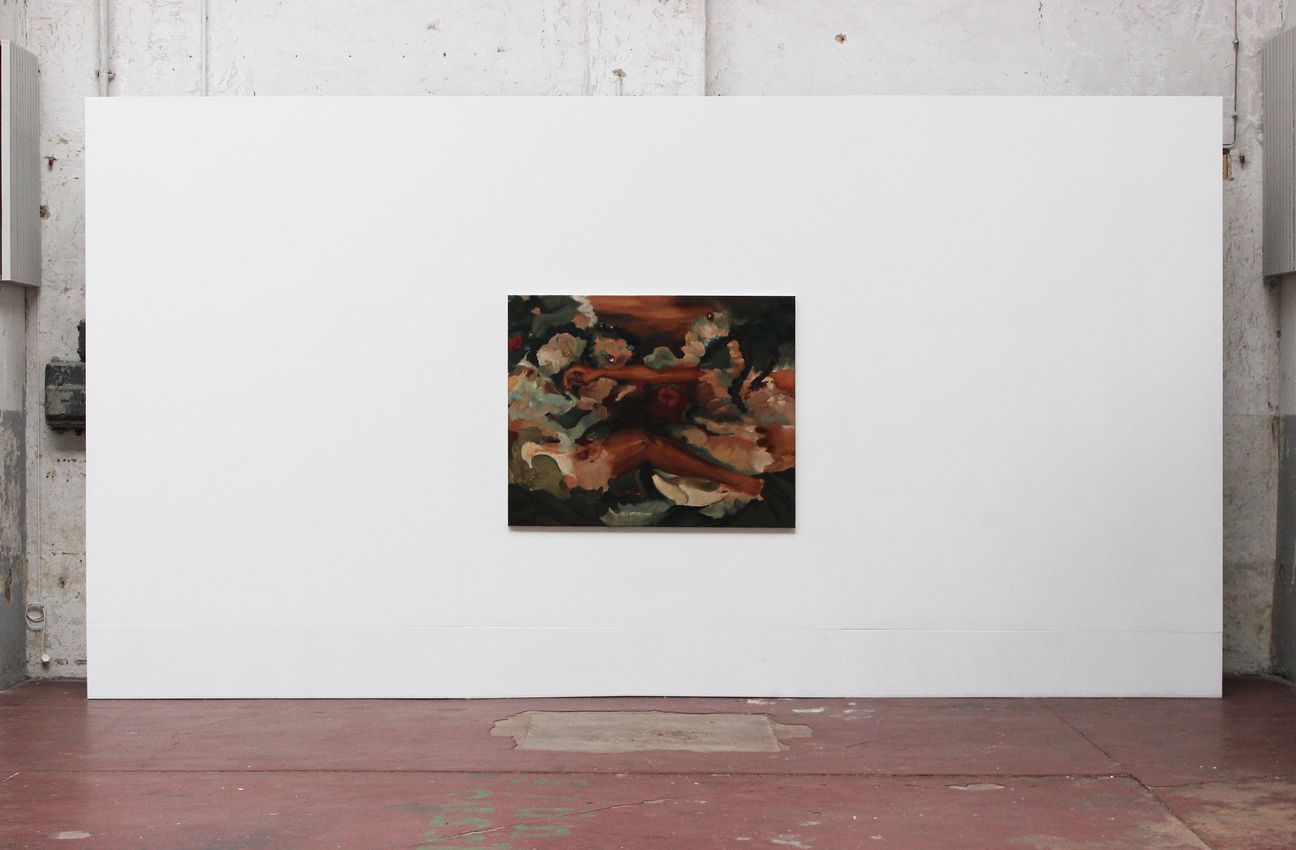
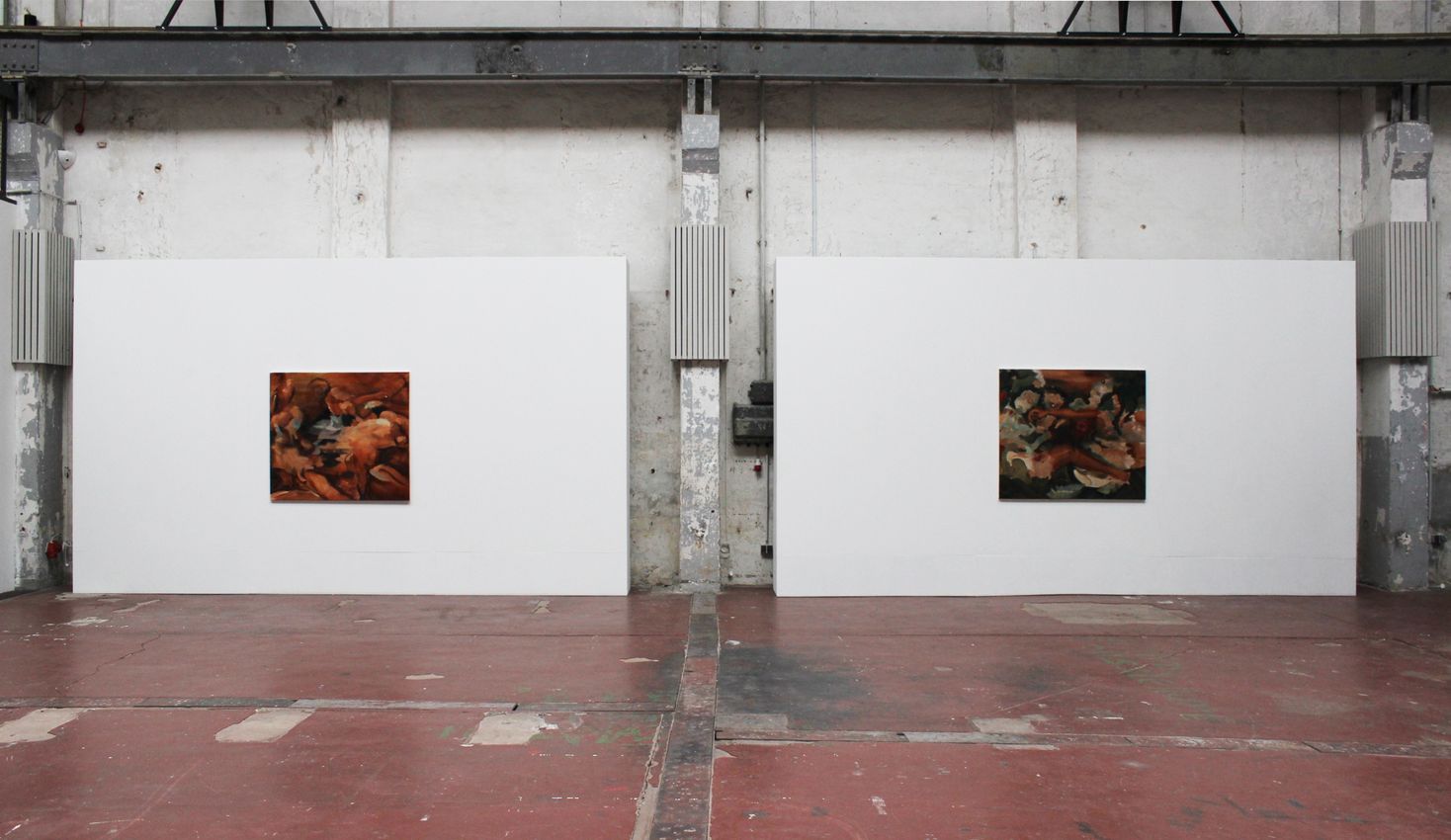
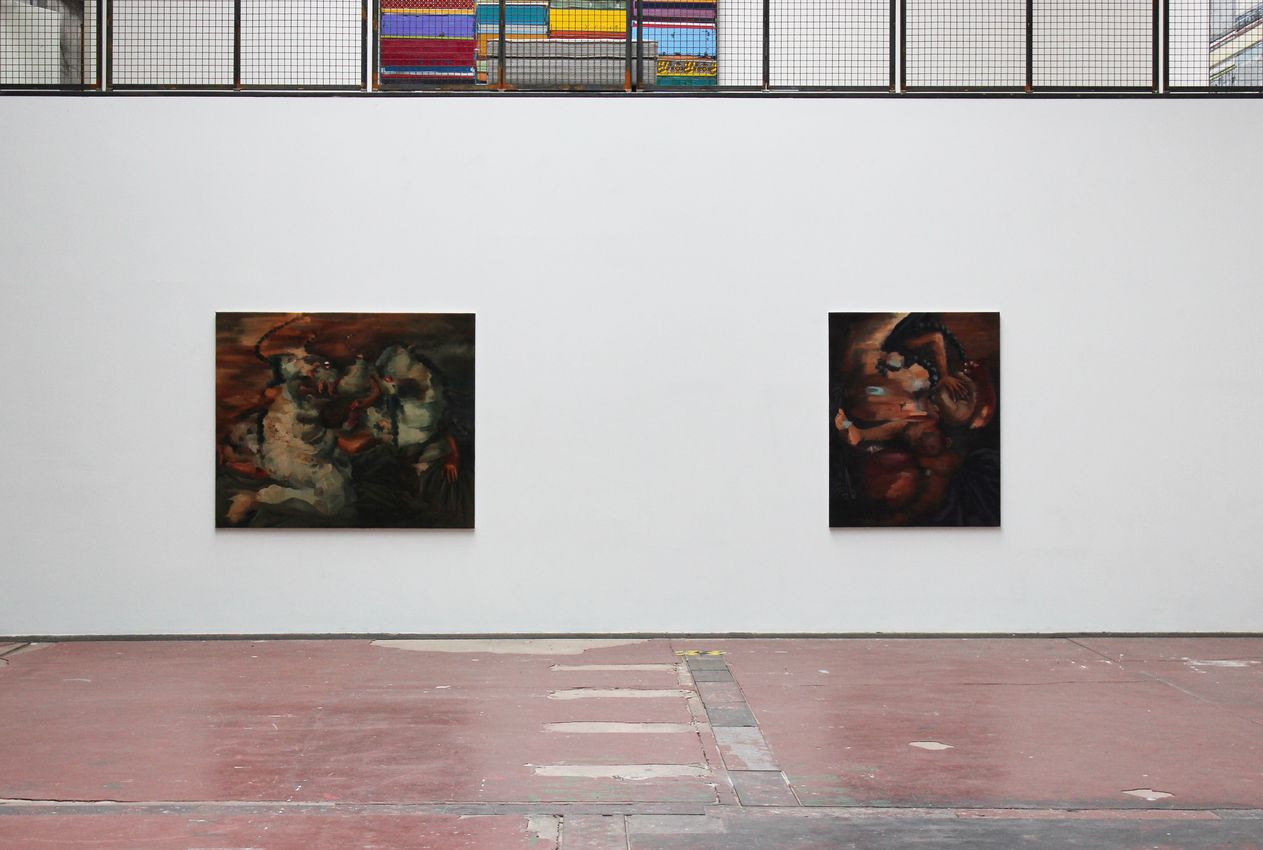
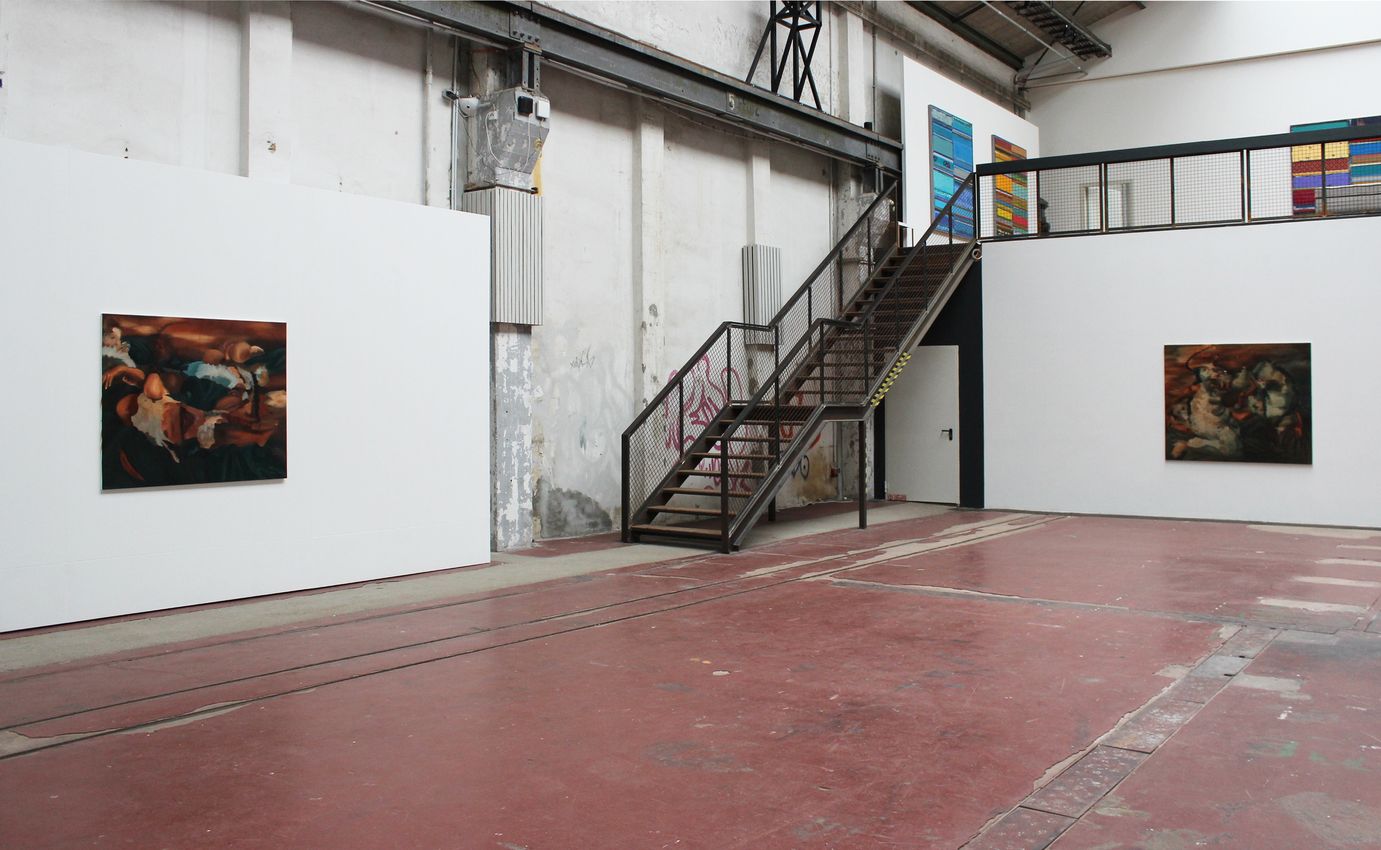
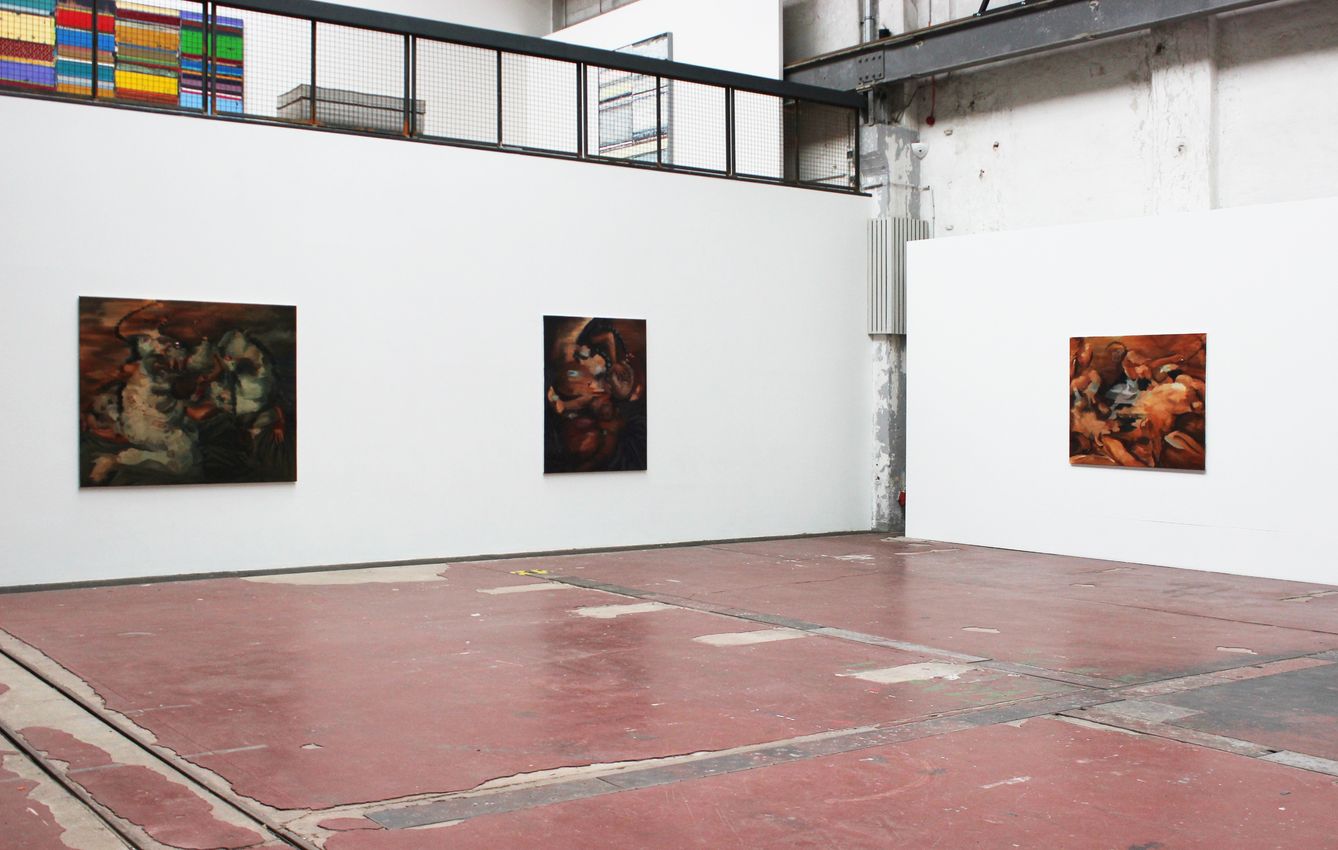
In Phantasmatic Figures, Debra Cartwright represents this unacknowledged history of American medicine. She gives us glimpses of her own childhood memories with ghostly representations of women, white sheets, medical tools floating in space, and the physical struggle of this sordid history. Her use of browns and blacks mixed with whites, pinks and reds, depicts an often denied bodily experience that Black women have suffered. A painful history that kicks and fights to make itself known in our collective minds. It is a history that Cartwright lives and breathes, not just as the daughter of a Medical professional but as a Black woman. It’s a history Cartwright asks us to acknowledge and honor as she does through her work. She honors the ensalved Black women that were abused by Sims while acknowledging that this history continues to perpetuate itself in our present.
Debra Cartwright is an American artist whose painting practice explores her experience as the daughter of a black American female gynecologist. Through her work she reconciles the horrific past and present of womens’ healthcare, more specifically concerning the black female body, and her own introduction to the practice as a child.
Bode collaborates with a diverse range of contemporary artists from around the world, working across various mediums and disciplines. The gallery is committed to supporting both emerging and established artists whose practices engage with innovative, thought-provoking, and experimental forms of expression. In addition to promoting a broad spectrum of contemporary voices, Bode strives to provide space, visibility, and a platform for artists from historically marginalized contexts and parts of the world.

A respected voice in contemporary art discourse.
Focusing on ambitious storytelling and insightful art-world commentary. Ocula Magazine publishes in-depth interviews, critical essays and timely analysis on the artists, exhibitions and ideas driving the global art world.
Learn more about Ocula Magazine
Showcasing the best of the art world.
Ocula partners with galleries from around the world to highlight their artists, artworks and exhibitions. Gallery membership is by application and invitation, with each member vetted by an independent panel.
Learn more about Ocula Membership

Specialises in the sale of major artworks.
Led by a team with deep ties to the world’s leading auction houses, galleries and collectors. Ocula’s advisory team offers bespoke services to high-net-worth clients from around the world who are looking to acquire the best of contemporary and modern art.
Learn more about our team and services