



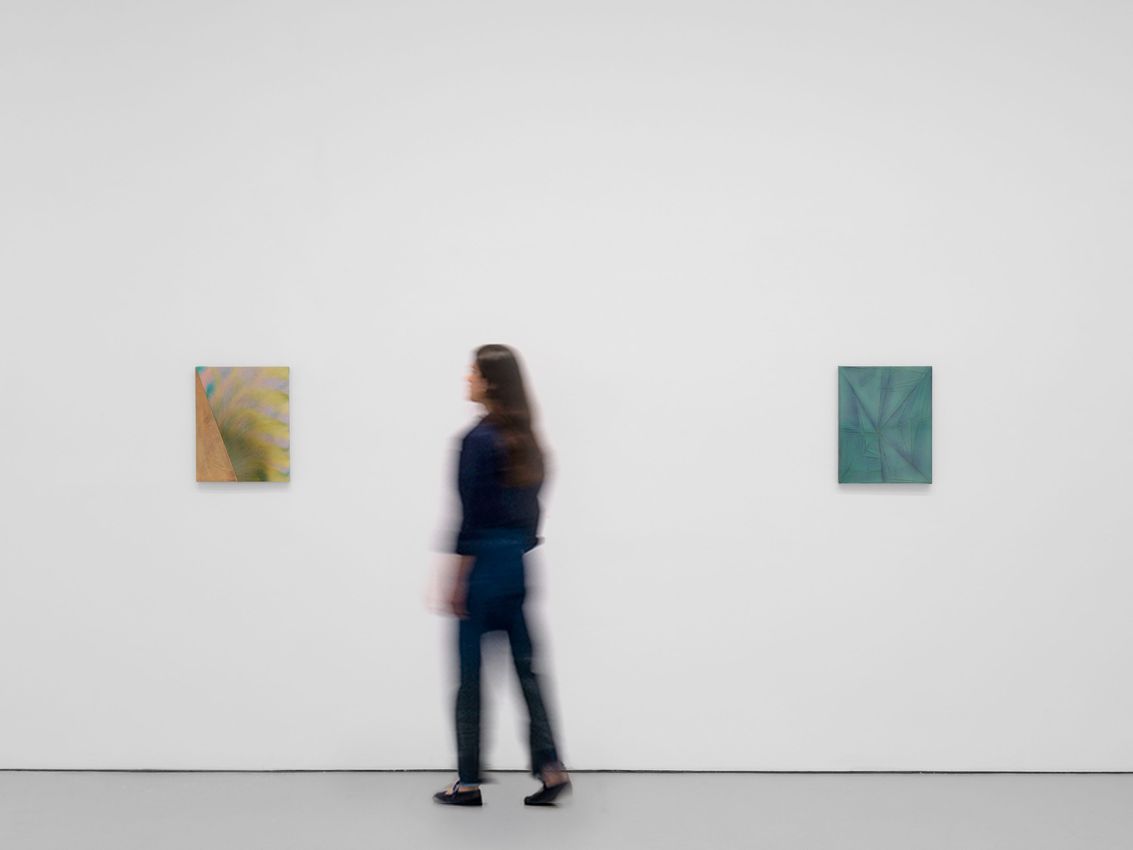
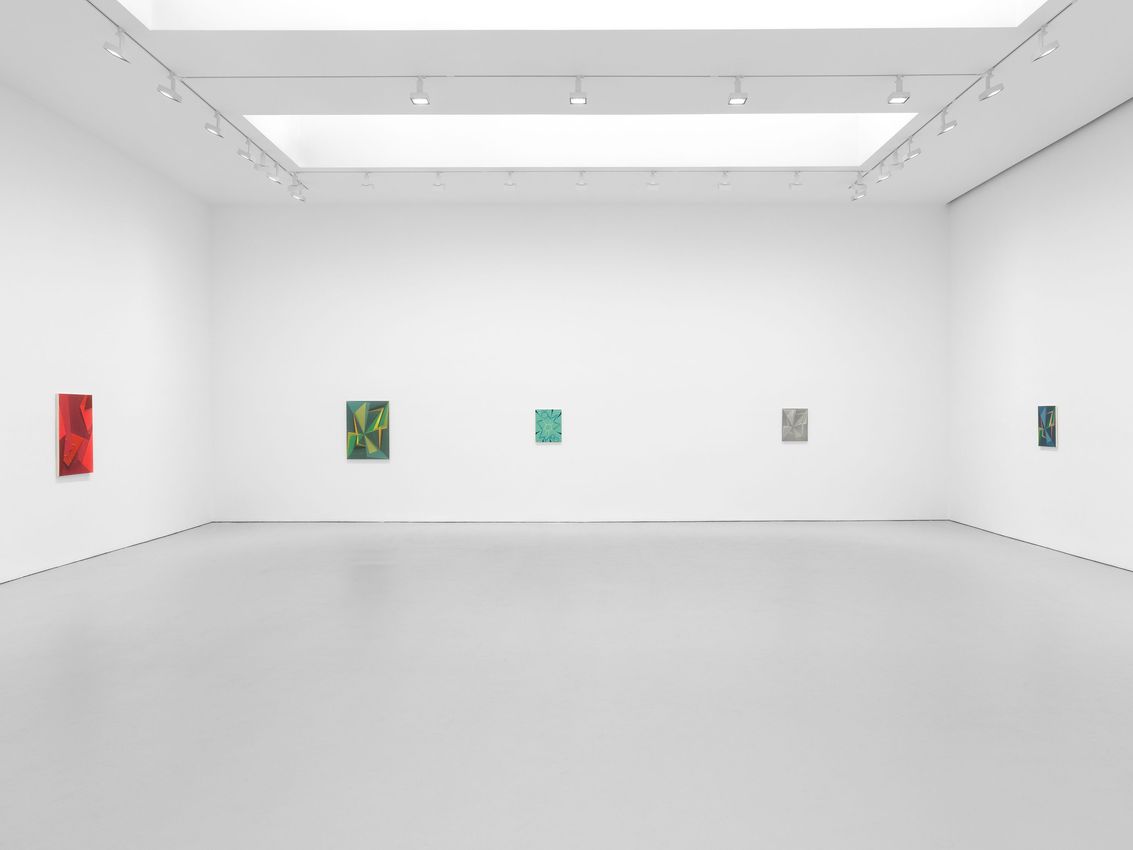
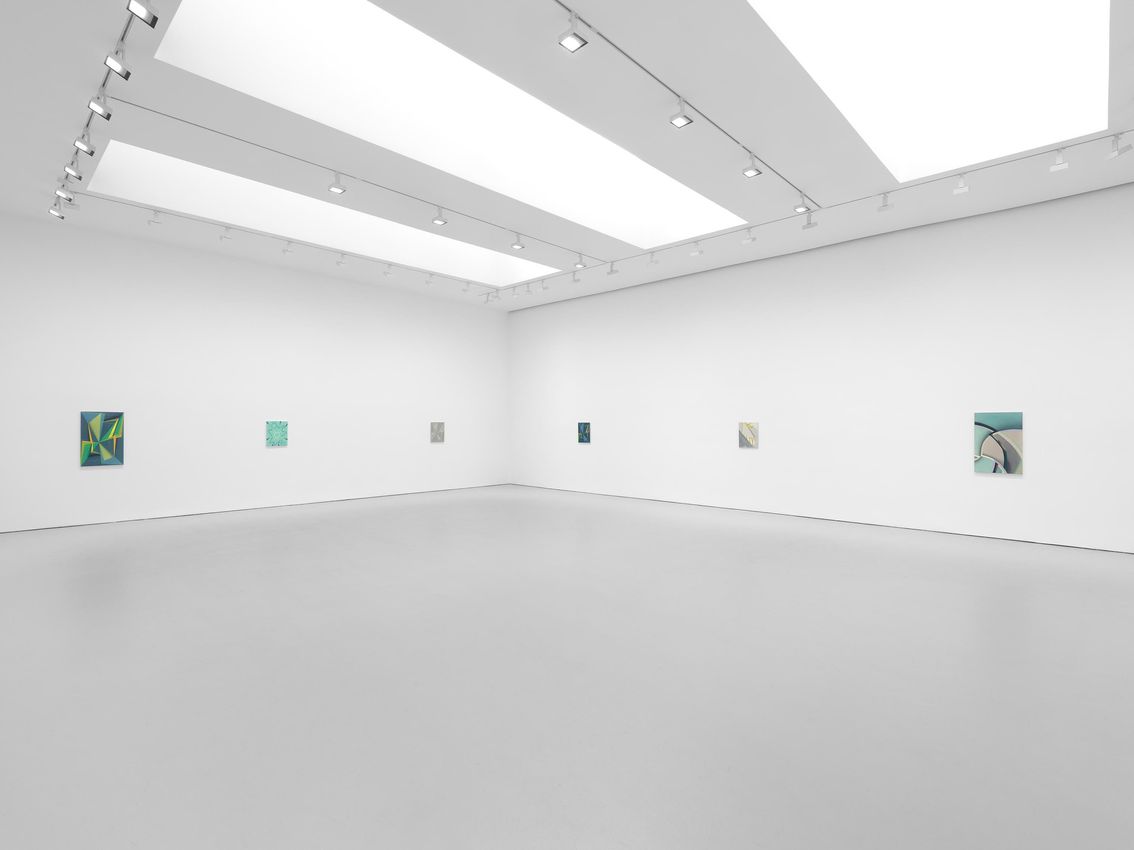
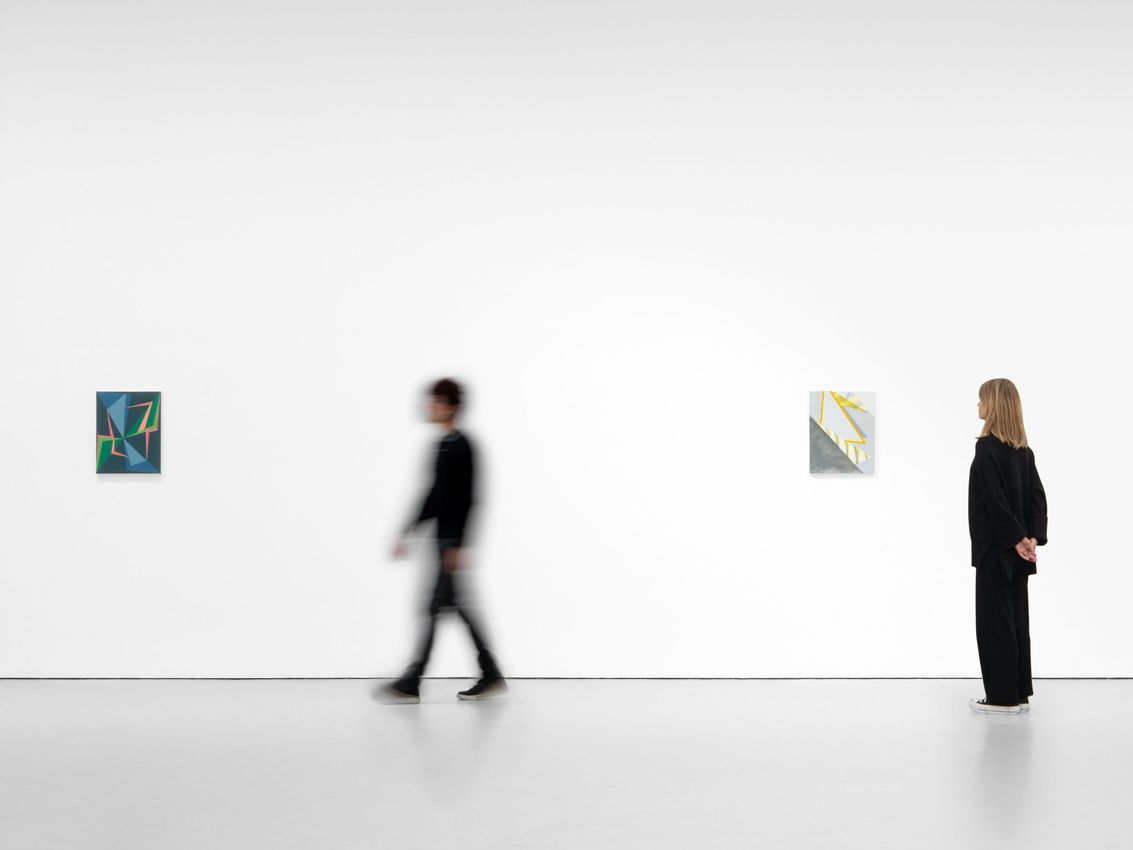
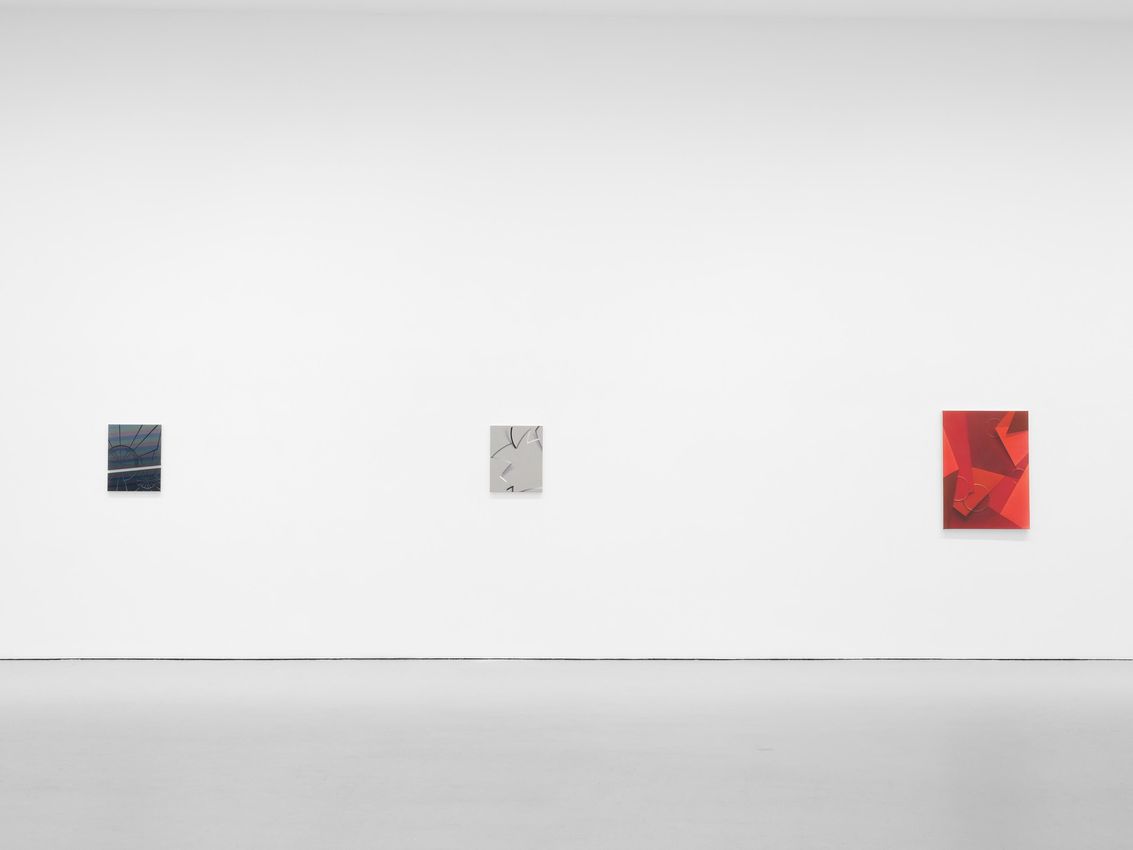
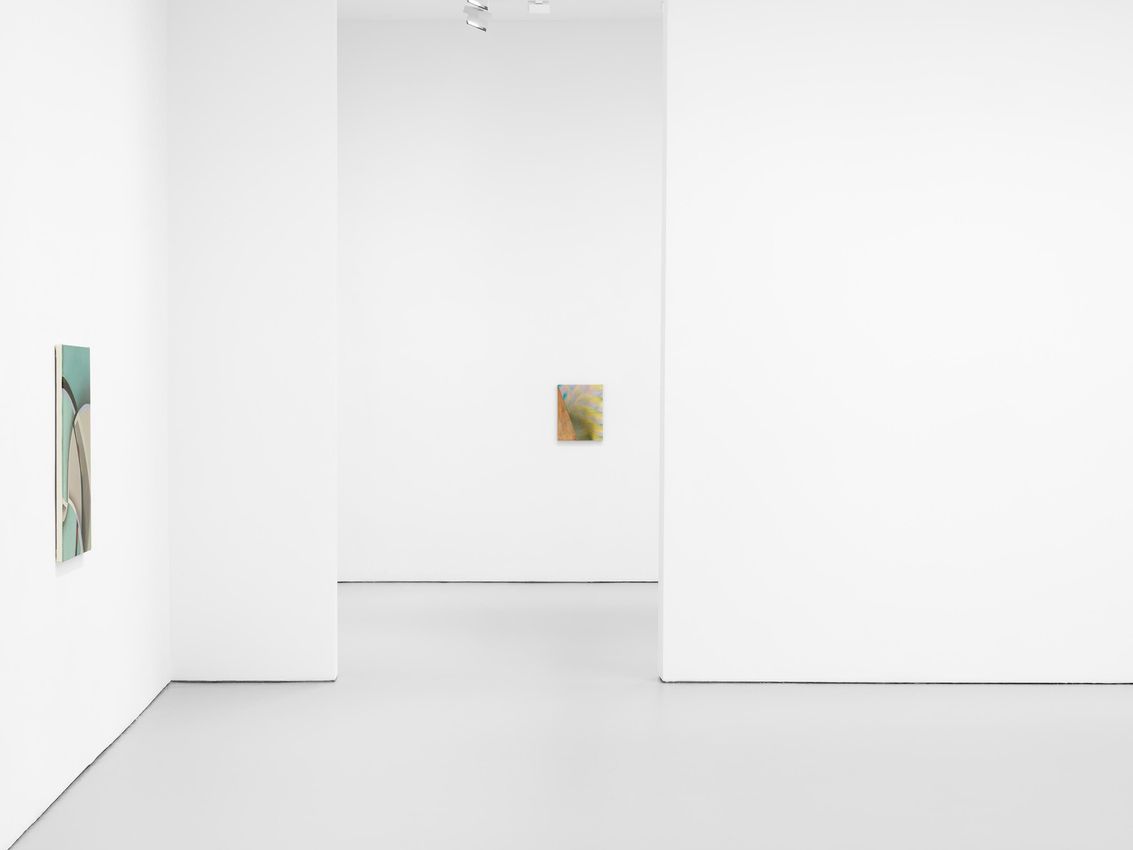
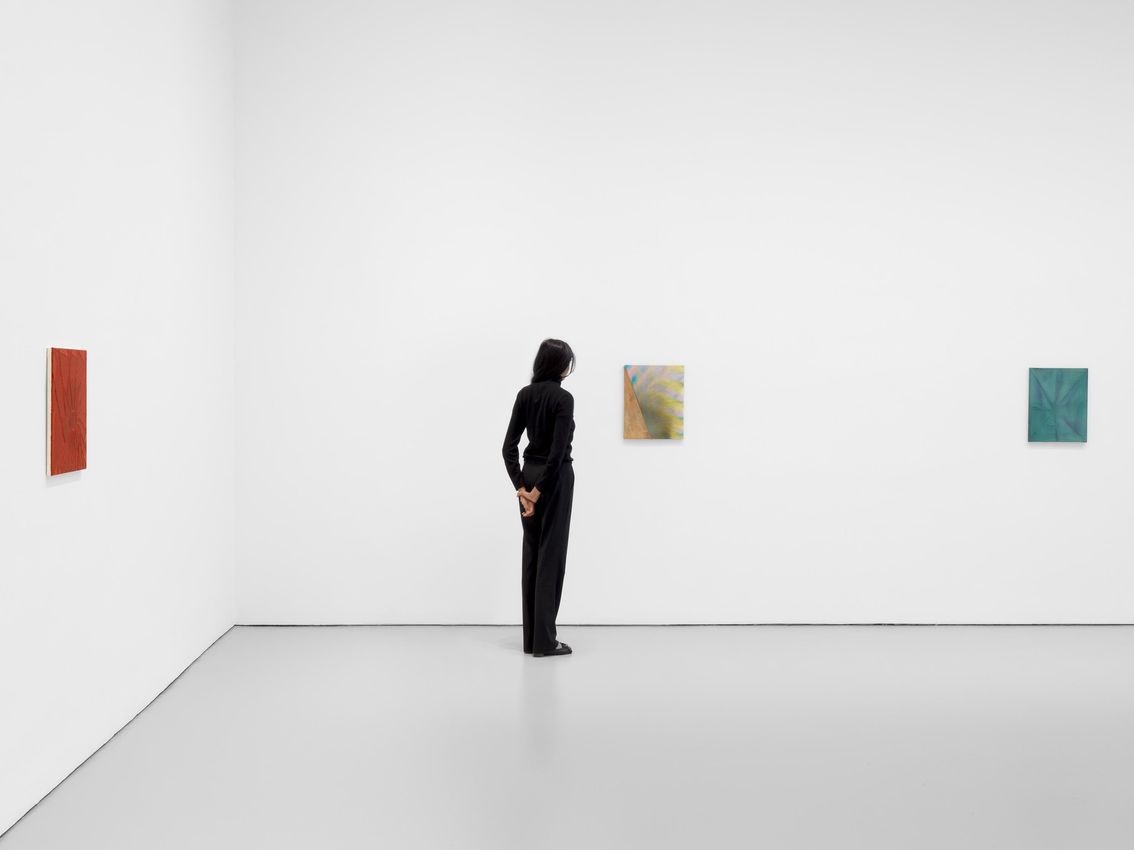
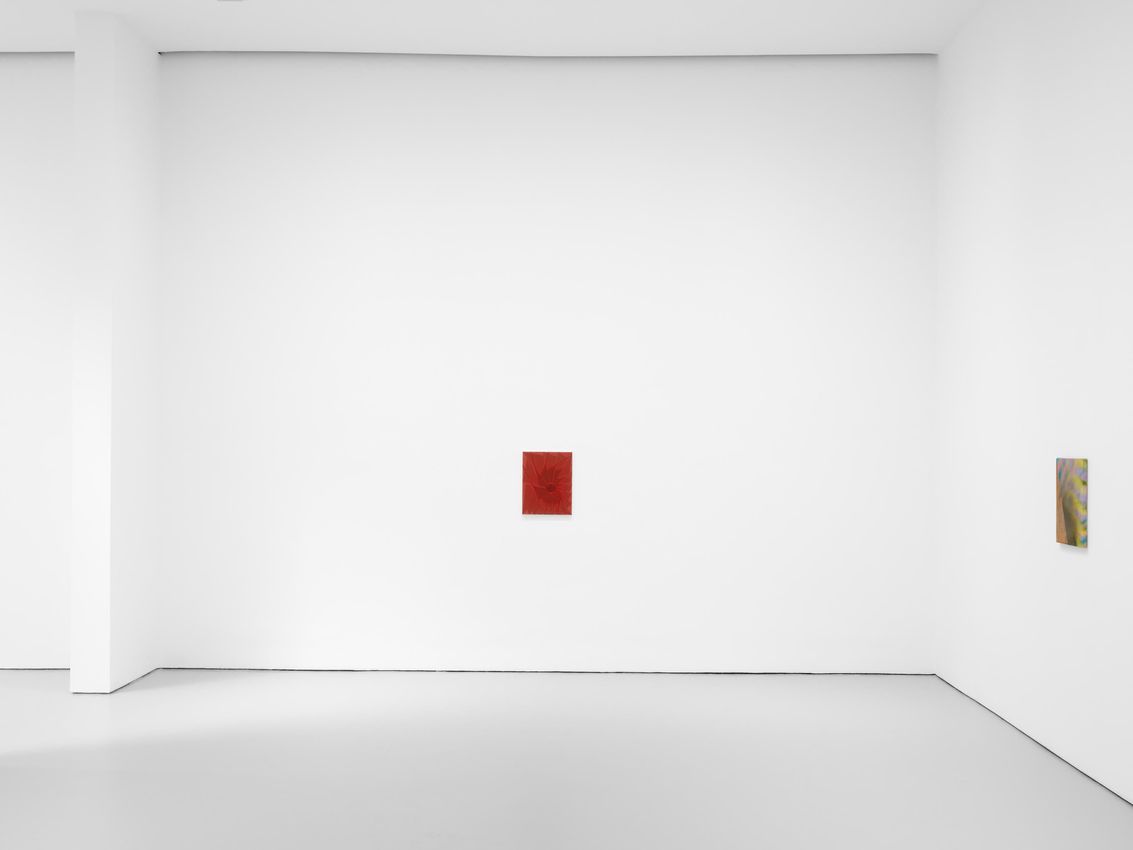
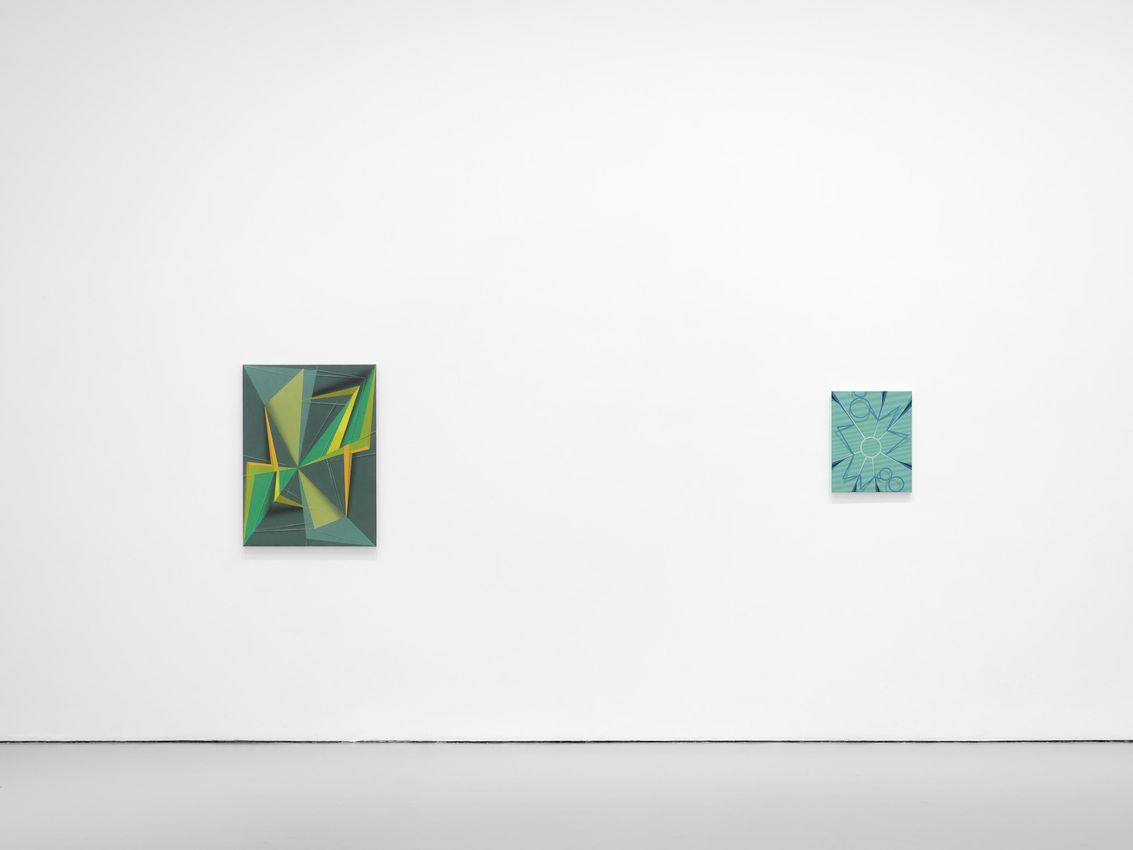
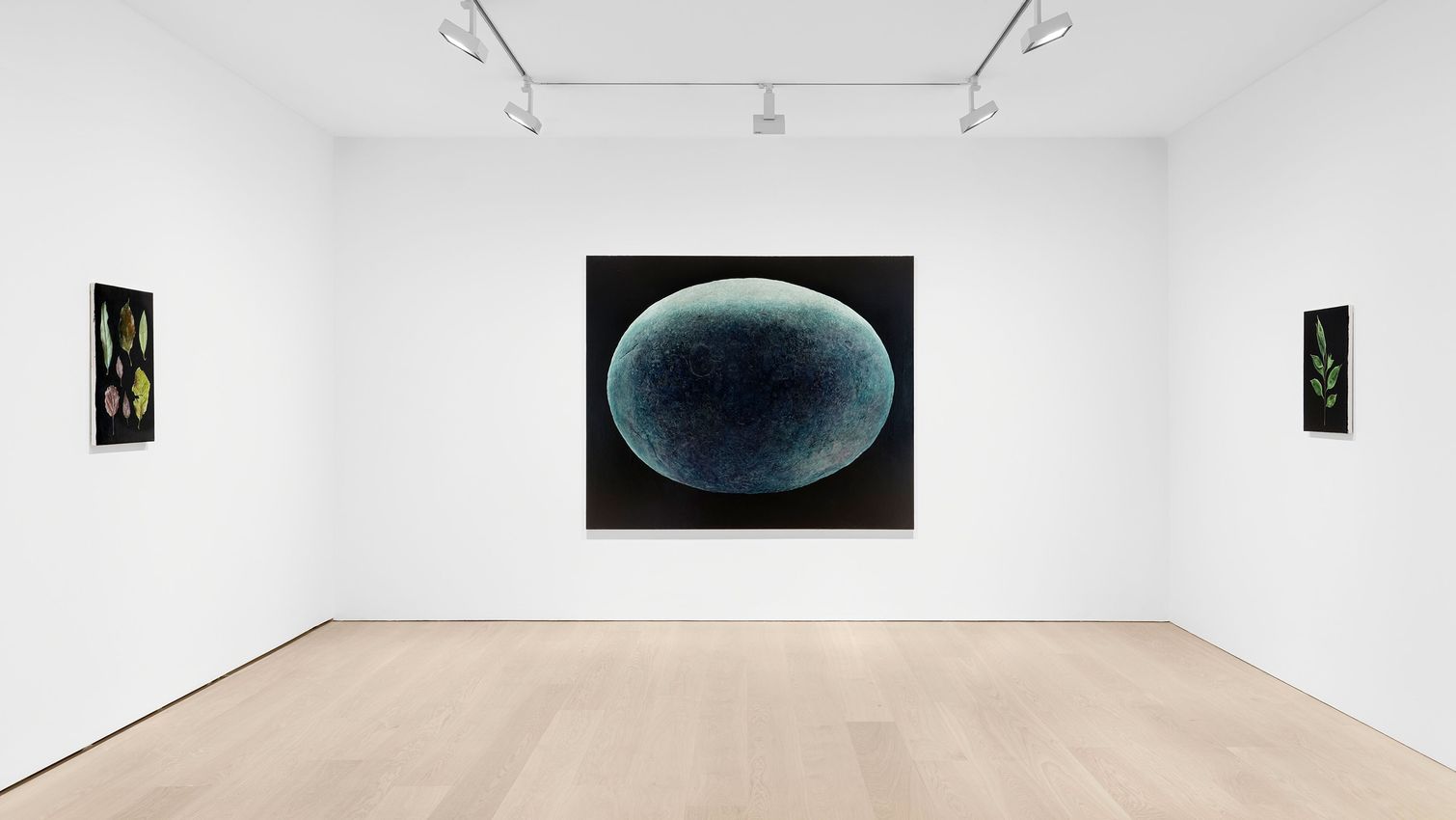
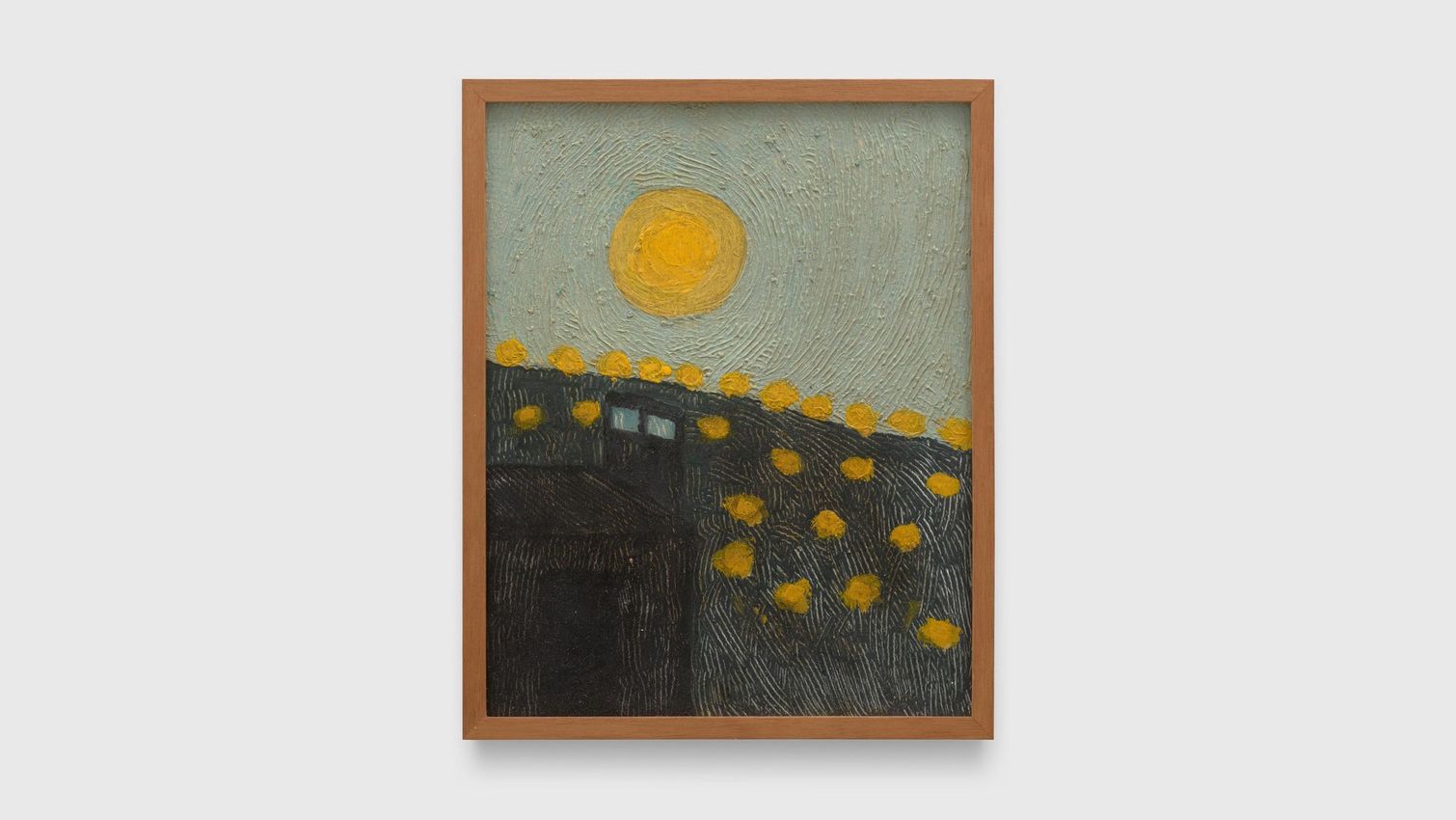
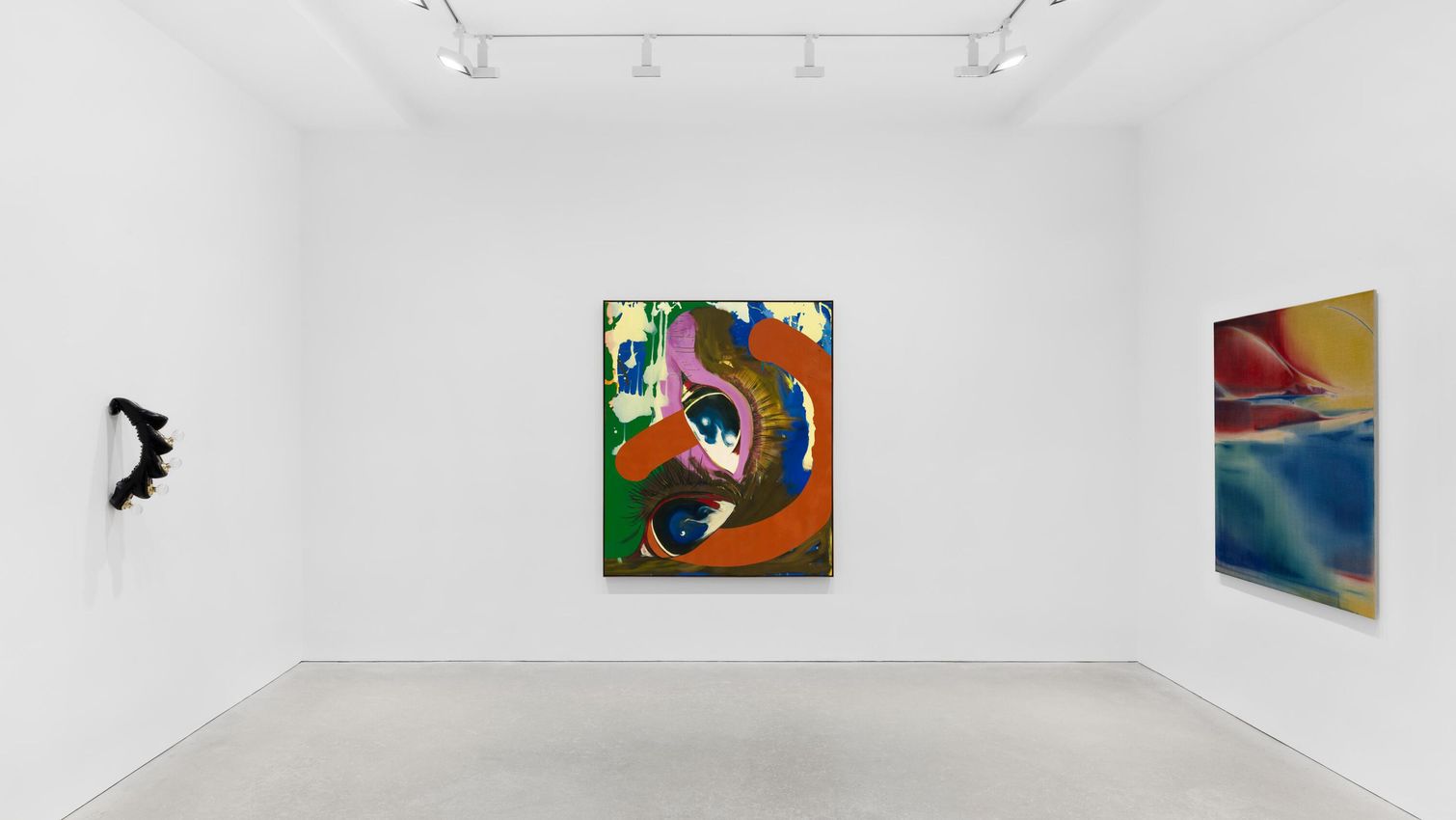
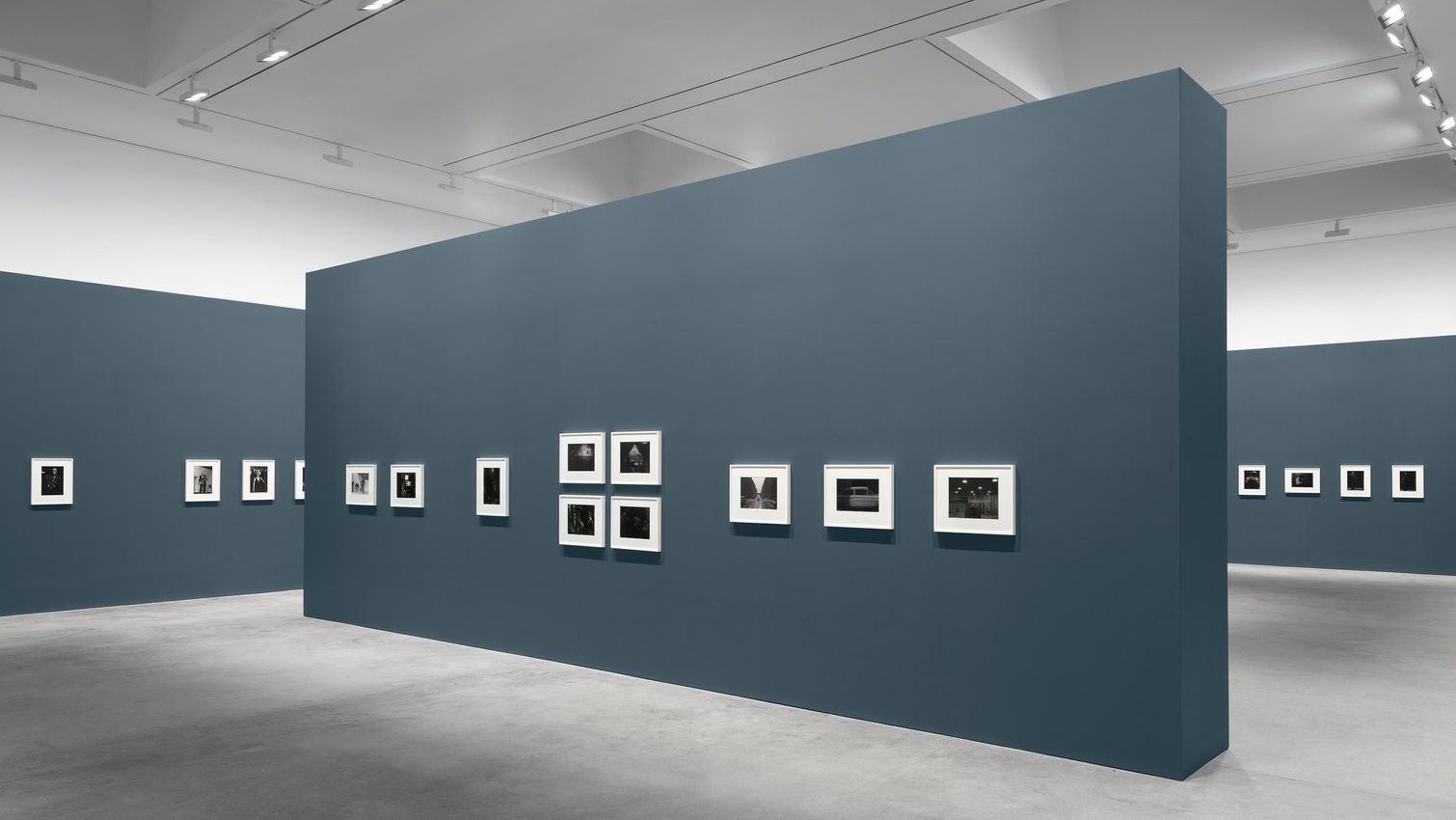
David Zwirner is pleased to present an exhibition by Tomma Abts at the gallery’s 525 West 19th Street location in New York, featuring a group of new paintings that showcases the artist’s sustained engagement with process and form. These works, which extend the ongoing body of intimately scaled canvases that Abts has been making since 1998, are among her most experimental to date, playfully exploring new possibilities in their medium, format, and composition. This will be Abts’s fourth solo presentation with the gallery and her first exhibition in New York since 2019.
Abts is known for her complex paintings and drawings that evolve in accordance with a self-determined and ever-widening set of parameters, which results in compositions that are intuitively constructed and precisely articulated. The textured surface, fine ridges, and subtle gradations of color are evidence of the process of finding, rendering, and establishing a final image. As art historian and philosopher Juliane Rebentisch speculates, the subject of Abts’s works may originate in the process of their creation: “The feeling of freedom at the beginning [of Abts’s process] is imbued with a kind of euphoric sense of possibility. To the painter, the format contains infinite possibilities of formal creation.” 1
In the works on view—which include a painting in two parts and a painting on silk, as well as two works that incorporate a segment of a bronze or aluminum cast—Abts finds alternate means of beginning, realizing, and resolving a painting. In some of the paintings, the artist employs the structure of a previously established composition, using it as a starting point to further explore its properties, shifting focus to different aspects of scale, color, surface, and support. Likewise, three of the exhibited works are larger paintings that each measure 34 by 25 inches—the first instance of Abts working on a different scale within this body of work. The artist deepens her investigation by locating new facets of material and depth that underscore the sense of discovery inherent to her process.
Tomma Abts was born in Kiel, Germany, in 1967. She studied at the Hochschule der Künste, Berlin, from 1988 to 1995. Abts’s work has been the subject of major international exhibitions, most recently in 2018 at the Art Institute of Chicago and the Serpentine Gallery, London. Other prominent institutions that have presented solo shows of the artist’s work include the Aspen Art Museum, Colorado (2014); Kunsthalle Düsseldorf (2011); New Museum, New York (2008; traveled to the Hammer Museum, Los Angeles); Kunsthalle Basel (2005); and The Douglas Hyde Gallery, Dublin (2005). Abts’s work has also been included in major international exhibitions such as the Berlin Biennale (2006); Carnegie International, Pittsburgh (2004); and Istanbul Biennial (2001), among others.
In 2006, Abts was the recipient of the prestigious Turner Prize, awarded by Tate, United Kingdom. The artist has been represented by David Zwirner since 2005 and received her debut exhibition at the gallery in New York in 2008.
The artist’s work is represented in public collections internationally, including the Art Institute of Chicago; Baltimore Museum of Art; Carnegie Museum of Art, Pittsburgh; Hammer Museum, Los Angeles; Los Angeles County Museum of Art; The Museum of Modern Art, New York; San Francisco Museum of Modern Art; Staatsgalerie Stuttgart; Tate, United Kingdom; and the Walker Art Center, Minneapolis. Since 1995, Abts has lived and worked in London.
1 Juliane Rebentisch, “Concentration, Ornament, and Singularity: Tomma Abts’s Postmodern Modernity,” in James Rondeau, ed.,Tomma Abts. Exh. cat. (Chicago: The Art Institute of Chicago; London: Serpentine Galleries, 2018), p. 29.
Tomma Abts makes complex paintings and works on paper whose subject is ultimately the process of their creation. She begins each work with no preconceived composition and idea, and without preliminary sketches. Guided largely by intuition, she nevertheless works within precise parameters. The paintings’ evolution is evidenced by ridges and uneven texture—the result of methodical overpainting and reworking of the image. While abstract, the works are still illusionistic, rendered with sharp attention to shadows, three-dimensional effects, and highlights that defy any single, realistic light source. The resulting canvases convey balance and movement, while maintaining a sense of uncertainty, which seems akin to memory.

A respected voice in contemporary art discourse.
Focusing on ambitious storytelling and insightful art-world commentary. Ocula Magazine publishes in-depth interviews, critical essays and timely analysis on the artists, exhibitions and ideas driving the global art world.
Learn more about Ocula Magazine
Showcasing the best of the art world.
Ocula partners with galleries from around the world to highlight their artists, artworks and exhibitions. Gallery membership is by application and invitation, with each member vetted by an independent panel.
Learn more about Ocula Membership

Specialises in the sale of major artworks.
Led by a team with deep ties to the world’s leading auction houses, galleries and collectors. Ocula’s advisory team offers bespoke services to high-net-worth clients from around the world who are looking to acquire the best of contemporary and modern art.
Learn more about our team and services